Healthcare & Hospitals
Commercial Offices & Workplaces
Hospitality & Restaurants
Education & Institutional Facilities
Public Hygiene & Facility Management

 IN

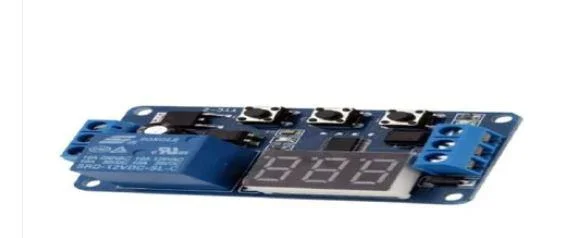
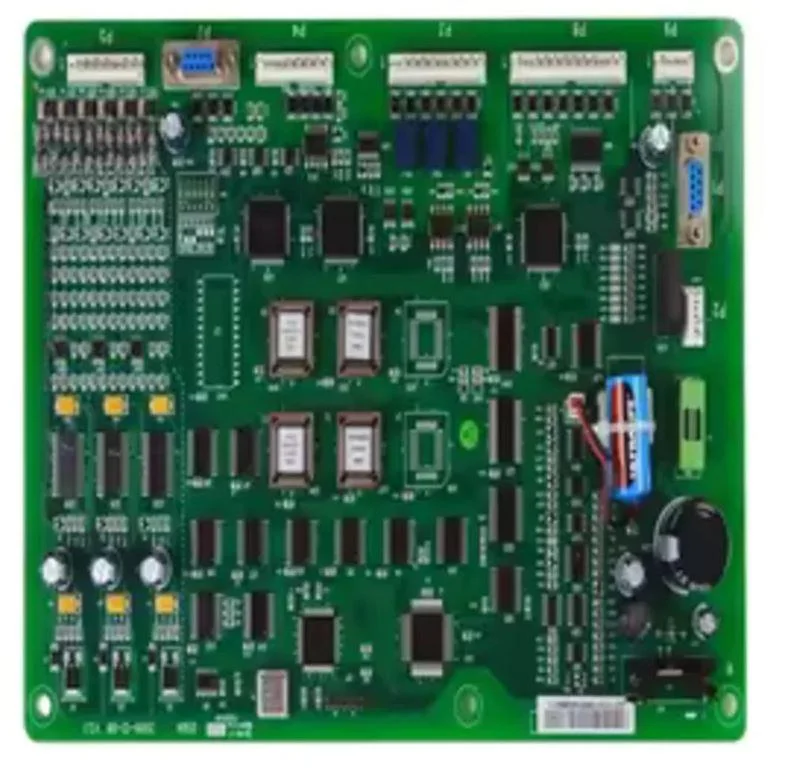
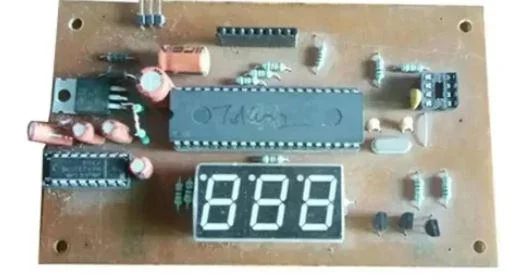
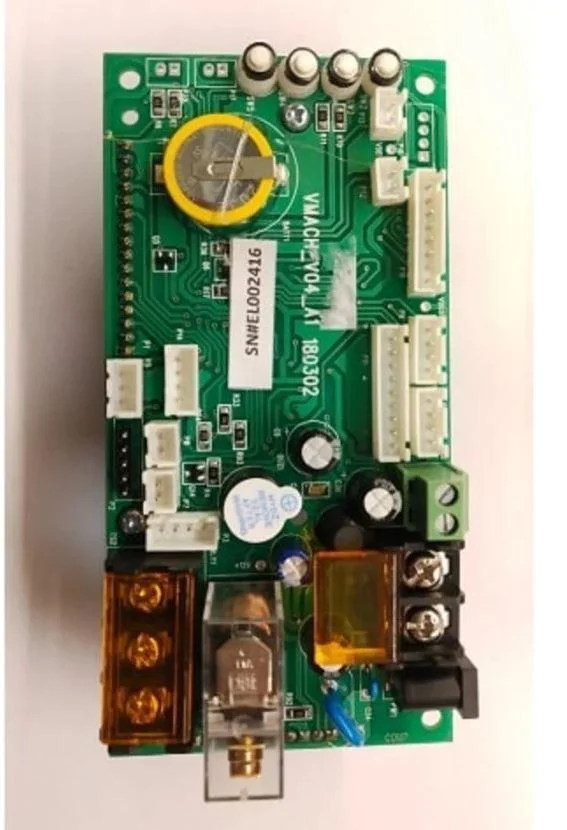
The contactless hand sanitizer dispenser PCB assembly board is engineered for electronics applications, providing reliable control and seamless integration in touchless sanitizer units. It is single-sided, made from high-quality 4mm material, and features a green base for easy identification. This PCB enables accurate sensor response, consistent motor operation, and efficient power distribution, ensuring long-lasting performance. Its robust design simplifies assembly, reduces maintenance, and improves device reliability. Ideal for offices, hospitals, schools, and public facilities, this board supports high-usage environments while maintaining safety standards. The precise layout allows for efficient component placement, enhancing overall electronics functionality.
| Key Attributes | |
|---|---|
| Product Type | Contactless Hand Sanitizer Dispenser PCB Assembly Board |
| Product Category | Electronic Control & Dispensing Component |
| PCB Type | Main Control / Sensor Interface / Driver PCB* |
| Application | Automatic Hand Sanitizer Dispenser Systems* |
| Function | Sensor Detection, Pump Control & Dispensing Management |
| Power Supply | Battery / Low-Voltage DC Supply* |
| Sensing Technology | Infrared / Proximity Sensor Interface* |
| Output Control | Pump / Motor / Solenoid Driver* |
| Additional Information | |
|---|---|
| Country of Origin | India |
Healthcare & Hospitals
Commercial Offices & Workplaces
Hospitality & Restaurants
Education & Institutional Facilities
Public Hygiene & Facility Management
| Available Stock | In Stock |
| Sample Availability | No |
| Payment Terms |
|
| Payment Methods |
|

 Tamil Nadu, India
It is an electronic control board designed to detect hand presence and control the dispensing mechanism of an automatic hand sanitizer dispenser.
The PCB receives a signal from a suitable proximity or infrared sensor and activates the compatible pump or dispensing mechanism according to its programmed control logic.
Depending on the dispenser design, it can control DC pumps, motors, solenoids, sensors, LEDs and other compatible electronic components.
Possible causes include voltage fluctuations, liquid or moisture exposure, component ageing, sensor faults, wiring problems, electrical overload and pump-related issues.
Useful details include the dispenser make and model, PCB part number, board photographs, operating voltage, sensor type, pump specification, connector configuration and required dispensing function.
Shipping fee and delivery date to be negotiated. Contact supplier now for more details.

 Tamil Nadu, India