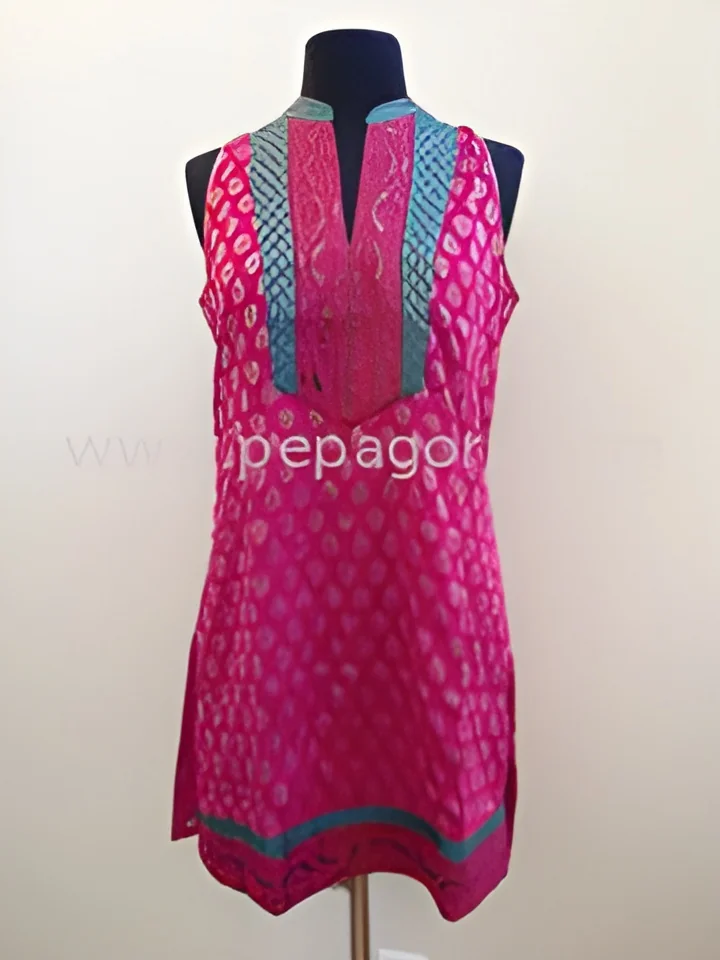
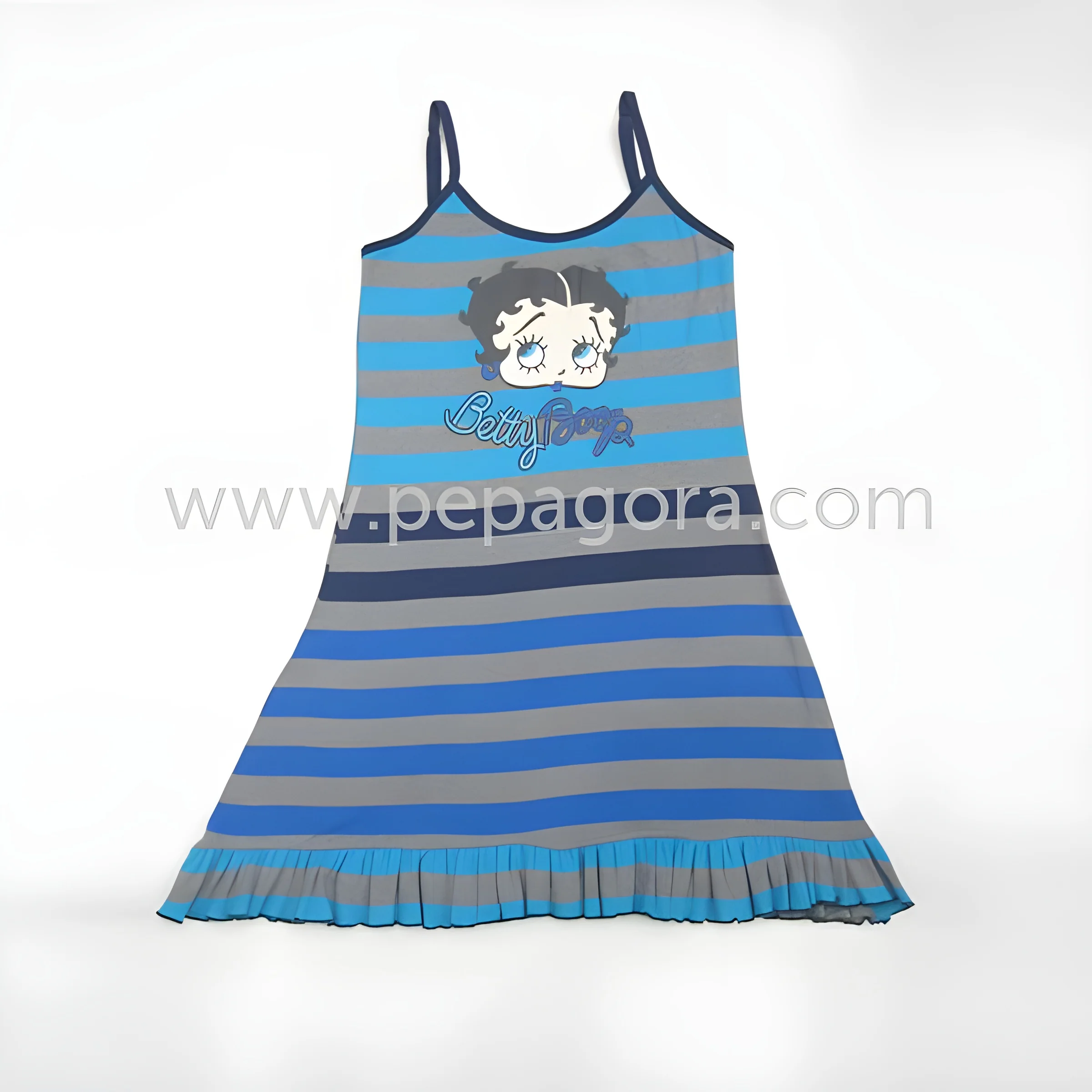
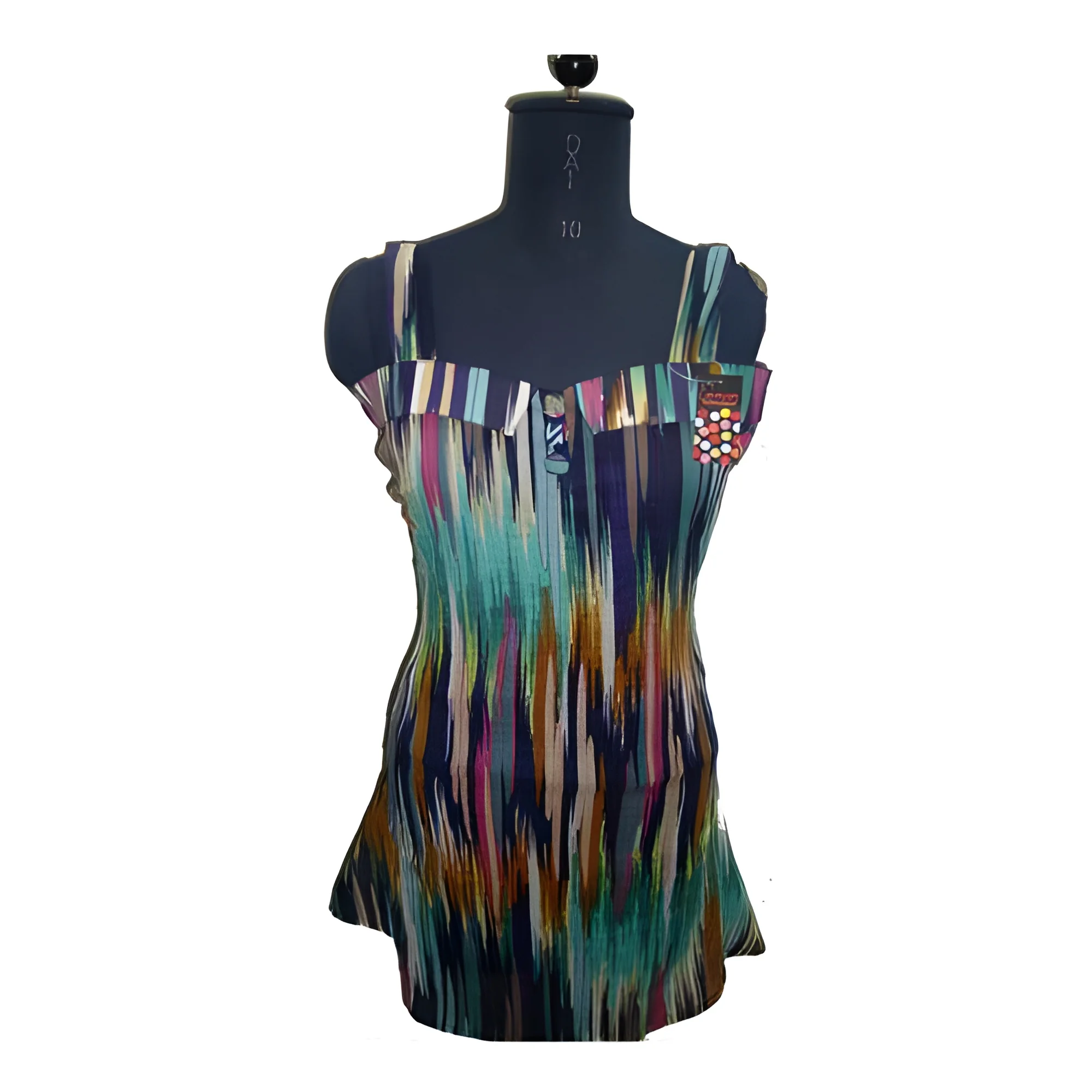
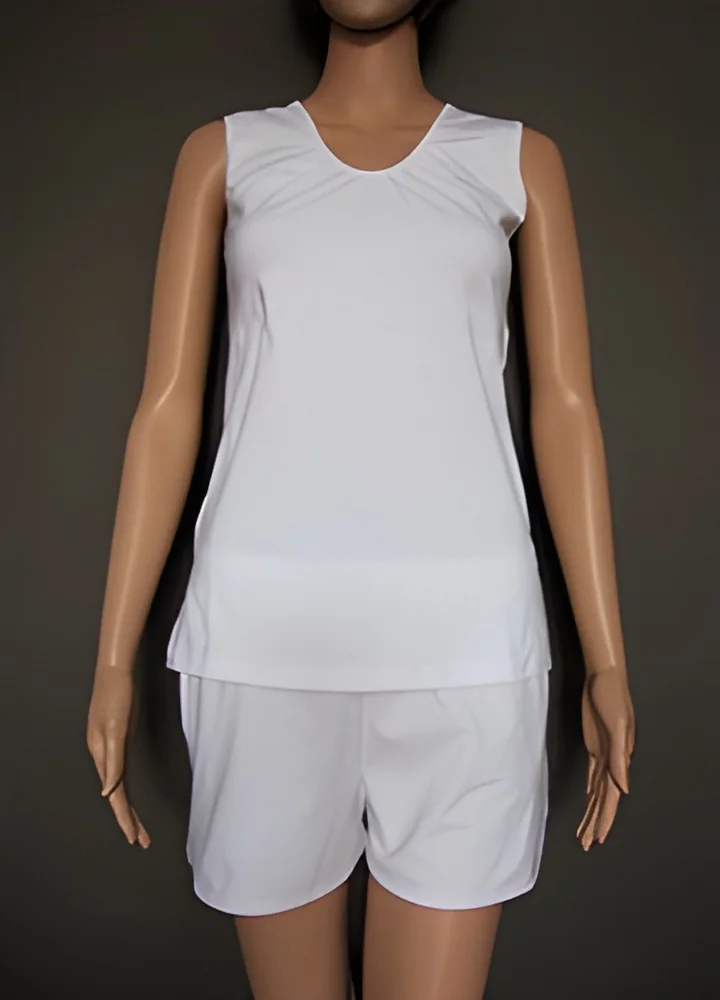
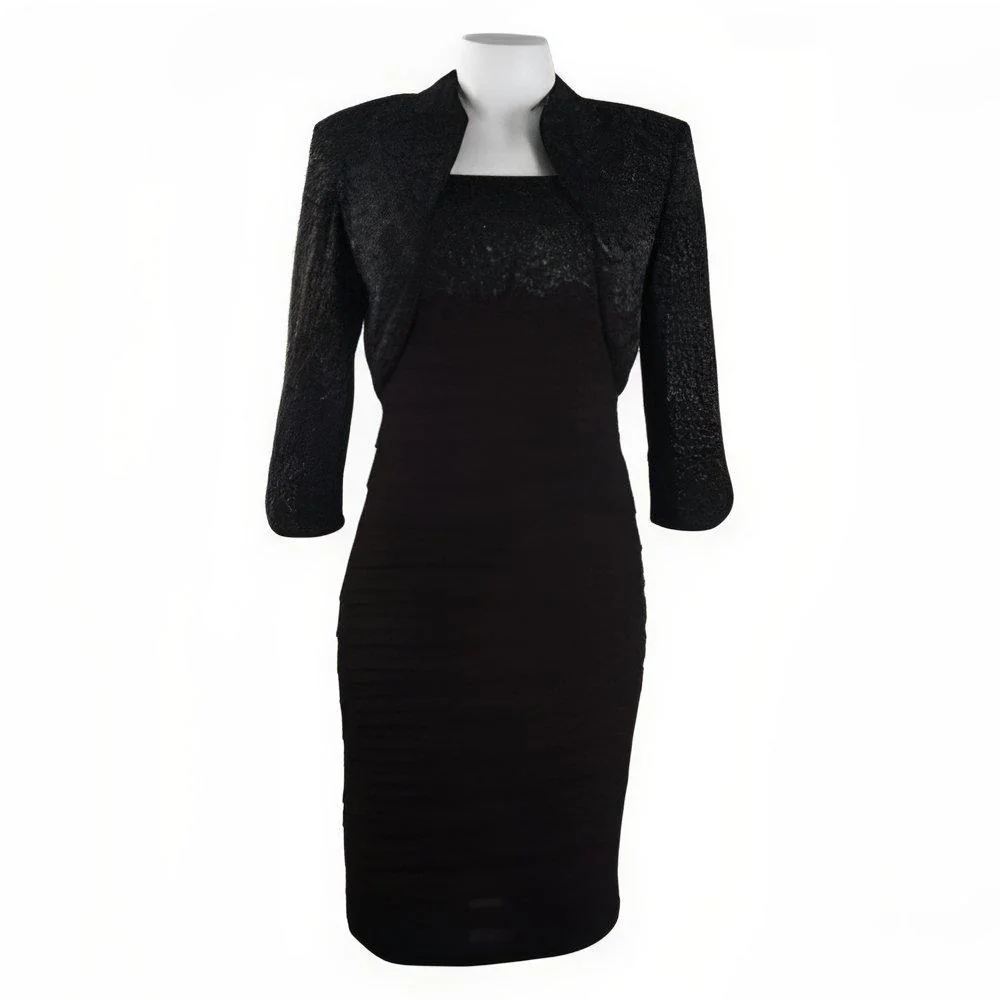
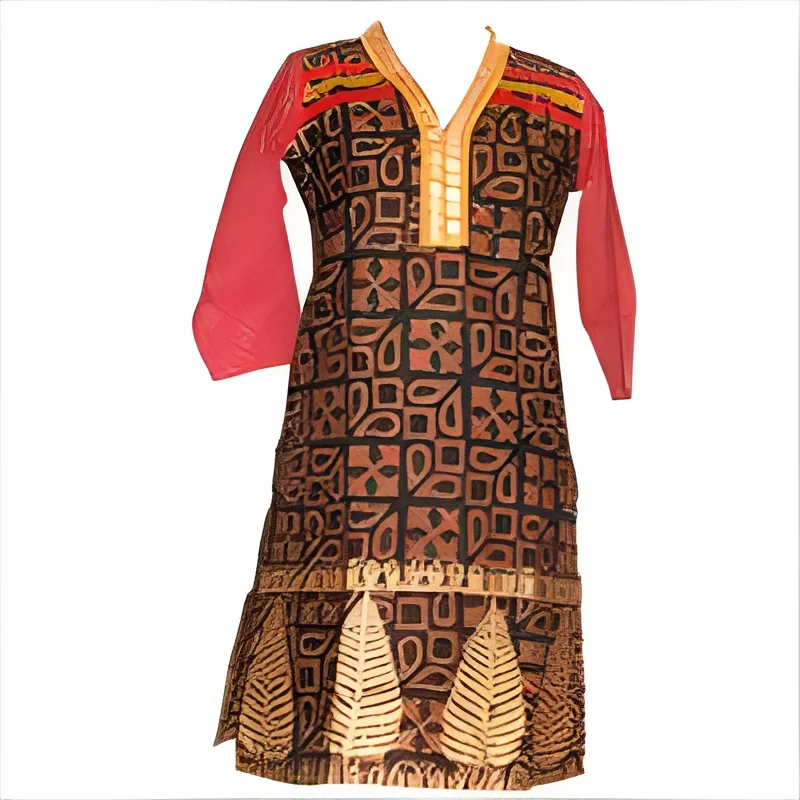
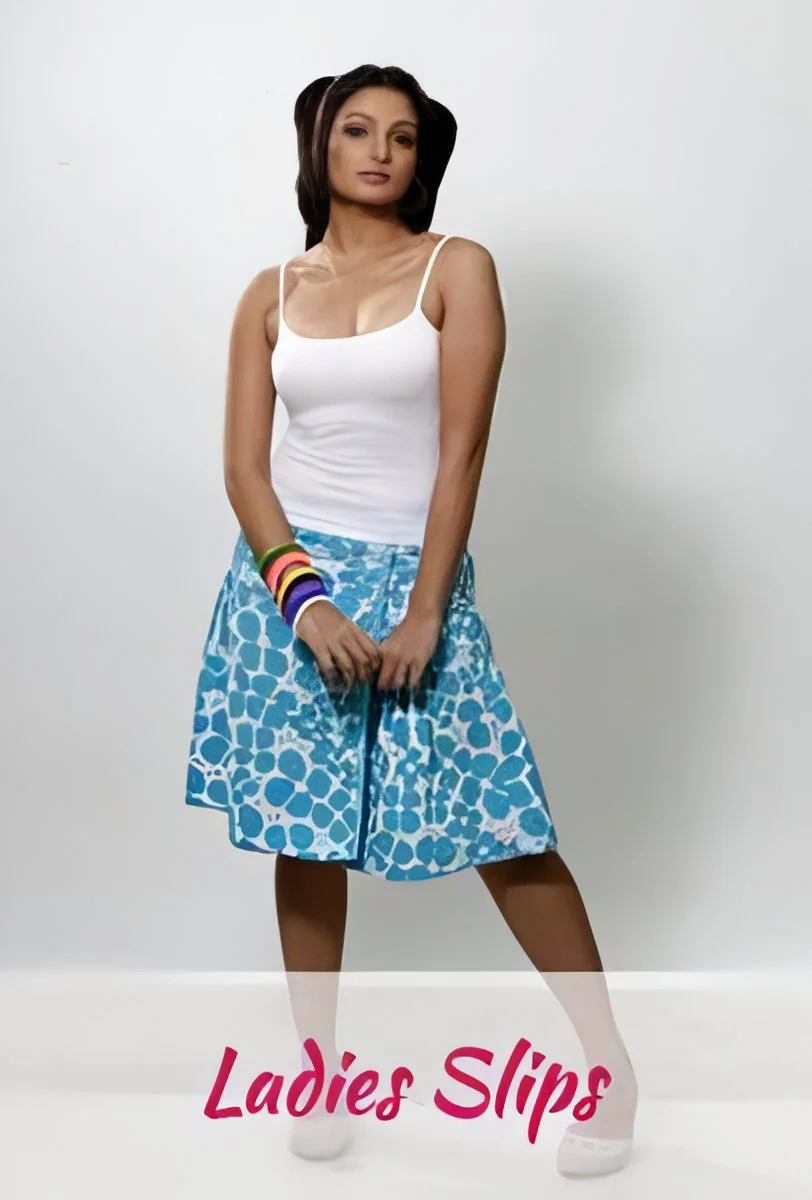
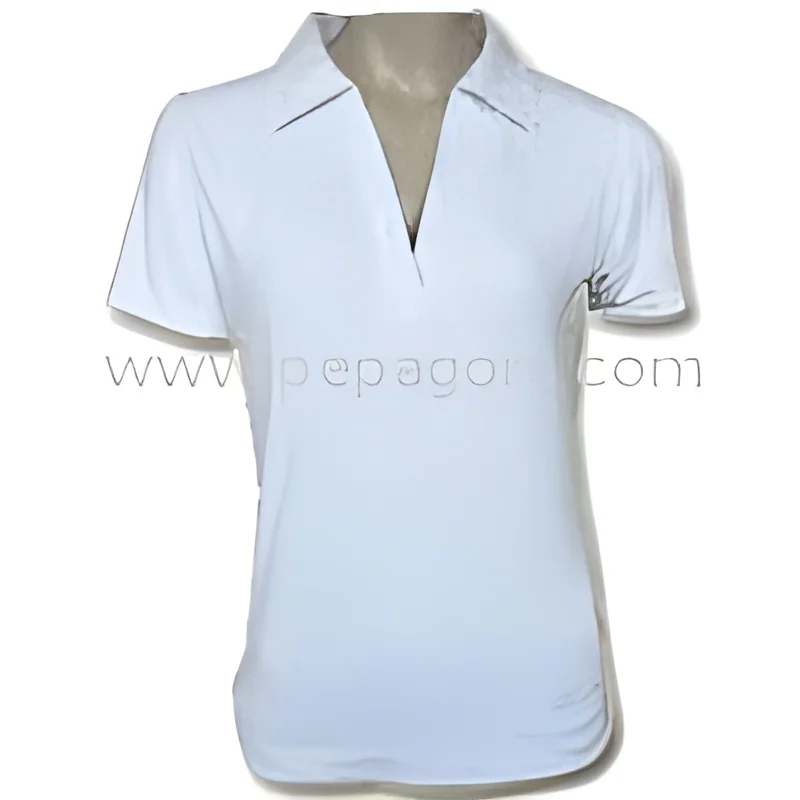
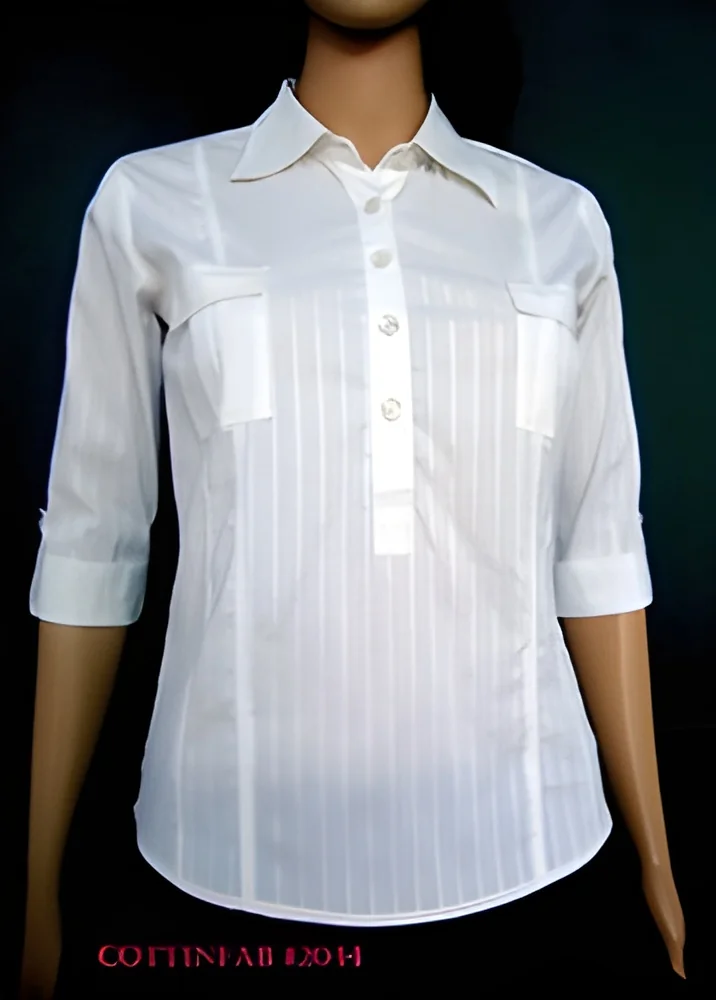
𝗪𝗵𝗮𝘁 𝗮𝗿𝗲 𝗪𝗼𝗺𝗲𝗻'𝘀 𝗪𝗲𝗮𝗿?
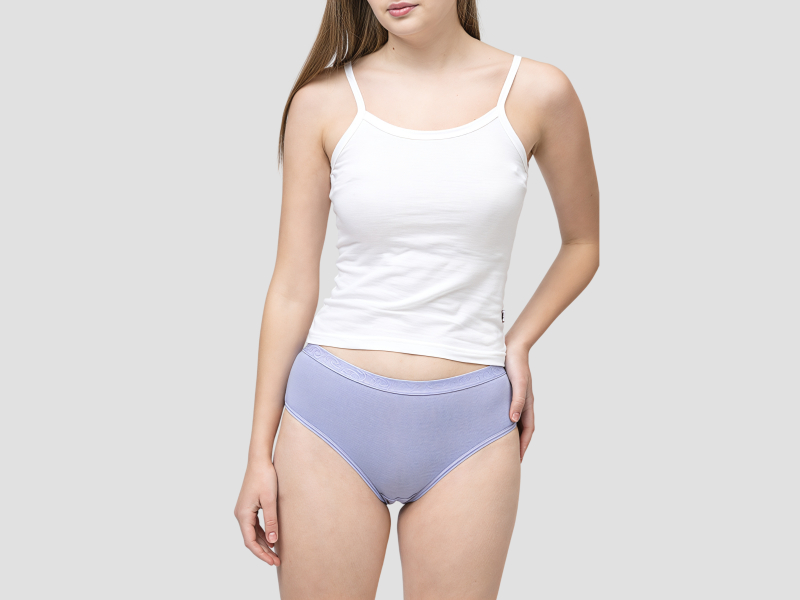
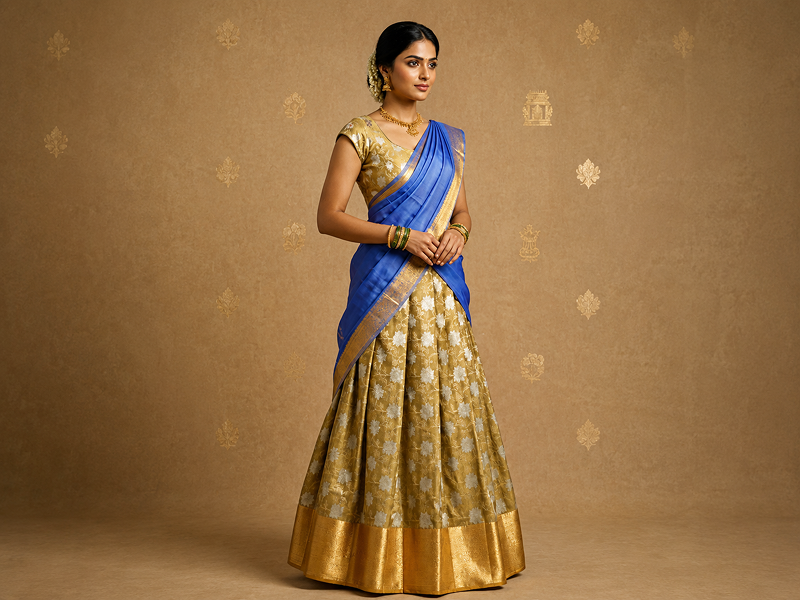
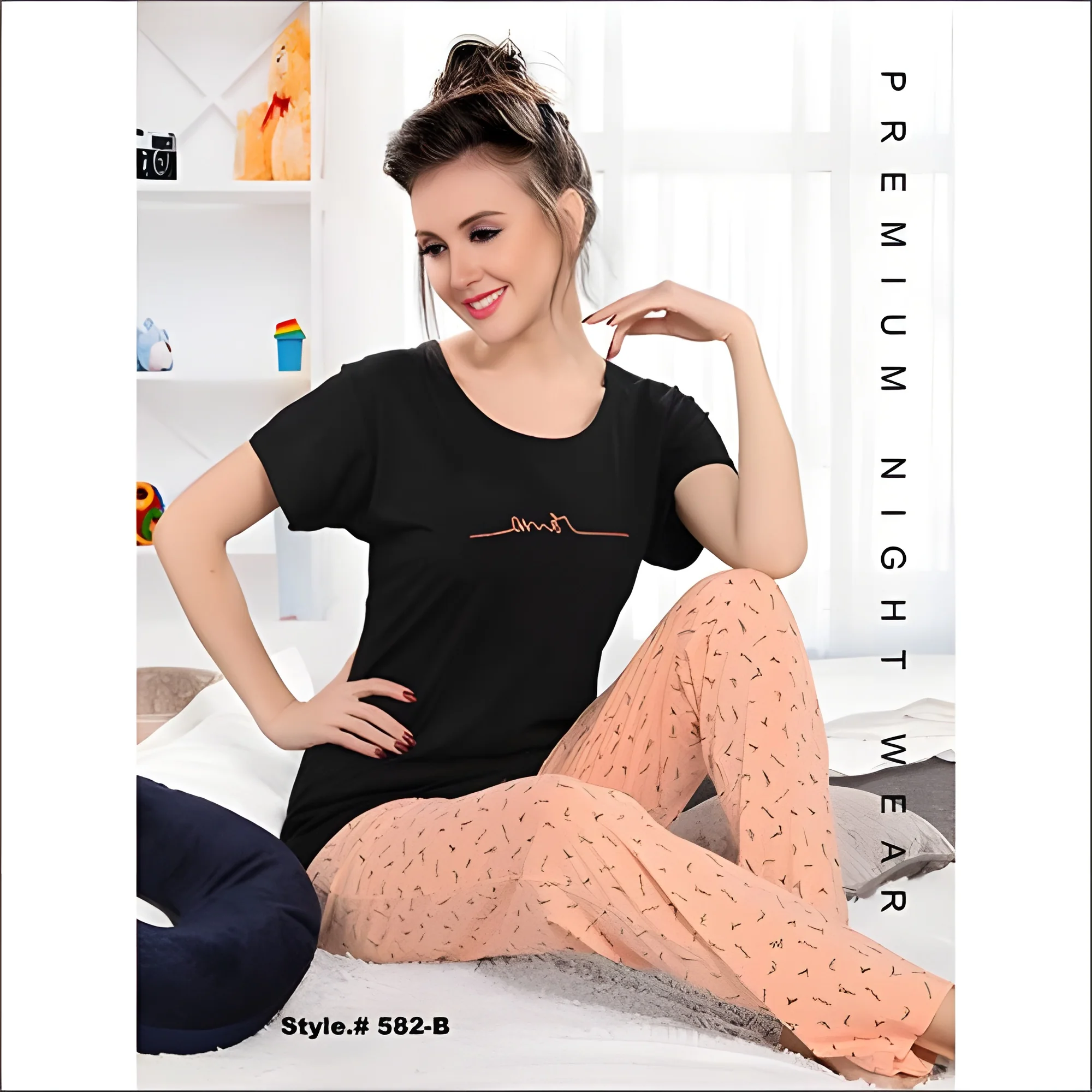
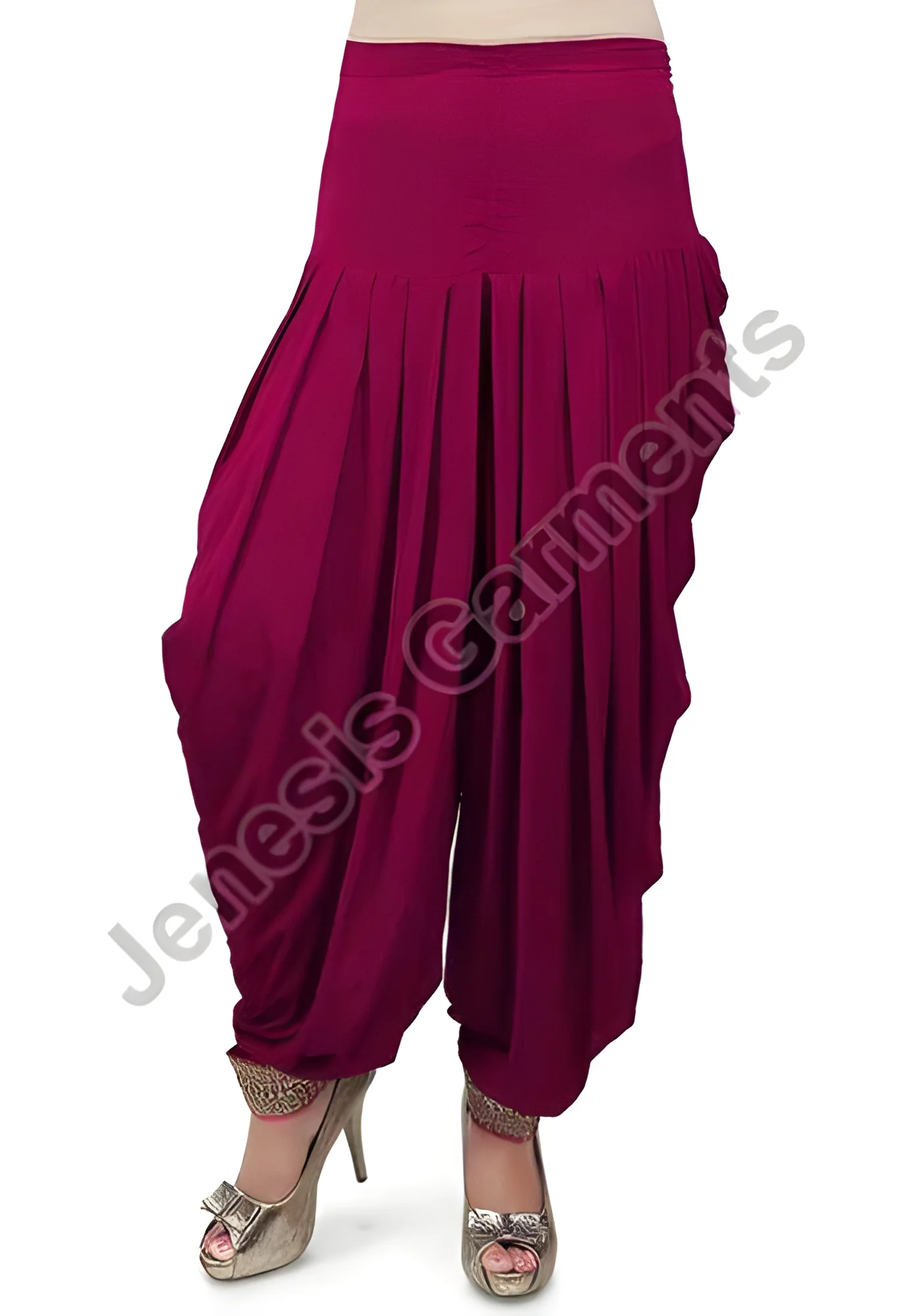
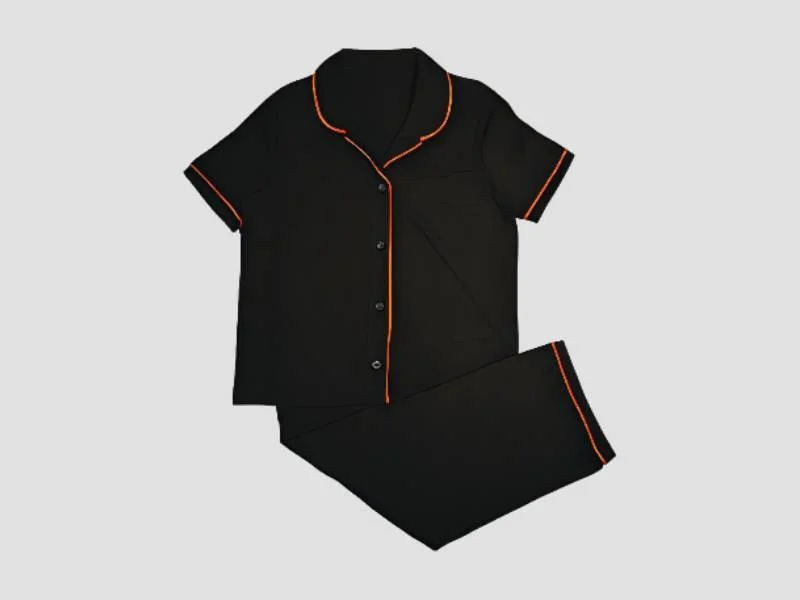
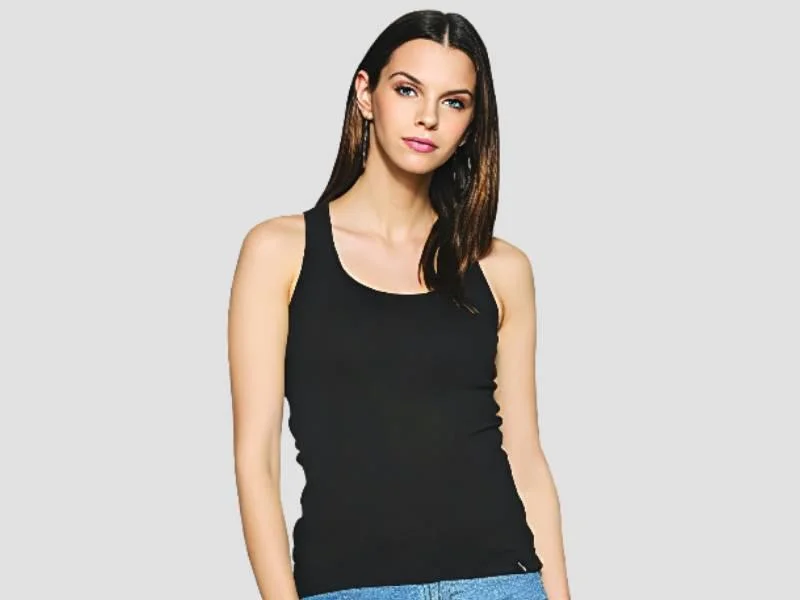
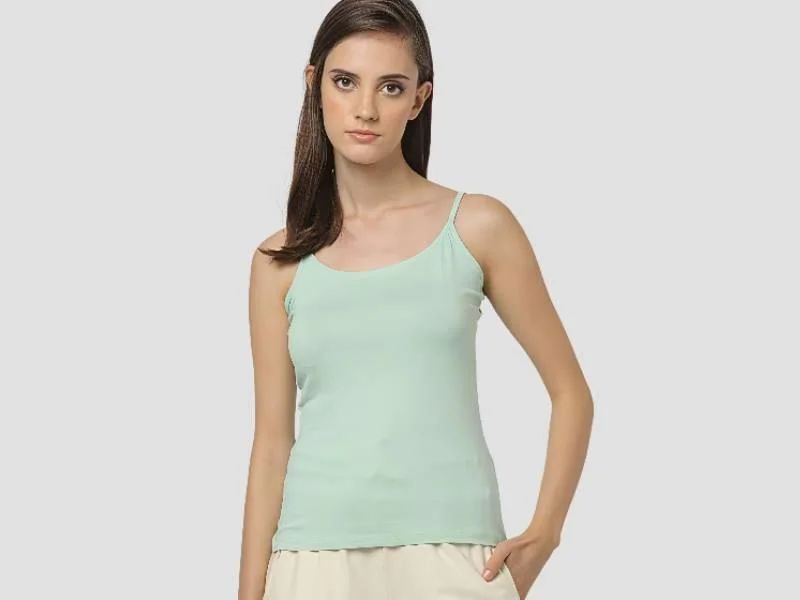
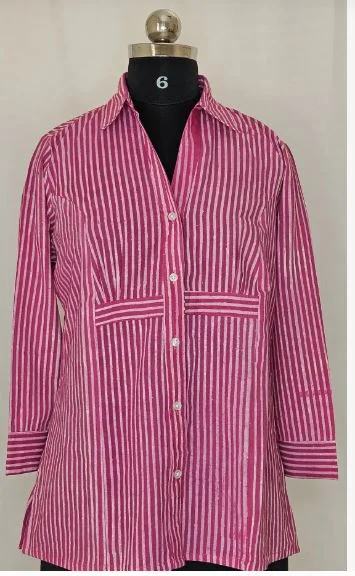
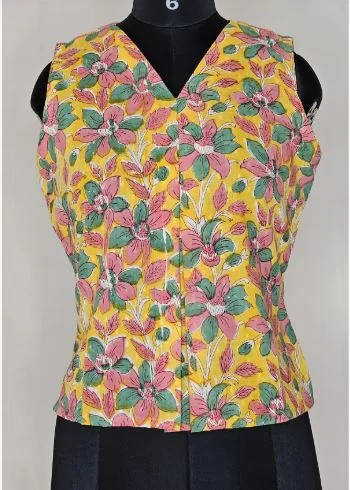
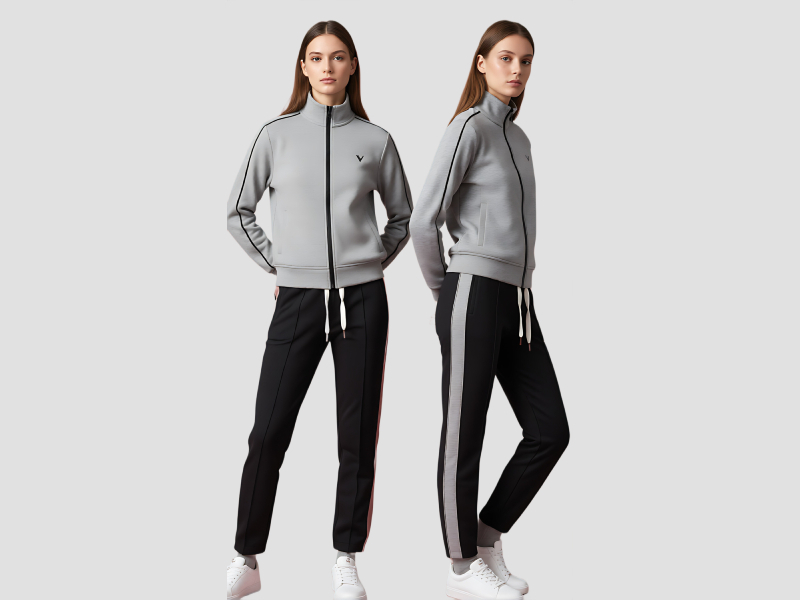
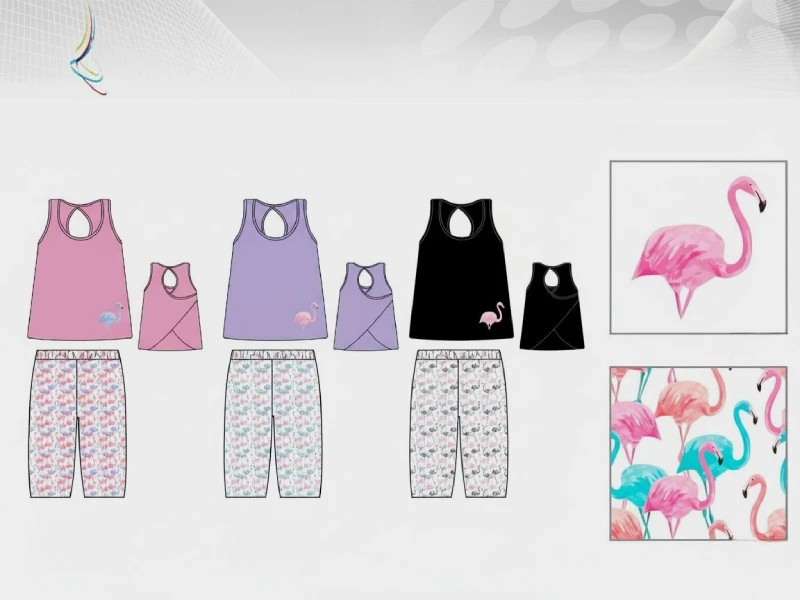
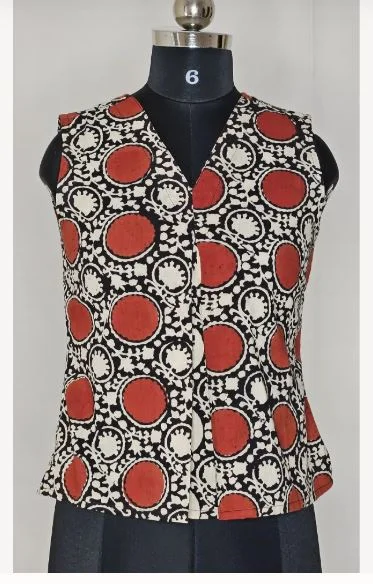
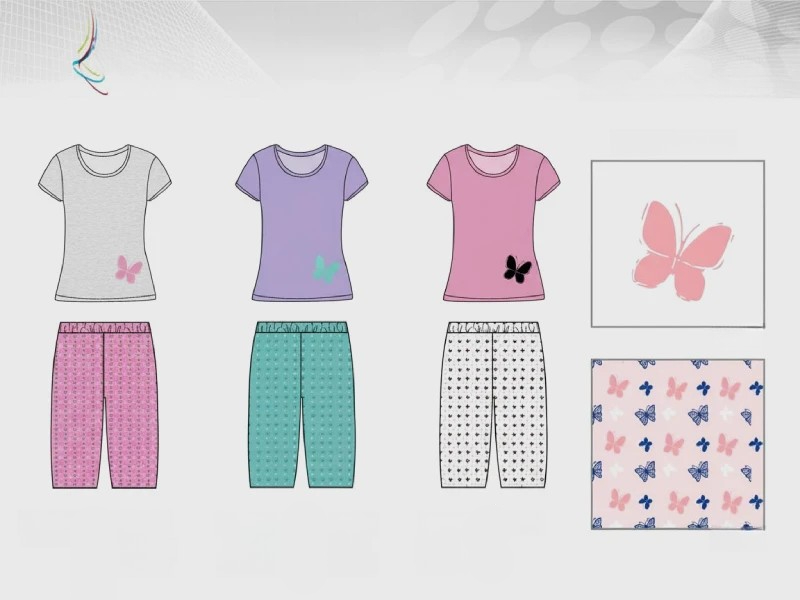
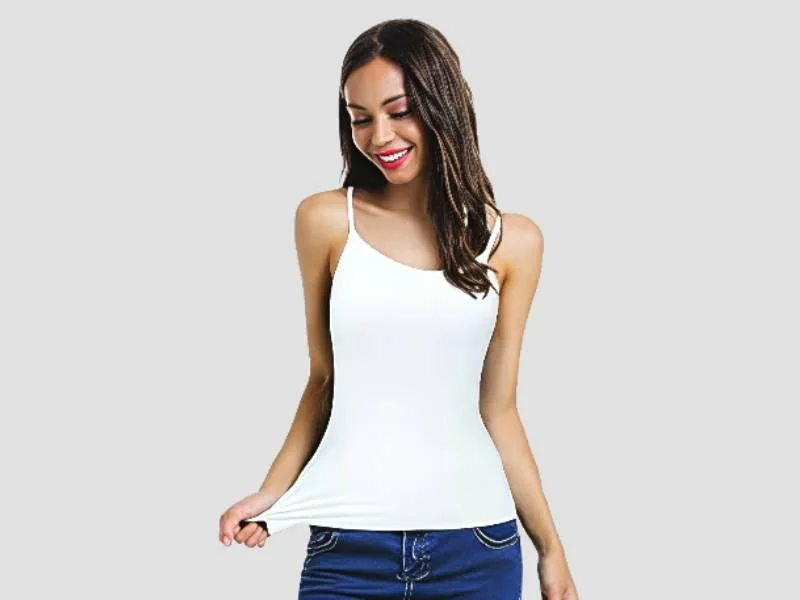
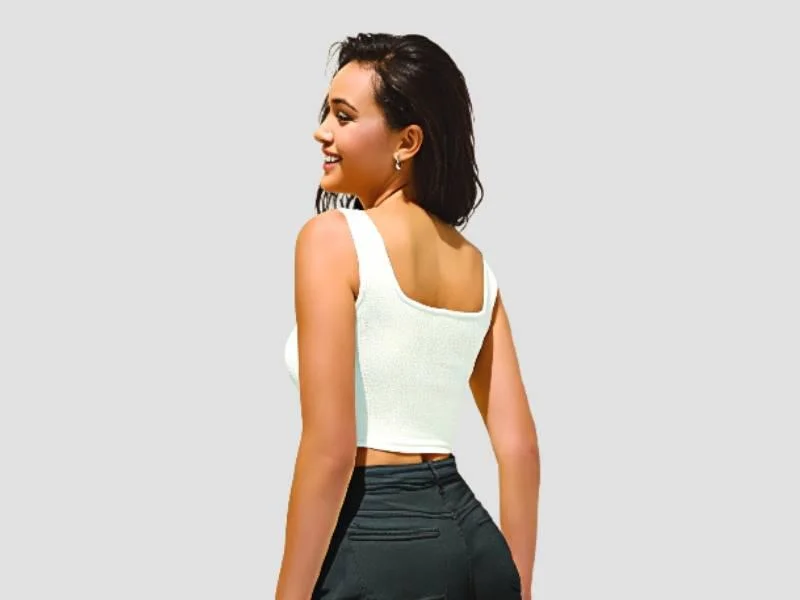
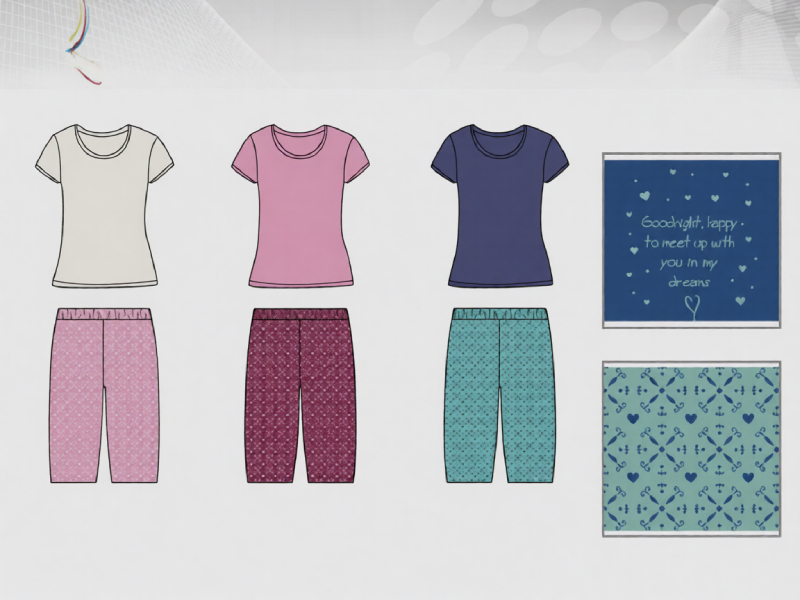
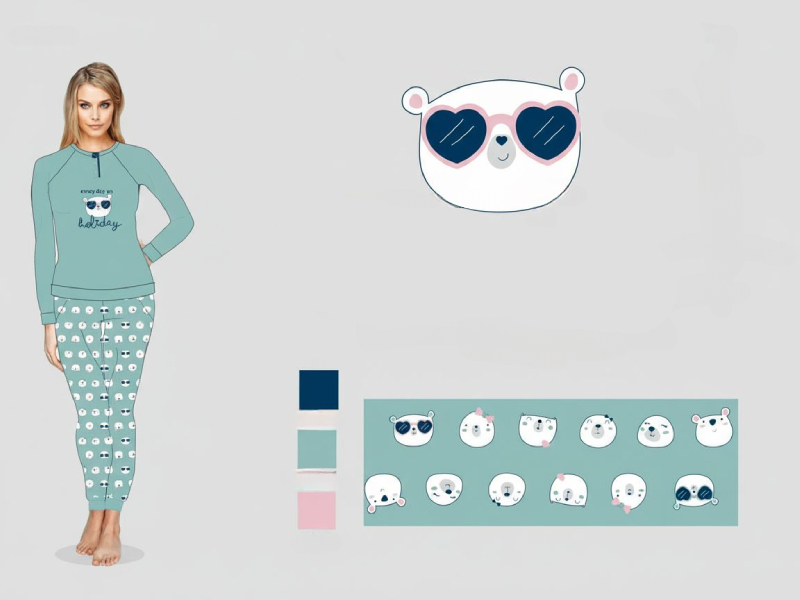
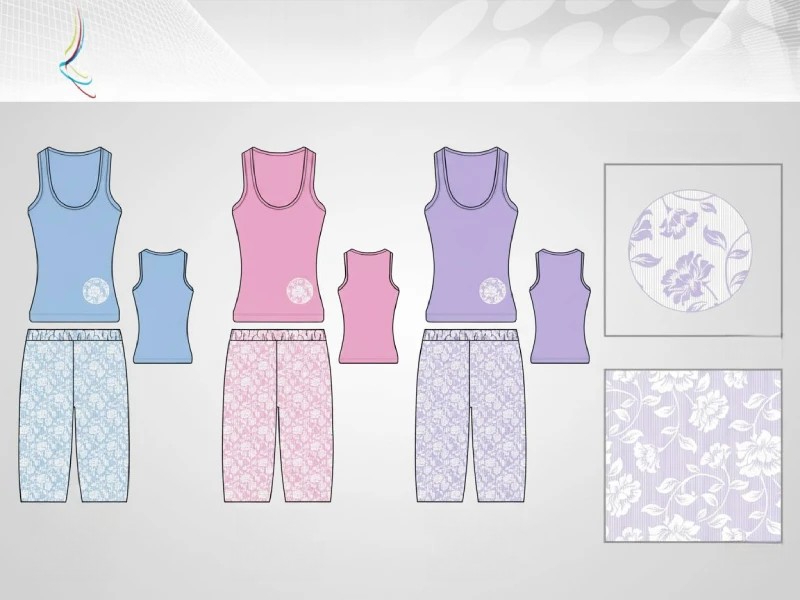
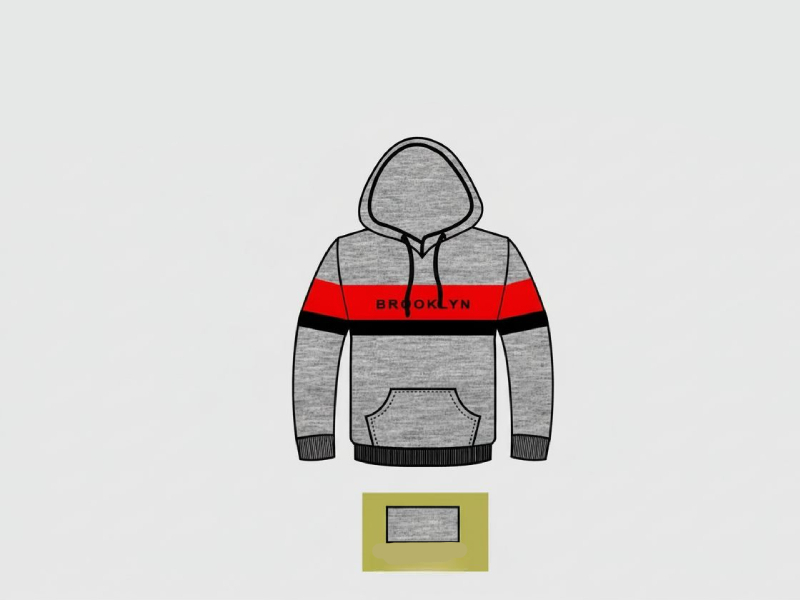
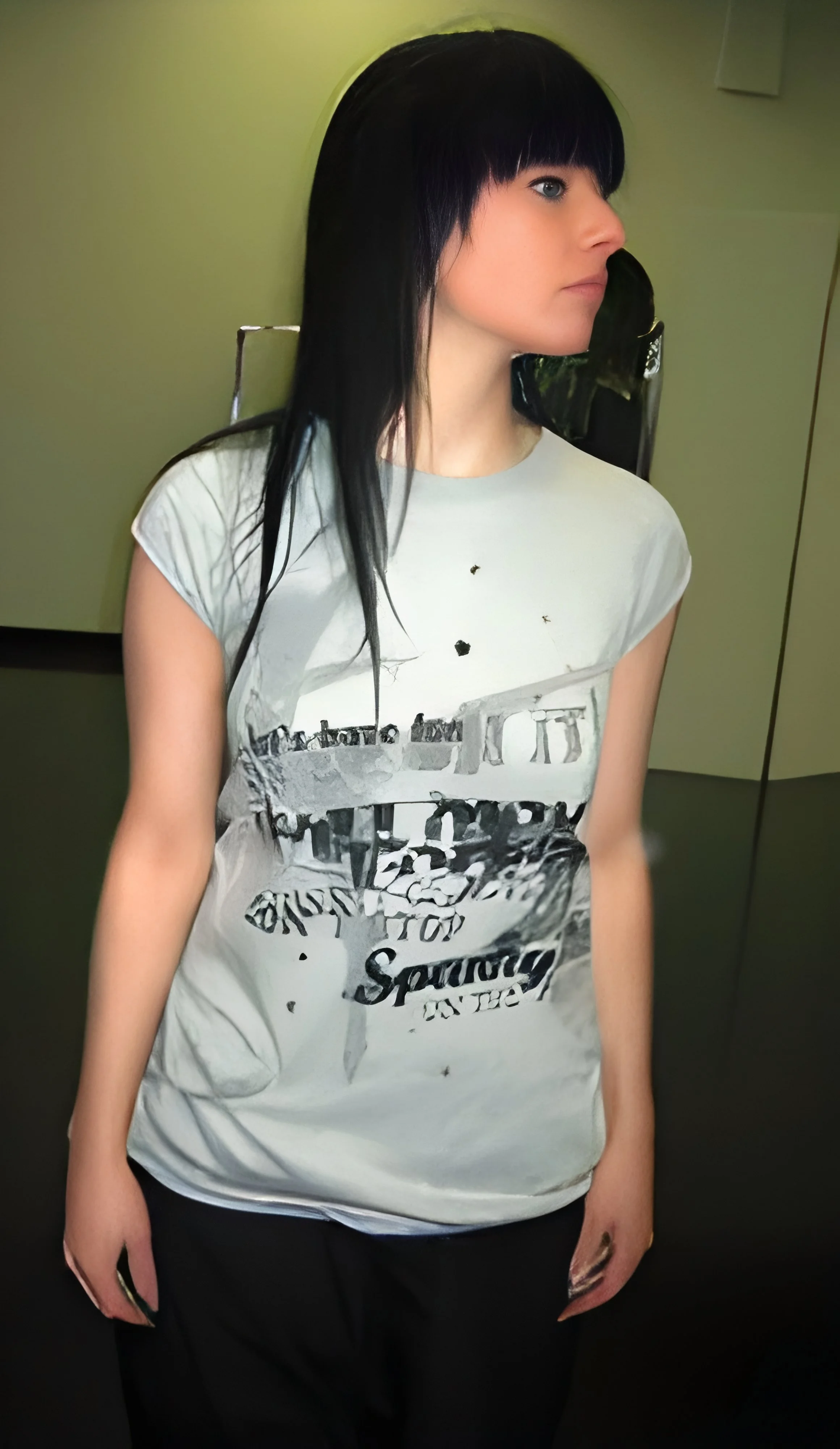
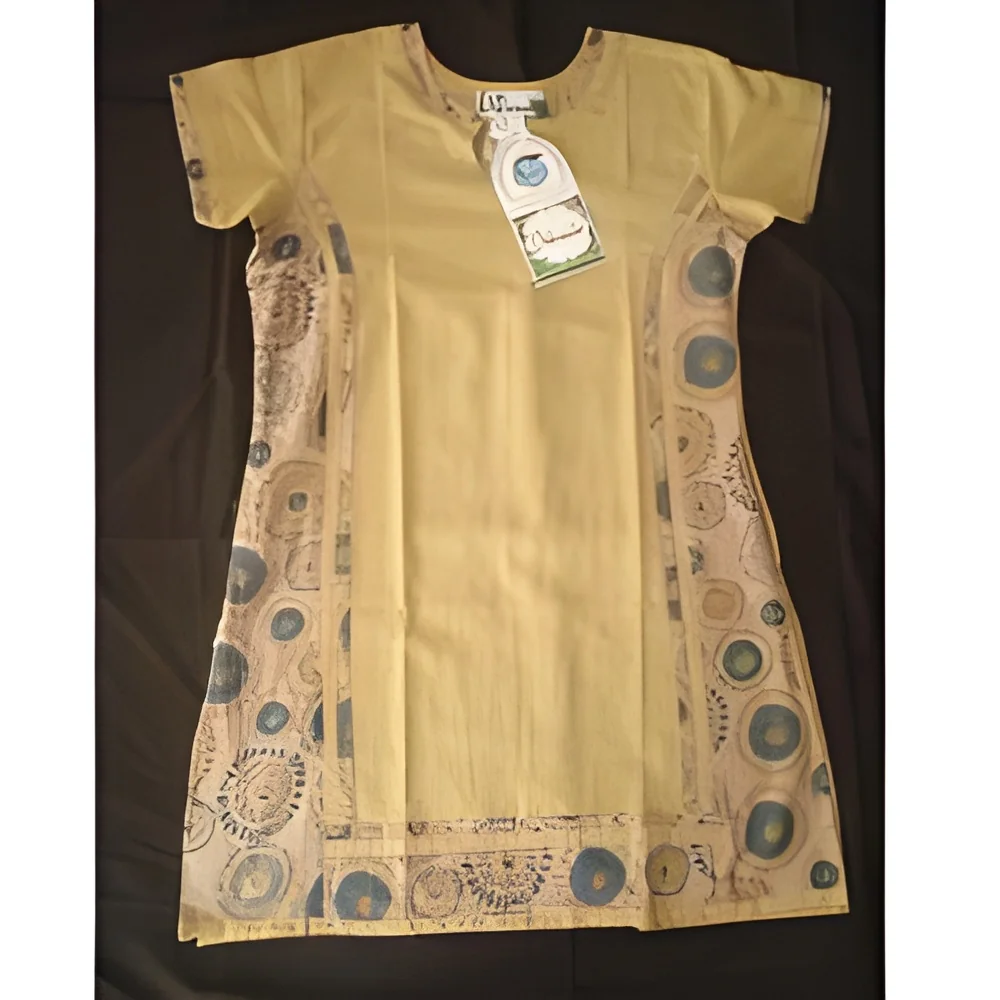
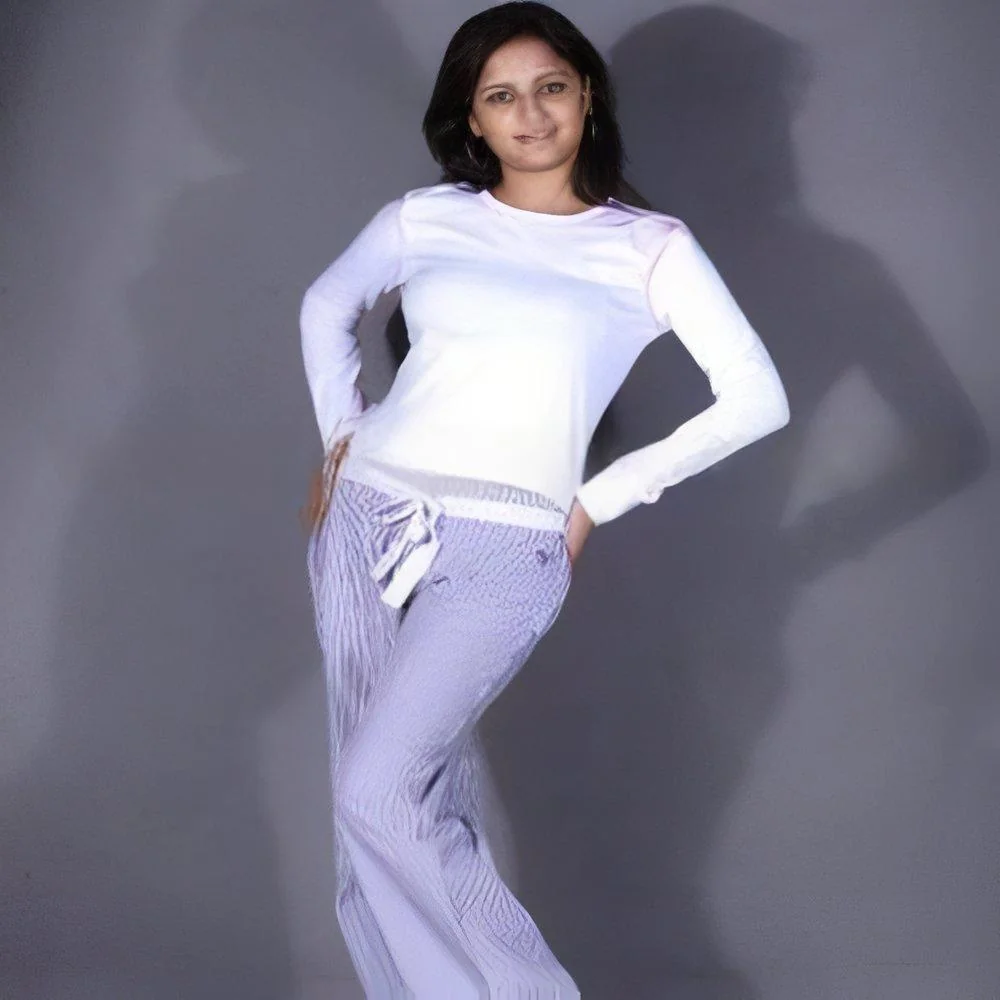
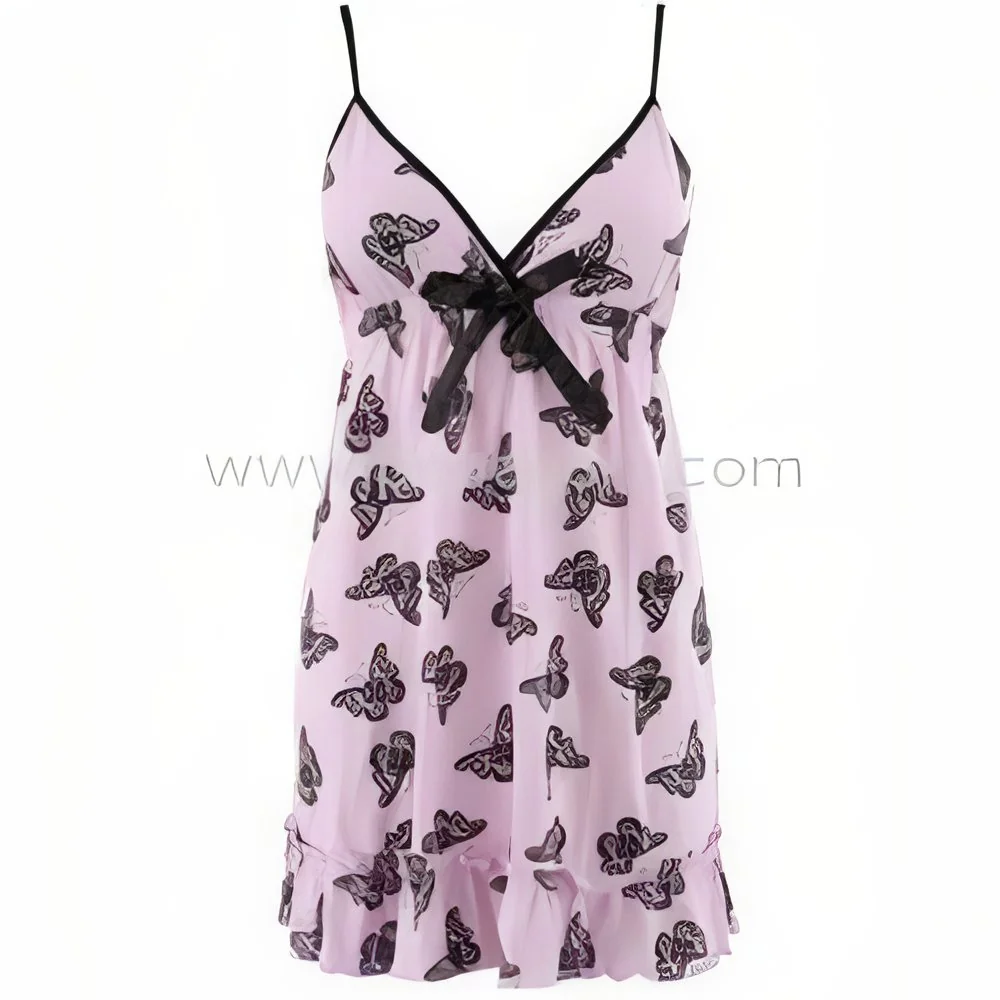
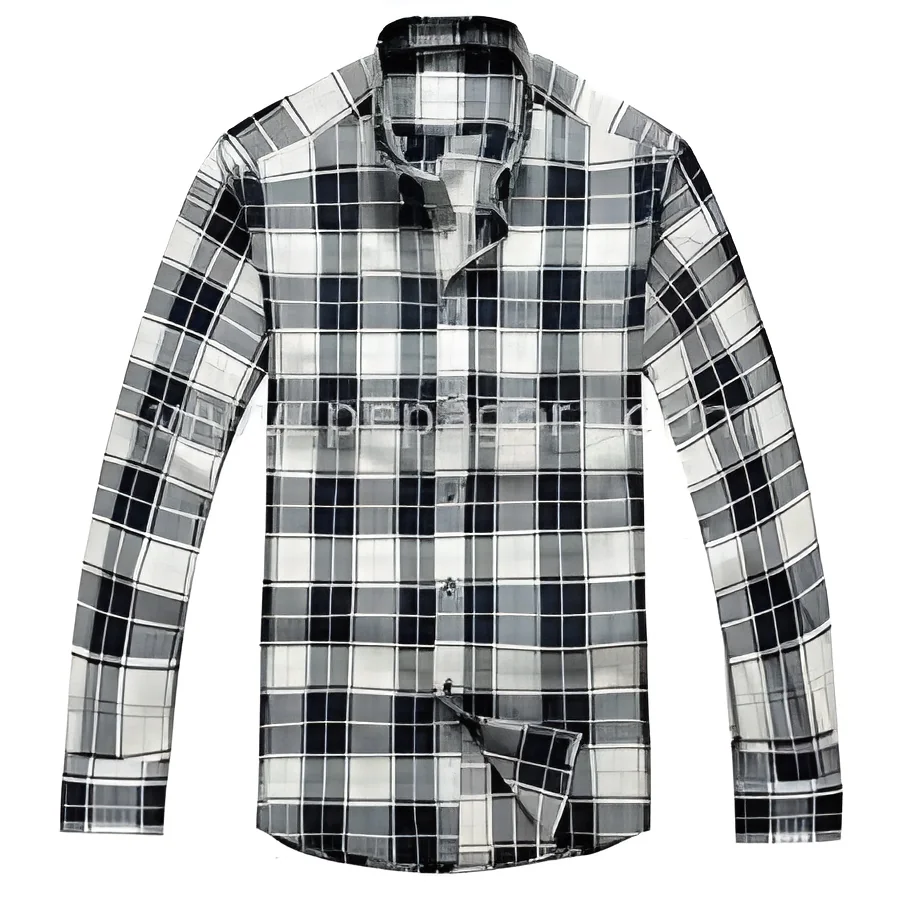
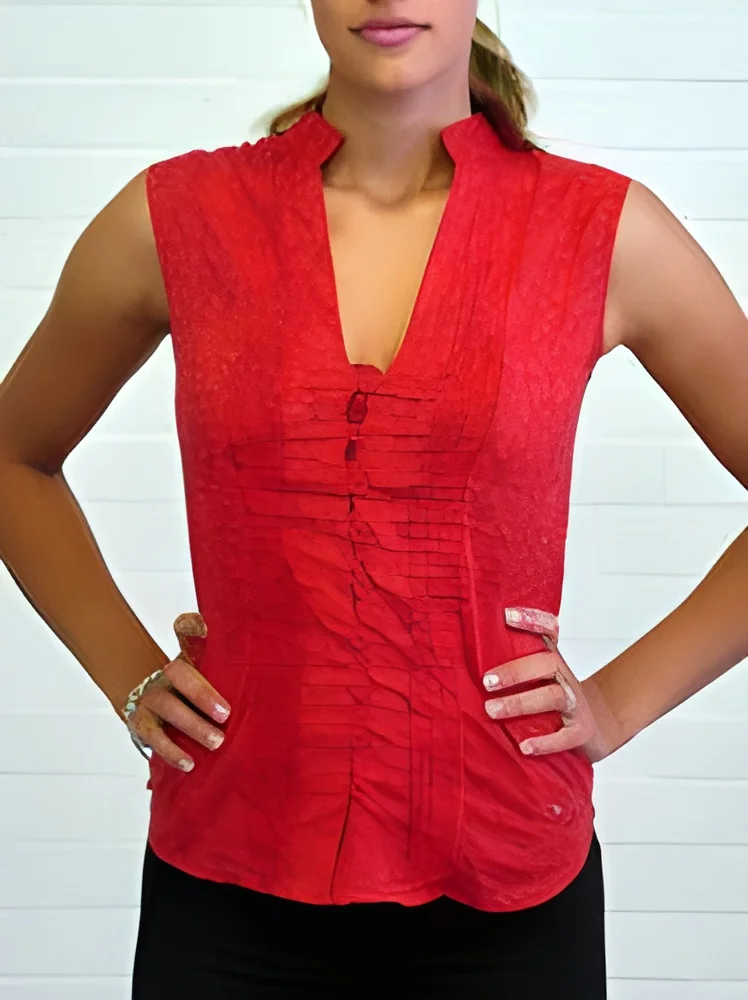
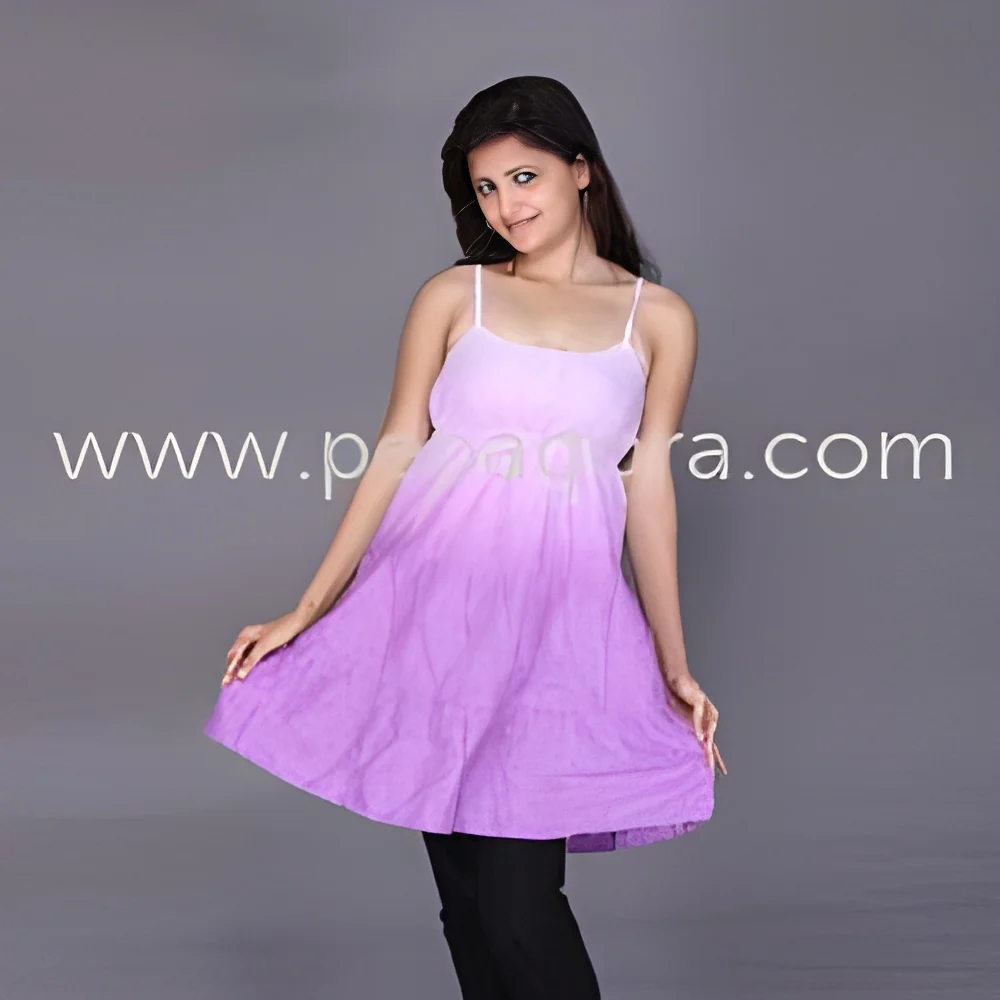
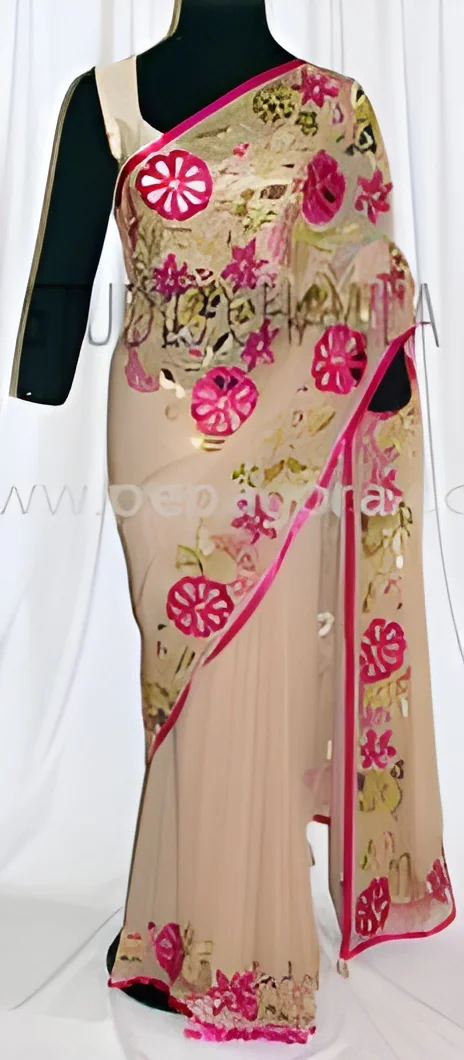
Women's wear refers to a broad category of clothing designed specifically for women. This includes a wide variety of garments such as dresses, skirts, blouses, trousers, and outerwear. Women's wear is characterized by different styles, cuts, and materials that cater to various fashion trends, occasions, and personal preferences. The diversity in women's wear allows for expression of individuality, as well as adherence to cultural and professional attire norms.
In business applications, women's wear is crucial for various sectors, including retail, fashion, hospitality, and corporate environments. Retailers often stock a range of women's clothing to meet varying consumer needs, from casual everyday wear to formal business attire. Additionally, businesses in the hospitality industry may provide uniforms that reflect both professionalism and comfort for female staff. The demand for women's wear continues to grow, reflecting the evolving role of women in the workforce and society.
The women's wear market is significant and continues to evolve with changing fashion trends, sustainability concerns, and consumer preferences. The industry is influenced by various factors including cultural shifts, economic conditions, and technological advancements in manufacturing and distribution. As women's wear remains a vital segment of the apparel industry, its relevance in both fashion and commerce cannot be overstated.
𝗞𝗲𝘆 𝗙𝗲𝗮𝘁𝘂𝗿𝗲𝘀 𝗮𝗻𝗱 𝗦𝗽𝗲𝗰𝗶𝗳𝗶𝗰𝗮𝘁𝗶𝗼𝗻𝘀
Women's wear encompasses a range of key features and specifications that are essential for both functionality and style. Understanding these specifications can help businesses make informed purchasing decisions.
Key specifications include:
1. Fabric Quality
- Various materials such as cotton, polyester, wool, and blends are used.
- Quality impacts durability, comfort, and care requirements.
2. Size Range
- Women's wear typically includes sizes from petite to plus size.
- It is essential to offer inclusive sizing to cater to diverse body types.
3. Design Styles
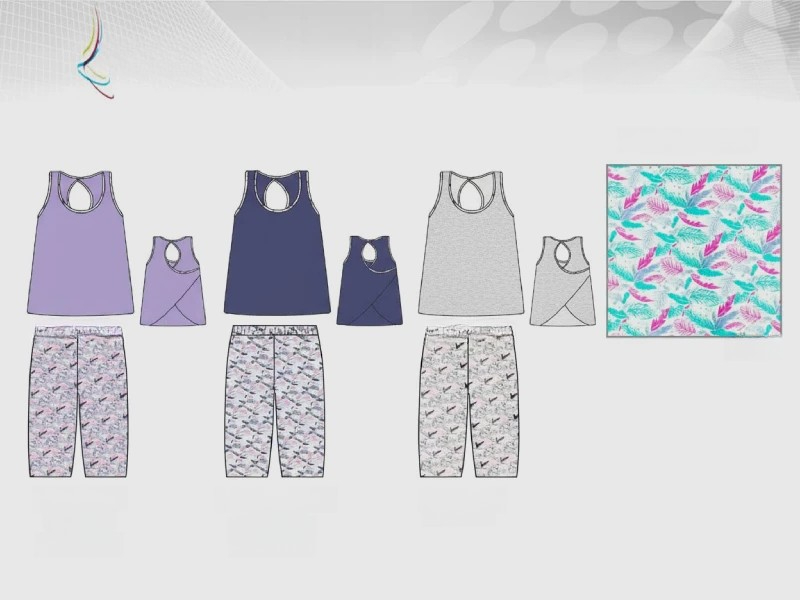
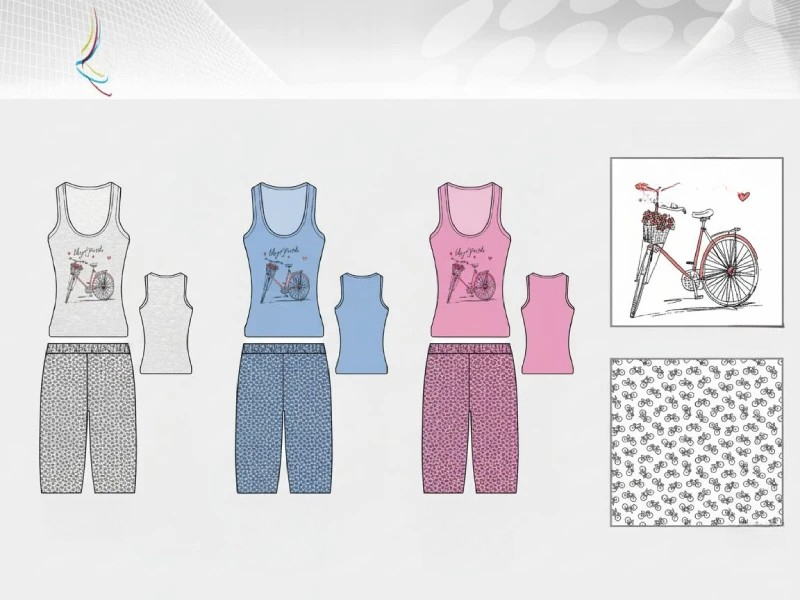
- Includes casual wear, formal wear, activewear, and seasonal collections.
- Designs may vary significantly based on current fashion trends.
4. Color Options
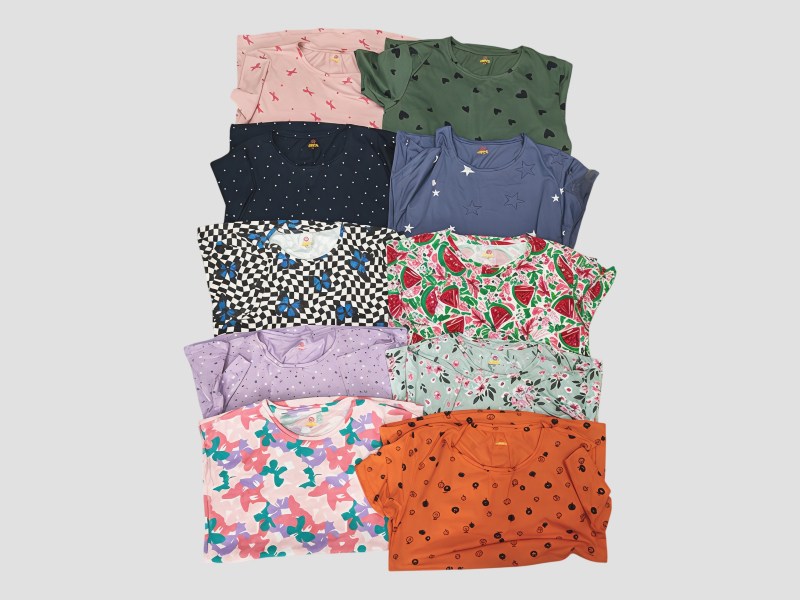
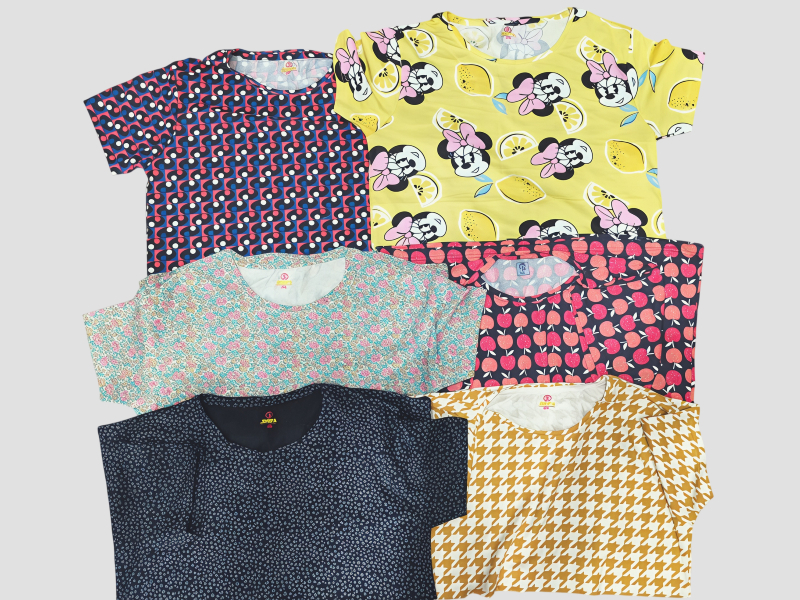
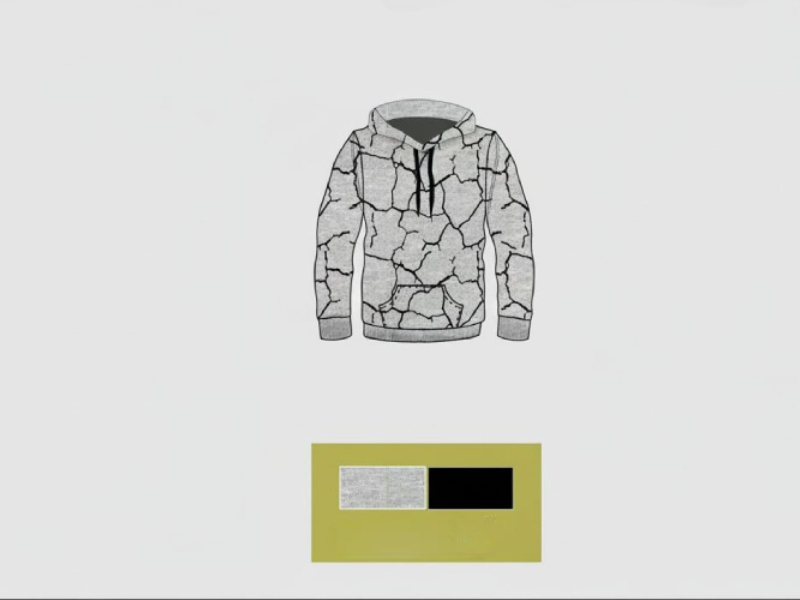
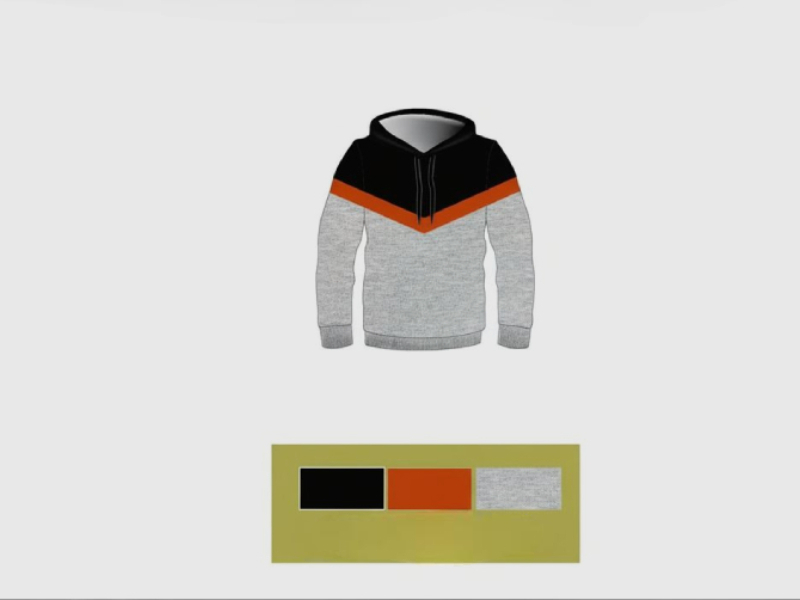
- A wide array of colors and patterns to suit different tastes and occasions.
- Seasonal color palettes often influence available selections.
5. Customization Options
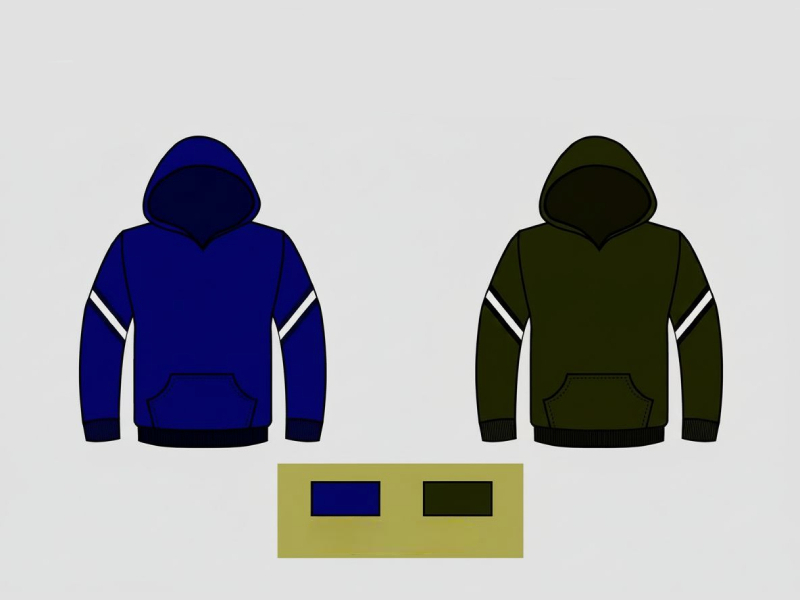
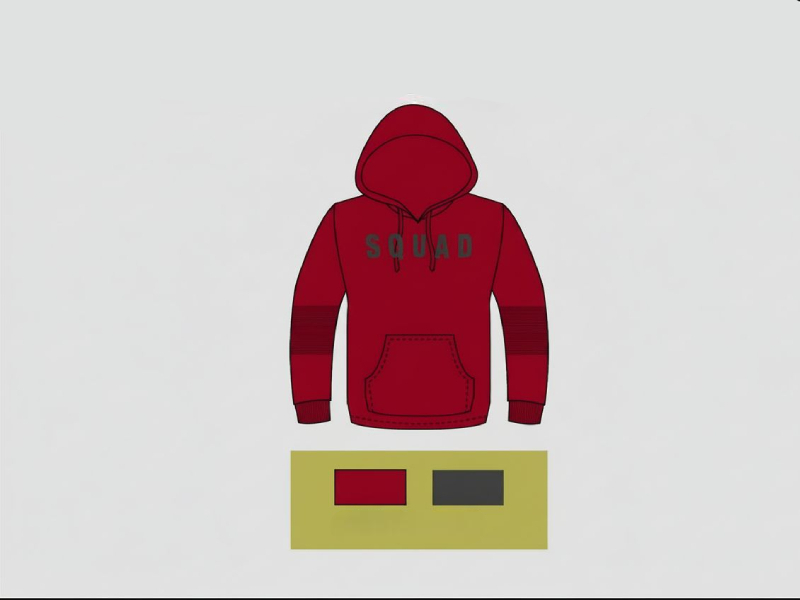
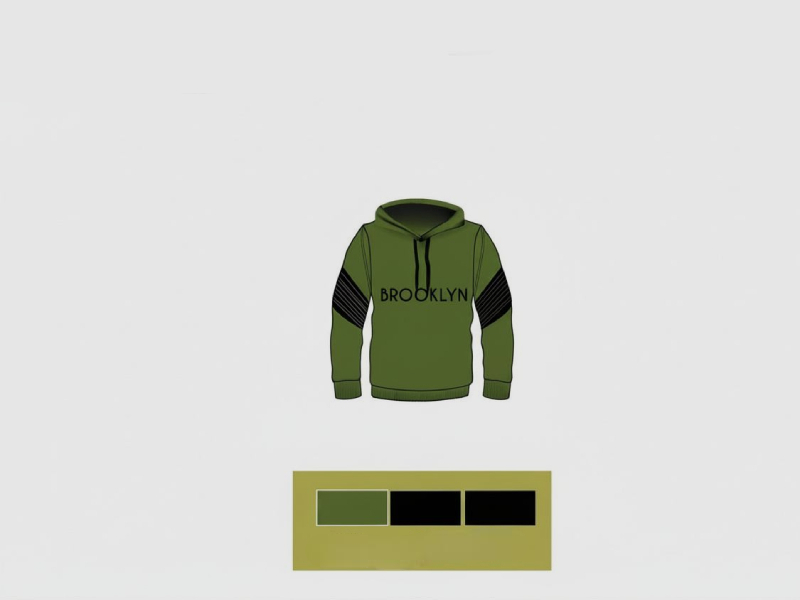
- Many manufacturers offer customization for branding or specific style requirements.
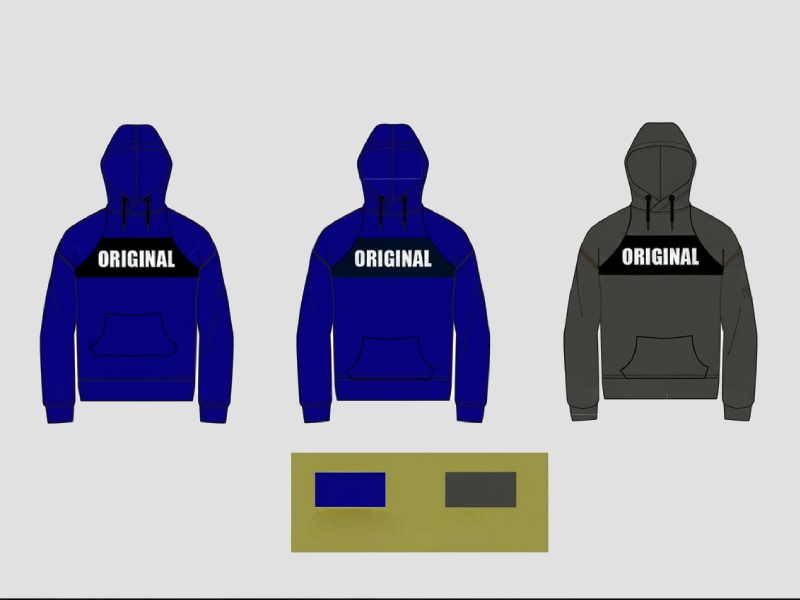
- This may include logo placement, color choices, and design modifications.
6. Care Instructions
- Clear labeling regarding washing, drying, and ironing is vital for maintenance.
- Care instructions can vary significantly based on fabric type.
7. Compliance Standards
- Adherence to safety and quality standards is essential.
- Certifications such as CE ensure product safety.
8. Sustainability Practices
- Increasingly important in modern fashion, including eco-friendly materials and processes.
- Transparency in sourcing and production is becoming a consumer expectation.
In summary, understanding these features and specifications enables businesses to select women's wear that meets both quality and style standards while addressing market demands.
𝗖𝗼𝗺𝗺𝗼𝗻 𝗔𝗽𝗽𝗹𝗶𝗰𝗮𝘁𝗶𝗼𝗻𝘀 𝗮𝗻𝗱 𝗨𝘀𝗲 𝗖𝗮𝘀𝗲𝘀
Women's wear serves various industries, each with specific applications that meet unique needs.
1. Retail Industry: Retailers stock a variety of women's clothing to cater to different fashion trends and consumer preferences, ensuring a wide selection for customers.
2. Corporate Sector: Many companies provide formal women's wear as part of their dress code, focusing on professionalism while allowing for personal expression.
3. Hospitality Industry: Restaurants and hotels often require female staff to wear uniforms that balance comfort and style, reflecting the brand's image.
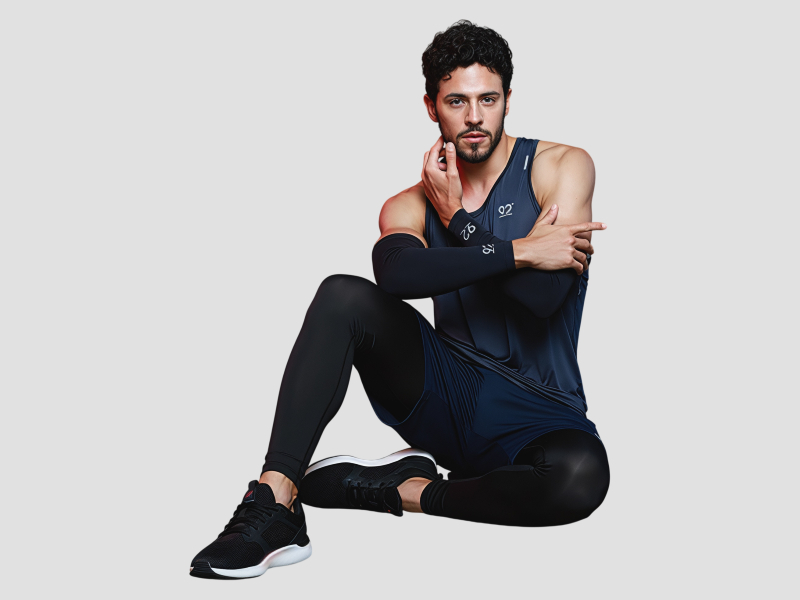
4. Sports and Fitness: Activewear designed for women is crucial in the fitness industry, focusing on functionality while appealing to fashion-conscious consumers.
5. Fashion Design: Designers create women’s collections for runway shows and retail, influencing trends and showcasing innovative styles.
6. E-commerce: Online retail platforms offer women's wear to a global audience, allowing for diverse selections and customized shopping experiences.
7. Event Planning: Specialized women's wear is often required for events such as weddings, galas, and corporate functions, focusing on style and appropriateness.
In these applications, women's wear is tailored to meet the specific demands and expectations of each sector, highlighting its versatility and importance.
𝗣𝗿𝗼𝗱𝘂𝗰𝘁 𝗩𝗮𝗿𝗶𝗮𝗻𝘁𝘀 𝗮𝗻𝗱 𝗦𝘂𝗯𝗰𝗮𝘁𝗲𝗴𝗼𝗿𝗶𝗲𝘀
Women's wear includes a diverse array of product variants, catering to different styles and needs in the market.
Casual Wear
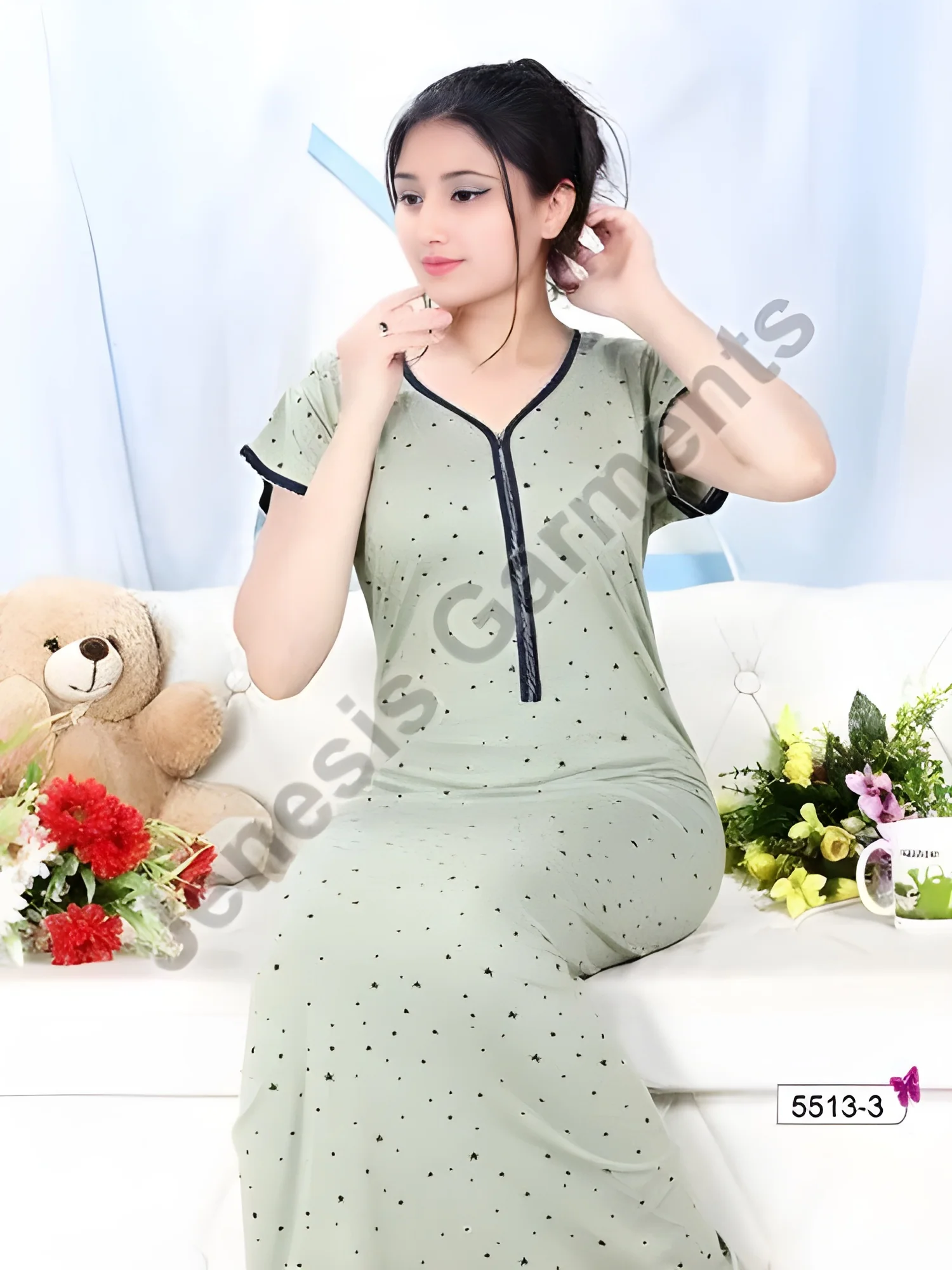
Casual wear includes everyday clothing such as jeans, t-shirts, and casual dresses. This variant prioritizes comfort and practicality, making it ideal for daily wear or informal outings.
Formal Wear
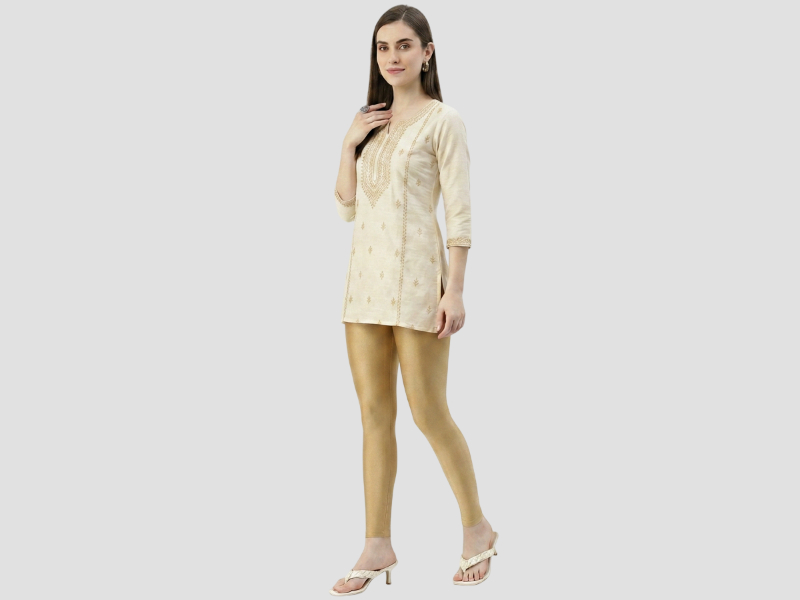
Formal wear consists of dresses, skirts, and tailored suits designed for business or elegant events. This variant emphasizes sophistication and adherence to specific dress codes.
Activewear
Activewear includes leggings, sports bras, and moisture-wicking tops. This variant is designed for physical activity, focusing on flexibility, breathability, and comfort.
Seasonal Wear
Seasonal wear refers to clothing designed for specific seasons, such as summer dresses or winter coats. This variant reflects changing weather patterns and consumer preferences throughout the year.
Accessories
Accessories such as scarves, jewelry, and handbags complement women's wear, enhancing overall outfits. This variant allows for personalization and style enhancement.
𝗕𝗲𝗻𝗲𝗳𝗶𝘁𝘀 𝗮𝗻𝗱 𝗔𝗱𝘃𝗮𝗻𝘁𝗮𝗴𝗲𝘀
Sourcing women's wear offers numerous benefits for businesses in various sectors.
Key benefits include:
1. Versatility: Women's wear can be adapted for various occasions, from casual outings to formal events, catering to a broad audience.
2. Fashion Trends: Staying updated with the latest fashion trends allows businesses to attract consumers and increase sales through relevant offerings.
3. Brand Identity: Customizing women's wear with branding elements can enhance a company's identity and recognition in the marketplace.
4. Quality Options: By selecting high-quality materials and designs, businesses can improve customer satisfaction and reduce returns.
5. Diverse Sizing: Offering a range of sizes expands the customer base, allowing businesses to cater to a wider audience.
6. Sustainability: Sourcing eco-friendly materials and practices can appeal to environmentally conscious consumers, enhancing brand loyalty.
In conclusion, the benefits of sourcing women's wear extend beyond basic functionality, impacting brand image and customer engagement.
𝗕𝘂𝘆𝗶𝗻𝗴 𝗚𝘂𝗶𝗱𝗲 𝗳𝗼𝗿 𝗕𝟮𝗕 𝗕𝘂𝘆𝗲𝗿𝘀
When sourcing women's wear, a strategic approach is essential to ensure quality and suitability for business needs.
1. Quality Assessment: Evaluate fabric quality, stitching, and overall craftsmanship to ensure the products meet your standards.
2. Supplier Verification: Vet suppliers for reliability, reputation, and compliance with industry standards to avoid potential issues.
3. Pricing and MOQ: Understand the price range for different types of women's wear and consider minimum order quantities to optimize procurement costs.
4. Delivery and Lead Times: Assess suppliers’ ability to meet delivery timelines to maintain inventory levels and meet customer demand.
5. Compliance Requirements: Ensure that the products adhere to relevant regulations and certifications, such as CE, to guarantee quality and safety.
By considering these factors, B2B buyers can make informed decisions that align with their business goals.
𝗖𝗼𝗺𝗽𝗹𝗶𝗮𝗻𝗰𝗲 𝗮𝗻𝗱 𝗖𝗲𝗿𝘁𝗶𝗳𝗶𝗰𝗮𝘁𝗶𝗼𝗻𝘀
Compliance and certifications are vital in the women's wear industry to ensure safety, quality, and marketability.
Relevant quality standards such as ISO 9001 ensure that manufacturers adhere to consistent quality management practices. This standard helps businesses maintain high operational efficiency and customer satisfaction.
Industry certifications like CE indicate that the products meet European safety standards, which is crucial for selling in those markets. It assures consumers that the products have been tested and deemed safe for use.
Safety and testing requirements also play a significant role in the production of women's wear. Manufacturers must comply with regulations that ensure products are free from harmful substances and safe for consumers.
Regional compliance considerations may vary, impacting how products are manufactured and marketed in different areas. Understanding these regulations is essential for businesses to effectively navigate the market.
𝗪𝗵𝘆 𝗦𝗼𝘂𝗿𝗰𝗲 𝗪𝗼𝗺𝗲𝗻'𝘀 𝗪𝗲𝗮𝗿 𝗳𝗿𝗼𝗺 𝗣𝗲𝗽𝗮𝗴𝗼𝗿𝗮?
Pepagora provides a trusted platform for sourcing women's wear, offering several key advantages to B2B buyers.
Verified Supplier Network: Pepagora has established a robust network of verified suppliers, ensuring that buyers can source quality products with confidence. The verification process includes checks on supplier reliability, product quality, and compliance with industry standards.
Streamlined RFQ Process: The platform simplifies the request for quotation (RFQ) process, allowing buyers to quickly and efficiently obtain quotes from multiple suppliers. This feature saves time and enhances decision-making for businesses looking to source women's wear.
Trade Assurance and Support: Pepagora offers trade assurance, providing protection for buyers in transactions. This includes support for resolving disputes and ensuring that products meet specified quality standards upon delivery.
Regional Coverage: Pepagora serves a broad geographic area, including India, the GCC, and Southeast Asia. This extensive reach enables businesses to tap into diverse markets and connect with suppliers that can meet their specific needs.
In summary, Pepagora stands out as a reliable platform for sourcing women's wear, combining a verified supplier network with streamlined processes and strong buyer support.

 IN
IN