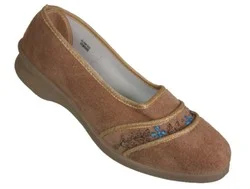
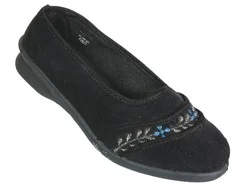
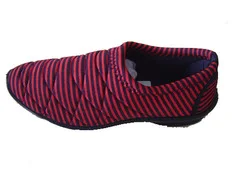
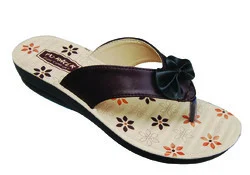
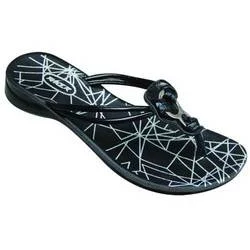
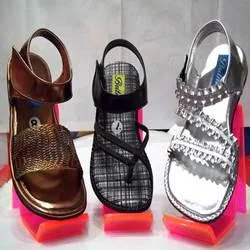
𝗪𝗵𝗮𝘁 𝗮𝗿𝗲 𝗪𝗼𝗺𝗲𝗻'𝘀 𝗙𝗼𝗼𝘁𝘄𝗲𝗮𝗿, 𝗛𝗲𝗲𝗹𝘀, 𝗙𝗹𝗮𝘁𝘀?
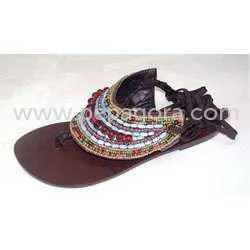
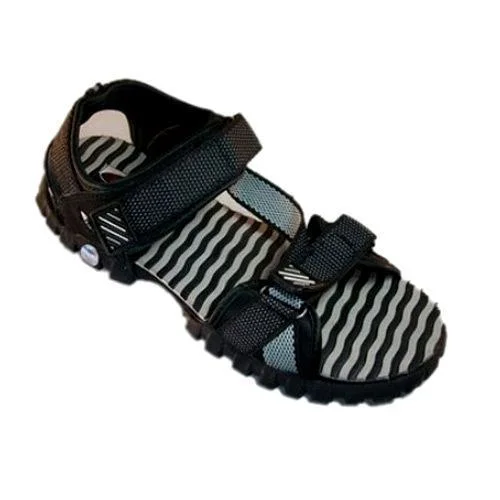
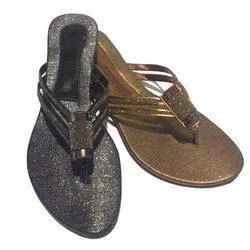
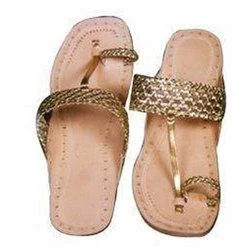
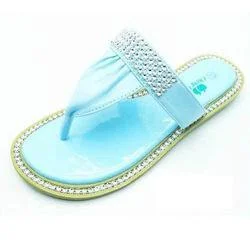
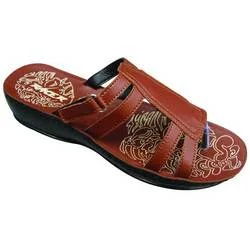
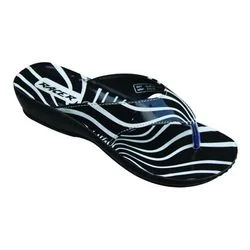
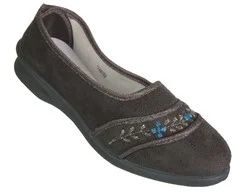
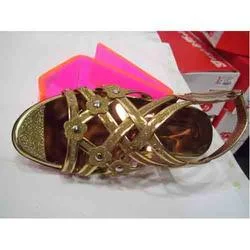
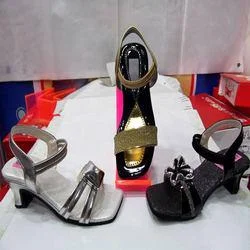
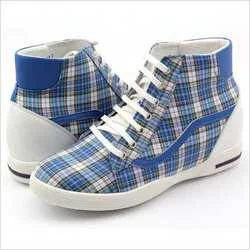
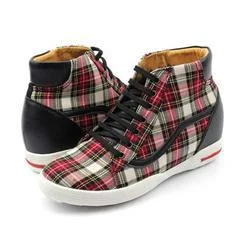
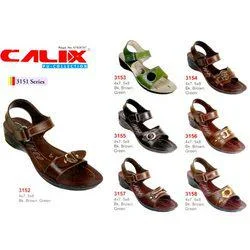
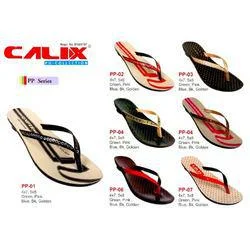
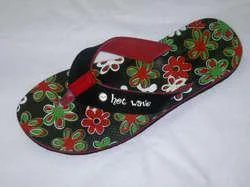
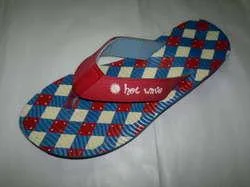
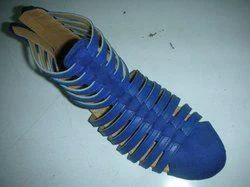
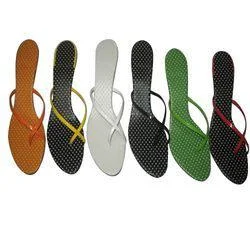
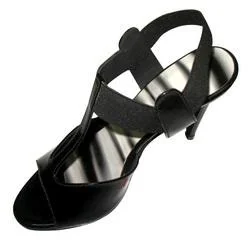
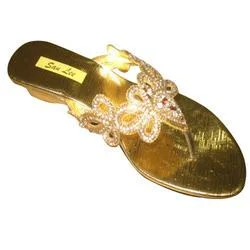
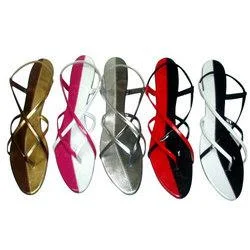
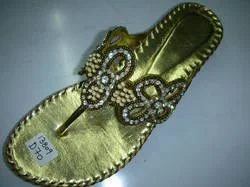
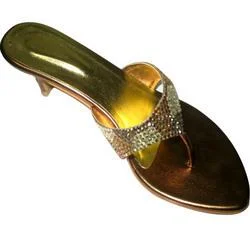
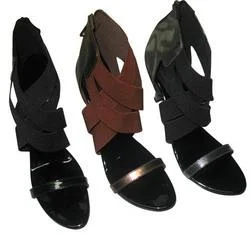
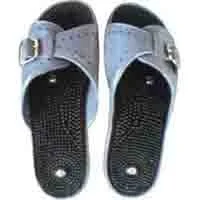
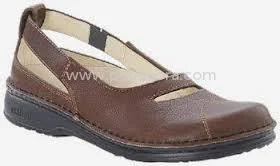
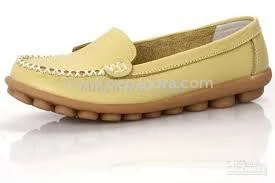
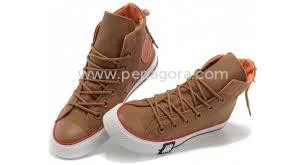
Women's footwear encompasses a wide variety of shoes designed specifically for women, including heels and flats. Heels are characterized by their elevated back, giving the wearer added height and a distinctive posture. They can range from a subtle lift to dramatic styles that can significantly alter the look of an outfit. Flats, on the other hand, are designed for comfort and ease, featuring little to no heel, making them versatile for everyday wear.
These types of footwear are used across various sectors, from fashion retail to corporate environments. In retail, they are essential in showcasing a brand’s style and appeal. In corporate settings, the right footwear can enhance professionalism while ensuring comfort during long hours. The demand for diverse styles reflects changing trends and consumer preferences, driving innovation within the industry.
The women's footwear market continues to grow, driven by fashion trends and a focus on comfort. Businesses involved in the production and distribution of these products must stay attuned to market dynamics and consumer needs. As sustainability becomes a priority, companies are also exploring eco-friendly materials and manufacturing processes to meet evolving consumer expectations.
𝗞𝗲𝘆 𝗙𝗲𝗮𝘁𝘂𝗿𝗲𝘀 𝗮𝗻𝗱 𝗦𝗽𝗲𝗰𝗶𝗳𝗶𝗰𝗮𝘁𝗶𝗼𝗻𝘀
Women's footwear, including heels and flats, possess several key features that determine their functionality and appeal. Understanding these specifications is essential for B2B buyers in making informed purchasing decisions.
Key specifications include:
1. Material Composition
- Common materials include leather, synthetic fabrics, and rubber.
- Each material affects durability, comfort, and aesthetic appeal.
2. Size Range
- Sizes typically range from US 5 to US 12, with variations in width.
- Availability in half sizes can enhance fit options.
3. Heel Height
- Heels can vary significantly, from flat styles to high heels over 3 inches.
- Specific heights cater to different fashion needs and comfort levels.
4. Sole Type
- Options include rubber, leather, or synthetic soles.
- Each type influences traction, durability, and overall comfort.
5. Style Variations
- Categories include pointed toe, rounded toe, open-toe, and closed-toe.
- Each style serves different occasions and preferences.
6. Cushioning and Support Features
- Some footwear includes arch support and cushioned insoles.
- These features enhance comfort for prolonged wear.
7. Color Options
- A wide spectrum of colors is available to cater to diverse fashion needs.
- Seasonal collections often introduce trendy color palettes.
8. Certifications
- Many products are certified for quality, such as CE certification.
- Compliance with safety standards is critical for market acceptance.
Understanding these specifications enables buyers to select the right products that align with their market demands and customer preferences.
𝗖𝗼𝗺𝗺𝗼𝗻 𝗔𝗽𝗽𝗹𝗶𝗰𝗮𝘁𝗶𝗼𝗻𝘀 𝗮𝗻𝗱 𝗨𝘀𝗲 𝗖𝗮𝘀𝗲𝘀
Women's footwear is utilized across various industries, reflecting its versatility in design and functionality.
1. Fashion Retail: Footwear is a staple in the fashion industry, where styles and trends evolve rapidly. Retailers use diverse offerings to attract different consumer demographics.
2. Corporate Environments: Heels and flats are common in professional settings, where they complement business attire. Comfort is key, especially during long working hours.
3. Hospitality: In hotels and restaurants, employees often wear designated footwear that aligns with uniforms while ensuring comfort and style.
4. Health and Wellness: In healthcare settings, comfortable flats are preferred for their practicality. Staff require footwear that supports long shifts without sacrificing style.
5. Events and Entertainment: Heels are often worn during events, parties, and performances, where style takes precedence. Footwear plays a crucial role in enhancing overall appearance.
6. Travel and Tourism: Comfortable flats are favored by travelers for sightseeing and extended walking. Lightweight and stylish options are in demand.
7. Retail Management: Store managers and staff often select footwear that balances comfort with professionalism, catering to customer interactions.
𝗣𝗿𝗼𝗱𝘂𝗰𝘁 𝗩𝗮𝗿𝗶𝗮𝗻𝘁𝘀 𝗮𝗻𝗱 𝗦𝘂𝗯𝗰𝗮𝘁𝗲𝗴𝗼𝗿𝗶𝗲𝘀
Women’s footwear presents a diverse array of variants tailored for different needs and occasions. This diversity allows businesses to cater to specific market segments.
Heels
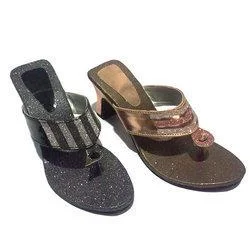
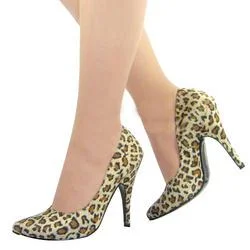
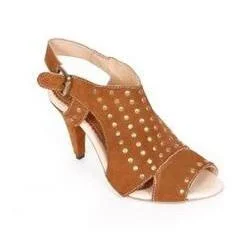
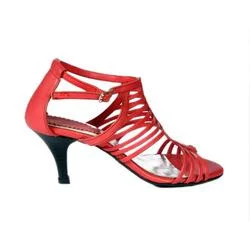
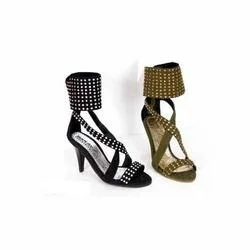
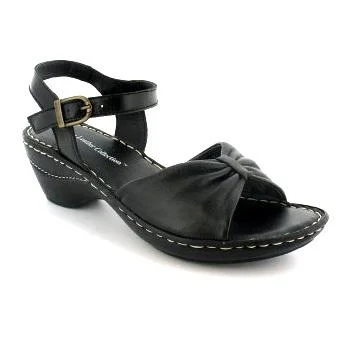
Heels come in a variety of styles, including pumps, stilettos, and wedges. Each type offers distinct features, such as varying heights and designs, appealing to fashion-conscious consumers.
Flats
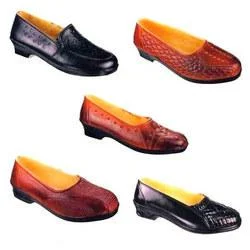
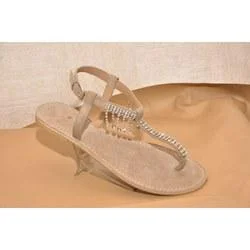
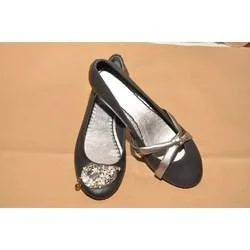
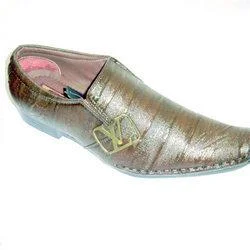
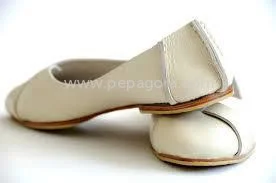
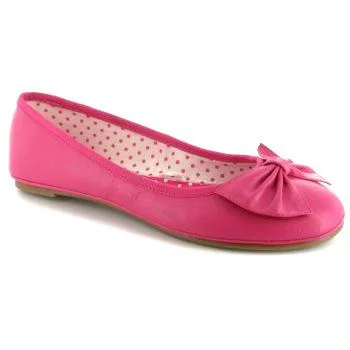
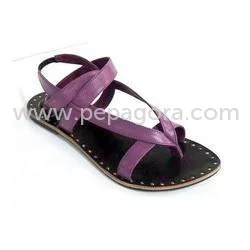
Flats offer a comfortable alternative to heels, suitable for casual and professional settings. Variants like ballet flats and loafers provide versatility, making them popular among women of all ages.
𝗕𝗲𝗻𝗲𝗳𝗶𝘁𝘀 𝗮𝗻𝗱 𝗔𝗱𝘃𝗮𝗻𝘁𝗮𝗴𝗲𝘀
Sourcing women's footwear, including heels and flats, presents several advantages for businesses.
1. Versatility: These types of footwear can be used in various settings, from casual outings to formal events, making them a valuable inventory item.
2. Trend Adaptability: The fashion industry is dynamic, and women's footwear trends can shift quickly. Suppliers who stay ahead of trends can offer the latest styles to their customers.
3. Comfort Options: Many brands now prioritize comfort features, appealing to health-conscious consumers. This focus can lead to increased customer satisfaction and loyalty.
4. Customization Potential: Some manufacturers offer customization options, allowing businesses to cater to specific customer preferences.
5. Growing Market Demand: As women's fashion continues to evolve, the demand for diverse footwear options remains strong, providing a steady market for suppliers.
𝗕𝘂𝘆𝗶𝗻𝗴 𝗚𝘂𝗶𝗱𝗲 𝗳𝗼𝗿 𝗕𝟮𝗕 𝗕𝘂𝘆𝗲𝗿𝘀
When sourcing women's footwear, heels, and flats, B2B buyers should consider the following factors to ensure they make informed purchasing decisions.
1. Quality Assessment: Investigate the material quality and craftsmanship of the footwear. High-quality products lead to customer satisfaction and reduced returns.
2. Supplier Verification: Vet potential suppliers to ensure they have a good reputation and comply with relevant industry standards. Building relationships with reliable suppliers is crucial for ongoing business success.
3. Pricing and MOQ: Understand the pricing structure and minimum order quantities. Establishing a budget will help in negotiating favorable terms with suppliers.
4. Delivery and Lead Times: Clarify delivery timelines and logistics. Timely delivery is essential for meeting customer demands and maintaining inventory levels.
5. Compliance Requirements: Ensure the products meet regional compliance needs and safety standards. This will prevent legal issues and enhance market acceptance.
𝗖𝗼𝗺𝗽𝗹𝗶𝗮𝗻𝗰𝗲 𝗮𝗻𝗱 𝗖𝗲𝗿𝘁𝗶𝗳𝗶𝗰𝗮𝘁𝗶𝗼𝗻𝘀
Compliance with industry standards is critical for women's footwear manufacturers and suppliers. Relevant quality standards, such as ISO 9001, ensure that products meet customer expectations for quality and reliability.
Additionally, CE certification indicates compliance with European safety standards, which can enhance marketability in international markets. Manufacturers must also adhere to safety and testing requirements, ensuring that footwear is safe for consumer use.
Regional compliance considerations vary, impacting how products are marketed in different areas. Understanding these regulations helps businesses navigate the complexities of international trade effectively.
𝗪𝗵𝘆 𝗦𝗼𝘂𝗿𝗰𝗲 𝗪𝗼𝗺𝗲𝗻'𝘀 𝗙𝗼𝗼𝘁𝘄𝗲𝗮𝗿, 𝗛𝗲𝗲𝗹𝘀, 𝗙𝗹𝗮𝘁𝘀 𝗳𝗿𝗼𝗺 𝗣𝗲𝗽𝗮𝗴𝗼𝗿𝗮?
Pepagora offers a trusted platform for sourcing women's footwear, heels, and flats, providing numerous advantages to B2B buyers.
Verified Supplier Network: Pepagora maintains a network of verified suppliers, ensuring that buyers can access high-quality products with confidence. This network reduces the risk associated with sourcing from unknown vendors.
Streamlined RFQ Process: The request for quotation (RFQ) process is simplified within the Pepagora platform. Buyers can easily compare quotes from multiple suppliers, enabling informed decision-making.
Trade Assurance and Support: Pepagora offers trade assurance and support, protecting buyers throughout the purchasing process. This feature builds trust and encourages repeat business.
Regional Coverage: With a strong focus on regions like India, the GCC, and Southeast Asia, Pepagora provides extensive coverage. Buyers can access diverse product offerings tailored to regional preferences and market demands.

 IN
IN

 IN
IN