What are Water Sports Equipment (Swimming, Surfing, Diving)?
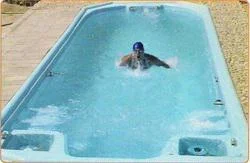
Water sports equipment encompasses a variety of gear used for activities like swimming, surfing, and diving. This equipment is designed to enhance performance, safety, and enjoyment in water-related sports. It includes a wide range of products, from swimsuits and goggles for swimming to surfboards, wetsuits, and diving gear.
The primary uses of water sports equipment are found in recreational, competitive, and professional settings. Athletes and enthusiasts rely on this gear for training, competition, and leisure activities. Businesses involved in tourism, water sports schools, and retail often utilize this equipment to meet the needs of their customers. The growing popularity of water sports globally has led to increased demand for high-quality, reliable equipment.
In terms of industry relevance, the water sports market continues to expand, fueled by rising interest in fitness and outdoor activities. Manufacturers and suppliers are focusing on innovation and quality to stay competitive. The market is also influenced by seasonal trends and economic factors, making it crucial for businesses to align their offerings with consumer preferences.
𝗞𝗲𝘆 𝗙𝗲𝗮𝘁𝘂𝗿𝗲𝘀 𝗮𝗻𝗱 𝗦𝗽𝗲𝗰𝗶𝗳𝗶𝗰𝗮𝘁𝗶𝗼𝗻𝘀
Water sports equipment is characterized by specific features and technical specifications that cater to the needs of users. Understanding these features is vital for making informed purchasing decisions.
Key specifications include:
1. Material Composition
- Durable materials such as neoprene for wetsuits and high-density foam for surfboards
- Resistance to UV rays and saltwater
2. Size and Fit
- Varied sizes to accommodate different body types
- Adjustable features for comfort and security
3. Safety Standards
- Compliance with international safety regulations
- Features like buoyancy aids and reflective elements for visibility
4. Performance Characteristics
- Streamlined designs for reduced drag during swimming
- Stability and maneuverability for surfboards
5. Weight Capacity
- Specifications on maximum load for diving gear and surfboards
- Considerations for users' skill levels and body weights
6. Temperature Control
- Insulation properties for wetsuits in varying water temperatures
- Breathable materials for comfort during extended use
7. Customization Options
- Possibility for personalized designs or branding
- Variants suited for specific user needs or preferences
8. Accessories
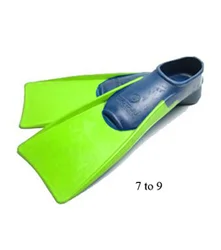
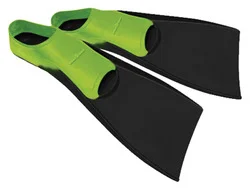
- Inclusion of necessary accessories like fins, masks, and snorkels
- Compatibility with additional gear for enhanced experience
In summary, the specifications of water sports equipment are tailored to ensure safety, performance, and user satisfaction. Understanding these details aids businesses in selecting the right products for their clientele.
𝗖𝗼𝗺𝗺𝗼𝗻 𝗔𝗽𝗽𝗹𝗶𝗰𝗮𝘁𝗶𝗼𝗻𝘀 𝗮𝗻𝗱 𝗨𝘀𝗲 𝗖𝗮𝘀𝗲𝘀
Water sports equipment plays a crucial role in various industries and applications.
1. Recreational Sports: Equipment is widely used by amateur athletes and enthusiasts for leisure activities. Swimming, surfing, and diving are popular among families and individuals seeking outdoor fun.
2. Competitive Sports: Professional athletes utilize high-performance gear designed to enhance their skills and optimize results in competitions. This includes specialized swimsuits and surfboards tailored to competitive standards.
3. Tourism and Hospitality: Resorts and tourism companies offer water sports activities to attract visitors. They require quality equipment for activities like snorkeling, diving tours, and beach sports.
4. Education and Training: Swimming schools and surf academies depend on reliable equipment to teach skills effectively. Quality gear is essential for ensuring safety during lessons.
5. Military and Rescue Operations: Specialized diving gear is utilized in military and emergency services for underwater operations. Safety and durability are critical for these applications.
6. Fitness and Therapy: Water sports equipment is also used in therapeutic settings, such as aqua therapy. It helps individuals with rehabilitation and fitness activities.
7. Environmental Research: Diving equipment is employed in marine research and conservation efforts. Researchers utilize this gear to study aquatic ecosystems and monitor environmental changes.
𝗣𝗿𝗼𝗱𝘂𝗰𝘁 𝗩𝗮𝗿𝗶𝗮𝗻𝘁𝘀 𝗮𝗻𝗱 𝗦𝘂𝗯𝗰𝗮𝘁𝗲𝗴𝗼𝗿𝗶𝗲𝘀
Water sports equipment comes in a diverse range of variants to cater to different activities and preferences.
Wetsuits
Wetsuits are designed to provide thermal insulation and protection during water activities. They are available in various thicknesses and styles, suitable for different water temperatures and conditions.
Surfboards
Surfboards vary in shape and size, catering to different surfing styles. Options include shortboards for advanced surfers and longboards for beginners, each designed to enhance performance on waves.
Diving Gear
Diving gear encompasses a range of products, including tanks, regulators, and buoyancy control devices. These items ensure safety and comfort for divers at various skill levels.
Swimwear
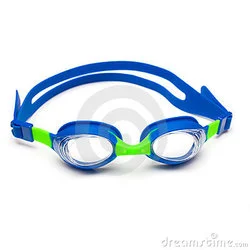
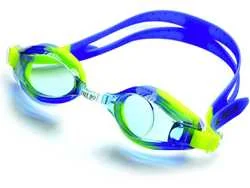
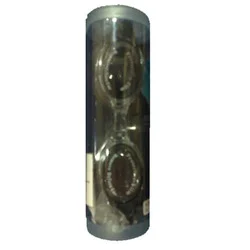
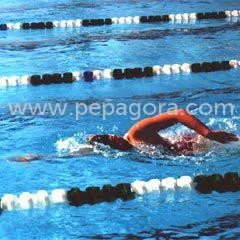
Swimwear includes competitive swimsuits, casual swim trunks, and accessories like caps and goggles. High-performance swimwear is engineered for speed and comfort in competitive settings.
Buoyancy Aids
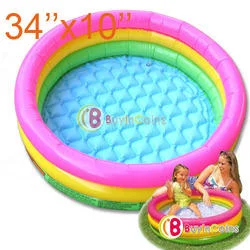
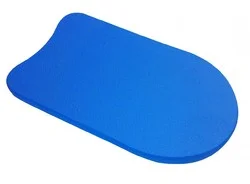
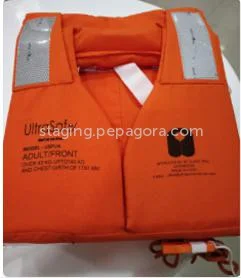
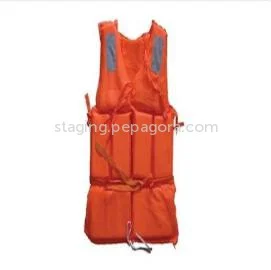
Buoyancy aids are essential for beginners and young swimmers. Life jackets and floatation devices help ensure safety in the water while learning skills.
𝗕𝗲𝗻𝗲𝗳𝗶𝘁𝘀 𝗮𝗻𝗱 𝗔𝗱𝘃𝗮𝗻𝘁𝗮𝗴𝗲𝘀
Investing in quality water sports equipment offers numerous advantages for users and businesses alike.
1. Enhanced Safety: High-quality gear is designed with safety features to protect users during water activities, reducing the risk of accidents.
2. Improved Performance: Specialized equipment can significantly boost performance, helping athletes achieve better results in their chosen sports.
3. Greater Comfort: Well-designed gear enhances comfort, allowing users to enjoy longer periods in the water without discomfort.
4. Increased Durability: Reliable materials ensure that equipment withstands the rigors of water sports, offering better value over time.
5. Customization Options: Businesses can offer personalized gear, enhancing brand visibility and customer satisfaction through tailored products.
6. Versatility: Many water sports products are designed for multiple activities, allowing users to switch between sports without needing extensive new gear.
𝗕𝘂𝘆𝗶𝗻𝗴 𝗚𝘂𝗶𝗱𝗲 𝗳𝗼𝗿 𝗕𝟮𝗕 𝗕𝘂𝘆𝗲𝗿𝘀
When sourcing water sports equipment, B2B buyers should consider several key factors to ensure they make informed decisions.
1. Quality Assessment: Evaluate the quality of materials and craftsmanship to ensure durability and safety. Look for equipment that meets industry standards.
2. Supplier Verification: Vet potential suppliers by checking their reputation and track record. A reliable supplier should have positive reviews and a history of timely deliveries.
3. Pricing and MOQ: Understand pricing structures and minimum order quantities. This helps in budgeting and ensures that the equipment meets business needs without overspending.
4. Delivery and Lead Times: Confirm delivery schedules and lead times. Timely delivery is crucial for businesses to maintain inventory and meet customer demand.
5. Compliance Requirements: Ensure that the equipment complies with relevant regulations and safety standards. This is particularly important for diving gear and other safety-related products.
𝗖𝗼𝗺𝗽𝗹𝗶𝗮𝗻𝗰𝗲 𝗮𝗻𝗱 𝗖𝗲𝗿𝘁𝗶𝗳𝗶𝗰𝗮𝘁𝗶𝗼𝗻𝘀
Compliance with industry standards is essential for water sports equipment to ensure safety and quality.
Relevant quality standards include ISO 9001, which pertains to quality management systems. These standards help manufacturers maintain consistent quality in their products.
Industry certifications such as CE indicate that the equipment meets European safety standards. This certification is crucial for products sold in European markets and assures buyers of the equipment's safety and reliability.
Safety and testing requirements are also critical. Equipment must undergo rigorous testing to ensure it performs well under various conditions and provides adequate protection for users.
Regional compliance considerations vary by market. Buyers should be aware of local regulations and standards that apply to the water sports equipment they intend to purchase. Understanding these requirements helps avoid legal issues and ensures products are suitable for their intended use.
Why Source Water Sports Equipment (Swimming, Surfing, Diving) from Pepagora?
Pepagora offers a trusted platform for sourcing water sports equipment, providing several key advantages for businesses.
Verified Supplier Network: Pepagora has established a network of verified suppliers, ensuring that buyers can access high-quality products with confidence. This network helps streamline the sourcing process and reduces the risk of purchasing subpar equipment.
Streamlined RFQ Process: The request for quotation (RFQ) process is user-friendly, allowing buyers to quickly compare offers from multiple suppliers. This efficiency helps businesses find the best deals without extensive research.
Trade Assurance and Support: Pepagora offers trade assurance, protecting buyers from potential risks associated with online transactions. This support includes customer service assistance, ensuring that any issues are promptly addressed.
Regional Coverage: With a focus on geographic regions such as India, the GCC, and Southeast Asia, Pepagora provides extensive coverage. This regional focus helps businesses find suppliers that can meet their specific logistical and market needs.

 IN
IN


 IN
IN