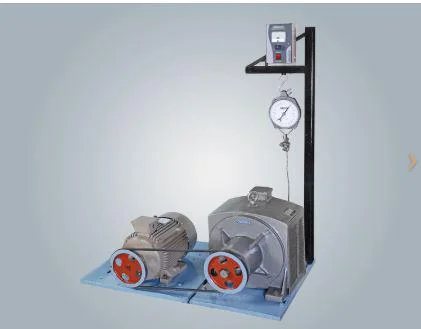
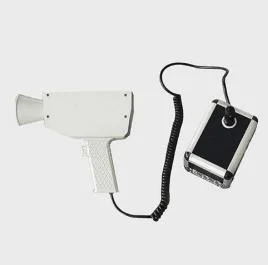
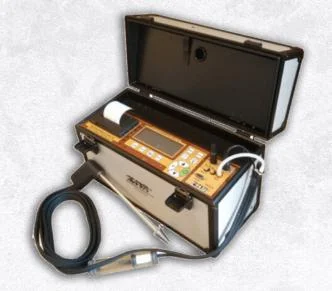
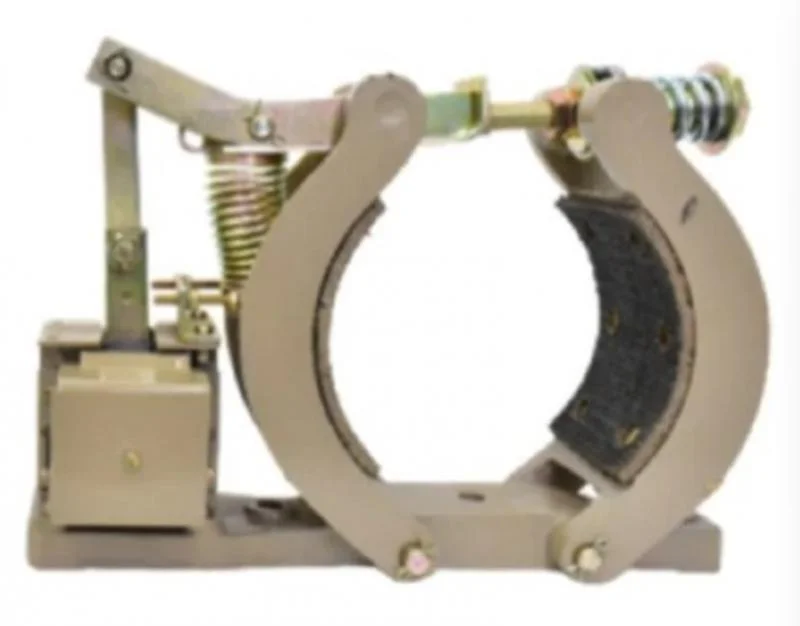
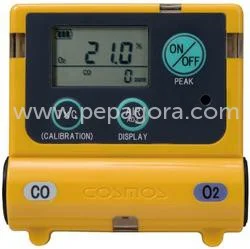
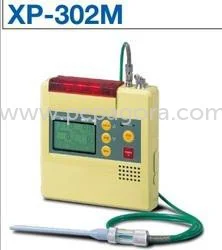
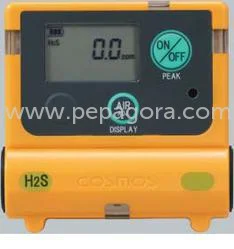
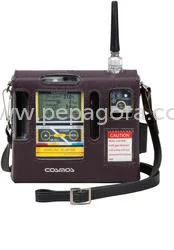
𝗪𝗵𝗮𝘁 𝗮𝗿𝗲 𝗩𝗲𝗵𝗶𝗰𝗹𝗲 𝗗𝗶𝗮𝗴𝗻𝗼𝘀𝘁𝗶𝗰𝘀 & 𝗧𝗲𝘀𝘁𝗶𝗻𝗴 𝗘𝗾𝘂𝗶𝗽𝗺𝗲𝗻𝘁?
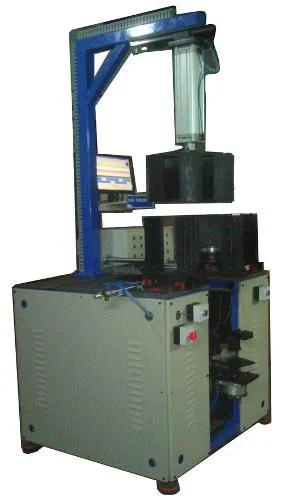
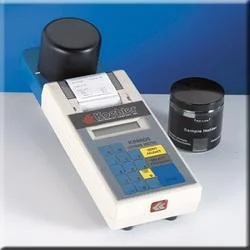
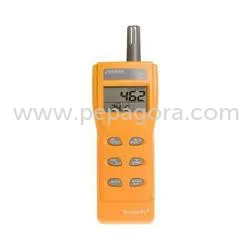
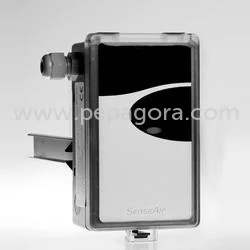
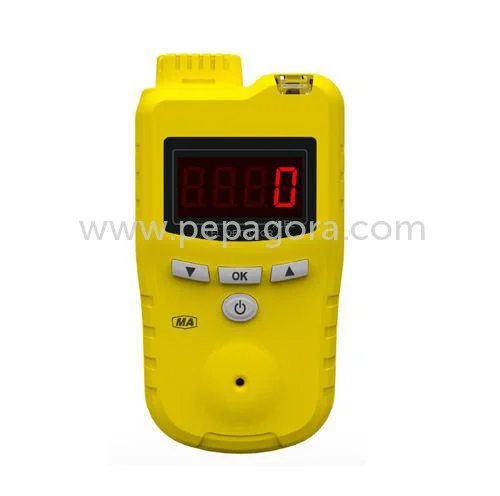
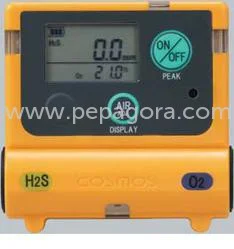
Vehicle diagnostics and testing equipment refers to a range of tools and devices used to assess the functionality and performance of various vehicle systems. These tools allow technicians to identify issues, monitor vehicle health, and ensure compliance with safety and environmental standards. They encompass a variety of technologies, from onboard diagnostic systems to sophisticated testing apparatus designed for specific vehicle components.
The primary uses of these tools are found in automotive repair shops, dealerships, and fleet management operations. They play a crucial role in routine maintenance, troubleshooting, and repair processes. Businesses utilize these diagnostic tools to enhance operational efficiency, reduce downtime, and improve customer satisfaction. The demand for advanced diagnostics is driven by the increasing complexity of modern vehicles, which often include computerized systems requiring specialized knowledge and equipment.
In the context of the automotive industry, vehicle diagnostics and testing equipment are indispensable. As vehicles become more technologically advanced, the market for these tools continues to grow. This expansion is fueled by the need for accurate diagnostics, regulatory compliance, and the increasing emphasis on safety and emissions standards across various regions.
𝗞𝗲𝘆 𝗙𝗲𝗮𝘁𝘂𝗿𝗲𝘀 𝗮𝗻𝗱 𝗦𝗽𝗲𝗰𝗶𝗳𝗶𝗰𝗮𝘁𝗶𝗼𝗻𝘀
Vehicle diagnostics and testing equipment come with several key features that enhance their usability and effectiveness. These features ensure accurate monitoring and diagnostics of vehicle systems, making them essential for automotive professionals.
Key specifications include:
1. Diagnostic Protocol Compatibility
- Supports multiple standards such as OBD-II, EOBD, and CAN.
- Ensures versatility across various vehicle makes and models.
2. Data Logging Capabilities
- Ability to record and store diagnostic data.
- Facilitates trend analysis and long-term vehicle health monitoring.
3. User Interface
- Equipped with intuitive displays for easy navigation.
- May include touchscreen functionality for enhanced user experience.
4. Communication Interfaces
- Options for USB, Bluetooth, and Wi-Fi connectivity.
- Allows seamless integration with computers and mobile devices.
5. Software Updates
- Regular updates to enhance diagnostic capabilities.
- Access to the latest vehicle data and fault codes.
6. Diagnostic Range
- Covers a wide spectrum of systems including engine, transmission, and emissions.
- Ensures comprehensive vehicle assessments.
7. Reporting Functions
- Generates detailed reports for diagnostics and repairs.
- Enhances documentation and customer communication.
8. Portability
- Compact and lightweight designs for easy transportation.
- Suitable for mobile service applications.
In summary, the features and specifications of vehicle diagnostics and testing equipment are designed to provide automotive professionals with the tools necessary for effective vehicle assessment and repair.
𝗖𝗼𝗺𝗺𝗼𝗻 𝗔𝗽𝗽𝗹𝗶𝗰𝗮𝘁𝗶𝗼𝗻𝘀 𝗮𝗻𝗱 𝗨𝘀𝗲 𝗖𝗮𝘀𝗲𝘀
Vehicle diagnostics and testing equipment serve a variety of industries, ensuring accurate and efficient vehicle maintenance.
1. Automotive Repair Shops: These tools are essential for diagnosing vehicle issues, performing routine maintenance, and ensuring vehicles meet safety standards.
2. Fleet Management: Fleet operators use diagnostics equipment to monitor the health of their vehicles, schedule maintenance, and reduce operational costs by preventing breakdowns.
3. Vehicle Dealerships: Dealerships rely on diagnostics tools to conduct pre-sale inspections and warranty work, ensuring customer satisfaction and vehicle reliability.
4. Transportation Services: Companies in the transportation sector utilize diagnostics equipment to maintain compliance with regulatory requirements and enhance vehicle safety.
5. Government Agencies: Regulatory bodies use these tools for vehicle inspections and emissions testing to enforce environmental laws.
6. Research and Development: Automotive engineers employ diagnostics equipment for testing new technologies and improving vehicle performance.
7. Educational Institutions: Technical schools and training programs use diagnostics tools to educate future automotive technicians on modern vehicle systems.
𝗣𝗿𝗼𝗱𝘂𝗰𝘁 𝗩𝗮𝗿𝗶𝗮𝗻𝘁𝘀 𝗮𝗻𝗱 𝗦𝘂𝗯𝗰𝗮𝘁𝗲𝗴𝗼𝗿𝗶𝗲𝘀
Vehicle diagnostics and testing equipment comes in various forms to cater to different needs and applications. The diversity of these tools allows professionals to select the right equipment for their specific tasks.
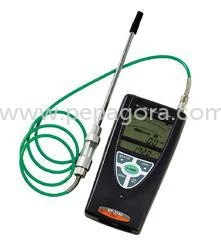
Diagnostic Scanners: These devices provide comprehensive vehicle diagnostics, reading and clearing trouble codes, and offering live data monitoring. They are ideal for general automotive repair shops.
Oscilloscope: An advanced tool used for analyzing electronic signals in vehicle systems. Oscilloscopes are essential for diagnosing complex electrical issues in modern vehicles.
Multimeter: A versatile tool that measures voltage, current, and resistance. Multimeters are commonly used in both automotive and electrical applications for troubleshooting.
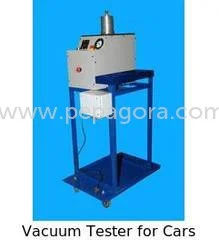
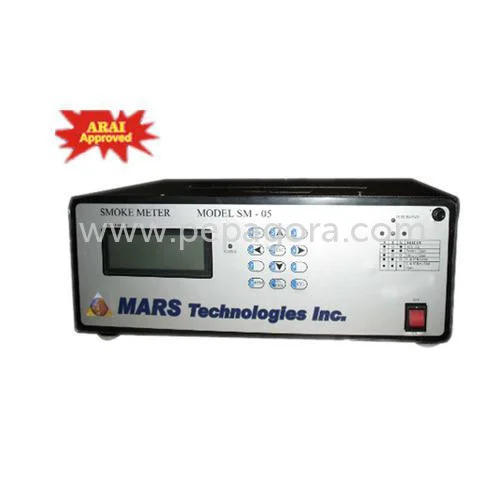
Smoke Machines: These devices help detect leaks in vacuum systems, exhaust systems, and fuel systems. They are vital for ensuring proper vehicle operation and emissions compliance.
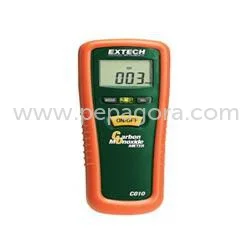
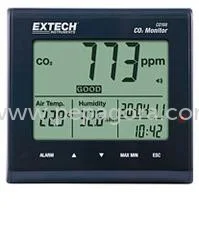
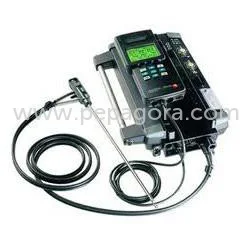
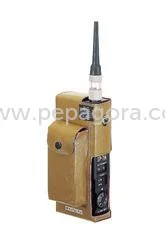
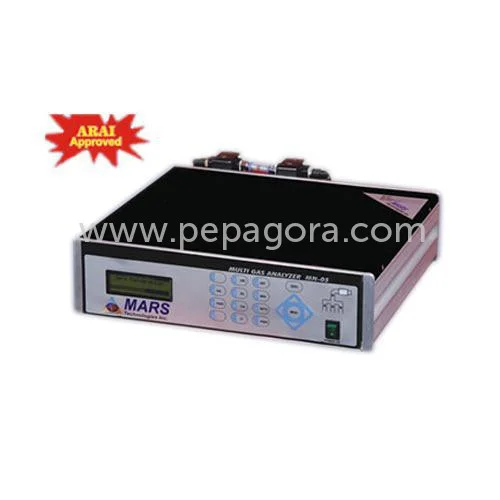
Emission Testers: Specialized equipment designed to analyze vehicle emissions and ensure compliance with environmental regulations. Emission testers are crucial for fleet operators and government inspections.
𝗕𝗲𝗻𝗲𝗳𝗶𝘁𝘀 𝗮𝗻𝗱 𝗔𝗱𝘃𝗮𝗻𝘁𝗮𝗴𝗲𝘀
Vehicle diagnostics and testing equipment offer numerous advantages that enhance operational efficiency and vehicle maintenance.
1. Improved Accuracy: These tools provide precise diagnostics, reducing the risk of misdiagnosis and unnecessary repairs.
2. Time Savings: Quick access to diagnostic information helps technicians identify problems faster, minimizing vehicle downtime.
3. Enhanced Customer Satisfaction: Accurate diagnostics lead to timely repairs, improving customer trust and loyalty.
4. Regulatory Compliance: Ensures vehicles meet safety and emissions standards, helping businesses avoid penalties.
5. Cost Efficiency: Prevents costly repairs by identifying issues early, saving businesses money in the long run.
6. Versatility: Supports a wide range of vehicles and systems, making it suitable for various applications in the automotive industry.
𝗕𝘂𝘆𝗶𝗻𝗴 𝗚𝘂𝗶𝗱𝗲 𝗳𝗼𝗿 𝗕𝟮𝗕 𝗕𝘂𝘆𝗲𝗿𝘀
When sourcing vehicle diagnostics and testing equipment, B2B buyers should consider several critical factors to ensure they make informed purchasing decisions.
1. Quality Assessment: Evaluate the quality of the equipment based on manufacturer reputation, user reviews, and performance standards. High-quality tools offer longevity and reliability.
2. Supplier Verification: Vet suppliers thoroughly by checking their certifications, references, and experience in the industry. A trustworthy supplier ensures product authenticity and support.
3. Pricing and MOQ: Understand the pricing structure and minimum order quantities. Compare different suppliers to find the best value without compromising on quality.
4. Delivery and Lead Times: Assess logistics capabilities and delivery timelines to ensure timely access to equipment. Consider the supplier's ability to meet urgent demands.
5. Compliance Requirements: Ensure that the equipment meets relevant industry standards and regulations. Compliance with safety and environmental requirements is essential for operational success.
𝗖𝗼𝗺𝗽𝗹𝗶𝗮𝗻𝗰𝗲 𝗮𝗻𝗱 𝗖𝗲𝗿𝘁𝗶𝗳𝗶𝗰𝗮𝘁𝗶𝗼𝗻𝘀
Vehicle diagnostics and testing equipment must adhere to various compliance standards to ensure safety and reliability. Relevant quality standards include ISO 9001, which focuses on maintaining quality management systems, ensuring that manufacturers provide consistent products that meet customer and regulatory requirements.
In addition to ISO standards, industry certifications such as CE mark indicate that the equipment meets European health, safety, and environmental protection standards. This compliance is crucial for businesses operating within Europe or exporting products to the region.
Furthermore, safety and testing requirements are vital for ensuring that vehicles operate safely and efficiently. Manufacturers must conduct rigorous testing to comply with these standards, enhancing the reliability of their diagnostics equipment.
Regional compliance considerations also play a significant role in the automotive industry. Different regions may have specific regulations that diagnostics tools must meet, making it essential for manufacturers and suppliers to stay informed about local requirements.
𝗪𝗵𝘆 𝗦𝗼𝘂𝗿𝗰𝗲 𝗩𝗲𝗵𝗶𝗰𝗹𝗲 𝗗𝗶𝗮𝗴𝗻𝗼𝘀𝘁𝗶𝗰𝘀 & 𝗧𝗲𝘀𝘁𝗶𝗻𝗴 𝗘𝗾𝘂𝗶𝗽𝗺𝗲𝗻𝘁 𝗳𝗿𝗼𝗺 𝗣𝗲𝗽𝗮𝗴𝗼𝗿𝗮?
Pepagora serves as a trusted platform for sourcing vehicle diagnostics and testing equipment, offering a range of advantages to B2B buyers.
Verified Supplier Network: Pepagora maintains a network of verified suppliers, ensuring that buyers have access to quality products from reputable manufacturers. This verification process enhances buyer confidence in their purchasing decisions.
Streamlined RFQ Process: The platform features a user-friendly request for quotation (RFQ) process that simplifies the procurement of diagnostics equipment. Buyers can easily compare quotes and select the best options for their needs.
Trade Assurance and Support: Pepagora provides trade assurance, protecting buyers against potential risks. The platform offers support throughout the purchasing process, ensuring that buyers receive the assistance they need.
Regional Coverage: With a strong presence in India, GCC, and Southeast Asia, Pepagora enables buyers to access a wide range of products tailored to their regional needs. This geographic reach helps businesses find the right equipment for their specific markets.

 IN
IN