𝗪𝗵𝗮𝘁 𝗮𝗿𝗲 𝗨𝘀𝗲𝗱 & 𝗥𝗲𝗳𝘂𝗿𝗯𝗶𝘀𝗵𝗲𝗱 𝗩𝗲𝗵𝗶𝗰𝗹𝗲𝘀?
Used and refurbished vehicles refer to automobiles that have previously been owned and used, but have undergone extensive repairs and upgrades to restore them to a reliable condition. These vehicles are typically sold at a lower price point than new models, making them an attractive option for businesses and organizations looking to acquire transportation solutions without incurring significant costs. Refurbished vehicles often include various improvements, such as engine overhauls, aesthetic enhancements, and updated technology to ensure they meet current operational standards.
Businesses utilize used and refurbished vehicles for a range of applications, including logistics, transportation, and service delivery. Industries such as construction, delivery, and public services often rely on these vehicles to maintain efficiency while managing budgets. The growing environmental consciousness also drives organizations to consider refurbished vehicles as a sustainable choice, reducing waste and promoting resource efficiency. In a competitive market, sourcing reliable used and refurbished vehicles can significantly impact operational effectiveness and cost management.
The market for used and refurbished vehicles is increasingly relevant, given the economic pressures many businesses face. As new vehicle prices continue to rise, more companies are turning to refurbished options as a practical solution. The demand for these vehicles is expected to grow, spurred by advancements in refurbishment techniques and the increasing availability of quality vehicles. Overall, used and refurbished vehicles represent a viable option for organizations seeking to balance budget constraints with operational needs.
𝗞𝗲𝘆 𝗙𝗲𝗮𝘁𝘂𝗿𝗲𝘀 𝗮𝗻𝗱 𝗦𝗽𝗲𝗰𝗶𝗳𝗶𝗰𝗮𝘁𝗶𝗼𝗻𝘀
Used and refurbished vehicles come with a variety of features and specifications that cater to the needs of businesses. These specifications ensure that the vehicles can perform reliably in diverse environments and applications.
Key specifications include:
1. Vehicle Condition
- Refurbished vehicles are inspected and repaired to meet industry standards.
- Vehicles may have varying levels of wear based on previous use.
2. Engine Performance
- Engines are typically overhauled, ensuring optimal functionality.
- Performance metrics such as horsepower and torque may vary by model.
3. Safety Features
- Modern safety features such as airbags and anti-lock brakes are often integrated.
- Vehicles may also include updated safety ratings based on recent testing.
4. Fuel Efficiency
- Refurbished vehicles often provide improved fuel efficiency compared to older models.
- Fuel economy ratings can vary widely based on vehicle type and condition.
5. Warranty Options
- Many suppliers offer warranties on refurbished vehicles, providing added buyer assurance.
- Warranty terms may vary based on the supplier and vehicle condition.
6. Technology Upgrades
- Vehicles may be equipped with updated navigation and communication systems.
- Refurbishments often include enhancements to sound systems and other tech features.
7. Customization Options
- Businesses can often request specific modifications or enhancements.
- Customization may include vehicle branding and functional upgrades.
8. Compliance with Standards
- Vehicles are often refurbished to meet relevant safety and emissions standards.
- Compliance with industry regulations is critical for operational legality.
In summary, the key features and specifications of used and refurbished vehicles highlight their reliability, efficiency, and adaptability for various business applications.
𝗖𝗼𝗺𝗺𝗼𝗻 𝗔𝗽𝗽𝗹𝗶𝗰𝗮𝘁𝗶𝗼𝗻𝘀 𝗮𝗻𝗱 𝗨𝘀𝗲 𝗖𝗮𝘀𝗲𝘀
Used and refurbished vehicles serve a wide range of industries, making them versatile tools for various business needs.
1. Logistics and Transportation: Companies in logistics frequently utilize refurbished vehicles for efficient goods delivery. These vehicles can handle diverse loads, ensuring timely distribution across regions.
2. Construction: The construction industry relies on used vehicles for transporting equipment and personnel. Refurbished trucks and vans often meet the rugged demands of construction sites.
3. Public Services: Municipalities often use refurbished vehicles for public transport and service delivery. These vehicles can be adapted for waste collection, emergency services, and community outreach programs.
4. Agriculture: Farmers and agricultural businesses use refurbished vehicles for transporting goods and equipment. These vehicles provide essential support for day-to-day operations.
5. Hospitality: Hotels and resorts may employ refurbished vehicles for guest transportation. These vehicles can enhance guest experiences while maintaining cost-effectiveness.
6. Delivery Services: E-commerce and retail businesses frequently rely on used vehicles for last-mile delivery solutions. Refurbished vans and trucks provide reliable options for fulfilling customer orders.
7. Rental Services: Vehicle rental companies often include refurbished options in their fleets. This enables them to offer customers a range of choices while managing operational costs.
𝗣𝗿𝗼𝗱𝘂𝗰𝘁 𝗩𝗮𝗿𝗶𝗮𝗻𝘁𝘀 𝗮𝗻𝗱 𝗦𝘂𝗯𝗰𝗮𝘁𝗲𝗴𝗼𝗿𝗶𝗲𝘀
Used and refurbished vehicles encompass a variety of types suited for different applications and industries.
Cargo Vans: Ideal for transporting goods, these vans can be customized for specific cargo needs. They often feature spacious interiors and sliding side doors for easy loading and unloading.
Pickup Trucks: These vehicles provide flexibility for both personal and commercial use. Their robust design allows for towing and hauling, making them suitable for construction and outdoor activities.
SUVs: Refurbished SUVs are popular for both company fleets and customer transport. They offer ample space and comfort, ideal for businesses in hospitality and travel.
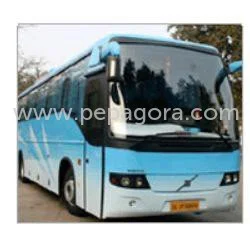
Buses: Used buses are frequently refurbished for public transport systems or private shuttle services. They can accommodate larger groups, making them valuable assets for various organizations.
𝗕𝗲𝗻𝗲𝗳𝗶𝘁𝘀 𝗮𝗻𝗱 𝗔𝗱𝘃𝗮𝗻𝘁𝗮𝗴𝗲𝘀
Sourcing used and refurbished vehicles presents numerous benefits for businesses.
1. Cost Savings: Used vehicles typically come at a fraction of the cost of new models. This allows businesses to allocate funds toward other critical areas.
2. Reduced Depreciation: Refurbished vehicles have already undergone significant depreciation. This means businesses can maintain higher resale values when they choose to sell or trade in.
3. Environmental Impact: Purchasing refurbished vehicles contributes to sustainability efforts. It promotes recycling and reduces waste by extending the life cycle of existing vehicles.
4. Availability of Options: The used vehicle market provides a wide variety of options. Businesses can find vehicles that suit their specific needs and preferences.
5. Shorter Lead Times: Used and refurbished vehicles often have shorter lead times compared to new orders. This allows businesses to quickly respond to operational demands.
6. Improved Reliability: Refurbished vehicles are often restored to high standards, ensuring they can perform reliably in demanding conditions.
𝗕𝘂𝘆𝗶𝗻𝗴 𝗚𝘂𝗶𝗱𝗲 𝗳𝗼𝗿 𝗕𝟮𝗕 𝗕𝘂𝘆𝗲𝗿𝘀
When sourcing used and refurbished vehicles, B2B buyers should consider several key factors to ensure they make informed decisions.
1. Quality Assessment: Evaluate the condition of the vehicle through inspection reports and maintenance records. This helps determine the reliability and expected performance of the vehicle.
2. Supplier Verification: Vet suppliers to confirm their credibility and reputation in the market. Look for reviews, ratings, and industry certifications to ensure quality.
3. Pricing and MOQ: Understand the pricing structure and any minimum order quantities. This will help in budgeting and aligning with business needs.
4. Delivery and Lead Times: Check the logistics involved in the delivery process. Understand the expected lead times to ensure the vehicles arrive when needed.
5. Compliance Requirements: Ensure that the vehicles meet all local and regional regulations. This includes safety standards and environmental compliance.
𝗖𝗼𝗺𝗽𝗹𝗶𝗮𝗻𝗰𝗲 𝗮𝗻𝗱 𝗖𝗲𝗿𝘁𝗶𝗳𝗶𝗰𝗮𝘁𝗶𝗼𝗻𝘀
Compliance and certifications are essential for ensuring the quality and safety of used and refurbished vehicles. Industry standards such as ISO 9001 highlight the importance of quality management systems in vehicle refurbishment processes. Adhering to these standards ensures that vehicles are consistently produced to meet customer expectations.
Additionally, certifications such as CE are crucial as they signify compliance with European safety and environmental standards. This is particularly important for businesses operating in regions where such certifications are mandatory.
Safety and testing requirements must also be considered in the refurbishment process. Vehicles should undergo rigorous testing to ensure they meet safety regulations. Moreover, regional compliance considerations are vital, as different areas may have specific laws governing vehicle operations and refurbishments.
𝗪𝗵𝘆 𝗦𝗼𝘂𝗿𝗰𝗲 𝗨𝘀𝗲𝗱 & 𝗥𝗲𝗳𝘂𝗿𝗯𝗶𝘀𝗵𝗲𝗱 𝗩𝗲𝗵𝗶𝗰𝗹𝗲𝘀 𝗳𝗿𝗼𝗺 𝗣𝗲𝗽𝗮𝗴𝗼𝗿𝗮?
Pepagora offers a trusted platform for sourcing used and refurbished vehicles, providing several key advantages to B2B buyers.
Verified Supplier Network: Pepagora connects buyers with a network of verified suppliers. This ensures that businesses can source vehicles from reputable sources, enhancing the reliability of their purchases.
Streamlined RFQ Process: The platform features a streamlined Request for Quotation (RFQ) process. This allows buyers to easily request quotes from multiple suppliers, facilitating competitive pricing and better deals.
Trade Assurance and Support: Pepagora provides trade assurance, ensuring that buyers are protected throughout the purchasing process. This support includes assistance with negotiations and conflict resolution, fostering a secure transaction environment.
Regional Coverage: With extensive geographic reach across India, the GCC, and Southeast Asia, Pepagora connects buyers with local suppliers. This regional coverage enhances accessibility and facilitates quicker transactions, meeting diverse business needs.

 IN
IN