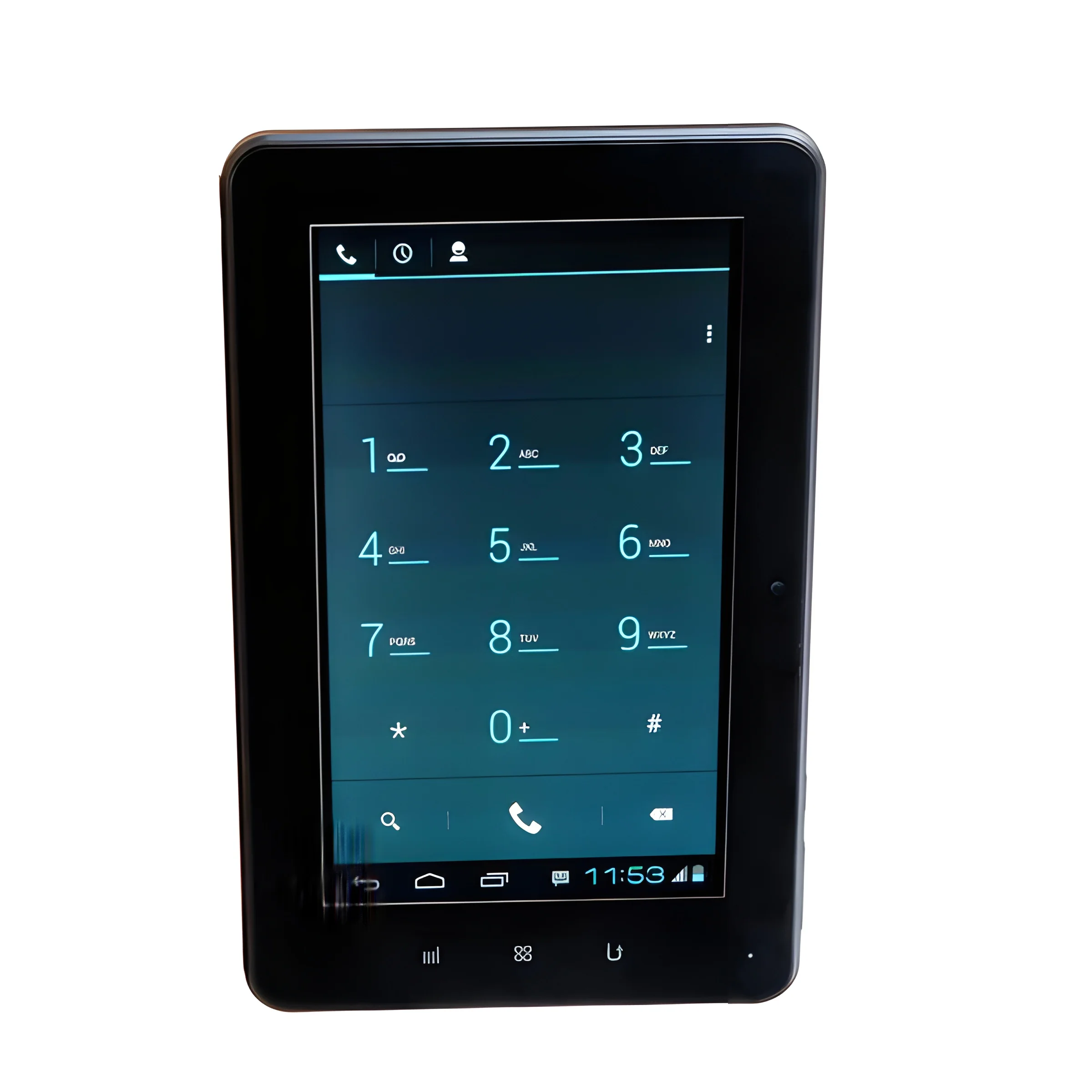
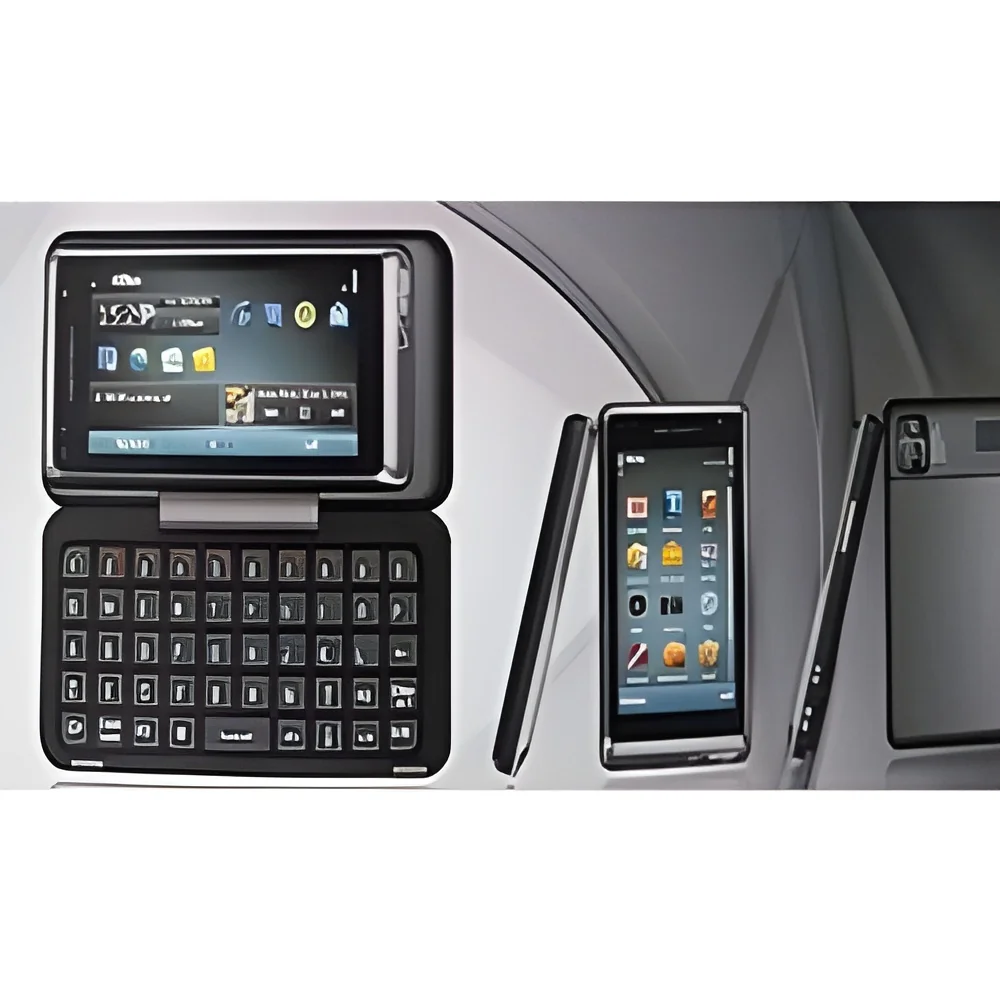
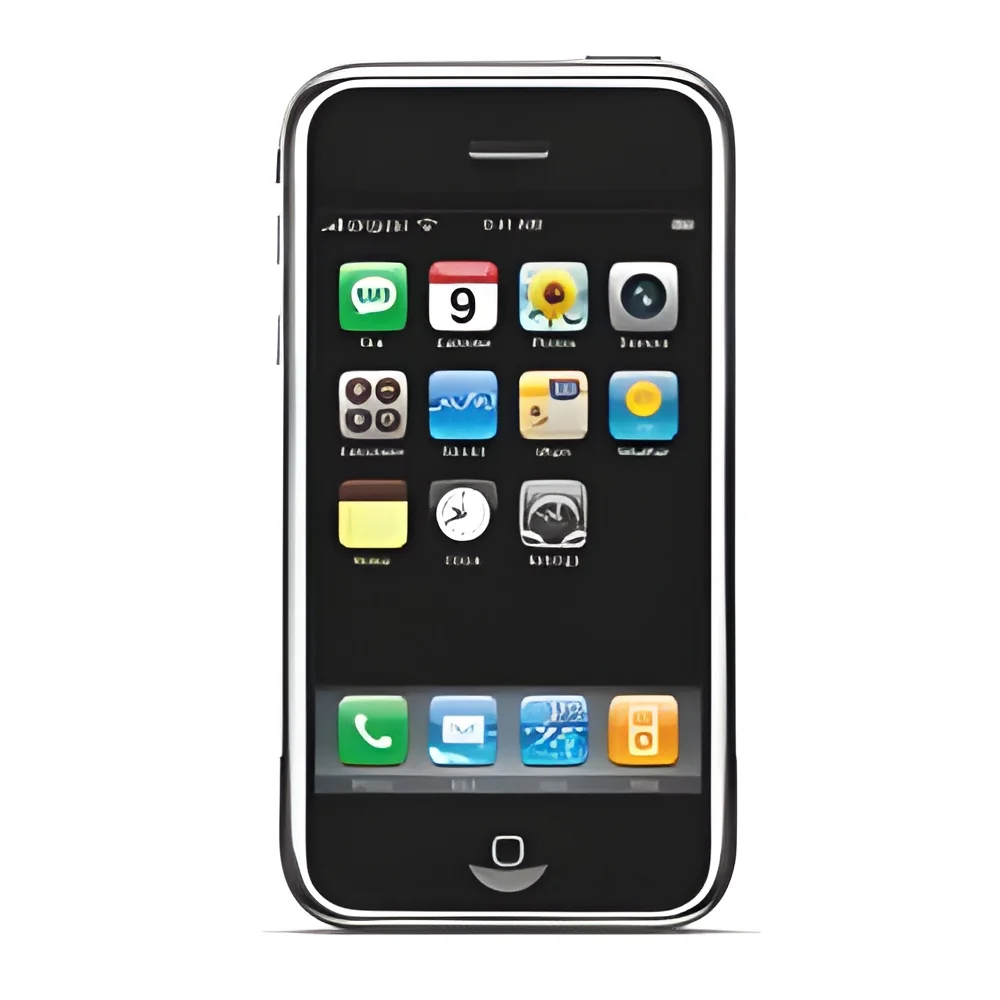
𝗪𝗵𝗮𝘁 𝗮𝗿𝗲 𝗦𝗺𝗮𝗿𝘁𝗽𝗵𝗼𝗻𝗲𝘀 & 𝗠𝗼𝗯𝗶𝗹𝗲 𝗗𝗲𝘃𝗶𝗰𝗲𝘀?
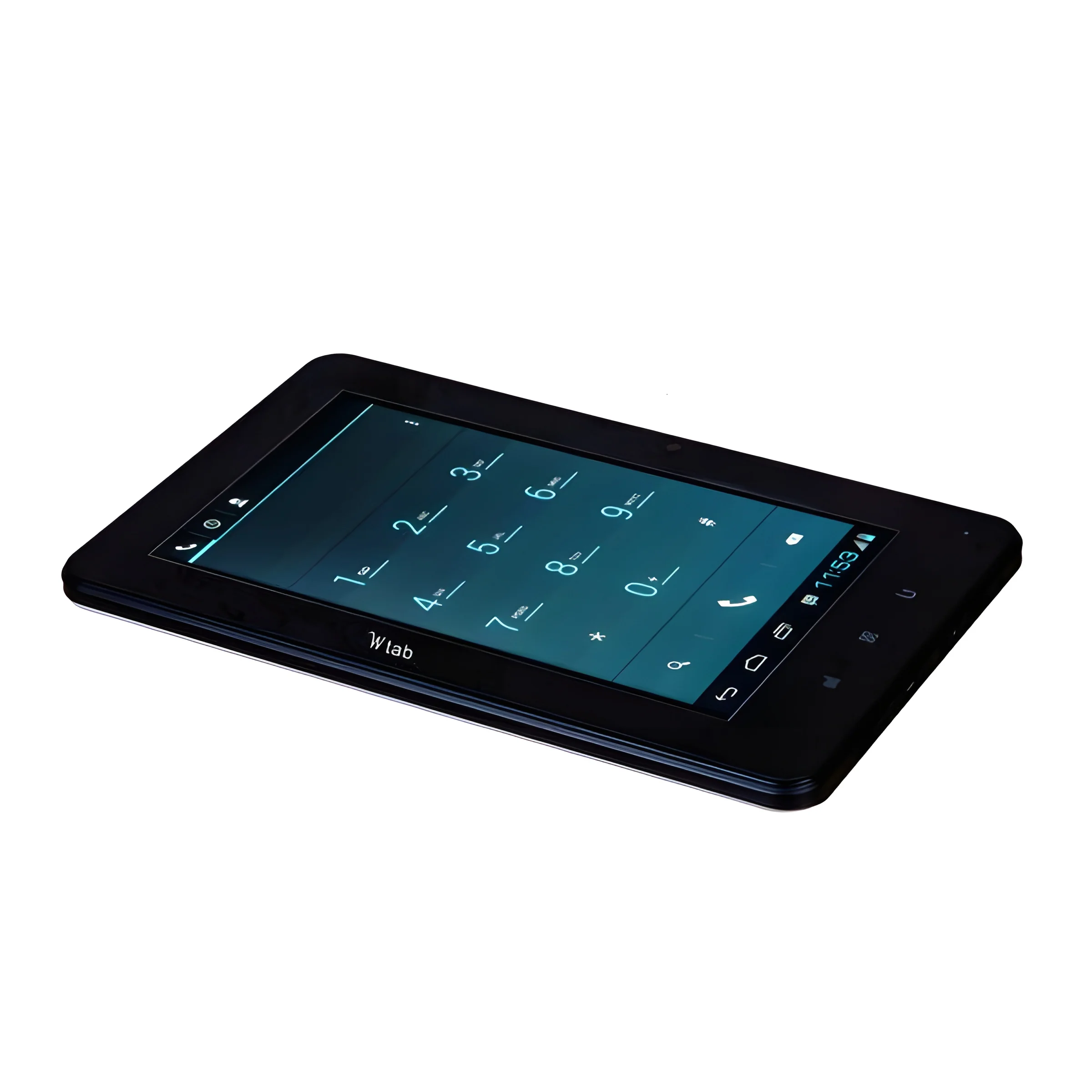
Smartphones and mobile devices are portable electronic gadgets that combine the functionality of a mobile phone with computing capabilities. They allow users to make calls, send messages, and access the internet, among other features. Equipped with advanced operating systems, these devices support a wide range of applications and services, enabling users to perform various tasks on the go.
In a business context, smartphones and mobile devices have become essential tools for communication and productivity. They facilitate remote work, enable quick access to information, and enhance collaboration among teams. Industries across the board rely on mobile technology for functions such as customer service, logistics management, and real-time data collection. As mobile technology continues to evolve, the market for smartphones and mobile devices remains robust, with significant implications for sectors such as retail, healthcare, and education.
𝗞𝗲𝘆 𝗙𝗲𝗮𝘁𝘂𝗿𝗲𝘀 𝗮𝗻𝗱 𝗦𝗽𝗲𝗰𝗶𝗳𝗶𝗰𝗮𝘁𝗶𝗼𝗻𝘀
Smartphones and mobile devices come equipped with a variety of features and specifications that cater to both personal and professional needs. These specifications generally include performance characteristics, display quality, battery life, and connectivity options. Understanding these elements is crucial for businesses when selecting devices that align with their operational requirements.
Key specifications include:
1. Display Quality
- High-resolution screens for enhanced clarity
- Common resolutions include Full HD (1920 x 1080) and 4K (3840 x 2160)
2. Processor Performance
- Multi-core processors for efficient multitasking
- Common brands include Snapdragon and MediaTek
3. Battery Capacity
- Measured in milliampere-hours (mAh), typically ranging from 3000 to 5000 mAh
- Impacts device usage time between charges
4. Connectivity Options
- Support for 4G, 5G, Wi-Fi, and Bluetooth
- Enables seamless data transfers and internet access
5. Storage Capacity
- Internal storage options typically range from 64 GB to 512 GB
- Expandable storage through microSD cards in some models
6. Operating System
- Common systems include Android and iOS
- Determines user interface and app compatibility
7. Camera Quality
- Varies from dual-lens to multi-lens setups
- Measured in megapixels, with options ranging from 12 MP to 108 MP
8. Durability Features
- Water and dust resistance ratings, such as IP67 or IP68
- Ensures device longevity in various environments
In summary, understanding these features and specifications can help businesses make informed decisions when procuring smartphones and mobile devices that best fit their operational needs.
𝗖𝗼𝗺𝗺𝗼𝗻 𝗔𝗽𝗽𝗹𝗶𝗰𝗮𝘁𝗶𝗼𝗻𝘀 𝗮𝗻𝗱 𝗨𝘀𝗲 𝗖𝗮𝘀𝗲𝘀
Smartphones and mobile devices serve a wide array of industries, enhancing efficiency and productivity.
1. Retail: In retail, mobile devices are used for point-of-sale transactions, inventory management, and customer engagement through apps and mobile websites.
2. Healthcare: Healthcare professionals utilize mobile devices for patient monitoring, telemedicine consultations, and accessing electronic health records in real time.
3. Logistics: In the logistics industry, smartphones facilitate tracking shipments, managing deliveries, and communicating with drivers and clients for timely updates.
4. Education: Educational institutions leverage mobile devices for e-learning platforms, student engagement, and administrative tasks, making education more accessible.
5. Real Estate: Real estate agents use mobile devices for virtual tours, client communication, and accessing property listings on-the-go.
6. Field Services: Technicians in field services rely on mobile devices for job scheduling, access to manuals, and real-time updates on service requests.
7. Financial Services: Financial advisors and agents utilize mobile devices for client communications, transaction processing, and accessing market data.
𝗣𝗿𝗼𝗱𝘂𝗰𝘁 𝗩𝗮𝗿𝗶𝗮𝗻𝘁𝘀 𝗮𝗻𝗱 𝗦𝘂𝗯𝗰𝗮𝘁𝗲𝗴𝗼𝗿𝗶𝗲𝘀
Smartphones and mobile devices come in various forms to meet diverse user needs. Each variant offers unique features tailored for specific applications.
Flagship Smartphones: These devices are designed for high performance, featuring the latest technology, superior camera capabilities, and extensive software support. They cater to users who demand the best in terms of performance and features.
Mid-range Smartphones: Offering a balance between price and functionality, mid-range smartphones provide essential features suitable for everyday use. They are ideal for businesses looking to equip employees without overspending.
Rugged Smartphones: Built to withstand harsh environments, rugged smartphones are designed for industries such as construction and fieldwork. They offer robust durability features, including water and dust resistance.
Business Smartphones: Tailored for professional use, these devices often come with enhanced security features, productivity tools, and business applications to support mobile workforces.
𝗕𝗲𝗻𝗲𝗳𝗶𝘁𝘀 𝗮𝗻𝗱 𝗔𝗱𝘃𝗮𝗻𝘁𝗮𝗴𝗲𝘀
The adoption of smartphones and mobile devices in business environments offers numerous benefits.
1. Enhanced Communication: These devices facilitate instant communication through calls, emails, and messaging apps, fostering collaboration among team members.
2. Increased Productivity: Mobile devices enable employees to work from anywhere, access crucial information, and manage tasks efficiently, leading to improved productivity.
3. Cost-Effective Solutions: By streamlining operations and reducing the need for multiple devices, businesses can achieve cost savings through the use of smartphones.
4. Real-Time Data Access: Mobile devices provide immediate access to important data and analytics, allowing businesses to make informed decisions quickly.
5. Improved Customer Engagement: Smartphones enable businesses to interact with customers through various channels, enhancing customer experience and satisfaction.
6. Flexibility and Mobility: Employees can perform tasks on the go, allowing for greater flexibility in work arrangements and fostering a mobile workforce.
𝗕𝘂𝘆𝗶𝗻𝗴 𝗚𝘂𝗶𝗱𝗲 𝗳𝗼𝗿 𝗕𝟮𝗕 𝗕𝘂𝘆𝗲𝗿𝘀
When sourcing smartphones and mobile devices, businesses should consider several critical factors to ensure they make informed decisions.
1. Quality Assessment: Evaluate the quality of devices by checking specifications, durability, and user reviews. High-quality devices can lead to increased employee satisfaction and reduced downtime.
2. Supplier Verification: Conduct thorough checks on potential suppliers to ensure they are reputable and reliable. This includes reviewing their certifications, customer feedback, and delivery capabilities.
3. Pricing and MOQ: Understand the pricing structure and minimum order quantities (MOQ) set by suppliers. This will help in budgeting and ensure that the investment aligns with business needs.
4. Delivery and Lead Times: Inquire about delivery schedules and lead times to ensure that devices are available when needed. Timely delivery is crucial for maintaining business operations.
5. Compliance Requirements: Ensure that the devices meet relevant compliance and regulatory standards. This includes certifications such as CE, which indicates adherence to safety and environmental regulations.
𝗖𝗼𝗺𝗽𝗹𝗶𝗮𝗻𝗰𝗲 𝗮𝗻𝗱 𝗖𝗲𝗿𝘁𝗶𝗳𝗶𝗰𝗮𝘁𝗶𝗼𝗻𝘀
Compliance and certifications are essential for ensuring that smartphones and mobile devices meet quality and safety standards. Relevant quality standards, such as ISO 9001, indicate that manufacturers adhere to quality management principles, ensuring consistent product quality.
Industry certifications like CE signify that devices comply with European safety, health, and environmental protection standards. This compliance ensures that products are safe for use in various applications.
Safety and testing requirements also play a significant role in the production of smartphones. Manufacturers often conduct rigorous testing to meet industry benchmarks, ensuring devices are safe for consumers and businesses alike.
Additionally, regional compliance considerations are important, as different markets may have unique regulations. Understanding these requirements can help businesses avoid potential legal issues and ensure a smooth procurement process.
𝗪𝗵𝘆 𝗦𝗼𝘂𝗿𝗰𝗲 𝗦𝗺𝗮𝗿𝘁𝗽𝗵𝗼𝗻𝗲𝘀 & 𝗠𝗼𝗯𝗶𝗹𝗲 𝗗𝗲𝘃𝗶𝗰𝗲𝘀 𝗳𝗿𝗼𝗺 𝗣𝗲𝗽𝗮𝗴𝗼𝗿𝗮?
Pepagora provides a trusted platform for sourcing smartphones and mobile devices, offering several key advantages to B2B buyers.
Verified Supplier Network: Pepagora connects businesses with verified suppliers, ensuring that buyers have access to reliable and reputable vendors. This reduces the risk associated with procurement.
Streamlined RFQ Process: The platform offers a streamlined request for quotation (RFQ) process, allowing buyers to easily compare quotes from multiple suppliers. This simplifies the purchasing decision and ensures competitive pricing.
Trade Assurance and Support: Pepagora offers trade assurance, providing buyers with protection against potential disputes. The platform supports businesses through every step of the procurement process, ensuring a positive experience.
Regional Coverage: With a geographic reach that includes India, the Gulf Cooperation Council (GCC), and Southeast Asia, Pepagora ensures that businesses can source smartphones and mobile devices from a wide range of suppliers, catering to diverse operational needs.
This makes Pepagora a valuable partner for organizations looking to enhance their mobile technology capabilities.

 IN
IN