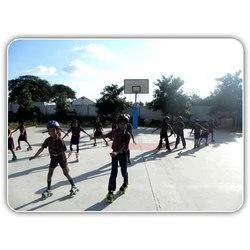
𝗪𝗵𝗮𝘁 𝗮𝗿𝗲 𝗦𝗸𝗮𝘁𝗶𝗻𝗴 & 𝗦𝗸𝗮𝘁𝗲𝗯𝗼𝗮𝗿𝗱𝗶𝗻𝗴 𝗘𝗾𝘂𝗶𝗽𝗺𝗲𝗻𝘁?
Skating and skateboarding equipment encompasses a variety of products designed for recreational and professional use in skating sports. This equipment includes skateboards, inline skates, protective gear, and accessories that enhance the skating experience. Each type of equipment is engineered for specific functions, ensuring safety and performance. Skateboards, for instance, are typically made from durable materials like wood or composite plastics, while inline skates feature wheels aligned in a single line for speed and maneuverability.
The primary use of skating and skateboarding equipment is found in sports and leisure activities, attracting enthusiasts of all ages. Businesses that cater to this market may include sporting goods retailers, skate parks, and rental companies. Additionally, skating is increasingly being integrated into competitive sports, including the Olympics, which has further boosted interest and demand for high-quality equipment. The global market for skating and skateboarding equipment continues to grow, reflecting the sport's popularity and the increasing importance of safety and performance standards.
𝗞𝗲𝘆 𝗙𝗲𝗮𝘁𝘂𝗿𝗲𝘀 𝗮𝗻𝗱 𝗦𝗽𝗲𝗰𝗶𝗳𝗶𝗰𝗮𝘁𝗶𝗼𝗻𝘀
Skating and skateboarding equipment is characterized by a range of features and specifications that cater to different needs and preferences. Understanding these specifications is crucial for businesses seeking to provide quality products to their customers.
Key specifications include:
1. Material Composition
- Typically made from high-strength materials such as maple wood, fiberglass, or aluminum.
- Ensures durability and performance under various conditions.
2. Wheel Size
- Common sizes range from 50 mm to 60 mm for skateboards and varying sizes for inline skates.
- Affects speed, grip, and maneuverability.
3. Bearing Grade
- Bearings are graded based on precision and speed, with higher grades offering better performance.
- Common grades include ABEC 5, ABEC 7, and higher.
4. Deck Width
- Skateboards typically feature deck widths between 7.5 inches and 8.5 inches.
- Wider decks provide more stability, while narrower decks allow for more tricks.
5. Safety Gear Standards
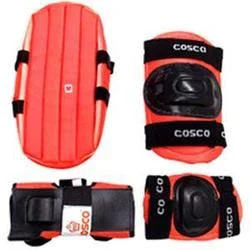
- Helmets, knee pads, and elbow pads often meet specific safety standards, such as CE certification.
- Ensures maximum protection for users.
6. Weight Capacity
- Equipment is designed to support weight ranges typically between 100 lbs and 250 lbs.
- Important for safety and performance.
7. Color and Design Options
- Available in various styles and colors to cater to personal preferences.
- Enhances aesthetic appeal and brand identity.
8. Customization Options
- Many suppliers offer customization for graphics and designs.
- Allows businesses to cater to specific customer needs.
Understanding these features enables businesses to make informed purchasing decisions that align with market demands.
𝗖𝗼𝗺𝗺𝗼𝗻 𝗔𝗽𝗽𝗹𝗶𝗰𝗮𝘁𝗶𝗼𝗻𝘀 𝗮𝗻𝗱 𝗨𝘀𝗲 𝗖𝗮𝘀𝗲𝘀
Skating and skateboarding equipment is utilized across various industries, making it a versatile product line.
1. Sporting Goods Retail: Retailers often stock a wide range of skating and skateboarding equipment to cater to enthusiasts and casual users, providing both high-end and budget-friendly options.
2. Skate Parks: These facilities require durable and functional equipment for rental services, ensuring visitors have access to quality gear while maintaining safety standards.
3. Schools and Educational Institutions: Many schools incorporate skating programs into physical education curricula, requiring appropriate equipment for students to learn and practice safely.
4. Event Organizers: Competitions and exhibitions frequently rely on top-tier skating and skateboarding equipment to ensure a professional experience for participants and spectators.
5. Fitness and Recreation Centers: These venues may offer skating classes or sessions, necessitating a stock of suitable equipment to attract fitness enthusiasts.
6. Online Retail: E-commerce platforms provide opportunities for businesses to reach a broader audience, showcasing various skating and skateboarding products to potential buyers.
7. Custom Merchandise: Companies may offer branded skating gear, tapping into the popularity of skating culture among youth and promoting their brand through customized equipment.
𝗣𝗿𝗼𝗱𝘂𝗰𝘁 𝗩𝗮𝗿𝗶𝗮𝗻𝘁𝘀 𝗮𝗻𝗱 𝗦𝘂𝗯𝗰𝗮𝘁𝗲𝗴𝗼𝗿𝗶𝗲𝘀
Skating and skateboarding equipment comes in various forms, offering options that cater to different styles and preferences.
Skateboards
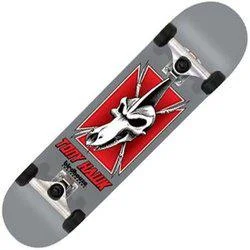
Skateboards are traditional boards with four wheels that provide stability and control. They come in various shapes and sizes, making them suitable for tricks, cruising, and commuting. Features often include a grip tape surface for better traction and customizable designs.
Inline Skates
Inline skates feature wheels arranged in a single line, allowing for increased speed and agility. They are commonly used for recreational skating, fitness, and competitive sports. Inline skates often come with adjustable sizing options to accommodate growing users.
Longboards
Longboards are longer than traditional skateboards and are designed for cruising and downhill riding. They provide a smoother ride and better stability at higher speeds, making them appealing for long-distance travel and leisurely skating.
Cruiser Boards
Cruiser boards are compact and designed for easy maneuverability, ideal for short trips and casual rides. They often feature a wider deck and softer wheels for a comfortable ride over rough surfaces.
𝗕𝗲𝗻𝗲𝗳𝗶𝘁𝘀 𝗮𝗻𝗱 𝗔𝗱𝘃𝗮𝗻𝘁𝗮𝗴𝗲𝘀
Investing in skating and skateboarding equipment offers numerous advantages for businesses and users alike.
Key benefits include:
1. Enhanced Safety: Proper equipment significantly reduces the risk of injuries, especially when combined with protective gear.
2. Improved Performance: High-quality materials and designs enhance the functionality of skating equipment, allowing users to achieve better results.
3. Market Versatility: Skating and skateboarding equipment appeals to a broad demographic, from recreational users to competitive athletes, providing varied market opportunities.
4. Brand Loyalty: Offering quality products helps build brand reputation, encouraging repeat purchases and customer loyalty.
5. Customization Potential: Many businesses can create custom designs, making their products unique and appealing to specific customer segments.
6. Growing Market Demand: The increasing popularity of skating as a sport and lifestyle contributes to a robust market for quality products, ensuring ongoing sales potential.
𝗕𝘂𝘆𝗶𝗻𝗴 𝗚𝘂𝗶𝗱𝗲 𝗳𝗼𝗿 𝗕𝟮𝗕 𝗕𝘂𝘆𝗲𝗿𝘀
When sourcing skating and skateboarding equipment, businesses should consider several key factors to ensure they are making informed purchases.
1. Quality Assessment: Evaluate the quality of materials and manufacturing processes to ensure durability and safety. Look for brands with established reputations in the market.
2. Supplier Verification: Conduct thorough background checks on suppliers to confirm their reliability and adherence to quality standards. This may include reviewing customer feedback and certifications.
3. Pricing and MOQ: Understand the pricing structures and minimum order quantities (MOQ) that suppliers offer. This can significantly impact budget planning and inventory management.
4. Delivery and Lead Times: Inquire about logistics and delivery times to avoid disruptions in inventory supply. Ensure that suppliers can meet your timeline requirements.
5. Compliance Requirements: Be aware of any regulatory standards and safety certifications relevant to your region. Compliance with local laws is essential for legal and safety reasons.
𝗖𝗼𝗺𝗽𝗹𝗶𝗮𝗻𝗰𝗲 𝗮𝗻𝗱 𝗖𝗲𝗿𝘁𝗶𝗳𝗶𝗰𝗮𝘁𝗶𝗼𝗻𝘀
Compliance and certifications are vital aspects of the skating and skateboarding equipment industry. Manufacturers must adhere to relevant quality standards to ensure safety and performance.
ISO 9001 is a standard that outlines quality management systems, ensuring that manufacturers maintain consistent quality in their products. This certification is crucial for businesses looking to establish credibility in the market.
CE certification is another important mark, especially in the European market. It indicates that products meet safety and health requirements set by the European Union, providing assurance to consumers and businesses alike.
Safety and testing requirements are critical, as skating and skateboarding equipment must withstand rigorous use. Manufacturers often conduct tests to verify the strength and durability of materials, ensuring that products perform as expected.
Regional compliance considerations may vary, so businesses should familiarize themselves with local regulations related to sporting goods. Compliance with these standards is essential for market entry and ongoing sales.
𝗪𝗵𝘆 𝗦𝗼𝘂𝗿𝗰𝗲 𝗦𝗸𝗮𝘁𝗶𝗻𝗴 & 𝗦𝗸𝗮𝘁𝗲𝗯𝗼𝗮𝗿𝗱𝗶𝗻𝗴 𝗘𝗾𝘂𝗶𝗽𝗺𝗲𝗻𝘁 𝗳𝗿𝗼𝗺 𝗣𝗲𝗽𝗮𝗴𝗼𝗿𝗮?
Pepagora provides a trusted platform for sourcing skating and skateboarding equipment, offering several key advantages to businesses.
Verified Supplier Network: Pepagora connects buyers with a network of verified suppliers, ensuring that all listed products meet quality and safety standards. This verification process enhances buyer confidence.
Streamlined RFQ Process: The platform allows businesses to easily request quotes from multiple suppliers, simplifying the procurement process. This efficiency saves time and helps buyers make informed decisions.
Trade Assurance and Support: Pepagora offers trade assurance, providing protection for buyers in their transactions. This support includes dispute resolution and guarantees, ensuring a secure purchasing experience.
Regional Coverage: With a focus on markets in India, GCC, and Southeast Asia, Pepagora caters to a wide geographic area. This coverage enables businesses to find local suppliers and products that meet their specific needs.

 IN
IN