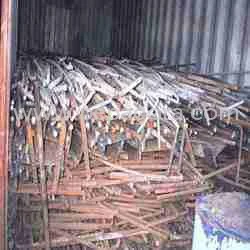
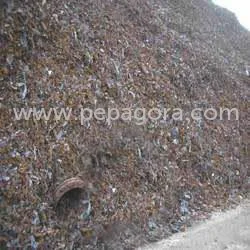
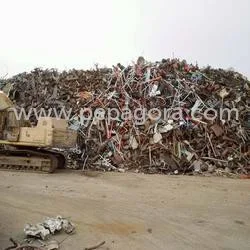
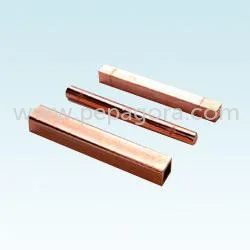
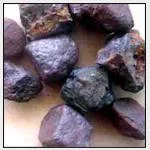
𝗪𝗵𝗮𝘁 𝗮𝗿𝗲 𝗦𝗰𝗿𝗮𝗽 𝗠𝗲𝘁𝗮𝗹𝘀 & 𝗥𝗲𝗰𝘆𝗰𝗹𝗲𝗱 𝗔𝗹𝗹𝗼𝘆𝘀?
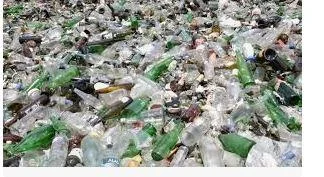
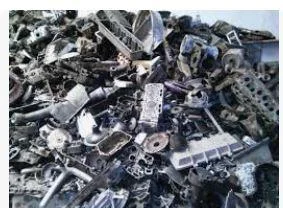
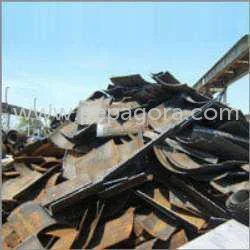
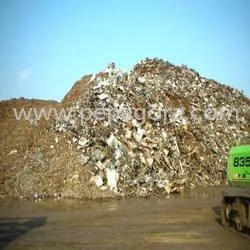
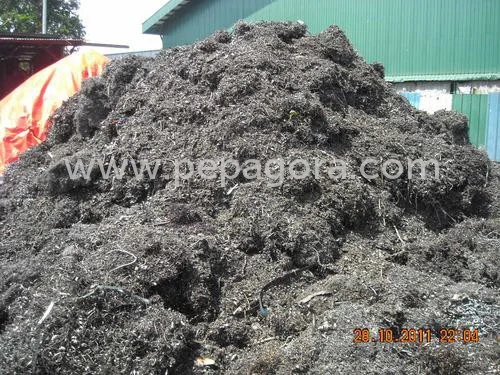
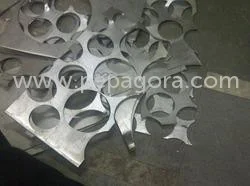
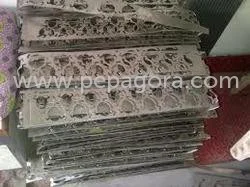
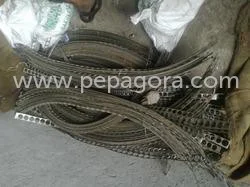
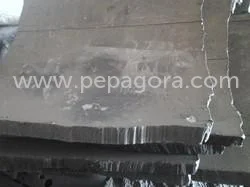
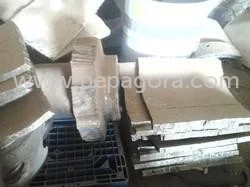
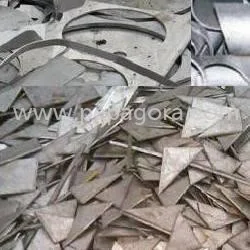
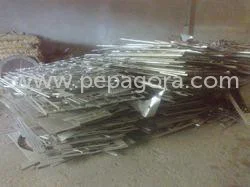
Scrap metals and recycled alloys refer to materials that have been discarded or are no longer in use and can be processed and reused. These materials typically include metals such as steel, aluminum, copper, and brass, which are collected from various sources including manufacturing processes, end-of-life vehicles, and construction sites. The recycling of these materials not only helps in conserving natural resources but also reduces energy consumption and greenhouse gas emissions associated with primary metal production.
In business applications, scrap metals and recycled alloys are utilized in a wide range of industries, including construction, automotive, and manufacturing. These materials are melted down and reformed into new products, contributing to a circular economy. The demand for recycled metals has grown significantly due to increasing environmental regulations and a shift towards sustainability. This trend underscores the importance of scrap metals and recycled alloys in today's industrial landscape.
The relevance of scrap metals and recycled alloys in the industry is underscored by their economic impact. The global market for these materials is expanding, driven by the need for sustainable practices and the rising costs of virgin materials. Companies increasingly prioritize sourcing recycled materials to enhance their sustainability profiles and reduce production costs.
𝗞𝗲𝘆 𝗙𝗲𝗮𝘁𝘂𝗿𝗲𝘀 𝗮𝗻𝗱 𝗦𝗽𝗲𝗰𝗶𝗳𝗶𝗰𝗮𝘁𝗶𝗼𝗻𝘀
Scrap metals and recycled alloys have several key features that make them valuable in various industrial applications. Understanding these specifications is crucial for businesses when selecting the right materials for their projects.
Key specifications include:
1. Material Composition
- Variety of metals such as steel, aluminum, copper, and brass
- Different grades based on purity and alloying elements
2. Recycling Process
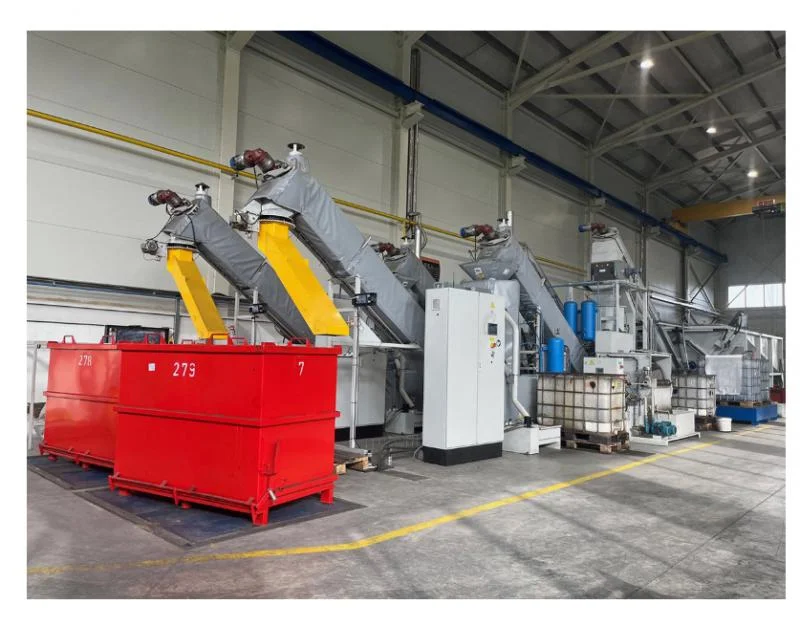
- Methods include shredding, sorting, and melting
- Ensures the recovery of valuable metals and minimizes waste
3. Quality Standards
- Compliance with industry standards such as CE certification
- Regular testing for contaminants and impurities
4. Availability
- Sourced from various suppliers and recycling centers
- Varied supply based on regional demand and collection practices
5. Pricing Structure
- Influenced by market demand, metal prices, and quality
- Typically lower than virgin materials, offering cost savings
6. Environmental Impact
- Reduced carbon footprint compared to primary metal production
- Contributes to resource conservation and waste reduction
7. Processing Capabilities
- Can be customized through additional processing
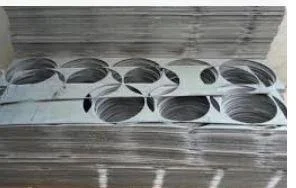
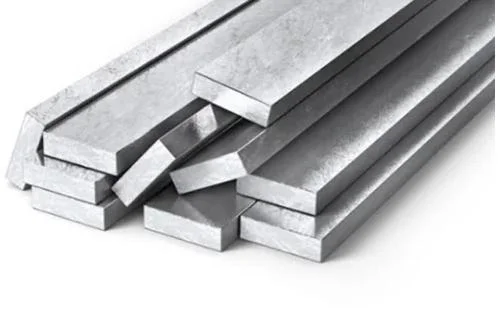
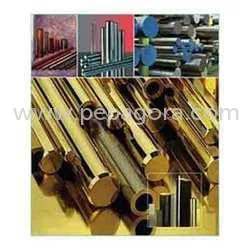
- Options for different forms such as sheets, bars, and ingots
In summary, the specifications of scrap metals and recycled alloys highlight their essential role in sustainable manufacturing and resource management.
𝗖𝗼𝗺𝗺𝗼𝗻 𝗔𝗽𝗽𝗹𝗶𝗰𝗮𝘁𝗶𝗼𝗻𝘀 𝗮𝗻𝗱 𝗨𝘀𝗲 𝗖𝗮𝘀𝗲𝘀
Scrap metals and recycled alloys serve various industries by providing sustainable material options for multiple applications.
1. Automotive Industry: Scrap metals are extensively used in the production of new vehicles, allowing manufacturers to reduce production costs and environmental impact.
2. Construction Sector: Recycled alloys are commonly used in building materials, including structural steel and roofing, contributing to sustainable construction practices.
3. Electronics Manufacturing: Copper and aluminum scrap are essential for producing electrical components, enhancing energy efficiency in electronic devices.
4. Machinery Production: Recycled metals are often employed in manufacturing machinery and equipment, providing durable and cost-effective solutions.
5. Packaging Industry: Aluminum and steel scrap are recycled into new packaging materials, promoting sustainability in the consumer goods sector.
6. Aerospace: High-quality recycled alloys are used in aircraft components, meeting stringent safety and performance standards.
7. Renewable Energy: Scrap metals play a vital role in manufacturing parts for wind turbines and solar panels, supporting the transition to renewable energy sources.
𝗣𝗿𝗼𝗱𝘂𝗰𝘁 𝗩𝗮𝗿𝗶𝗮𝗻𝘁𝘀 𝗮𝗻𝗱 𝗦𝘂𝗯𝗰𝗮𝘁𝗲𝗴𝗼𝗿𝗶𝗲𝘀
Scrap metals and recycled alloys come in various forms, catering to different industrial needs. The diversity of these materials allows for tailored solutions.
Aluminum Scrap
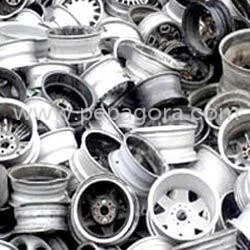
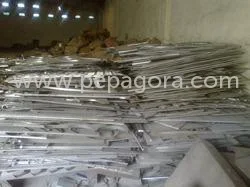
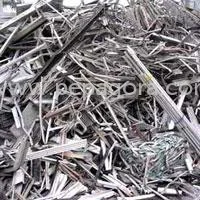
Aluminum scrap is lightweight and corrosion-resistant, making it ideal for recycling into new aluminum products. It is extensively used in the automotive and construction industries, where lightweight materials are preferred.
Copper Scrap
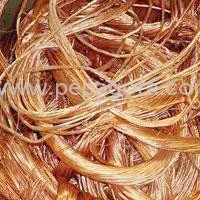
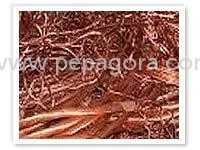
Copper scrap is known for its excellent electrical conductivity, making it essential in electrical and electronic applications. It is often recycled into wires and connectors, supporting the growing demand in technology sectors.
Steel Scrap
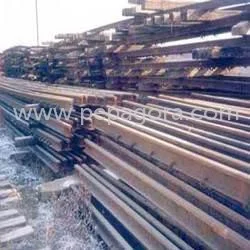
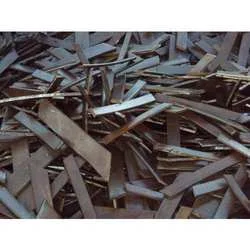
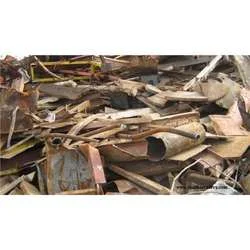
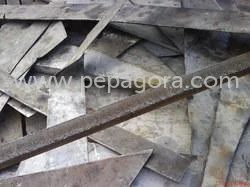
Steel scrap is one of the most commonly recycled materials, used in a wide range of applications from construction to automotive manufacturing. It is valued for its strength and durability.
Brass Scrap
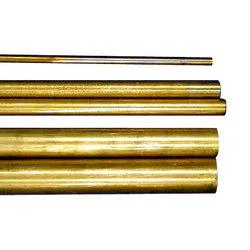
Brass scrap contains copper and zinc, making it suitable for plumbing fixtures and decorative applications. Its recyclability and aesthetic appeal contribute to its popularity in various industries.
𝗕𝗲𝗻𝗲𝗳𝗶𝘁𝘀 𝗮𝗻𝗱 𝗔𝗱𝘃𝗮𝗻𝘁𝗮𝗴𝗲𝘀
Sourcing scrap metals and recycled alloys provides several key benefits for businesses.
1. Cost Efficiency: Using recycled materials often results in lower costs compared to virgin metals, allowing companies to save on raw material expenses.
2. Environmental Sustainability: Recycling reduces the environmental impact associated with mining and processing new materials, contributing to a greener planet.
3. Resource Conservation: Utilizing scrap metals helps conserve natural resources, ensuring that valuable materials are reused rather than discarded.
4. Supply Chain Stability: Recycling offers a more stable supply of materials, reducing dependency on volatile commodity markets.
5. Compliance with Regulations: Many industries are subject to environmental regulations, and using recycled materials can help meet these compliance requirements.
6. Enhanced Corporate Image: Companies that prioritize sustainability by using recycled materials can improve their public image and appeal to environmentally conscious consumers.
𝗕𝘂𝘆𝗶𝗻𝗴 𝗚𝘂𝗶𝗱𝗲 𝗳𝗼𝗿 𝗕𝟮𝗕 𝗕𝘂𝘆𝗲𝗿𝘀
When sourcing scrap metals and recycled alloys, businesses should consider several critical factors to ensure they make informed purchasing decisions.
1. Quality Assessment: It is essential to evaluate the quality of the scrap materials. Look for suppliers who conduct thorough testing for contaminants and provide documentation on material composition.
2. Supplier Verification: Vet suppliers to ensure they have a track record of reliability and compliance with industry standards. Checking references and certifications can help establish trust.
3. Pricing and MOQ: Understand the pricing structure and minimum order quantities (MOQ) set by suppliers. This knowledge can help in budgeting and planning for material needs.
4. Delivery and Lead Times: Consider logistics and the expected lead times for delivery. Timely access to materials is crucial for maintaining production schedules.
5. Compliance Requirements: Ensure that the materials comply with relevant regulations and standards, such as CE certification. This is especially important in industries with stringent safety and quality requirements.
𝗖𝗼𝗺𝗽𝗹𝗶𝗮𝗻𝗰𝗲 𝗮𝗻𝗱 𝗖𝗲𝗿𝘁𝗶𝗳𝗶𝗰𝗮𝘁𝗶𝗼𝗻𝘀
Compliance and certifications play a critical role in the sourcing of scrap metals and recycled alloys. Various quality standards and industry certifications ensure that materials meet safety and performance criteria.
ISO 9001 is a widely recognized quality management standard that emphasizes consistent quality in processes. Companies sourcing scrap metals should look for suppliers who adhere to this standard, demonstrating their commitment to quality management.
The CE mark is another important certification for recycled alloys, indicating compliance with European Union safety and environmental requirements. This certification assures buyers that the materials meet necessary standards for use in various applications.
Safety and testing requirements are paramount in the recycling process. Recycled metals must be assessed for contaminants to ensure they are safe for use in manufacturing. Regular testing helps maintain quality and reliability.
Regional compliance considerations may vary, so it is essential to be aware of local regulations governing the recycling and use of scrap metals. Compliance with these regulations not only ensures safety but also promotes responsible sourcing practices.
𝗪𝗵𝘆 𝗦𝗼𝘂𝗿𝗰𝗲 𝗦𝗰𝗿𝗮𝗽 𝗠𝗲𝘁𝗮𝗹𝘀 & 𝗥𝗲𝗰𝘆𝗰𝗹𝗲𝗱 𝗔𝗹𝗹𝗼𝘆𝘀 𝗳𝗿𝗼𝗺 𝗣𝗲𝗽𝗮𝗴𝗼𝗿𝗮?
Pepagora provides a trusted platform for sourcing scrap metals and recycled alloys, offering several key advantages to businesses.
Verified Supplier Network: Pepagora ensures that all suppliers in its network are thoroughly vetted. This verification process guarantees that buyers are connected with reliable sources of high-quality scrap materials.
Streamlined RFQ Process: The Request for Quotation (RFQ) system at Pepagora simplifies the procurement process. Buyers can easily submit their requirements and receive competitive quotes from multiple suppliers, saving time and effort.
Trade Assurance and Support: Pepagora offers trade assurance to protect buyers throughout the purchasing process. This support helps mitigate risks associated with sourcing and ensures that businesses receive the materials they need.
Regional Coverage: With a strong presence in India, the GCC region, and Southeast Asia, Pepagora provides extensive geographic reach. This regional coverage allows businesses to access local suppliers and enhances the efficiency of sourcing operations.
By choosing Pepagora for sourcing scrap metals and recycled alloys, companies can benefit from a reliable platform that prioritizes quality, efficiency, and sustainability in the procurement process.

 IN
IN