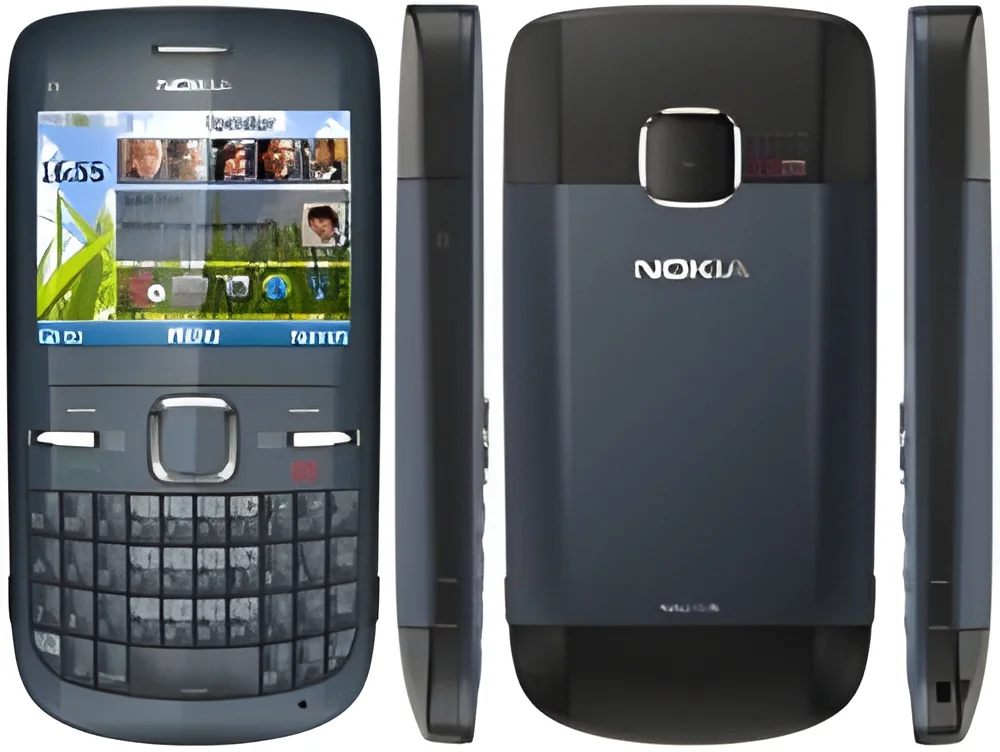
𝗪𝗵𝗮𝘁 𝗮𝗿𝗲 𝗥𝗲𝗳𝘂𝗿𝗯𝗶𝘀𝗵𝗲𝗱 𝗘𝗹𝗲𝗰𝘁𝗿𝗼𝗻𝗶𝗰𝘀?
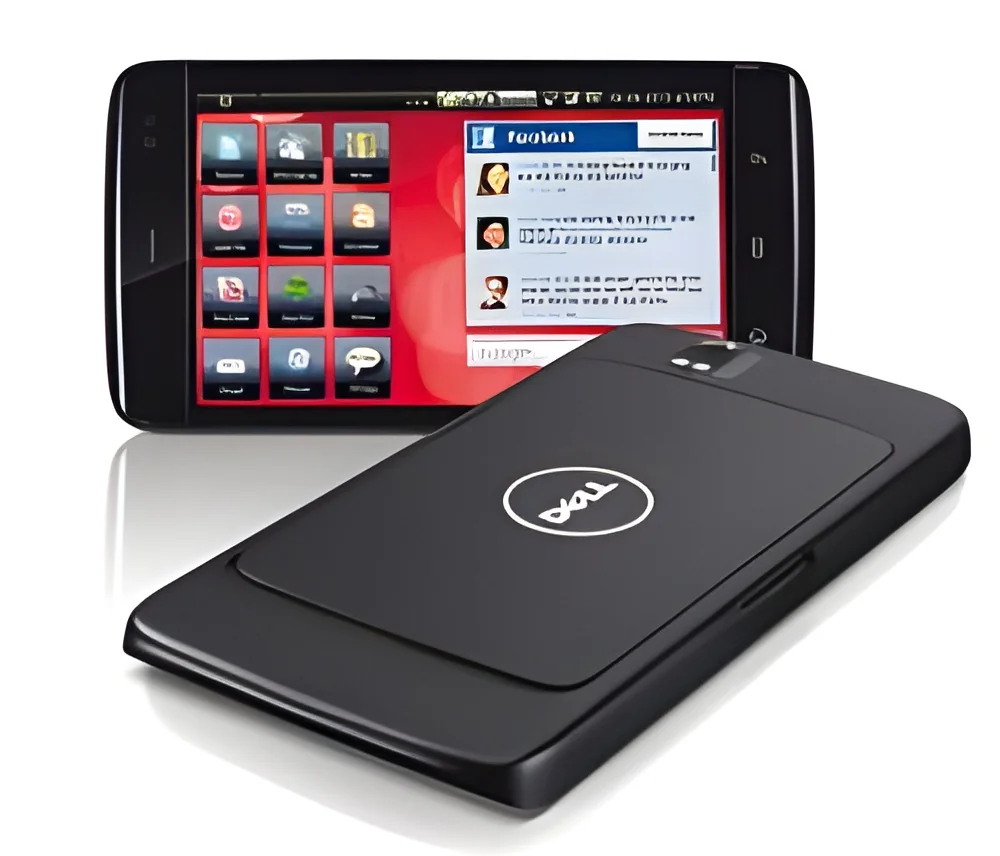
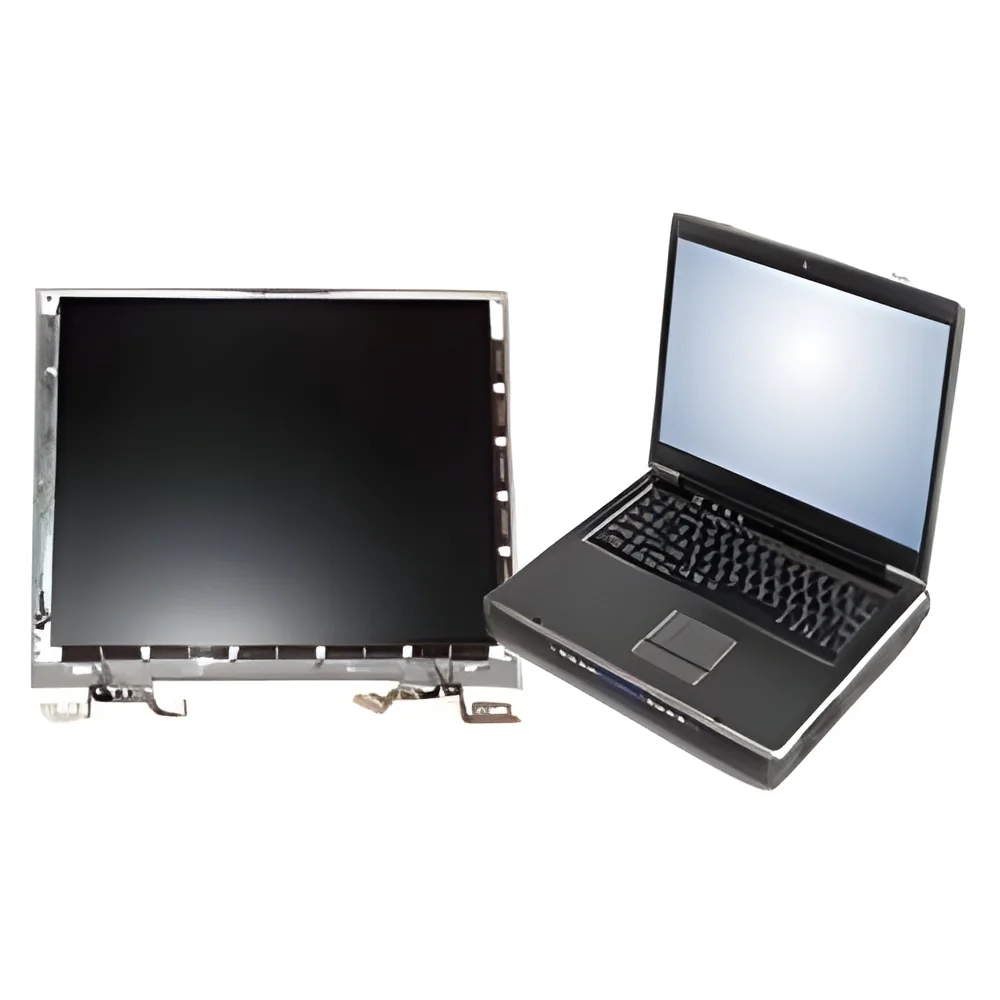
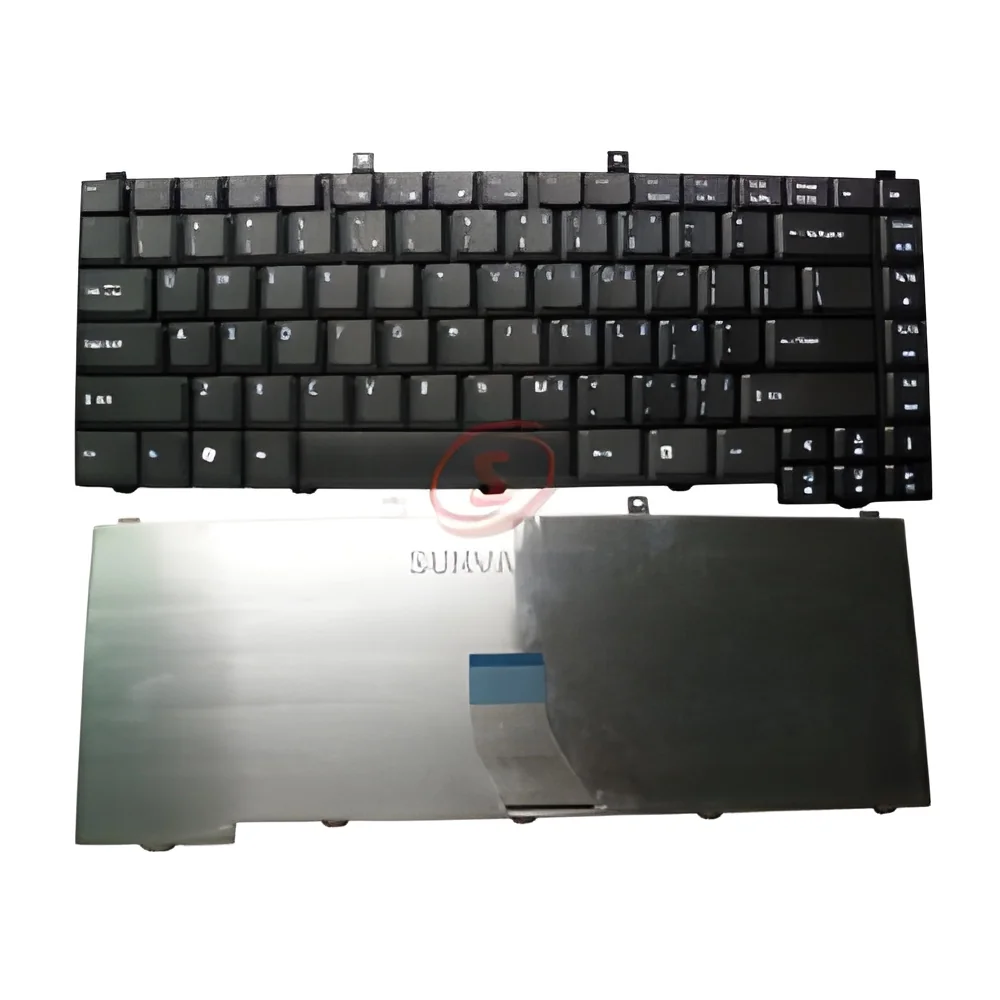
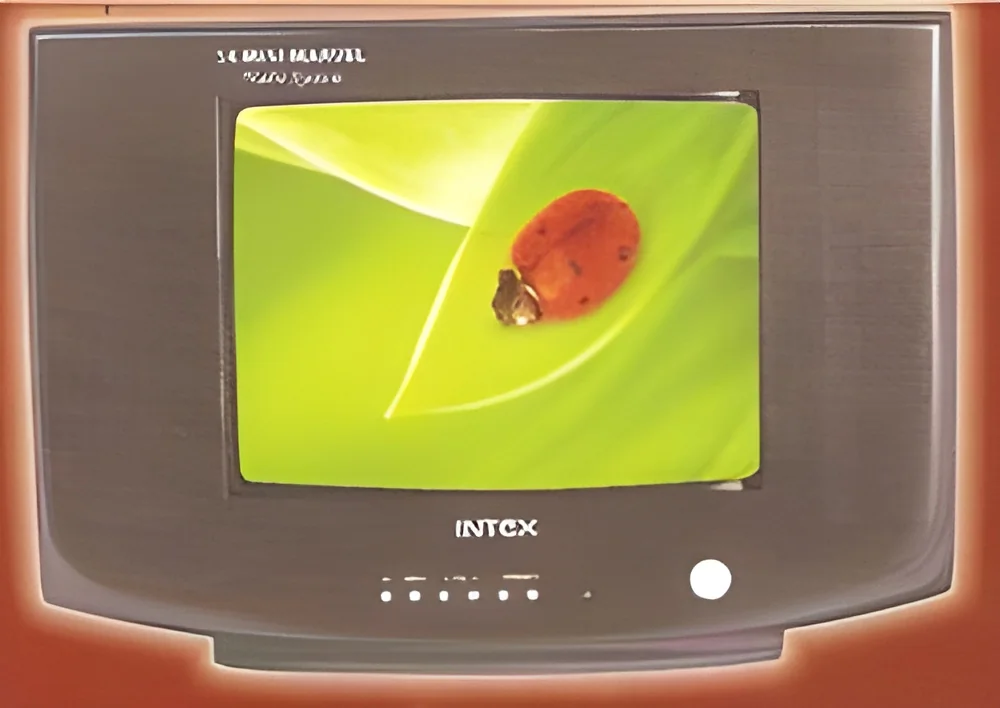
Refurbished electronics refer to previously owned electronic devices that have been restored to a like-new condition. This process can involve repairing, upgrading, or cleaning the devices before they are resold. The refurbishment process is carried out by certified technicians who ensure that the devices meet specific performance standards. Refurbished electronics often include items such as laptops, smartphones, tablets, and other consumer electronics.
These products are primarily used in various business applications where cost-effectiveness and functionality are crucial. Organizations often opt for refurbished electronics to save on expenses while still acquiring quality technology. This approach is especially beneficial for startups and small to medium-sized enterprises that may not have the budget for brand-new devices. The market for refurbished electronics continues to grow as businesses and consumers increasingly recognize the value in choosing sustainable options over new products.
The relevance of refurbished electronics in today's industry cannot be overstated. As technology evolves rapidly, businesses look for ways to upgrade their systems without incurring excessive costs. This has led to a robust market for refurbished devices, supported by a growing awareness of environmental sustainability. Companies are now more inclined to invest in refurbished products, knowing they can achieve high performance at a lower price.
𝗞𝗲𝘆 𝗙𝗲𝗮𝘁𝘂𝗿𝗲𝘀 𝗮𝗻𝗱 𝗦𝗽𝗲𝗰𝗶𝗳𝗶𝗰𝗮𝘁𝗶𝗼𝗻𝘀
Refurbished electronics come with several key features and specifications that enhance their appeal in the B2B sector. These specifications ensure that the devices are reliable and suitable for various business needs.
Key specifications include:
1. Quality Assurance
- Refurbished electronics undergo rigorous testing to meet industry standards.
- Devices are certified by professionals to ensure functionality.
2. Warranty Period
- Most refurbished products come with a limited warranty.
- This warranty period typically ranges from 30 days to one year.
3. Condition Grading
- Products are graded based on their appearance and functionality.
- Common grades include "like new," "very good," and "good."
4. Original Accessories
- Many refurbished devices include original accessories or compatible alternatives.
- This can include chargers, cables, and manuals.
5. Software Updates
- Refurbished electronics often come with the latest software updates.
- This ensures enhanced security and performance.
6. Customization Options
- Some suppliers offer customization options based on business needs.
- This can involve hardware upgrades or software configurations.
7. Energy Efficiency
- Many refurbished devices are energy-efficient, helping businesses reduce utility costs.
- Compliance with energy standards is often a focus in refurbishment.
8. Environmental Impact
- Purchasing refurbished electronics contributes to sustainability efforts.
- It helps reduce e-waste and promotes recycling of electronic components.
Summarizing, refurbished electronics present a unique blend of affordability, quality assurance, and sustainability, making them an attractive option for businesses looking to upgrade their technology.
𝗖𝗼𝗺𝗺𝗼𝗻 𝗔𝗽𝗽𝗹𝗶𝗰𝗮𝘁𝗶𝗼𝗻𝘀 𝗮𝗻𝗱 𝗨𝘀𝗲 𝗖𝗮𝘀𝗲𝘀
Refurbished electronics are utilized across diverse industries, enhancing operational efficiency and reducing costs.
1. Education Sector: Schools and universities benefit from purchasing refurbished laptops and tablets for students. This helps provide technology access while staying within budget constraints.
2. Healthcare Industry: Medical facilities often require reliable electronic devices. Refurbished equipment like imaging machines and computers can be more affordable while still meeting regulatory standards.
3. Retail Sector: Retailers can use refurbished point-of-sale systems to streamline operations. These systems are often cost-effective and can be integrated into existing setups easily.
4. Manufacturing: Refurbished machinery and electronics can be used in manufacturing processes, allowing companies to update technology without significant investment.
5. Telecommunications: Companies in telecommunications can source refurbished network equipment. This helps expand capabilities while managing costs effectively.
6. Government Agencies: Agencies often face budget constraints, making refurbished electronics a viable option for acquiring essential technology.
7. Nonprofit Organizations: Nonprofits can maximize their budgets by utilizing refurbished devices. This enables them to allocate more resources toward their core missions.
𝗣𝗿𝗼𝗱𝘂𝗰𝘁 𝗩𝗮𝗿𝗶𝗮𝗻𝘁𝘀 𝗮𝗻𝗱 𝗦𝘂𝗯𝗰𝗮𝘁𝗲𝗴𝗼𝗿𝗶𝗲𝘀
Refurbished electronics encompass a range of product variants, catering to different business needs. Each variant offers unique features and potential applications.
Refurbished Laptops
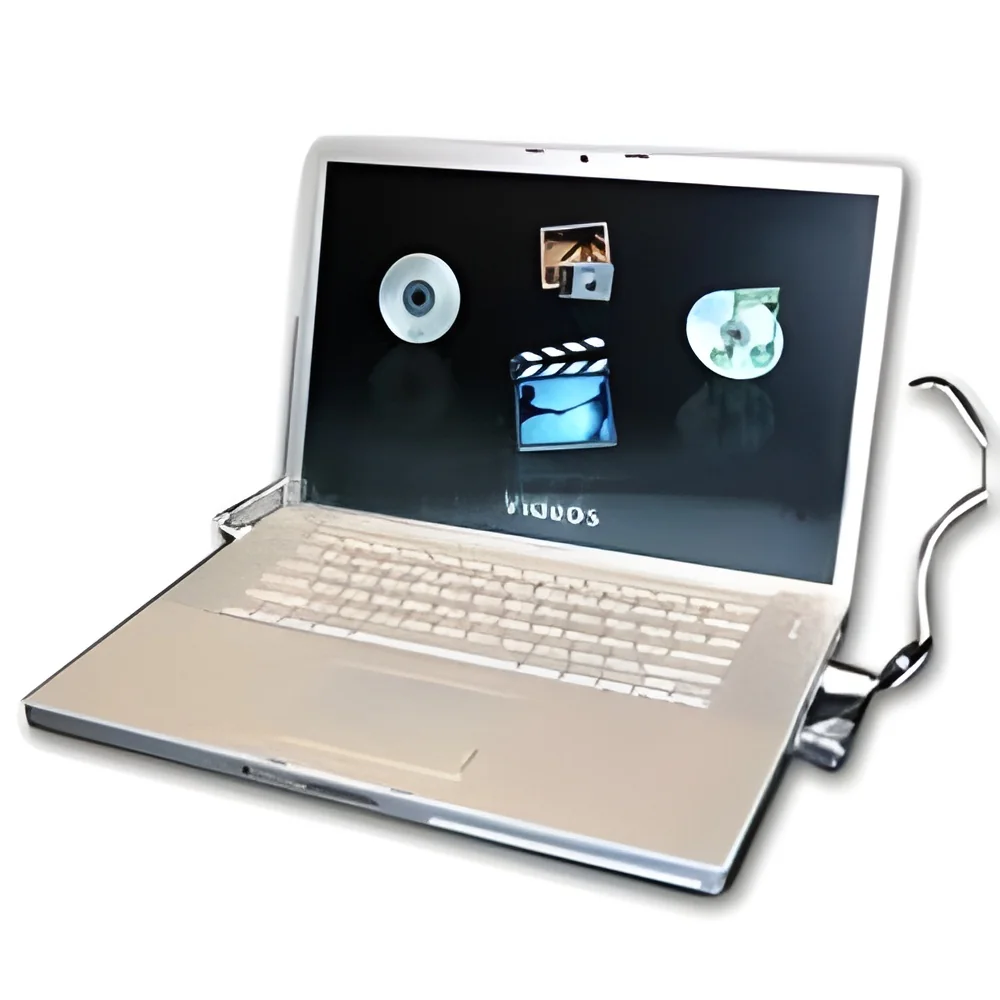
These devices come with upgraded specifications and are suitable for various business tasks. They often include software updates and a warranty, ensuring reliability for office environments.
Refurbished Smartphones
Businesses can opt for refurbished smartphones to equip employees with communication tools. These devices are often factory reset and tested for functionality, making them a cost-effective choice.
Refurbished Tablets
Tablets can offer mobility and versatility for business applications. Refurbished tablets are equipped with essential apps and features, making them ideal for presentations and remote work.
Refurbished Desktop Computers
Desktop computers provide a robust solution for office setups. Refurbished models often include high-performance specifications, suitable for demanding applications.
𝗕𝗲𝗻𝗲𝗳𝗶𝘁𝘀 𝗮𝗻𝗱 𝗔𝗱𝘃𝗮𝗻𝘁𝗮𝗴𝗲𝘀
Sourcing refurbished electronics presents various benefits for businesses looking to optimize their technology investments.
Key benefits include:
1. Cost Savings: Refurbished electronics typically come at a lower price point compared to new devices, helping businesses save money.
2. Quality Assurance: With rigorous testing and certification, refurbished electronics often meet high-performance standards.
3. Environmental Sustainability: Choosing refurbished devices contributes to reducing electronic waste and promotes recycling efforts.
4. Warranty Protection: Many refurbished electronics come with warranties, providing peace of mind regarding potential issues.
5. Access to Latest Technology: Businesses can acquire advanced technology at a fraction of the cost, enabling them to remain competitive.
6. Customization Options: Some suppliers offer customization, allowing businesses to tailor devices to their specific needs.
𝗕𝘂𝘆𝗶𝗻𝗴 𝗚𝘂𝗶𝗱𝗲 𝗳𝗼𝗿 𝗕𝟮𝗕 𝗕𝘂𝘆𝗲𝗿𝘀
When sourcing refurbished electronics, it is essential for buyers to consider several factors to ensure a successful purchase.
1. Quality Assessment: Buyers should inquire about the quality assurance processes used by suppliers. Look for certifications indicating that the devices have been tested and refurbished to meet industry standards.
2. Supplier Verification: It is crucial to vet suppliers thoroughly. Research their reputation, read reviews, and ensure they have a reliable track record in providing refurbished electronics.
3. Pricing and MOQ: Understand the pricing structure and any minimum order quantity requirements. This helps in budgeting and planning for bulk purchases.
4. Delivery and Lead Times: Check the estimated delivery times and logistics involved. Ensure that the supplier can meet your timelines for receiving the products.
5. Compliance Requirements: Be aware of any compliance standards that the refurbished electronics must meet. This includes industry-specific regulations and safety standards.
𝗖𝗼𝗺𝗽𝗹𝗶𝗮𝗻𝗰𝗲 𝗮𝗻𝗱 𝗖𝗲𝗿𝘁𝗶𝗳𝗶𝗰𝗮𝘁𝗶𝗼𝗻𝘀
Compliance and certifications are vital aspects of sourcing refurbished electronics. Adhering to quality standards ensures that products are reliable and safe for use.
Relevant quality standards include ISO 9001, which outlines criteria for quality management systems, and other industry-specific standards such as HACCP and GDP. These certifications indicate that a supplier maintains rigorous quality control processes.
Additionally, refurbished electronics often carry the CE mark, signifying compliance with European health, safety, and environmental protection standards. This certification is crucial for businesses operating within the European Union.
Safety and testing requirements are also critical, ensuring that refurbished devices are safe for consumer use. Buyers should confirm that suppliers conduct thorough testing to meet these requirements.
Regional compliance considerations may vary based on local regulations. It is essential to understand the specific compliance needs of the region where the electronics will be used.
𝗪𝗵𝘆 𝗦𝗼𝘂𝗿𝗰𝗲 𝗥𝗲𝗳𝘂𝗿𝗯𝗶𝘀𝗵𝗲𝗱 𝗘𝗹𝗲𝗰𝘁𝗿𝗼𝗻𝗶𝗰𝘀 𝗳𝗿𝗼𝗺 𝗣𝗲𝗽𝗮𝗴𝗼𝗿𝗮?
Pepagora provides a trusted platform for sourcing refurbished electronics, offering several key advantages for B2B buyers.
Verified Supplier Network: Pepagora has established a network of verified suppliers who specialize in refurbished electronics. This ensures that buyers are working with reputable sources that adhere to quality standards.
Streamlined RFQ Process: The Request for Quotation (RFQ) process on Pepagora is designed to be efficient and user-friendly. Buyers can easily submit requests and receive competitive quotes from multiple suppliers, facilitating informed decision-making.
Trade Assurance and Support: Pepagora prioritizes buyer protection. Through trade assurance programs, buyers can have peace of mind knowing that their transactions are secure and that support is available should any issues arise.
Regional Coverage: Pepagora has a broad geographic reach, covering regions such as India, the Gulf Cooperation Council (GCC), and Southeast Asia. This enables businesses across different markets to access high-quality refurbished electronics tailored to their needs.

 IN
IN