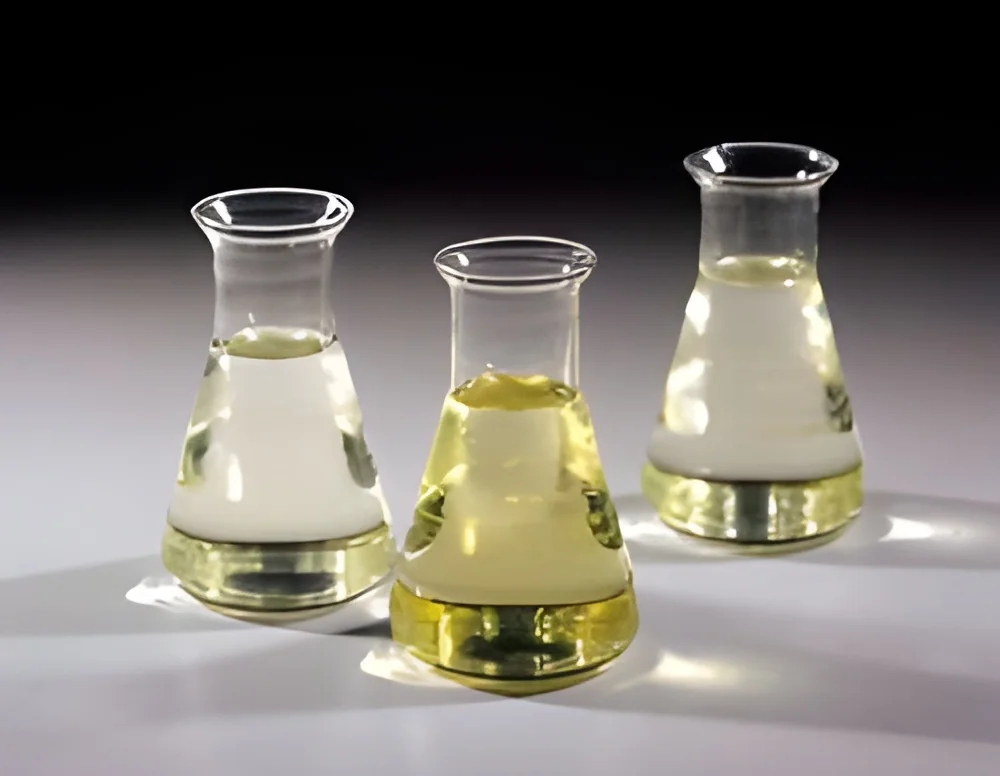
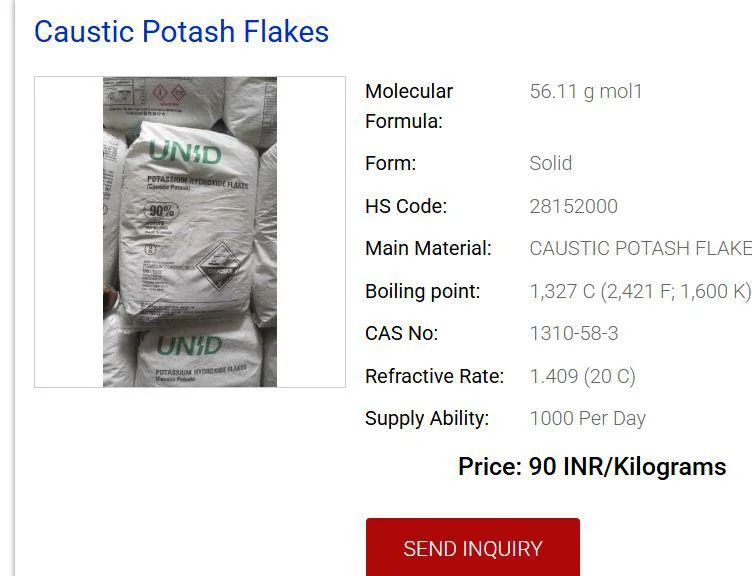
𝗪𝗵𝗮𝘁 𝗮𝗿𝗲 𝗣𝗲𝘁𝗿𝗼𝗰𝗵𝗲𝗺𝗶𝗰𝗮𝗹𝘀?
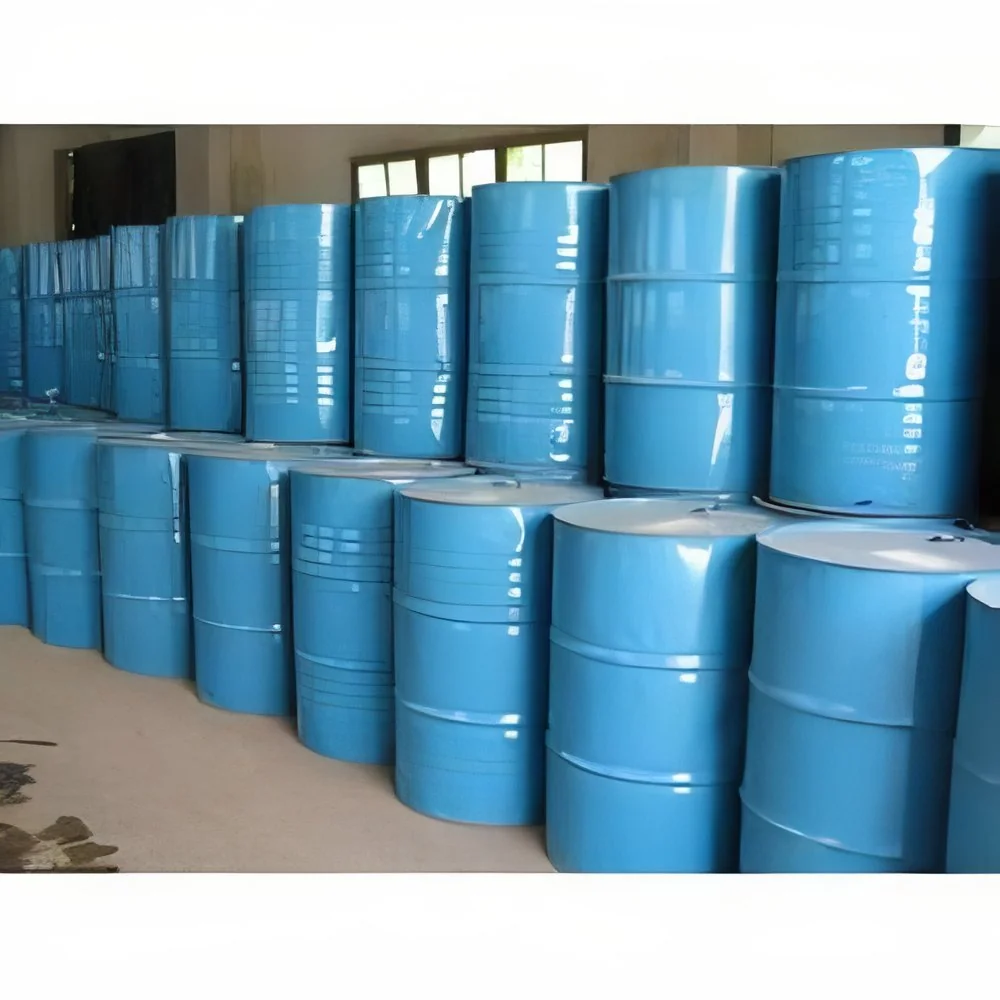
Petrochemicals are chemical products derived from petroleum or natural gas. They are fundamental building blocks used in the production of a wide range of materials and chemicals, including plastics, fertilizers, and synthetic fibers. Petrochemicals are produced through various processes, including refining and cracking, which convert raw hydrocarbons into usable chemical compounds.
In the business landscape, petrochemicals play a critical role across multiple industries. They are utilized in manufacturing everyday products such as packaging materials, automotive components, and pharmaceuticals. Their versatility allows them to serve diverse applications, making them indispensable in modern manufacturing and production processes. The petrochemical industry has seen significant growth, driven by increasing demand from emerging markets and the continuous need for innovative materials.
𝗞𝗲𝘆 𝗙𝗲𝗮𝘁𝘂𝗿𝗲𝘀 𝗮𝗻𝗱 𝗦𝗽𝗲𝗰𝗶𝗳𝗶𝗰𝗮𝘁𝗶𝗼𝗻𝘀
Petrochemicals are characterized by specific features and specifications that define their performance and suitability for various applications. Understanding these specifications is vital for B2B buyers when selecting suitable products for their needs.
Key specifications include:
1. Chemical Composition
- Petrochemicals can consist of a variety of hydrocarbons, including alkenes, alkynes, and aromatics.
- The composition directly influences the chemical properties and usability in different applications.
2. Purity Levels
- High purity levels are essential for applications in pharmaceuticals and food production.
- Typical purity levels range above 95% for most industrial applications.
3. Viscosity
- Viscosity varies among different types of petrochemicals and affects their handling and processing.
- Standard ranges can vary from low viscosity for fluids to high viscosity for heavy oils.
4. Boiling Point
- Each petrochemical has a specific boiling point that determines its state at given temperatures.
- This affects transportation and storage methods.
5. Melting Point
- The melting point is important for solid petrochemicals, impacting their application in manufacturing.
- Different compounds will have varying melting points, influencing their usability.
6. Flash Point
- The flash point is critical for safety, indicating the temperature at which a substance can ignite.
- Petrochemicals typically have flash points that vary widely, necessitating careful handling.
7. Density
- The density of petrochemicals affects their storage and transportation logistics.
- Density can range significantly depending on the specific type of petrochemical.
8. Environmental Impact
- Petrochemicals can have varying levels of environmental impact which must be assessed.
- Sustainable practices are becoming increasingly important in their production.
Understanding these specifications helps buyers make informed decisions about which petrochemical products will best suit their operational needs.
𝗖𝗼𝗺𝗺𝗼𝗻 𝗔𝗽𝗽𝗹𝗶𝗰𝗮𝘁𝗶𝗼𝗻𝘀 𝗮𝗻𝗱 𝗨𝘀𝗲 𝗖𝗮𝘀𝗲𝘀
Petrochemicals serve various industries with unique applications that leverage their chemical properties.
1. Automotive Industry: Petrochemicals are used to manufacture components such as tires, dashboards, and fuel additives, enhancing performance and safety.
2. Construction Industry: These chemicals are essential in producing materials like insulation, pipes, and adhesives, contributing to durability and sustainability.
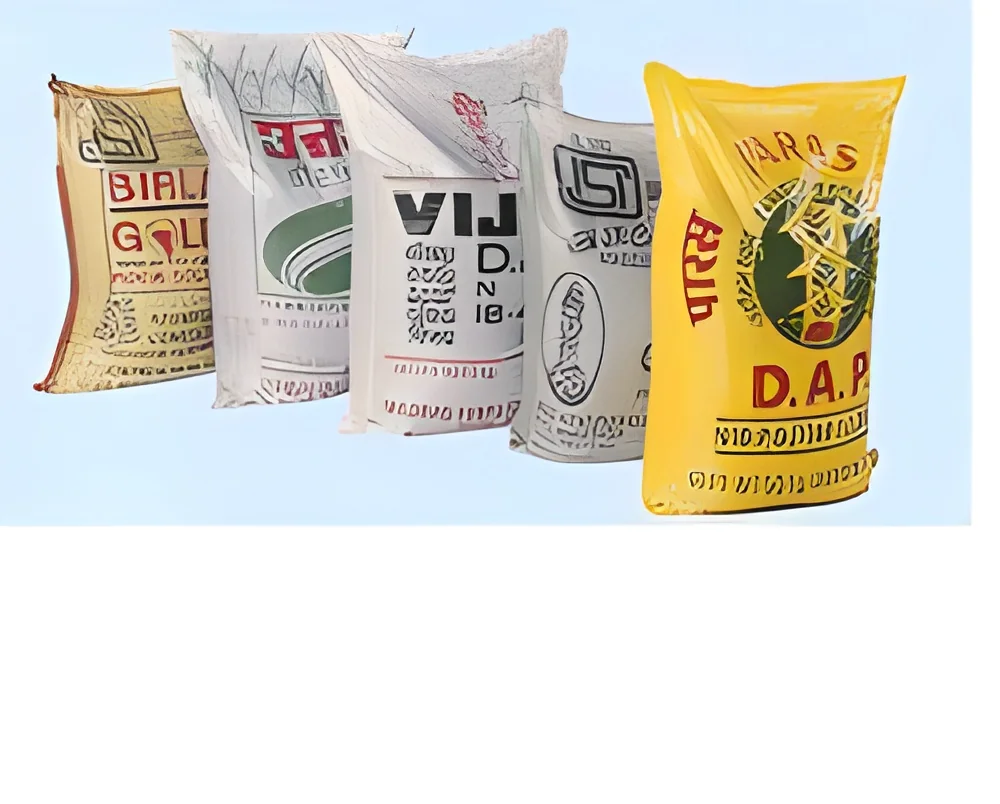
3. Agriculture: Petrochemicals are the primary source of fertilizers and pesticides, enhancing crop yield and protection against pests.
4. Consumer Goods: They are used in the production of plastics for packaging, household items, and personal care products, driving consumer convenience.
5. Electronics: Petrochemicals are vital in creating components for electronic devices, including circuit boards and casings.
6. Pharmaceuticals: They provide raw materials for drugs and medical devices, ensuring efficacy and safety in healthcare applications.
7. Textiles: Petrochemicals are used to produce synthetic fibers such as polyester and nylon, revolutionizing the fashion and textile industries.
These applications highlight the critical role petrochemicals play in supporting various sectors and driving innovation.
𝗣𝗿𝗼𝗱𝘂𝗰𝘁 𝗩𝗮𝗿𝗶𝗮𝗻𝘁𝘀 𝗮𝗻𝗱 𝗦𝘂𝗯𝗰𝗮𝘁𝗲𝗴𝗼𝗿𝗶𝗲𝘀
Petrochemicals are diverse, with various product types tailored to meet specific industry requirements.
Polyethylene
This variant is widely used in packaging, plastic bags, and containers. It is known for its flexibility, durability, and resistance to moisture.
Polypropylene
Commonly used in automotive parts and textiles, polypropylene boasts excellent fatigue resistance and is lightweight, making it ideal for various applications.
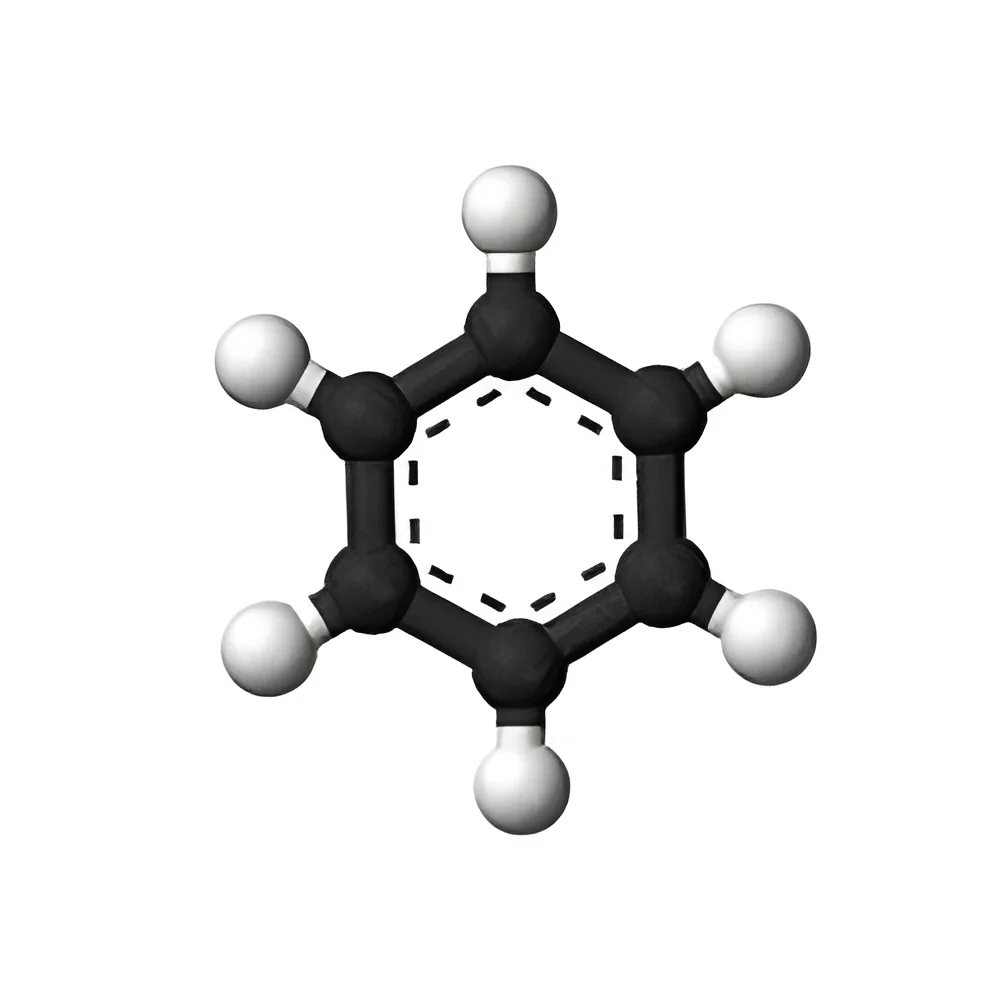
Benzene
An important petrochemical used in the production of styrene and phenol, benzene is utilized in industries such as plastics, resins, and synthetic fibers.
Ethylene
This petrochemical is the building block for many other chemicals and is primarily used in producing polyethylene and ethylene glycol.
These variants illustrate the extensive range of petrochemicals available and their significance in different manufacturing processes.
𝗕𝗲𝗻𝗲𝗳𝗶𝘁𝘀 𝗮𝗻𝗱 𝗔𝗱𝘃𝗮𝗻𝘁𝗮𝗴𝗲𝘀
Sourcing petrochemicals offers numerous benefits for businesses across various sectors.
1. Versatility: Petrochemicals can be transformed into a wide variety of products, accommodating diverse industry needs.
2. Cost-Effectiveness: The economies of scale in petrochemical production often result in lower prices, allowing businesses to optimize their budgets.
3. Innovation: The petrochemical industry drives continual advancements in materials and technologies, leading to enhanced product performance.
4. Reliability: Established suppliers often provide high-quality petrochemical products, ensuring consistency and dependability in manufacturing processes.
5. Sustainability: Many petrochemical producers are adopting environmentally friendly practices, contributing to sustainable development goals.
6. Global Reach: The widespread availability of petrochemicals facilitates international trade and supports global supply chains.
These advantages make petrochemicals a crucial asset for businesses looking to maintain competitiveness in their industries.
𝗕𝘂𝘆𝗶𝗻𝗴 𝗚𝘂𝗶𝗱𝗲 𝗳𝗼𝗿 𝗕𝟮𝗕 𝗕𝘂𝘆𝗲𝗿𝘀
When sourcing petrochemicals, B2B buyers should consider several key factors to ensure they select the right products for their needs.
1. Quality Assessment: It is essential to evaluate the quality of petrochemical products based on purity levels and chemical specifications to ensure they meet industry standards.
2. Supplier Verification: Vetting suppliers through background checks and certifications helps ensure reliability and product quality.
3. Pricing and MOQ: Buyers need to understand pricing structures and minimum order quantities, which can vary significantly among suppliers.
4. Delivery and Lead Times: Assessing logistics and understanding lead times is crucial for maintaining production schedules.
5. Compliance Requirements: Familiarity with local and international regulatory needs is essential to ensure that sourced petrochemicals meet all safety and environmental standards.
These considerations help B2B buyers make informed decisions that align with their operational requirements.
𝗖𝗼𝗺𝗽𝗹𝗶𝗮𝗻𝗰𝗲 𝗮𝗻𝗱 𝗖𝗲𝗿𝘁𝗶𝗳𝗶𝗰𝗮𝘁𝗶𝗼𝗻𝘀
Compliance with quality standards is vital in the petrochemical industry. Key standards include ISO 9001, which ensures quality management systems are in place, and HACCP, which focuses on food safety. Additionally, CE certification signifies that products meet European safety and environmental requirements.
Safety and testing requirements are paramount due to the hazardous nature of some petrochemical products. Manufacturers must adhere to strict guidelines to ensure safe handling and use.
Regional compliance considerations also play a significant role. Different regions may have specific regulations governing the production, transport, and sale of petrochemicals. Understanding these regulations helps businesses avoid legal issues and ensures smooth operations.
𝗪𝗵𝘆 𝗦𝗼𝘂𝗿𝗰𝗲 𝗣𝗲𝘁𝗿𝗼𝗰𝗵𝗲𝗺𝗶𝗰𝗮𝗹𝘀 𝗳𝗿𝗼𝗺 𝗣𝗲𝗽𝗮𝗴𝗼𝗿𝗮?
Pepagora provides a trusted platform for sourcing petrochemicals, offering several key advantages that streamline the buying process.
Verified Supplier Network: Pepagora connects buyers with a network of vetted suppliers, ensuring that all products meet high-quality standards. This verification process helps mitigate risks associated with sourcing.
Streamlined RFQ Process: The platform simplifies the quotation process, allowing buyers to request and compare multiple quotes efficiently. This transparency aids in making better purchasing decisions.
Trade Assurance and Support: Pepagora offers buyer protection through trade assurance, providing peace of mind for businesses making significant investments in petrochemical products.
Regional Coverage: With a focus on regions like India, GCC, and Southeast Asia, Pepagora supports businesses looking to source petrochemicals from reputable suppliers within their geographic area.
By choosing Pepagora, businesses can confidently navigate the petrochemical market, ensuring they secure high-quality products that meet their specific needs.

 IN
IN