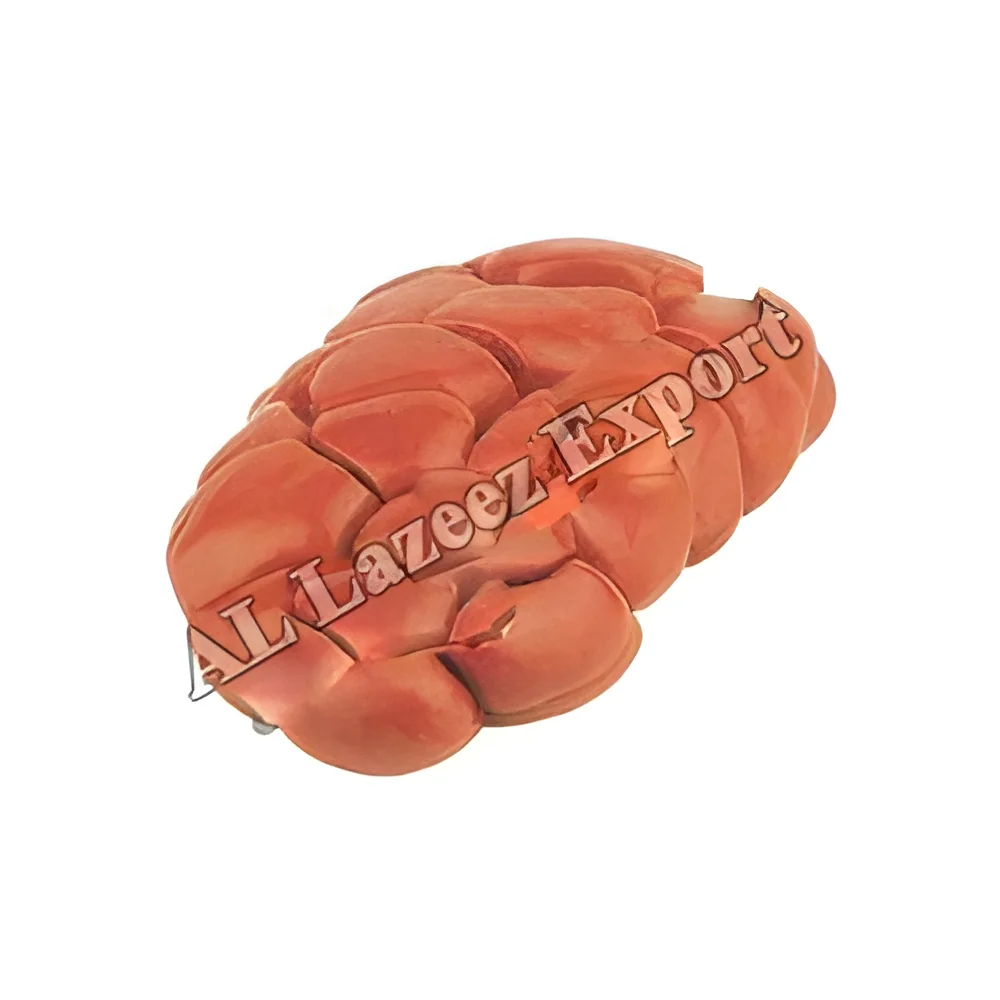
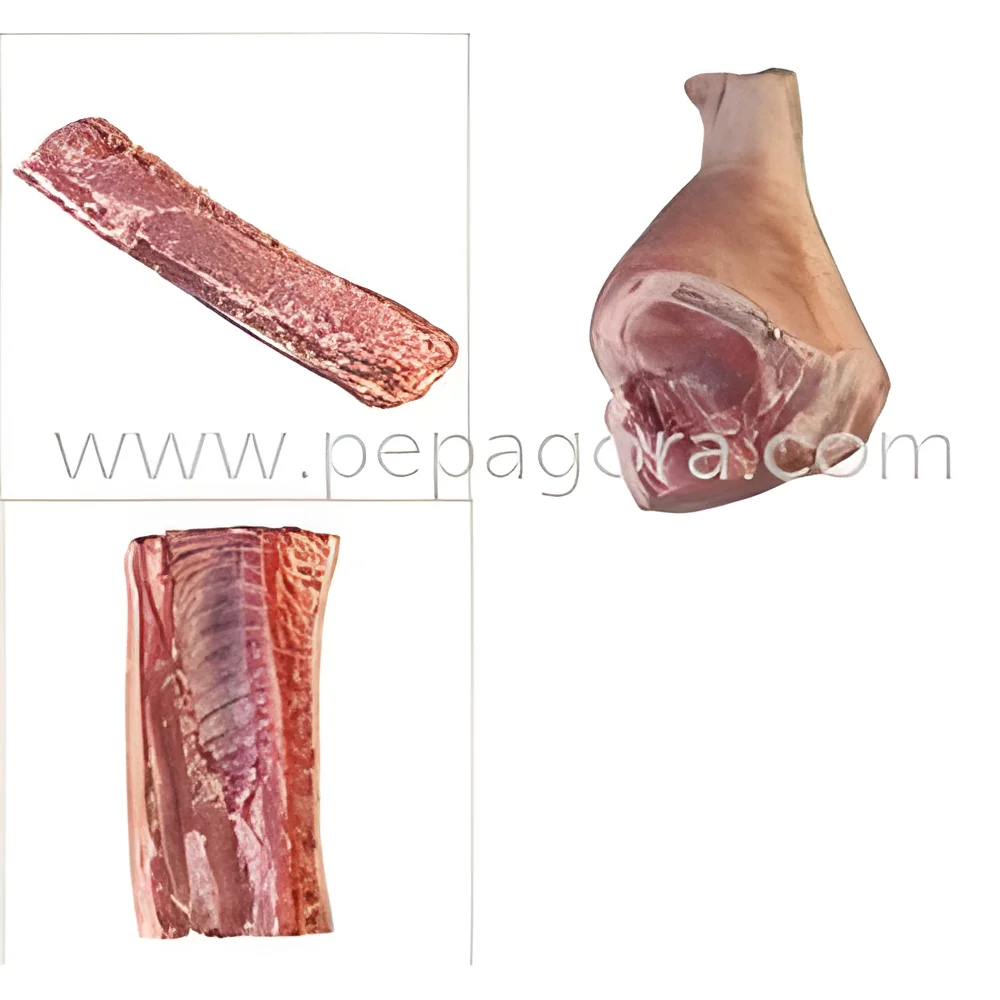
𝗪𝗵𝗮𝘁 𝗮𝗿𝗲 𝗠𝗲𝗮𝘁, 𝗣𝗼𝘂𝗹𝘁𝗿𝘆 & 𝗦𝗲𝗮𝗳𝗼𝗼𝗱?
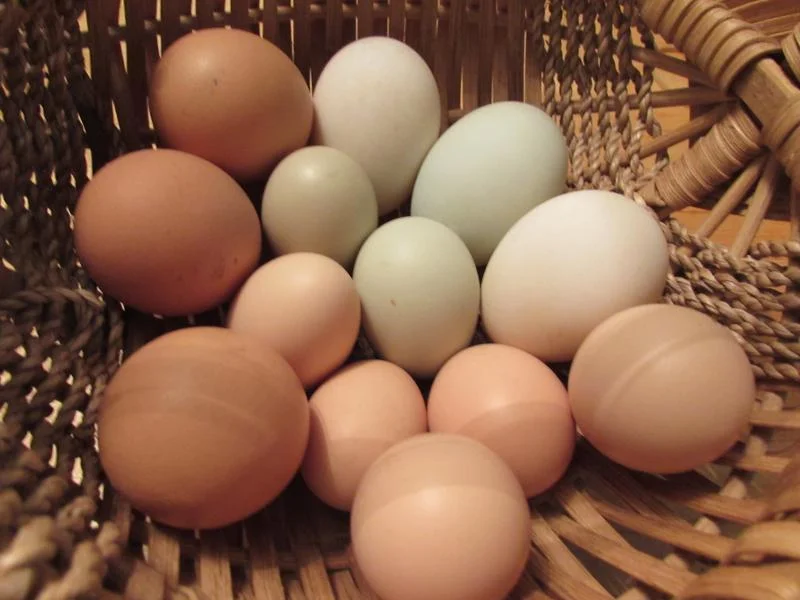
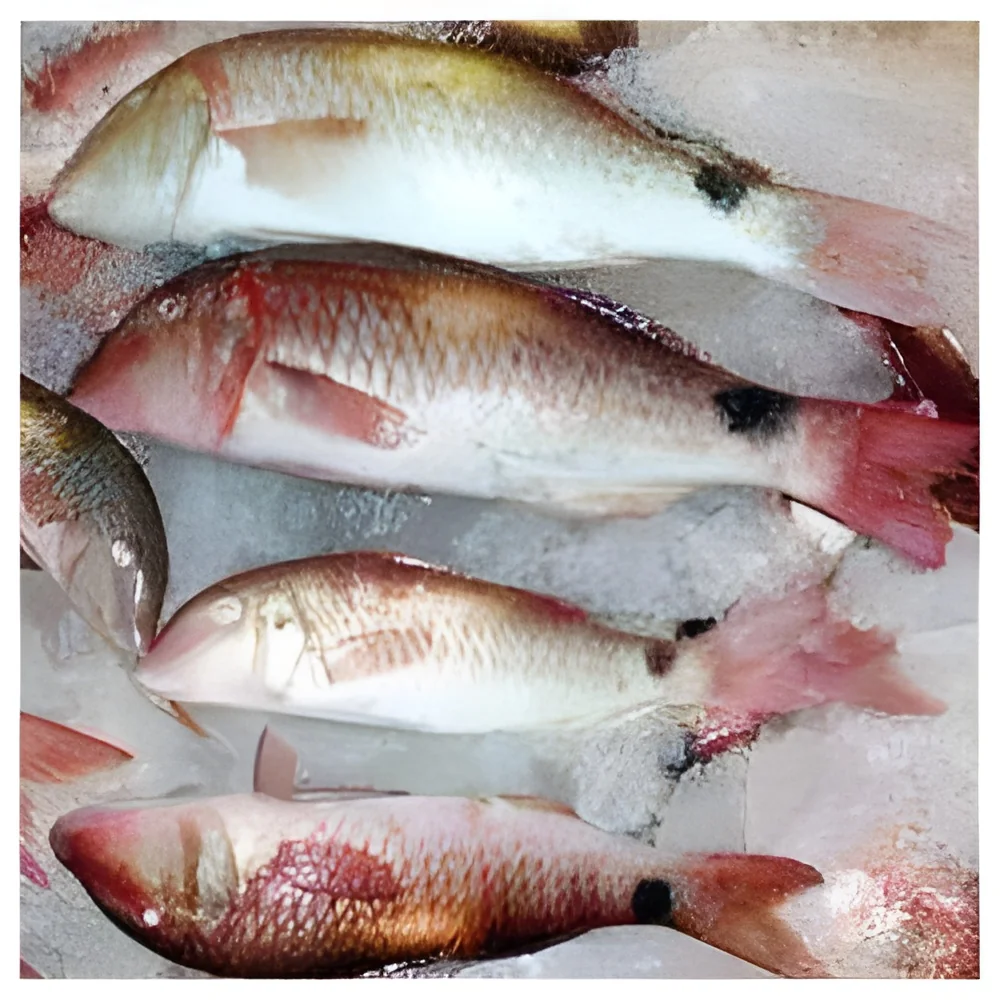
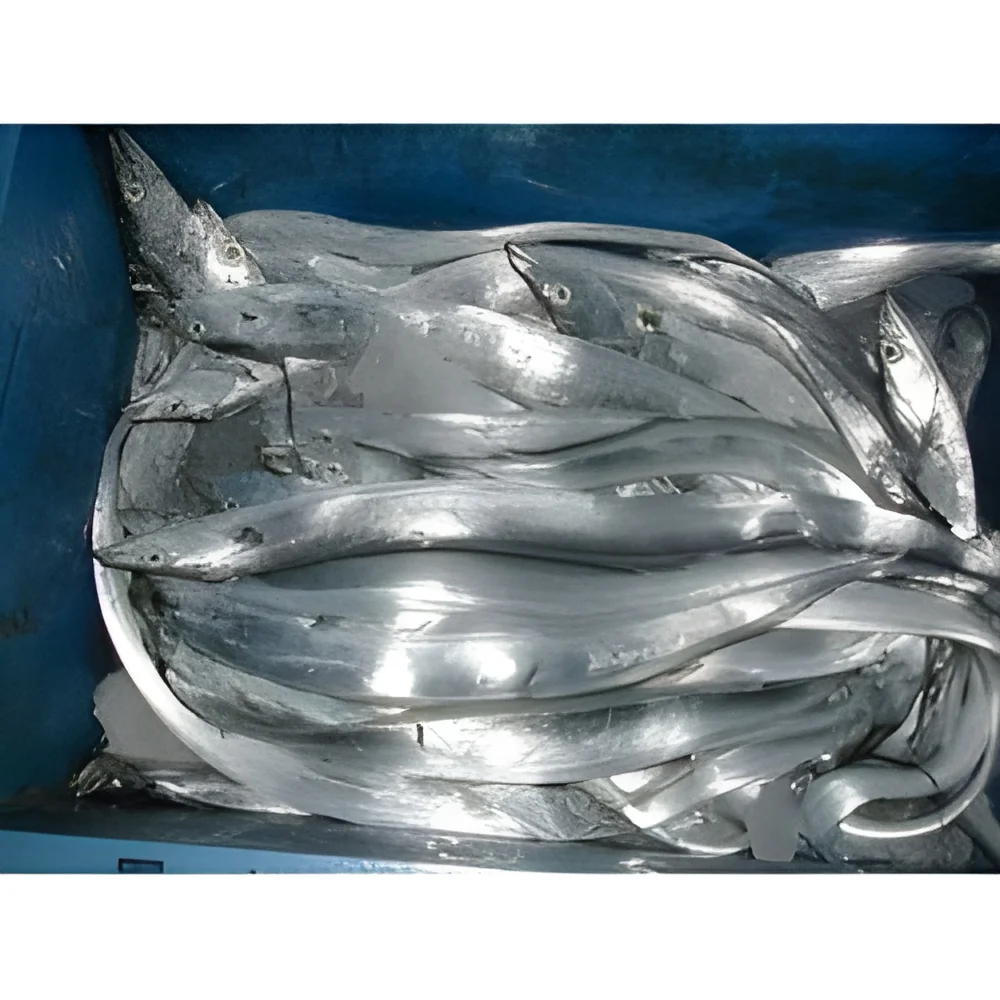
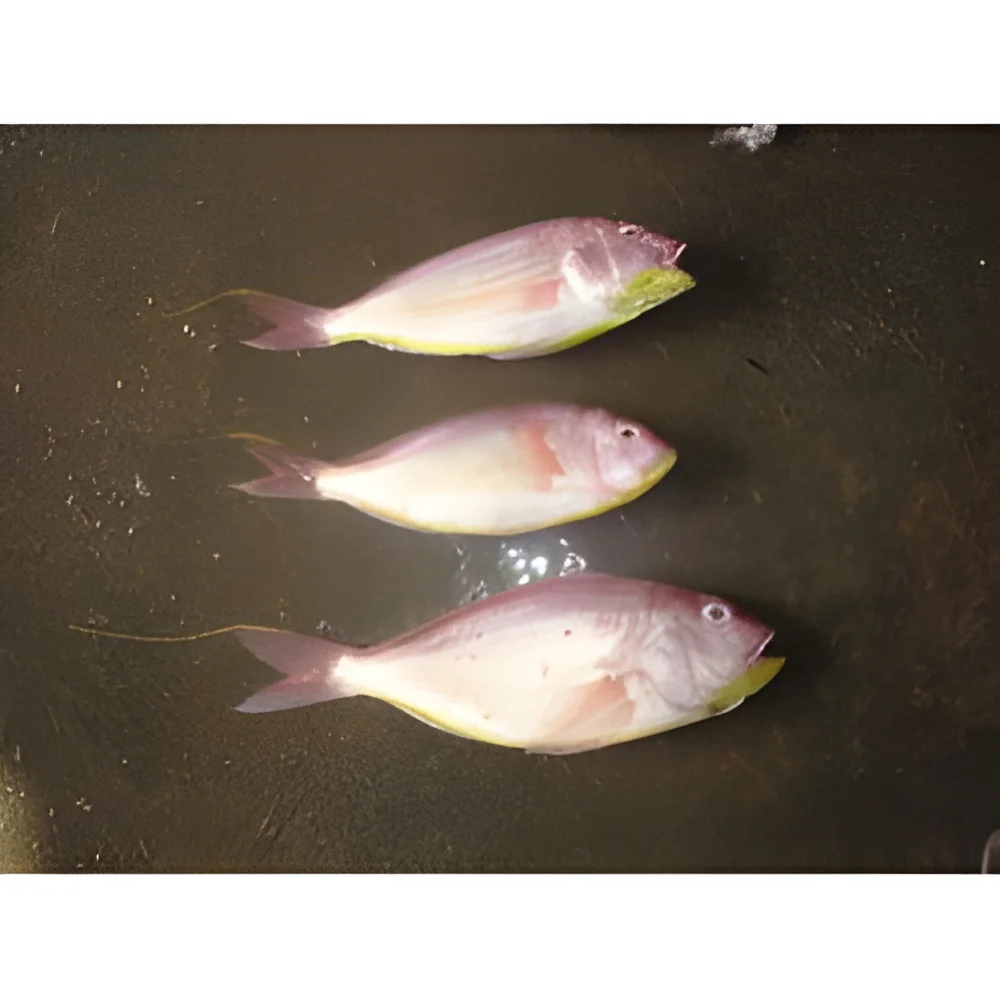
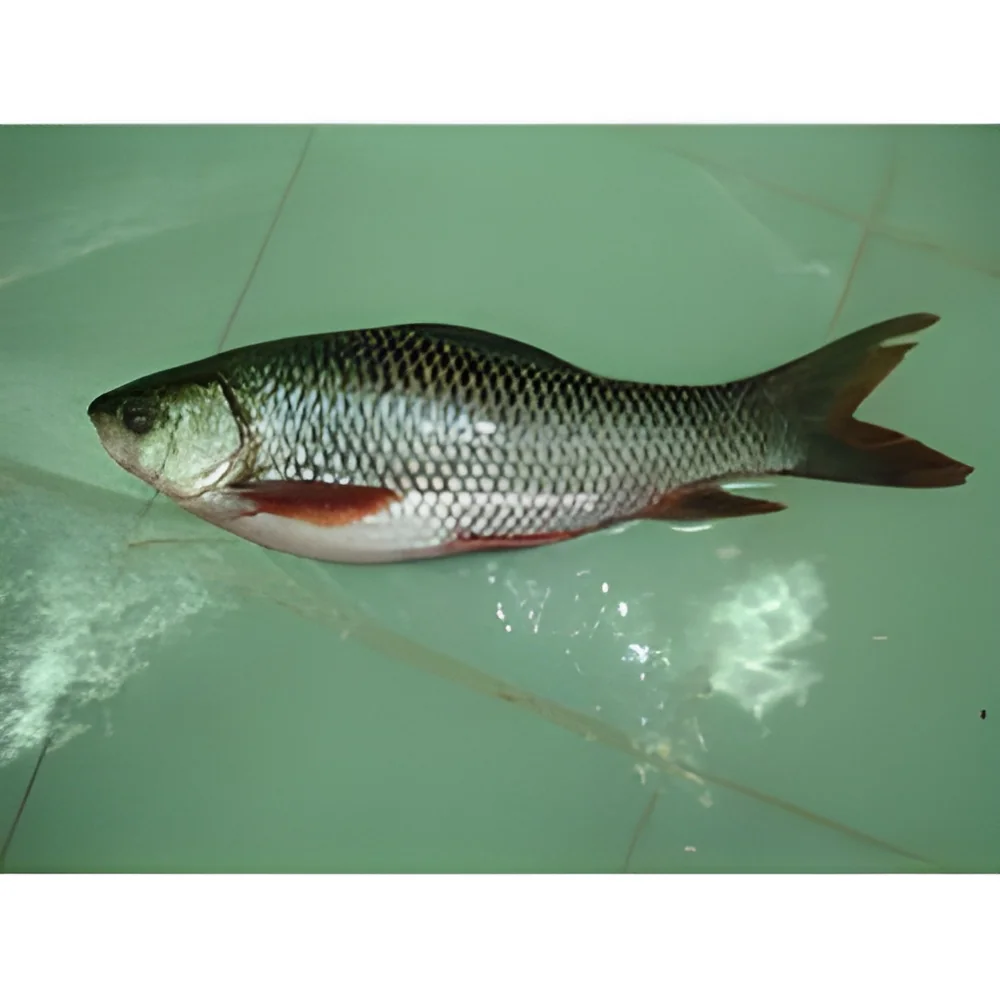
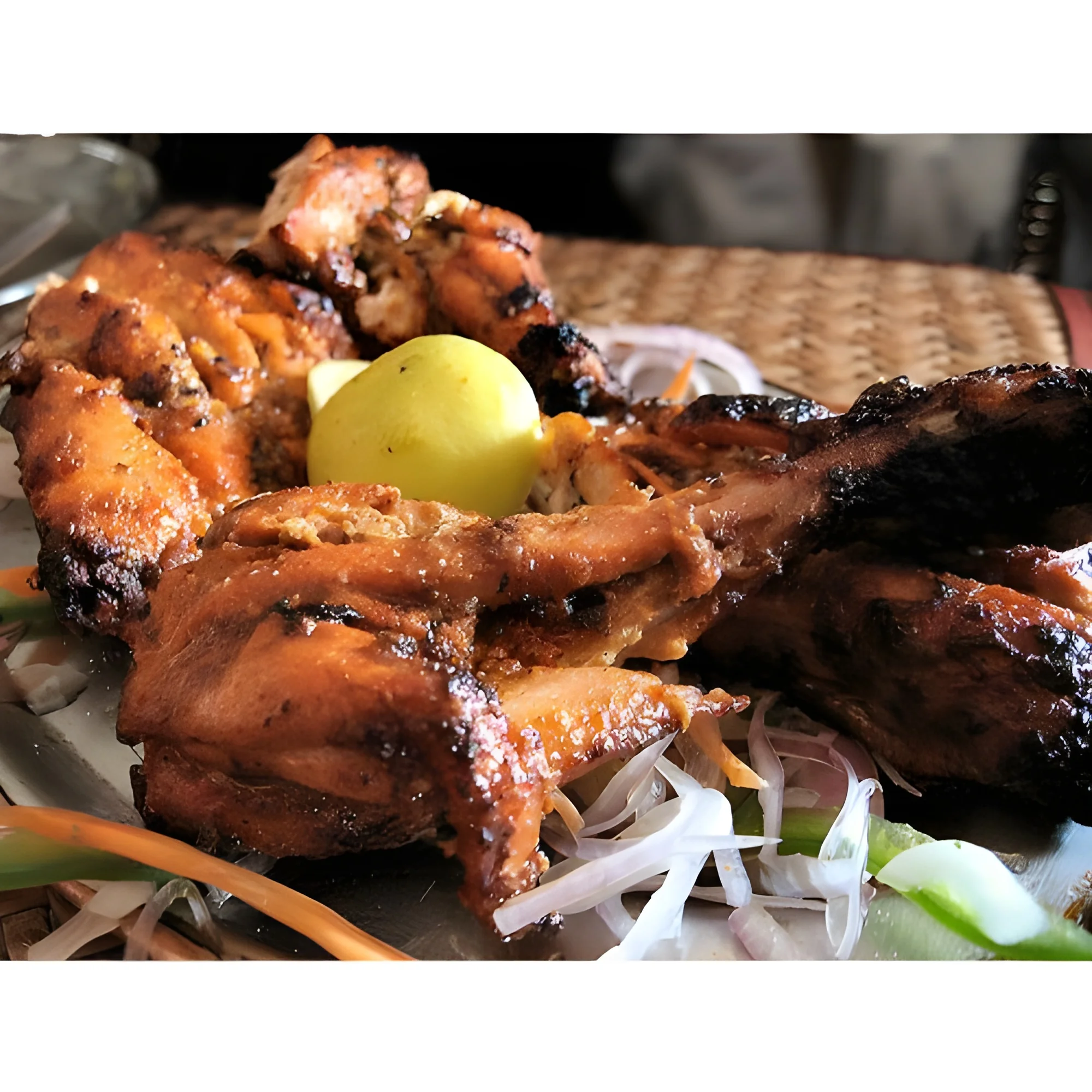
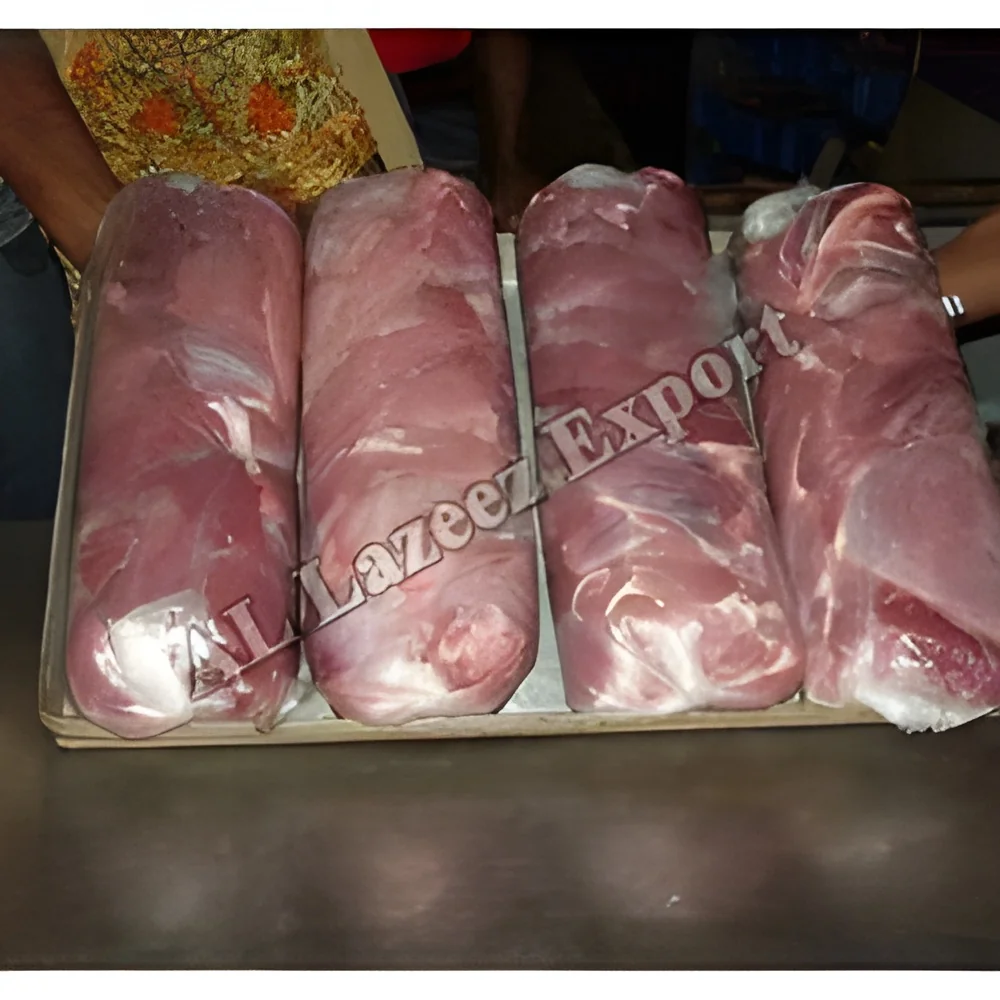
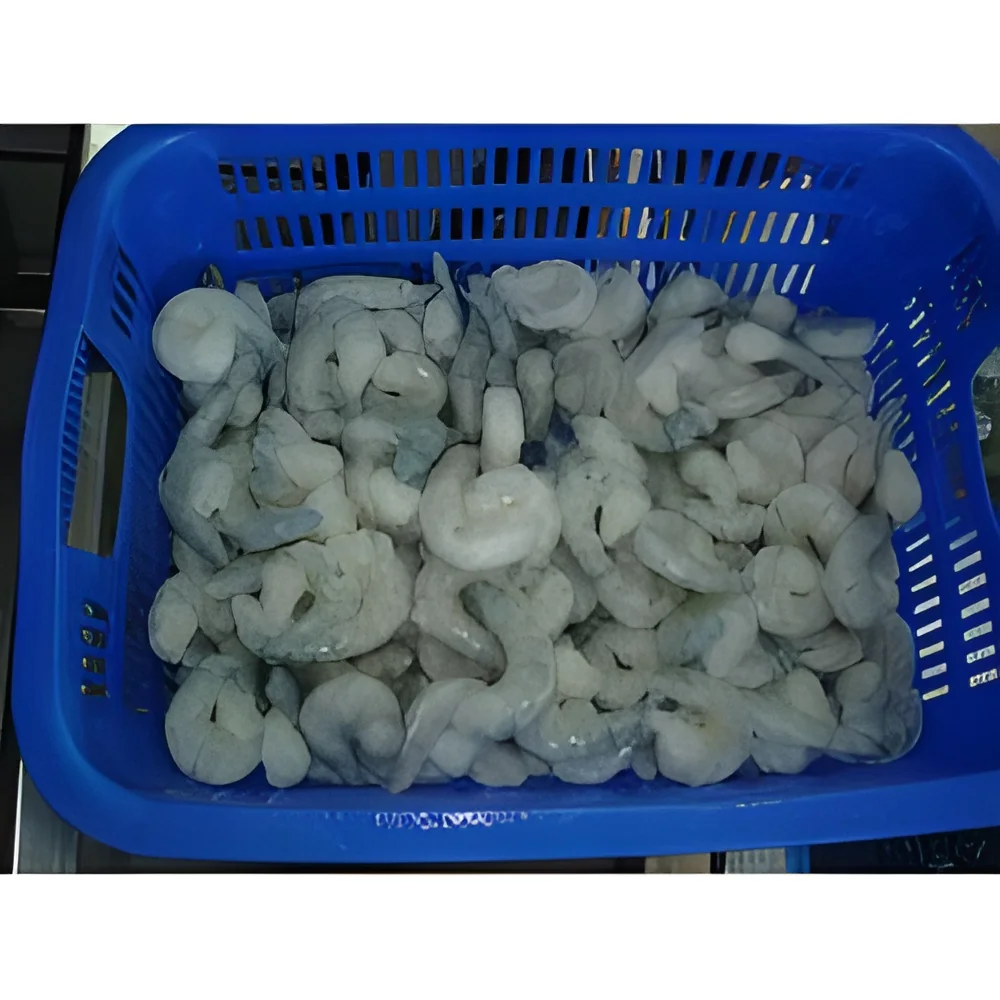
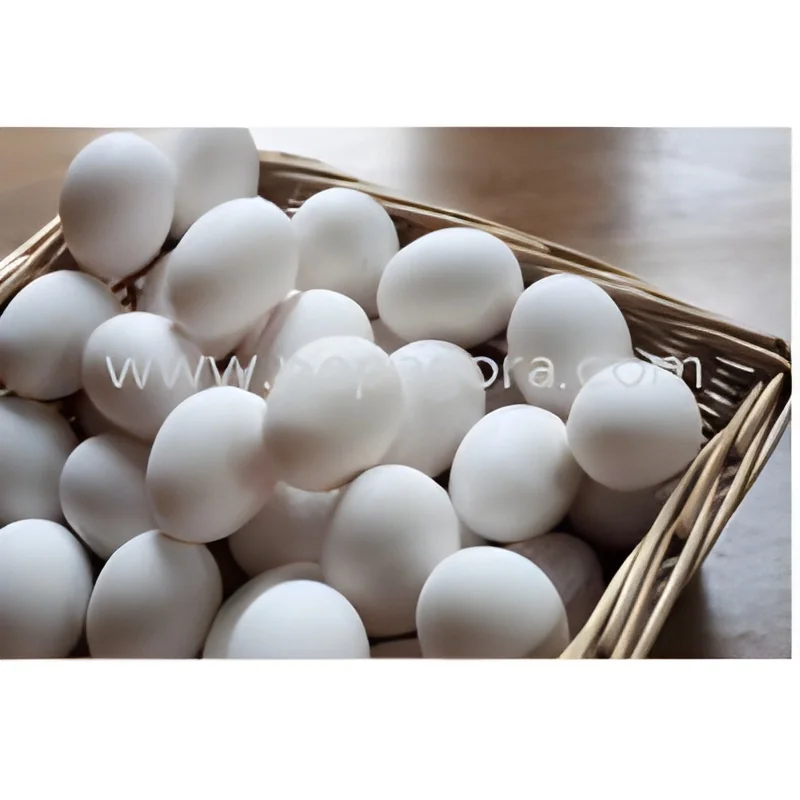
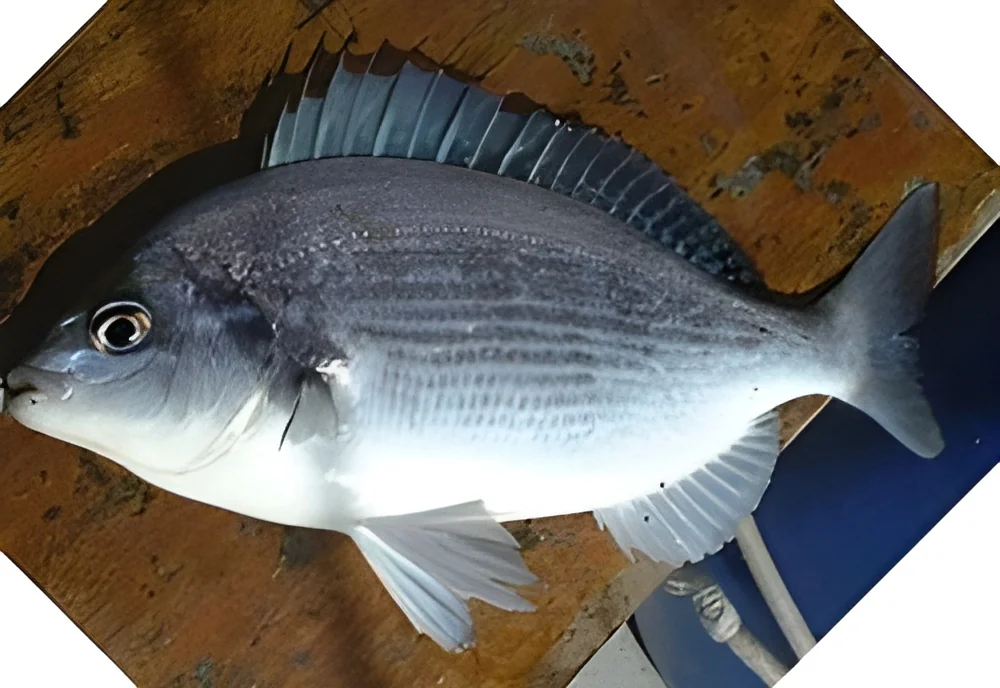
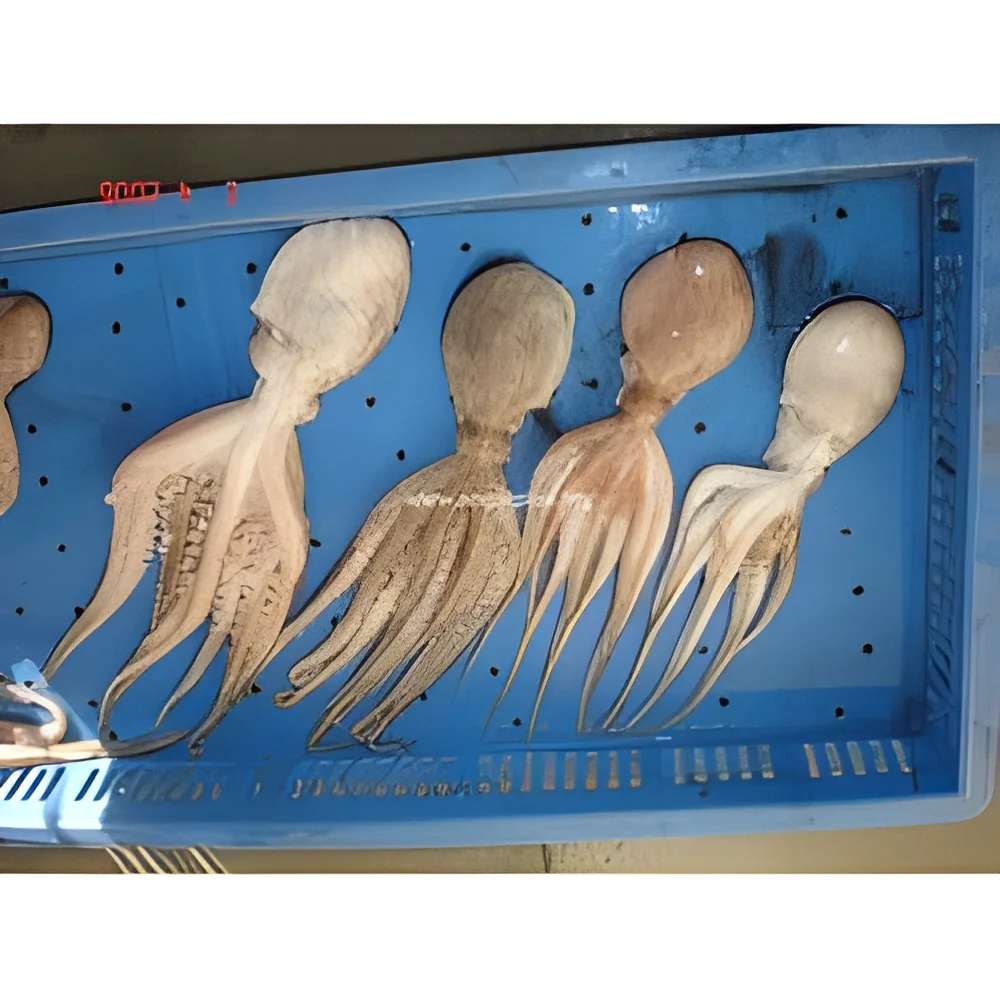
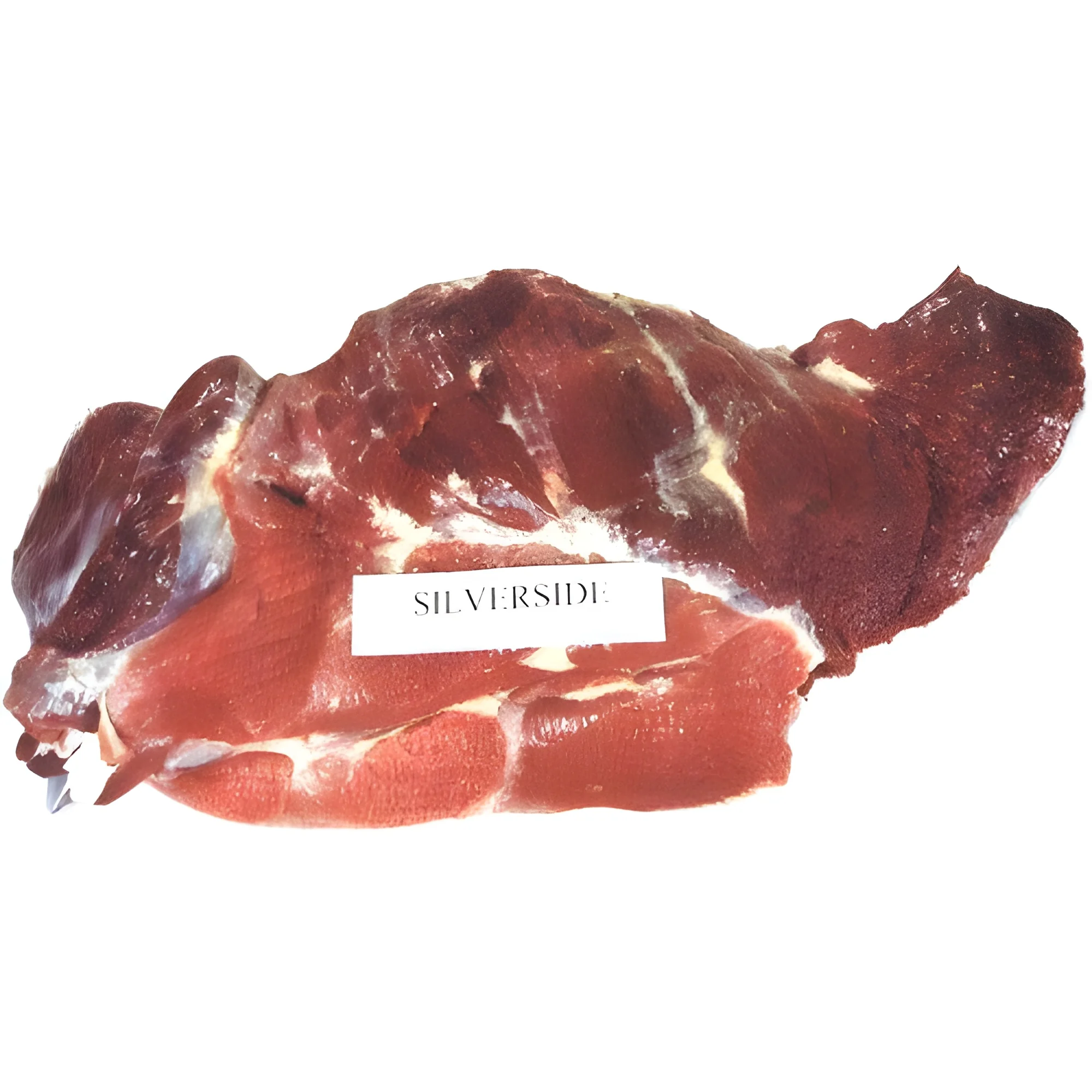
Meat, poultry, and seafood are essential protein sources for human consumption, widely utilized in various culinary applications. Meat generally refers to the flesh of mammals, including beef, pork, and lamb. Poultry encompasses domesticated birds such as chickens, turkeys, and ducks. Seafood includes fish and shellfish harvested from oceans, rivers, and lakes. Each of these categories provides a diverse range of flavors, textures, and nutritional benefits.
In business applications, meat, poultry, and seafood products serve multiple industries, including food service, retail, and food processing. These products are critical in restaurants, grocery stores, and meal preparation facilities. The demand for quality protein sources continues to grow, driven by consumer trends towards healthy eating and gourmet dining experiences. Therefore, businesses must ensure they source high-quality options that meet both culinary and nutritional standards.
The meat, poultry, and seafood market is dynamic and competitive, influenced by factors such as consumer preferences, sustainability practices, and regulatory compliance. As the global population increases, the industry faces challenges in meeting demand while adhering to quality and safety standards. Companies operating in this space must stay informed about market trends and technologies to maintain a competitive edge.
𝗞𝗲𝘆 𝗙𝗲𝗮𝘁𝘂𝗿𝗲𝘀 𝗮𝗻𝗱 𝗦𝗽𝗲𝗰𝗶𝗳𝗶𝗰𝗮𝘁𝗶𝗼𝗻𝘀
Meat, poultry, and seafood products come with various features and specifications that ensure quality and safety. These specifications are critical for businesses looking to maintain high standards in their offerings.
Key specifications include:
1. Quality Assessment
- Freshness indicators such as color, texture, and aroma
- Compliance with health and safety standards
2. Grading Standards
- USDA grading for meats based on marbling, color, and age
- Quality grades for poultry based on factors like weight and feather condition
3. Packaging Requirements
- Vacuum sealing for extended shelf life
- Temperature-controlled packaging for freshness
4. Shelf Life
- Refrigerated products usually last between 1 to 3 weeks
- Frozen products can last several months to a year
5. Nutritional Content
- Protein, fat, and calorie counts per serving
- Presence of essential vitamins and minerals
6. Traceability
- Systems to trace the origin of products
- Documentation of processing and handling practices
7. Sustainability Standards
- Sourcing practices that minimize environmental impact
- Certifications such as MSC for seafood
8. Safety Certifications
- Compliance with HACCP protocols
- Certifications like CE and UL for processing equipment
In summary, understanding these specifications is crucial for businesses to ensure they offer high-quality meat, poultry, and seafood products that meet customer expectations and regulatory requirements.
𝗖𝗼𝗺𝗺𝗼𝗻 𝗔𝗽𝗽𝗹𝗶𝗰𝗮𝘁𝗶𝗼𝗻𝘀 𝗮𝗻𝗱 𝗨𝘀𝗲 𝗖𝗮𝘀𝗲𝘀
Meat, poultry, and seafood are versatile ingredients used across various industries. Their applications extend beyond traditional dining to include value-added products and specialty foods.
1. Food Service: Restaurants utilize meat, poultry, and seafood to create diverse menus, catering to various tastes and dietary preferences.
2. Retail: Grocery stores offer these products in fresh, frozen, and pre-packaged forms, appealing to consumers looking for convenience and quality.
3. Food Processing: Manufacturers use these proteins to create processed foods such as sausages, ready-to-eat meals, and canned products.
4. Catering: Event planners rely on meat, poultry, and seafood to provide quality catering options for corporate events, weddings, and other gatherings.
5. Export: Many countries export meat and seafood products, capitalizing on international demand for high-quality protein sources.
6. Meal Kits: Companies offering meal kits incorporate these proteins as core ingredients, providing consumers with easy-to-prepare meal solutions.
7. Health & Wellness: The rise of health-conscious consumers has led to the development of leaner cuts and organic options in the meat and poultry sectors.
𝗣𝗿𝗼𝗱𝘂𝗰𝘁 𝗩𝗮𝗿𝗶𝗮𝗻𝘁𝘀 𝗮𝗻𝗱 𝗦𝘂𝗯𝗰𝗮𝘁𝗲𝗴𝗼𝗿𝗶𝗲𝘀
The diversity of meat, poultry, and seafood products allows for various variants tailored to different market needs. This variety helps businesses cater to a wide range of customer preferences.
Fresh Meat
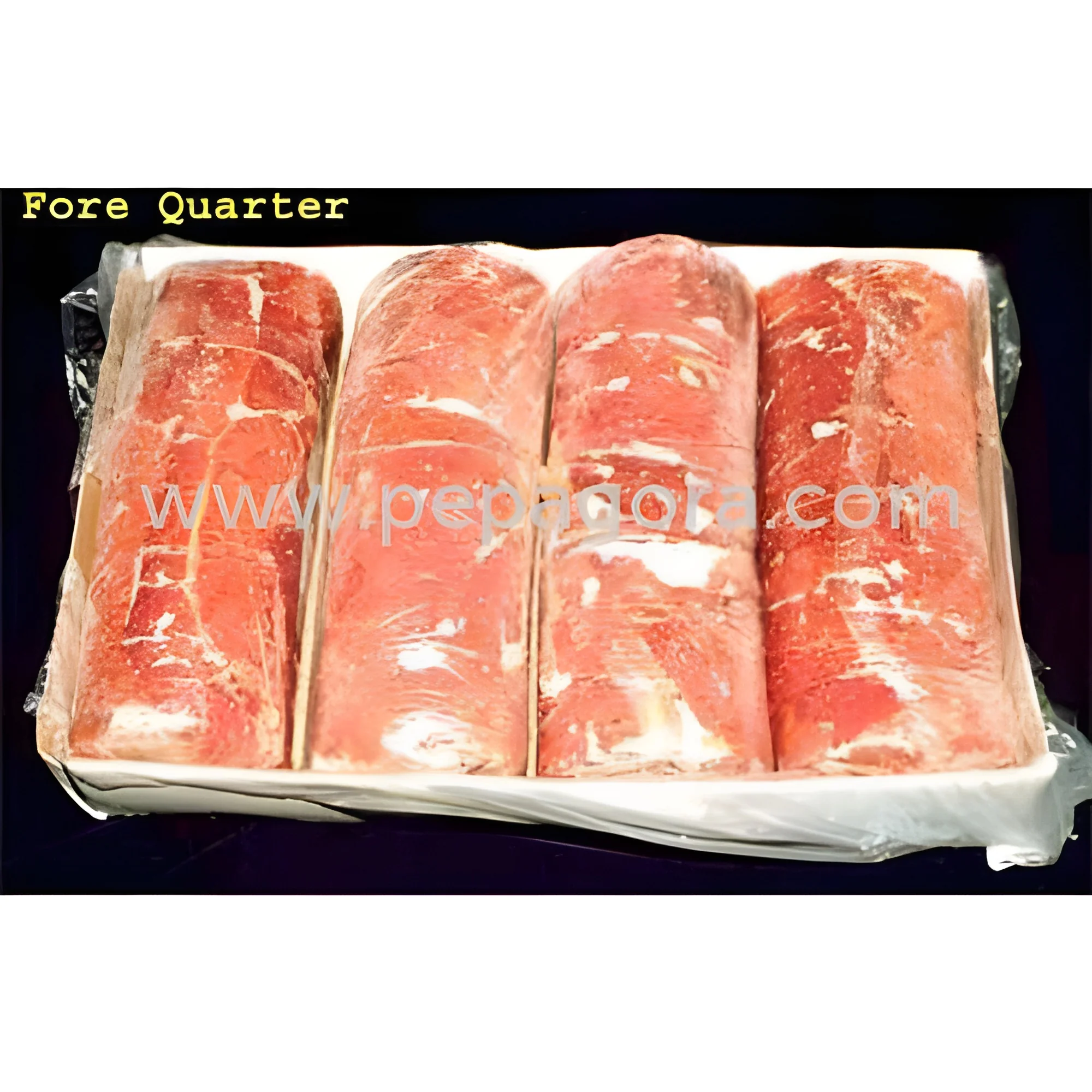
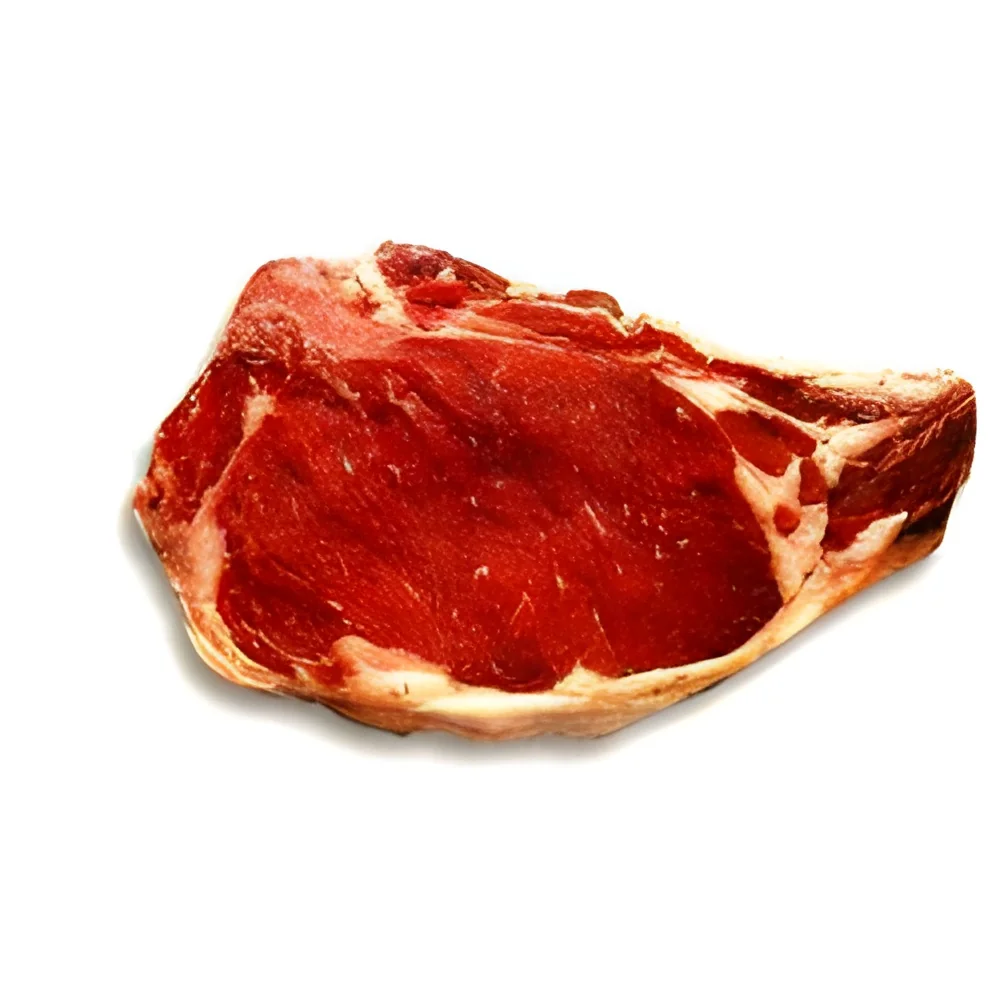
Fresh meat includes cuts like steaks, roasts, and ground meat, available in various grades and qualities. It is ideal for restaurants and butchers looking to offer premium options.
Frozen Poultry
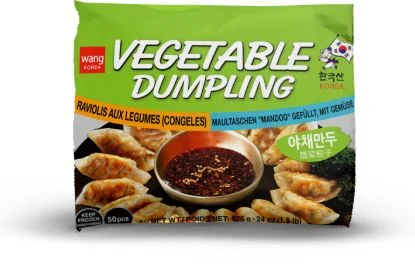
Frozen poultry products, such as whole chickens and chicken parts, are convenient for food service operations. They maintain quality over an extended shelf life and are easy to store.
Canned Seafood
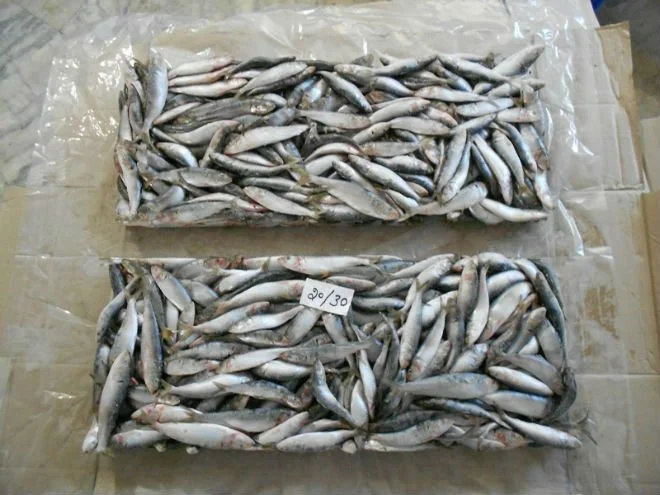
Canned seafood, including tuna and sardines, offers a long shelf life and is popular for quick meal solutions. It provides a reliable source of protein and omega-3 fatty acids.
Pre-Cooked Products
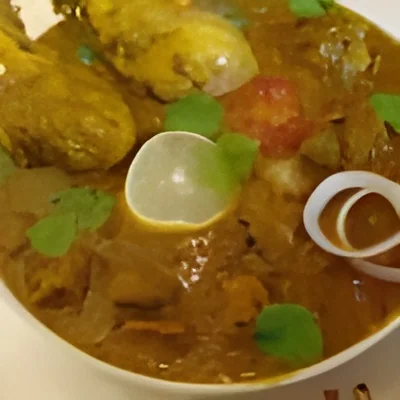
Pre-cooked meats and poultry are ideal for the convenience market, allowing customers to heat and serve with minimal preparation required.
Sustainable Seafood
Sustainable seafood options are increasingly in demand, with certifications ensuring responsible fishing practices. These products appeal to environmentally conscious consumers.
𝗕𝗲𝗻𝗲𝗳𝗶𝘁𝘀 𝗮𝗻𝗱 𝗔𝗱𝘃𝗮𝗻𝘁𝗮𝗴𝗲𝘀
Sourcing meat, poultry, and seafood products offers numerous advantages for businesses looking to enhance their offerings and satisfy customer demand.
Key benefits include:
1. Nutritional Value: Meat, poultry, and seafood are rich sources of essential nutrients, including protein, vitamins, and minerals, supporting a balanced diet.
2. Culinary Versatility: These proteins can be prepared in various ways, appealing to a broad range of culinary styles and preferences.
3. Market Demand: The growing trend towards protein-rich diets ensures steady demand for high-quality meat, poultry, and seafood products.
4. Convenience: Many products come pre-packaged or pre-cooked, allowing for quick meal preparation and reducing labor costs in food service.
5. Sustainability: Sourcing from certified suppliers ensures adherence to sustainable practices, appealing to environmentally conscious consumers.
6. Competitive Edge: Offering high-quality meat, poultry, and seafood products can differentiate businesses in a crowded market.
𝗕𝘂𝘆𝗶𝗻𝗴 𝗚𝘂𝗶𝗱𝗲 𝗳𝗼𝗿 𝗕𝟮𝗕 𝗕𝘂𝘆𝗲𝗿𝘀
When sourcing meat, poultry, and seafood, businesses should consider several important factors to ensure they make informed purchasing decisions.
1. Quality Assessment: Evaluate the freshness and quality of products through sensory checks and supplier certifications. Look for clear labeling regarding sourcing and processing.
2. Supplier Verification: Vet suppliers by checking their reputation, certifications, and compliance with health and safety regulations. Building strong supplier relationships is crucial.
3. Pricing and MOQ: Understand the pricing structures and minimum order quantities (MOQs) to ensure that purchases align with budget constraints and storage capabilities.
4. Delivery and Lead Times: Discuss logistics with suppliers to establish reliable delivery schedules that meet operational needs without compromising quality.
5. Compliance Requirements: Stay informed about relevant regulations and standards, such as food safety and labeling requirements, to ensure compliance and avoid potential legal issues.
𝗖𝗼𝗺𝗽𝗹𝗶𝗮𝗻𝗰𝗲 𝗮𝗻𝗱 𝗖𝗲𝗿𝘁𝗶𝗳𝗶𝗰𝗮𝘁𝗶𝗼𝗻𝘀
Compliance and certifications play a critical role in the meat, poultry, and seafood industry. These standards ensure product safety and quality, which are paramount in food sourcing.
Relevant quality standards include ISO 9001, which focuses on quality management systems, and HACCP, a systematic approach to food safety. These standards help businesses maintain high safety protocols throughout the supply chain.
Industry certifications such as CE and UL indicate that products meet specific safety and performance criteria. These certifications provide assurance to buyers regarding the reliability of processing equipment and packaging.
Safety and testing requirements are essential in ensuring that meat, poultry, and seafood products are free from contaminants and safe for consumption. Regular testing and monitoring of products help maintain standards.
Additionally, regional compliance considerations vary based on local regulations governing food safety, labeling, and environmental practices. Companies must adhere to these regulations to operate legally and ethically in their markets.
𝗪𝗵𝘆 𝗦𝗼𝘂𝗿𝗰𝗲 𝗠𝗲𝗮𝘁, 𝗣𝗼𝘂𝗹𝘁𝗿𝘆 & 𝗦𝗲𝗮𝗳𝗼𝗼𝗱 𝗳𝗿𝗼𝗺 𝗣𝗲𝗽𝗮𝗴𝗼𝗿𝗮?
Pepagora provides a trusted platform for sourcing meat, poultry, and seafood with several key advantages that benefit B2B buyers.
Verified Supplier Network: Pepagora features a network of verified suppliers, ensuring that buyers can access high-quality products from reputable sources. This network helps to minimize risks associated with sourcing.
Streamlined RFQ Process: The platform offers a streamlined request for quotation (RFQ) process, allowing buyers to easily request pricing and product details from multiple suppliers. This efficiency saves time and effort, enabling better purchasing decisions.
Trade Assurance and Support: Buyers benefit from trade assurance measures designed to protect their interests during transactions. Pepagora provides support throughout the sourcing process to address any issues that may arise.
Regional Coverage: With a strong presence in India, the Gulf Cooperation Council (GCC), and Southeast Asia, Pepagora facilitates connections between buyers and suppliers across these regions. This geographical reach ensures access to diverse product offerings that meet varying market demands.

 IN
IN