𝗪𝗵𝗮𝘁 𝗮𝗿𝗲 𝗜𝗻𝗱𝘂𝘀𝘁𝗿𝗶𝗮𝗹 𝗘𝗾𝘂𝗶𝗽𝗺𝗲𝗻𝘁 𝗟𝗲𝗮𝘀𝗶𝗻𝗴 & 𝗦𝗲𝗿𝘃𝗶𝗰𝗲𝘀?
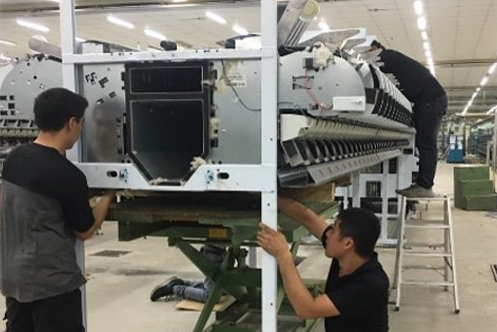
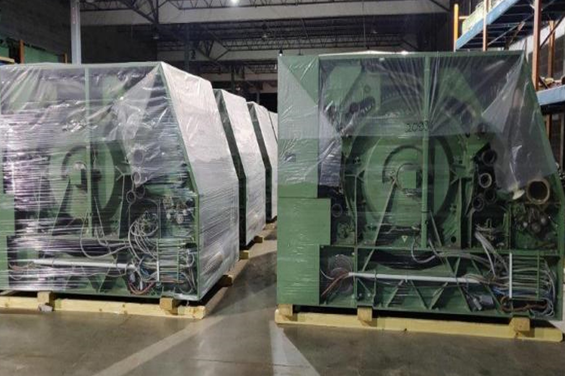
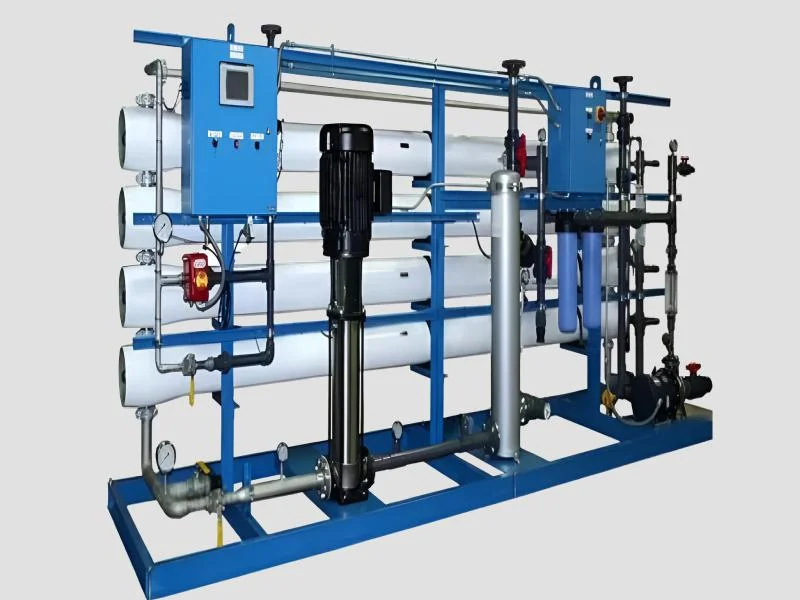
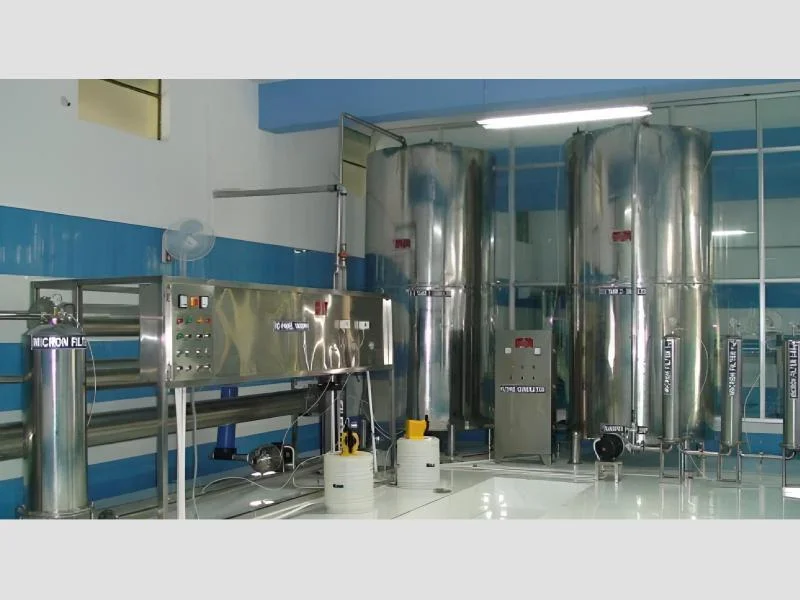
Industrial Equipment Leasing & Services refer to the practice of renting or leasing industrial machinery and equipment instead of purchasing it outright. This approach allows businesses to access the latest technology and tools without the significant upfront investment typically associated with buying industrial equipment. Leasing can cover a wide range of products, including construction machinery, manufacturing equipment, and heavy-duty tools.
The primary use of these leasing services is to provide flexibility and cost-effectiveness to businesses across various sectors. Companies can utilize high-quality equipment for a specific period, which is particularly beneficial for projects with limited durations. Additionally, this model allows businesses to allocate resources more efficiently, as they can invest capital in other areas while still maintaining access to essential machinery.
In the current market context, industrial equipment leasing is gaining traction due to the rapid technological advancements and fluctuating demand in many industries. Companies are increasingly looking for ways to minimize costs and maximize operational efficiency, making leasing an attractive option. This trend is prevalent across sectors such as construction, manufacturing, and logistics, where equipment needs can change rapidly.
𝗞𝗲𝘆 𝗙𝗲𝗮𝘁𝘂𝗿𝗲𝘀 𝗮𝗻𝗱 𝗦𝗽𝗲𝗰𝗶𝗳𝗶𝗰𝗮𝘁𝗶𝗼𝗻𝘀
Industrial Equipment Leasing & Services offer numerous features that enhance their appeal to businesses. These specifications ensure that companies can make informed decisions when selecting the right equipment for their needs.
Key specifications include:
1. Equipment Range
- A diverse selection of machinery, from construction tools to manufacturing equipment.
- Options to suit various industrial applications.
2. Flexible Rental Terms
- Leasing periods that can be tailored to fit project timelines.
- Short-term and long-term leasing options available.
3. Maintenance Services
- Regular maintenance included in leasing agreements to ensure equipment reliability.
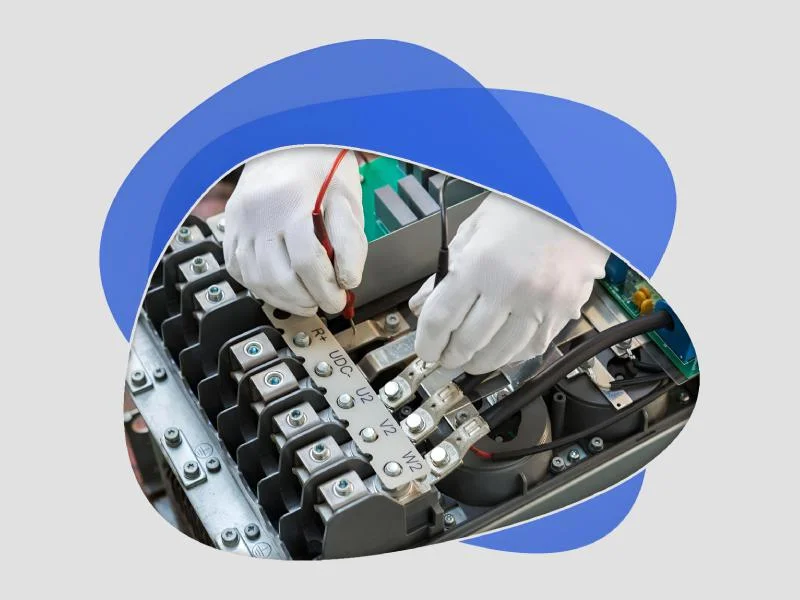
- Access to expert technicians for repairs and servicing.
4. Financing Options
- Various financing plans to accommodate different budgets.
- Opportunity to spread payment over the lease term.
5. Up-to-Date Technology
- Access to the latest machinery and equipment models.
- Frequent updates to inventory to include cutting-edge technology.
6. Customization
- Ability to specify equipment configurations based on project needs.
- Options for specialized attachments and features.
7. Support Services
- Comprehensive support from leasing companies throughout the lease term.
- Training programs for operators to maximize equipment use.
In conclusion, the key features of Industrial Equipment Leasing & Services provide businesses with the flexibility, reliability, and support they need to enhance their operations.
𝗖𝗼𝗺𝗺𝗼𝗻 𝗔𝗽𝗽𝗹𝗶𝗰𝗮𝘁𝗶𝗼𝗻𝘀 𝗮𝗻𝗱 𝗨𝘀𝗲 𝗖𝗮𝘀𝗲𝘀
Industrial Equipment Leasing & Services have wide-ranging applications across various industries. Companies benefit from leasing as it allows them to access necessary equipment without the burden of ownership.
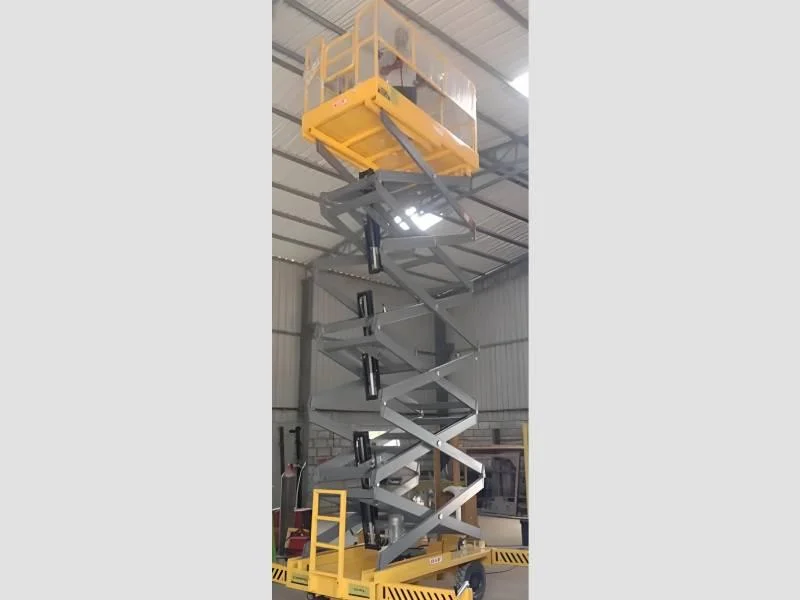
1. Construction: Companies in the construction sector utilize leased heavy machinery, such as excavators and bulldozers, for specific projects, enabling them to manage costs effectively.
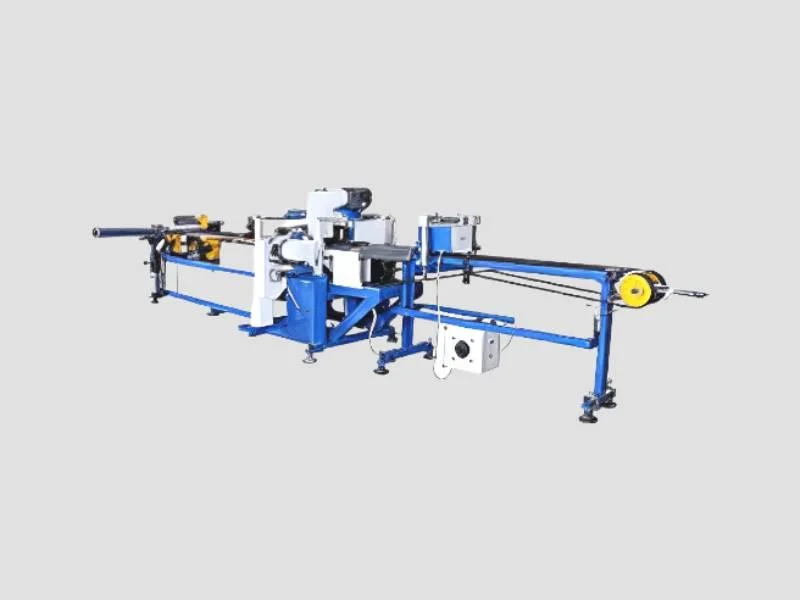
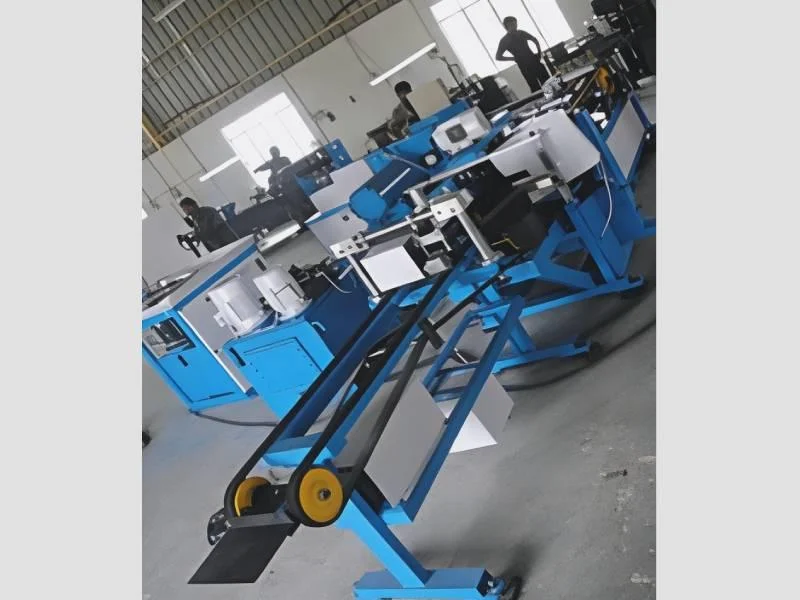
2. Manufacturing: Manufacturers lease equipment such as CNC machines and assembly line tools to adapt to changing production demands without large capital investments.
3. Logistics: Warehousing and logistics firms lease forklifts and pallet jacks to streamline operations, ensuring they have the right equipment during peak seasons.
4. Mining: Mining operations often lease specialized drilling and extraction equipment, allowing them to scale operations up or down based on project needs.
5. Agriculture: Agricultural businesses lease tractors and harvesting machinery to optimize farming operations during critical seasons without the long-term commitment of ownership.
6. Energy: Companies in the energy sector may lease equipment like drilling rigs and generators, facilitating project-based work without significant capital expenditure.
7. Event Management: Event planners often lease sound and lighting equipment, ensuring access to quality tools for specific events without the need for permanent investments.
𝗣𝗿𝗼𝗱𝘂𝗰𝘁 𝗩𝗮𝗿𝗶𝗮𝗻𝘁𝘀 𝗮𝗻𝗱 𝗦𝘂𝗯𝗰𝗮𝘁𝗲𝗴𝗼𝗿𝗶𝗲𝘀
Industrial Equipment Leasing & Services encompass a range of options to cater to diverse business needs. Although specific subcategories are not available, the industry includes several notable variants.
Heavy Machinery Leasing
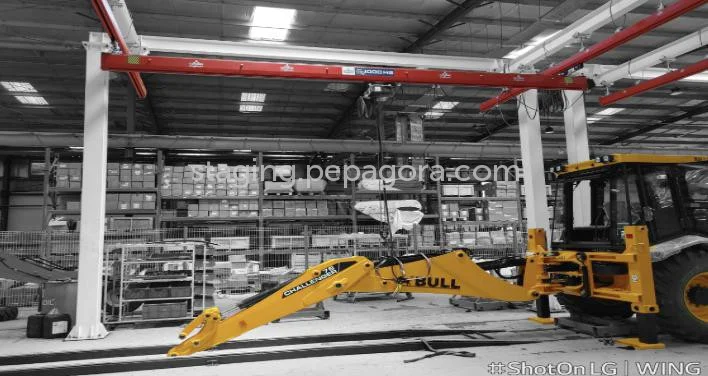
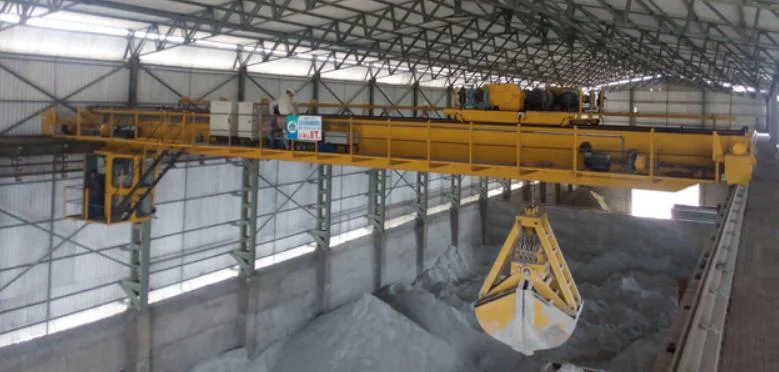
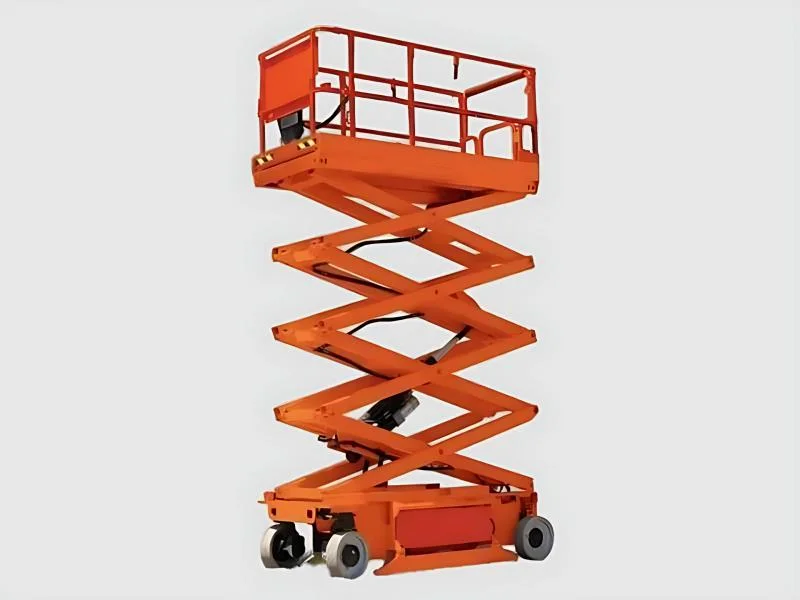
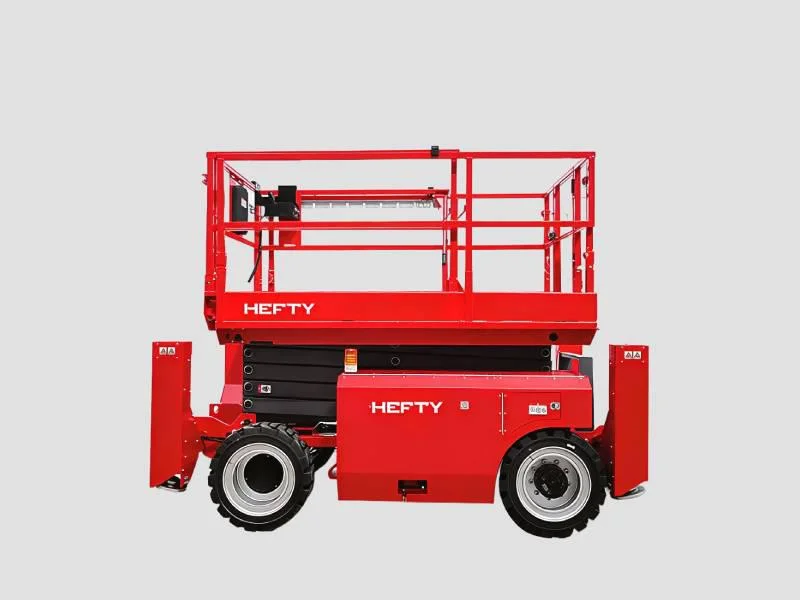
This variant includes leasing options for construction and earth-moving equipment, such as backhoes, cranes, and bulldozers. These machines are essential for large-scale construction projects and infrastructure development.
Manufacturing Equipment Leasing
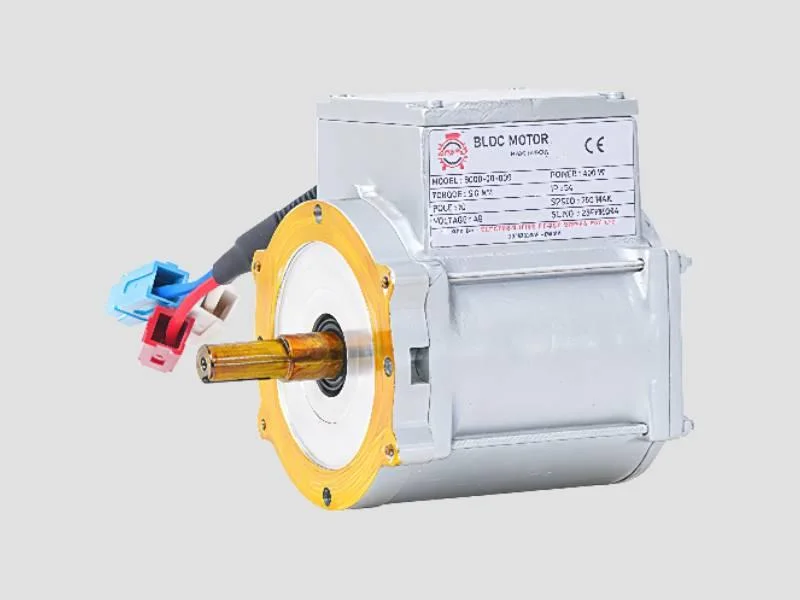
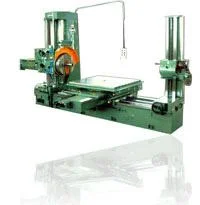
Firms can lease machinery like lathes, milling machines, and robotic arms. This allows manufacturers to remain competitive by utilizing cutting-edge technology without the financial burden of ownership.
Material Handling Equipment Leasing
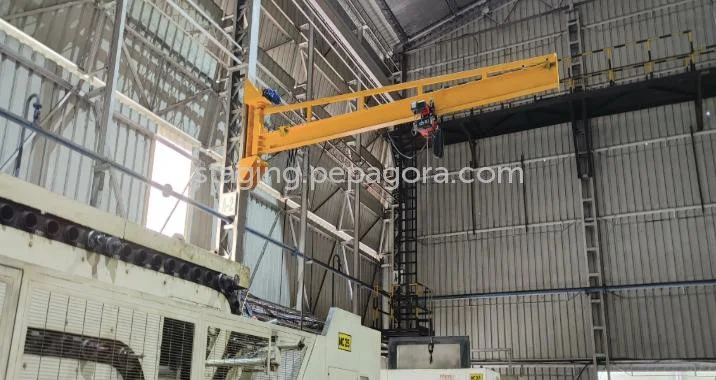
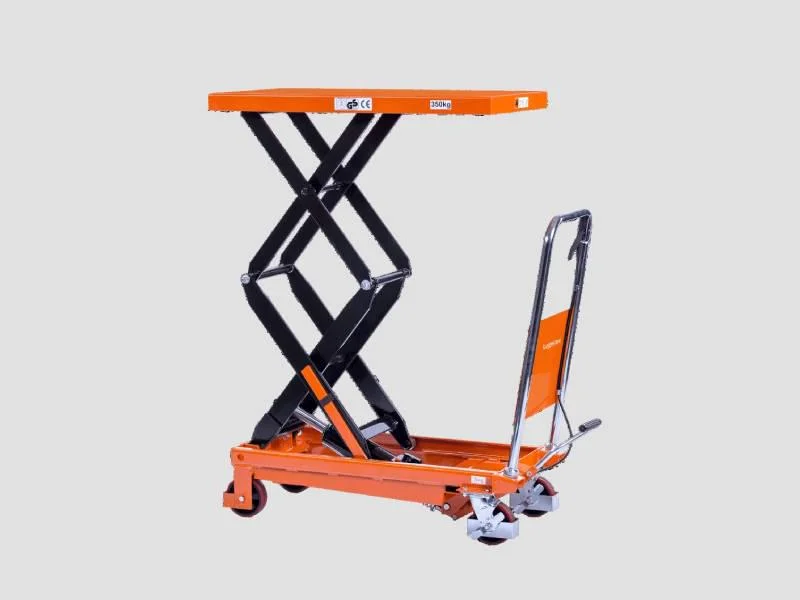
Leasing options in this category focus on equipment such as forklifts, pallet jacks, and conveyor systems. These tools are crucial for improving efficiency in warehouses and distribution centers.
𝗕𝗲𝗻𝗲𝗳𝗶𝘁𝘀 𝗮𝗻𝗱 𝗔𝗱𝘃𝗮𝗻𝘁𝗮𝗴𝗲𝘀
Leasing industrial equipment offers numerous benefits that can significantly enhance a company's operational efficiency and financial performance.
Key benefits include:
1. Cost Savings: Leasing reduces the need for large upfront capital investments, allowing businesses to allocate funds more efficiently.
2. Access to Advanced Technology: Companies can lease the latest equipment models, ensuring they stay competitive without the risks of rapid depreciation.
3. Flexibility: Leasing allows businesses to adapt quickly to changing demands and project requirements, providing the freedom to scale operations as needed.
4. Maintenance Included: Many leasing agreements include maintenance services, reducing the burden of equipment upkeep and ensuring reliability.
5. Improved Cash Flow: With lower initial costs and predictable monthly payments, leasing can improve cash flow management for businesses.
6. Tax Advantages: Lease payments may be tax-deductible, providing additional financial benefits compared to traditional equipment purchases.
𝗕𝘂𝘆𝗶𝗻𝗴 𝗚𝘂𝗶𝗱𝗲 𝗳𝗼𝗿 𝗕𝟮𝗕 𝗕𝘂𝘆𝗲𝗿𝘀
When considering Industrial Equipment Leasing & Services, it's essential for B2B buyers to evaluate several key factors to make informed decisions.
1. Quality Assessment: Buyers should assess the quality of equipment by reviewing maintenance records and the leasing company's reputation. This ensures reliability and performance.
2. Supplier Verification: Vetting suppliers is crucial. Buyers should check references and look for certifications to ensure they are engaging with credible leasing companies.
3. Pricing and MOQ: Analyze the pricing structure and minimum order quantities. Understanding these factors helps in budgeting and negotiating better terms.
4. Delivery and Lead Times: Consider the logistics involved, including delivery schedules and lead times. Timely equipment availability is critical for project success.
5. Compliance Requirements: Ensure that the leasing provider meets all relevant regulatory and compliance standards. This includes safety regulations and industry-specific certifications.
𝗖𝗼𝗺𝗽𝗹𝗶𝗮𝗻𝗰𝗲 𝗮𝗻𝗱 𝗖𝗲𝗿𝘁𝗶𝗳𝗶𝗰𝗮𝘁𝗶𝗼𝗻𝘀
Compliance and certifications are critical in the industrial equipment leasing sector, as they ensure that the equipment meets industry standards and safety regulations.
Relevant quality standards, such as ISO 9001, guarantee that leasing companies maintain high-quality management practices. This standard ensures that customers receive reliable and high-quality equipment.
Industry certifications, like CE marking, indicate compliance with European safety, health, and environmental protection standards. This certification assures buyers that the equipment meets necessary safety requirements.
Safety and testing requirements are paramount in the leasing of industrial equipment. Regular inspections and testing ensure that all leased machinery operates safely and efficiently, reducing the risk of accidents.
Regional compliance considerations are also essential. Leasing companies must adhere to local regulations and industry standards, ensuring that equipment is suitable for the specific market conditions and legal requirements.
𝗪𝗵𝘆 𝗦𝗼𝘂𝗿𝗰𝗲 𝗜𝗻𝗱𝘂𝘀𝘁𝗿𝗶𝗮𝗹 𝗘𝗾𝘂𝗶𝗽𝗺𝗲𝗻𝘁 𝗟𝗲𝗮𝘀𝗶𝗻𝗴 & 𝗦𝗲𝗿𝘃𝗶𝗰𝗲𝘀 𝗳𝗿𝗼𝗺 𝗣𝗲𝗽𝗮𝗴𝗼𝗿𝗮?
Pepagora stands out as a reliable platform for sourcing Industrial Equipment Leasing & Services, offering several key advantages to buyers.
Verified Supplier Network: Pepagora connects buyers with a network of verified suppliers. This network ensures that companies can trust the quality and reliability of the equipment they lease.
Streamlined RFQ Process: The platform features an efficient request for quotation (RFQ) system, allowing buyers to easily obtain competitive quotes from multiple suppliers. This simplifies the procurement process and saves time.
Trade Assurance and Support: Pepagora provides trade assurance programs that protect buyers throughout the leasing process. This support includes assistance with disputes and ensuring that suppliers meet their commitments.
Regional Coverage: With a focus on markets in India, the GCC, and Southeast Asia, Pepagora offers extensive geographic reach. This allows businesses to find the right leasing solutions tailored to their specific regional needs.

 IN
IN