𝗪𝗵𝗮𝘁 𝗮𝗿𝗲 𝗙𝗮𝘀𝗵𝗶𝗼𝗻 𝗣𝗵𝗼𝘁𝗼𝗴𝗿𝗮𝗽𝗵𝘆?
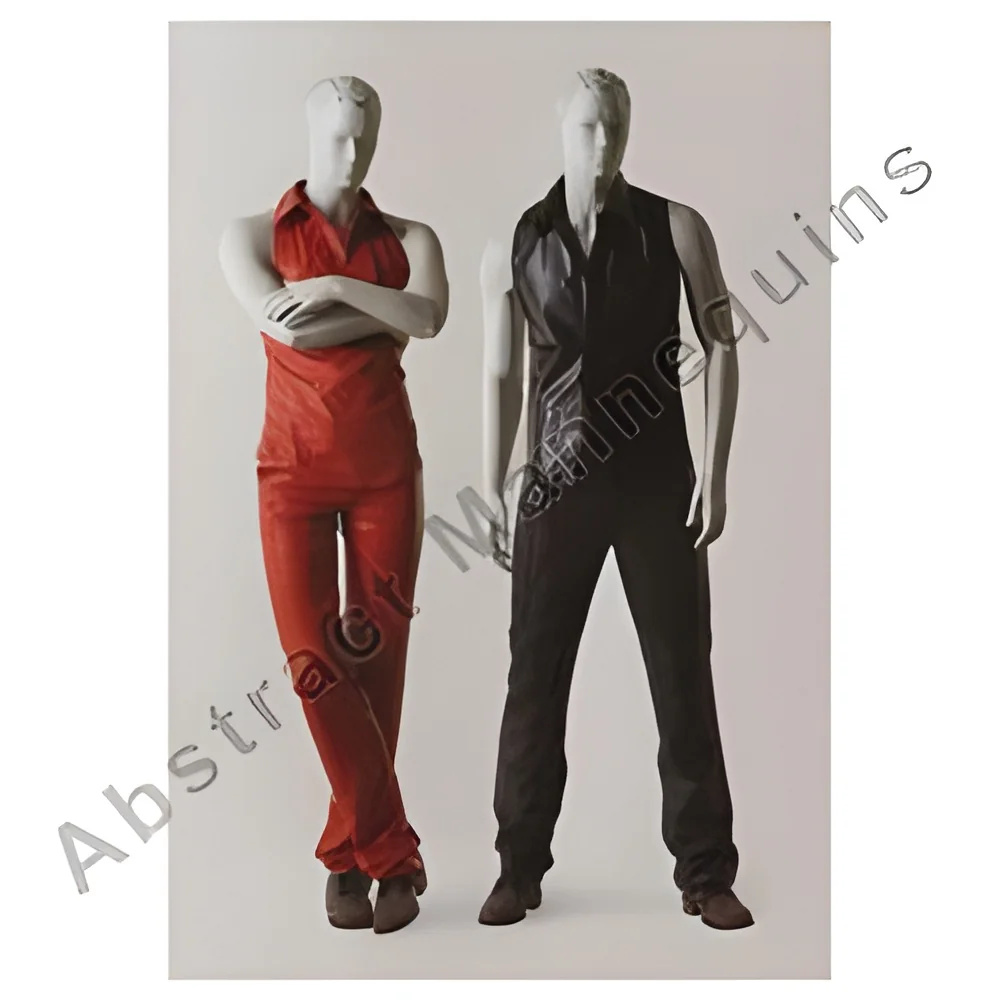
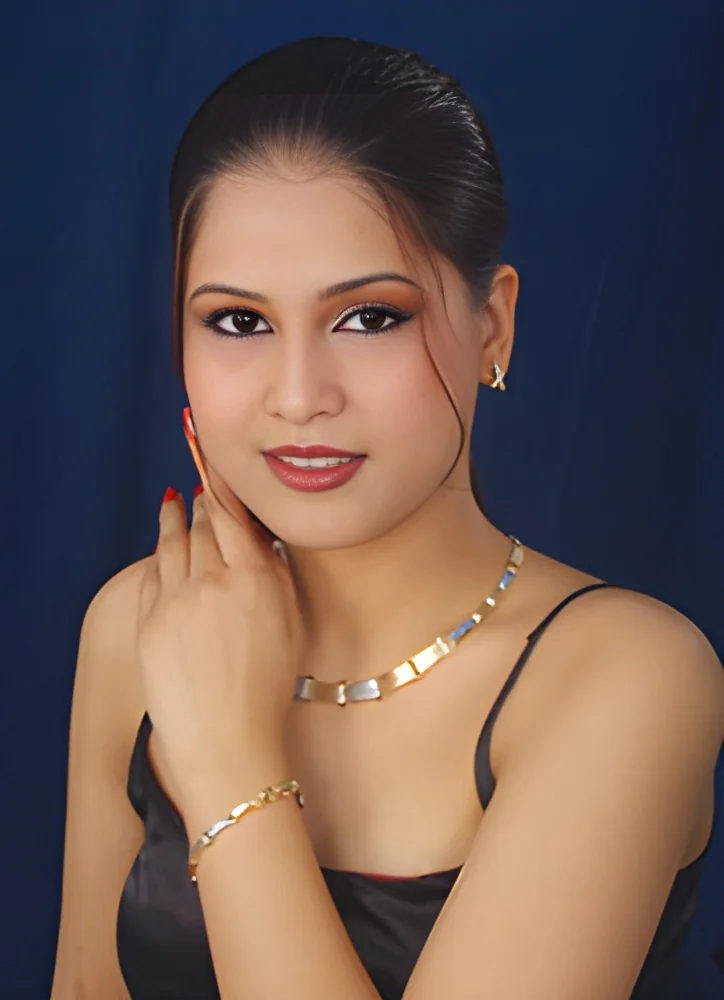
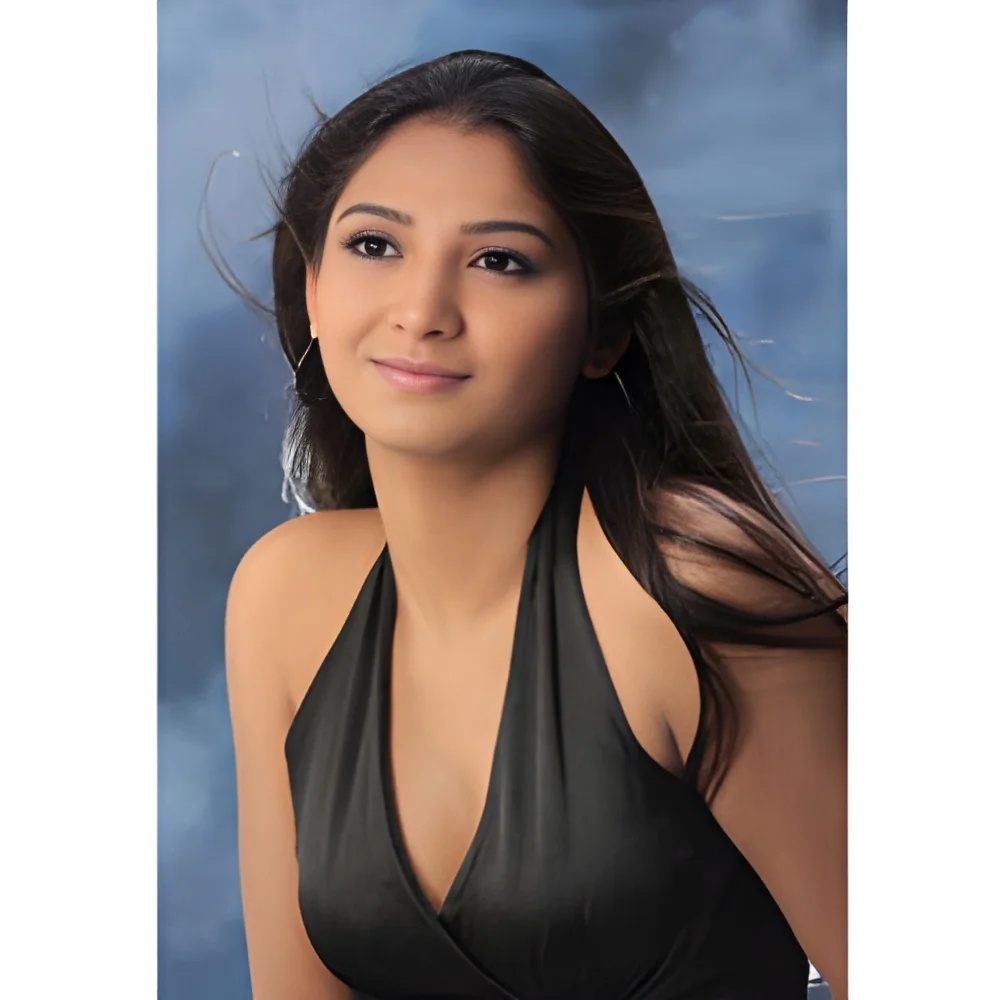
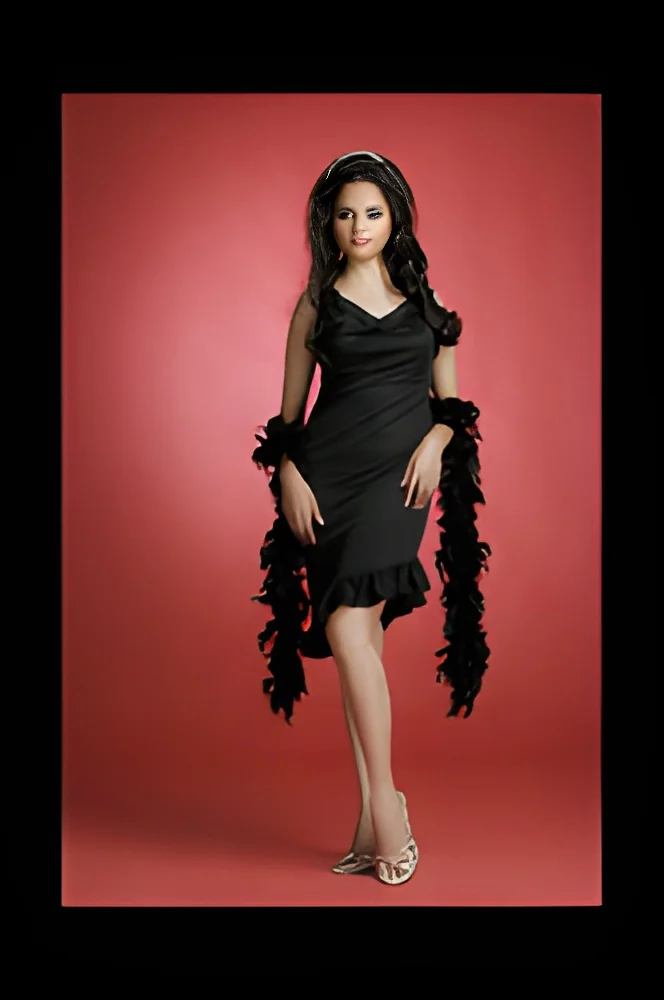
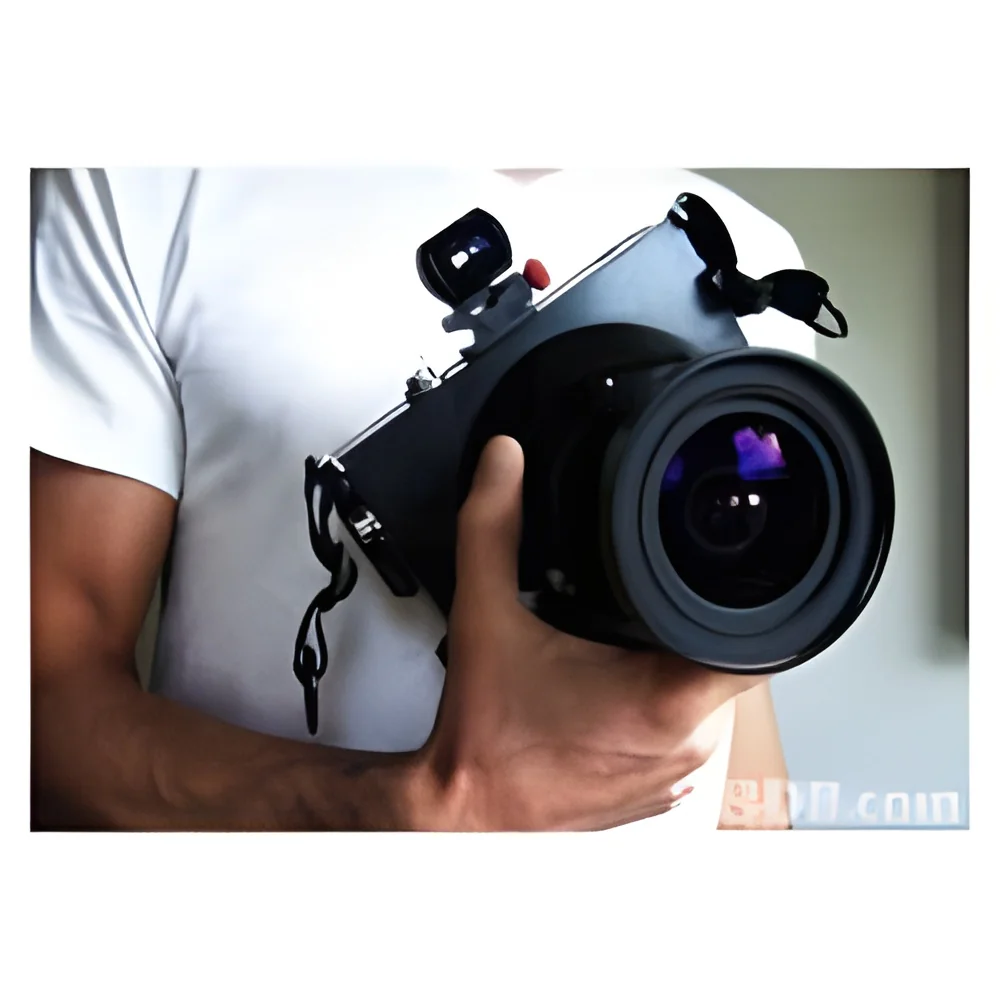
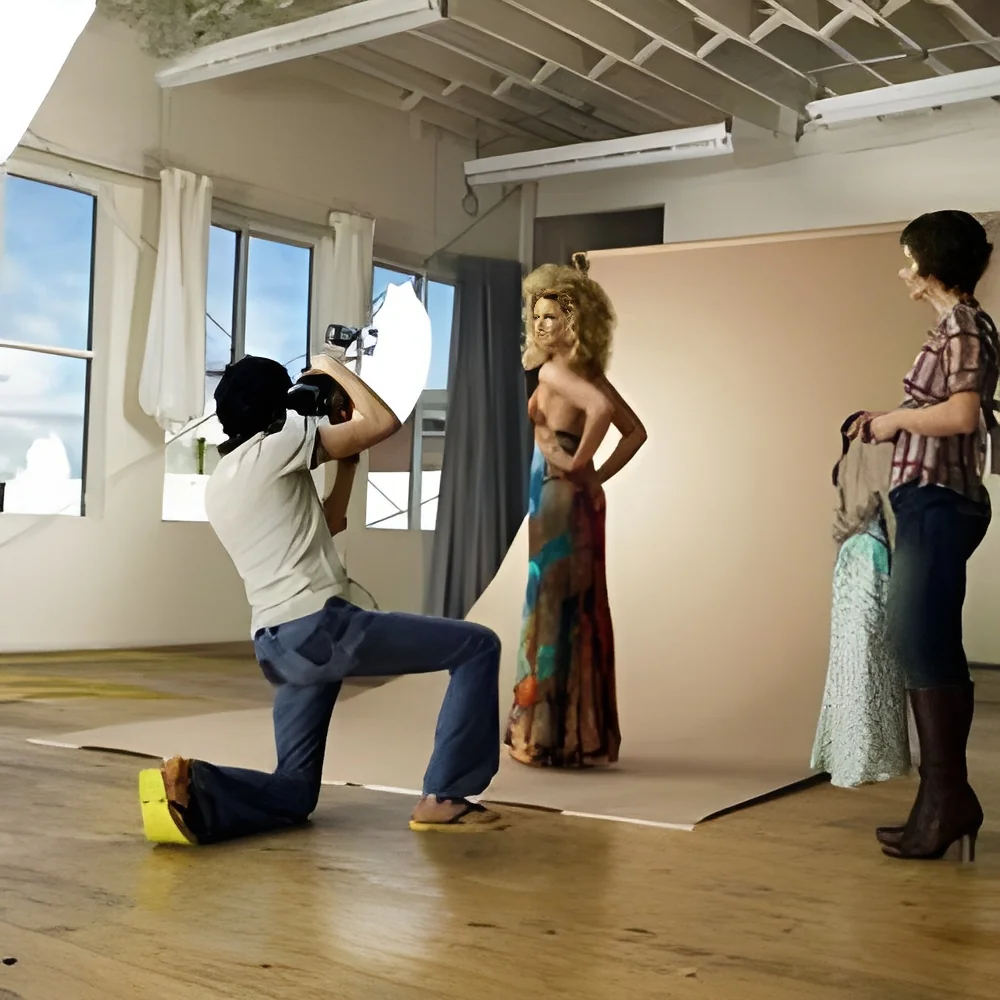
Fashion photography is a specialized field of photography focused on clothing, accessories, and beauty. It is primarily used to showcase fashion items in a visually appealing manner. This type of photography often combines artistic expression with commercial needs, creating striking images that capture the essence of style and trends.
In the business world, fashion photography plays a crucial role in marketing and advertising campaigns. It is essential for brands looking to promote their products through catalogs, magazines, websites, and social media platforms. The images produced not only highlight the products but also convey a lifestyle, making them appealing to potential customers. This market is increasingly relevant as digital marketing continues to grow, with fashion photography being a key component of successful promotional strategies.
With the global fashion industry expanding rapidly, the demand for high-quality fashion photography has significantly increased. Businesses must stay competitive and relevant in this visually driven market, where compelling imagery can make all the difference in attracting and retaining customers.
𝗞𝗲𝘆 𝗙𝗲𝗮𝘁𝘂𝗿𝗲𝘀 𝗮𝗻𝗱 𝗦𝗽𝗲𝗰𝗶𝗳𝗶𝗰𝗮𝘁𝗶𝗼𝗻𝘀
Fashion photography encompasses a variety of features and specifications that enhance its effectiveness in marketing. Understanding these key aspects helps businesses make informed choices when selecting photography services.
Key specifications include:
1. Image Resolution
- High-resolution images are essential for print and digital media.
- Typically, images are produced at a minimum of 300 DPI for print quality.
2. Lighting Techniques
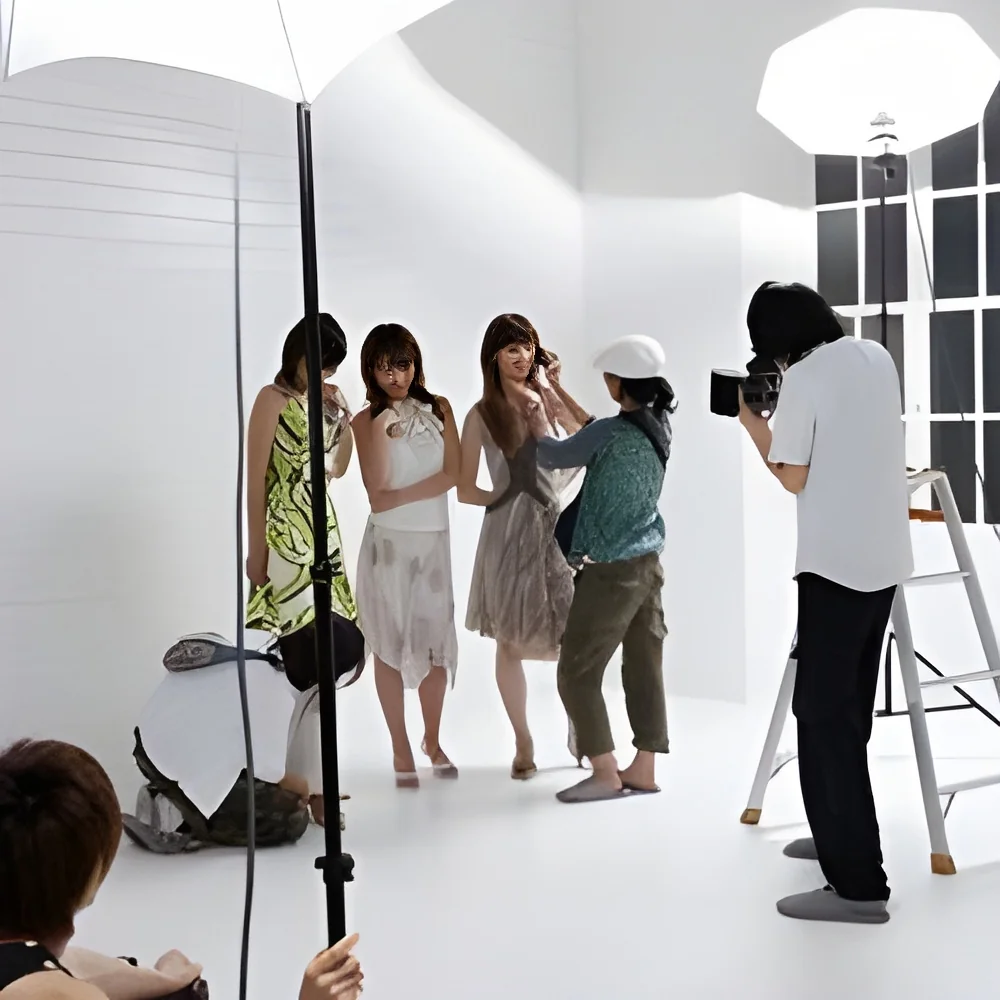
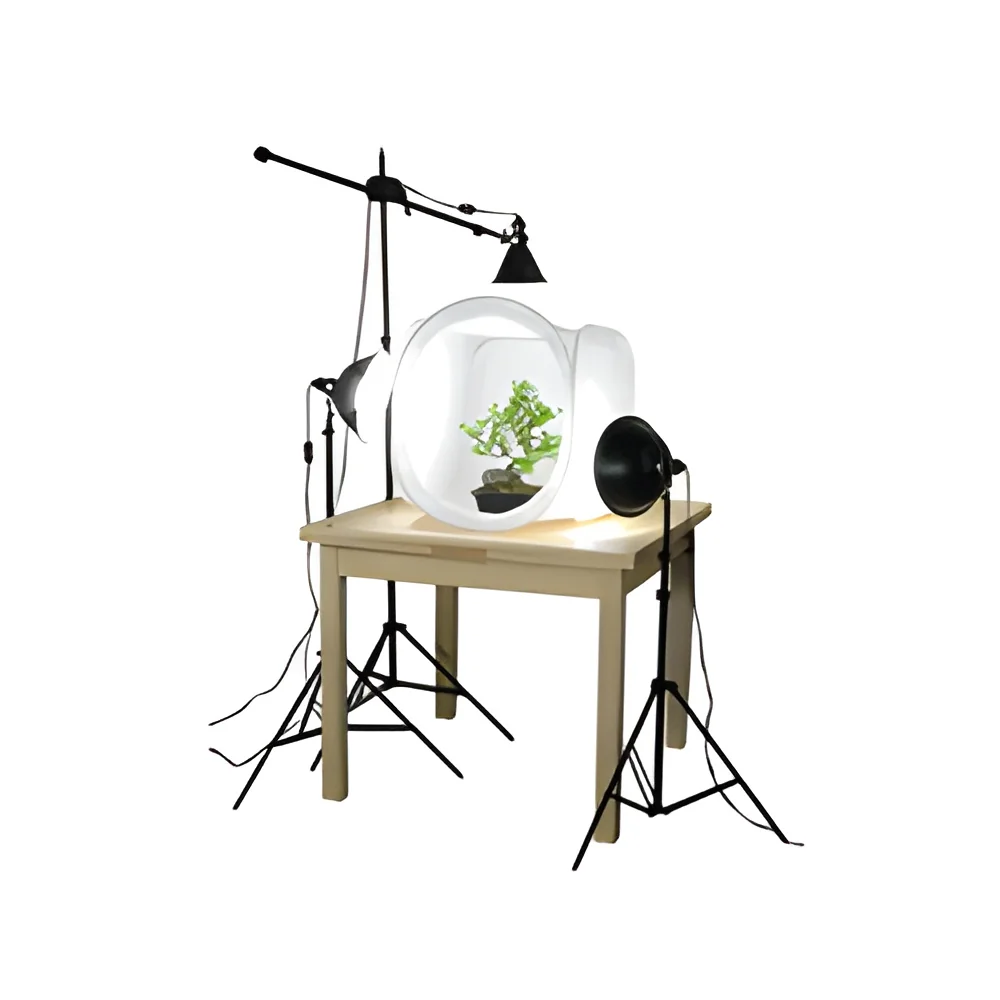
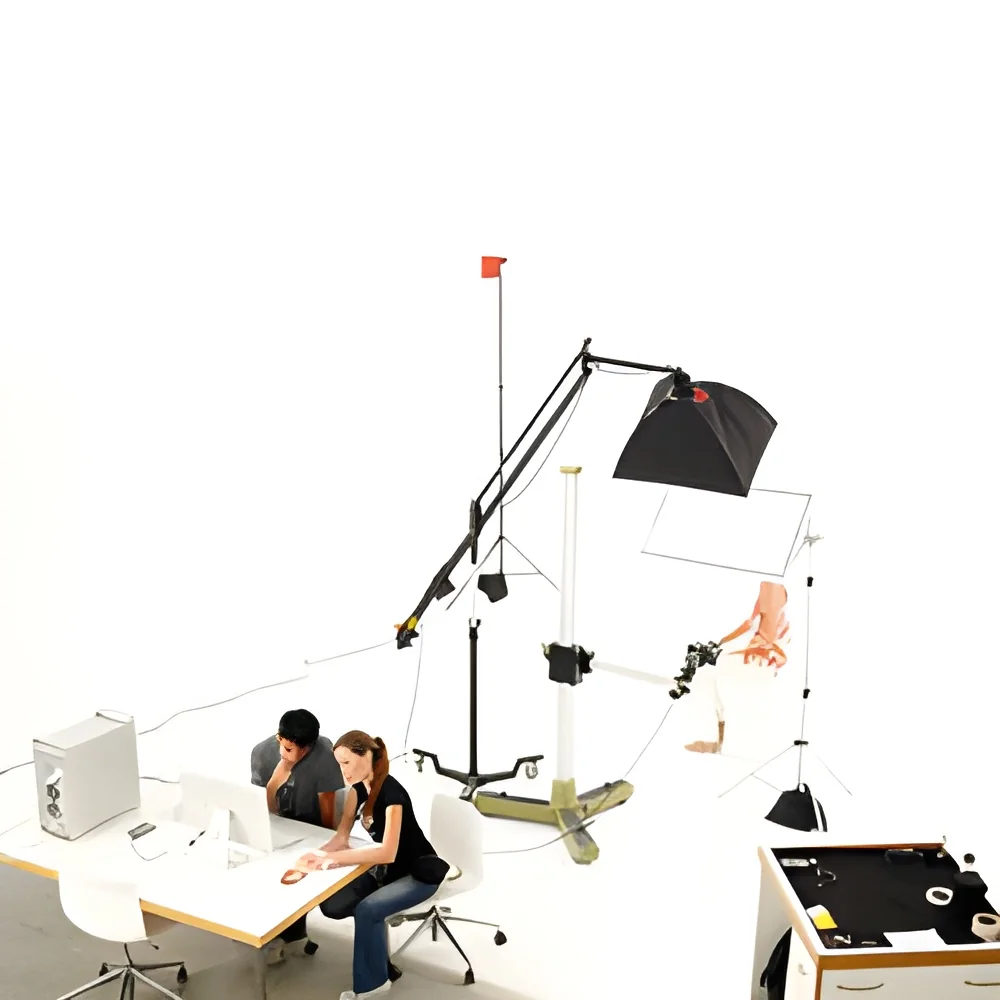
- Professional lighting setups are crucial for achieving the desired effects.
- Techniques include natural light, studio lighting, and flash photography.
3. Backdrops and Props
- Varied backdrops and props can enhance the overall aesthetic.
- Options include seamless paper, fabric, and themed props tailored to brand identity.
4. Styling and Wardrobe
- Professional styling ensures that clothing is presented in the best light.
- Wardrobe choices should align with current fashion trends and brand messaging.
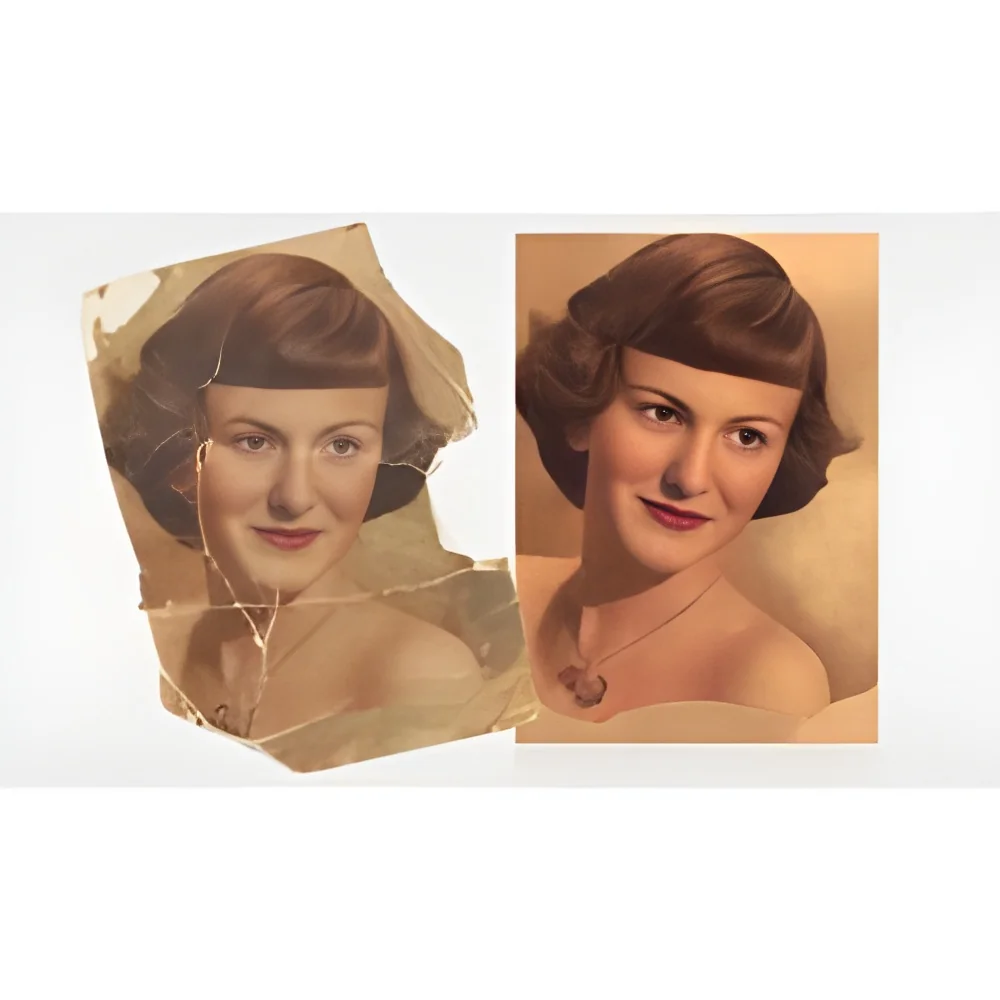
5. Retouching and Editing
- Post-production editing is vital for achieving polished final images.
- This includes color correction, blemish removal, and background adjustments.
6. Model Selection
- Choosing the right models can significantly impact the imagery.
- Models should reflect the target audience and brand ethos.
7. Shooting Angles
- Different angles can create varied visual impacts.
- A mix of full-body shots, close-ups, and dynamic poses is often utilized.
8. Compliance with Brand Guidelines
- Adherence to brand guidelines ensures consistency across all images.
- This includes color schemes, logos, and overall visual style.
In summary, understanding the key features and specifications of fashion photography is essential for businesses aiming to leverage this powerful marketing tool effectively.
𝗖𝗼𝗺𝗺𝗼𝗻 𝗔𝗽𝗽𝗹𝗶𝗰𝗮𝘁𝗶𝗼𝗻𝘀 𝗮𝗻𝗱 𝗨𝘀𝗲 𝗖𝗮𝘀𝗲𝘀
Fashion photography serves a diverse range of industries beyond traditional fashion brands. Its applications can be found in several sectors.
1. Retail: Fashion photography is crucial for online retail, with high-quality images necessary for product listings on e-commerce platforms. Clear images help customers make informed purchasing decisions.
2. Advertising: Agencies often use fashion photography in advertisements for clothing and beauty products. Striking visuals can create compelling campaigns that engage consumers.
3. Magazines: Fashion magazines rely heavily on photography to showcase trends, styles, and celebrity fashion. These images are often featured in editorials and cover stories.
4. Social Media: Brands utilize fashion photography for social media marketing to connect with audiences. Engaging visuals are essential for platforms like Instagram and Pinterest.
5. Lookbooks: Fashion lookbooks use photography to present new collections in an organized format. They serve as a visual guide for retailers and customers alike.
6. Fashion Shows: Photographers document fashion shows to capture runway looks and designer collections. These images help promote the designers and create buzz around the events.
7. Influencer Collaborations: Influencers often engage in fashion photography to showcase products in a lifestyle context. This approach helps brands reach new audiences through trusted voices.
𝗣𝗿𝗼𝗱𝘂𝗰𝘁 𝗩𝗮𝗿𝗶𝗮𝗻𝘁𝘀 𝗮𝗻𝗱 𝗦𝘂𝗯𝗰𝗮𝘁𝗲𝗴𝗼𝗿𝗶𝗲𝘀
Fashion photography is a broad field with various subcategories tailored to different needs and styles. While specific subcategories may not be available, several popular themes exist.
Editorial Fashion Photography: This variant focuses on storytelling through images, often seen in magazines. It emphasizes creativity and artistic expression, showcasing fashion in unique settings.
Commercial Fashion Photography: Primarily used for advertising, this type features products in a straightforward manner. The goal is to entice consumers to purchase.
Lookbook Photography: This variant presents a collection in a cohesive format, often used by brands to showcase seasonal offerings. It highlights styling and product combinations.
Lifestyle Fashion Photography: This style captures models in real-world settings, integrating fashion with everyday life. It aims to create relatable content for consumers.
𝗕𝗲𝗻𝗲𝗳𝗶𝘁𝘀 𝗮𝗻𝗱 𝗔𝗱𝘃𝗮𝗻𝘁𝗮𝗴𝗲𝘀
Investing in professional fashion photography yields numerous benefits for businesses. High-quality images can significantly enhance a brand's presence in the market.
Key benefits include:
1. Enhanced Brand Image: Professional photography elevates a brand's image, making it appear more polished and credible.
2. Increased Engagement: Visually appealing content attracts more attention on social media and websites, leading to higher engagement rates.
3. Improved Sales: Quality imagery can drive sales by making products more desirable and compelling to potential customers.
4. Stronger Storytelling: Fashion photography allows brands to convey their story and aesthetic, connecting with audiences on a deeper level.
5. Market Differentiation: Unique and creative photography can set a brand apart from competitors, establishing a distinctive identity.
6. Versatile Content: High-quality images can be repurposed across various platforms, maximizing the return on investment.
𝗕𝘂𝘆𝗶𝗻𝗴 𝗚𝘂𝗶𝗱𝗲 𝗳𝗼𝗿 𝗕𝟮𝗕 𝗕𝘂𝘆𝗲𝗿𝘀
When sourcing fashion photography, businesses must consider several critical factors to ensure they select the right services.
1. Quality Assessment: Examine portfolios to evaluate the quality and style of previous work. Look for consistency in image resolution and creativity.
2. Supplier Verification: Vet photographers or agencies by checking references and reviews. A strong track record of satisfied clients is essential.
3. Pricing and MOQ: Understand pricing structures and any minimum order quantities required. This will help in budgeting and planning photography needs.
4. Delivery and Lead Times: Discuss timelines for project completion and delivery of images. Timely delivery is crucial for aligning with marketing campaigns.
5. Compliance Requirements: Ensure the photographer understands any compliance needs, especially regarding model releases and copyright issues.
𝗖𝗼𝗺𝗽𝗹𝗶𝗮𝗻𝗰𝗲 𝗮𝗻𝗱 𝗖𝗲𝗿𝘁𝗶𝗳𝗶𝗰𝗮𝘁𝗶𝗼𝗻𝘀
Fashion photography, while primarily a creative field, still adheres to certain compliance and quality standards. Relevant quality standards such as ISO 9001 can apply, ensuring processes meet international management standards.
Industry certifications like CE may also be relevant in specific contexts, particularly when photography involves commercial products. Safety and testing requirements are less stringent in photography itself but may come into play if photography is part of larger advertising campaigns involving products.
Regional compliance considerations are essential, particularly in navigating laws regarding copyright and image usage. Understanding local regulations ensures that businesses remain compliant when using fashion photography in their marketing efforts.
𝗪𝗵𝘆 𝗦𝗼𝘂𝗿𝗰𝗲 𝗙𝗮𝘀𝗵𝗶𝗼𝗻 𝗣𝗵𝗼𝘁𝗼𝗴𝗿𝗮𝗽𝗵𝘆 𝗳𝗿𝗼𝗺 𝗣𝗲𝗽𝗮𝗴𝗼𝗿𝗮?
Pepagora provides a trusted platform for sourcing fashion photography, offering numerous advantages for businesses seeking reliable services.
Verified Supplier Network: Pepagora ensures that all suppliers within its network are thoroughly vetted for quality and reliability. This gives buyers peace of mind when selecting photography services.
Streamlined RFQ Process: The request for quotation process is designed to be user-friendly, allowing businesses to quickly and efficiently gather quotes from multiple suppliers for comparison.
Trade Assurance and Support: Pepagora offers trade assurance, protecting buyers' investments. This includes support for any disputes or issues that may arise during the sourcing process.
Regional Coverage: With a presence in India, the GCC, and Southeast Asia, Pepagora's geographic reach facilitates connections with local photographers who understand regional trends and market nuances.
Sourcing fashion photography through Pepagora means accessing high-quality services while benefiting from a robust support system tailored for B2B buyers.

 IN
IN