𝗪𝗵𝗮𝘁 𝗮𝗿𝗲 𝗗𝘆𝗲𝗱, 𝗣𝗿𝗶𝗻𝘁𝗲𝗱 & 𝗘𝗺𝗯𝗿𝗼𝗶𝗱𝗲𝗿𝗲𝗱 𝗙𝗮𝗯𝗿𝗶𝗰𝘀?
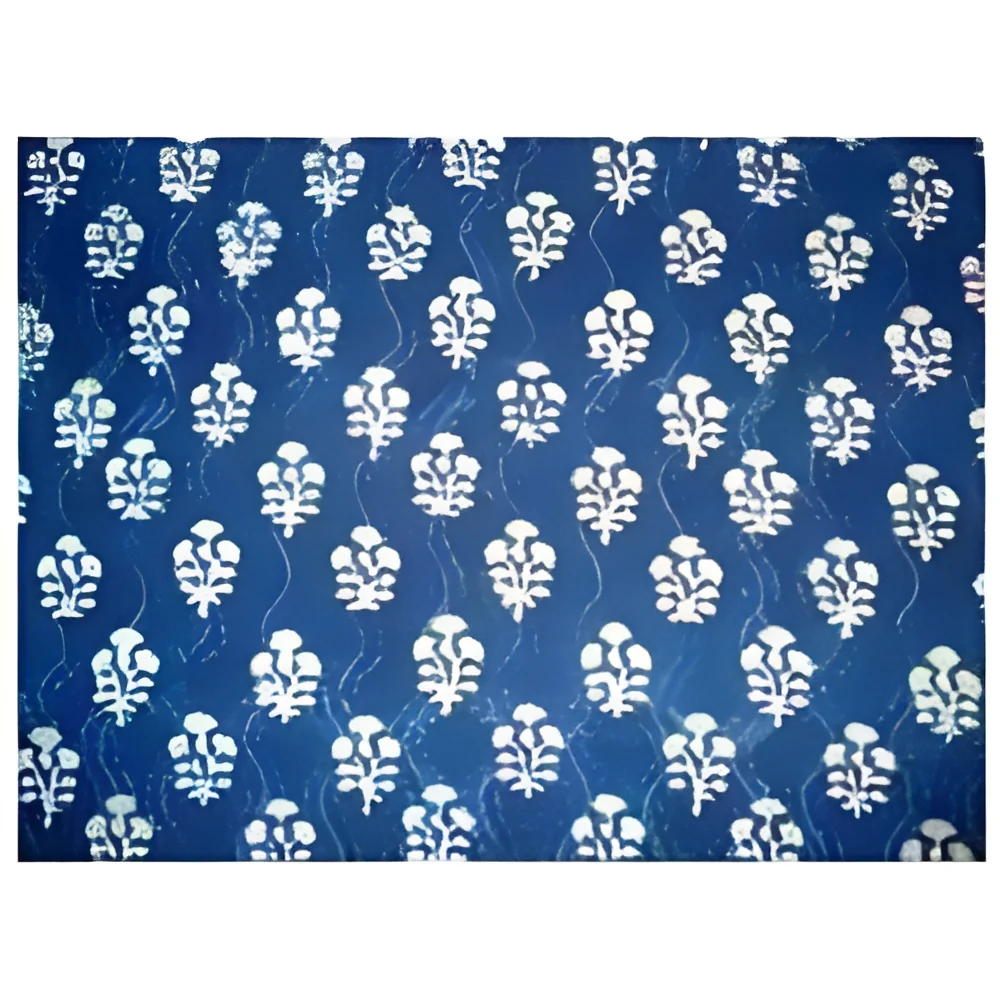
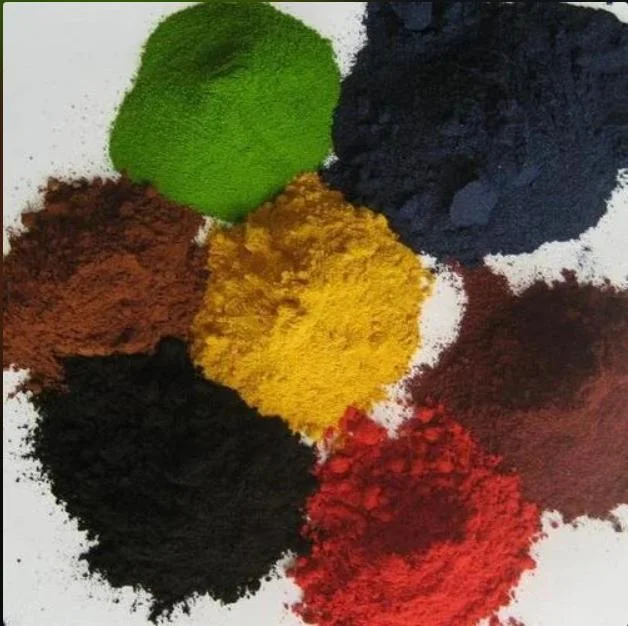
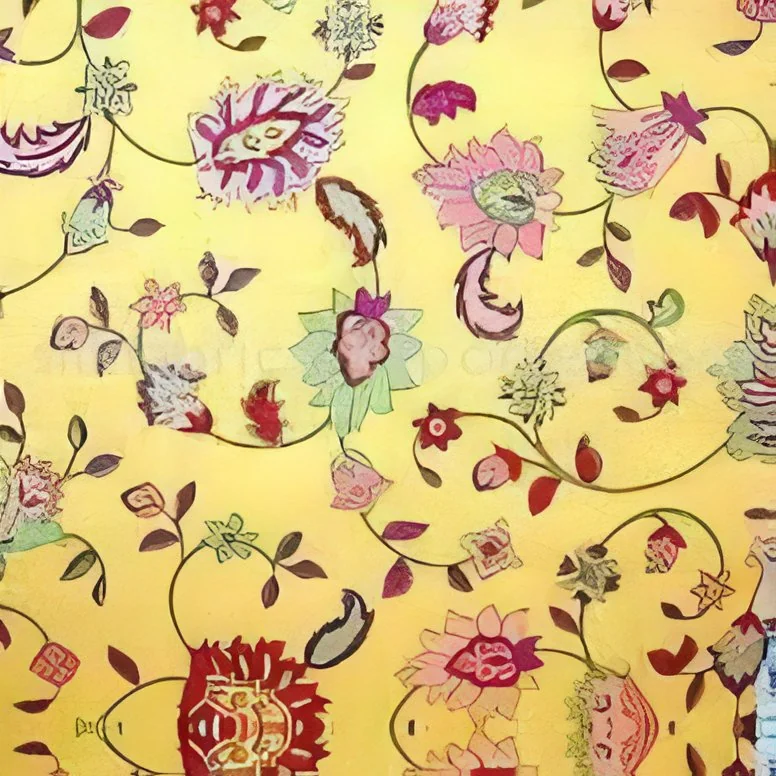
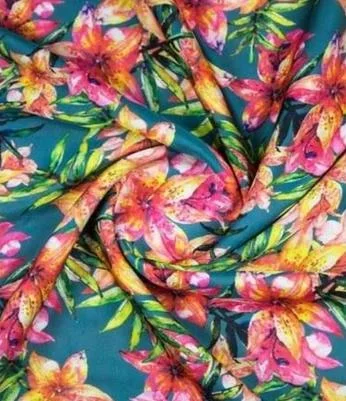
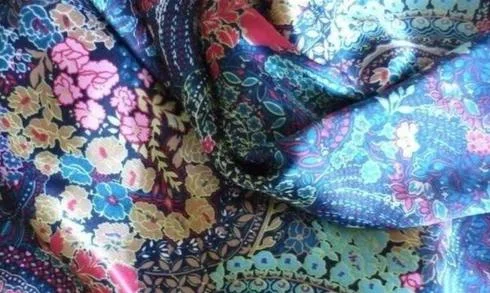
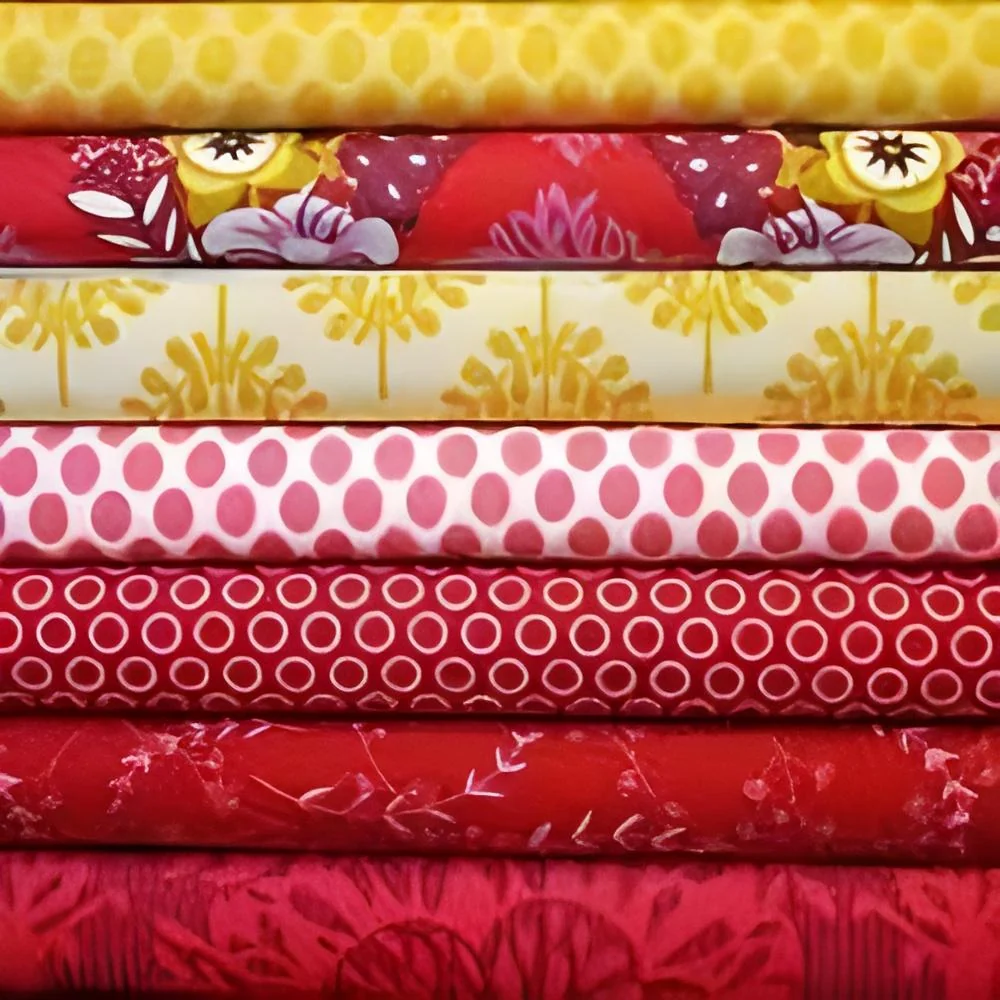
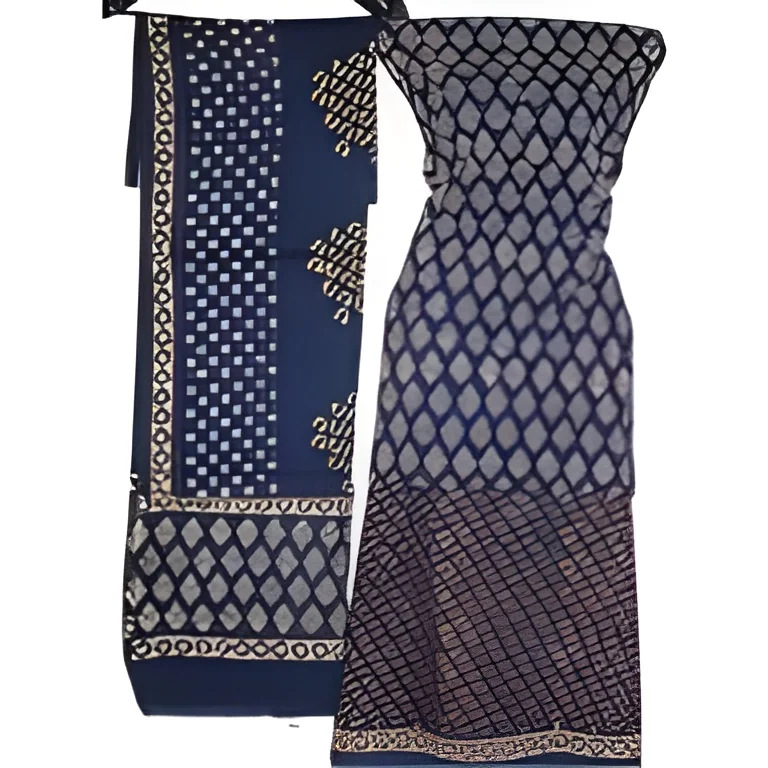
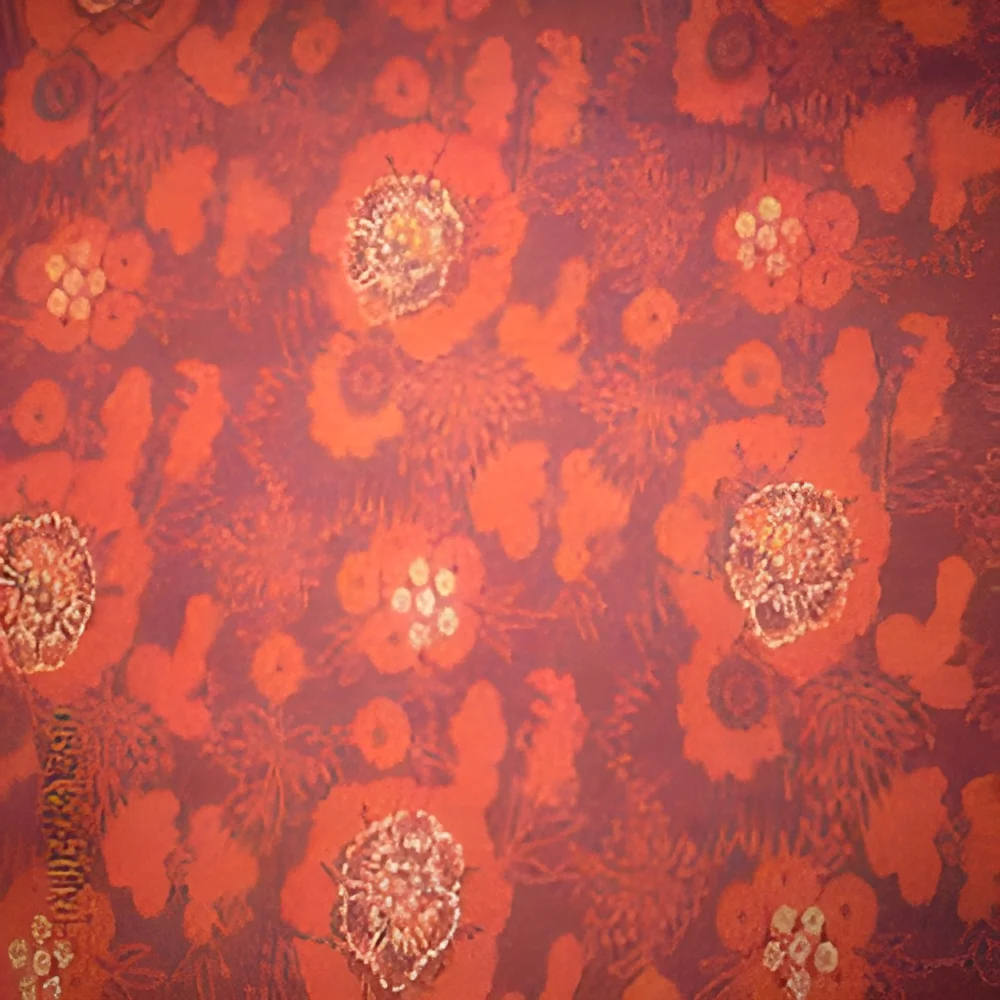
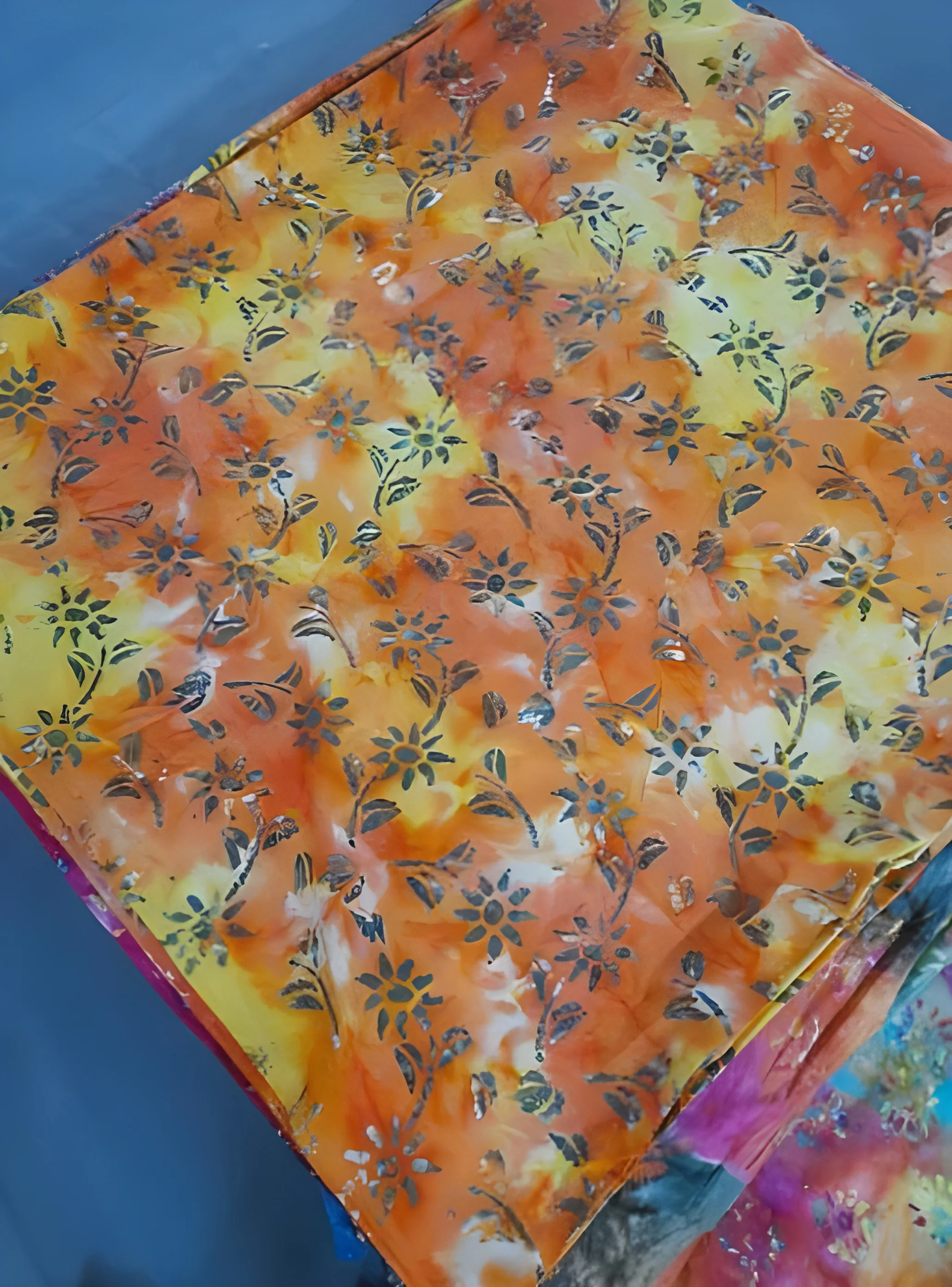
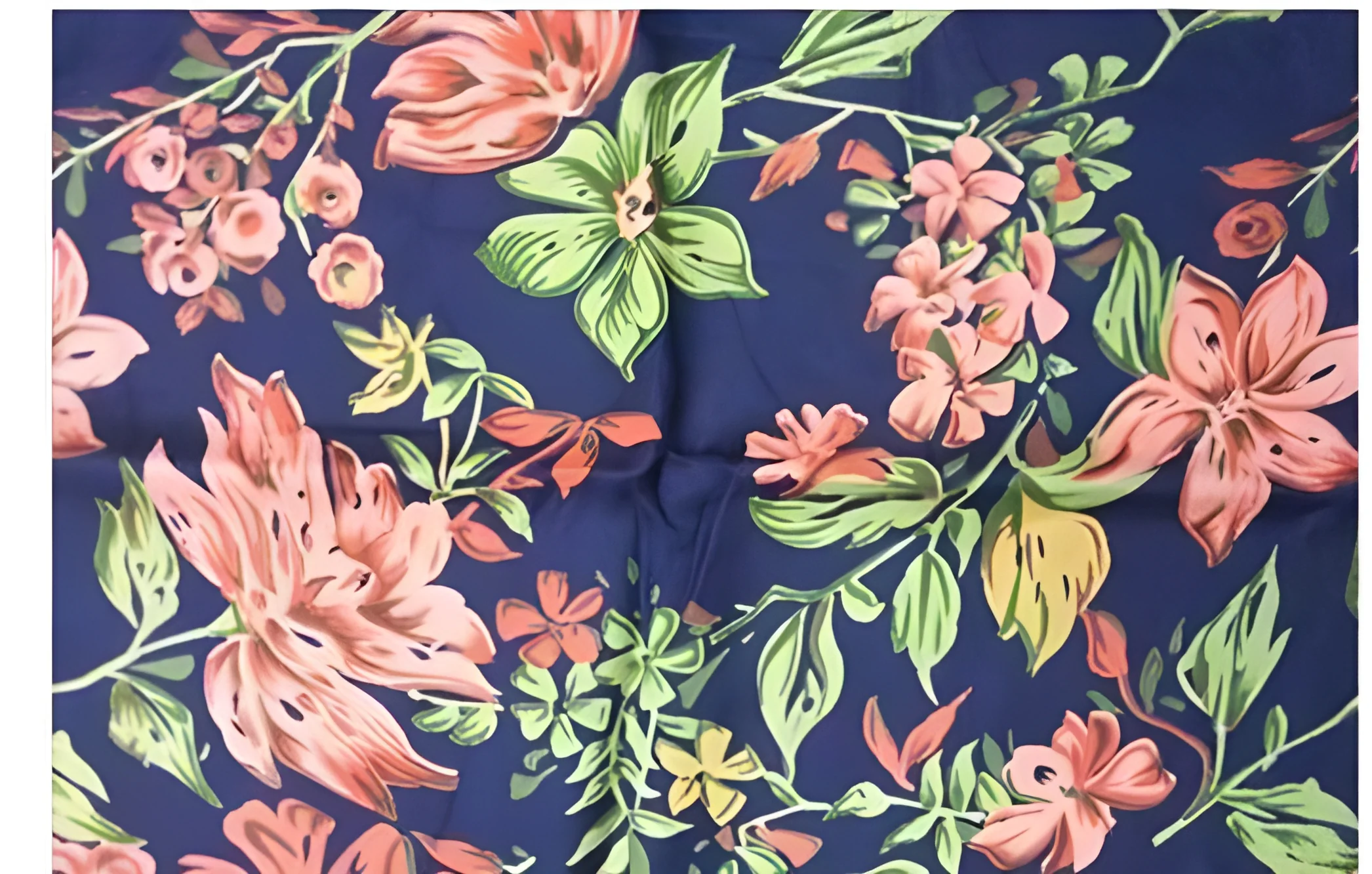
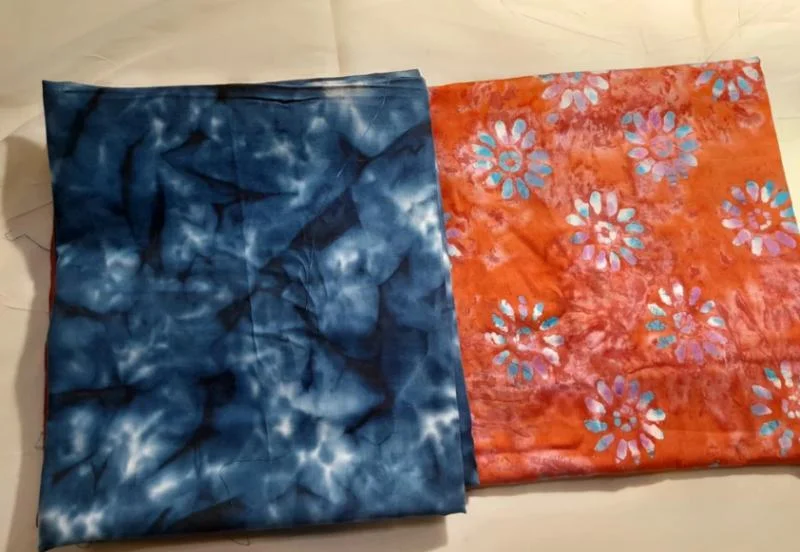
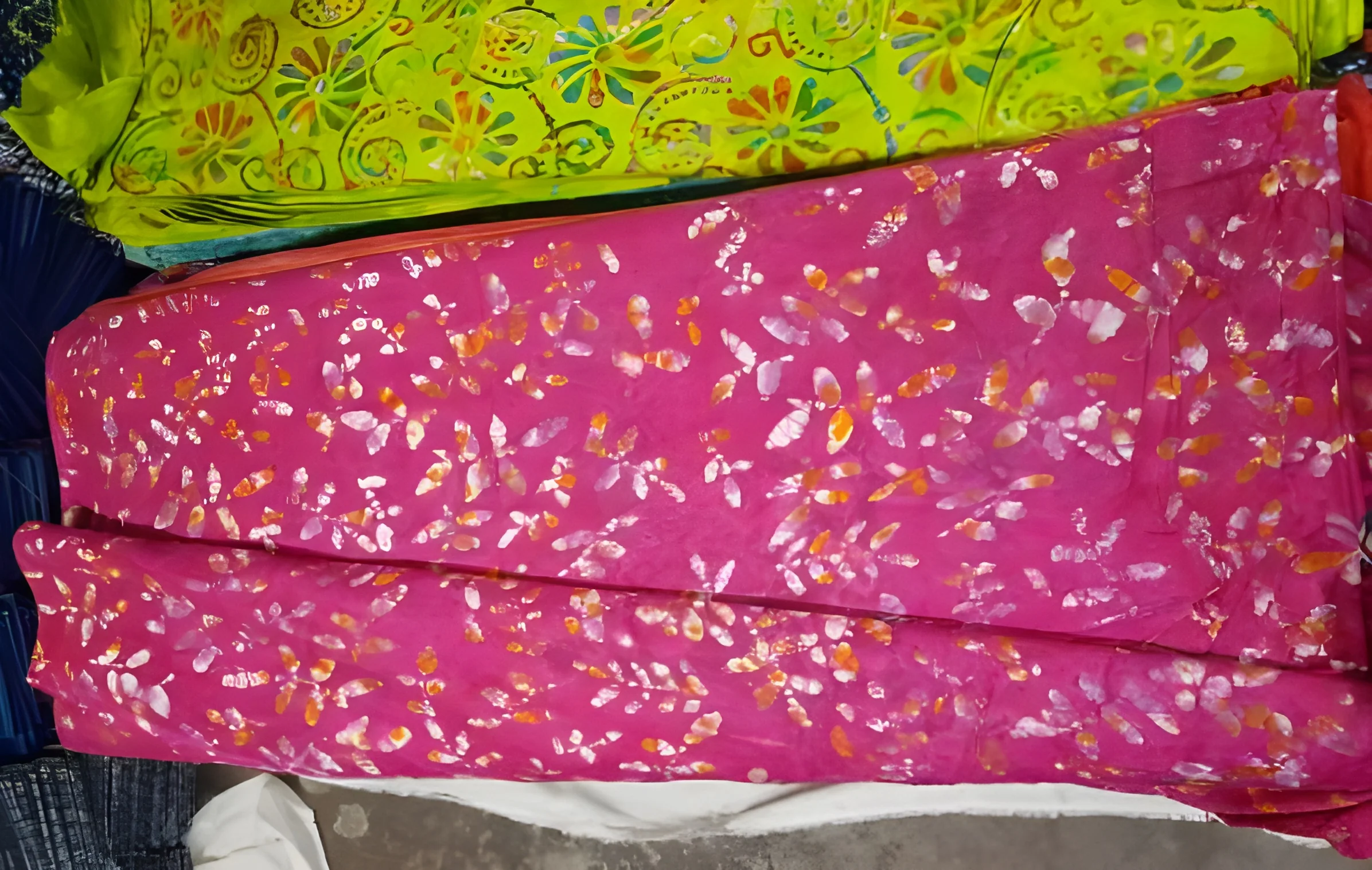
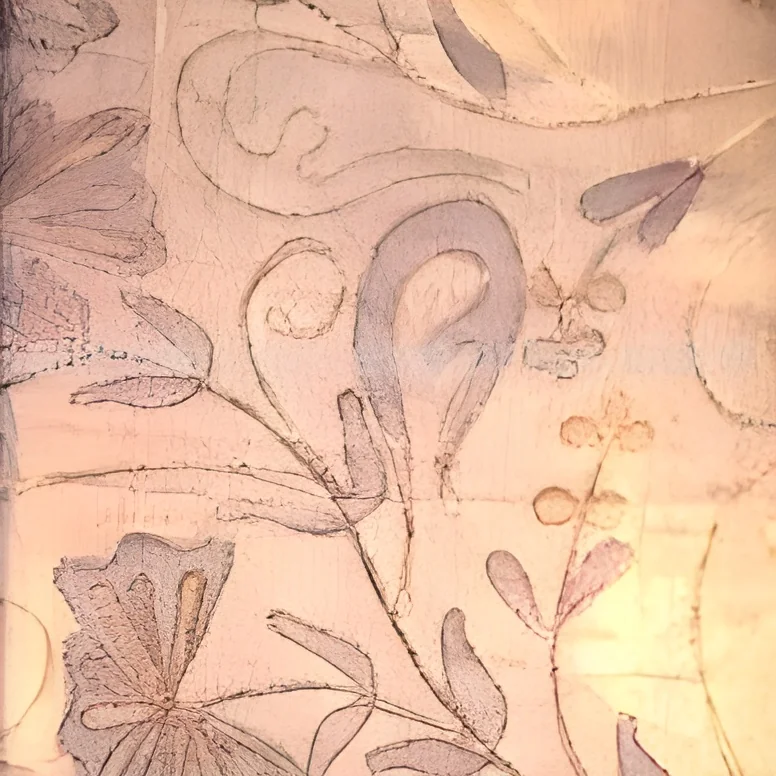
Dyed, Printed, and Embroidered Fabrics are essential materials in the textile industry, known for their vibrant colors and intricate designs. Dyed fabrics undergo a process where color is added to the base material to achieve a desired hue. Printed fabrics feature patterns and images applied to the surface, typically using various printing techniques. Embroidered fabrics incorporate decorative stitching to create designs, adding texture and depth to the fabric.
These fabrics are widely used across multiple sectors, including fashion, home textiles, upholstery, and promotional materials. Businesses in these industries rely on dyed, printed, and embroidered fabrics to enhance their product offerings, create brand identity, and meet consumer demands for unique and customized designs. The market for these textiles continues to grow as companies seek innovative solutions that cater to evolving aesthetic trends and functional requirements.
The relevance of dyed, printed, and embroidered fabrics is significant in today’s competitive landscape. As businesses aim to differentiate themselves, the demand for custom designs and high-quality textiles has surged. This has led to advancements in dyeing and printing technologies, further enhancing the versatility and application of these fabrics in various industries.
𝗞𝗲𝘆 𝗙𝗲𝗮𝘁𝘂𝗿𝗲𝘀 𝗮𝗻𝗱 𝗦𝗽𝗲𝗰𝗶𝗳𝗶𝗰𝗮𝘁𝗶𝗼𝗻𝘀
Dyed, Printed, and Embroidered Fabrics possess a range of features that make them suitable for diverse applications. Understanding these specifications is crucial for businesses looking to source the right materials.
Key specifications include:
1. Fabric Composition
- Common materials include cotton, polyester, silk, and blends.
- Performance characteristics can vary based on the fiber type.
2. Color Fastness
- Resistance to fading and discoloration over time.
- Typically measured against standards like ISO 105 for color fastness.
3. Print Durability
- Assessment of how well printed designs withstand washing and wear.
- Varies by printing method, such as digital, screen, or rotary.
4. Stitch Quality
- Evaluation of embroidery thread strength and stitch density.
- Affects both appearance and durability of embroidered designs.
5. Weight and Thickness
- Available in a range of weights suited for different applications.
- Measured in grams per square meter (GSM).
6. Texture and Finish
- Options for smooth, textured, or specialty finishes.
- Can influence the tactile experience and aesthetic appeal.
7. Environmental Compliance
- Adherence to eco-friendly standards and practices.
- Important for businesses focused on sustainability.
8. Customization Options
- Capability to create bespoke designs and patterns.
- Allows for unique branding and personalization.
In summary, the features and specifications of dyed, printed, and embroidered fabrics significantly influence their functionality and appeal. Businesses should consider these factors when selecting materials for their products.
𝗖𝗼𝗺𝗺𝗼𝗻 𝗔𝗽𝗽𝗹𝗶𝗰𝗮𝘁𝗶𝗼𝗻𝘀 𝗮𝗻𝗱 𝗨𝘀𝗲 𝗖𝗮𝘀𝗲𝘀
Dyed, Printed, and Embroidered Fabrics serve a broad range of industries, each utilizing these textiles to meet specific needs.
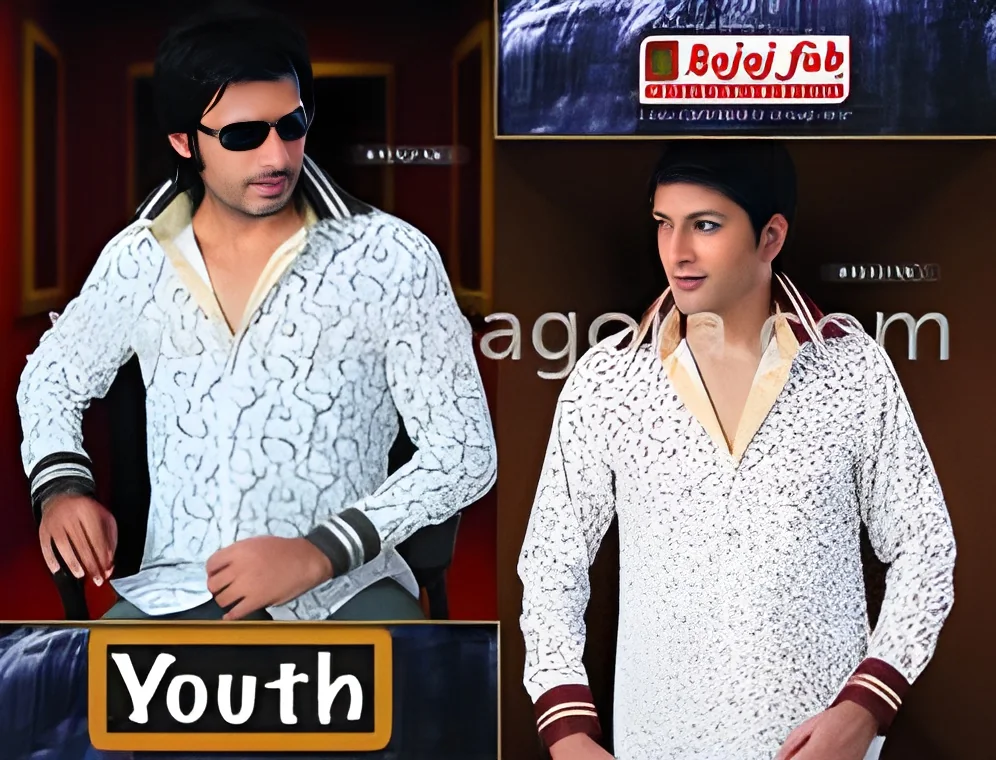
1. Fashion Industry: These fabrics are widely used in apparel design, allowing for unique patterns and colors that appeal to consumers. They enable designers to create distinctive collections that stand out in a crowded marketplace.
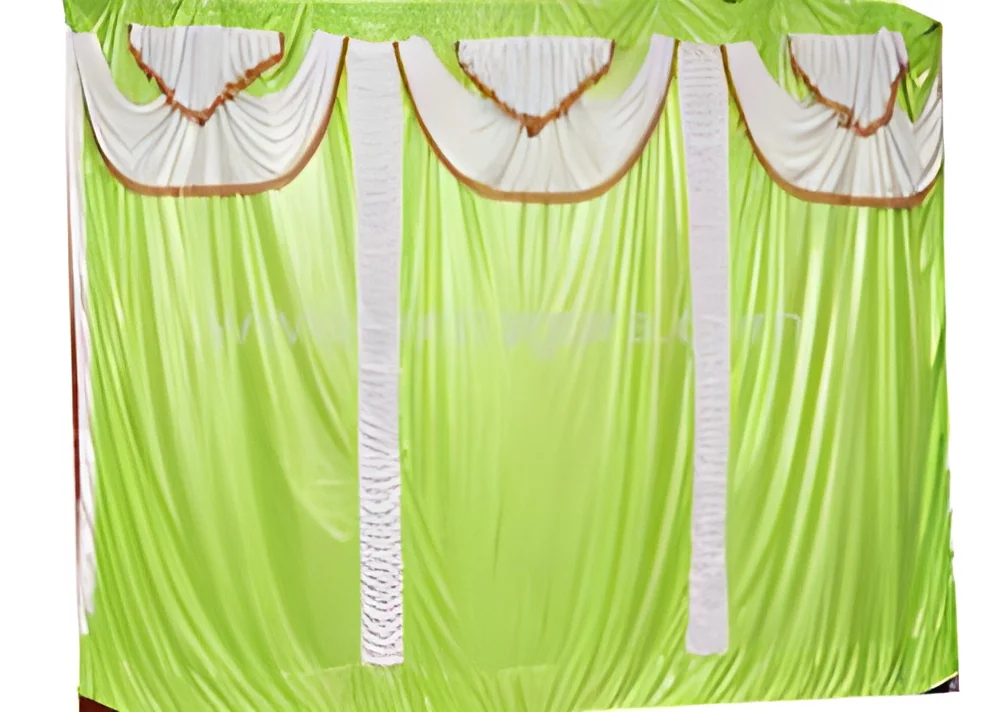
2. Home Textiles: Curtains, upholstery, and bedding often feature dyed or printed fabrics. Their vibrant designs enhance interior aesthetics while providing essential functional benefits.
3. Promotional Products: Businesses use embroidered fabrics for branded merchandise, such as caps and bags. This helps in creating a professional image and fostering brand recognition.
4. Sportswear: Performance fabrics are often dyed or printed with team logos and colors. This not only provides a stylish look but also enhances team spirit.
5. Healthcare: Specialty fabrics may be dyed or printed for uniforms and linens, ensuring compliance with hygiene standards while offering a professional appearance.
6. Automotive: Upholstery fabrics in vehicles frequently utilize printed designs for aesthetic appeal and personalization.
7. Education: Schools utilize printed fabrics for uniforms, banners, and flags, fostering community identity and pride.
𝗣𝗿𝗼𝗱𝘂𝗰𝘁 𝗩𝗮𝗿𝗶𝗮𝗻𝘁𝘀 𝗮𝗻𝗱 𝗦𝘂𝗯𝗰𝗮𝘁𝗲𝗴𝗼𝗿𝗶𝗲𝘀
Dyed, Printed, and Embroidered Fabrics come in various forms, catering to diverse consumer needs.
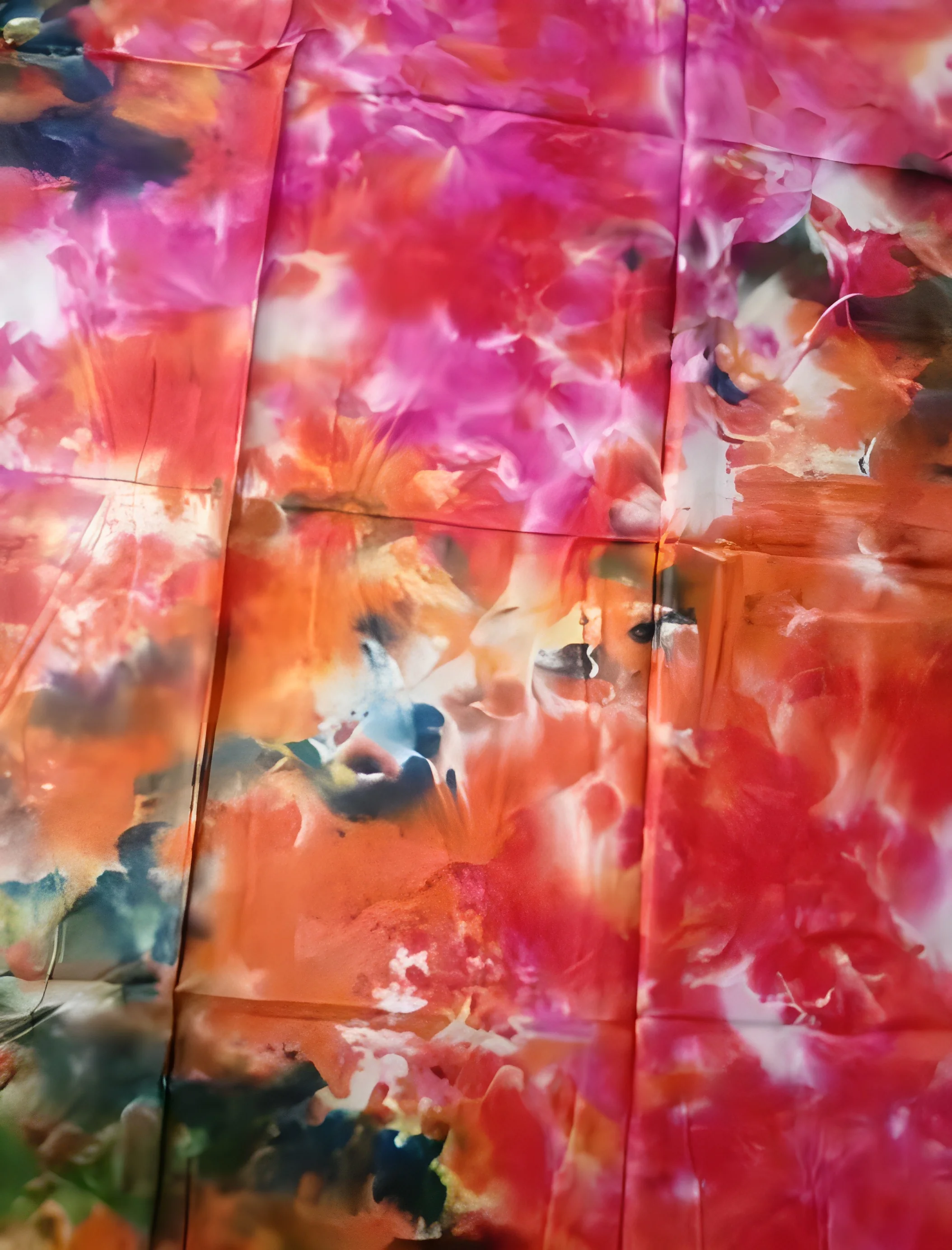
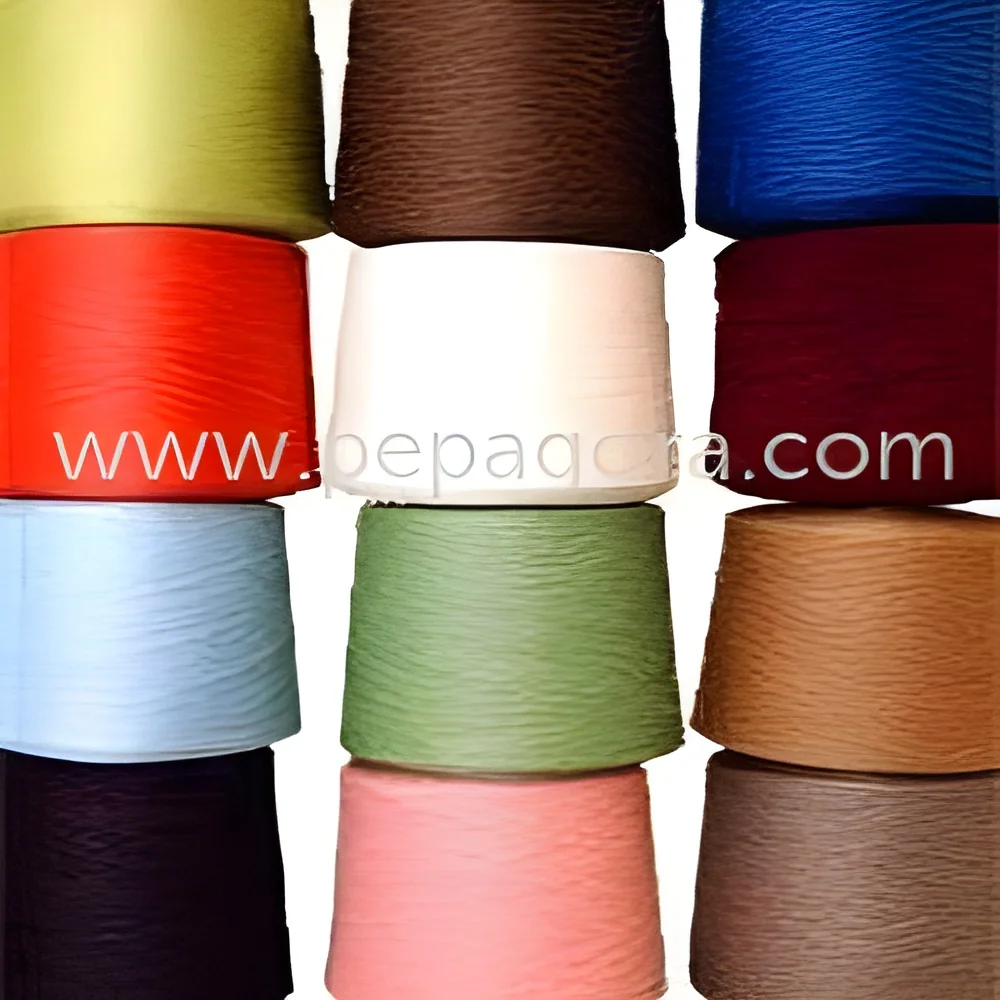
Dyed Fabrics
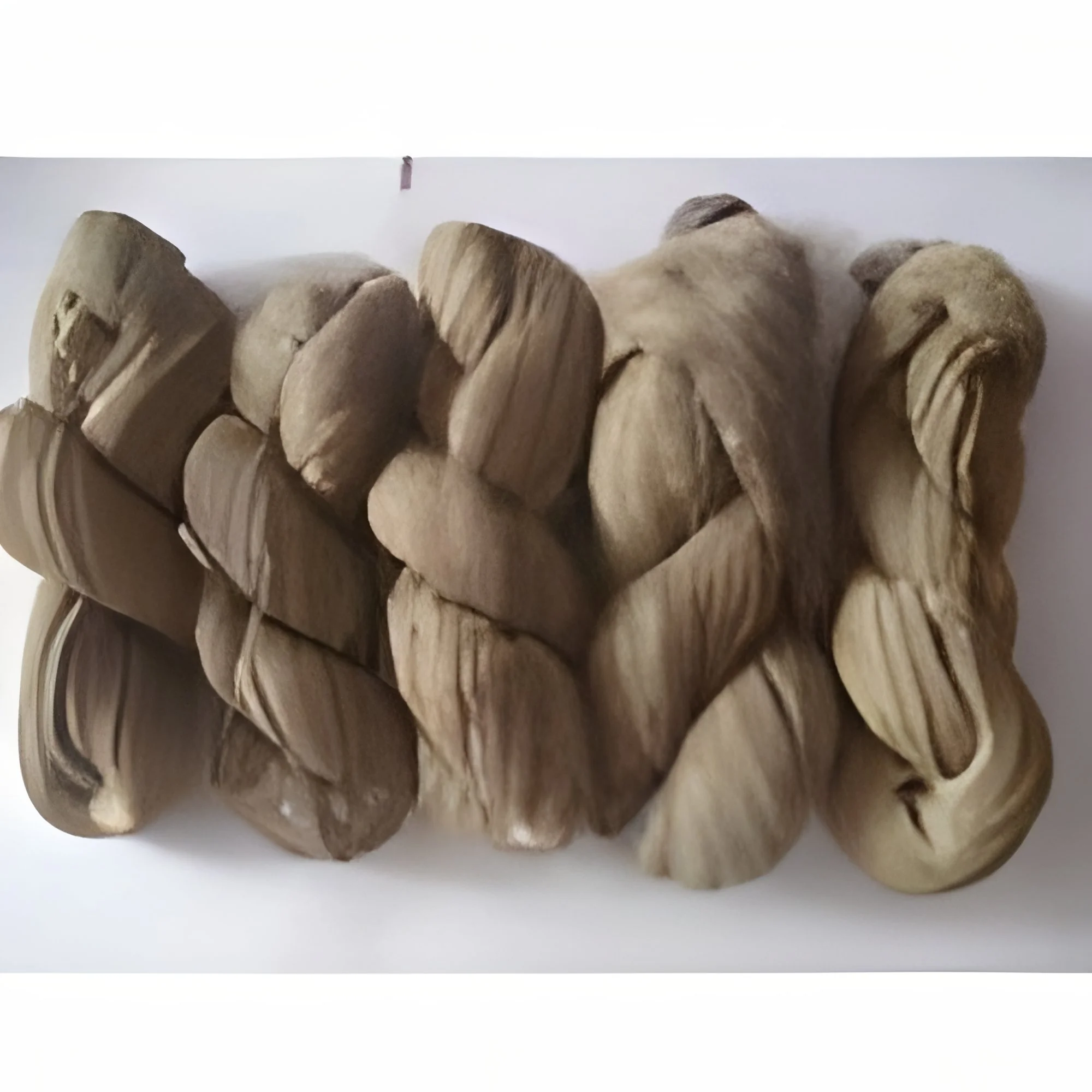
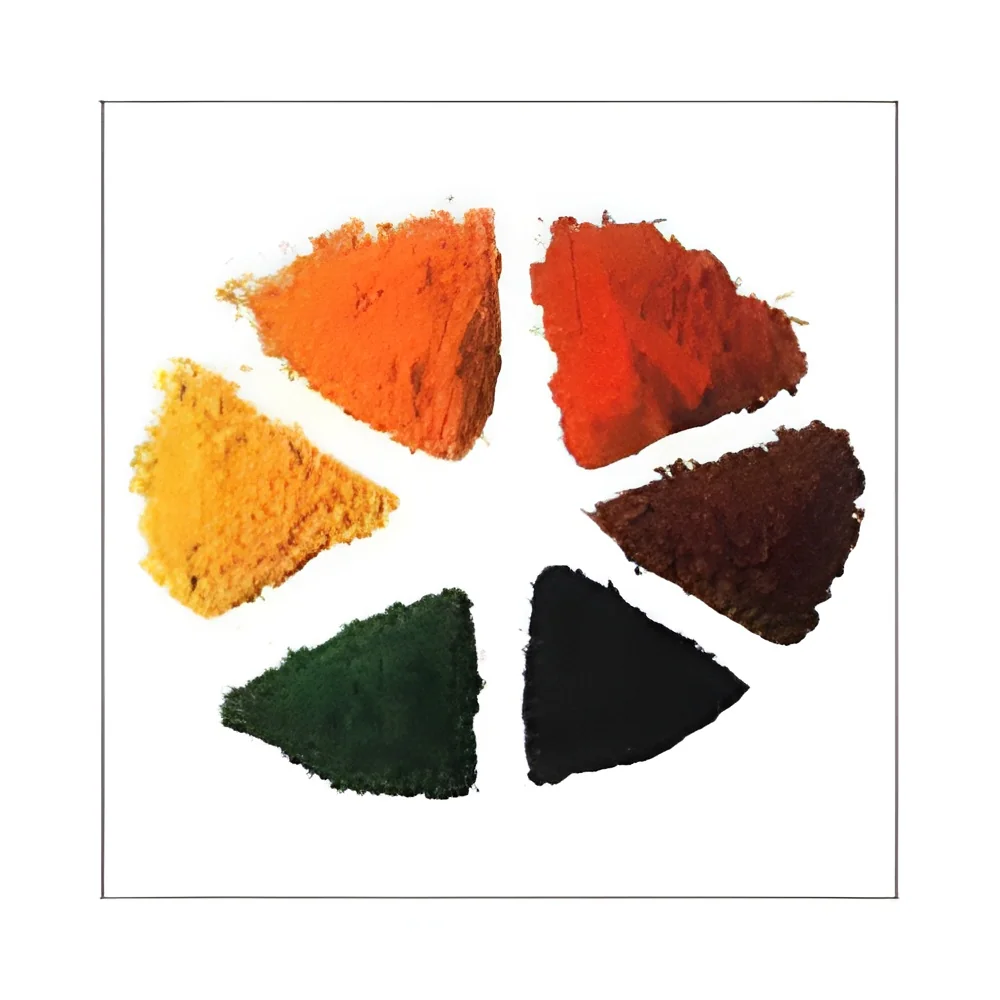
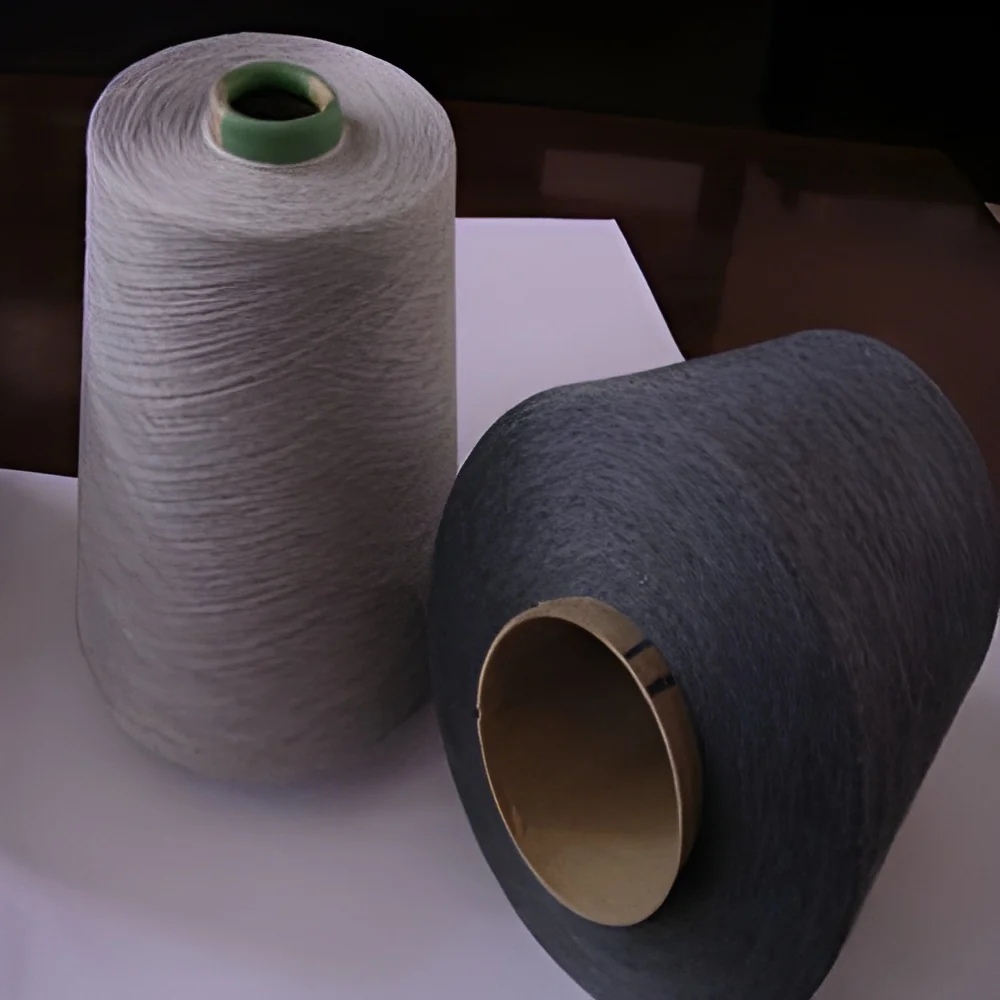
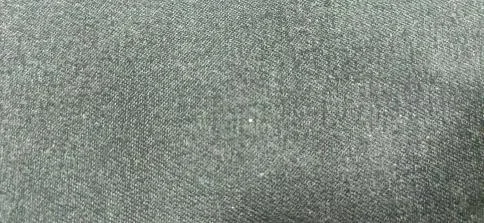
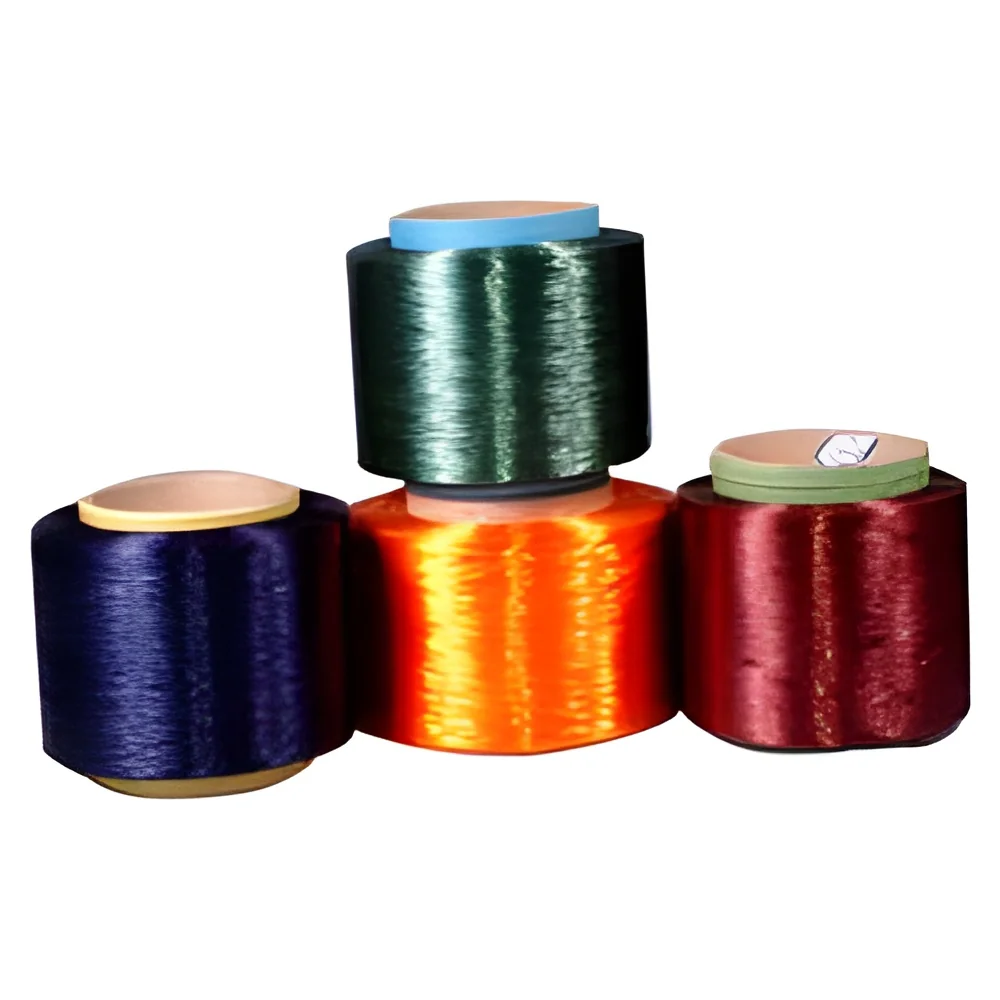
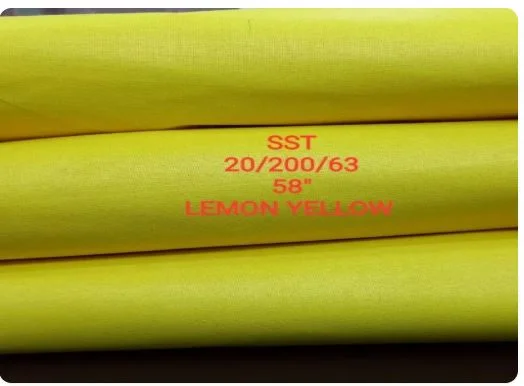
Dyed fabrics are available in a wide spectrum of colors and patterns. They are commonly used for garments, home textiles, and industrial applications. The dyeing process can be customized to achieve specific color shades and effects.
Printed Fabrics
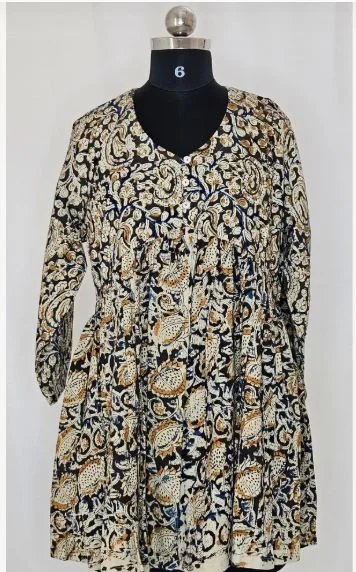
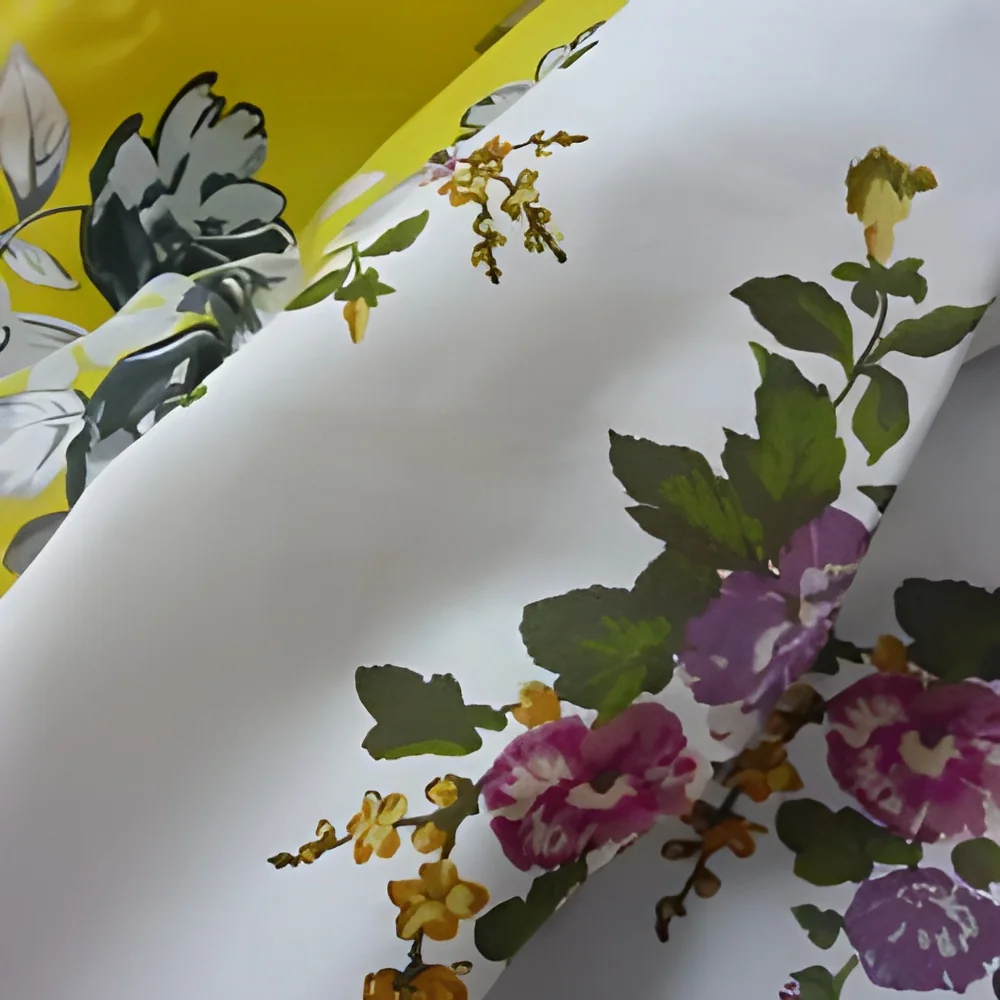
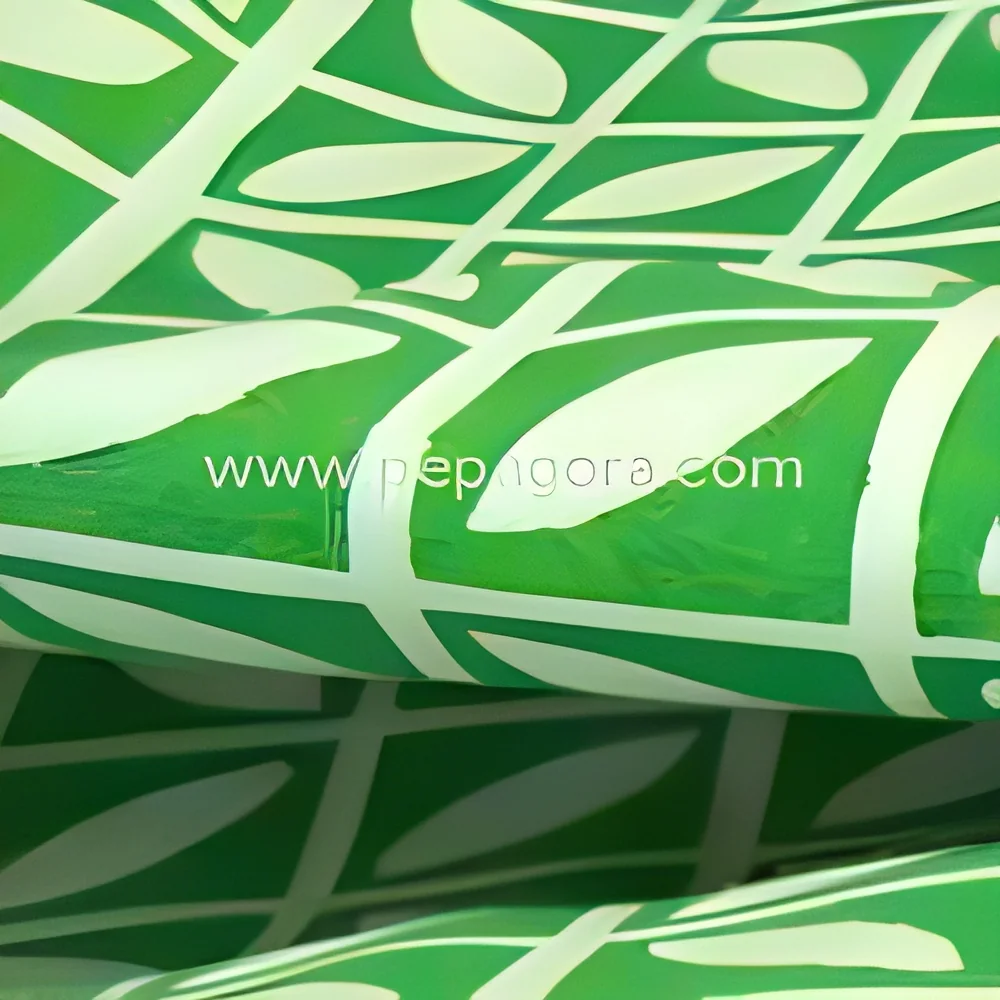
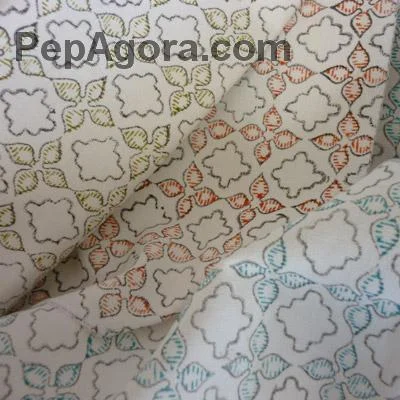
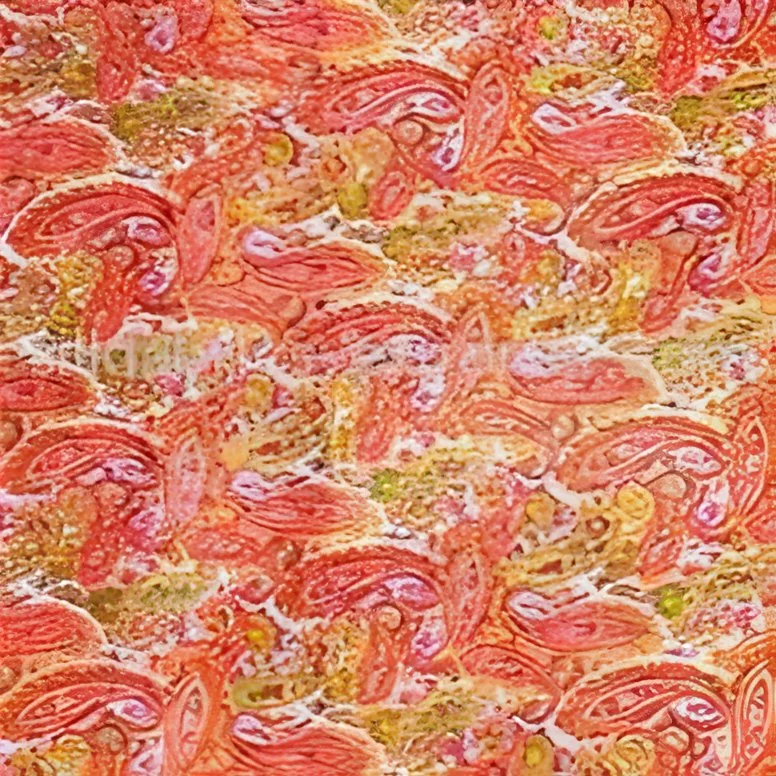
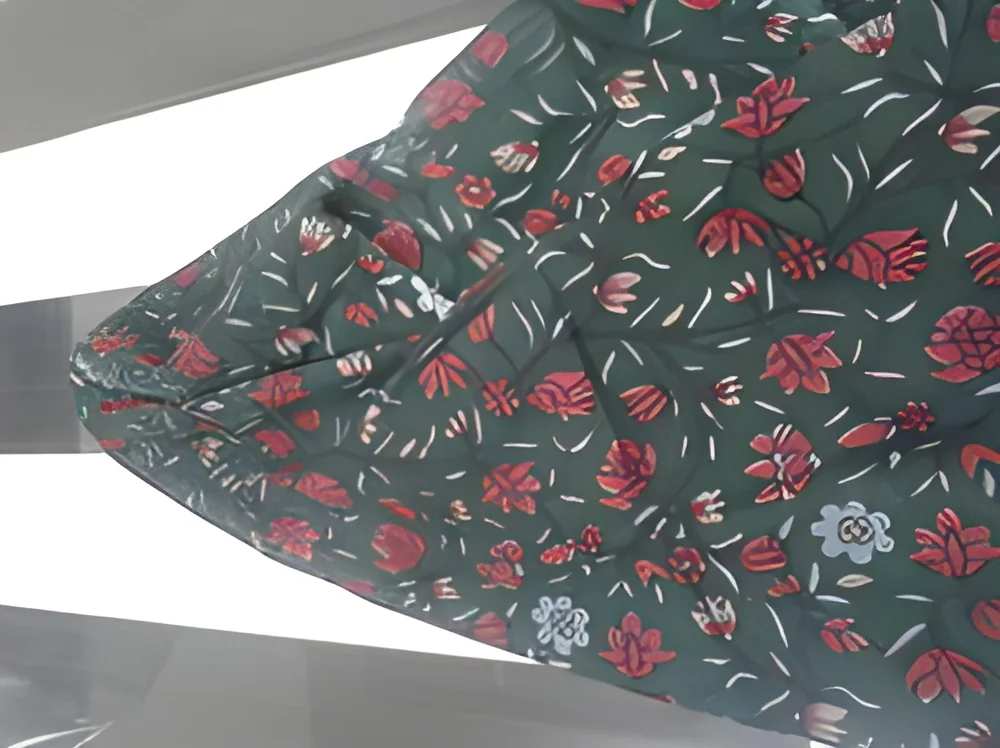
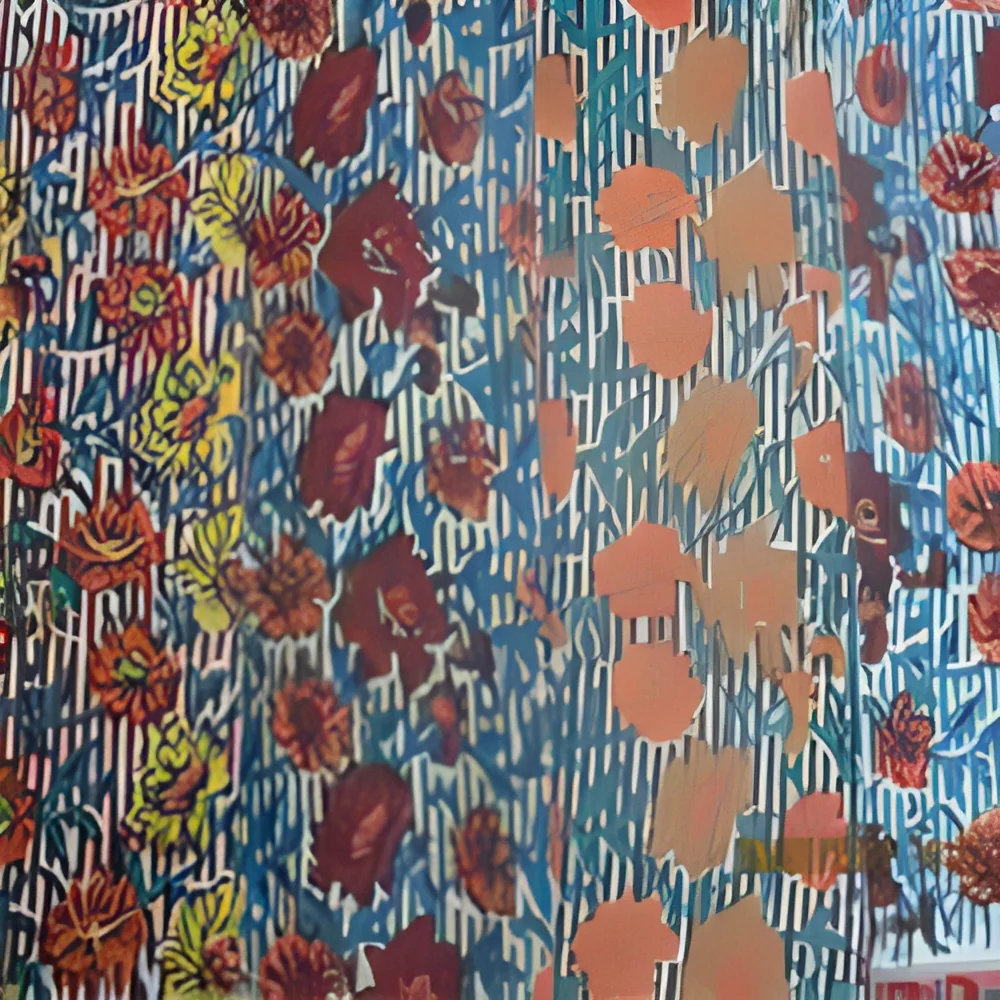
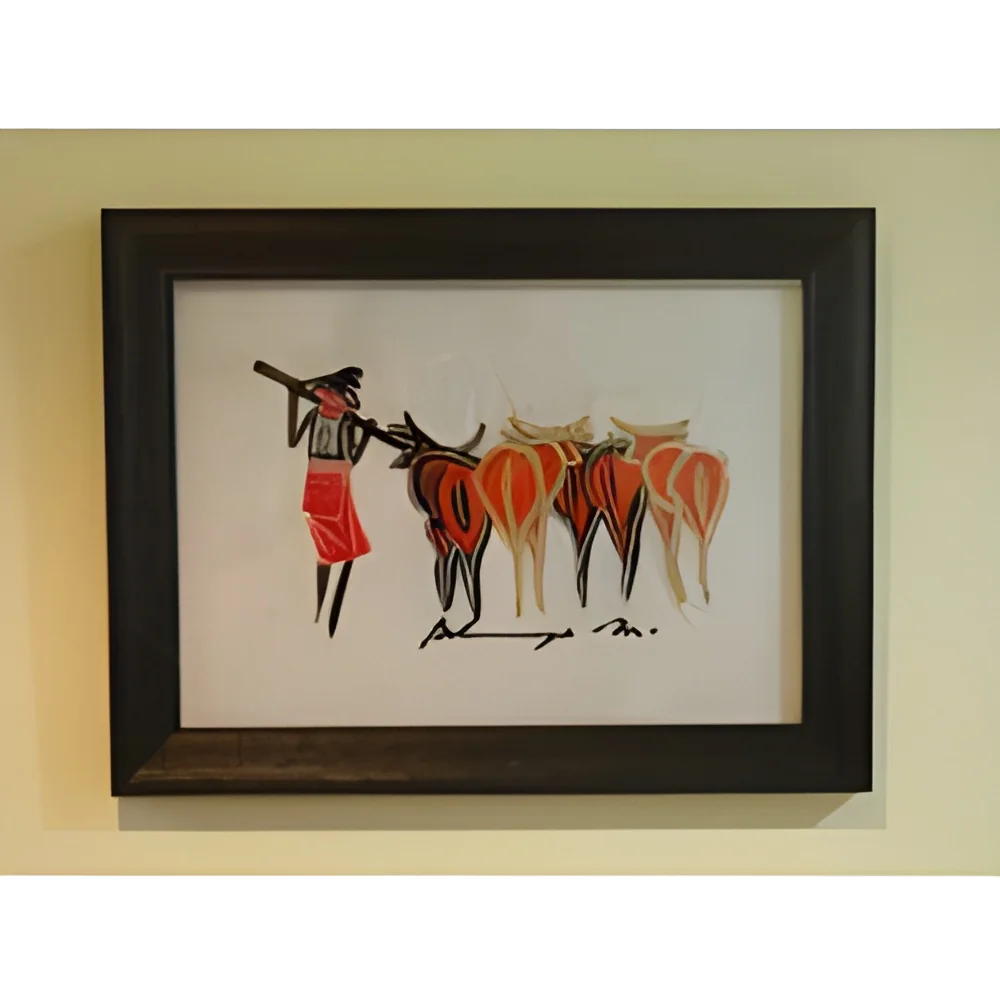
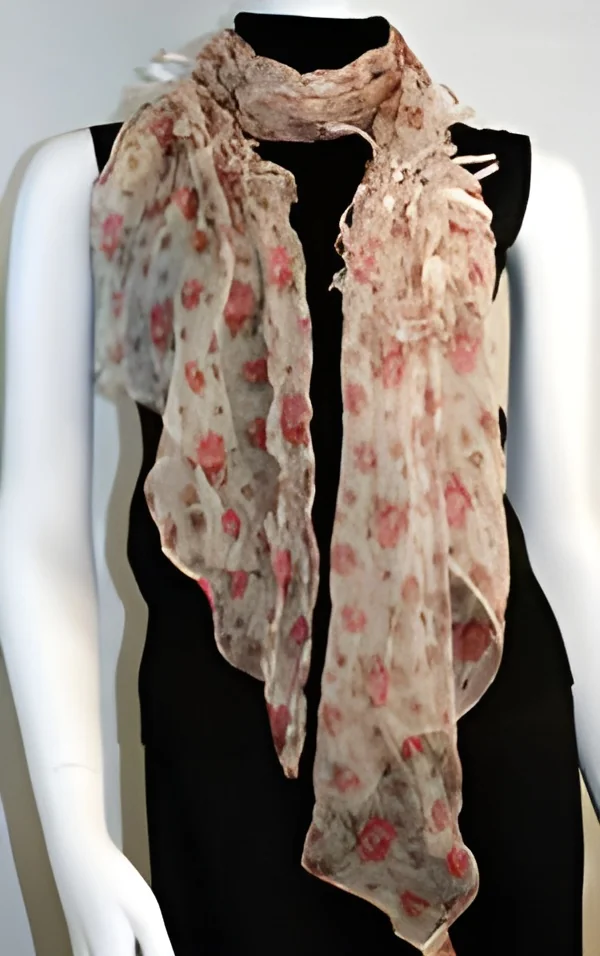
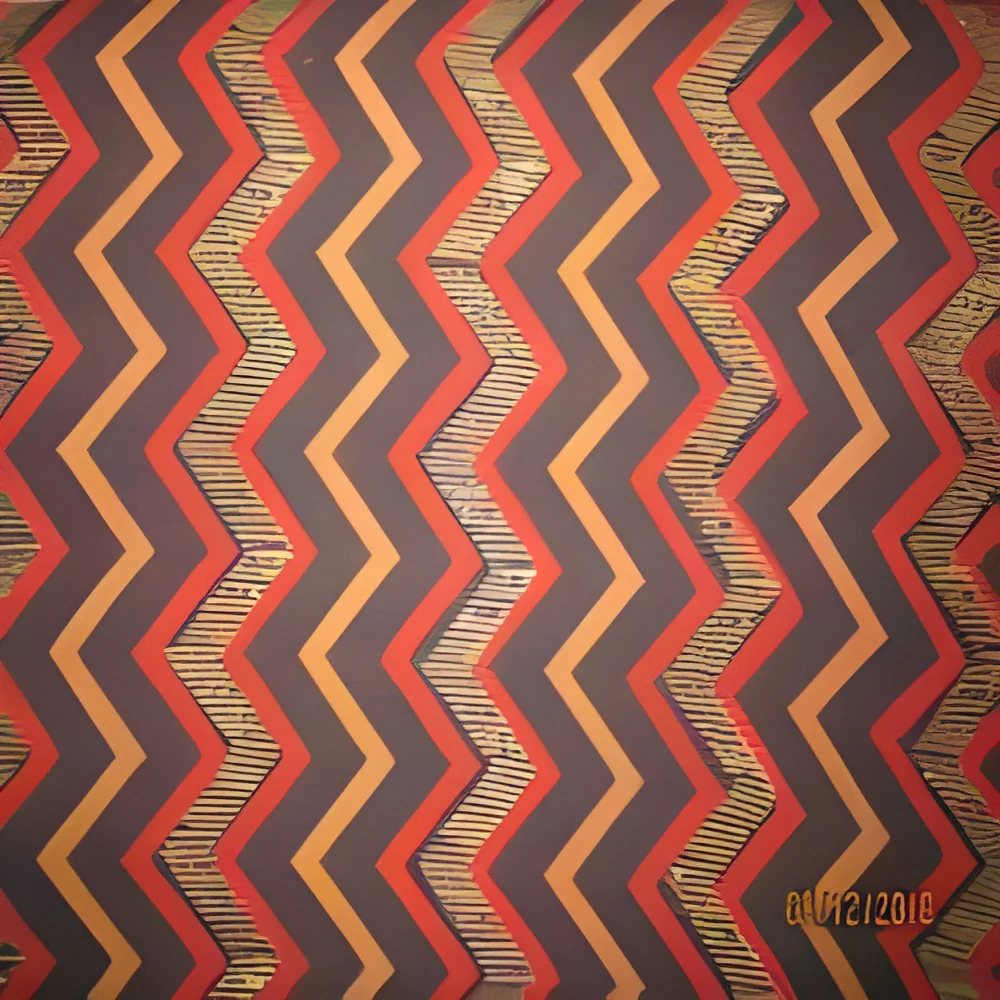
Printed fabrics feature various designs, from digital prints to traditional patterns. They are popular in fashion and home décor, offering endless opportunities for creativity. Businesses can utilize printed fabrics to create unique collections that resonate with their target audience.
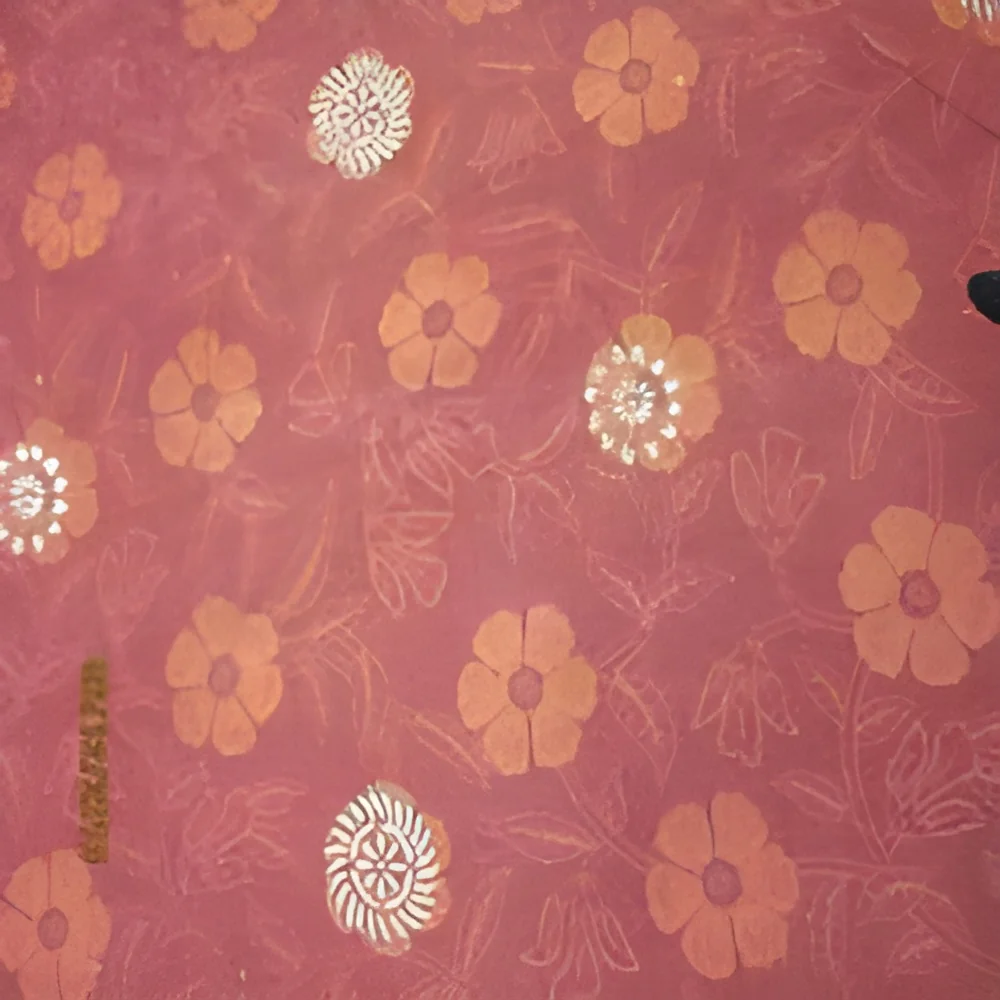
Embroidered Fabrics
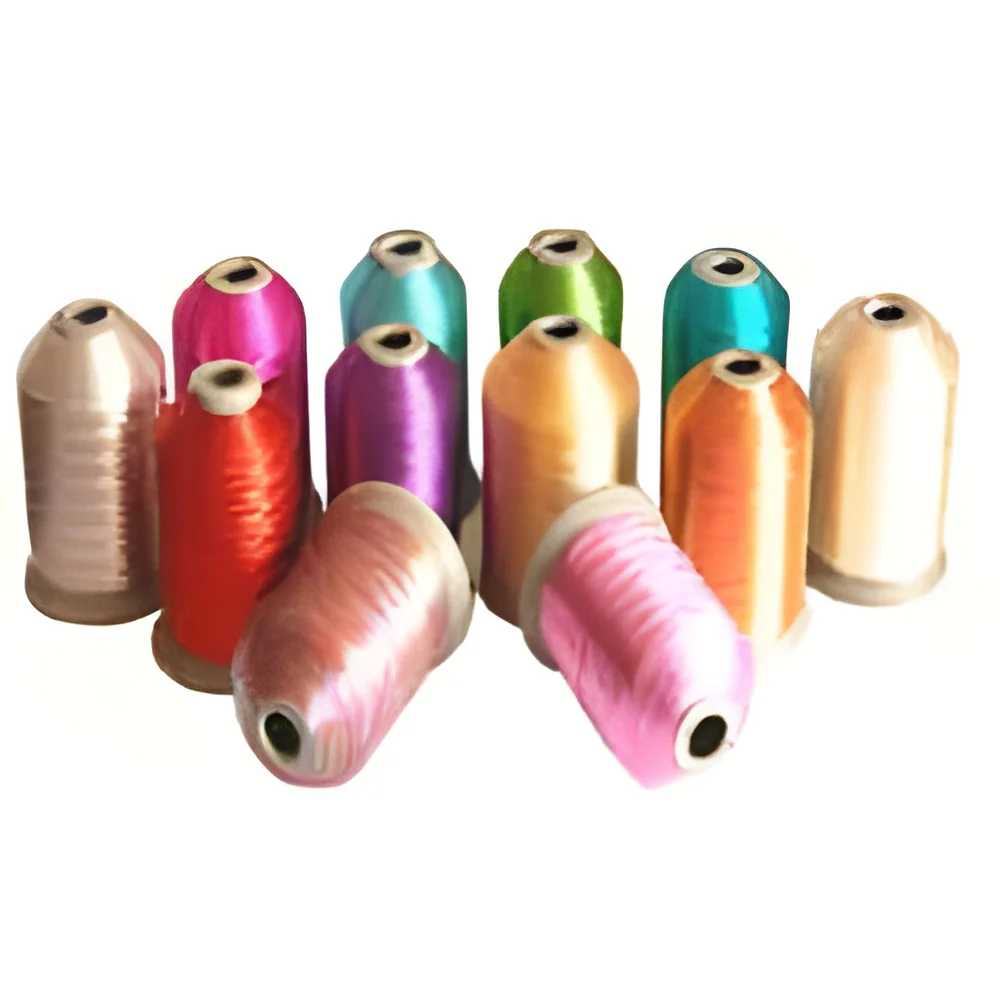
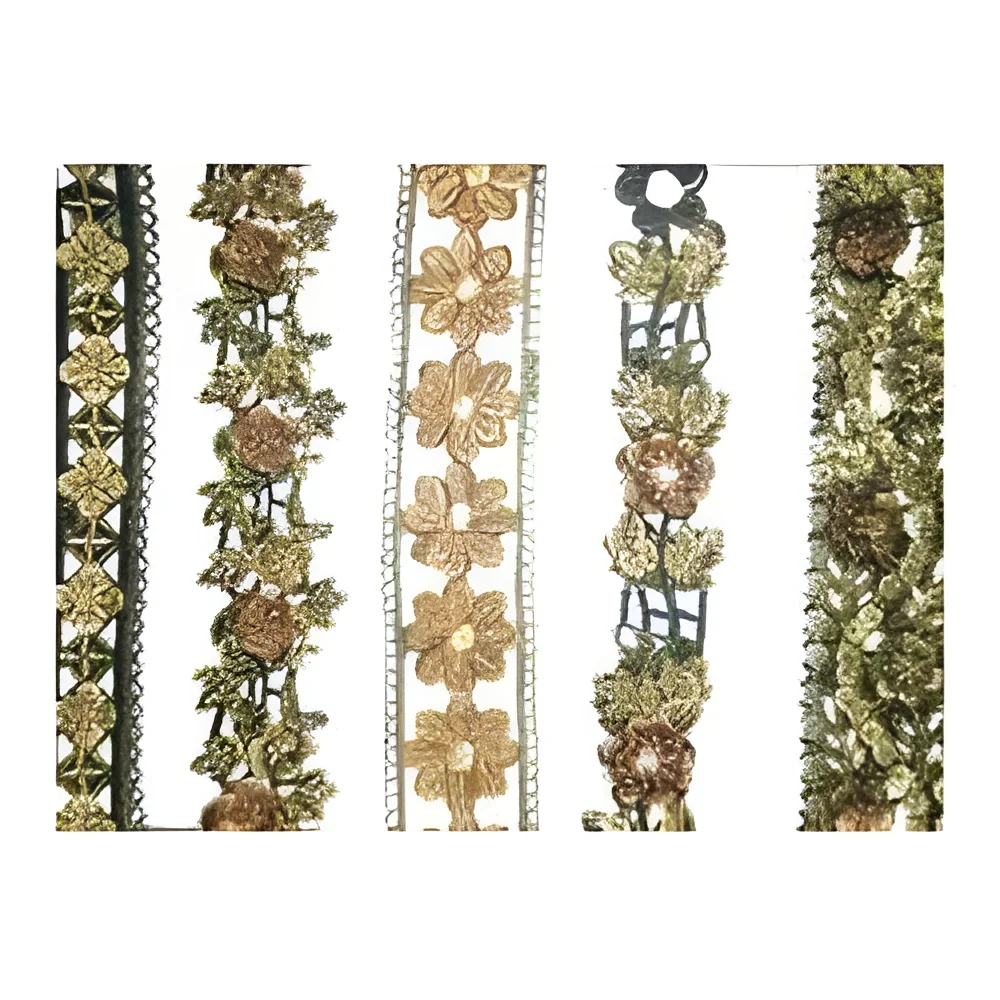
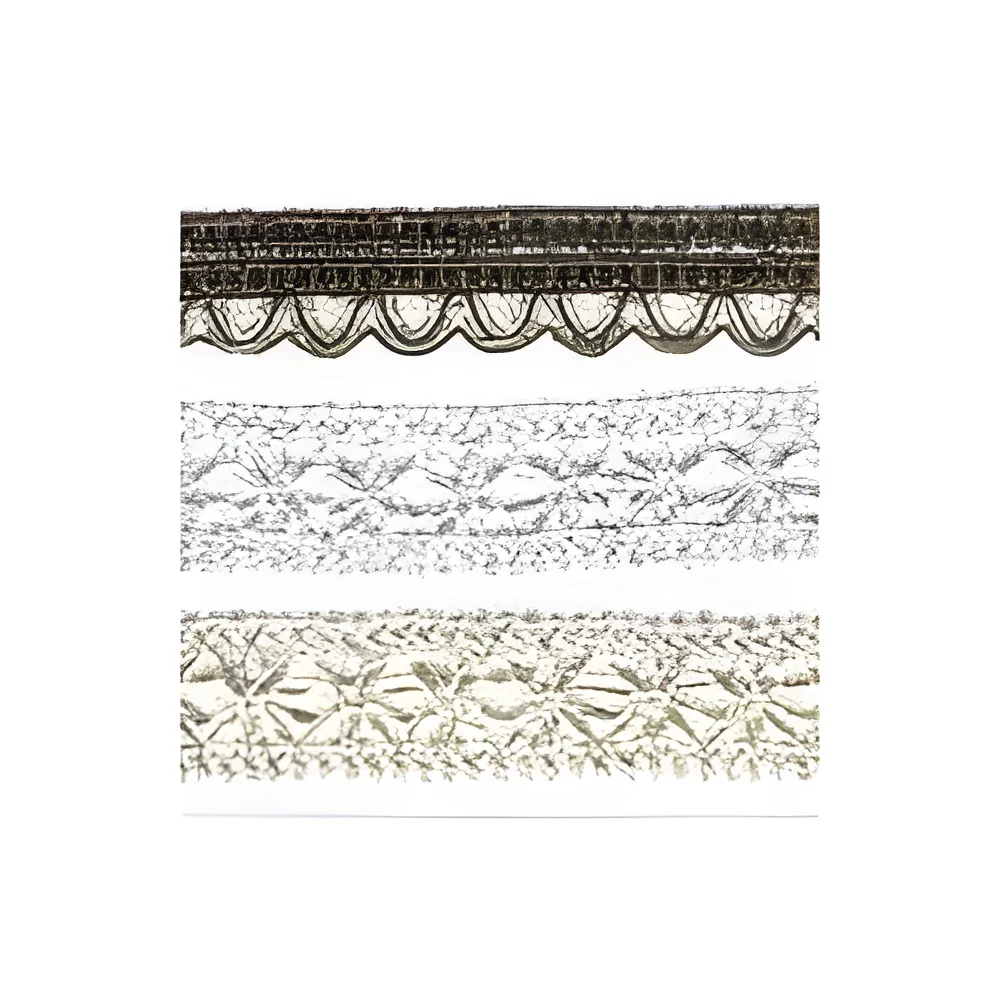
Embroidered fabrics add a touch of elegance and sophistication to products. They are often used in high-end fashion and home textiles. Custom embroidery options allow businesses to enhance their brand identity through personalized designs.
𝗕𝗲𝗻𝗲𝗳𝗶𝘁𝘀 𝗮𝗻𝗱 𝗔𝗱𝘃𝗮𝗻𝘁𝗮𝗴𝗲𝘀
Utilizing Dyed, Printed, and Embroidered Fabrics offers several advantages for businesses.
1. Aesthetic Appeal: These fabrics provide vibrant colors and intricate designs that attract consumer attention and enhance product offerings.
2. Customization: The ability to create unique patterns and designs allows businesses to differentiate themselves in a competitive market.
3. Versatility: Dyed, printed, and embroidered fabrics can be used across various applications, catering to different industries.
4. Durability: High-quality fabrics are designed to withstand wear and tear, ensuring longevity in their applications.
5. Branding Opportunities: Custom embroidery and printing facilitate effective branding, helping businesses establish a strong market presence.
6. Eco-friendly Options: Many manufacturers offer sustainable fabrics that align with environmentally conscious consumer preferences.
𝗕𝘂𝘆𝗶𝗻𝗴 𝗚𝘂𝗶𝗱𝗲 𝗳𝗼𝗿 𝗕𝟮𝗕 𝗕𝘂𝘆𝗲𝗿𝘀
When sourcing Dyed, Printed, and Embroidered Fabrics, it is essential to consider various factors to ensure the right selection.
1. Quality Assessment: Evaluate the fabric's quality by reviewing samples and understanding the manufacturing processes. Look for certifications that indicate adherence to industry standards.
2. Supplier Verification: Vet potential suppliers to ensure they meet your quality and reliability standards. Check for reviews, certifications, and previous client testimonials.
3. Pricing and MOQ: Understand the pricing structure and minimum order quantities. Compare costs among suppliers while considering the quality of materials provided.
4. Delivery and Lead Times: Discuss logistics with suppliers to ensure timely delivery of materials. Confirm lead times to align with your production schedules.
5. Compliance Requirements: Stay informed about any regulatory standards that your fabrics must meet, particularly for specific industries like healthcare or food service.
𝗖𝗼𝗺𝗽𝗹𝗶𝗮𝗻𝗰𝗲 𝗮𝗻𝗱 𝗖𝗲𝗿𝘁𝗶𝗳𝗶𝗰𝗮𝘁𝗶𝗼𝗻𝘀
Compliance and certifications are crucial in the textile industry, particularly for Dyed, Printed, and Embroidered Fabrics. Adhering to relevant quality standards ensures that products meet market expectations and regulatory requirements.
ISO 9001 is a widely recognized standard that emphasizes quality management systems. This certification assures buyers that manufacturers implement effective processes, leading to consistent product quality.
HACCP (Hazard Analysis Critical Control Point) is essential for industries that require strict safety measures, especially in food service and healthcare. Compliance with HACCP ensures that the fabrics do not pose any health risks.
Additionally, CE marking indicates that products meet European safety standards, enhancing their acceptance in international markets. Manufacturers must also consider regional compliance, as different countries may have specific regulations regarding textile production and use.
𝗪𝗵𝘆 𝗦𝗼𝘂𝗿𝗰𝗲 𝗗𝘆𝗲𝗱, 𝗣𝗿𝗶𝗻𝘁𝗲𝗱 & 𝗘𝗺𝗯𝗿𝗼𝗶𝗱𝗲𝗿𝗲𝗱 𝗙𝗮𝗯𝗿𝗶𝗰𝘀 𝗳𝗿𝗼𝗺 𝗣𝗲𝗽𝗮𝗴𝗼𝗿𝗮?
Pepagora provides a trusted platform for sourcing Dyed, Printed, and Embroidered Fabrics, offering several key advantages to businesses.
Verified Supplier Network: Pepagora connects buyers with a network of verified suppliers, ensuring that all listed manufacturers meet stringent quality standards. This verification process helps businesses find reliable partners for their fabric needs.
Streamlined RFQ Process: The platform offers a user-friendly request for quotation (RFQ) system, simplifying the process of obtaining quotes from multiple suppliers. This efficiency saves time and allows buyers to compare options easily.
Trade Assurance and Support: With trade assurance programs, Pepagora provides buyers with protection against risks associated with transactions. This support fosters confidence in sourcing decisions.
Regional Coverage: Pepagora extends its reach across India, the GCC, and Southeast Asia, making it easier for businesses to find suitable suppliers in these regions. This geographic diversity enhances sourcing options and fosters competitive pricing.

 IN
IN