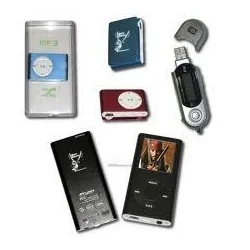
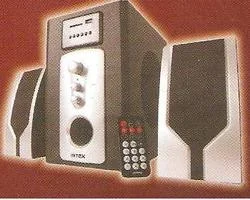
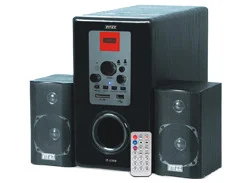
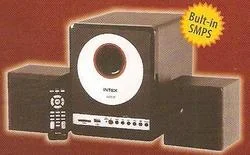
𝗪𝗵𝗮𝘁 𝗮𝗿𝗲 𝗖𝗼𝗻𝘀𝘂𝗺𝗲𝗿 𝗘𝗹𝗲𝗰𝘁𝗿𝗼𝗻𝗶𝗰𝘀?
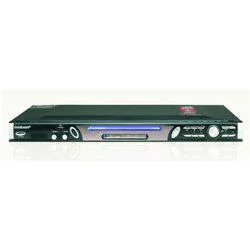
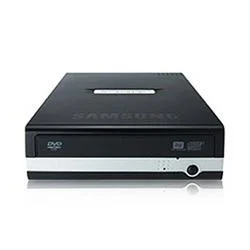
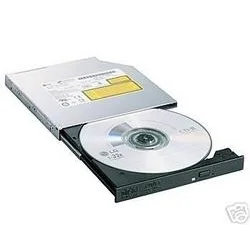
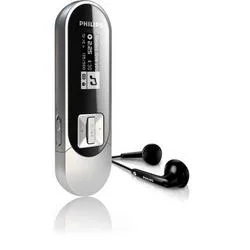
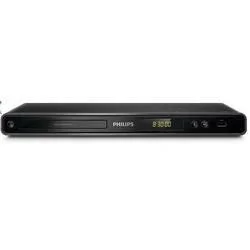
Consumer electronics refer to a wide range of electronic devices designed for everyday use by individuals. These products typically include items such as smartphones, tablets, televisions, audio systems, and home appliances. They are characterized by their user-friendly interface, portability, and ability to enhance personal convenience and entertainment. Consumer electronics have become integral to modern life, fueling demand across various sectors.
In a business context, consumer electronics serve multiple applications, including communication, entertainment, and home automation. Companies leverage these devices for marketing, customer engagement, and operational efficiency. The rise of smart devices has also transformed consumer interactions, enabling businesses to collect data and analyze consumer behavior effectively. As technology continues to evolve, the consumer electronics industry remains a key driver of innovation and market growth.
The consumer electronics industry is highly competitive, with numerous players vying for market share. Factors such as technological advancements, consumer preferences, and pricing strategies significantly influence the market landscape. As a result, companies are constantly innovating to meet the changing demands of consumers while adhering to various regulatory standards.
𝗞𝗲𝘆 𝗙𝗲𝗮𝘁𝘂𝗿𝗲𝘀 𝗮𝗻𝗱 𝗦𝗽𝗲𝗰𝗶𝗳𝗶𝗰𝗮𝘁𝗶𝗼𝗻𝘀
Consumer electronics are defined by a range of features and specifications that enhance their performance and usability. Understanding these specifications is crucial for B2B buyers looking to make informed purchases.
Key specifications include:
1. Display Quality
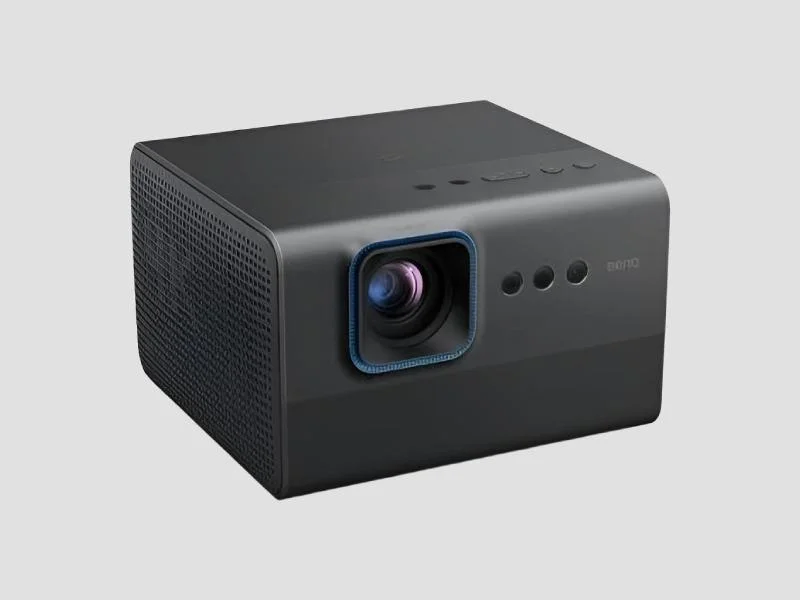
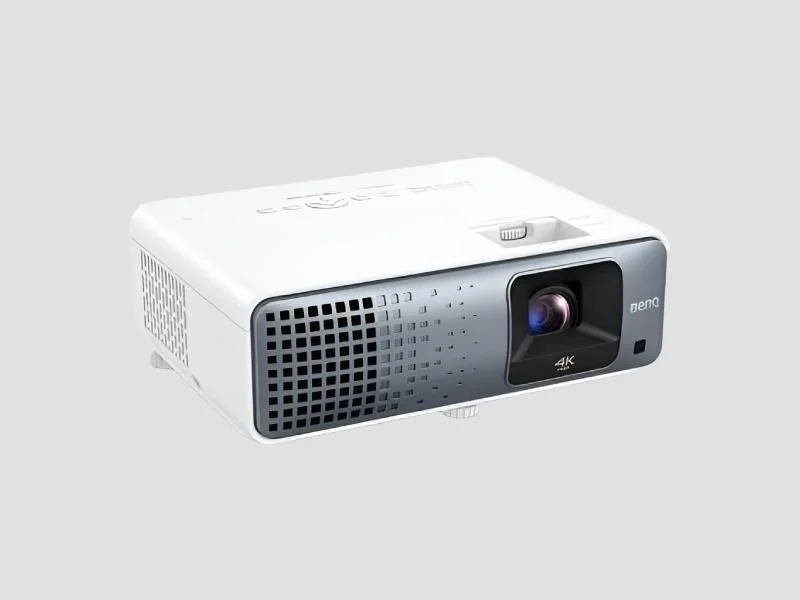
- High-definition and 4K resolution options available
- Brightness levels ranging from 250 to 1000 nits
2. Audio Performance
- Stereo and surround sound capabilities
- Frequency response ranges between 20 Hz to 20 kHz
3. Connectivity Options
- Support for Wi-Fi, Bluetooth, and NFC
- Multiple USB ports and HDMI inputs
4. Battery Life
- Average battery life ranging from 8 to 24 hours
- Fast charging capabilities for quick power-ups
5. Operating Systems
- Compatibility with Android, iOS, and proprietary systems
- User-friendly interfaces for smooth navigation
6. Size and Weight
- Varying sizes from compact handheld devices to larger screens
- Weights typically ranging from 0.5 kg to 10 kg
7. Smart Features
- Integration with voice assistants like Alexa and Google Assistant
- Remote control and app-based functionality
8. Warranty and Support
- Standard warranty periods ranging from 1 to 3 years
- Availability of customer support and service options
In summary, understanding the key features and specifications of consumer electronics can help businesses make educated purchasing decisions that align with their operational needs.
𝗖𝗼𝗺𝗺𝗼𝗻 𝗔𝗽𝗽𝗹𝗶𝗰𝗮𝘁𝗶𝗼𝗻𝘀 𝗮𝗻𝗱 𝗨𝘀𝗲 𝗖𝗮𝘀𝗲𝘀
Consumer electronics have broad applications across various industries.
1. Retail: Businesses use consumer electronics for point-of-sale systems, enhancing customer experience, and managing inventory.
2. Education: Schools and universities utilize tablets and smartboards to facilitate interactive learning and online education.
3. Healthcare: Devices such as wearable monitors and telehealth systems support patient care and remote monitoring.
4. Hospitality: Hotels implement smart TVs and automation systems to improve guest satisfaction and operational efficiency.
5. Manufacturing: Consumer electronics assist in the automation of processes, data collection, and real-time monitoring.
6. Entertainment: Streaming devices and gaming consoles provide entertainment solutions for consumers and businesses alike.
7. Security: Smart cameras and alarm systems enhance security measures for both residential and commercial properties.
𝗣𝗿𝗼𝗱𝘂𝗰𝘁 𝗩𝗮𝗿𝗶𝗮𝗻𝘁𝘀 𝗮𝗻𝗱 𝗦𝘂𝗯𝗰𝗮𝘁𝗲𝗴𝗼𝗿𝗶𝗲𝘀
Consumer electronics encompass a diverse range of products, each designed to meet specific needs.
Smartphones: These devices combine communication, multimedia, and internet features, making them indispensable for both personal and business use.
Tablets: Portable and versatile, tablets are used for reading, browsing, and productivity, offering a balance between laptops and smartphones.
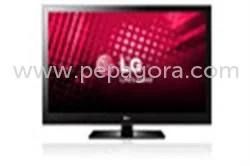
Smart TVs: Equipped with internet connectivity, smart TVs allow users to stream content, browse the web, and interact with applications.
Wearable Devices: This category includes fitness trackers and smartwatches, enabling users to monitor health metrics and stay connected on the go.
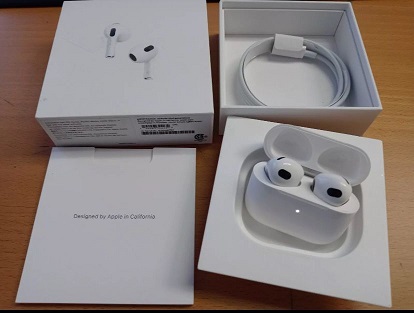
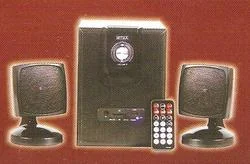
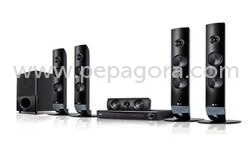
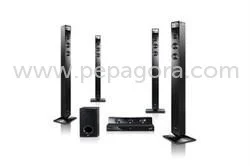
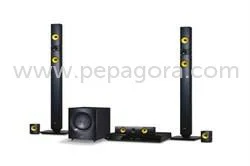
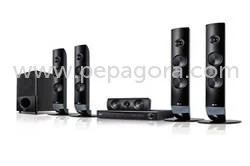
Audio Equipment: Ranging from headphones to home theater systems, audio devices enhance entertainment experiences in various settings.
𝗕𝗲𝗻𝗲𝗳𝗶𝘁𝘀 𝗮𝗻𝗱 𝗔𝗱𝘃𝗮𝗻𝘁𝗮𝗴𝗲𝘀
Investing in consumer electronics offers several advantages for businesses.
1. Increased Efficiency: Modern devices streamline operations and enhance productivity through advanced technology and user-friendly interfaces.
2. Enhanced Customer Engagement: Interactive and smart devices improve customer interactions, leading to higher satisfaction and loyalty.
3. Data Collection: Many consumer electronics come with monitoring features, allowing businesses to gather valuable insights on consumer behavior.
4. Versatility: A wide range of devices can be tailored to meet specific business needs, providing flexibility in operations.
5. Competitive Advantage: Staying updated with the latest technology helps businesses differentiate themselves in a crowded market.
6. Cost Savings: Efficient consumer electronics can reduce operational costs by automating tasks and minimizing manual labor.
𝗕𝘂𝘆𝗶𝗻𝗴 𝗚𝘂𝗶𝗱𝗲 𝗳𝗼𝗿 𝗕𝟮𝗕 𝗕𝘂𝘆𝗲𝗿𝘀
When sourcing consumer electronics, businesses should consider several critical factors.
1. Quality Assessment: Evaluate the build quality and performance of devices. Look for reviews and case studies to ensure reliability.
2. Supplier Verification: Vet potential suppliers by checking their credentials, customer feedback, and adherence to industry standards.
3. Pricing and MOQ: Understand pricing structures and minimum order quantities, which can vary significantly among suppliers.
4. Delivery and Lead Times: Ensure that suppliers can meet your delivery requirements, factoring in lead times for production and shipping.
5. Compliance Requirements: Familiarize yourself with regulatory standards and certifications relevant to consumer electronics, ensuring that products meet necessary safety and quality benchmarks.
𝗖𝗼𝗺𝗽𝗹𝗶𝗮𝗻𝗰𝗲 𝗮𝗻𝗱 𝗖𝗲𝗿𝘁𝗶𝗳𝗶𝗰𝗮𝘁𝗶𝗼𝗻𝘀
Compliance and certifications are crucial in the consumer electronics industry to ensure product quality and safety.
ISO 9001 is a widely recognized standard that outlines criteria for a quality management system. Manufacturers of consumer electronics often adhere to this standard to ensure consistent quality in production.
CE marking is essential for products sold in the European market, indicating compliance with health, safety, and environmental protection standards. Devices must meet specific criteria before they can be marketed in the EU.
Safety and testing requirements are critical for consumer electronics, as they must undergo rigorous testing to prevent hazards and ensure user safety. Compliance with these standards is vital for maintaining consumer trust and avoiding legal issues.
Regional compliance considerations may vary, with different countries having unique regulatory requirements for electronic devices. Businesses should be aware of these differences to ensure their products meet local laws.
𝗪𝗵𝘆 𝗦𝗼𝘂𝗿𝗰𝗲 𝗖𝗼𝗻𝘀𝘂𝗺𝗲𝗿 𝗘𝗹𝗲𝗰𝘁𝗿𝗼𝗻𝗶𝗰𝘀 𝗳𝗿𝗼𝗺 𝗣𝗲𝗽𝗮𝗴𝗼𝗿𝗮?
Pepagora provides a trusted platform for sourcing consumer electronics, offering several key advantages to B2B buyers.
A verified supplier network ensures that businesses can connect with reputable manufacturers and suppliers. This network is curated to provide quality and reliability, minimizing risks associated with sourcing.
The streamlined RFQ process simplifies the quotation system, enabling buyers to receive competitive pricing and efficient communication with suppliers. This system saves time and enhances procurement efficiency.
Trade assurance and support are integral to Pepagora's offerings, providing buyers with protection against potential issues. This assurance fosters confidence in transactions and promotes a secure buying environment.
Pepagora's regional coverage extends across India, the Gulf Cooperation Council (GCC), and Southeast Asia. This broad geographic reach allows businesses to tap into diverse markets and access a wide range of consumer electronics tailored to various needs.

 IN
IN