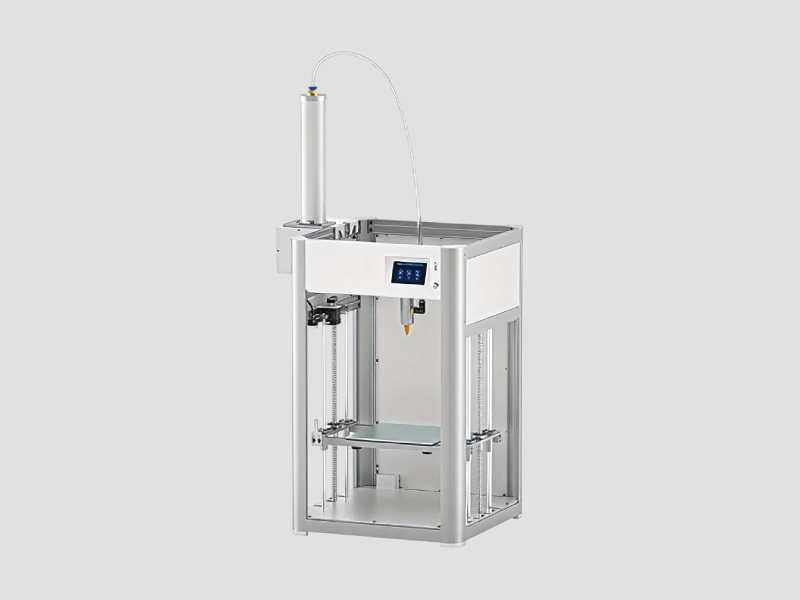
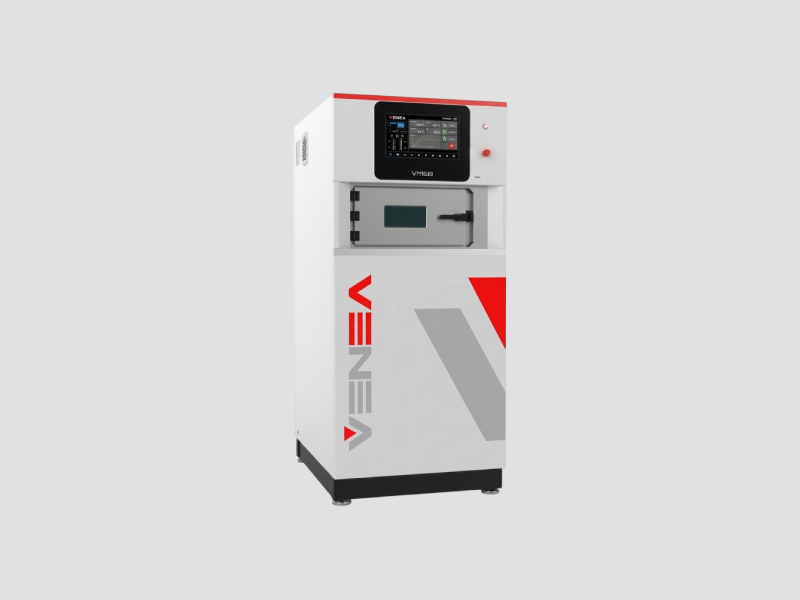
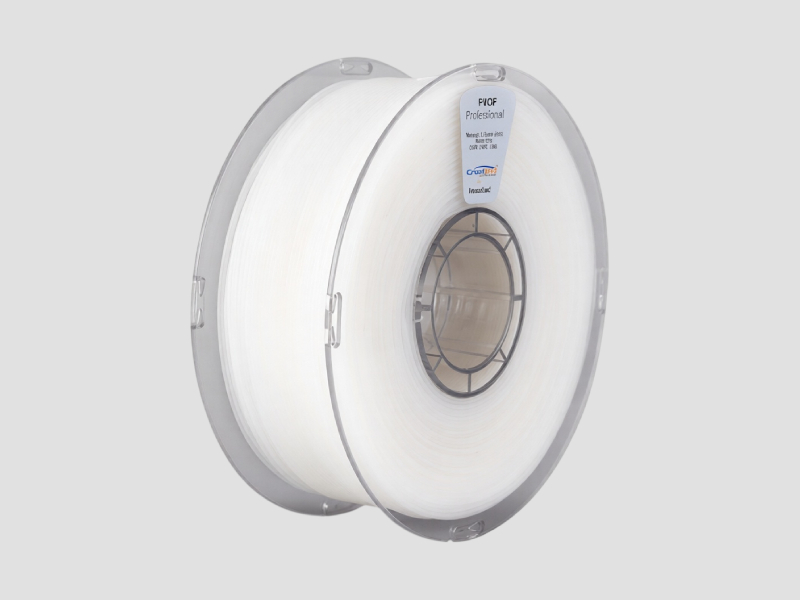
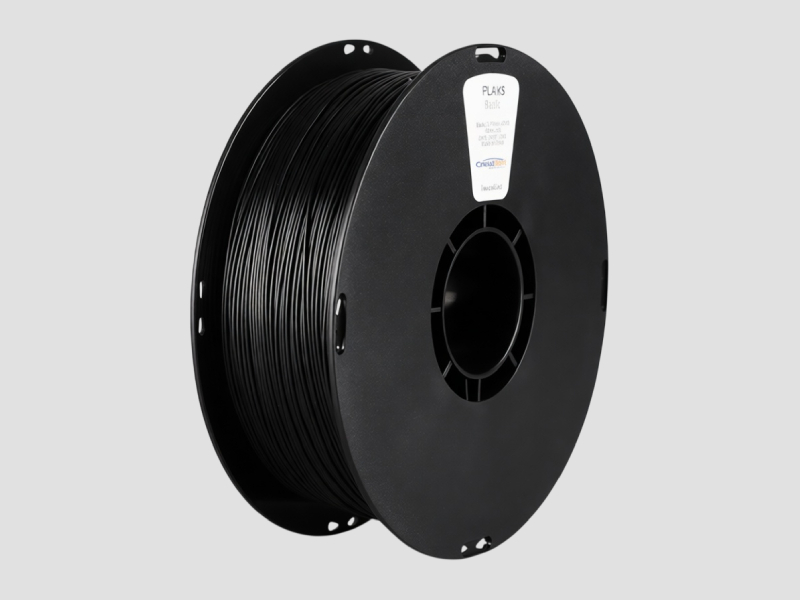
𝗪𝗵𝗮𝘁 𝗮𝗿𝗲 𝟯𝗗 𝗣𝗿𝗶𝗻𝘁𝗶𝗻𝗴 𝗘𝗾𝘂𝗶𝗽𝗺𝗲𝗻𝘁 𝗳𝗼𝗿 𝗜𝗻𝗱𝘂𝘀𝘁𝗿𝘆?
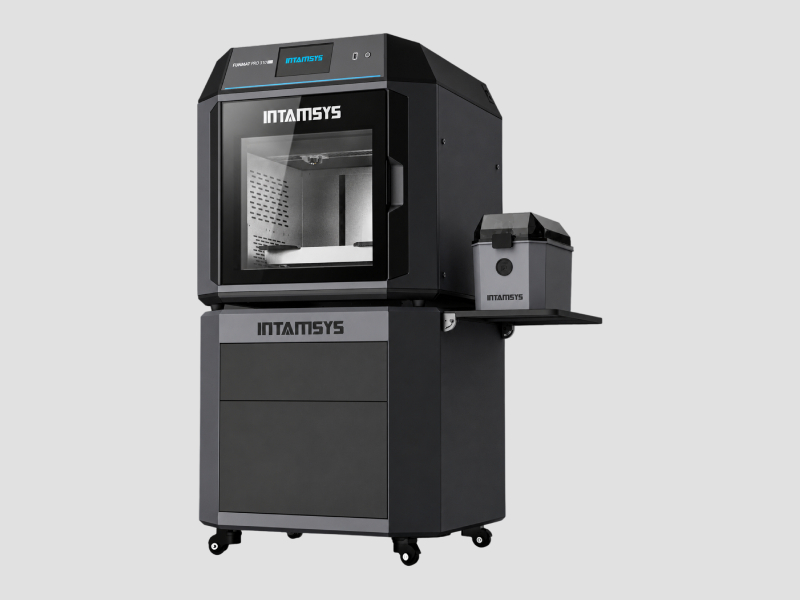
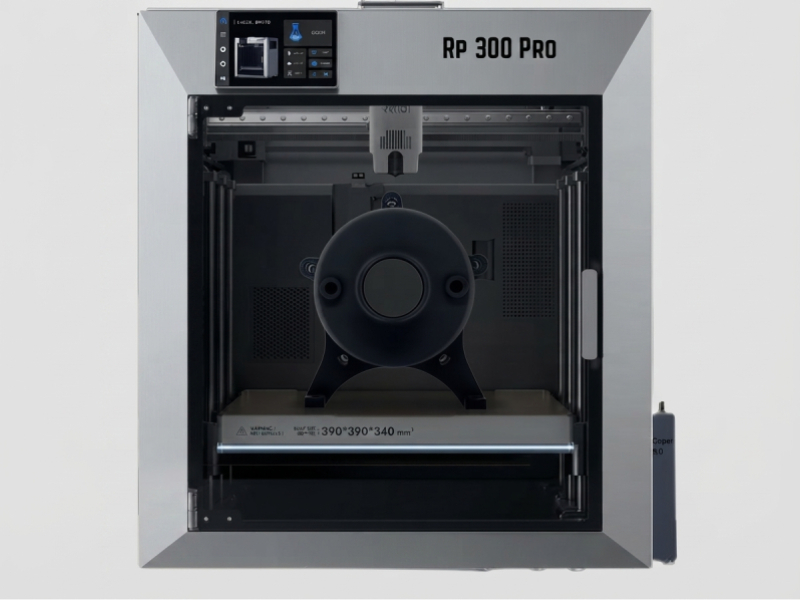
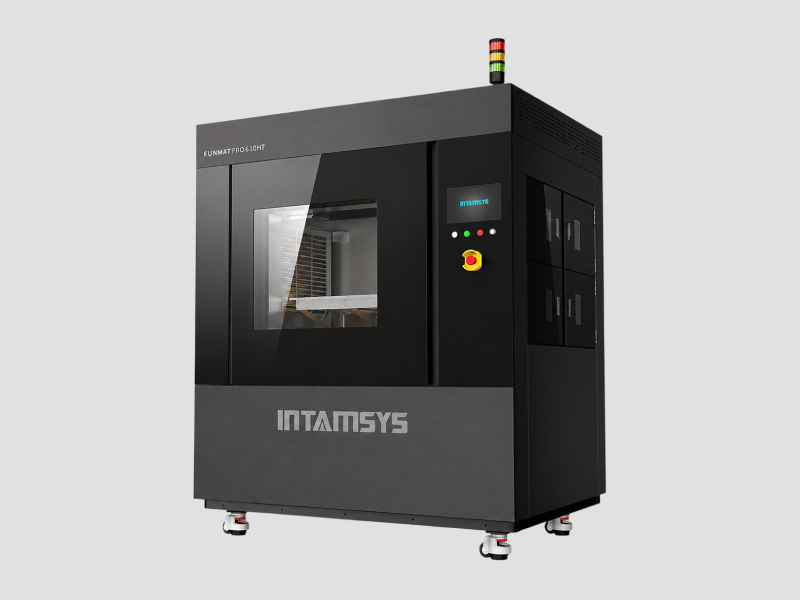
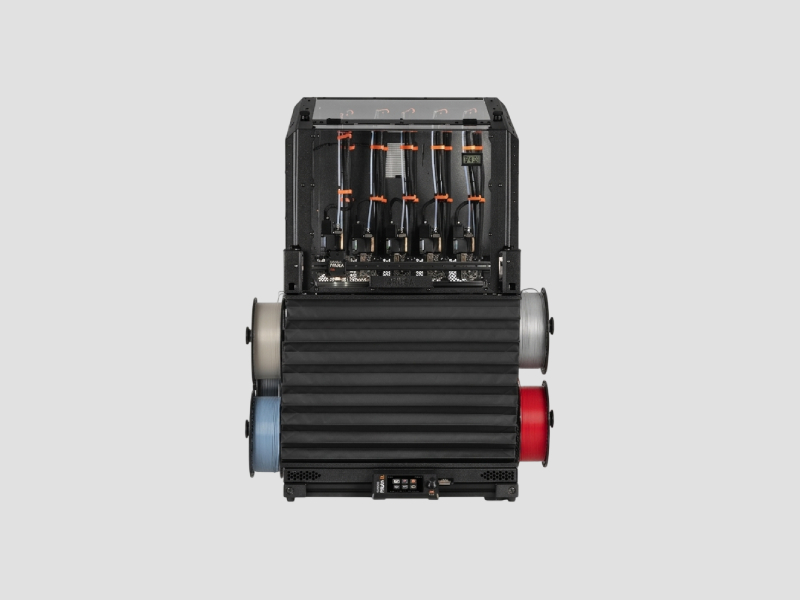
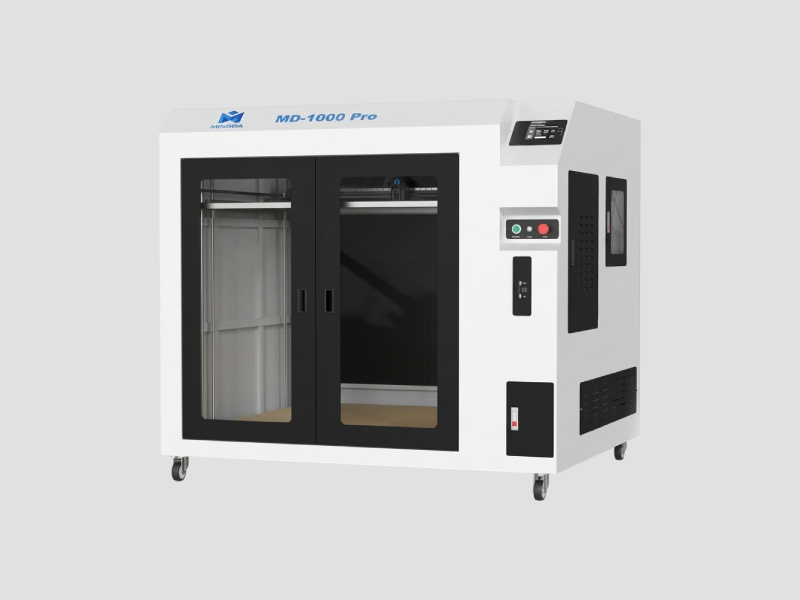
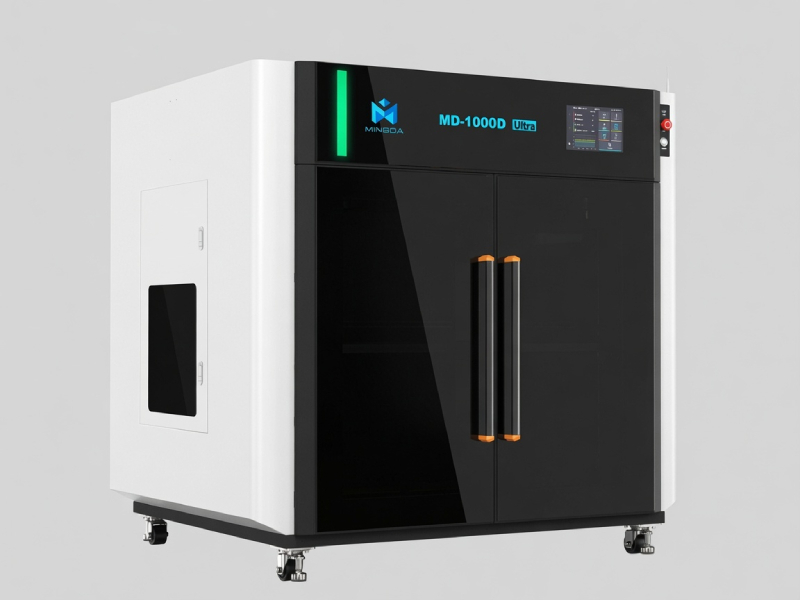
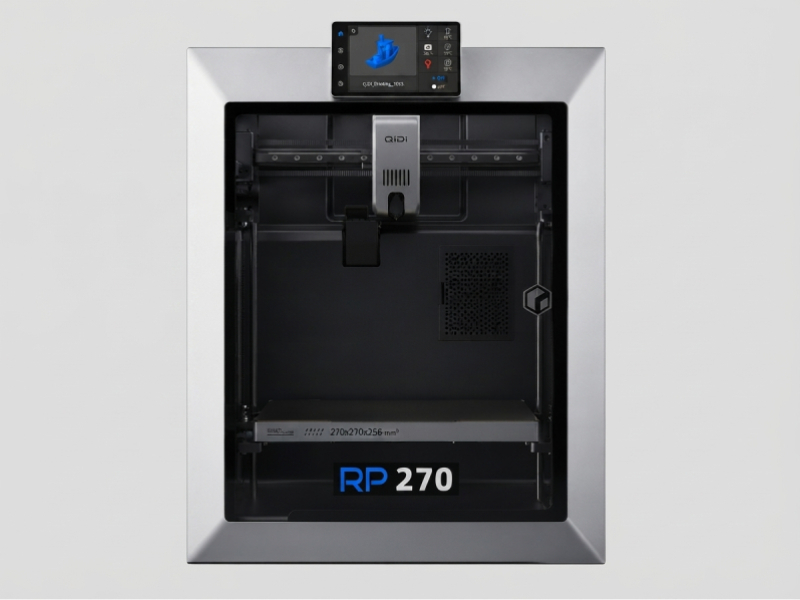
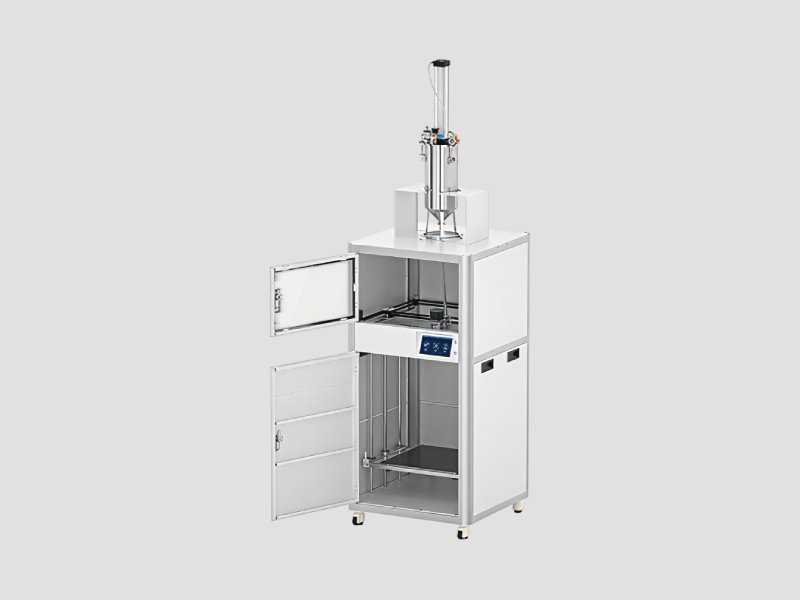
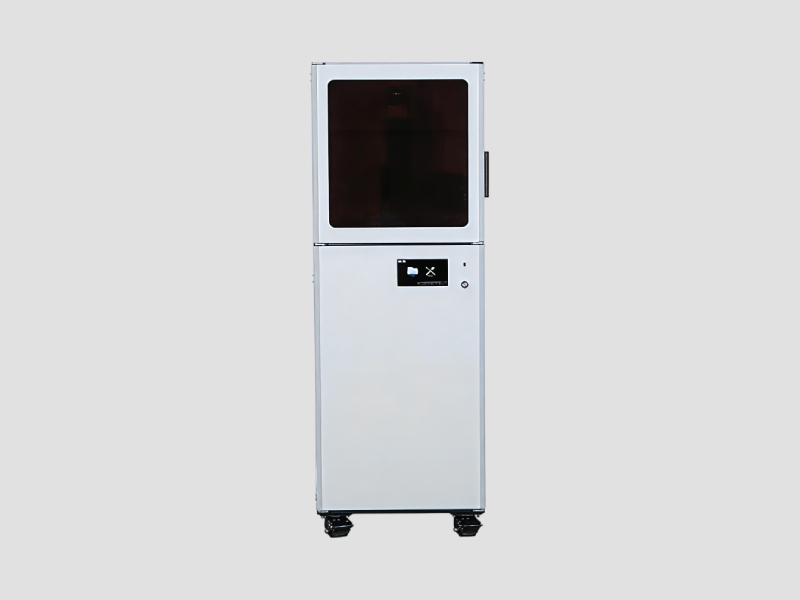
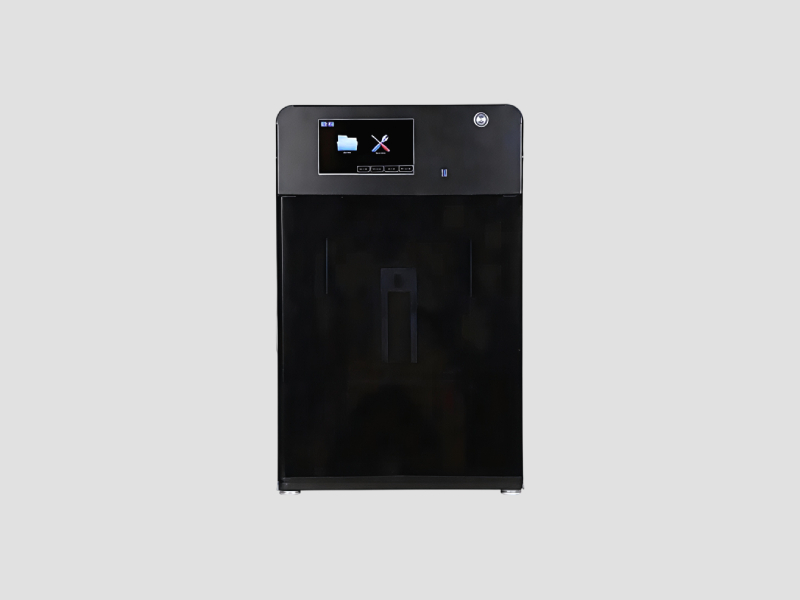
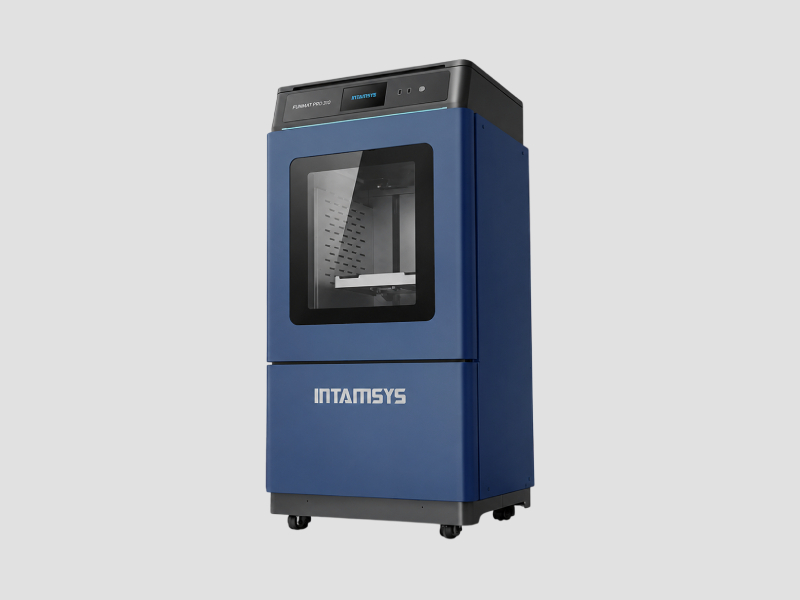
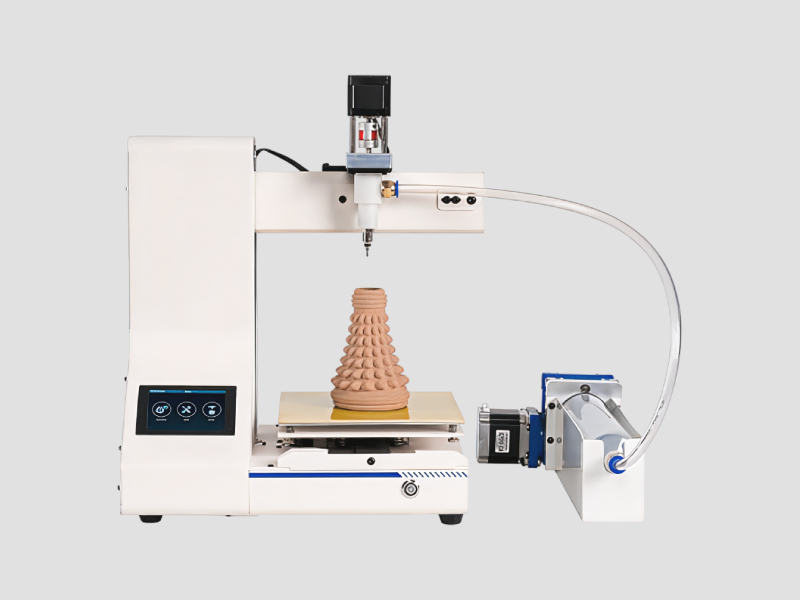
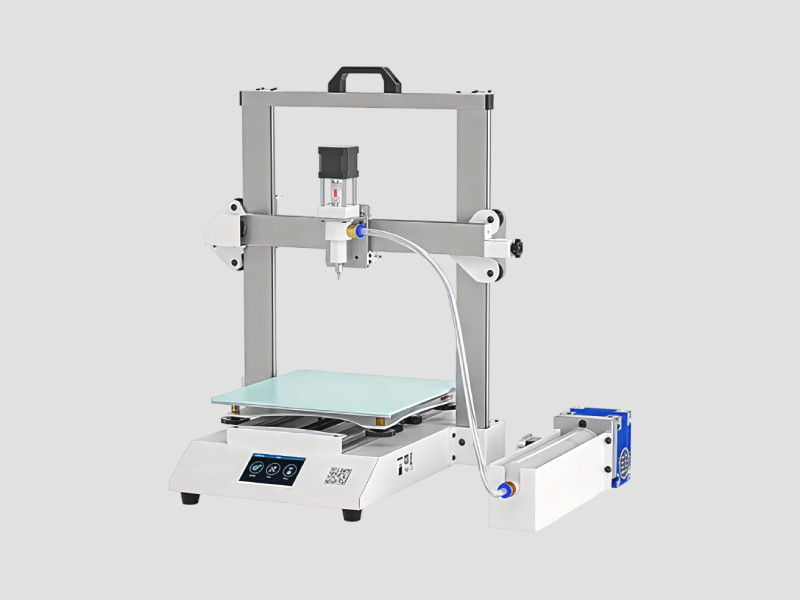
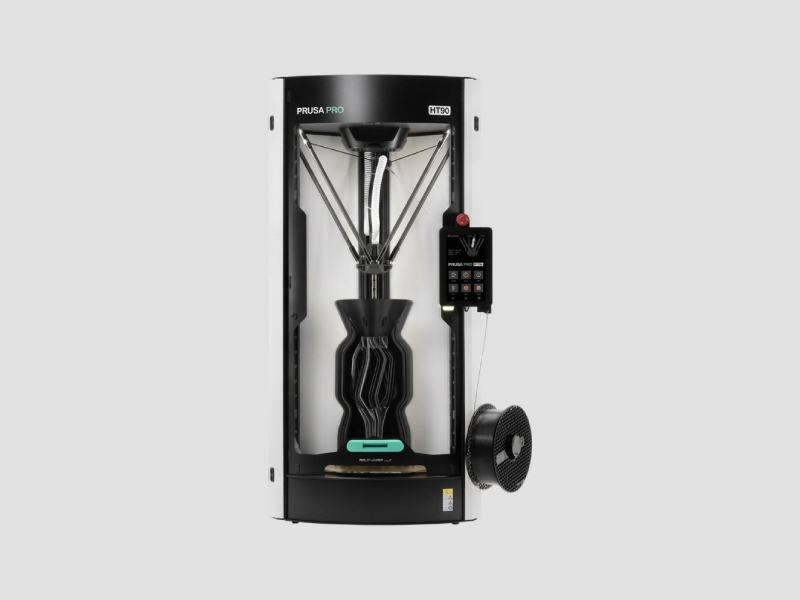
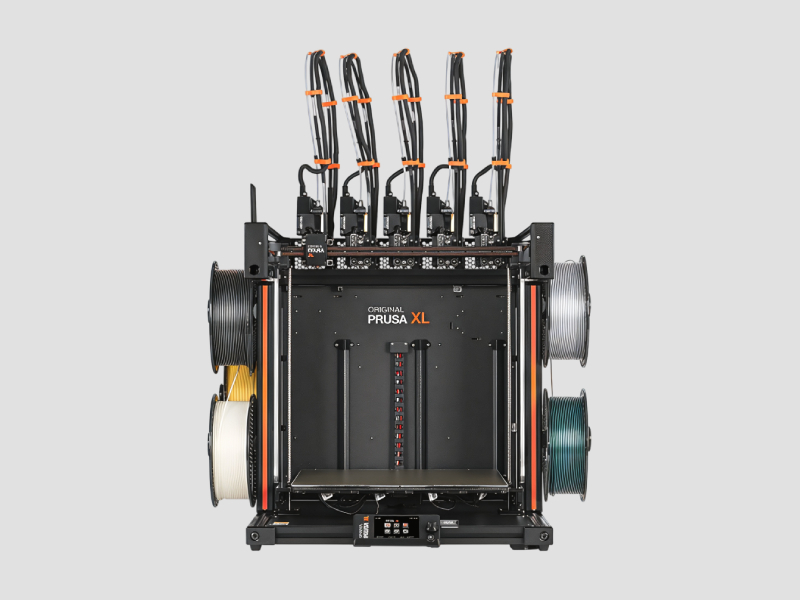
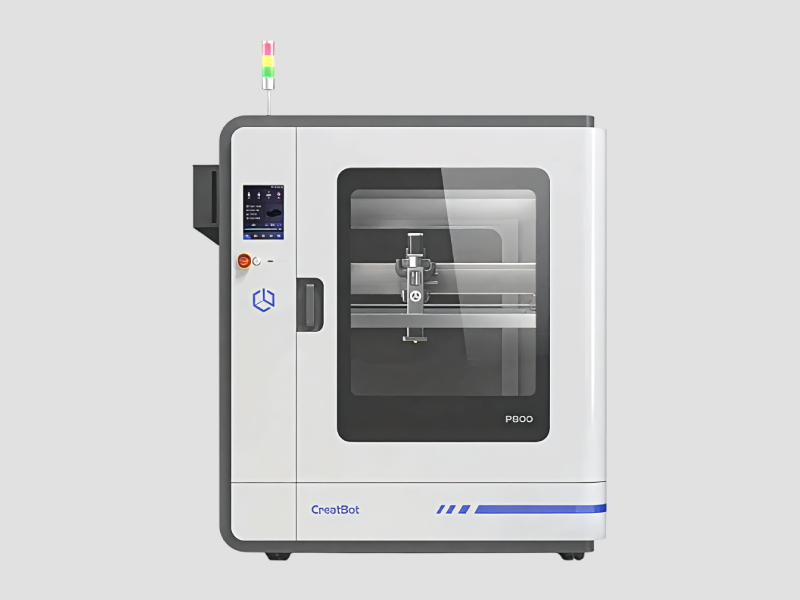
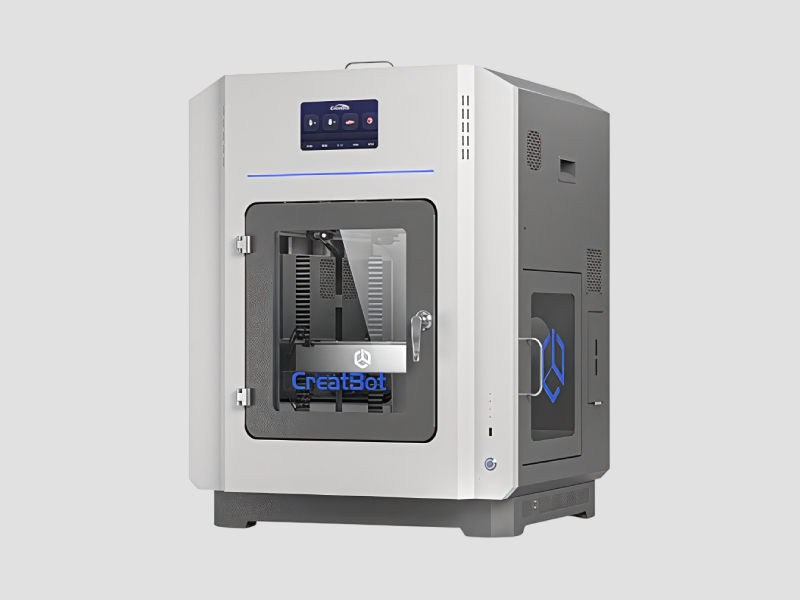
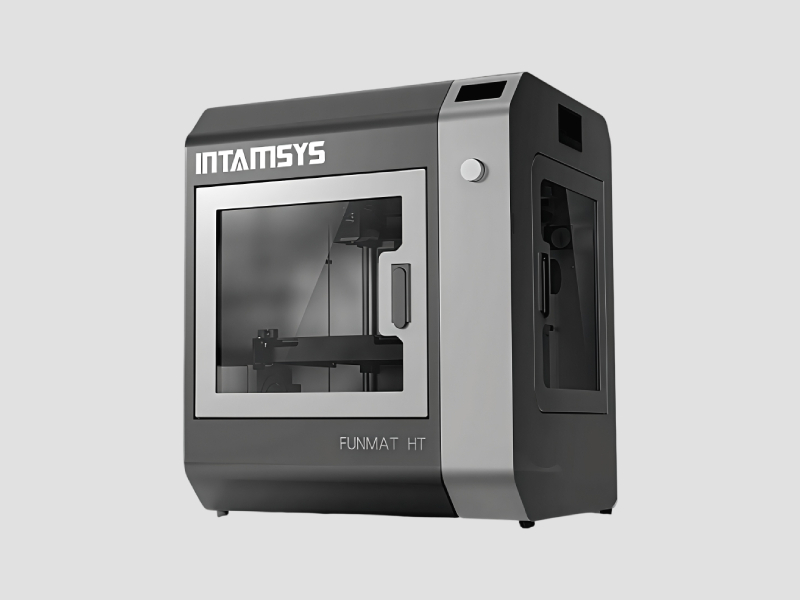
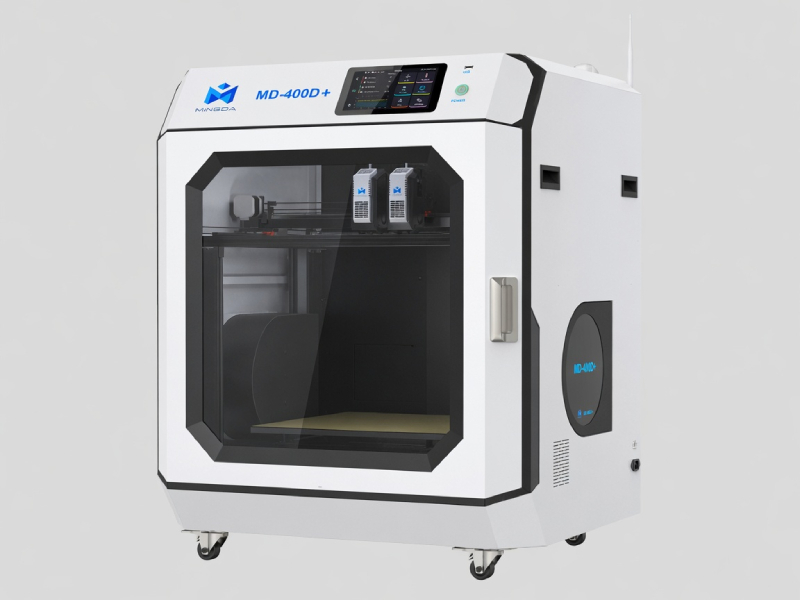
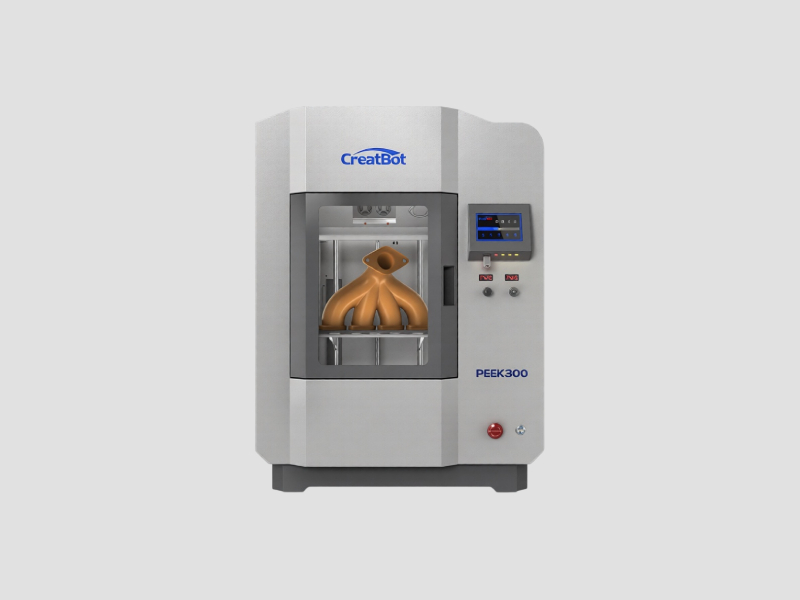
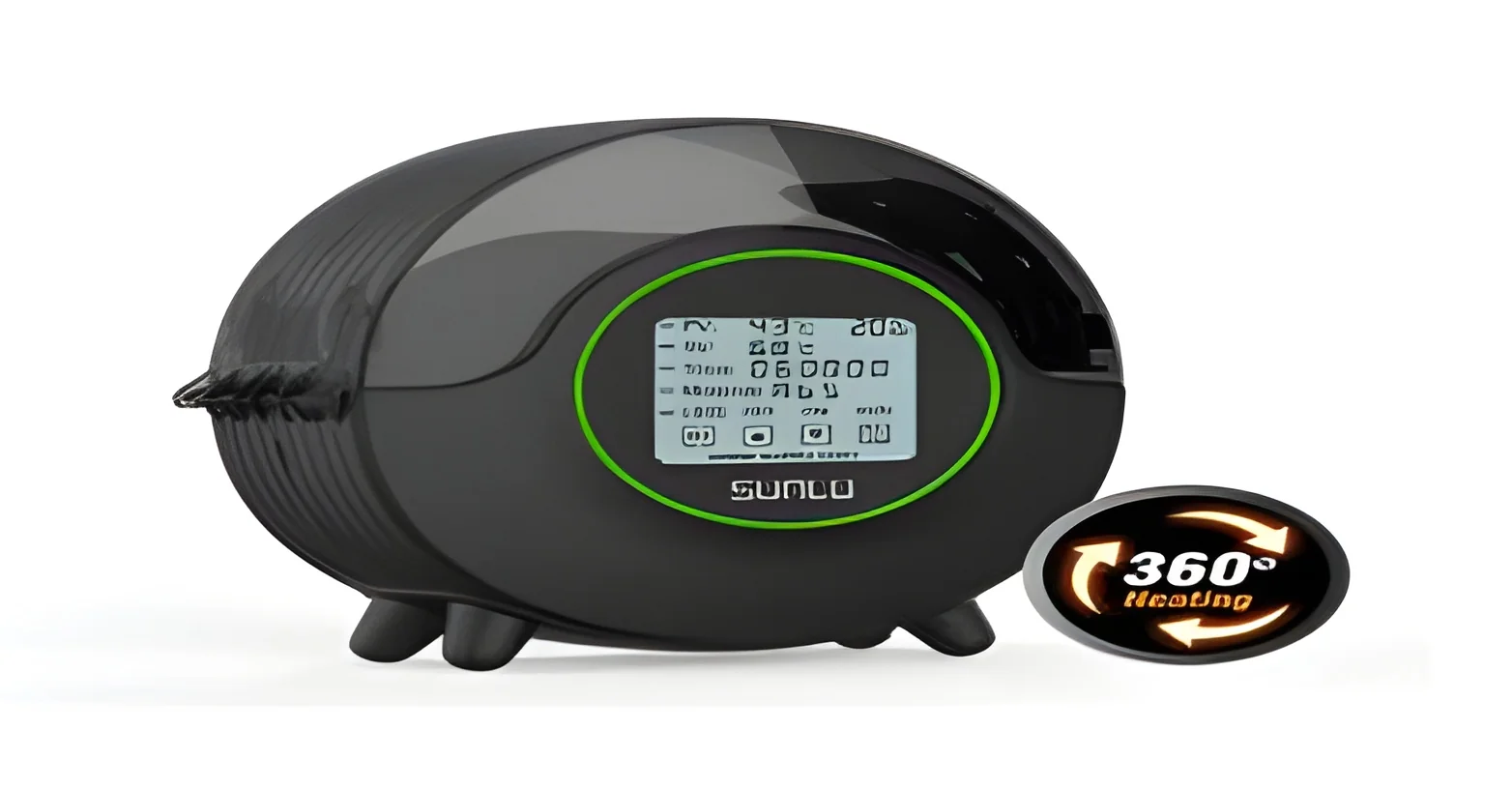
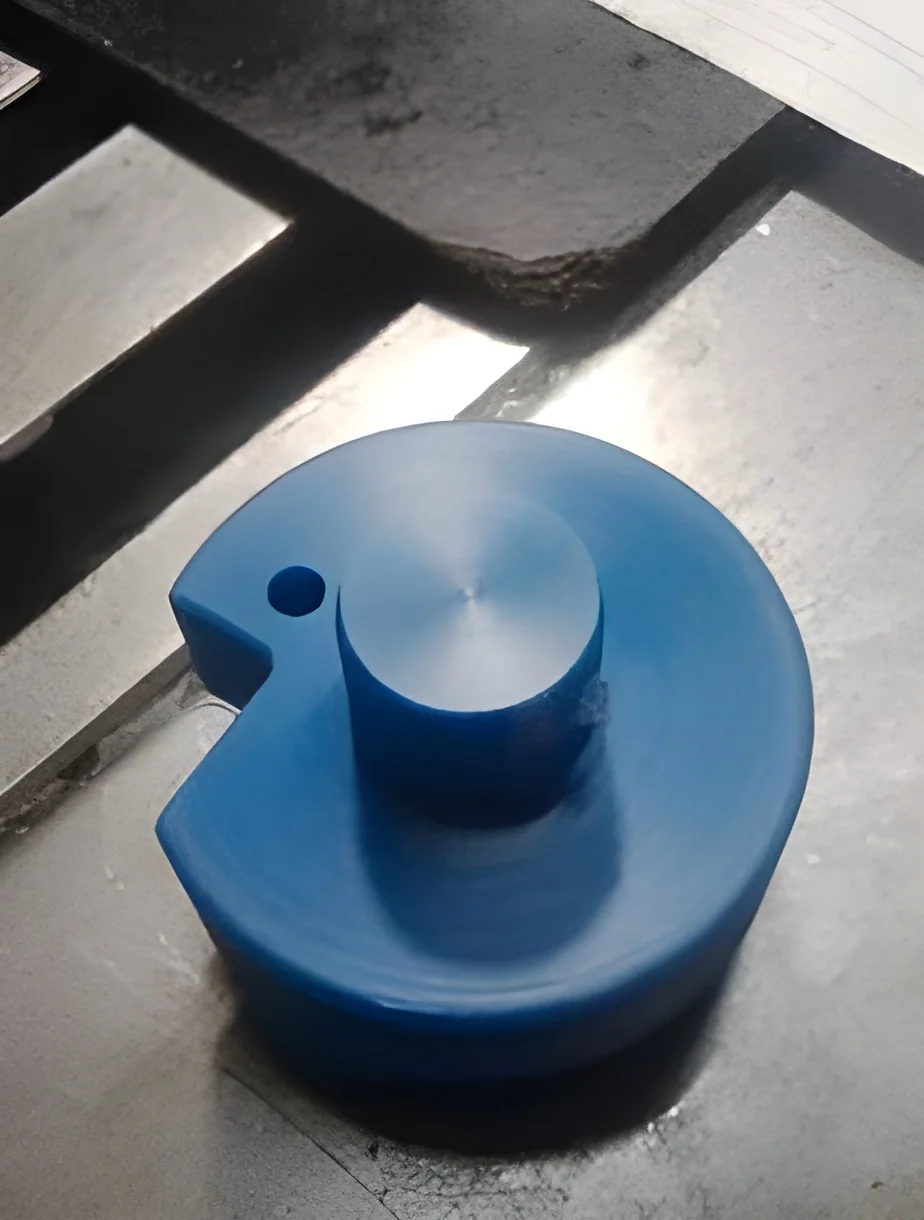
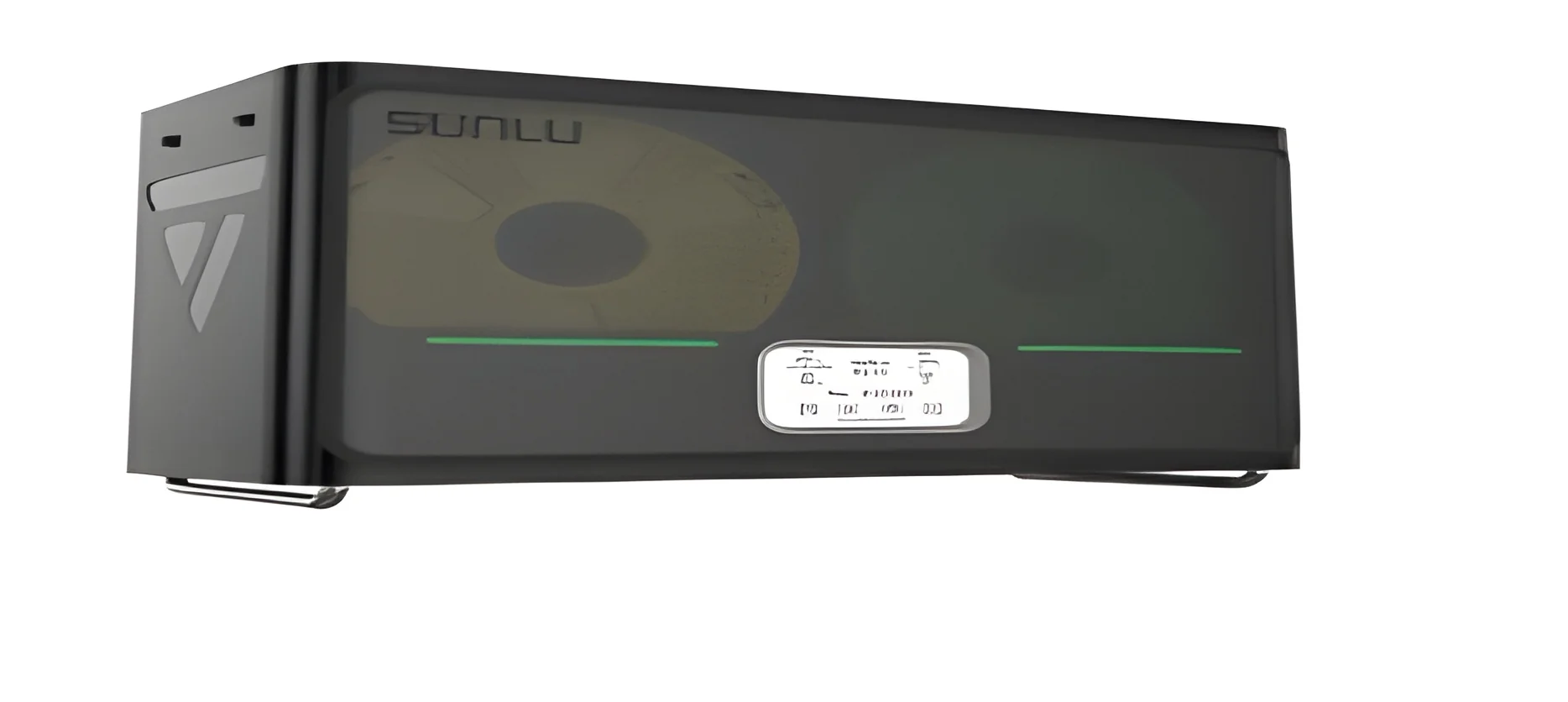
3D printing equipment for industry refers to advanced machines and technologies used to create three-dimensional objects through additive manufacturing processes. This equipment utilizes various materials, including plastics, metals, and ceramics, to build products layer by layer based on digital models. The technology has evolved significantly, becoming more accessible and versatile, allowing businesses to streamline production and innovate in product design.
The primary uses of 3D printing equipment span multiple sectors, including aerospace, automotive, healthcare, and consumer goods. Industries leverage this technology for rapid prototyping, custom manufacturing, and low-volume production runs. By utilizing 3D printing, companies can reduce waste, shorten lead times, and create complex geometries that traditional manufacturing processes might not accommodate. As industries continue to adopt this technology, the market for 3D printing equipment is expected to grow, emphasizing the importance of staying current with technological advancements.
𝗞𝗲𝘆 𝗙𝗲𝗮𝘁𝘂𝗿𝗲𝘀 𝗮𝗻𝗱 𝗦𝗽𝗲𝗰𝗶𝗳𝗶𝗰𝗮𝘁𝗶𝗼𝗻𝘀
The key features and specifications of 3D printing equipment for industry can significantly influence performance and suitability for various applications. Understanding these specifications helps businesses make informed purchasing decisions.
Key specifications include:
1. Build Volume
- Refers to the maximum size of the object that can be printed.
- Typical ranges vary from small desktop models to large industrial machines capable of several cubic meters.
2. Print Resolution
- Defines the level of detail and precision in the printed object.
- Measured in microns, with lower numbers indicating higher resolution.
3. Material Compatibility
- Refers to the types of materials that can be used with the printer.
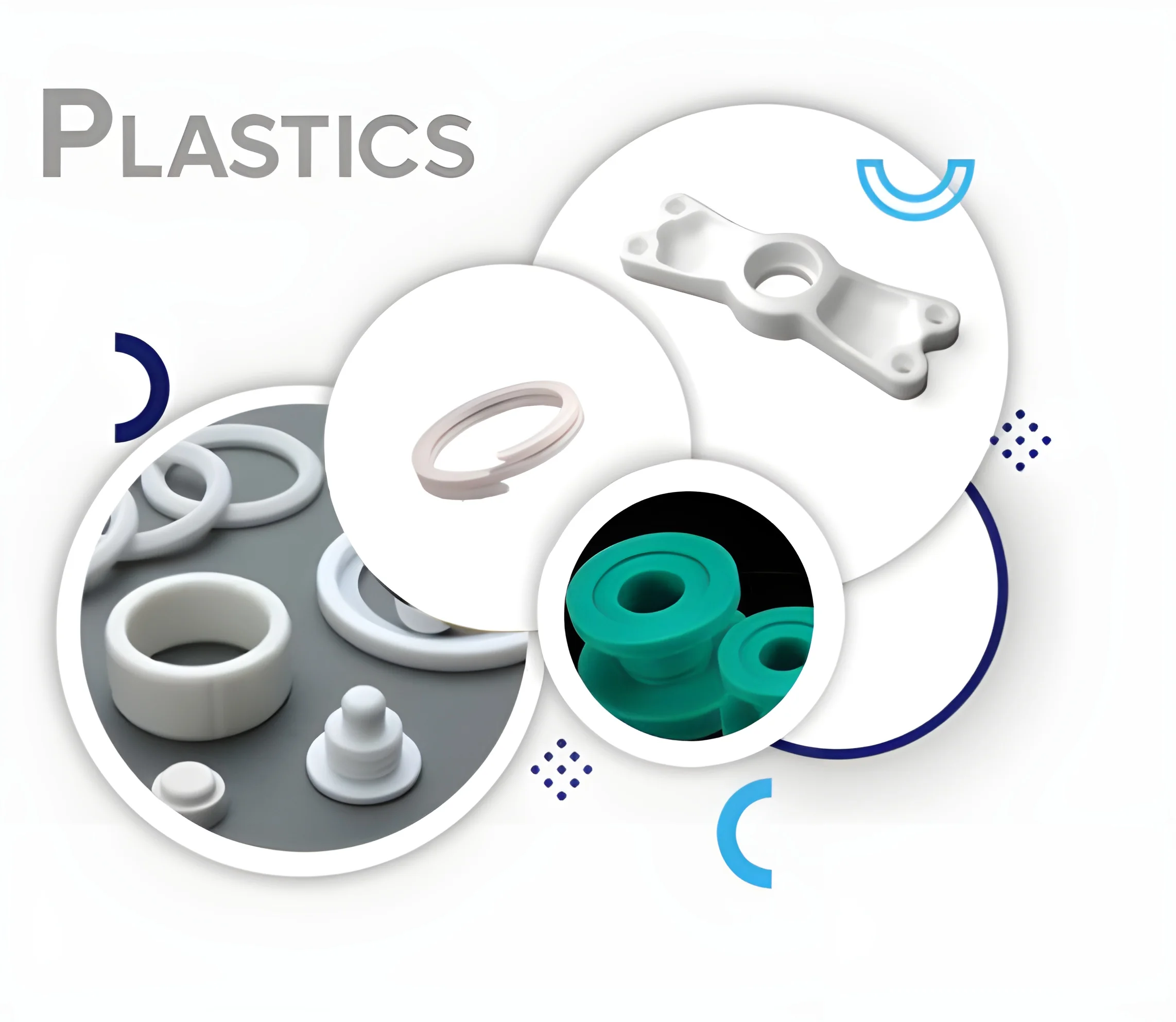
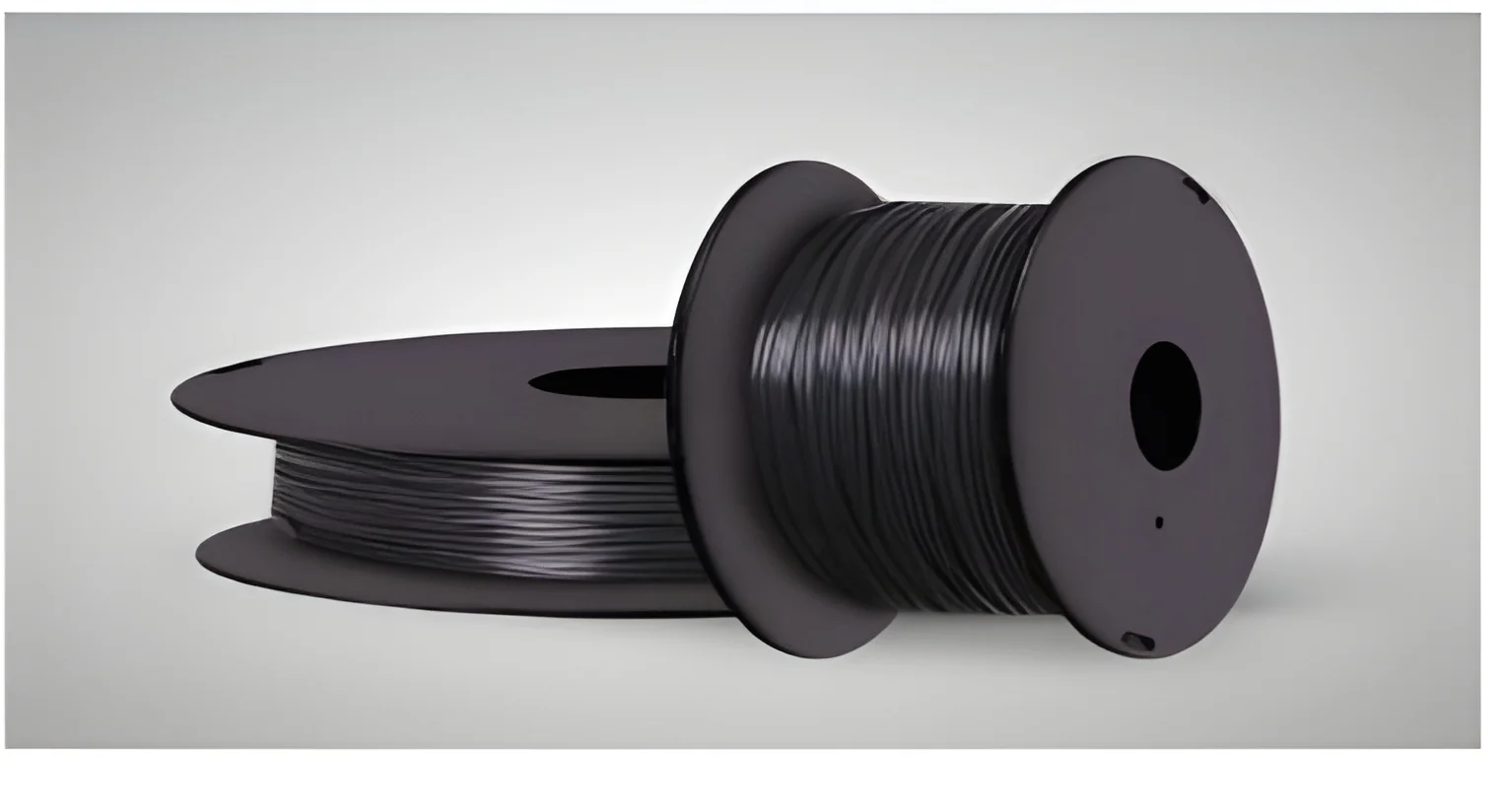
- Common materials include thermoplastics, metals, and resin.
4. Printing Speed
- Indicates how quickly the printer can produce an object.
- Speed can vary widely based on the technology used and the material.
5. Layer Thickness
- Describes the thickness of each layer in the printing process.
- Typically ranges from 20 to 100 microns, impacting the final finish of the object.
6. Software Compatibility
- Refers to the types of design files and slicing software the printer can accept.
- Ensures seamless integration into existing workflows.
7. Maintenance Requirements
- Describes the upkeep needed to keep the equipment operational.
- Regular cleaning, calibration, and potential replacement of parts are typical.
8. Safety Features
- Includes mechanisms to ensure safe operation, such as temperature controls and emergency shut-offs.
In summary, understanding the key features and specifications of 3D printing equipment is essential for businesses looking to optimize their manufacturing processes and enhance product quality.
𝗖𝗼𝗺𝗺𝗼𝗻 𝗔𝗽𝗽𝗹𝗶𝗰𝗮𝘁𝗶𝗼𝗻𝘀 𝗮𝗻𝗱 𝗨𝘀𝗲 𝗖𝗮𝘀𝗲𝘀
3D printing equipment serves a wide array of industries, each benefiting from its unique capabilities.
1. Aerospace: 3D printing is used to manufacture lightweight components, such as brackets and ducting, which can reduce overall aircraft weight and improve fuel efficiency.
2. Automotive: This technology enables rapid prototyping of parts and tooling, allowing for quicker iterations in design and reduced time to market for new vehicles.
3. Healthcare: 3D printing is utilized for creating custom implants and prosthetics, tailored specifically to individual patient needs, enhancing the fit and comfort.
4. Consumer Goods: Manufacturers use 3D printing for producing customized products, such as personalized phone cases and home décor items, allowing for greater consumer engagement.
5. Education: Institutions leverage 3D printing for teaching purposes, enabling students to understand design and engineering concepts through hands-on experience.
6. Architecture: Architects use 3D printing to create detailed models of buildings, helping visualize projects before construction begins.
7. Jewelry: Designers employ 3D printing to create intricate and unique designs that would be difficult to achieve with traditional methods.
𝗣𝗿𝗼𝗱𝘂𝗰𝘁 𝗩𝗮𝗿𝗶𝗮𝗻𝘁𝘀 𝗮𝗻𝗱 𝗦𝘂𝗯𝗰𝗮𝘁𝗲𝗴𝗼𝗿𝗶𝗲𝘀
3D printing equipment comes in various forms, catering to different industrial needs and applications.
FDM Printers
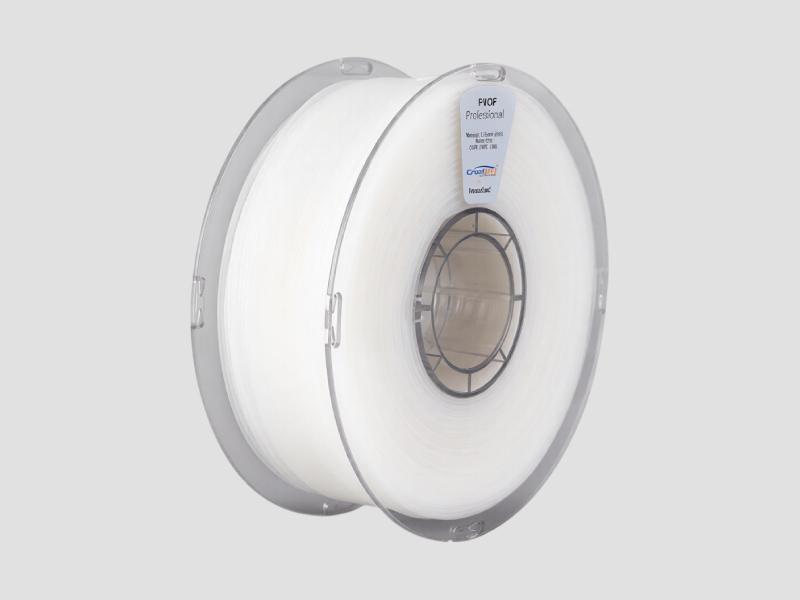
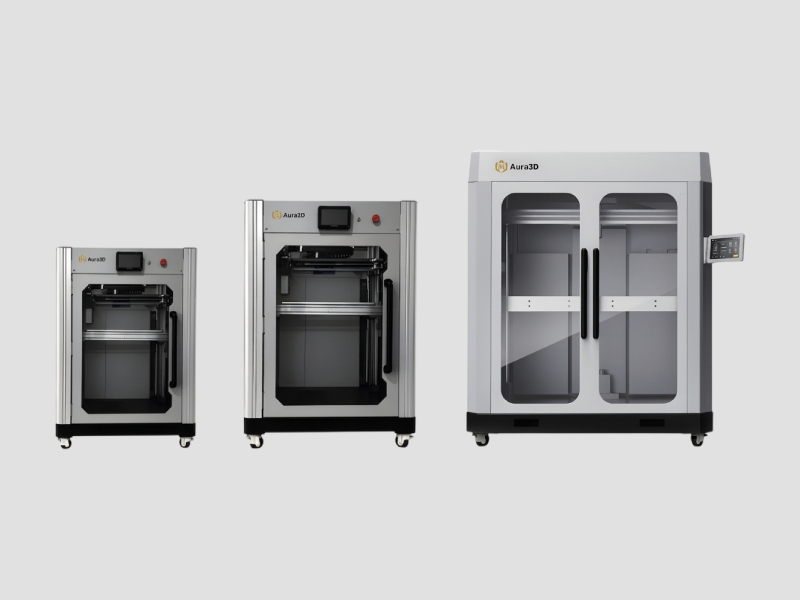
Fused Deposition Modeling (FDM) printers are popular for their affordability and ease of use. They are ideal for prototyping and producing functional parts with thermoplastics.
SLA Printers
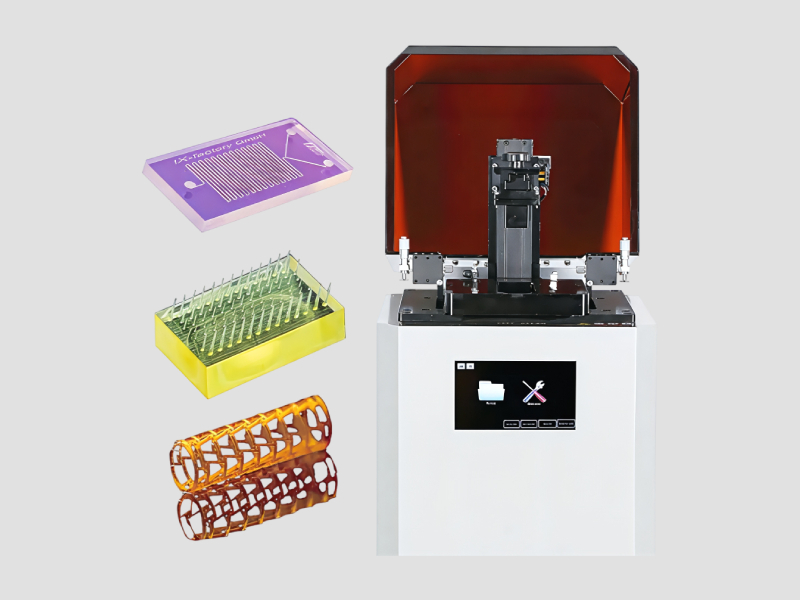
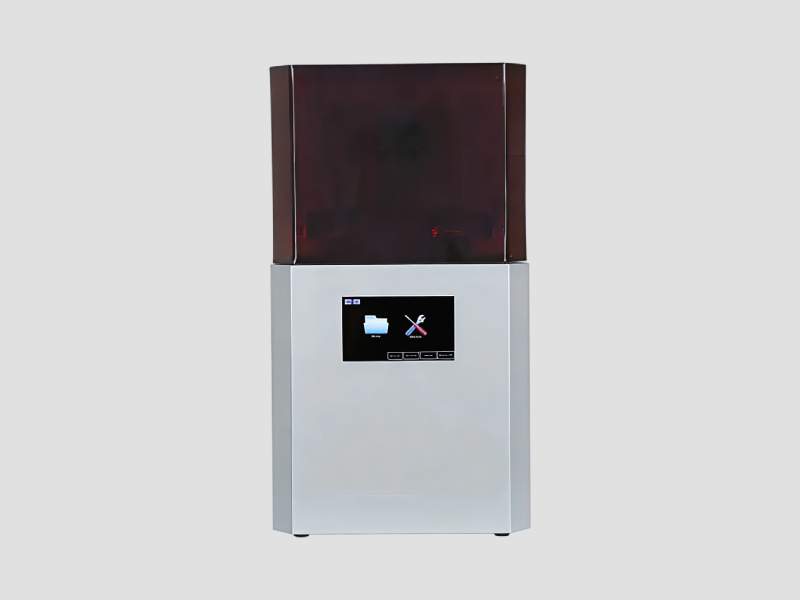
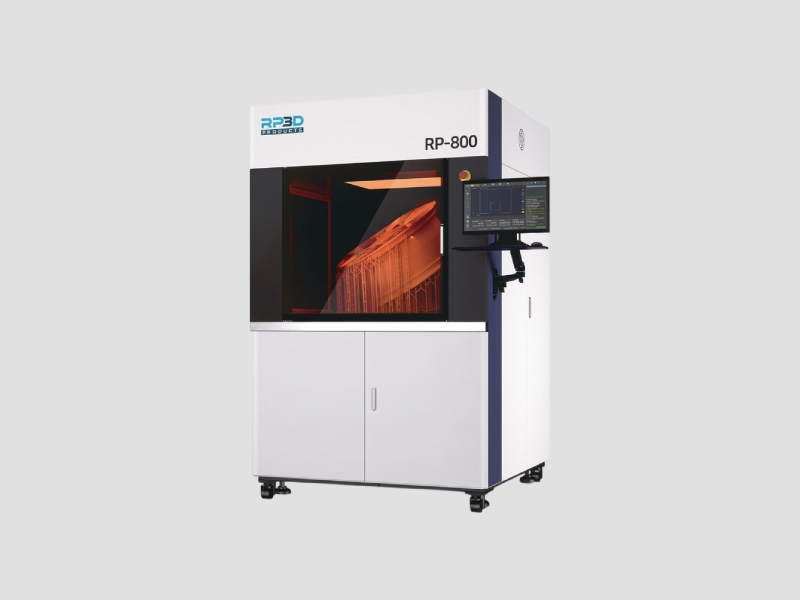
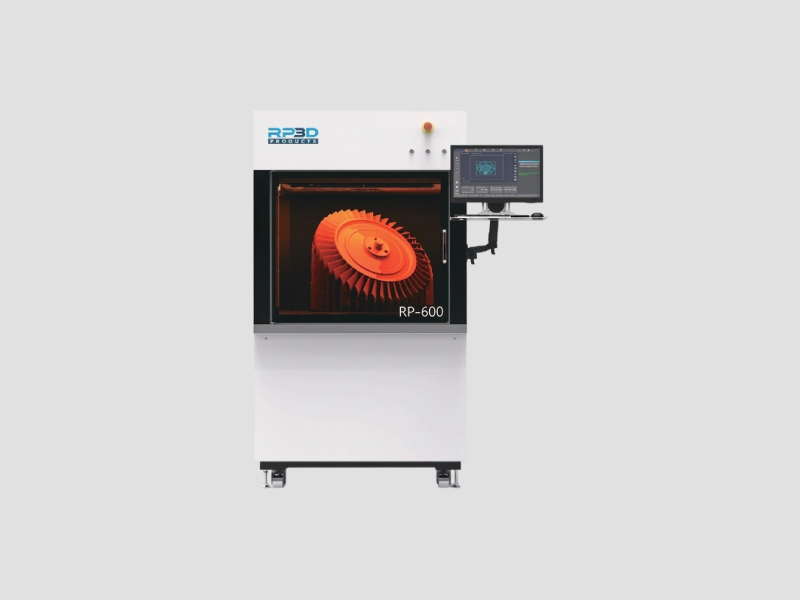
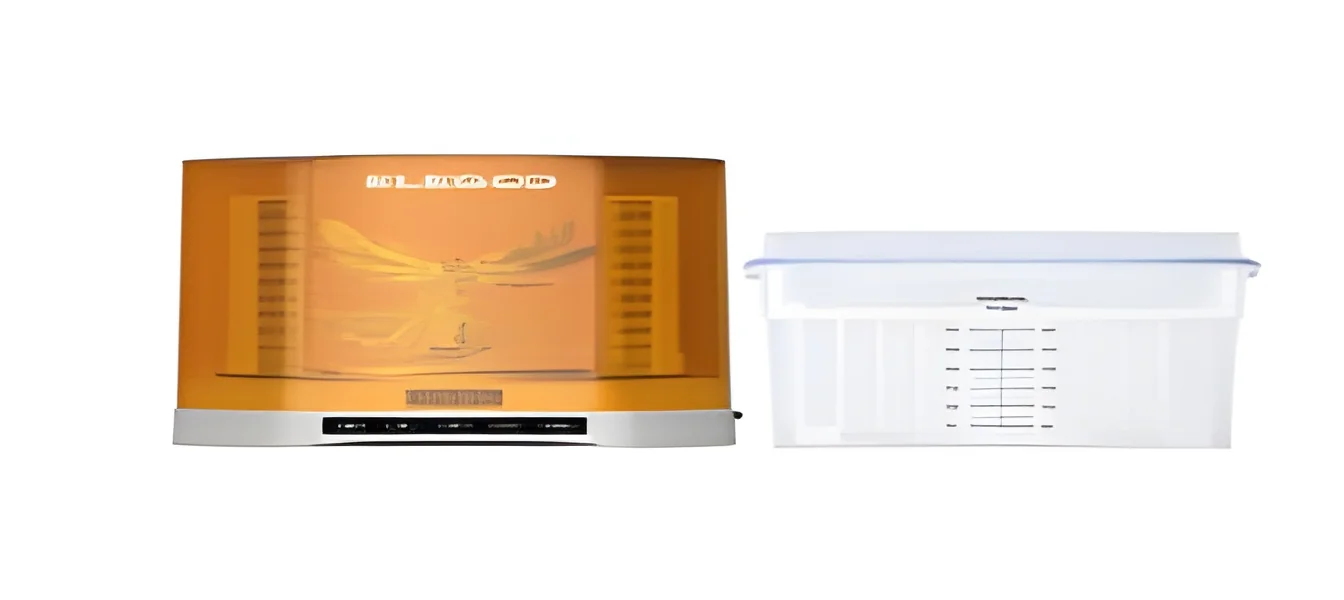
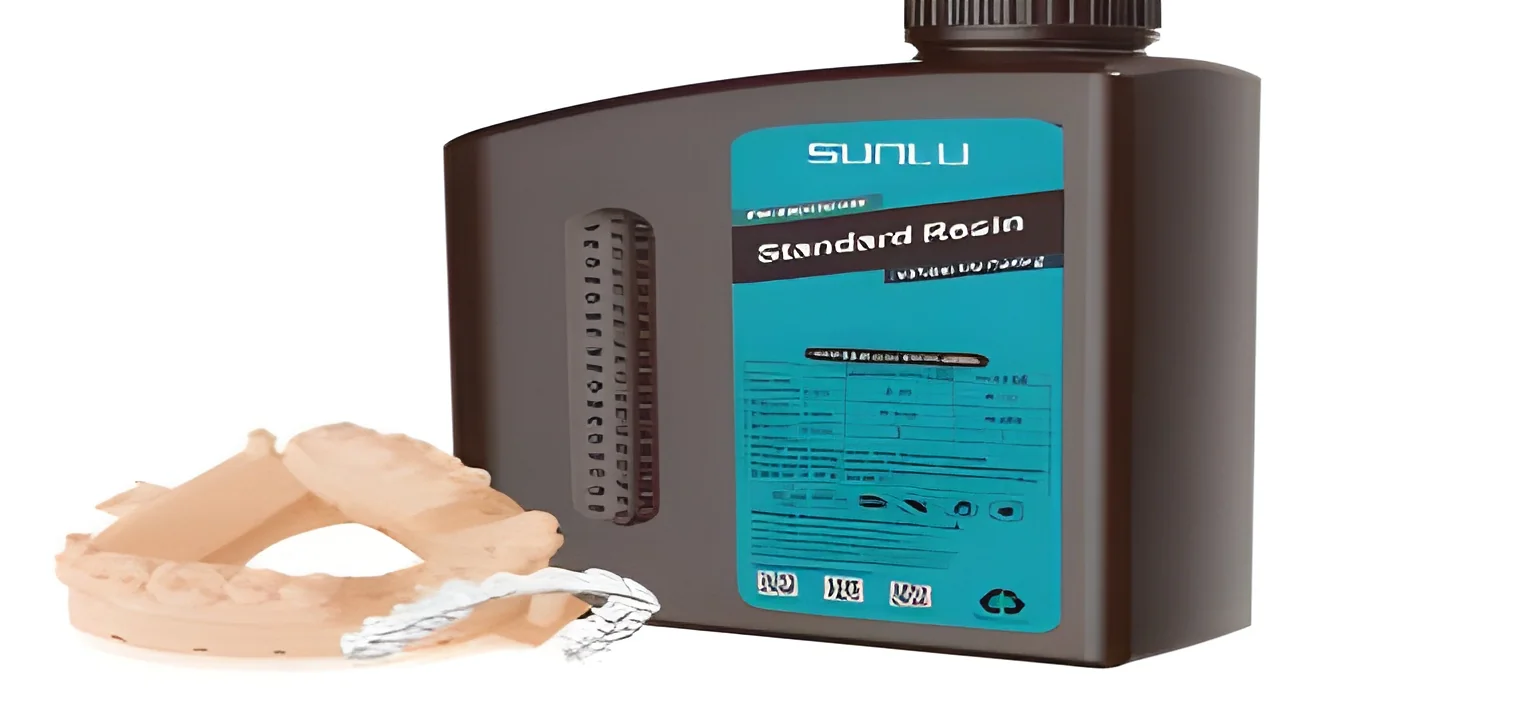
Stereolithography (SLA) printers utilize liquid resin to create high-resolution prints. These are commonly used in applications requiring precision, such as dental and jewelry industries.
SLS Printers
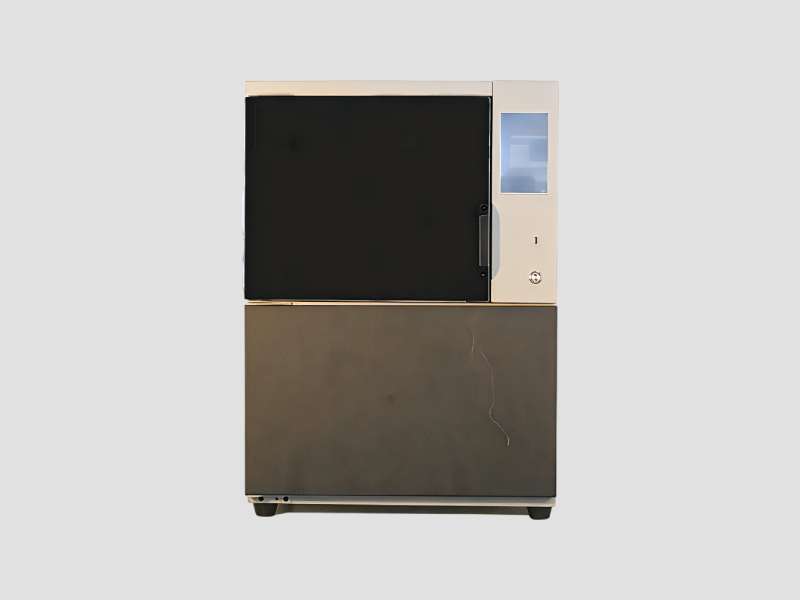
Selective Laser Sintering (SLS) printers use lasers to fuse powdered materials, allowing for the creation of complex geometries. They are widely used in aerospace and automotive industries.
DLP Printers
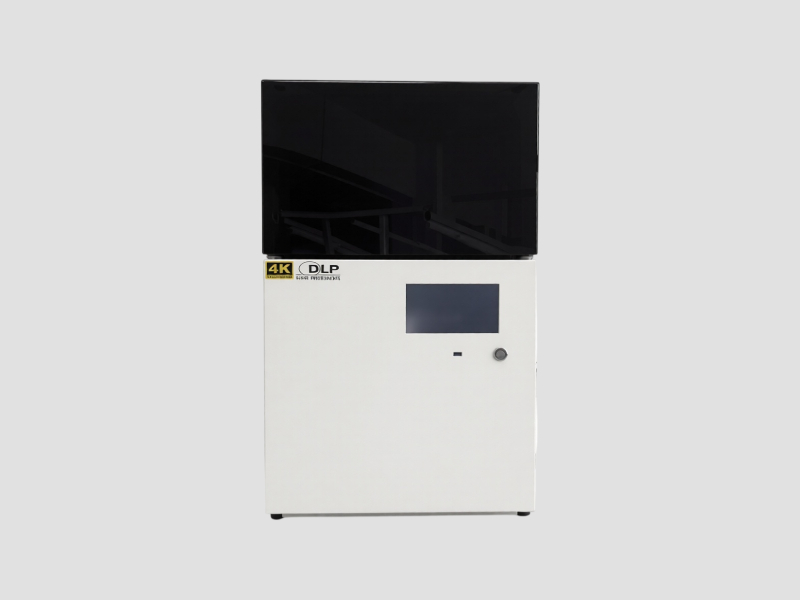
Digital Light Processing (DLP) printers, like SLA, use resin but cure layers with a light projector. They are faster than traditional SLA printers and are suited for high-detail applications.
𝗕𝗲𝗻𝗲𝗳𝗶𝘁𝘀 𝗮𝗻𝗱 𝗔𝗱𝘃𝗮𝗻𝘁𝗮𝗴𝗲𝘀
Investing in 3D printing equipment yields numerous advantages for businesses seeking efficiency and innovation.
Key benefits include:
1. Cost Efficiency: 3D printing reduces material waste and lowers production costs, especially for small batch sizes.
2. Design Flexibility: The technology allows for complex geometries and custom designs that traditional manufacturing cannot easily achieve.
3. Speed to Market: Rapid prototyping capabilities enable quicker testing and adjustments, accelerating the development cycle.
4. Reduced Inventory: On-demand production minimizes the need for large inventories, freeing up capital and storage space.
5. Sustainability: 3D printing often uses less energy and generates less waste compared to conventional manufacturing methods.
6. Customization: Businesses can offer personalized products tailored to individual customer preferences, enhancing customer satisfaction.
𝗕𝘂𝘆𝗶𝗻𝗴 𝗚𝘂𝗶𝗱𝗲 𝗳𝗼𝗿 𝗕𝟮𝗕 𝗕𝘂𝘆𝗲𝗿𝘀
When sourcing 3D printing equipment for industry, several factors should be considered to ensure the best investment.
1. Quality Assessment: Evaluate the quality of the equipment by examining reviews, case studies, and performance metrics. Consider if the equipment meets industry standards.
2. Supplier Verification: Vet suppliers by checking their credentials, customer feedback, and service history. Ensure they provide reliable support and maintenance.
3. Pricing and MOQ: Understand the cost structure and minimum order quantities. Assess if the pricing aligns with your budget and expected return on investment.
4. Delivery and Lead Times: Discuss logistics with suppliers to determine expected delivery times. Ensure they can meet your operational timelines.
5. Compliance Requirements: Review any regulatory standards the equipment must meet, such as safety certifications and industry-specific guidelines.
𝗖𝗼𝗺𝗽𝗹𝗶𝗮𝗻𝗰𝗲 𝗮𝗻𝗱 𝗖𝗲𝗿𝘁𝗶𝗳𝗶𝗰𝗮𝘁𝗶𝗼𝗻𝘀
Compliance with relevant standards and certifications is vital for ensuring the quality and safety of 3D printing equipment.
ISO 9001 is a key quality management standard that many manufacturers strive to meet. This certification ensures that processes are consistent and quality is maintained throughout production.
CE marking is crucial for equipment sold within the European Economic Area. It indicates that the product meets safety, health, and environmental protection requirements.
Safety and testing requirements are essential for ensuring that the equipment operates without risk to users. Regular testing and adherence to safety protocols contribute to a secure working environment.
Regional compliance considerations may vary depending on local regulations. Understanding these requirements is essential for businesses operating in multiple regions.
𝗪𝗵𝘆 𝗦𝗼𝘂𝗿𝗰𝗲 𝟯𝗗 𝗣𝗿𝗶𝗻𝘁𝗶𝗻𝗴 𝗘𝗾𝘂𝗶𝗽𝗺𝗲𝗻𝘁 𝗳𝗼𝗿 𝗜𝗻𝗱𝘂𝘀𝘁𝗿𝘆 𝗳𝗿𝗼𝗺 𝗣𝗲𝗽𝗮𝗴𝗼𝗿𝗮?
Pepagora provides a trusted platform for sourcing 3D printing equipment for industry, offering several key advantages that cater to diverse business needs.
Verified Supplier Network: Pepagora ensures all suppliers are vetted, providing buyers with confidence in the quality and reliability of the equipment they purchase.
Streamlined RFQ Process: The request for quotation system simplifies the procurement process, allowing businesses to receive multiple offers quickly and efficiently.
Trade Assurance and Support: Buyers benefit from protection measures that ensure their investments are secure. Pepagora provides ongoing support throughout the purchasing journey.
Regional Coverage: With a presence in India, GCC, and Southeast Asia, Pepagora offers extensive geographic reach, connecting businesses with local suppliers and facilitating easier transactions.
By choosing Pepagora, businesses can enhance their procurement process and ensure they acquire the best 3D printing equipment for their operational needs.

 IN
IN