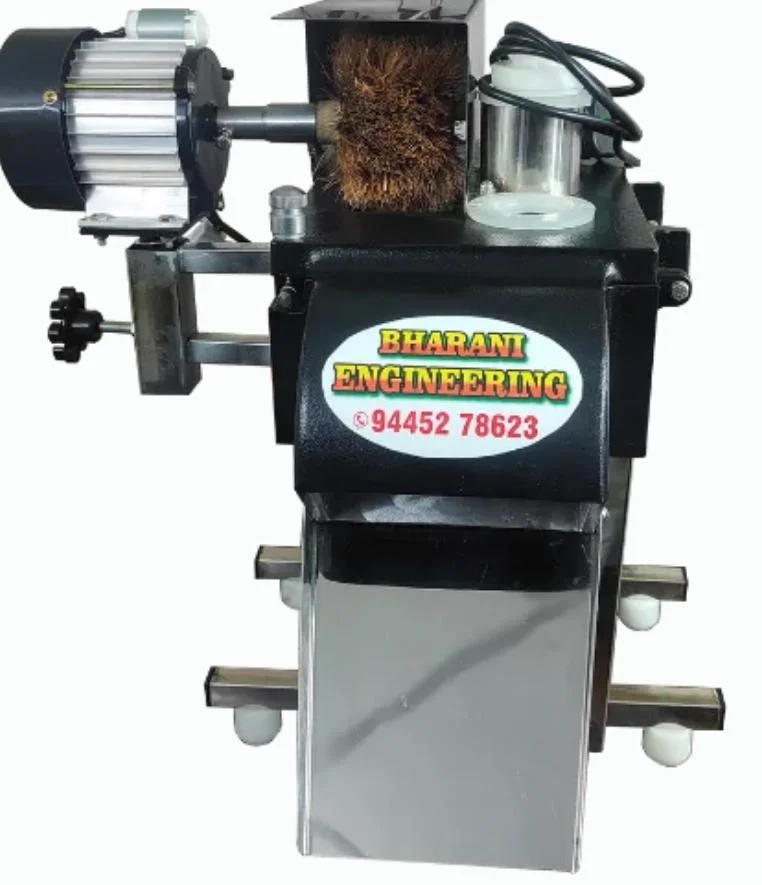
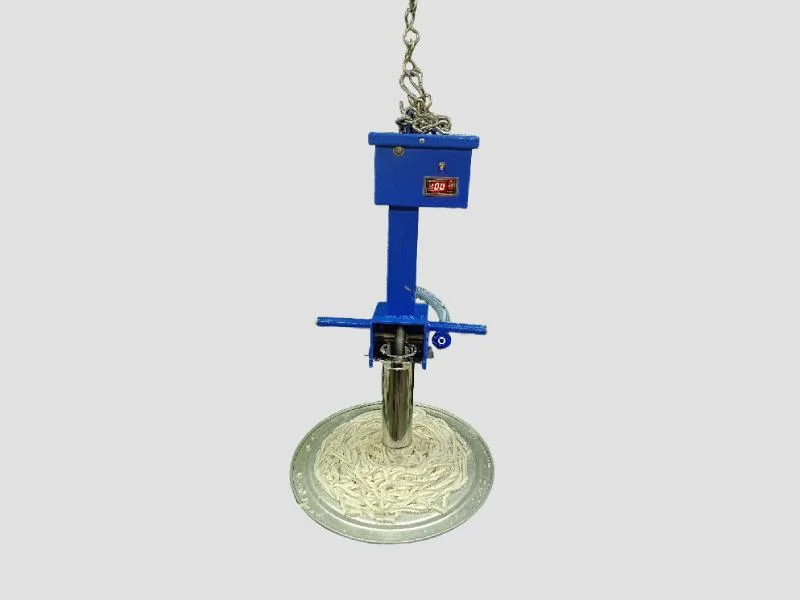
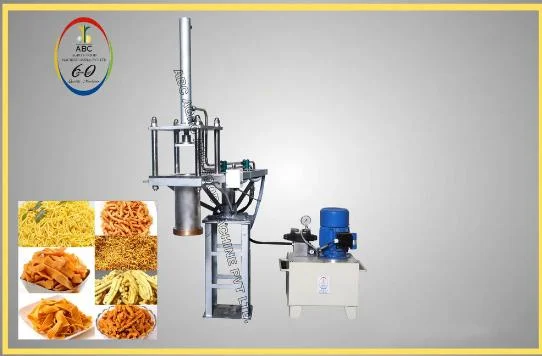
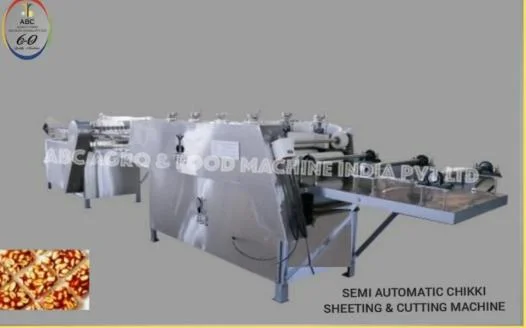
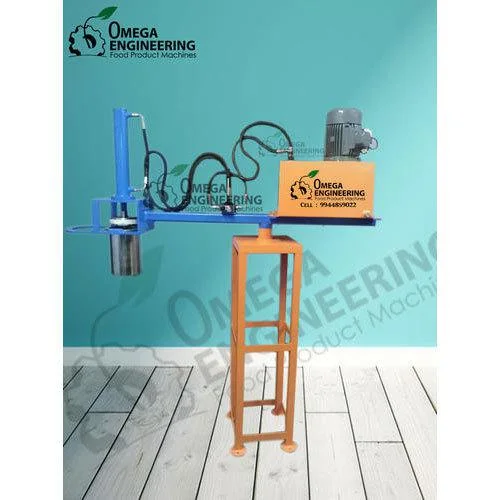
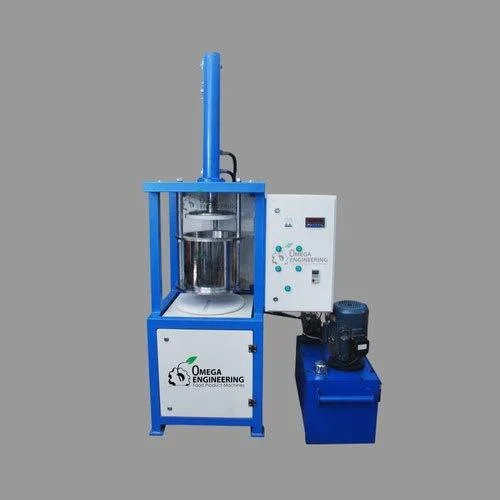
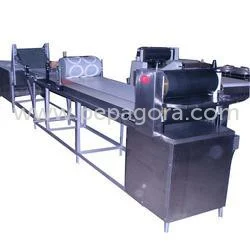
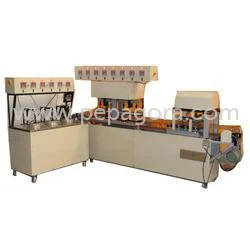
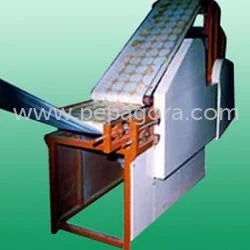
𝗪𝗵𝗮𝘁 𝗮𝗿𝗲 𝗦𝗻𝗮𝗰𝗸 𝗙𝗼𝗼𝗱 𝗣𝗿𝗼𝗰𝗲𝘀𝘀𝗶𝗻𝗴 𝗠𝗮𝗰𝗵𝗶𝗻𝗲𝘀?
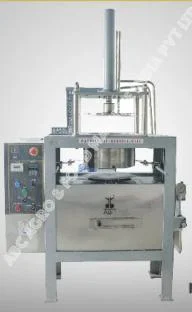
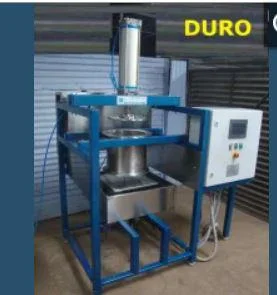
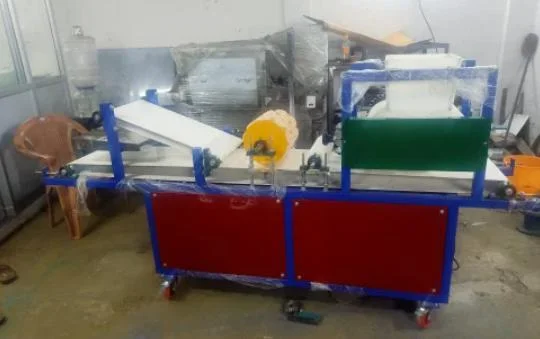
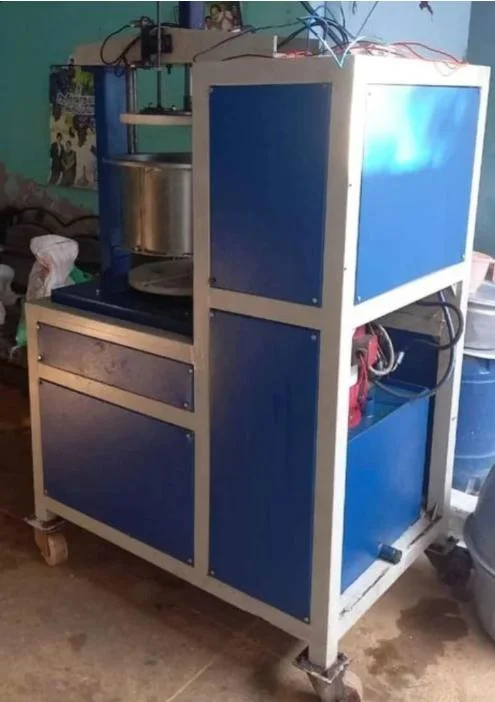
Snack Food Processing Machines are specialized equipment designed for the production and processing of various snack foods. These machines automate processes such as frying, baking, drying, and packaging, ensuring efficiency and consistency in snack production. They are essential for manufacturers looking to scale operations while maintaining quality and reducing labor costs.
These machines are widely used in industries producing potato chips, popcorn, nuts, granola bars, and other snack items. By utilizing advanced technology, they help businesses streamline their production lines, improve food safety, and enhance product quality. The demand for these machines continues to grow as consumer preferences shift towards healthy and convenient snack options.
In the context of the snack food industry, these machines play a crucial role in meeting market demands. With the increasing popularity of snacking and the rise of health-conscious consumers, manufacturers need reliable equipment to produce innovative products. The snack food processing machinery market is evolving, driven by the need for automation and efficiency in food production processes.
𝗞𝗲𝘆 𝗙𝗲𝗮𝘁𝘂𝗿𝗲𝘀 𝗮𝗻𝗱 𝗦𝗽𝗲𝗰𝗶𝗳𝗶𝗰𝗮𝘁𝗶𝗼𝗻𝘀
Snack Food Processing Machines come with a variety of features that enhance their functionality and performance. Understanding these specifications is essential for businesses when selecting the right equipment.
Key specifications include:
1. Production Capacity
- Refers to the amount of snack food produced per hour.
- Ranges from small-scale units producing hundreds of pounds to large-scale machines capable of processing tons.
2. Energy Consumption
- Indicates the electrical power required for operation.
- Varies based on machine size and type, typically measured in kilowatts.
3. Material Construction
- Machines are often made from stainless steel to ensure durability and hygiene.
- Corrosion resistance and ease of cleaning are critical factors.
4. Automation Level
- Level of automation varies from manual to fully automated systems.
- Fully automated machines can significantly reduce labor costs.
5. Temperature Control
- Essential for processes like frying and baking.
- Machines may have adjustable temperature settings for optimal cooking.
6. Safety Features
- Include emergency stop buttons, guards, and sensors.
- Ensures operator safety during operation.
7. Size and Footprint
- Machines come in various sizes to fit different production spaces.
- Consideration of footprint is crucial for facility layout.
8. Maintenance Requirements
- Varies by model and usage.
- Regular maintenance is necessary for optimal performance.
In summary, understanding the key features and specifications of Snack Food Processing Machines is critical for businesses aiming to invest in the right equipment that meets their production needs.
𝗖𝗼𝗺𝗺𝗼𝗻 𝗔𝗽𝗽𝗹𝗶𝗰𝗮𝘁𝗶𝗼𝗻𝘀 𝗮𝗻𝗱 𝗨𝘀𝗲 𝗖𝗮𝘀𝗲𝘀
Snack Food Processing Machines are versatile and serve various industries.
1. Food Manufacturing: These machines are essential for producing a wide range of snack foods, including chips, pretzels, and popcorn. They enable manufacturers to scale production and maintain quality.
2. Confectionery: In the candy industry, machines are used for coating nuts and creating chocolate-covered snacks. They ensure precise control over temperature and coating thickness.
3. Health Food: The rise of health-conscious snacking has led to the use of these machines for producing granola bars and baked snacks. They allow for the incorporation of natural ingredients.
4. Frozen Foods: Some machines are designed for processing frozen snacks, such as frozen fries or frozen puffed snacks, ensuring they remain crisp and flavorful.
5. Retail Packaging: These machines often include packaging solutions, allowing for efficient bagging and sealing of finished products, which is crucial for shelf life and presentation.
6. Catering: Snack food processing machines are also used in catering for large events, providing freshly made snacks on demand.
7. Export: Many manufacturers use these machines to produce snacks that are exported internationally, ensuring they meet quality and safety standards.
𝗣𝗿𝗼𝗱𝘂𝗰𝘁 𝗩𝗮𝗿𝗶𝗮𝗻𝘁𝘀 𝗮𝗻𝗱 𝗦𝘂𝗯𝗰𝗮𝘁𝗲𝗴𝗼𝗿𝗶𝗲𝘀
Snack Food Processing Machines come in various types to cater to different production needs.
Frying Machines
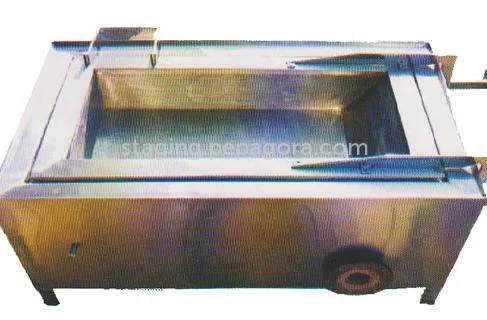
These machines are designed for deep frying snacks such as chips and fries. They provide precise temperature control and oil circulation for consistent frying results.
Baking Ovens
Baking ovens are used for producing baked snacks like crackers and cookies. They feature adjustable settings for temperature and time, ensuring uniform baking.
Extruders
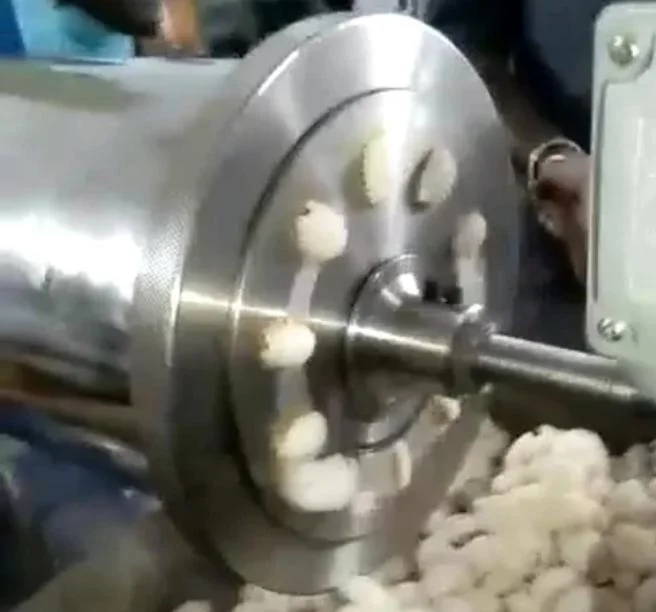
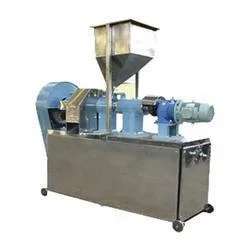
Extruders are used for creating snacks by forcing dough through a shaped die. This process is crucial for producing items like puffed snacks and cereal.
Packaging Machines
These machines automate the packaging of finished snacks, ensuring they are securely sealed and labeled for retail.
𝗕𝗲𝗻𝗲𝗳𝗶𝘁𝘀 𝗮𝗻𝗱 𝗔𝗱𝘃𝗮𝗻𝘁𝗮𝗴𝗲𝘀
Investing in Snack Food Processing Machines offers several key benefits to manufacturers.
1. Increased Efficiency: These machines automate many processes, leading to higher production rates and reduced labor costs.
2. Consistent Quality: Automation ensures uniformity in product size, texture, and flavor, enhancing brand reputation.
3. Versatility: Machines can often handle multiple types of snacks, allowing manufacturers to diversify their product offerings.
4. Reduced Waste: Efficient processing minimizes ingredient waste, leading to cost savings and better resource management.
5. Enhanced Safety: Many machines include safety features that protect operators and ensure compliance with health regulations.
6. Improved Scalability: As demand grows, manufacturers can scale operations without significant additional investment in labor.
𝗕𝘂𝘆𝗶𝗻𝗴 𝗚𝘂𝗶𝗱𝗲 𝗳𝗼𝗿 𝗕𝟮𝗕 𝗕𝘂𝘆𝗲𝗿𝘀
When sourcing Snack Food Processing Machines, it is essential for buyers to consider various factors to ensure they make informed decisions.
1. Quality Assessment: Evaluate the quality of the machines by examining materials, construction, and brand reputation. Look for machines that comply with industry standards.
2. Supplier Verification: Vet suppliers thoroughly to ensure they have a solid track record in the industry. Check for reviews, certifications, and warranty offerings.
3. Pricing and MOQ: Understand the pricing structure and minimum order quantities (MOQ) required by suppliers. This will help in budgeting and planning.
4. Delivery and Lead Times: Confirm the expected delivery schedules and lead times for production. This will impact your supply chain and planning strategies.
5. Compliance Requirements: Ensure that the machines meet relevant regulatory standards and certifications required in your region, such as CE compliance.
𝗖𝗼𝗺𝗽𝗹𝗶𝗮𝗻𝗰𝗲 𝗮𝗻𝗱 𝗖𝗲𝗿𝘁𝗶𝗳𝗶𝗰𝗮𝘁𝗶𝗼𝗻𝘀
Snack Food Processing Machines must adhere to various quality and safety standards.
ISO 9001 is a widely recognized standard for quality management systems, ensuring that manufacturers maintain consistent quality in their production processes.
HACCP (Hazard Analysis Critical Control Point) is a crucial system for managing food safety. Machines designed with HACCP compliance can help ensure that food products are safe from contamination.
CE certification indicates that products meet European safety standards. This certification is essential for machines sold in the European market.
Safety and testing requirements may also include performance testing and maintenance guidelines to ensure that machines operate within safe parameters.
Regional compliance considerations may vary, so it is vital for manufacturers to be aware of local regulations affecting food processing equipment.
𝗪𝗵𝘆 𝗦𝗼𝘂𝗿𝗰𝗲 𝗦𝗻𝗮𝗰𝗸 𝗙𝗼𝗼𝗱 𝗣𝗿𝗼𝗰𝗲𝘀𝘀𝗶𝗻𝗴 𝗠𝗮𝗰𝗵𝗶𝗻𝗲𝘀 𝗳𝗿𝗼𝗺 𝗣𝗲𝗽𝗮𝗴𝗼𝗿𝗮?
Pepagora provides a trusted platform for sourcing Snack Food Processing Machines, offering several key advantages for B2B buyers.
Verified Supplier Network: Pepagora connects buyers with a network of verified suppliers, ensuring that businesses can find reliable partners for their manufacturing needs. This network reduces the risks associated with sourcing equipment.
Streamlined RFQ Process: The Request for Quotation (RFQ) process on Pepagora is designed to be user-friendly. Buyers can easily submit their requirements and receive competitive quotes, saving time and resources.
Trade Assurance and Support: Pepagora offers trade assurance programs that protect buyers during transactions. This support provides peace of mind, ensuring that investments are secure.
Regional Coverage: With a strong presence in India, the GCC, and Southeast Asia, Pepagora provides extensive geographic reach. This allows businesses to source machinery that meets their specific regional needs without hassle.

 IN
IN