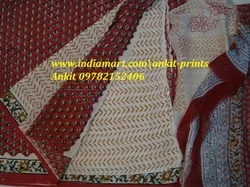
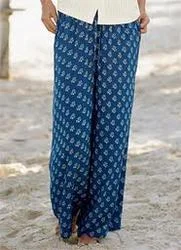
𝗪𝗵𝗮𝘁 𝗮𝗿𝗲 𝗪𝗼𝗺𝗲𝗻'𝘀 𝗙𝗮𝗶𝗿 𝗧𝗿𝗮𝗱𝗲 𝗘𝘁𝗵𝗻𝗶𝗰 𝗪𝗲𝗮𝗿?
Women's Fair Trade Ethnic Wear refers to clothing items designed for women that are produced under fair trade practices. This means that the garments are made in a way that ensures fair wages and working conditions for the artisans involved in their creation. The designs typically reflect cultural heritage and craftsmanship, often incorporating traditional textiles and patterns that are unique to specific regions. This category of clothing not only promotes ethical production but also celebrates diverse cultural aesthetics.
These garments serve various purposes in the business landscape. They are commonly utilized in retail settings, where boutiques and specialty stores offer them to consumers seeking ethical and sustainable fashion choices. Additionally, they are increasingly popular for promotional events, cultural exhibitions, and festivals, where businesses aim to showcase diversity and support fair trade initiatives. The growing trend toward sustainable and ethical fashion has positioned Women's Fair Trade Ethnic Wear as a relevant and appealing option in the current market.
𝗞𝗲𝘆 𝗙𝗲𝗮𝘁𝘂𝗿𝗲𝘀 𝗮𝗻𝗱 𝗦𝗽𝗲𝗰𝗶𝗳𝗶𝗰𝗮𝘁𝗶𝗼𝗻𝘀
Women's Fair Trade Ethnic Wear boasts a range of key features that highlight their uniqueness and appeal. These specifications ensure that the garments meet the needs of both consumers and retailers.
Key specifications include:
1. Ethically Sourced Materials
- Fabrics are sourced from sustainable suppliers.
- Materials may include cotton, silk, and blended textiles.
2. Handcrafted Designs
- Each piece is often handmade by skilled artisans.
- Designs reflect cultural heritage and traditional crafting techniques.
3. Fair Trade Certification
- Products are certified to guarantee fair wages and safe working conditions.
- Certification may vary by region and organization.
4. Customization Options
- Many suppliers offer customization based on client requirements.
- Options may include size, color, and design alterations.
5. Cultural Significance
- Garments often carry cultural symbols that tell a story.
- They can be a means of preserving traditional artistry.
6. Variety in Styles
- Includes sarees, kurtas, and other ethnic dresses.
- Styles cater to various occasions from casual wear to formal events.
In summary, Women's Fair Trade Ethnic Wear features a blend of ethical production, cultural richness, and customization options that appeal to a diverse market.
𝗖𝗼𝗺𝗺𝗼𝗻 𝗔𝗽𝗽𝗹𝗶𝗰𝗮𝘁𝗶𝗼𝗻𝘀 𝗮𝗻𝗱 𝗨𝘀𝗲 𝗖𝗮𝘀𝗲𝘀
Women's Fair Trade Ethnic Wear finds its place across various industries, each utilizing these garments in unique ways.
1. Retail Industry: Boutiques and online shops offer these garments as part of their sustainable fashion collections, appealing to eco-conscious consumers.
2. Cultural Events: Organizations host fairs and exhibitions showcasing these garments to promote cultural diversity and support fair trade practices.
3. Corporate Gifting: Companies purchase these garments as gifts for employees or clients, embodying corporate social responsibility.
4. Fashion Shows: Designers include these pieces in their collections to highlight ethical fashion and cultural heritage on runways.
5. Educational Institutions: Schools and universities may use these garments for cultural events or fashion courses, emphasizing the importance of sustainable practices.
6. Non-Profit Organizations: NGOs promote these garments to raise awareness about fair trade and support artisan communities.
𝗣𝗿𝗼𝗱𝘂𝗰𝘁 𝗩𝗮𝗿𝗶𝗮𝗻𝘁𝘀 𝗮𝗻𝗱 𝗦𝘂𝗯𝗰𝗮𝘁𝗲𝗴𝗼𝗿𝗶𝗲𝘀
Women's Fair Trade Ethnic Wear offers a diverse range of products, catering to different tastes and preferences.
Sarees
Sarees are traditional garments that come in various fabrics and designs. They can be worn for formal occasions or casual settings, showcasing intricate craftsmanship and vibrant colors.
Kurtas
Kurtas serve as versatile tops that can be paired with leggings or palazzos. They are suitable for everyday wear and are available in many styles and patterns, making them popular among women of all ages.
Ethnic Dresses
These dresses combine modern designs with traditional elements. They are ideal for festive occasions and can be dressed up or down depending on the event.
𝗕𝗲𝗻𝗲𝗳𝗶𝘁𝘀 𝗮𝗻𝗱 𝗔𝗱𝘃𝗮𝗻𝘁𝗮𝗴𝗲𝘀
Women's Fair Trade Ethnic Wear provides numerous benefits that appeal to both consumers and businesses.
1. Ethical Production: Supporting fair trade means ensuring fair wages and working conditions for artisans, promoting social justice in the fashion industry.
2. Unique Designs: Each piece reflects a rich cultural heritage, offering customers distinctive clothing options that stand out in a crowded market.
3. Sustainable Practices: The use of eco-friendly materials helps reduce environmental impact, appealing to consumers who prioritize sustainability.
4. Customization: The ability to customize garments allows businesses to meet specific client needs and preferences, enhancing customer satisfaction.
5. Market Demand: Growing consumer awareness about ethical practices has increased demand for fair trade products, creating opportunities for retailers.
6. Storytelling: Each garment carries a story, adding emotional value that resonates with consumers, which can strengthen brand loyalty.
𝗕𝘂𝘆𝗶𝗻𝗴 𝗚𝘂𝗶𝗱𝗲 𝗳𝗼𝗿 𝗕𝟮𝗕 𝗕𝘂𝘆𝗲𝗿𝘀
When sourcing Women's Fair Trade Ethnic Wear, key factors should be considered to ensure successful procurement.
1. Quality Assessment: Evaluate the quality of fabrics and craftsmanship. Request samples to verify material durability and design integrity.
2. Supplier Verification: Vet suppliers to ensure they have fair trade certifications and adhere to ethical practices. Look for reviews and testimonials from other buyers.
3. Pricing and MOQ: Understand the pricing structure and minimum order quantities. Compare prices across suppliers to find the best value without compromising quality.
4. Delivery and Lead Times: Inquire about delivery schedules and lead times to ensure timely availability of products. Factor in potential delays due to seasonal demands.
5. Compliance Requirements: Familiarize yourself with any regional regulations or certifications required for importing fair trade garments, ensuring compliance with local laws.
𝗖𝗼𝗺𝗽𝗹𝗶𝗮𝗻𝗰𝗲 𝗮𝗻𝗱 𝗖𝗲𝗿𝘁𝗶𝗳𝗶𝗰𝗮𝘁𝗶𝗼𝗻𝘀
Compliance with quality standards and certifications is crucial for Women's Fair Trade Ethnic Wear. Relevant quality standards such as ISO 9001 ensure that production processes meet international quality management principles. Adherence to safety and testing requirements protects consumers and maintains brand integrity.
Industry certifications like CE signify compliance with European health, safety, and environmental protection standards. These certifications enhance product credibility and increase marketability.
Regional compliance considerations may vary based on local laws governing textile imports and fair trade practices. Buyers should stay informed about these requirements to ensure smooth transactions and avoid potential legal issues.
𝗪𝗵𝘆 𝗦𝗼𝘂𝗿𝗰𝗲 𝗪𝗼𝗺𝗲𝗻'𝘀 𝗙𝗮𝗶𝗿 𝗧𝗿𝗮𝗱𝗲 𝗘𝘁𝗵𝗻𝗶𝗰 𝗪𝗲𝗮𝗿 𝗳𝗿𝗼𝗺 𝗣𝗲𝗽𝗮𝗴𝗼𝗿𝗮?
Pepagora offers a trusted platform for sourcing Women's Fair Trade Ethnic Wear, presenting several key advantages to buyers.
Verified Supplier Network: Pepagora connects businesses with a network of verified suppliers committed to fair trade practices. This ensures that buyers receive products that meet ethical standards.
Streamlined RFQ Process: The request for quotation (RFQ) process is efficient and user-friendly, allowing buyers to receive multiple quotes from various suppliers quickly.
Trade Assurance and Support: Pepagora provides trade assurance, protecting buyers throughout the sourcing process. This includes support for any issues that may arise post-purchase.
Regional Coverage: With a strong presence in India, GCC, and Southeast Asia, Pepagora offers extensive geographic reach, enabling businesses to access a wide range of Women's Fair Trade Ethnic Wear options tailored to diverse markets.

 IN
IN