What are Training Room Furniture?
Training room furniture refers to a specialized category of furnishings designed specifically for educational and training environments. This type of furniture includes items such as tables, chairs, desks, and storage solutions that facilitate learning, collaboration, and interaction among participants. The design and functionality of training room furniture are tailored to support various training methodologies, from workshops to lectures.
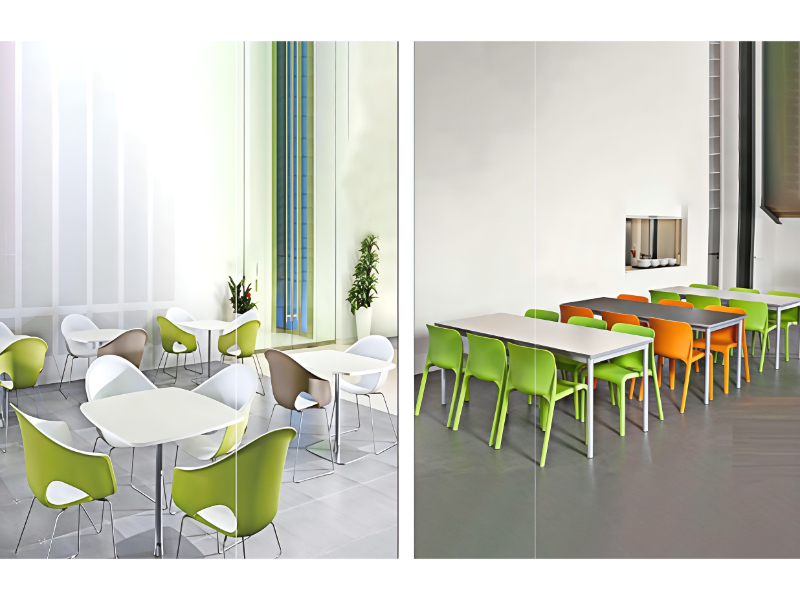
The primary use of training room furniture is to create an effective learning atmosphere that promotes engagement and productivity. Businesses utilize this furniture in corporate training sessions, educational institutions, and professional development workshops. The versatile nature of training room furniture allows it to accommodate different seating arrangements, such as theater-style, classroom-style, or collaborative group seating, depending on the training objectives and audience size.
In terms of industry relevance, the market for training room furniture has grown significantly in recent years. With the rise of remote and hybrid learning, there is an increased demand for adaptable and functional furniture solutions. Organizations are looking for furniture that not only meets their immediate training needs but also aligns with their branding and aesthetic requirements.
Key Features and Specifications
Training room furniture comes with a variety of features and specifications that enhance its usability and functionality. When selecting such furniture, it is essential to consider aspects such as durability, comfort, and style to ensure a conducive learning environment.
Key specifications include:
1. Material Quality
- Typically made from high-quality wood, metal, or a combination of materials.
- Must withstand daily wear and tear in an active training environment.
2. Ergonomics
- Designed with user comfort in mind to reduce fatigue.
- Features such as adjustable heights and lumbar support are common.
3. Mobility
- Many pieces are equipped with wheels for easy rearrangement.
- Lightweight designs facilitate quick setup and breakdown.
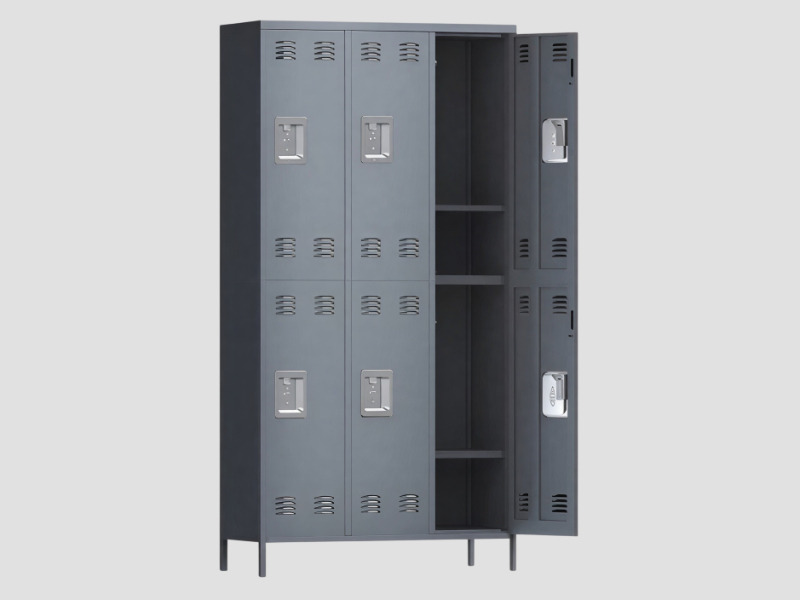
4. Storage Solutions
- Includes integrated storage options for supplies and materials.
- Options for modular units that can be customized as needed.
5. Aesthetic Appeal
- Available in various colors and finishes to match corporate branding.
- Modern designs that promote a professional and inviting atmosphere.
6. Customization
- Often available in custom sizes and configurations to fit different spaces.
- Options for branding or personalizing furniture with logos.
7. Safety Standards
- Must meet industry safety regulations and standards.
- Features such as rounded edges and non-toxic materials are important.
8. Warranty and Support
- Typically come with warranties to ensure quality and durability.
- Customer support for assembly and maintenance is often included.
Overall, the right training room furniture should enhance the learning experience while providing comfort and functionality to its users.
Common Applications and Use Cases
Training room furniture serves various industries, demonstrating its versatility and practicality.
1. Corporate Sector: Companies use training room furniture for employee development, onboarding sessions, and team-building activities. The furniture is designed to foster interaction and collaboration among participants.
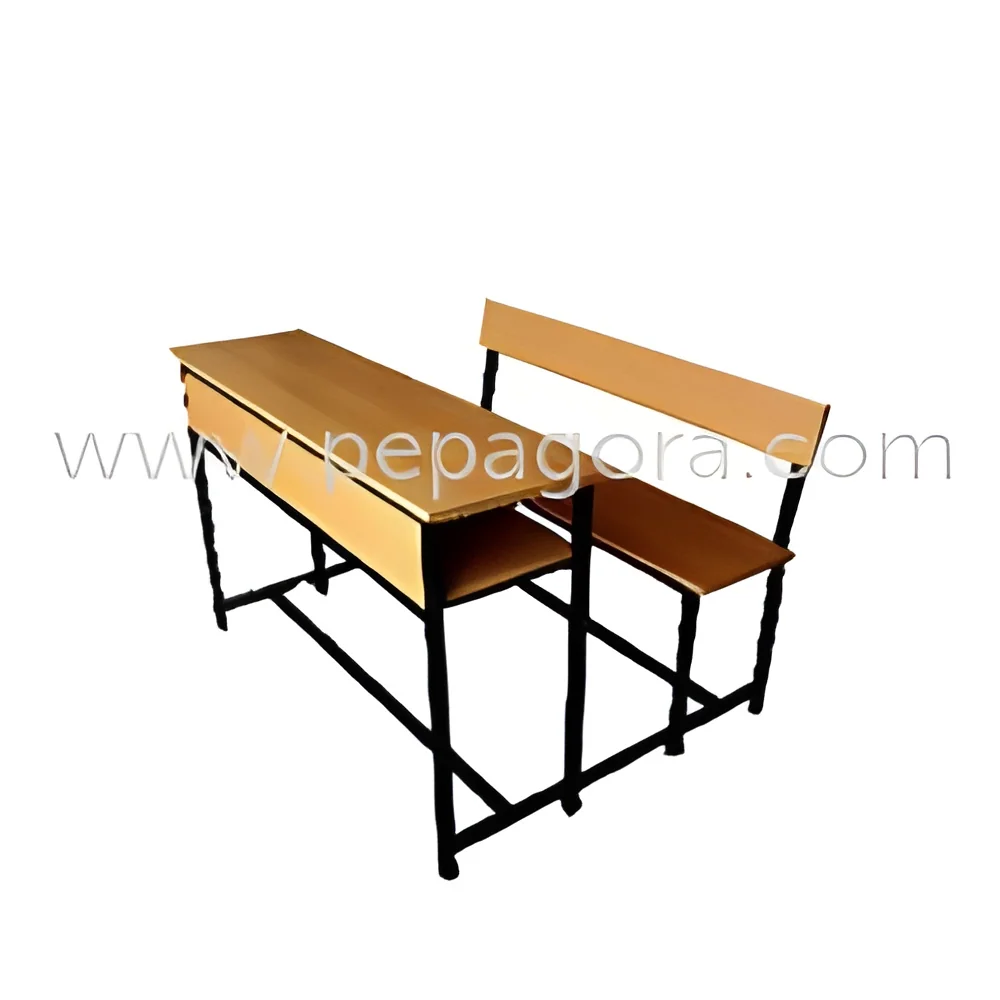
2. Educational Institutions: Schools and universities utilize this furniture for classrooms, seminar rooms, and workshops. The adaptable nature of the furniture allows for different teaching methods to be employed.
3. Healthcare: Training rooms in hospitals and medical facilities use specialized furniture for staff training and patient education sessions. The design focuses on comfort and accessibility.
4. Government Agencies: Public sector organizations conduct training programs for employees and stakeholders. The furniture is often selected for its durability and ease of maintenance.
5. Non-Profit Organizations: Training rooms for workshops and community engagement events require furniture that is both functional and cost-effective.
6. Technology Firms: These companies often host training sessions for software and product launches. The furniture must support interactive and collaborative learning experiences.
7. Hospitality and Tourism: Training room furniture is used in hotels and resorts for staff training, ensuring that employees are well-prepared to provide excellent service.
Product Variants and Subcategories
Training room furniture comes in various forms to meet specific needs and preferences.
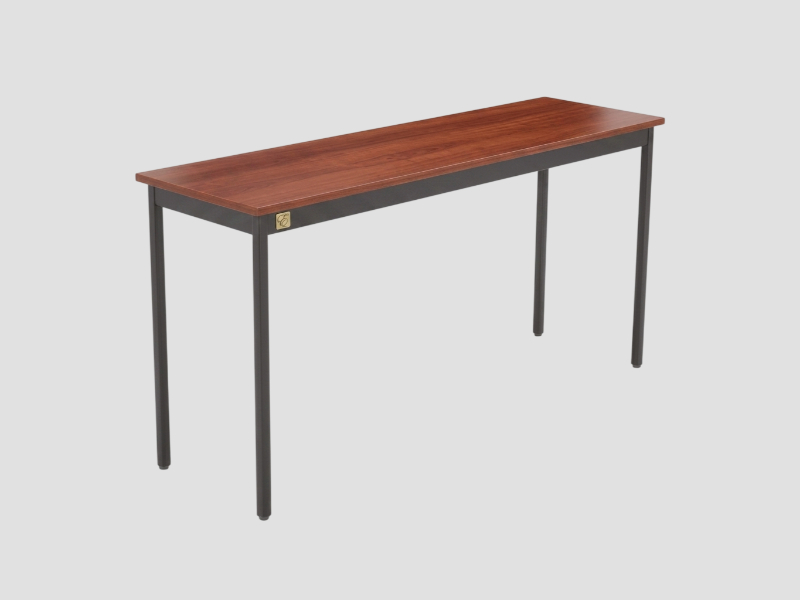
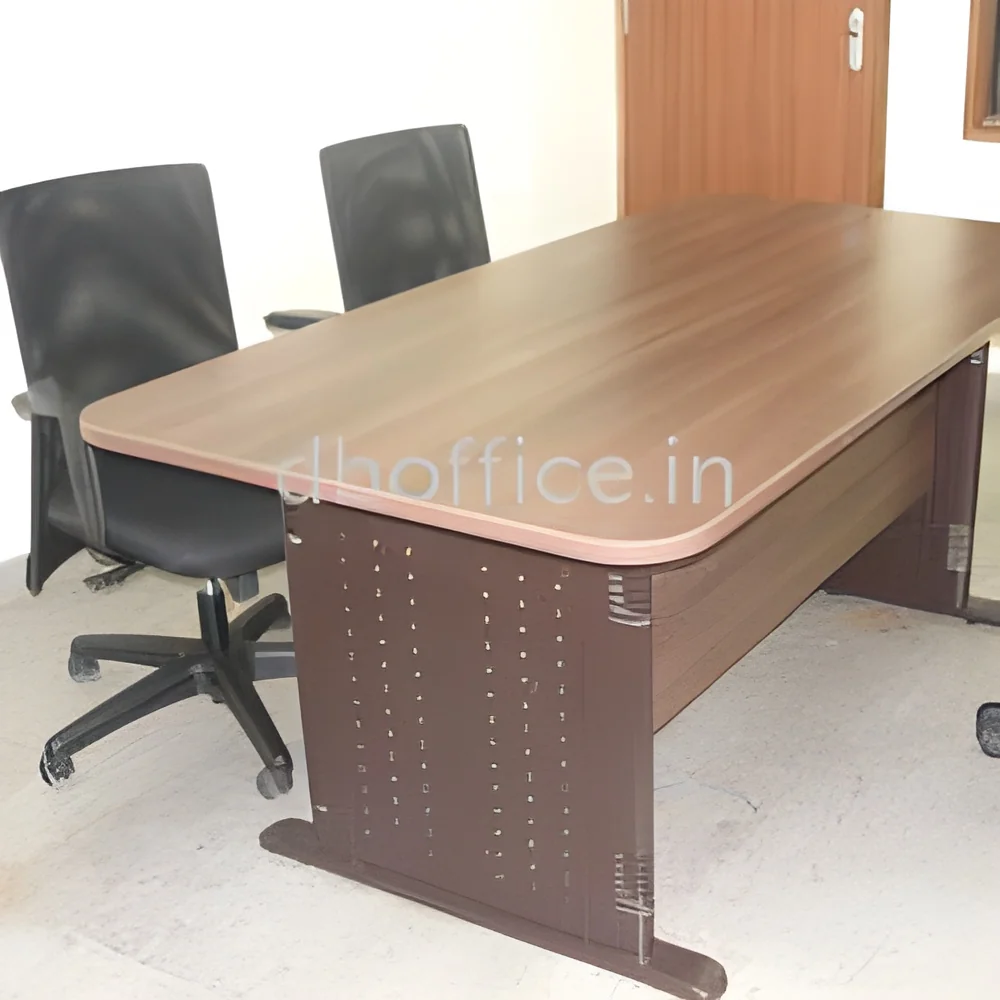
Training Tables: These are available in many sizes and shapes, including rectangular, round, and modular designs. They are typically lightweight for easy reconfiguration and often feature locking mechanisms for stability.
Training Chairs: Ergonomic chairs designed for long sessions, often featuring adjustable heights and wheels for mobility. They can be stacked for easy storage when not in use.
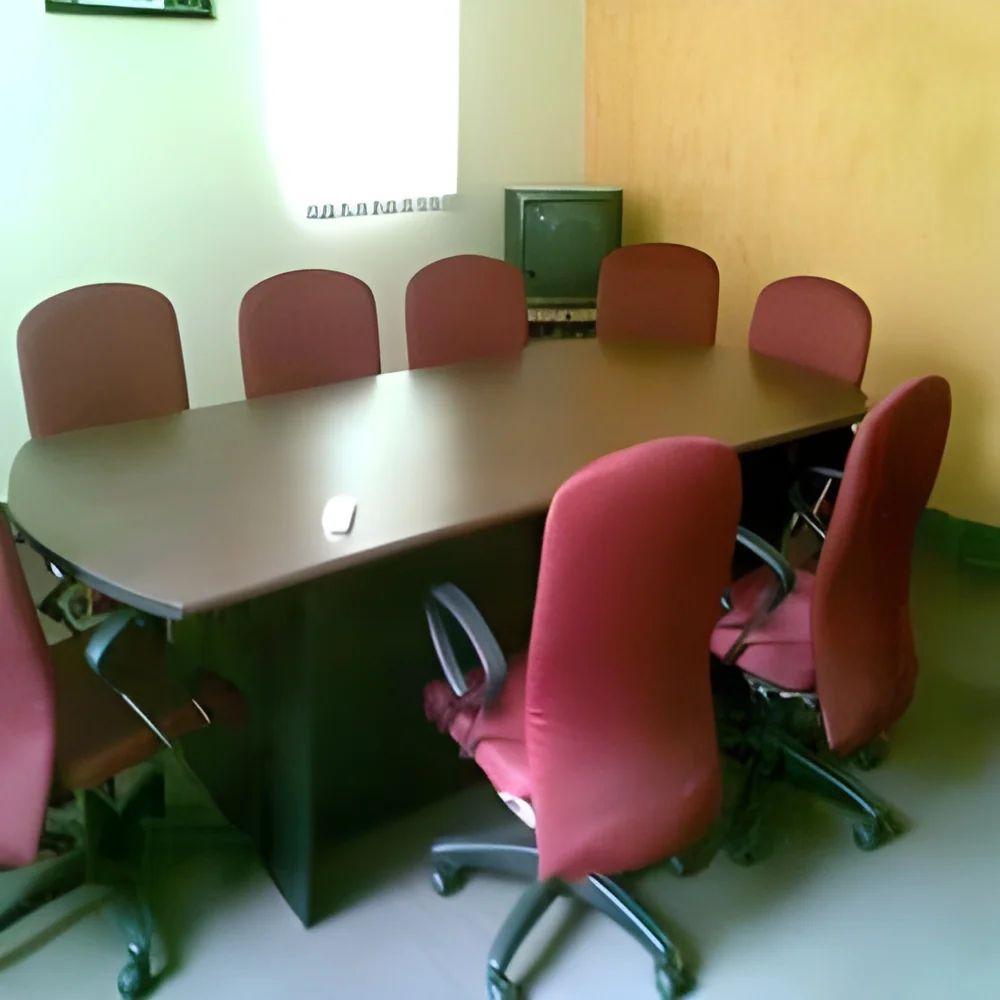
Collaborative Workstations: These setups allow for group activities, featuring larger tables and flexible seating arrangements. They are designed to encourage teamwork and interaction.
Presentation Stages: Elevated platforms or stages for speakers during training events. These are often portable and designed for easy assembly.
Benefits and Advantages
Training room furniture provides numerous benefits that enhance the learning experience.
1. Increased Engagement: Well-designed furniture promotes interaction, encouraging participants to engage actively in discussions.
2. Flexibility: Many pieces are modular and can be rearranged to suit different training formats, making them adaptable to various needs.
3. Comfort: Ergonomic designs mean that participants can focus on learning without discomfort, leading to improved retention of information.
4. Professional Appearance: High-quality furniture enhances the overall aesthetic of the training environment, reflecting positively on the organization.
5. Cost-Effective Solutions: Durable furniture reduces the need for frequent replacements, leading to long-term savings.
6. Easy Maintenance: Many training room furniture options are designed for easy cleaning and upkeep, ensuring longevity and hygiene.
Buying Guide for B2B Buyers
When sourcing training room furniture, businesses should consider several essential factors to ensure they make the right choice.
1. Quality Assessment: Look for furniture that is made from durable materials and has been tested for longevity. Consider user reviews and ratings to gauge the quality.
2. Supplier Verification: Vet suppliers to ensure they are reputable and provide reliable products. Check for certifications and industry experience.
3. Pricing and MOQ: Understand the pricing structure and minimum order quantities. Ensure that the cost aligns with your budget while meeting quality expectations.
4. Delivery and Lead Times: Inquire about the logistics of delivery, including lead times. Timely delivery is crucial for planning training sessions effectively.
5. Compliance Requirements: Ensure that the furniture meets relevant safety and regulatory standards, particularly in specialized industries such as healthcare or education.
Compliance and Certifications
Training room furniture must adhere to several quality standards and regulations to ensure safety and reliability.
Relevant quality standards include ISO 9001, which outlines requirements for quality management systems, ensuring consistent product quality. Additionally, certifications like CE indicate compliance with European health, safety, and environmental protection standards, which can be crucial for international buyers.
Safety and testing requirements are essential, particularly in environments where the furniture will be used by a diverse range of individuals. Ensuring that materials used are non-toxic and safe for all users is a primary concern.
Regional compliance considerations are also important, as different areas may have specific regulations that govern the manufacturing and use of furniture in educational and training environments. Buyers should ensure that their chosen products meet these regional standards.
Why Source Training Room Furniture from Pepagora?
Pepagora offers a trusted platform for sourcing training room furniture, with several key advantages that make it an ideal choice for businesses.
Verified Supplier Network: Pepagora provides access to a network of verified suppliers, ensuring that buyers can trust the quality and reliability of their chosen products. Each supplier undergoes a rigorous vetting process to guarantee standards.
Streamlined RFQ Process: The platform features a simple and effective request for quotation (RFQ) system, allowing buyers to easily solicit quotes from multiple suppliers. This process saves time and ensures competitive pricing.
Trade Assurance and Support: Pepagora offers trade assurance, protecting buyers from risks associated with their purchases. The platform provides support throughout the buying process, ensuring a smooth transaction.
Regional Coverage: With a strong presence in India, the GCC, and Southeast Asia, Pepagora is well-positioned to meet the diverse needs of businesses across various regions. This extensive coverage allows for localized support and faster delivery times.

 IN
IN