𝗪𝗵𝗮𝘁 𝗮𝗿𝗲 𝗣𝗿𝗼𝘁𝗼𝘁𝘆𝗽𝗲 & 𝗦𝗮𝗺𝗽𝗹𝗲 𝗣𝗿𝗶𝗻𝘁𝗶𝗻𝗴?
Prototype and sample printing refer to the process of producing initial models and sample products for evaluation and testing purposes. This printing method allows businesses to create physical representations of their designs before moving into full-scale production. It helps in visualizing the final product, assessing its functionality, and making necessary adjustments based on feedback.
These prints are primarily used in product development, marketing, and testing phases across various industries. Companies utilize prototype and sample printing to verify design concepts, ensure branding consistency, and conduct market testing. This process is crucial for minimizing risk and ensuring that the final product aligns with customer expectations and industry standards.
In today's competitive landscape, the demand for prototype and sample printing is growing as businesses strive for innovation and efficiency. It plays a significant role in speeding up the development cycle, allowing companies to respond quickly to market changes and customer needs. Industries ranging from consumer goods to technology are leveraging these services to refine their offerings and enhance their market presence.
𝗞𝗲𝘆 𝗙𝗲𝗮𝘁𝘂𝗿𝗲𝘀 𝗮𝗻𝗱 𝗦𝗽𝗲𝗰𝗶𝗳𝗶𝗰𝗮𝘁𝗶𝗼𝗻𝘀
Prototype and sample printing comes with several essential features and specifications that cater to diverse business needs. These specifications ensure that the printed samples meet quality standards and functional requirements.
Key specifications include:
1. Material Options
- Available materials may include plastic, paper, metal, or fabric.
- Each material has specific properties suitable for different applications.
2. Printing Techniques
- Techniques can include digital printing, 3D printing, or screen printing.
- Each method affects the quality and detail of the prints.
3. Resolution and Detail
- High-resolution printing options can achieve fine details.
- Specifications typically range from 300 DPI to 1200 DPI.
4. Color Accuracy
- Advanced color matching systems ensure prints reflect true colors.
- Color profiles help maintain consistency across different prints.
5. Size and Dimensions
- Custom size options are available to fit specific project needs.
- Standard dimensions may also be provided based on common applications.
6. Turnaround Time
- Fast turnaround options are available for urgent projects.
- Standard lead times can vary based on complexity.
In summary, understanding these features and specifications is crucial for businesses seeking effective prototype and sample printing solutions.
𝗖𝗼𝗺𝗺𝗼𝗻 𝗔𝗽𝗽𝗹𝗶𝗰𝗮𝘁𝗶𝗼𝗻𝘀 𝗮𝗻𝗱 𝗨𝘀𝗲 𝗖𝗮𝘀𝗲𝘀
Prototype and sample printing has a broad range of applications across various industries.
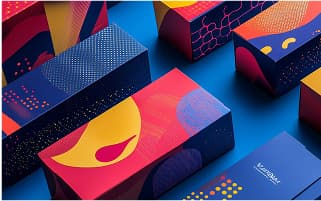
1. Consumer Goods: Companies often create prototypes for packaging designs and product samples to test with focus groups before launching new items.
2. Automotive: Manufacturers use sample printing to create models of parts and components for testing and validation in design processes.
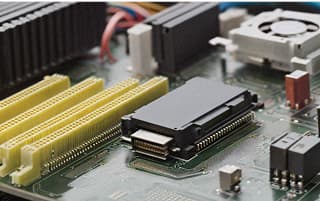
3. Electronics: Prototype printing helps in developing enclosures and layouts for electronic devices, enabling engineers to test functionality.
4. Fashion and Textiles: Fashion designers utilize sample printing to create fabric patterns and garment prototypes for review and adjustments.
5. Medical Devices: Prototyping in this sector allows for testing device ergonomics and usability before full-scale production.
6. Architecture: Architects use printed models to present designs to clients and stakeholders, facilitating better understanding and feedback.
7. Marketing: Sample prints are essential for mock-ups of promotional materials, helping businesses visualize marketing campaigns.
𝗣𝗿𝗼𝗱𝘂𝗰𝘁 𝗩𝗮𝗿𝗶𝗮𝗻𝘁𝘀 𝗮𝗻𝗱 𝗦𝘂𝗯𝗰𝗮𝘁𝗲𝗴𝗼𝗿𝗶𝗲𝘀
Prototype and sample printing offers diverse options tailored to specific needs and applications.
Digital Printing: This variant provides high-quality prints with quick turnaround times. It is ideal for small batch production and complex designs.
3D Printing: Known for its ability to create intricate shapes and structures, 3D printing is perfect for prototypes in engineering and design industries. This method allows for rapid prototyping and more iterative design processes.
Screen Printing: This method is suitable for larger volume prints and is often used for textiles and promotional items. It provides vibrant colors and durability.
Offset Printing: This variant is ideal for high-volume production runs, offering excellent color fidelity and consistency. It is commonly used for packaging and marketing materials.
𝗕𝗲𝗻𝗲𝗳𝗶𝘁𝘀 𝗮𝗻𝗱 𝗔𝗱𝘃𝗮𝗻𝘁𝗮𝗴𝗲𝘀
Prototype and sample printing presents numerous benefits that support businesses in their development processes.
1. Cost Efficiency: By identifying design flaws early, companies can avoid expensive production errors and reworks.
2. Time Savings: Rapid prototyping allows businesses to accelerate their development cycles and respond swiftly to market demands.
3. Enhanced Collaboration: Physical samples facilitate better communication among teams, stakeholders, and clients, ensuring everyone is aligned on project goals.
4. Improved Quality: High-quality prototypes enable thorough testing and validation, leading to better final products.
5. Market Testing: Businesses can gather valuable feedback from potential customers using sample products before full-scale production.
6. Customization: Companies can tailor prototypes to specific requirements, ensuring that the final product meets customer expectations.
𝗕𝘂𝘆𝗶𝗻𝗴 𝗚𝘂𝗶𝗱𝗲 𝗳𝗼𝗿 𝗕𝟮𝗕 𝗕𝘂𝘆𝗲𝗿𝘀
When sourcing prototype and sample printing, businesses should consider several key factors to ensure they select the right provider.
1. Quality Assessment: Evaluate the quality of samples provided by suppliers. Look for consistency in print resolution, color accuracy, and material quality.
2. Supplier Verification: Conduct thorough research on potential suppliers. Check for reviews, certifications, and previous work to ensure reliability and capability.
3. Pricing and MOQ: Understand the pricing structure and minimum order quantities. This information helps in budgeting and ensures that the supplier aligns with your project scale.
4. Delivery and Lead Times: Assess the supplier's ability to meet your timelines. Reliable lead times are crucial for maintaining project schedules.
5. Compliance Requirements: Ensure that the supplier meets all relevant regulations and standards applicable to your industry. Compliance can significantly impact product safety and marketability.
𝗖𝗼𝗺𝗽𝗹𝗶𝗮𝗻𝗰𝗲 𝗮𝗻𝗱 𝗖𝗲𝗿𝘁𝗶𝗳𝗶𝗰𝗮𝘁𝗶𝗼𝗻𝘀
Compliance and certifications are vital aspects of prototype and sample printing that ensure quality and safety in production.
Relevant quality standards such as ISO 9001 emphasize the importance of consistent quality management systems. Adhering to these standards can enhance product reliability and customer satisfaction.
Industry certifications like CE demonstrate compliance with European health, safety, and environmental protection standards. This certification is crucial for gaining acceptance in various markets.
Safety and testing requirements must be met to ensure that printed prototypes do not pose risks during use. This includes material safety and performance evaluations.
Regional compliance considerations may vary based on local regulations. It is essential for businesses to understand the specific compliance requirements within their operating regions to mitigate risks.
𝗪𝗵𝘆 𝗦𝗼𝘂𝗿𝗰𝗲 𝗣𝗿𝗼𝘁𝗼𝘁𝘆𝗽𝗲 & 𝗦𝗮𝗺𝗽𝗹𝗲 𝗣𝗿𝗶𝗻𝘁𝗶𝗻𝗴 𝗳𝗿𝗼𝗺 𝗣𝗲𝗽𝗮𝗴𝗼𝗿𝗮?
Pepagora provides a trusted platform for sourcing prototype and sample printing with several key advantages.
Verified Supplier Network: Pepagora connects buyers with a network of verified suppliers. This verification process ensures that businesses have access to reliable partners who meet industry standards.
Streamlined RFQ Process: The platform offers a streamlined Request for Quotation (RFQ) system, allowing buyers to receive competitive quotes from multiple suppliers efficiently. This process saves time and simplifies sourcing.
Trade Assurance and Support: Pepagora offers trade assurance, providing buyers with protection throughout the sourcing process. Dedicated support ensures that any concerns are addressed promptly.
Regional Coverage: With a strong presence in India, the GCC, and Southeast Asia, Pepagora facilitates access to prototype and sample printing services across diverse markets. This geographic reach allows businesses to connect with suppliers that can meet their specific needs effectively.

 IN
IN