𝗪𝗵𝗮𝘁 𝗮𝗿𝗲 𝗣𝗲𝗻𝗱𝗮𝗻𝘁 𝗟𝗶𝗴𝗵𝘁𝘀?
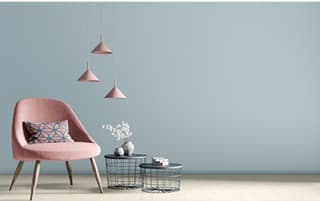
Pendant lights are a type of lighting fixture that hangs from the ceiling, often suspended by a cord, chain, or rod. They are designed to provide targeted illumination and can serve both functional and aesthetic purposes. These fixtures come in various shapes, sizes, and styles, making them a versatile choice for different environments. Pendant lights can enhance the visual appeal of a space while also providing essential lighting for tasks and activities.
In business settings, pendant lights are commonly used in offices, restaurants, retail spaces, and industrial facilities. They can be strategically placed over workstations, dining areas, or display sections to create an inviting atmosphere. The ability to customize pendant lights in terms of design and functionality makes them suitable for a wide range of commercial applications. As industries increasingly focus on aesthetics and functionality, pendant lights have become an essential element in modern design.
The market for pendant lights is growing, driven by trends in interior design and the demand for energy-efficient lighting solutions. Businesses are looking for ways to enhance their environments while maintaining energy efficiency. This has led to the development of pendant lights that incorporate LED technology and smart lighting features, making them relevant in today's market.
𝗞𝗲𝘆 𝗙𝗲𝗮𝘁𝘂𝗿𝗲𝘀 𝗮𝗻𝗱 𝗦𝗽𝗲𝗰𝗶𝗳𝗶𝗰𝗮𝘁𝗶𝗼𝗻𝘀
Pendant lights offer a variety of features and specifications that cater to different needs and preferences. Understanding these specifications is crucial for making informed purchasing decisions.
Key specifications include:
1. Light Source
- Types include LED, incandescent, and fluorescent
- Energy efficiency ratings and lumens output
2. Suspension Length
- Adjustable lengths available for different ceiling heights
- Fixed lengths for specific design requirements
3. Material Composition
- Common materials include metal, glass, and plastic
- Impact on durability and aesthetics
4. Wattage
- Range of wattage options to suit various lighting needs
- Important for energy consumption and brightness levels
5. Voltage
- Standard voltage options, typically 120V or 240V
- Compatibility with electrical systems
6. Design Style
- Available in modern, vintage, industrial, and minimalist styles
- Influence on interior decor
7. Dimming Capability
- Options for dimmable fixtures to adjust lighting intensity
- Compatibility with dimmer switches
8. Color Temperature
- Range from warm white to cool white light
- Impact on ambiance and mood
In summary, pendant lights come with various features and specifications that affect their functionality and design. Buyers should consider these factors to select the right fixture for their needs.
𝗖𝗼𝗺𝗺𝗼𝗻 𝗔𝗽𝗽𝗹𝗶𝗰𝗮𝘁𝗶𝗼𝗻𝘀 𝗮𝗻𝗱 𝗨𝘀𝗲 𝗖𝗮𝘀𝗲𝘀
Pendant lights serve various industries, providing both aesthetic and practical lighting solutions.
1. Hospitality: In restaurants and hotels, pendant lights enhance dining experiences by creating a warm and inviting atmosphere. They are often used over tables and reception areas.
2. Retail: Stores utilize pendant lights to highlight products and create visual interest. They can be strategically placed in display areas to draw attention to key items.
3. Office Spaces: Pendant lights are used in modern office designs to provide task lighting over workstations and meeting areas. They help improve focus and productivity.
4. Industrial: In manufacturing facilities, pendant lights offer bright, focused lighting for work areas. They are designed to withstand harsh environments and provide safety.
5. Residential: Homeowners use pendant lights in kitchens and dining rooms for both functional and decorative purposes. They contribute to the overall style of the interior.
6. Educational Institutions: Schools and universities employ pendant lights in classrooms and common areas to create a conducive learning environment.
7. Healthcare: In hospitals and clinics, pendant lights provide essential lighting for examination rooms and waiting areas, ensuring visibility and comfort.
𝗣𝗿𝗼𝗱𝘂𝗰𝘁 𝗩𝗮𝗿𝗶𝗮𝗻𝘁𝘀 𝗮𝗻𝗱 𝗦𝘂𝗯𝗰𝗮𝘁𝗲𝗴𝗼𝗿𝗶𝗲𝘀
Pendant lights come in a wide range of variants, allowing businesses to choose the perfect fit for their specific needs.
Traditional Pendant Lights
These fixtures feature classic designs and are often made from materials such as glass or metal. They are ideal for creating a timeless look in various settings.
Modern Pendant Lights
Characterized by sleek lines and minimalist designs, modern pendant lights suit contemporary spaces. They often incorporate innovative lighting technology for enhanced functionality.
Industrial Pendant Lights
These are designed to reflect an industrial aesthetic, commonly featuring raw materials and exposed bulbs. They work well in lofts, cafes, and other urban environments.
Multi-Light Pendant Lights
This variant consists of multiple light sources grouped together. They provide enhanced illumination and can serve as a statement piece in larger spaces.
Mini Pendant Lights
Smaller in size, mini pendant lights are perfect for more intimate settings. They are typically used in clusters to create a unique lighting arrangement.
𝗕𝗲𝗻𝗲𝗳𝗶𝘁𝘀 𝗮𝗻𝗱 𝗔𝗱𝘃𝗮𝗻𝘁𝗮𝗴𝗲𝘀
Pendant lights offer numerous benefits that make them a preferred choice in various settings.
1. Aesthetic Appeal: They enhance the visual design of a space, adding character and style.
2. Versatility: Suitable for different environments, pendant lights can be used in commercial, industrial, and residential spaces.
3. Focused Illumination: They provide targeted lighting, making them ideal for task-oriented areas.
4. Energy Efficiency: Many pendant lights are available with LED options, reducing energy consumption and operational costs.
5. Customization: Buyers can select from various designs, materials, and finishes to match their specific requirements.
6. Easy Installation: Pendant lights are generally straightforward to install, making them a convenient option for businesses.
𝗕𝘂𝘆𝗶𝗻𝗴 𝗚𝘂𝗶𝗱𝗲 𝗳𝗼𝗿 𝗕𝟮𝗕 𝗕𝘂𝘆𝗲𝗿𝘀
When sourcing pendant lights for business applications, several factors should be considered to ensure the right choice.
1. Quality Assessment: Evaluate the materials and craftsmanship of the pendant lights. High-quality fixtures will provide durability and longevity, which are essential for commercial use.
2. Supplier Verification: It is crucial to vet suppliers for reliability and reputation. Look for reviews and testimonials to ensure they deliver quality products consistently.
3. Pricing and MOQ: Consider the cost of the pendant lights and the minimum order quantity required by the supplier. This helps in budgeting and ensures you can meet your lighting needs.
4. Delivery and Lead Times: Check the supplier’s logistics capabilities to ensure timely delivery. Understand their lead times to plan your project appropriately.
5. Compliance Requirements: Be aware of any regulatory standards that apply to pendant lights, such as safety certifications. Ensure that the products meet these requirements for peace of mind.
𝗖𝗼𝗺𝗽𝗹𝗶𝗮𝗻𝗰𝗲 𝗮𝗻𝗱 𝗖𝗲𝗿𝘁𝗶𝗳𝗶𝗰𝗮𝘁𝗶𝗼𝗻𝘀
Pendant lights must adhere to various quality standards and certifications to ensure safety and reliability. These include relevant quality standards such as ISO 9001, which focuses on quality management systems. Compliance with industry certifications, such as CE, indicates that the products meet European safety, health, and environmental protection standards.
Safety and testing requirements are also essential for pendant lights, ensuring that they can withstand operational demands without posing risks to users. Additionally, buyers should consider regional compliance, as different countries may have specific regulations regarding lighting products. Understanding these compliance issues is vital for businesses to avoid legal issues and ensure safe usage.
𝗪𝗵𝘆 𝗦𝗼𝘂𝗿𝗰𝗲 𝗣𝗲𝗻𝗱𝗮𝗻𝘁 𝗟𝗶𝗴𝗵𝘁𝘀 𝗳𝗿𝗼𝗺 𝗣𝗲𝗽𝗮𝗴𝗼𝗿𝗮?
Pepagora provides a trusted platform for sourcing pendant lights, offering several key advantages to B2B buyers.
Verified Supplier Network: Pepagora boasts a comprehensive network of verified suppliers. This ensures that buyers receive quality products from reputable manufacturers, reducing the risk associated with sourcing.
Streamlined RFQ Process: The request for quotation system is designed to facilitate efficient communication between buyers and suppliers. This process allows businesses to obtain competitive pricing and make informed choices.
Trade Assurance and Support: Pepagora offers trade assurance, protecting buyers against potential issues in transactions. This support instills confidence, ensuring that businesses can source pendant lights with ease.
Regional Coverage: With a presence in India, GCC, and Southeast Asia, Pepagora caters to a wide geographic market. This regional reach allows businesses to access pendant lights tailored to their specific needs and preferences.

 IN
IN