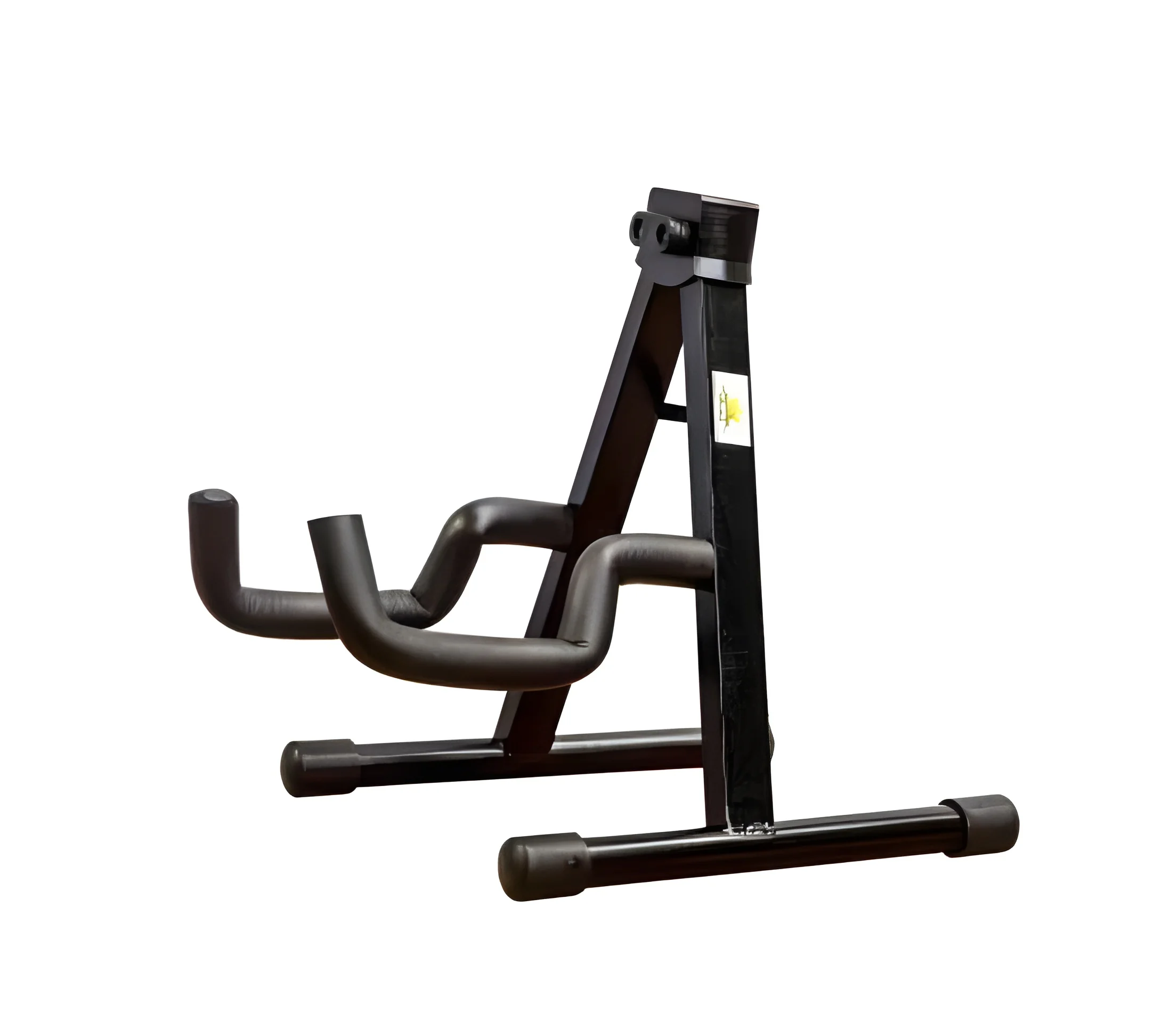
What are Musical Instrument Retail Displays?
Musical Instrument Retail Displays are specialized fixtures designed to showcase musical instruments in retail environments. They serve the purpose of enhancing visibility, accessibility, and presentation of various musical products, such as guitars, keyboards, and percussion instruments. These displays are essential for attracting customer attention and encouraging sales by presenting instruments in an organized and appealing manner.
Retail displays are typically employed in music stores, shopping centers, and trade shows. They can be customized to fit specific brand needs and can be designed to accommodate different types of instruments. With the increasing competition in the music retail industry, effective displays play a crucial role in enhancing the shopping experience and driving customer engagement. The design and functionality of these displays can significantly impact a store's overall sales performance.
In the current market, the relevance of Musical Instrument Retail Displays is heightened by the demand for unique and engaging retail experiences. With advancements in display technology and design, retailers can leverage these displays to create immersive environments that resonate with musicians and music enthusiasts alike. As a result, understanding the importance of these displays is key for retailers aiming to thrive in a competitive landscape.
Key Features and Specifications
Musical Instrument Retail Displays come with various features tailored to meet the needs of retailers. These displays not only enhance the aesthetic appeal of a store but also provide practical benefits such as organization and security for high-value instruments. The following specifications highlight the core aspects of these displays.
Key specifications include:
1. Material Composition
- Made from durable materials such as wood, metal, or acrylic
- Ensures longevity and stability in high-traffic retail environments
2. Size and Dimensions
- Available in various sizes to accommodate different instruments
- Customizable dimensions ensure optimal space utilization
3. Weight Capacity
- Designed to hold a specific weight based on instrument type
- Ensures safety and stability for heavier instruments like pianos
4. Display Configuration
- Options for wall-mounted, floor-standing, or multi-tier designs
- Flexible configurations to suit specific retail layouts
5. Finish and Color Options
- Available in various finishes to match store aesthetics
- Custom color options can enhance brand identity
6. Assembly Requirements
- Generally easy to assemble with minimal tools required
- Some models may come pre-assembled for immediate use
7. Security Features
- Includes locking mechanisms for high-value instruments
- Helps prevent theft and ensures instrument safety
8. Customization Capabilities
- Options for branding and signage to enhance marketing
- Tailored designs based on retailer specifications
In summary, these features and specifications provide a comprehensive overview of what to expect from Musical Instrument Retail Displays, making it easier for retailers to select the right solutions for their needs.
Common Applications and Use Cases
Musical Instrument Retail Displays are versatile and can be found across various industries. Their design and functionality make them ideal for several applications.
1. Music Retail Stores: These displays are commonly used in music shops to showcase a wide range of instruments, helping customers easily browse and select products.
2. Trade Shows: At music industry trade shows, displays are used to present new products and attract potential buyers, enhancing brand visibility.
3. Educational Institutions: Music schools and universities utilize these displays to showcase instruments available for student use, promoting accessibility.
4. Concert Venues: Displays in concert venues help merchandise instruments and accessories, providing fans with opportunities to purchase products related to their favorite artists.
5. Online Retail: Some retailers use digital displays in physical locations to complement their online offerings, bridging the gap between offline and online shopping experiences.
6. Rental Services: Companies that rent out musical instruments can use displays to highlight their available inventory, making it easier for customers to choose.
7. Community Events: Local music festivals and community events often feature displays to promote local artists, instruments, and music programs.
Product Variants and Subcategories
Musical Instrument Retail Displays come in various designs to cater to different needs and preferences. This diversity allows retailers to select options that best fit their brand and product offerings.
Wall-Mounted Displays
These displays maximize space by utilizing vertical areas in stores. They are ideal for showcasing smaller instruments like ukuleles or accessories, ensuring a tidy and organized look.
Floor-Standing Displays
These are typically larger and can hold multiple instruments. They are perfect for showcasing guitars, keyboards, and other larger items in high-traffic areas of a store.
Multi-Tier Displays
These displays allow for showcasing various instruments at different heights. They are effective in drawing attention and encouraging customer interaction with products.
Rotating Displays
These dynamic displays allow customers to view instruments from all angles. They are particularly engaging and can increase customer interest in featured products.
Benefits and Advantages
Choosing the right Musical Instrument Retail Displays can provide several benefits to retailers. Understanding these advantages is essential for making informed purchasing decisions.
Key benefits include:
1. Enhanced Visibility: Displays elevate instruments, making them more noticeable to customers and encouraging browsing.
2. Improved Organization: A well-structured display helps keep instruments organized, reducing clutter and making it easier for customers to find what they need.
3. Increased Sales: Effective displays can lead to higher sales by creating an inviting shopping environment and encouraging impulse purchases.
4. Brand Identity: Customized displays can enhance brand recognition and create a cohesive store aesthetic, making a lasting impression on customers.
5. Customer Engagement: Interactive displays encourage customers to handle instruments, fostering a connection that can lead to purchases.
6. Security: Many displays come equipped with security features that protect high-value instruments, giving retailers peace of mind.
Buying Guide for B2B Buyers
When sourcing Musical Instrument Retail Displays, B2B buyers should take several factors into account to ensure they make the best choice for their business.
1. Quality Assessment: Evaluate the materials and construction of displays to ensure they meet durability standards. Look for reviews and testimonials from other retailers.
2. Supplier Verification: Vet suppliers by checking their reputation and reliability in the market. Confirm their history of delivering quality products on time.
3. Pricing and MOQ: Understand the pricing structure and minimum order quantities required by suppliers. Compare costs across different providers to find the best value.
4. Delivery and Lead Times: Confirm delivery timelines and logistics to avoid disruptions in inventory. Ensure that suppliers can meet your schedule.
5. Compliance Requirements: Check for any industry-specific regulations related to displays, including safety standards and environmental considerations.
Compliance and Certifications
In the manufacturing and distribution of Musical Instrument Retail Displays, compliance with various quality standards and certifications is essential. These standards can enhance product reliability and safety.
Relevant quality standards, such as ISO 9001, ensure that the manufacturing processes meet international quality management requirements. Compliance with these standards signals a commitment to quality and customer satisfaction.
Certifications like CE mark indicate that products meet European safety, health, and environmental protection standards. This can be crucial for retailers operating in or exporting to European markets.
Safety and testing requirements must also be adhered to, ensuring that displays do not pose risks to customers or staff. Compliance with regional regulations can vary, so it's important to understand the specific requirements in the areas where products will be sold.
Why Source Musical Instrument Retail Displays from Pepagora?
Pepagora offers a reliable platform for sourcing Musical Instrument Retail Displays, providing several advantages that benefit B2B buyers.
Verified Supplier Network: Pepagora prioritizes quality by connecting buyers with verified suppliers. Each supplier undergoes a thorough vetting process to ensure they meet industry standards.
Streamlined RFQ Process: The Request for Quotation (RFQ) process simplifies sourcing. Buyers can easily submit their requirements and receive competitive quotations from multiple suppliers, saving time and effort.
Trade Assurance and Support: Pepagora provides trade assurance, offering protection for buyers throughout their purchasing journey. This includes support for order issues and disputes, ensuring peace of mind.
Regional Coverage: With a focus on regions such as India, GCC, and Southeast Asia, Pepagora facilitates access to local suppliers, helping buyers find suitable options within their markets.
By choosing Pepagora, B2B buyers can enhance their sourcing experience, ensuring they find the right Musical Instrument Retail Displays to meet their needs.

 IN
IN