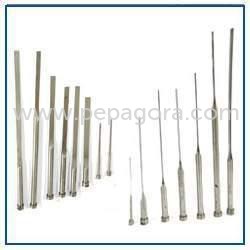
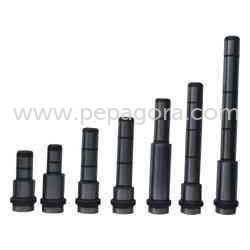
𝗪𝗵𝗮𝘁 𝗮𝗿𝗲 𝗠𝗲𝘁𝗮𝗹 𝗦𝘁𝗮𝗺𝗽𝗶𝗻𝗴 𝗗𝗶𝗲𝘀?
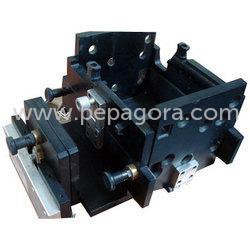
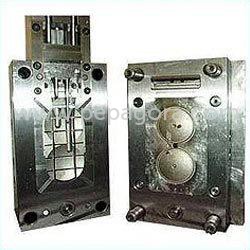
Metal stamping dies are specialized tools used in manufacturing processes to cut, shape, and form metal sheets into specific designs. These dies are crucial for producing parts with high precision and repeatability. They operate by using a stamping press to apply force, enabling the tool to create detailed shapes and patterns in various metals such as aluminum, steel, and copper.
The primary uses of metal stamping dies include automotive parts, electronic housings, and industrial equipment components. Businesses across numerous sectors rely on these dies to create consistent and accurate parts quickly. In today's competitive market, the ability to produce high-quality metal components efficiently is vital for maintaining production schedules and meeting customer demands.
In the context of industry relevance, metal stamping dies are integral to sectors like automotive, aerospace, and electronics. As manufacturers seek to optimize processes and reduce waste, the demand for advanced stamping technologies continues to grow. The global market for metal stamping is expanding, driven by innovations in die design and the need for high-quality, cost-effective metal components.
𝗞𝗲𝘆 𝗙𝗲𝗮𝘁𝘂𝗿𝗲𝘀 𝗮𝗻𝗱 𝗦𝗽𝗲𝗰𝗶𝗳𝗶𝗰𝗮𝘁𝗶𝗼𝗻𝘀
Metal stamping dies come with a variety of features and specifications that enhance their performance and suitability for different applications. Understanding these specifications is essential for selecting the right die for specific manufacturing needs.
Key specifications include:
1. Die Material
- Common materials include tool steel, carbide, and aluminum.
- Each material offers different levels of hardness and wear resistance.
2. Die Type
- Types include progressive dies, compound dies, and single-station dies.
- The choice impacts the complexity and efficiency of the stamping process.
3. Tolerance Levels
- Tolerances can range from ±0.001 inches to ±0.005 inches.
- Precision is crucial for ensuring parts fit together correctly.
4. Maximum Sheet Thickness
- Typical ranges are from 0.010 inches to 0.250 inches.
- The thickness affects the die design and required force.
5. Production Capacity
- Dies can handle production runs from hundreds to millions of parts.
- Capacity is vital for meeting varying demand levels.
6. Complexity of Design
- Dies can be designed for simple shapes or intricate patterns.
- Complexity often correlates with cost and lead time.
7. Customization Options
- Many manufacturers offer the option to customize dies.
- Custom dies cater to specific design requirements and production needs.
In summary, selecting the right metal stamping die involves understanding these key features and specifications. This knowledge helps ensure that the dies will perform effectively in the intended applications.
𝗖𝗼𝗺𝗺𝗼𝗻 𝗔𝗽𝗽𝗹𝗶𝗰𝗮𝘁𝗶𝗼𝗻𝘀 𝗮𝗻𝗱 𝗨𝘀𝗲 𝗖𝗮𝘀𝗲𝘀
Metal stamping dies serve a wide range of industries, each with its specific applications and requirements.
1. Automotive: Stamping dies are used to create parts such as brackets, panels, and chassis components, ensuring high precision for safety and performance.
2. Electronics: In this sector, dies produce housings and connectors that require tight tolerances for effective functionality and reliability.
3. Aerospace: Stamping dies manufacture components for aircraft, including structural parts, where durability and weight savings are critical.
4. Medical Devices: Dies are used to create components for various medical devices, focusing on precision and compliance with health regulations.
5. Appliances: Stamping dies produce parts for household appliances, enhancing efficiency and reducing production costs.
6. Construction Equipment: Dies are employed to create robust parts for heavy machinery, ensuring strength and durability for demanding applications.
7. Consumer Goods: Stamping is used to manufacture items like cookware and tools, focusing on design and functionality.
𝗣𝗿𝗼𝗱𝘂𝗰𝘁 𝗩𝗮𝗿𝗶𝗮𝗻𝘁𝘀 𝗮𝗻𝗱 𝗦𝘂𝗯𝗰𝗮𝘁𝗲𝗴𝗼𝗿𝗶𝗲𝘀
Metal stamping dies come in various forms to meet the diverse needs of manufacturers. This diversity allows for tailored solutions that address specific production challenges.
Progressive Dies: These dies are designed for high-volume production and allow for multiple operations in a single stroke. They are ideal for complex shapes and continuous production runs.
Compound Dies: These dies perform multiple operations simultaneously, such as cutting and bending, making them suitable for simpler designs that require efficiency.
Single-Station Dies: Often used for lower volume production, these dies perform one operation at a time. They are versatile and can be customized for specific applications.
𝗕𝗲𝗻𝗲𝗳𝗶𝘁𝘀 𝗮𝗻𝗱 𝗔𝗱𝘃𝗮𝗻𝘁𝗮𝗴𝗲𝘀
Using metal stamping dies offers several significant benefits that can enhance manufacturing processes.
1. High Precision: Metal stamping dies provide precise cuts and shapes, ensuring components fit together seamlessly in assemblies.
2. Cost-Effective Production: High-volume production with stamping dies reduces per-part costs, making it an economical choice for manufacturers.
3. Efficiency: Stamping processes can be automated, leading to faster production times and reduced labor costs.
4. Material Utilization: Stamping dies optimize material use, minimizing waste and lowering raw material costs.
5. Versatility: These dies can be adapted for various shapes and sizes, accommodating a wide range of applications.
6. Durability: High-quality dies are designed for longevity, withstanding the demands of high-volume production without significant wear.
𝗕𝘂𝘆𝗶𝗻𝗴 𝗚𝘂𝗶𝗱𝗲 𝗳𝗼𝗿 𝗕𝟮𝗕 𝗕𝘂𝘆𝗲𝗿𝘀
When sourcing metal stamping dies, several factors should be considered to ensure the best outcomes for your business.
1. Quality Assessment: Evaluate the quality of the dies by reviewing materials used, construction methods, and supplier reputation. Look for certifications that indicate adherence to industry standards.
2. Supplier Verification: Vet suppliers thoroughly to ensure they have a track record of reliability and quality. Check references and past customer feedback.
3. Pricing and MOQ: Consider the pricing structure and minimum order quantities (MOQ) offered by suppliers. Ensure the costs align with your budget and production needs.
4. Delivery and Lead Times: Discuss delivery schedules and lead times to confirm that suppliers can meet your production timelines.
5. Compliance Requirements: Ensure that the dies comply with relevant industry standards and regulations. This is crucial for avoiding future legal and operational issues.
𝗖𝗼𝗺𝗽𝗹𝗶𝗮𝗻𝗰𝗲 𝗮𝗻𝗱 𝗖𝗲𝗿𝘁𝗶𝗳𝗶𝗰𝗮𝘁𝗶𝗼𝗻𝘀
In the manufacturing of metal stamping dies, adherence to quality standards is essential. Common quality standards include ISO 9001, which ensures consistent quality management systems, and CE certification, indicating compliance with European safety and environmental requirements.
Manufacturers should also be aware of safety and testing requirements that apply to dies, ensuring that products meet regulatory standards. This includes proper documentation and certifications that verify quality and safety compliance.
Additionally, regional compliance considerations may vary, so it is important to understand the specific regulations applicable in the regions where the products will be sold or used.
𝗪𝗵𝘆 𝗦𝗼𝘂𝗿𝗰𝗲 𝗠𝗲𝘁𝗮𝗹 𝗦𝘁𝗮𝗺𝗽𝗶𝗻𝗴 𝗗𝗶𝗲𝘀 𝗳𝗿𝗼𝗺 𝗣𝗲𝗽𝗮𝗴𝗼𝗿𝗮?
Pepagora provides a trusted platform for sourcing metal stamping dies, offering several key advantages to buyers.
Verified Supplier Network: Pepagora has established a network of verified suppliers, ensuring that buyers can connect with reputable manufacturers that meet quality standards.
Streamlined RFQ Process: The platform offers a streamlined Request for Quotation (RFQ) process, allowing buyers to easily obtain quotes from multiple suppliers, facilitating comparison and decision-making.
Trade Assurance and Support: Buyers benefit from trade assurance measures that protect their purchases and provide support throughout the sourcing process, enhancing overall buyer confidence.
Regional Coverage: Pepagora has a broad geographic reach, covering India, the GCC, and Southeast Asia, making it easier for businesses to find and source metal stamping dies that meet their specific needs.

 IN
IN

 India
India