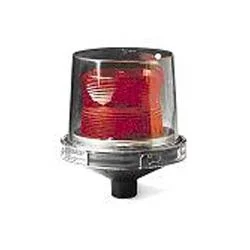
𝗪𝗵𝗮𝘁 𝗮𝗿𝗲 𝗛𝗮𝘇𝗮𝗿𝗱 𝗟𝗶𝗴𝗵𝘁𝘀 & 𝗪𝗮𝗿𝗻𝗶𝗻𝗴 𝗟𝗶𝗴𝗵𝘁𝘀?
Hazard lights and warning lights are essential safety devices used to alert others to potential hazards. These lights can be found on various vehicles and equipment, serving as visual signals to indicate danger or the need for caution. Hazard lights typically flash in a distinctive pattern, making them easily recognizable. Warning lights may also flash or remain steady and can vary in color depending on the specific application and regulatory requirements.
The primary uses of hazard and warning lights span numerous industries including transportation, construction, and emergency services. In vehicles, hazard lights signal a breakdown or emergency situation, while warning lights indicate specific operational conditions or alerts. Businesses utilize these lights to enhance safety protocols and ensure compliance with industry regulations. The market for these products continues to grow as safety standards evolve and awareness of workplace hazards increases.
In the context of industrial applications, hazard and warning lights are relevant for signaling equipment status, alerting personnel to dangers, and improving overall safety in work environments. As industries invest in safety measures, the demand for reliable and high-quality lights remains strong, driving innovation and diversity in product offerings.
𝗞𝗲𝘆 𝗙𝗲𝗮𝘁𝘂𝗿𝗲𝘀 𝗮𝗻𝗱 𝗦𝗽𝗲𝗰𝗶𝗳𝗶𝗰𝗮𝘁𝗶𝗼𝗻𝘀
Hazard lights and warning lights come equipped with various features that enhance their effectiveness and usability. Understanding these specifications is crucial for B2B buyers looking to make informed decisions.
Key specifications include:
1. Light Intensity
- Measured in lumens, indicating brightness.
- Typically ranges from 100 to 2000 lumens depending on the application.
2. Power Source
- Can be battery-operated or hardwired.
- Battery life may vary from 10 hours to over 100 hours.
3. Operating Temperature
- Designed to function in extreme conditions.
- Generally rated for -20°C to 60°C.
4. Visibility Range
- Effective distance at which lights can be seen.
- Ranges from 100 meters to over 500 meters.
5. Color Options
- Common colors include red, amber, blue, and green.
- Color choice is often regulatory based and application-specific.
6. Mounting Options
- Available in magnetic, suction cup, and permanent mount styles.
- Ensures versatility for different operational needs.
7. Durability Rating
- Often rated with IP standards for water and dust resistance.
- Common ratings include IP65 and IP67.
8. Flash Patterns
- Various flashing modes available for different signaling purposes.
- Options may include steady, alternating, and rotating patterns.
In summary, the key specifications of hazard and warning lights ensure that they meet both operational and regulatory requirements, providing safety and reliability across various applications.
𝗖𝗼𝗺𝗺𝗼𝗻 𝗔𝗽𝗽𝗹𝗶𝗰𝗮𝘁𝗶𝗼𝗻𝘀 𝗮𝗻𝗱 𝗨𝘀𝗲 𝗖𝗮𝘀𝗲𝘀
Hazard lights and warning lights serve a wide range of industries and applications, enhancing safety and communication in critical situations.
1. Transportation: Used in vehicles to indicate breakdowns or emergencies, ensuring the safety of drivers and passengers.
2. Construction: Warns workers of potential hazards on job sites, such as moving equipment or unstable structures.
3. Emergency Services: Fire trucks, ambulances, and police vehicles use warning lights to alert the public and clear paths during emergencies.
4. Warehousing: Used for signaling equipment status, such as machinery in operation or maintenance alerts.
5. Roadside Assistance: Serves to alert other drivers when vehicles are stopped on the road, preventing accidents.
6. Manufacturing: Indicates machine malfunctions or safety alerts, helping to maintain a safe working environment.
7. Events and Crowd Control: Used to manage pedestrian traffic and enhance safety during public gatherings or events.
𝗣𝗿𝗼𝗱𝘂𝗰𝘁 𝗩𝗮𝗿𝗶𝗮𝗻𝘁𝘀 𝗮𝗻𝗱 𝗦𝘂𝗯𝗰𝗮𝘁𝗲𝗴𝗼𝗿𝗶𝗲𝘀
The diversity of hazard lights and warning lights allows businesses to choose products that best fit their specific needs and environments.
Portable Hazard Lights
These lights are designed for easy transport and are often battery-operated. They are ideal for emergency situations where a quick and visible warning is needed.
Fixed Warning Lights
Typically hardwired into vehicles or machinery, these lights provide continuous alert signals. They are often used in industrial settings where long-term visibility is essential.
LED Warning Beacons
These energy-efficient lights offer high visibility and various flash patterns. They are commonly used in construction and emergency response applications due to their durability and brightness.
Magnetic Mount Warning Lights
These lights can be quickly attached to vehicles or metal surfaces. They are useful for temporary setups and provide flexibility in changing operational conditions.
𝗕𝗲𝗻𝗲𝗳𝗶𝘁𝘀 𝗮𝗻𝗱 𝗔𝗱𝘃𝗮𝗻𝘁𝗮𝗴𝗲𝘀
Investing in hazard lights and warning lights offers numerous advantages for businesses focused on safety and compliance.
1. Increased Safety: These lights provide clear warnings, reducing the risk of accidents in hazardous situations.
2. Enhanced Visibility: Bright and attention-grabbing, they ensure that potential dangers are easily noticed by workers and the public.
3. Regulatory Compliance: Many industries require the use of specific warning lights to meet safety standards, helping businesses avoid penalties.
4. Versatile Applications: Suitable for various environments, from roadside assistance to construction sites, these lights meet diverse needs.
5. Durable Construction: Many warning lights are built to withstand harsh conditions, ensuring reliability and longevity.
6. Cost-Effective Solutions: Investing in quality lights can prevent accidents and liabilities, ultimately saving businesses money in the long run.
𝗕𝘂𝘆𝗶𝗻𝗴 𝗚𝘂𝗶𝗱𝗲 𝗳𝗼𝗿 𝗕𝟮𝗕 𝗕𝘂𝘆𝗲𝗿𝘀
When sourcing hazard lights and warning lights, it is important for buyers to consider several key factors to ensure they select the right products for their needs.
1. Quality Assessment: Evaluate the durability and brightness of the lights. Look for products that meet recognized standards for safety and performance.
2. Supplier Verification: Research potential suppliers to ensure they have a good reputation and provide reliable products. Request samples if possible.
3. Pricing and MOQ: Compare prices among different suppliers while considering minimum order quantities. Understand what is included in the price to avoid unexpected costs.
4. Delivery and Lead Times: Confirm the expected delivery times and ensure they align with your project timelines. Consider logistics and shipping options.
5. Compliance Requirements: Make sure that the lights meet necessary industry standards and certifications, such as CE marking, to ensure regulatory compliance.
𝗖𝗼𝗺𝗽𝗹𝗶𝗮𝗻𝗰𝗲 𝗮𝗻𝗱 𝗖𝗲𝗿𝘁𝗶𝗳𝗶𝗰𝗮𝘁𝗶𝗼𝗻𝘀
Compliance and certifications are crucial aspects of hazard lights and warning lights, ensuring they meet industry standards for safety and performance.
Many manufacturers adhere to quality standards such as ISO 9001, which outlines requirements for a quality management system. This certification indicates that the products are produced consistently and meet customer expectations.
In addition to ISO certifications, compliance with CE marking is essential for products sold within the European market. This certification signifies that the products conform to health, safety, and environmental protection standards.
Safety and testing requirements vary by region and application. Typically, products undergo rigorous testing to ensure they can withstand various environmental conditions.
Buyers should also consider regional compliance standards, which may differ significantly depending on the country of use. Understanding local regulations is key to ensuring that all products are compliant and safe for use.
𝗪𝗵𝘆 𝗦𝗼𝘂𝗿𝗰𝗲 𝗛𝗮𝘇𝗮𝗿𝗱 𝗟𝗶𝗴𝗵𝘁𝘀 & 𝗪𝗮𝗿𝗻𝗶𝗻𝗴 𝗟𝗶𝗴𝗵𝘁𝘀 𝗳𝗿𝗼𝗺 𝗣𝗲𝗽𝗮𝗴𝗼𝗿𝗮?
Pepagora provides a trusted platform for sourcing hazard lights and warning lights, offering several key advantages for businesses.
Verified Supplier Network: Pepagora has a robust network of verified suppliers, ensuring that buyers can access high-quality products from reputable manufacturers. This verification process helps reduce risks associated with purchasing substandard items.
Streamlined RFQ Process: The platform offers a straightforward request for quotation (RFQ) process, allowing buyers to quickly compare offers and negotiate terms. This efficiency saves time and simplifies the purchasing process.
Trade Assurance and Support: Pepagora prioritizes buyer protection through trade assurance programs, ensuring that transactions are secure. The platform also offers support for any issues that may arise during the purchasing process.
Regional Coverage: With a strong presence in key markets such as India, the GCC, and Southeast Asia, Pepagora facilitates connections between buyers and suppliers across these regions. This broad coverage enhances accessibility and options for businesses looking to source hazard lights and warning lights.

 IN
IN