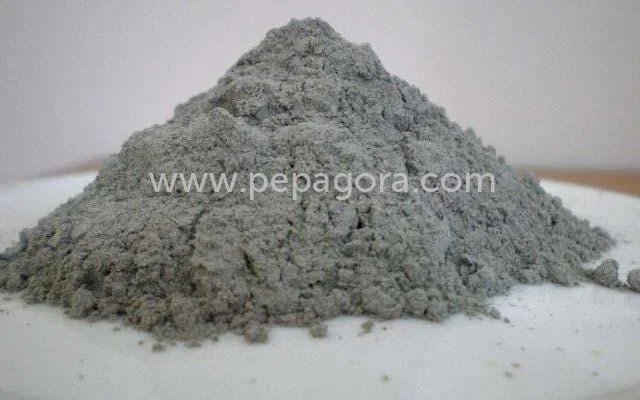
𝗪𝗵𝗮𝘁 𝗮𝗿𝗲 𝗙𝗹𝘆 𝗔𝘀𝗵 𝗔𝗴𝗴𝗿𝗲𝗴𝗮𝘁𝗲𝘀?
Fly Ash Aggregates are lightweight materials produced from the byproduct of coal combustion in power plants. This material, specifically the fine particles that are carried away from the combustion process, is collected and processed to create aggregates suitable for various construction applications. Fly Ash Aggregates are recognized for their beneficial properties, including improved workability and durability in concrete mixes.
The primary applications of Fly Ash Aggregates include use in concrete production, lightweight concrete blocks, and as a component in asphalt mixtures. They enhance the performance of concrete by reducing weight, improving insulation properties, and increasing resistance to chemical attacks. This versatility makes Fly Ash Aggregates a preferred choice in the construction industry, particularly for projects requiring lightweight and sustainable materials.
In the current market, the demand for environmentally friendly construction materials is rising. The use of Fly Ash Aggregates not only helps in reducing waste from coal-fired power plants but also contributes to the sustainability goals of many businesses. As the industry shifts towards green building practices, Fly Ash Aggregates play an essential role in meeting the performance and environmental standards expected by modern construction projects.
𝗞𝗲𝘆 𝗙𝗲𝗮𝘁𝘂𝗿𝗲𝘀 𝗮𝗻𝗱 𝗦𝗽𝗲𝗰𝗶𝗳𝗶𝗰𝗮𝘁𝗶𝗼𝗻𝘀
Fly Ash Aggregates are characterized by several key features that make them suitable for various applications. These specifications help businesses understand the quality and performance parameters of the aggregates.
Key specifications include:
1. Particle Size Distribution
- Typically ranges from fine to coarse aggregates.
- Ensures optimal performance in concrete mixes.
2. Specific Gravity
- Generally between 1.8 to 2.6.
- Affects the overall weight and density of concrete.
3. Chemical Composition
- Contains silica, alumina, iron, and calcium oxides.
- Influences the pozzolanic activity and strength of concrete.
4. Moisture Content
- Usually less than 5%.
- Important for ensuring the consistency of concrete mixes.
5. Fineness Modulus
- Ranges from 2.0 to 3.0.
- Affects the workability and flowability of concrete.
6. Loss on Ignition
- Typically less than 5%.
- Indicates the quality and purity of the fly ash.
7. Pozzolanic Activity Index
- Greater than 75% at 28 days.
- Demonstrates the effectiveness of fly ash in enhancing concrete strength.
8. Color
- Usually gray or black.
- Affects aesthetic considerations in visible applications.
In summary, understanding these specifications is crucial for businesses to select the right Fly Ash Aggregates that meet their project requirements.
𝗖𝗼𝗺𝗺𝗼𝗻 𝗔𝗽𝗽𝗹𝗶𝗰𝗮𝘁𝗶𝗼𝗻𝘀 𝗮𝗻𝗱 𝗨𝘀𝗲 𝗖𝗮𝘀𝗲𝘀
Fly Ash Aggregates serve various industries, demonstrating their versatility and effectiveness in numerous applications.
1. Construction Industry: Fly Ash Aggregates are widely used in concrete production, enhancing the strength and durability of concrete structures while reducing the overall weight.
2. Road Construction: In asphalt mixtures, Fly Ash Aggregates improve the performance and longevity of road surfaces, making them more resistant to wear and environmental factors.
3. Precast Concrete Products: These aggregates are ideal for making precast elements such as beams, slabs, and panels, providing better insulation and energy efficiency.
4. Lightweight Concrete Blocks: Fly Ash Aggregates are used to produce lightweight blocks that are easier to handle and transport, while still offering excellent thermal insulation properties.
5. Green Building Projects: With the increasing focus on sustainability, Fly Ash Aggregates are utilized in eco-friendly construction practices, contributing to LEED certification and reducing carbon footprints.
6. Fill Material: In civil engineering, Fly Ash Aggregates serve as a lightweight fill material for embankments, reducing the load on underlying structures.
7. Shotcrete Applications: The aggregates are used in shotcrete applications for tunnel linings and slope stabilization, providing structural integrity and resilience.
𝗣𝗿𝗼𝗱𝘂𝗰𝘁 𝗩𝗮𝗿𝗶𝗮𝗻𝘁𝘀 𝗮𝗻𝗱 𝗦𝘂𝗯𝗰𝗮𝘁𝗲𝗴𝗼𝗿𝗶𝗲𝘀
Fly Ash Aggregates come in various forms and specifications to cater to different project needs. This diversity allows businesses to select materials based on specific applications and performance requirements.
Standard Fly Ash Aggregate
This variant is commonly used in conventional concrete applications. It provides excellent pozzolanic properties and enhances the overall performance of concrete.
High-Performance Fly Ash Aggregate
Designed for specialized construction projects, this variant offers superior strength and durability, making it ideal for high-stress applications such as bridges and industrial structures.
Lightweight Fly Ash Aggregate
This variant is engineered for applications requiring reduced weight, such as lightweight concrete blocks and insulation panels. It provides excellent thermal performance while maintaining structural integrity.
𝗕𝗲𝗻𝗲𝗳𝗶𝘁𝘀 𝗮𝗻𝗱 𝗔𝗱𝘃𝗮𝗻𝘁𝗮𝗴𝗲𝘀
Using Fly Ash Aggregates offers numerous advantages for businesses in the construction industry.
Key benefits include:
1. Environmental Sustainability: Fly Ash Aggregates help in reducing landfill waste by repurposing industrial byproducts, contributing to a circular economy.
2. Improved Concrete Performance: The pozzolanic properties enhance the strength and durability of concrete, leading to longer-lasting structures.
3. Cost-Effectiveness: Incorporating Fly Ash Aggregates can reduce the amount of cement needed, resulting in lower material costs for construction projects.
4. Enhanced Workability: The lightweight nature of Fly Ash Aggregates improves the workability of concrete mixes, making them easier to handle and apply.
5. Reduced Carbon Footprint: By substituting traditional aggregates with Fly Ash, companies contribute to lower greenhouse gas emissions in construction processes.
6. Versatility: Fly Ash Aggregates can be used in a wide range of applications, from concrete production to lightweight fill materials, accommodating various project requirements.
𝗕𝘂𝘆𝗶𝗻𝗴 𝗚𝘂𝗶𝗱𝗲 𝗳𝗼𝗿 𝗕𝟮𝗕 𝗕𝘂𝘆𝗲𝗿𝘀
When sourcing Fly Ash Aggregates, it is essential for businesses to consider several factors to ensure they make informed purchasing decisions.
1. Quality Assessment: Check for characteristics such as particle size distribution, specific gravity, and chemical composition to ensure the aggregates meet project specifications.
2. Supplier Verification: Vet suppliers by reviewing their certifications, customer feedback, and industry experience to ensure reliability and quality.
3. Pricing and MOQ: Understand the pricing structure and minimum order quantities to budget effectively and ensure you have sufficient material for your project.
4. Delivery and Lead Times: Discuss logistics with potential suppliers to ensure timely delivery and avoid project delays, especially for large-scale operations.
5. Compliance Requirements: Be aware of regional regulations and standards affecting the use of Fly Ash Aggregates to ensure compliance and avoid legal issues.
𝗖𝗼𝗺𝗽𝗹𝗶𝗮𝗻𝗰𝗲 𝗮𝗻𝗱 𝗖𝗲𝗿𝘁𝗶𝗳𝗶𝗰𝗮𝘁𝗶𝗼𝗻𝘀
Fly Ash Aggregates must adhere to various quality and safety standards to ensure their suitability for construction applications. Key standards include ISO 9001 for quality management systems, which ensures that suppliers maintain consistent quality in their production processes.
Additionally, Fly Ash Aggregates may require compliance with CE marking, indicating that they meet European safety and environmental standards. Safety testing is essential for assessing the potential impact of Fly Ash Aggregates on both construction integrity and health.
Companies should also consider regional compliance requirements, as different countries may have specific regulations governing the use of fly ash in construction materials. Understanding these standards is crucial for businesses aiming to maintain high-quality and regulatory-compliant products.
𝗪𝗵𝘆 𝗦𝗼𝘂𝗿𝗰𝗲 𝗙𝗹𝘆 𝗔𝘀𝗵 𝗔𝗴𝗴𝗿𝗲𝗴𝗮𝘁𝗲𝘀 𝗳𝗿𝗼𝗺 𝗣𝗲𝗽𝗮𝗴𝗼𝗿𝗮?
Pepagora provides a trusted platform for sourcing Fly Ash Aggregates, offering several key advantages that help businesses streamline their procurement processes.
Verified Supplier Network: Pepagora connects buyers with a network of verified suppliers, ensuring that they have access to high-quality Fly Ash Aggregates that meet industry standards.
Streamlined RFQ Process: The platform facilitates a simple Request for Quotation (RFQ) process, allowing buyers to easily compare prices and specifications from multiple suppliers, saving time and effort.
Trade Assurance and Support: Pepagora offers trade assurance, providing buyers with protection against potential risks during the purchasing process. This commitment to support helps businesses feel secure in their transactions.
Regional Coverage: With a strong presence in markets such as India, the GCC region, and Southeast Asia, Pepagora ensures that businesses can find local suppliers, reducing logistics costs and improving delivery times.
In summary, sourcing Fly Ash Aggregates from Pepagora not only simplifies the procurement process but also enhances the overall quality and reliability of the materials acquired.

 IN
IN