𝗪𝗵𝗮𝘁 𝗮𝗿𝗲 𝗙𝗮𝗶𝗿 𝗧𝗿𝗮𝗱𝗲 𝗛𝗮𝗻𝗱𝘄𝗼𝘃𝗲𝗻 𝗔𝗽𝗽𝗮𝗿𝗲𝗹?
Fair Trade Handwoven Apparel refers to clothing and textile products that are crafted using traditional handweaving techniques while adhering to fair trade principles. These principles ensure that artisans receive fair wages, work in safe conditions, and are treated with respect. The apparel is not only a product of skilled craftsmanship but also a representation of ethical consumerism, promoting social and economic equity in the regions where it is produced.
These garments are primarily used in the fashion and retail industries, where they are valued for their unique designs, quality, and the stories behind them. Businesses often leverage these products to appeal to conscious consumers who prioritize sustainability and ethical practices in their purchasing decisions. In the broader market context, fair trade apparel is becoming increasingly relevant as consumers demand transparency and responsibility from brands.
𝗞𝗲𝘆 𝗙𝗲𝗮𝘁𝘂𝗿𝗲𝘀 𝗮𝗻𝗱 𝗦𝗽𝗲𝗰𝗶𝗳𝗶𝗰𝗮𝘁𝗶𝗼𝗻𝘀
Fair Trade Handwoven Apparel is characterized by its unique craftsmanship and adherence to ethical standards. The following specifications highlight its key features:
1. Artisan Craftsmanship
- Each piece is handwoven by skilled artisans.
- Ensures uniqueness in every garment.
2. Ethical Sourcing
- Materials sourced from sustainable practices.
- Supports local economies and communities.
3. Environmental Sustainability
- Use of natural dyes and eco-friendly materials.
- Minimizes environmental impact during production.
4. Quality and Durability
- High-quality fabric that stands the test of time.
- Designed for both comfort and longevity.
5. Customization Options
- Ability to customize designs based on client needs.
- Offers a range of colors and patterns.
6. Fair Trade Certification
- Products often certified to ensure compliance with fair trade standards.
- Guarantees ethical production practices.
In summary, Fair Trade Handwoven Apparel is not only a product but also a commitment to ethical practices and sustainable living, making it a valuable choice for businesses looking to enhance their brand image.
𝗖𝗼𝗺𝗺𝗼𝗻 𝗔𝗽𝗽𝗹𝗶𝗰𝗮𝘁𝗶𝗼𝗻𝘀 𝗮𝗻𝗱 𝗨𝘀𝗲 𝗖𝗮𝘀𝗲𝘀
Fair Trade Handwoven Apparel serves various industries:
1. Fashion Retail: Many fashion brands use handwoven apparel to create unique, high-quality clothing lines that appeal to ethically conscious consumers.
2. Home Décor: Handwoven textiles are also popular in the home decor industry, used for items such as curtains, cushions, and rugs that add character to living spaces.
3. Promotional Merchandise: Businesses often choose fair trade apparel for branded merchandise, ensuring that their promotional items align with their corporate social responsibility goals.
4. Corporate Gifting: Many companies opt for fair trade garments as gifts to clients or employees, highlighting their commitment to ethical sourcing.
5. Sustainable Fashion Shows: Designers in the sustainable fashion industry frequently showcase fair trade apparel to raise awareness about ethical fashion.
6. Cultural Events: The unique craftsmanship of handwoven items often makes them popular for cultural festivals and events, emphasizing traditional art forms.
𝗣𝗿𝗼𝗱𝘂𝗰𝘁 𝗩𝗮𝗿𝗶𝗮𝗻𝘁𝘀 𝗮𝗻𝗱 𝗦𝘂𝗯𝗰𝗮𝘁𝗲𝗴𝗼𝗿𝗶𝗲𝘀
Fair Trade Handwoven Apparel offers diverse options to meet varying consumer preferences.
Casual Wear
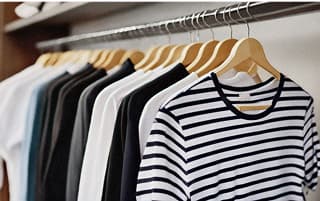
This variant includes comfortable clothing items like t-shirts and shorts. Made from breathable fabrics, these pieces are perfect for everyday use while maintaining an eco-friendly profile.
Formal Wear
This category features items suitable for business or formal occasions. Elegant designs and rich textures set these garments apart, making them ideal for professional settings.
Accessories
Handwoven accessories, such as bags and scarves, complement outfits and are available in various styles. These items enhance the overall appeal while promoting ethical fashion.
𝗕𝗲𝗻𝗲𝗳𝗶𝘁𝘀 𝗮𝗻𝗱 𝗔𝗱𝘃𝗮𝗻𝘁𝗮𝗴𝗲𝘀
The benefits of sourcing Fair Trade Handwoven Apparel are substantial.
1. Ethical Consumerism: Businesses can align with consumer values, promoting sustainability and fair labor practices.
2. Unique Products: Handwoven items offer distinct designs that stand out in the marketplace, appealing to niche audiences.
3. Enhanced Brand Loyalty: Companies that commit to fair trade practices often experience increased customer loyalty and brand recognition.
4. Support for Local Communities: Sourcing from fair trade suppliers contributes to the economic well-being of artisans and their communities.
5. Quality Assurance: Handwoven products are often of higher quality, ensuring customer satisfaction and reducing return rates.
6. Positive Brand Image: Companies associated with ethical practices enhance their reputation, attracting more consumers who prioritize responsible brands.
𝗕𝘂𝘆𝗶𝗻𝗴 𝗚𝘂𝗶𝗱𝗲 𝗳𝗼𝗿 𝗕𝟮𝗕 𝗕𝘂𝘆𝗲𝗿𝘀
When sourcing Fair Trade Handwoven Apparel, it is essential to consider several factors:
1. Quality Assessment: Evaluate the quality of materials and craftsmanship. Request samples to ensure that the products meet your standards.
2. Supplier Verification: Conduct thorough research to verify suppliers' fair trade certifications and their ethical production practices. Ensure they have a positive reputation in the industry.
3. Pricing and MOQ: Understand the pricing structure and the minimum order quantity (MOQ) required by suppliers. Compare options to find the best value while maintaining ethical standards.
4. Delivery and Lead Times: Discuss logistics upfront to establish realistic timelines for order fulfillment. Consider the impact of lead times on your business operations.
5. Compliance Requirements: Be aware of any regional regulations or certifications required for importing apparel, ensuring that all products comply with local laws.
𝗖𝗼𝗺𝗽𝗹𝗶𝗮𝗻𝗰𝗲 𝗮𝗻𝗱 𝗖𝗲𝗿𝘁𝗶𝗳𝗶𝗰𝗮𝘁𝗶𝗼𝗻𝘀
Fair Trade Handwoven Apparel must adhere to various quality standards and certifications that ensure ethical practices and product safety.
ISO 9001 is a key standard that focuses on quality management systems. It ensures that manufacturers maintain consistent quality in their products, which is crucial for customer satisfaction.
CE certification is essential for products sold in the European market, ensuring they meet safety, health, and environmental requirements. This certification helps businesses assure their clients of the quality and safety of the apparel.
Safety and testing requirements may vary, but they are critical in ensuring that the garments are safe for consumers. This includes testing for harmful substances and ensuring compliance with relevant health regulations.
Regional compliance considerations also play a role, especially for businesses importing apparel. Understanding local regulations regarding labor practices and environmental standards is vital for maintaining compliance and ensuring ethical sourcing.
𝗪𝗵𝘆 𝗦𝗼𝘂𝗿𝗰𝗲 𝗙𝗮𝗶𝗿 𝗧𝗿𝗮𝗱𝗲 𝗛𝗮𝗻𝗱𝘄𝗼𝘃𝗲𝗻 𝗔𝗽𝗽𝗮𝗿𝗲𝗹 𝗳𝗿𝗼𝗺 𝗣𝗲𝗽𝗮𝗴𝗼𝗿𝗮?
Pepagora provides a trusted platform for sourcing Fair Trade Handwoven Apparel, offering several key advantages for B2B buyers.
Verified Supplier Network: Pepagora connects buyers with a network of verified suppliers who adhere to fair trade principles. This ensures that businesses can source products confidently, knowing that they are supporting ethical practices.
Streamlined RFQ Process: The request for quotation process on Pepagora is designed for efficiency. Buyers can easily submit their requirements and receive competitive quotes from multiple suppliers, making sourcing straightforward.
Trade Assurance and Support: Pepagora offers buyer protection through its trade assurance program, ensuring that transactions are secure and that buyers receive the products as promised.
Regional Coverage: With a strong presence in India, the GCC, and Southeast Asia, Pepagora provides extensive regional coverage. This geographic reach allows businesses to access a diverse range of fair trade apparel options while supporting local artisans.

 IN
IN