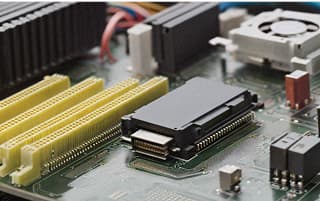
𝗪𝗵𝗮𝘁 𝗮𝗿𝗲 𝗘𝗦𝗣𝟴𝟮𝟲𝟲 / 𝗘𝗦𝗣𝟯𝟮 𝗕𝗼𝗮𝗿𝗱𝘀?
ESP8266 and ESP32 boards are low-cost, Wi-Fi-enabled microcontrollers that are widely used in the Internet of Things (IoT) applications. These boards are designed to facilitate the development of smart devices that require wireless connectivity. The ESP8266 is primarily focused on Wi-Fi capabilities, while the ESP32 offers enhanced features such as Bluetooth support, dual-core processing, and more GPIO pins, making it suitable for more complex projects.
These boards find applications in various sectors, including home automation, industrial monitoring, and environmental sensing. They enable businesses to create innovative solutions that connect devices and collect data in real-time. As the demand for IoT solutions continues to rise, the relevance of ESP8266 and ESP32 boards in industrial and commercial applications has become increasingly significant. Their affordability and versatility position them as essential components in the development of smart technologies across multiple industries.
𝗞𝗲𝘆 𝗙𝗲𝗮𝘁𝘂𝗿𝗲𝘀 𝗮𝗻𝗱 𝗦𝗽𝗲𝗰𝗶𝗳𝗶𝗰𝗮𝘁𝗶𝗼𝗻𝘀
ESP8266 and ESP32 boards come equipped with a range of features that make them ideal for IoT projects. They offer robust performance, flexibility, and ease of use for developers.
Key specifications include:
1. Processor
- ESP8266: Single-core, 80 MHz
- ESP32: Dual-core, up to 240 MHz
2. Memory
- ESP8266: 80 KB of RAM
- ESP32: 520 KB of RAM
3. Wi-Fi Connectivity
- 802.11 b/g/n standards supported
4. Bluetooth Support
- Available in ESP32 variant only
5. GPIO Pins
- ESP8266: Up to 17 GPIO pins
- ESP32: Up to 34 GPIO pins
6. Operating Voltage
- 3.3V nominal
7. ADC Resolution
- ESP32 supports 12-bit ADC
8. Programming Environment
- Compatible with Arduino IDE and other platforms
In summary, the ESP8266 and ESP32 boards offer a blend of processing power, memory, and connectivity options that cater to a wide range of IoT applications, making them a popular choice among developers.
𝗖𝗼𝗺𝗺𝗼𝗻 𝗔𝗽𝗽𝗹𝗶𝗰𝗮𝘁𝗶𝗼𝗻𝘀 𝗮𝗻𝗱 𝗨𝘀𝗲 𝗖𝗮𝘀𝗲𝘀
ESP8266 and ESP32 boards are utilized in numerous industries, showcasing their versatility and adaptability.
1. Home Automation: These boards are commonly used in smart home devices, such as lighting control, smart thermostats, and security systems, allowing users to manage their home remotely.
2. Industrial Monitoring: In manufacturing and production lines, these boards facilitate real-time data collection and monitoring of equipment, improving operational efficiency and predictive maintenance.
3. Environmental Sensing: They are used in weather stations and air quality monitors, providing valuable data for environmental research and public health.
4. Agriculture: The boards enable the development of smart farming solutions, such as soil moisture sensors and automated irrigation systems, enhancing agricultural productivity.
5. Health Care: ESP32 boards are integrated into medical devices for remote patient monitoring, allowing healthcare professionals to track vital signs and health metrics.
6. Retail: These boards support inventory management systems, enabling businesses to monitor stock levels and improve supply chain efficiency.
7. Smart Cities: ESP8266 and ESP32 boards contribute to the development of smart city solutions, such as traffic management systems and public transportation monitoring.
𝗣𝗿𝗼𝗱𝘂𝗰𝘁 𝗩𝗮𝗿𝗶𝗮𝗻𝘁𝘀 𝗮𝗻𝗱 𝗦𝘂𝗯𝗰𝗮𝘁𝗲𝗴𝗼𝗿𝗶𝗲𝘀
ESP8266 and ESP32 boards come in various forms to cater to different project requirements.
ESP8266 NodeMCU
This variant is known for its ease of use and built-in USB support, allowing for straightforward programming and prototyping. It is ideal for beginners and small-scale projects.
ESP32 DevKit
The DevKit version features a rich set of GPIO pins and enhanced processing capabilities, making it suitable for more complex applications such as robotics and multi-sensor systems.
ESP32 WROOM
This variant is designed for compact applications where space is limited. It integrates the essential components of the ESP32 into a small form factor, perfect for wearables and portable devices.
𝗕𝗲𝗻𝗲𝗳𝗶𝘁𝘀 𝗮𝗻𝗱 𝗔𝗱𝘃𝗮𝗻𝘁𝗮𝗴𝗲𝘀
Using ESP8266 and ESP32 boards offers numerous benefits for businesses and developers.
1. Cost-Effective: These boards are affordable, reducing the overall cost of developing IoT solutions without compromising on performance.
2. Versatile Connectivity: The boards provide multiple connectivity options, including Wi-Fi and Bluetooth, ensuring compatibility with a wide range of devices.
3. High Processing Power: With powerful processors, they can handle complex tasks, making them suitable for demanding applications.
4. Easy Development: The compatibility with popular programming environments like Arduino IDE simplifies the development process for engineers and hobbyists.
5. Community Support: A large and active community provides resources, libraries, and troubleshooting assistance, ensuring developers have access to support.
6. Wide Range of Applications: Their flexibility allows for use in diverse sectors, from consumer electronics to industrial automation.
𝗕𝘂𝘆𝗶𝗻𝗴 𝗚𝘂𝗶𝗱𝗲 𝗳𝗼𝗿 𝗕𝟮𝗕 𝗕𝘂𝘆𝗲𝗿𝘀
When sourcing ESP8266 and ESP32 boards, several factors should be considered to ensure quality and suitability for your projects.
1. Quality Assessment: Evaluate the quality of the boards based on manufacturer reputation and product reviews. Look for consistency in performance and reliability.
2. Supplier Verification: Vet potential suppliers by checking their credentials and previous customer feedback. This ensures you are working with reputable manufacturers.
3. Pricing and MOQ: Analyze pricing structures and minimum order quantities to ensure they align with your budget and project requirements.
4. Delivery and Lead Times: Confirm delivery schedules and lead times to ensure timely project execution. This is crucial in fast-paced environments.
5. Compliance Requirements: Ensure that the boards meet necessary regulatory standards and certifications, such as CE, to avoid compliance issues.
𝗖𝗼𝗺𝗽𝗹𝗶𝗮𝗻𝗰𝗲 𝗮𝗻𝗱 𝗖𝗲𝗿𝘁𝗶𝗳𝗶𝗰𝗮𝘁𝗶𝗼𝗻𝘀
ESP8266 and ESP32 boards are subject to various quality standards and certifications that ensure their reliability and safety in industrial applications.
ISO 9001 is a key standard that focuses on quality management systems, ensuring that manufacturers adhere to best practices in production and quality assurance.
CE certification signifies that the products meet European safety, health, and environmental protection standards. This is crucial for businesses looking to operate in the European market.
Additionally, safety testing may be required to confirm the boards can withstand specific environmental conditions and operational stresses.
Companies should also consider regional compliance requirements, which can vary significantly across different countries and regions. This ensures that the products can be marketed and used without legal issues.
𝗪𝗵𝘆 𝗦𝗼𝘂𝗿𝗰𝗲 𝗘𝗦𝗣𝟴𝟮𝟲𝟲 / 𝗘𝗦𝗣𝟯𝟮 𝗕𝗼𝗮𝗿𝗱𝘀 𝗳𝗿𝗼𝗺 𝗣𝗲𝗽𝗮𝗴𝗼𝗿𝗮?
Pepagora offers a reliable platform for sourcing ESP8266 and ESP32 boards, providing several advantages for B2B buyers.
Verified Supplier Network: Pepagora maintains a network of verified suppliers, ensuring that buyers can trust the quality and reliability of the products they purchase.
Streamlined RFQ Process: The platform simplifies the request-for-quotation process, allowing businesses to quickly obtain competitive pricing and delivery options from multiple suppliers.
Trade Assurance and Support: Pepagora provides buyer protection through trade assurance features, ensuring that transactions are secure and that buyers receive the products as described.
Regional Coverage: With a presence in key markets such as India, the GCC, and Southeast Asia, Pepagora facilitates access to a wide range of suppliers and products, making it easier for businesses to find the right solutions for their needs.

 IN
IN