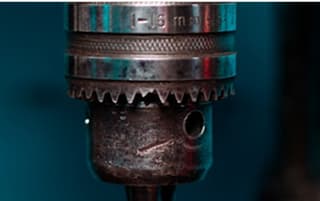
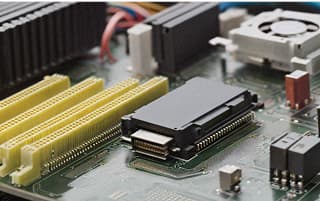
𝗪𝗵𝗮𝘁 𝗮𝗿𝗲 𝗘𝗹𝗲𝗰𝘁𝗿𝗶𝗰𝗮𝗹 & 𝗟𝗶𝗴𝗵𝘁𝗶𝗻𝗴 𝗦𝗽𝗮𝗿𝗲 𝗣𝗮𝗿𝘁𝘀?
Electrical and lighting spare parts are essential components used in various electrical systems. They consist of a wide range of items, including switches, circuit breakers, connectors, and light fixtures. These parts are critical for the maintenance and repair of electrical equipment, ensuring that systems operate efficiently and safely.
These spare parts find application across numerous industries, including manufacturing, construction, and infrastructure. Businesses rely on them to keep operations running smoothly and to comply with safety regulations. Proper functioning of electrical systems is crucial for minimizing downtime and enhancing productivity, making these spare parts indispensable in many operational settings.
In the current market, the demand for electrical and lighting spare parts is growing rapidly. As industries become increasingly reliant on automation and technology, the need for reliable electrical components is paramount. This trend emphasizes the importance of maintaining quality standards and ensuring the availability of a wide array of spare parts to meet diverse business needs.
𝗞𝗲𝘆 𝗙𝗲𝗮𝘁𝘂𝗿𝗲𝘀 𝗮𝗻𝗱 𝗦𝗽𝗲𝗰𝗶𝗳𝗶𝗰𝗮𝘁𝗶𝗼𝗻𝘀
Electrical and lighting spare parts come with various features and specifications that cater to different operational requirements. Understanding these specifications helps businesses select the right components for their applications.
Key specifications include:
1. Voltage Rating
- Defines the maximum voltage the part can handle.
- Typically ranges from low voltage (up to 1000V) to high voltage (above 1000V).
2. Current Rating
- Indicates the maximum current the part can carry without overheating.
- Common ratings range from 1A to several hundred amps.
3. Material Composition
- Specifies the materials used in manufacturing, affecting durability and performance.
- Common materials include copper, aluminum, and various plastics.
4. Temperature Range
- Indicates the operating temperature limits for the part.
- Often specified in degrees Celsius, with ranges from -20°C to 60°C.
5. Compliance Standards
- Details adherence to industry standards for safety and performance.
- Common certifications include CE and ISO.
6. Humidity Control
- Describes the ability of the part to function in specific humidity conditions.
- Specifications may include operational ranges from low to high humidity levels.
7. Monitoring Features
- Highlights any built-in monitoring capabilities for performance tracking.
- Useful for proactive maintenance and system diagnostics.
8. Warranty and Lifespan
- Provides information on the expected lifespan and warranty coverage.
- Typical warranties can range from one year to several years depending on the part.
In summary, understanding the key features and specifications of electrical and lighting spare parts is crucial for making informed purchasing decisions that align with industry standards and operational needs.
𝗖𝗼𝗺𝗺𝗼𝗻 𝗔𝗽𝗽𝗹𝗶𝗰𝗮𝘁𝗶𝗼𝗻𝘀 𝗮𝗻𝗱 𝗨𝘀𝗲 𝗖𝗮𝘀𝗲𝘀
Electrical and lighting spare parts are utilized in various sectors, making them versatile and essential for many applications.
1. Manufacturing: In manufacturing plants, these spare parts are vital for machinery operation, ensuring all electrical systems function efficiently to avoid production delays.
2. Construction: During construction, electrical components are necessary for temporary and permanent installations, from lighting fixtures to circuit breakers, ensuring safety and compliance.
3. Infrastructure: In infrastructure projects, spare parts are used in public utilities, such as street lighting and traffic control systems, contributing to public safety and convenience.
4. Telecommunications: These parts support the operation of communication systems, ensuring reliable connectivity and system integrity.
5. Automotive: In the automotive industry, electrical spare parts are crucial for vehicle lighting and electronic systems, enhancing safety and functionality.
6. Healthcare: Hospitals rely on electrical components for medical equipment and lighting systems, where reliability is critical for patient care.
7. Retail: Retail environments use lighting and electrical parts for displays and security systems, enhancing both aesthetics and safety for customers.
𝗣𝗿𝗼𝗱𝘂𝗰𝘁 𝗩𝗮𝗿𝗶𝗮𝗻𝘁𝘀 𝗮𝗻𝗱 𝗦𝘂𝗯𝗰𝗮𝘁𝗲𝗴𝗼𝗿𝗶𝗲𝘀
Electrical and lighting spare parts are available in various forms to meet diverse business needs. Each variant offers unique features tailored to specific applications.
Connector Types: These are essential for establishing electrical connections. They come in various designs, including plug-in and screw terminals, suitable for industrial and residential use.
Switch Variants: Switches are available in multiple configurations, including toggle, rocker, and push-button types. Each type serves a specific function, making them versatile in different environments.
Lighting Fixtures: Various lighting fixtures are designed for different settings, such as LED panels for offices or floodlights for outdoor areas. Each type offers distinct features and energy efficiencies.
Circuit Protection Devices: This category includes circuit breakers and fuses, designed to protect electrical systems from overloads and short circuits. Their specifications vary based on application requirements.
𝗕𝗲𝗻𝗲𝗳𝗶𝘁𝘀 𝗮𝗻𝗱 𝗔𝗱𝘃𝗮𝗻𝘁𝗮𝗴𝗲𝘀
Choosing high-quality electrical and lighting spare parts comes with numerous advantages that enhance operational efficiency and safety.
1. Reliability: Quality spare parts ensure consistent performance, reducing the likelihood of system failures and downtime.
2. Safety: Compliant components minimize the risk of electrical hazards, protecting both personnel and equipment.
3. Cost-effectiveness: Investing in durable spare parts can lower long-term maintenance costs, as they require less frequent replacement.
4. Compatibility: Quality parts are often designed to be compatible with a wide range of systems, simplifying repairs and replacements.
5. Enhanced Performance: Efficient spare parts can improve overall system performance, leading to increased productivity and reduced energy consumption.
6. Support and Warranty: Reputable suppliers often provide support and warranty services, offering peace of mind in case of defects or issues.
𝗕𝘂𝘆𝗶𝗻𝗴 𝗚𝘂𝗶𝗱𝗲 𝗳𝗼𝗿 𝗕𝟮𝗕 𝗕𝘂𝘆𝗲𝗿𝘀
When sourcing electrical and lighting spare parts, businesses should consider several critical factors to ensure optimal selection and procurement.
1. Quality Assessment: Buyers should evaluate the quality of spare parts based on manufacturer reputation, certifications, and user reviews. This helps ensure reliability and compliance with industry standards.
2. Supplier Verification: Conducting thorough background checks on suppliers is essential. Look for companies with a proven track record and certifications to ensure product authenticity.
3. Pricing and MOQ: Understanding pricing structures and minimum order quantities (MOQ) is vital for budget management. Consider bulk purchasing options to reduce costs.
4. Delivery and Lead Times: Ensure suppliers can meet your delivery requirements. Understanding lead times helps in planning and avoiding operational disruptions.
5. Compliance Requirements: Familiarize yourself with any regulatory compliance needs specific to your industry, ensuring that all purchased components meet safety and operational standards.
𝗖𝗼𝗺𝗽𝗹𝗶𝗮𝗻𝗰𝗲 𝗮𝗻𝗱 𝗖𝗲𝗿𝘁𝗶𝗳𝗶𝗰𝗮𝘁𝗶𝗼𝗻𝘀
Compliance with quality standards and certifications is crucial in the electrical and lighting spare parts industry. Key standards often include ISO 9001, which focuses on ensuring consistent quality management systems. Adhering to these standards helps businesses maintain high levels of product quality and customer satisfaction.
Industry certifications such as CE mark are essential, as they indicate compliance with European safety standards. These certifications assure buyers that the products meet necessary safety requirements for use in various environments.
Safety and testing requirements are also critical considerations. Spare parts must undergo rigorous testing to ensure they can withstand operational stresses and meet performance expectations. This includes electrical safety tests and environmental assessments.
Regional compliance considerations vary by market and should be scrutinized during procurement. Understanding these regulations helps businesses avoid legal issues and ensures the safe operation of electrical systems.
𝗪𝗵𝘆 𝗦𝗼𝘂𝗿𝗰𝗲 𝗘𝗹𝗲𝗰𝘁𝗿𝗶𝗰𝗮𝗹 & 𝗟𝗶𝗴𝗵𝘁𝗶𝗻𝗴 𝗦𝗽𝗮𝗿𝗲 𝗣𝗮𝗿𝘁𝘀 𝗳𝗿𝗼𝗺 𝗣𝗲𝗽𝗮𝗴𝗼𝗿𝗮?
Pepagora offers a reliable platform for sourcing electrical and lighting spare parts, bringing numerous advantages to B2B buyers.
Verified Supplier Network: Pepagora connects businesses with a network of verified suppliers, ensuring authenticity and quality. This network is built on trust and consistent performance, giving buyers confidence in their purchases.
Streamlined RFQ Process: The Request for Quotation process is designed to be simple and efficient. Buyers can easily submit their requirements and receive competitive quotes from various suppliers, facilitating informed decision-making.
Trade Assurance and Support: Pepagora provides trade assurance that protects buyers against potential issues. This includes support for resolving disputes and ensuring compliance with purchase agreements.
Regional Coverage: With a broad geographic reach across India, the GCC, and Southeast Asia, Pepagora ensures that businesses can access a wide range of spare parts tailored to their specific market needs. This regional focus enhances convenience and reduces lead times for procurement.

 IN
IN