
 IN
Cotton Casual Kurtis
68 products available
What are Cotton Casual Kurtis?
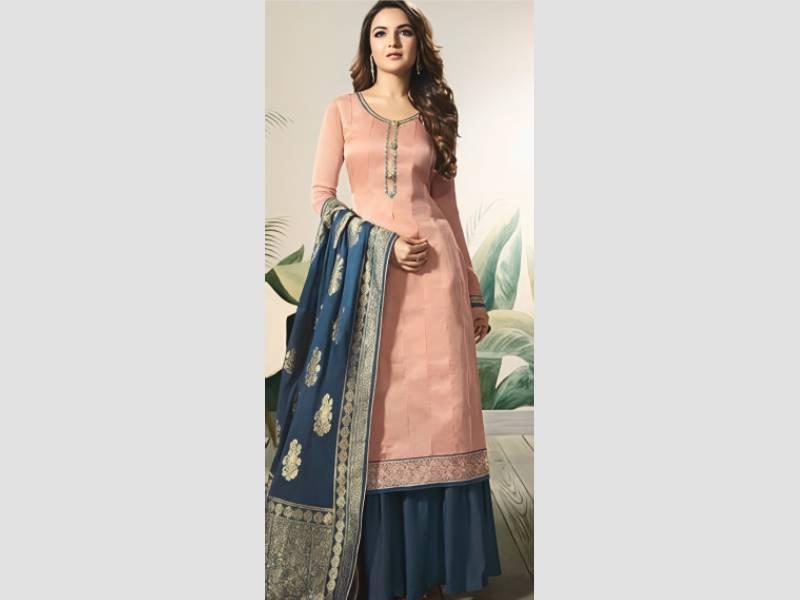
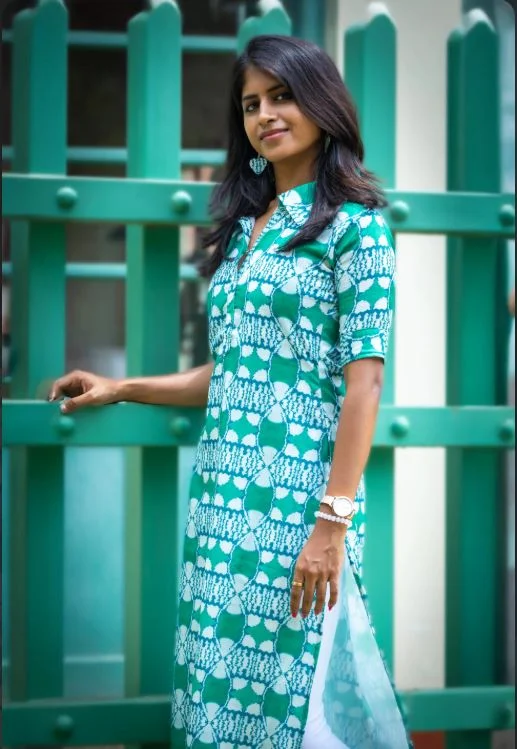
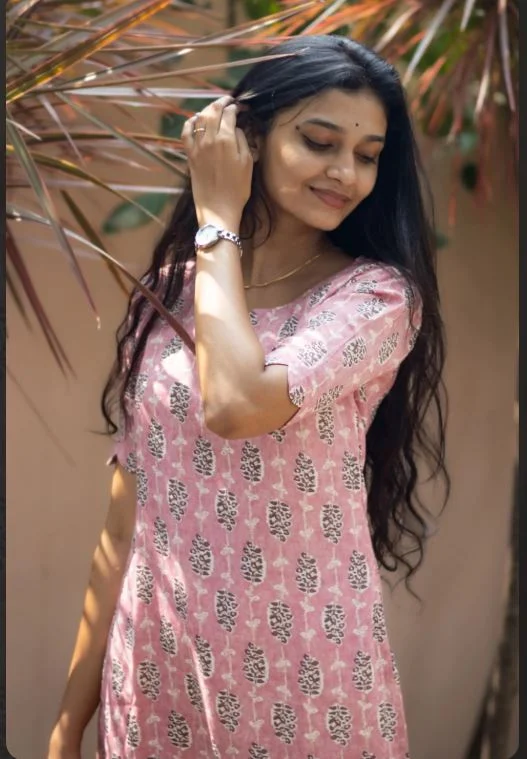
Cotton Casual Kurtis are traditional Indian garments designed for comfort and style. Made primarily from cotton fabric, these kurtis are lightweight and breathable, making them ideal for everyday wear. They come in various lengths, styles, and patterns, appealing to a wide range of preferences. The versatility of cotton kurtis allows them to be worn casually or for more formal occasions, depending on their design and embellishments.
These garments are widely used in the fashion industry and are popular in both retail and wholesale markets. Businesses often source cotton casual kurtis for their clothing lines, as they cater to consumers looking for comfortable yet fashionable clothing options. The adaptability of these kurtis makes them suitable for various occasions, from casual outings to family gatherings, which enhances their market appeal.
As consumer preferences shift towards sustainable and comfortable clothing, cotton casual kurtis hold significant relevance in the textile and apparel industry. The growing demand for eco-friendly materials aligns with the properties of cotton, which is biodegradable and renewable. This positions cotton kurtis as a favorable choice for environmentally conscious consumers and businesses alike.
Key Features and Specifications
Cotton Casual Kurtis are known for their comfort, style, and practicality. They are designed to meet the needs of everyday wear while offering a fashionable touch. Below are some key specifications that define these products.
Key specifications include:
1. Fabric Composition
- Made primarily from 100% cotton for breathability and comfort
- Available in various weaves and textures
2. Length Options
- Short, knee-length, and ankle-length designs
- Suitable for different body types and style preferences
3. Design Variations
- Plain, printed, and embroidered styles available
- Options for different necklines and sleeve lengths
4. Sizes
- Available in a wide range of sizes from small to plus sizes
- Custom sizing options may be available from some suppliers
5. Care Instructions
- Machine washable and easy to maintain
- Colorfast and durable to withstand frequent washing
6. Seasonal Availability
- Designed for year-round wear with seasonal collections
- Lightweight options for summer and layered styles for winter
7. Eco-Friendly Options
- Some kurtis made from organic cotton
- Certifications for sustainable production may be available
Cotton Casual Kurtis combine style and functionality, making them a popular choice for consumers and retailers alike.
Common Applications and Use Cases
Cotton Casual Kurtis serve a variety of industries and applications.
1. Retail Fashion: Many clothing retailers stock cotton kurtis as part of their casual wear collections, appealing to a broad customer base looking for comfortable and stylish options.
2. Corporate Gifts: Businesses often purchase cotton kurtis as corporate gifts, especially during festive seasons, as they are practical and culturally relevant.
3. Event Wear: Cotton kurtis are popular choices for cultural events and festivals, providing comfort and style while celebrating tradition.
4. Hospitality Industry: Hotels and resorts may offer cotton kurtis to guests as part of their cultural experience, enhancing the local flavor of their services.
5. Educational Institutions: Schools and colleges may incorporate cotton kurtis into their uniform policies, especially in co-curricular or cultural programs.
6. E-commerce: Online retailers cater to the growing demand for cotton casual kurtis, offering a wide variety of styles and designs to consumers.
7. Healthcare Sector: Cotton kurtis are sometimes used by healthcare professionals in settings requiring comfortable yet professional attire.
Product Variants and Subcategories
Cotton Casual Kurtis come in diverse styles and designs, catering to various tastes and preferences.
Floral Printed Kurtis
These kurtis feature vibrant floral patterns, making them ideal for casual outings or festive occasions. They celebrate femininity and are often chosen for their cheerful aesthetics.
Straight Cut Kurtis
This variant offers a modern twist with a straight cut design, perfect for pairing with leggings or jeans. They provide a sleek silhouette while ensuring comfort.
Anarkali Kurtis
Anarkali kurtis are characterized by their flared design, adding a touch of elegance. They are often chosen for special occasions and can be embellished with embroidery or sequins.
Asymmetrical Kurtis
These kurtis have an unconventional cut, offering a contemporary look. They are suitable for fashion-forward individuals seeking unique clothing options.
Benefits and Advantages
Cotton Casual Kurtis offer numerous benefits that appeal to both consumers and businesses.
Key benefits include:
1. Comfort: The softness and breathability of cotton ensure all-day comfort, making these kurtis suitable for various settings.
2. Versatility: Cotton kurtis can be styled in multiple ways, allowing for adaptability from casual to semi-formal occasions.
3. Durability: High-quality cotton fabric is durable and can withstand regular wear and washing without losing shape or color.
4. Eco-Friendly: Made from natural fibers, cotton kurtis are biodegradable and a more sustainable choice compared to synthetic alternatives.
5. Easy Maintenance: Cotton kurtis are generally easy to care for, with most being machine washable and resistant to creasing.
6. Cultural Relevance: Cotton kurtis reflect traditional Indian clothing styles, making them appropriate for cultural events and celebrations.
Buying Guide for B2B Buyers
When sourcing Cotton Casual Kurtis, it is crucial to consider several factors to ensure quality and suitability for your needs.
1. Quality Assessment: Evaluate the fabric quality and stitching craftsmanship. Look for suppliers who provide samples to assess durability and comfort.
2. Supplier Verification: Conduct thorough background checks on suppliers. Ensure they have a good reputation and positive reviews from previous clients.
3. Pricing and MOQ: Understand the pricing structure and minimum order quantities (MOQ) required. Compare different suppliers to find competitive pricing without compromising quality.
4. Delivery and Lead Times: Clarify delivery schedules and lead times before placing orders. This is crucial for planning inventory and meeting customer demands.
5. Compliance Requirements: Ensure that the cotton kurtis meet relevant compliance standards and certifications, such as CE, to avoid any legal or regulatory issues.
Compliance and Certifications
Cotton Casual Kurtis must adhere to various quality and safety standards to ensure consumer safety and product reliability.
Relevant quality standards include ISO 9001, which focuses on quality management systems, ensuring consistent products and services. Compliance with HACCP (Hazard Analysis and Critical Control Points) may also be relevant, particularly for suppliers involved in the food and healthcare sectors.
Industry certifications like CE (Conformité Européenne) indicate that products meet European safety standards, which can enhance marketability in international markets.
Safety and testing requirements should be met to assure customers of the product's reliability and safety. Regular testing for colorfastness, fabric strength, and allergenic properties can help maintain product quality.
Regional compliance considerations are essential, especially when exporting products. Understanding the specific requirements of target markets can help prevent complications during customs clearance and ensure smooth transactions.
Why Source Cotton Casual Kurtis from Pepagora?
Pepagora provides a trusted platform for sourcing Cotton Casual Kurtis with several key advantages.
Verified Supplier Network: Pepagora connects buyers with a network of verified suppliers, ensuring that all listed vendors meet strict quality and reliability standards. This reduces the risk of sourcing from unverified sources.
Streamlined RFQ Process: The platform offers a user-friendly Request for Quotation (RFQ) system, enabling buyers to receive and compare quotes from multiple suppliers efficiently. This simplifies the purchasing process and helps in making informed decisions.
Trade Assurance and Support: Pepagora offers trade assurance, providing buyers with protection throughout the sourcing process. This includes support for resolving disputes and ensuring that products meet agreed specifications.
Regional Coverage: With a focus on India, the Gulf Cooperation Council (GCC), and Southeast Asia, Pepagora provides extensive geographic coverage, allowing buyers to access a diverse range of cotton kurtis that cater to different markets. This regional focus enhances the platform's ability to meet local demand effectively.


Frequently Asked Questions
What are Cotton Casual Kurtis?
Cotton Casual Kurtis are traditional Indian garments made from cotton fabric, designed for comfort and everyday wear. They often feature various styles, colors, and patterns, making them suitable for casual outings, work, and other informal occasions.
What are the different types of Cotton Casual Kurtis?
There are several types of Cotton Casual Kurtis, including A-line, straight-cut, asymmetrical, and flared styles. Additionally, they may vary in lengths, such as knee-length, calf-length, or ankle-length, catering to diverse fashion preferences.
How do I choose the right Cotton Casual Kurtis?
When selecting the right Cotton Casual Kurtis, consider factors such as body shape, personal style, and color preferences. It's also important to check the fabric quality and ensure that the kurti fits comfortably for all-day wear.
What are the standard specifications for Cotton Casual Kurtis?
Standard specifications for Cotton Casual Kurtis typically include fabric type (100% cotton), size options (S, M, L, XL, etc.), and design details (length, sleeve type, neckline). Additionally, the stitching and finishing should meet quality standards for durability.
What is the price range for Cotton Casual Kurtis?
The price range for Cotton Casual Kurtis can vary widely, typically from INR 500 to INR 2000 or more, depending on factors such as brand, design complexity, and fabric quality. Bulk purchases may also lead to competitive pricing.
What quality standards apply to Cotton Casual Kurtis?
Quality standards for Cotton Casual Kurtis generally include fabric durability, colorfastness, and stitching quality. Certifications from recognized textile organizations may also indicate adherence to industry standards.
Where can I find Cotton Casual Kurtis suppliers in India?
You can find Cotton Casual Kurtis suppliers in India through various B2B marketplaces, textile trade shows, and local garment manufacturers. Online platforms like Pepagora also provide a comprehensive directory of reliable suppliers.
Can Cotton Casual Kurtis be customized?
Yes, many manufacturers and suppliers offer customization options for Cotton Casual Kurtis. This may include alterations in design, size, color, and fabric according to the buyer's specifications.
What is the typical minimum order quantity for Cotton Casual Kurtis?
The typical minimum order quantity (MOQ) for Cotton Casual Kurtis can range from 50 to 100 pieces, depending on the supplier. It's advisable to check with individual suppliers for their specific MOQ requirements.
What is the typical lead time for Cotton Casual Kurtis?
The typical lead time for Cotton Casual Kurtis can range from 2 to 6 weeks, depending on the order size and customization requirements. Suppliers will provide specific timelines based on their production schedules and shipping arrangements.
Why Businesses Trust Pepagora
Thousands of companies trust Pepagora to source smarter and sell faster
Expand Your Sales Globally

Source Smarter,Grow Faster
