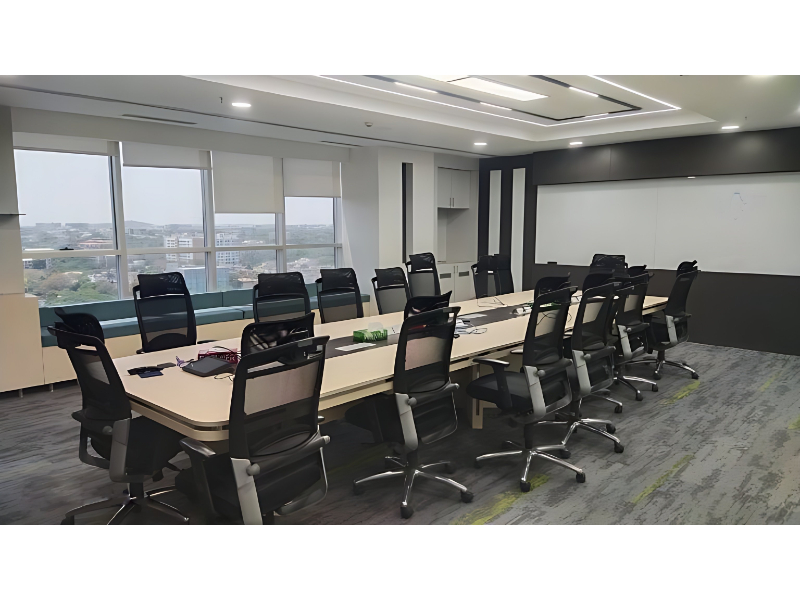
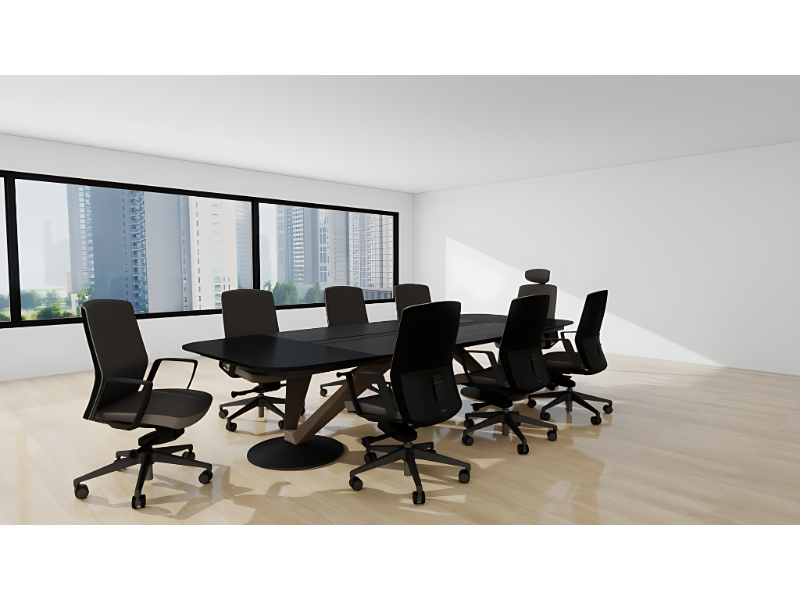
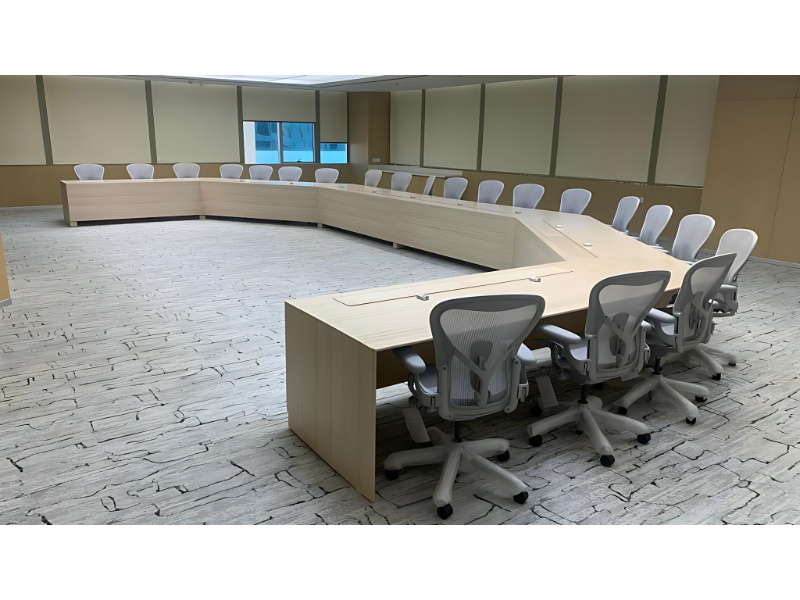
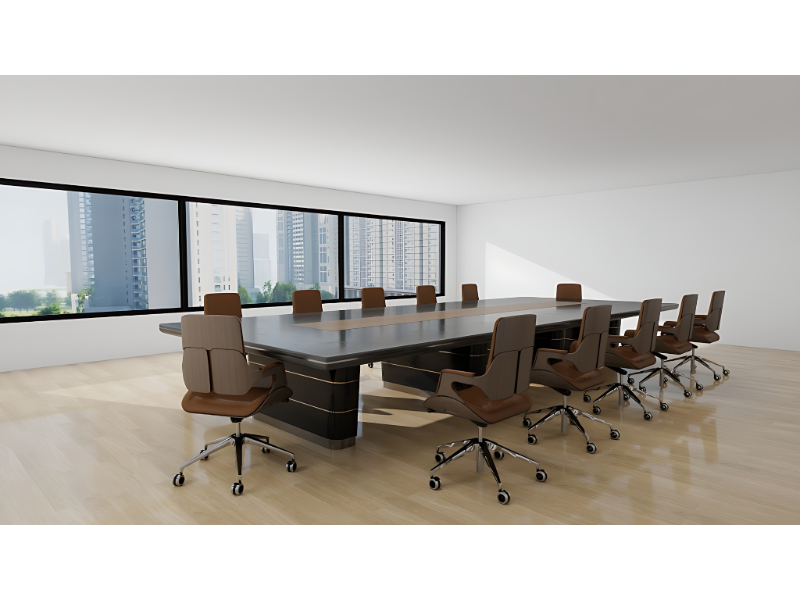
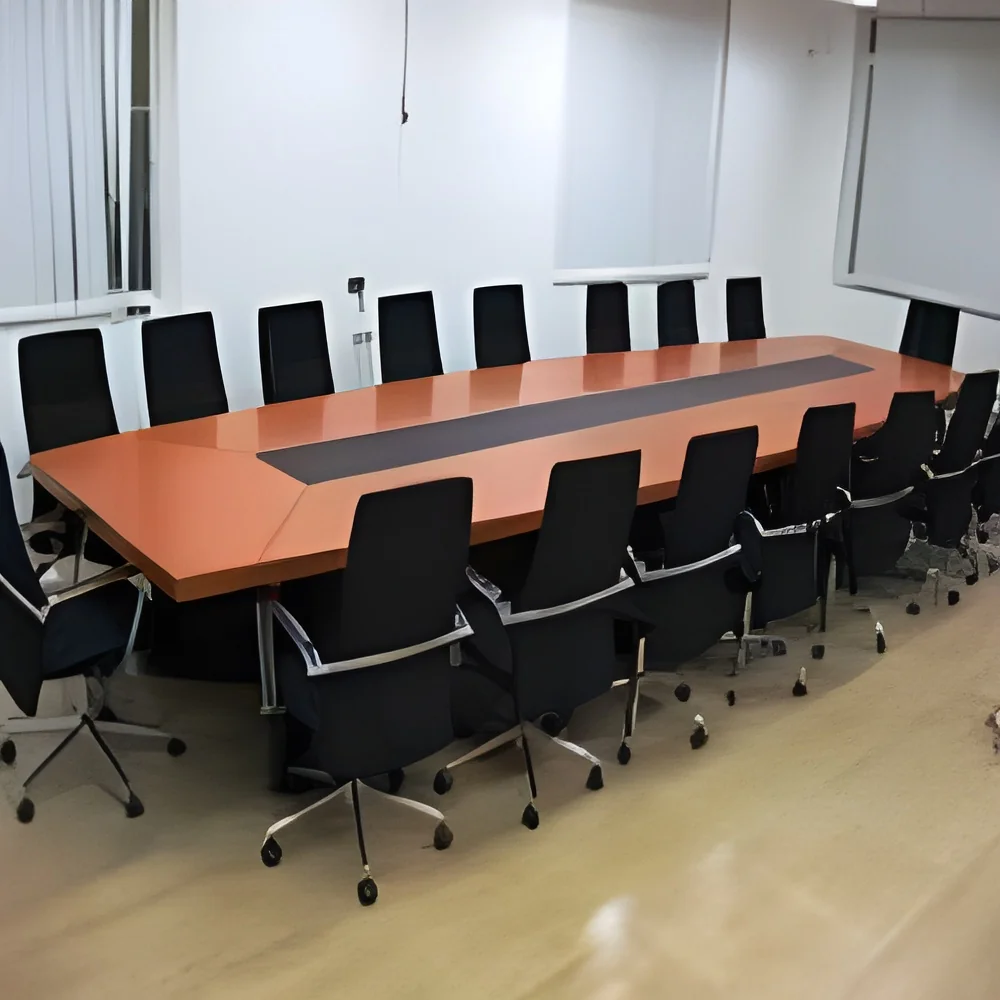
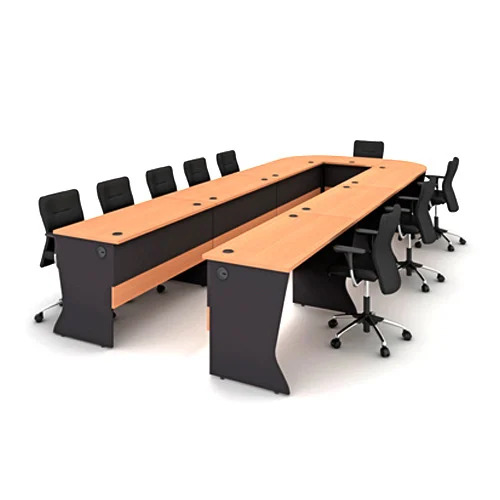
What are Conference Tables?
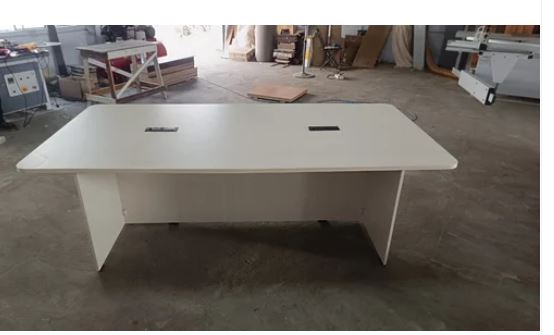
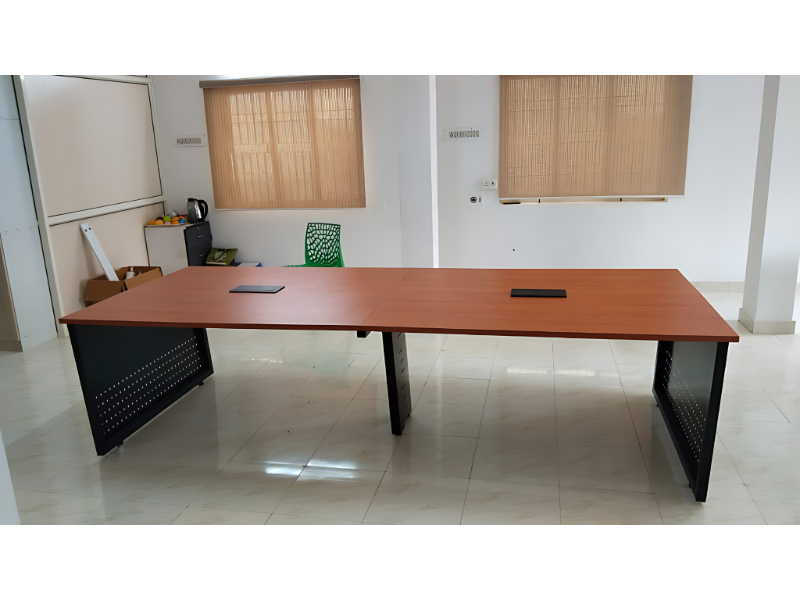
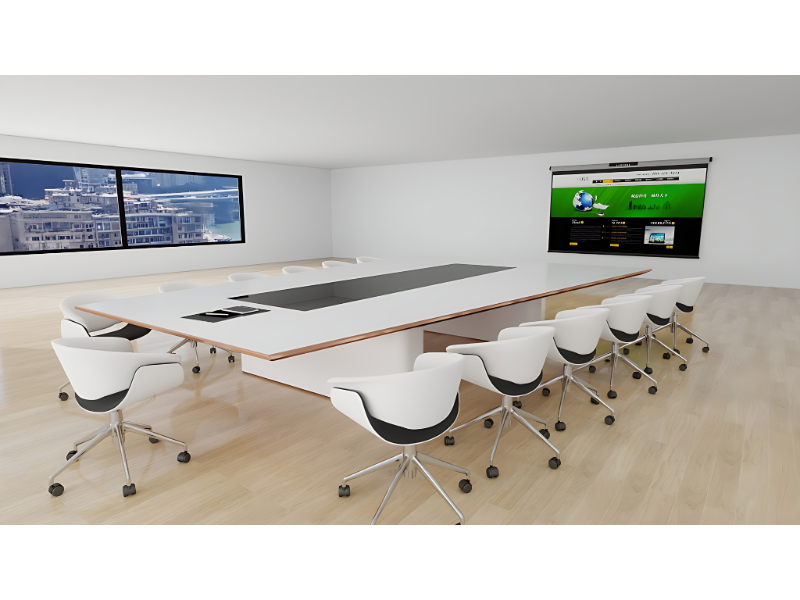
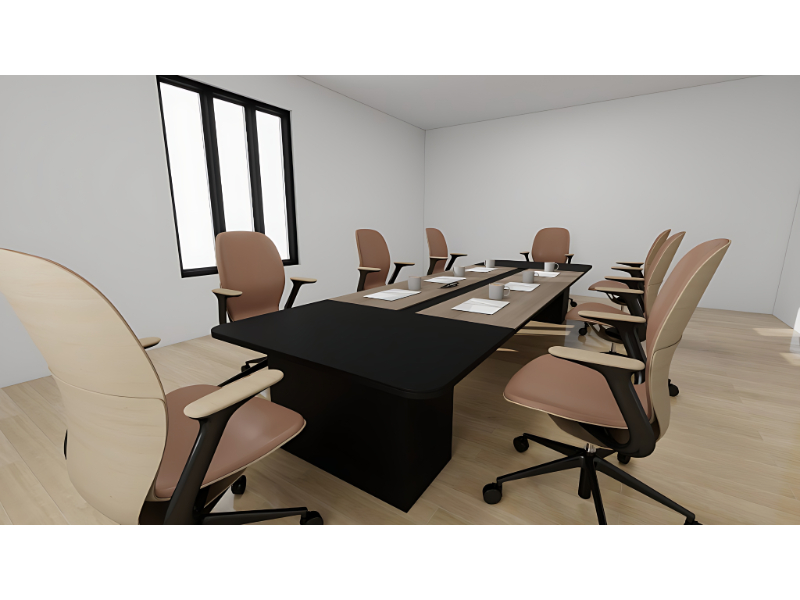
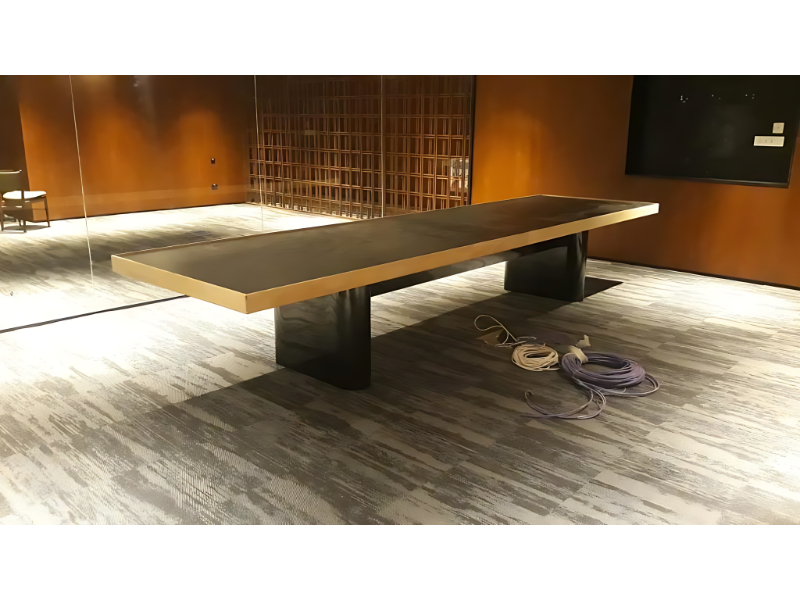
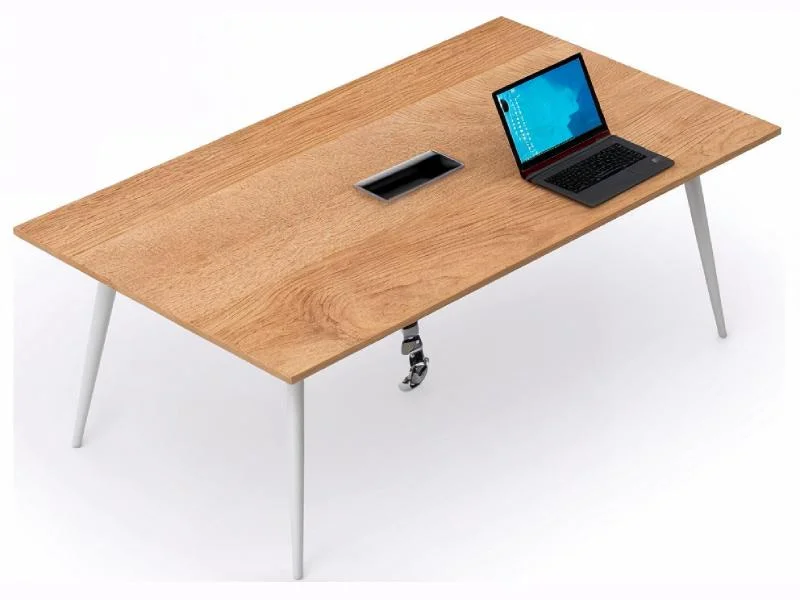
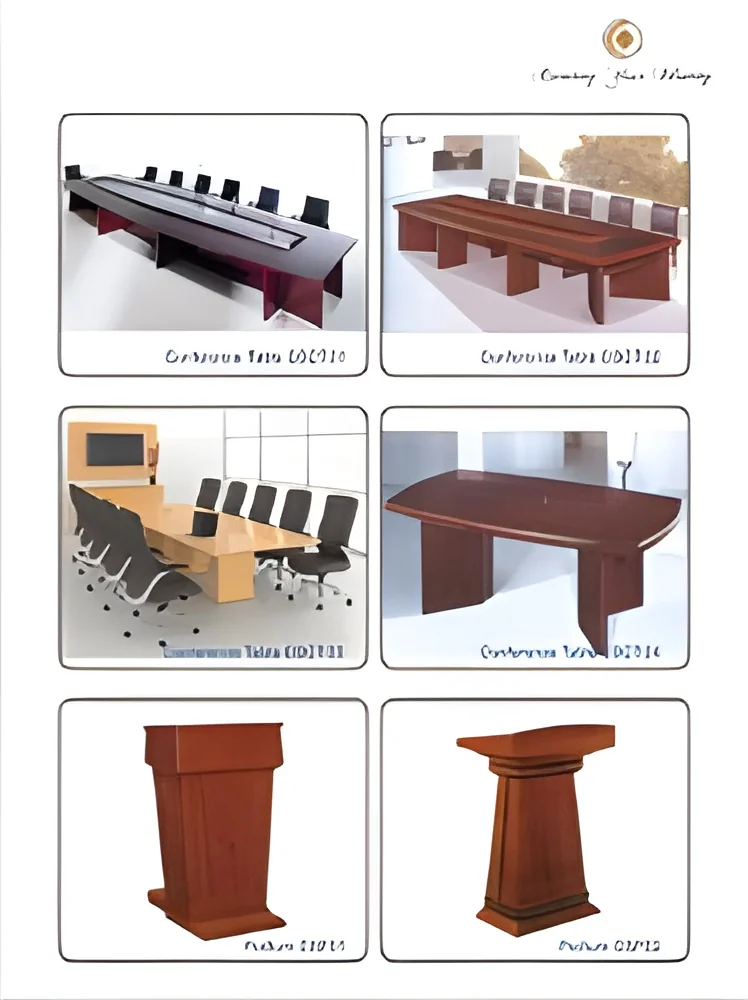
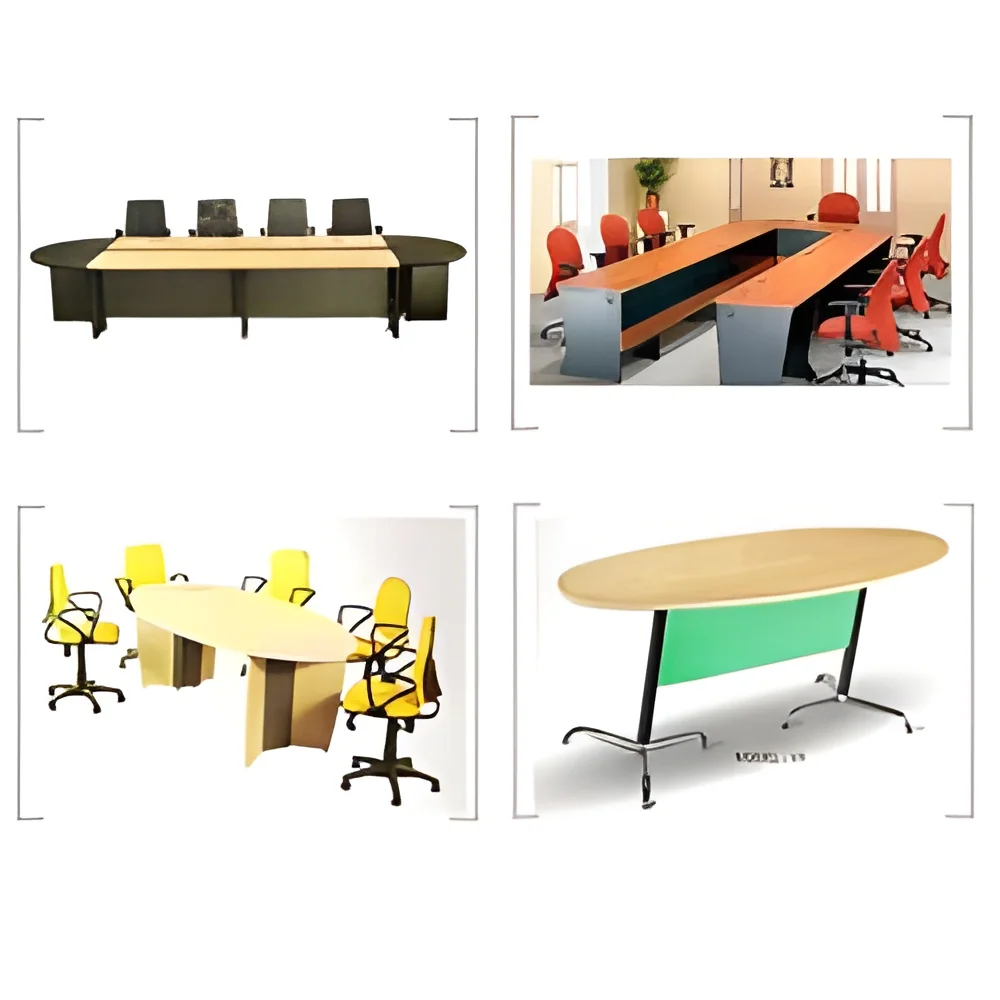
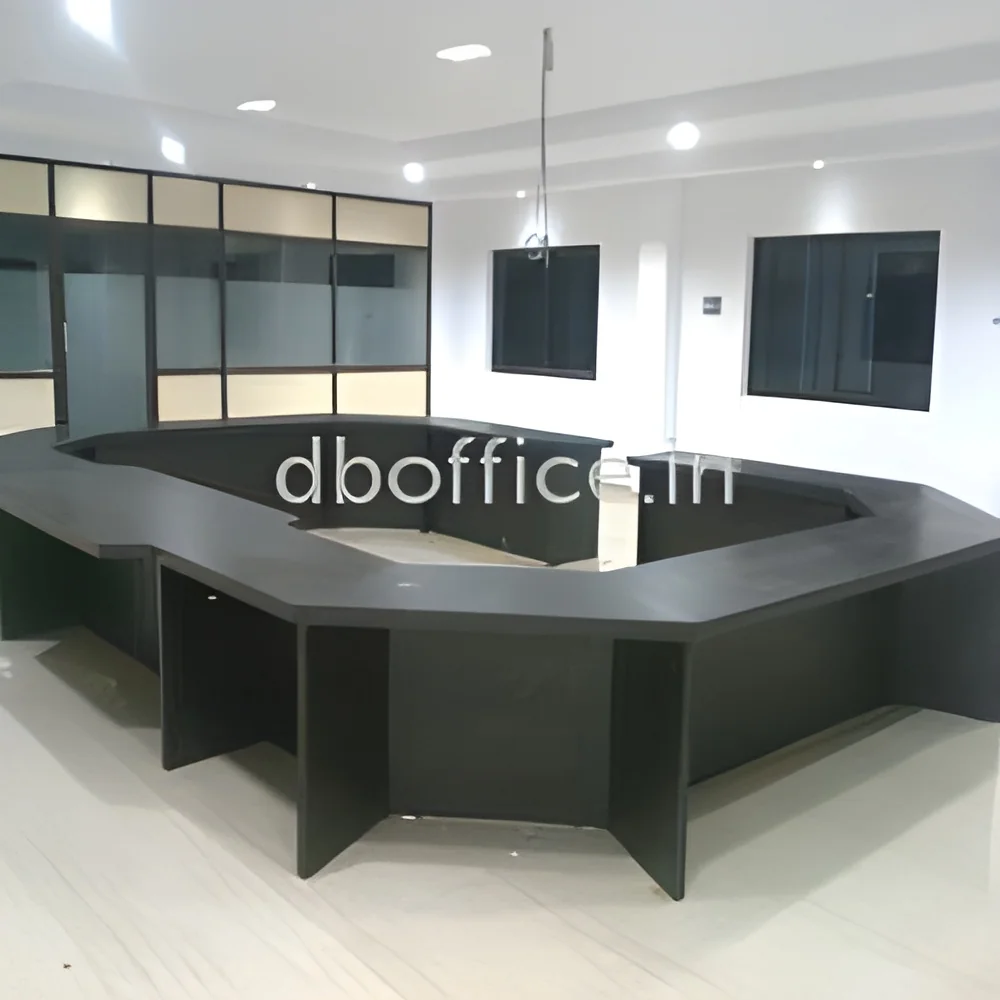
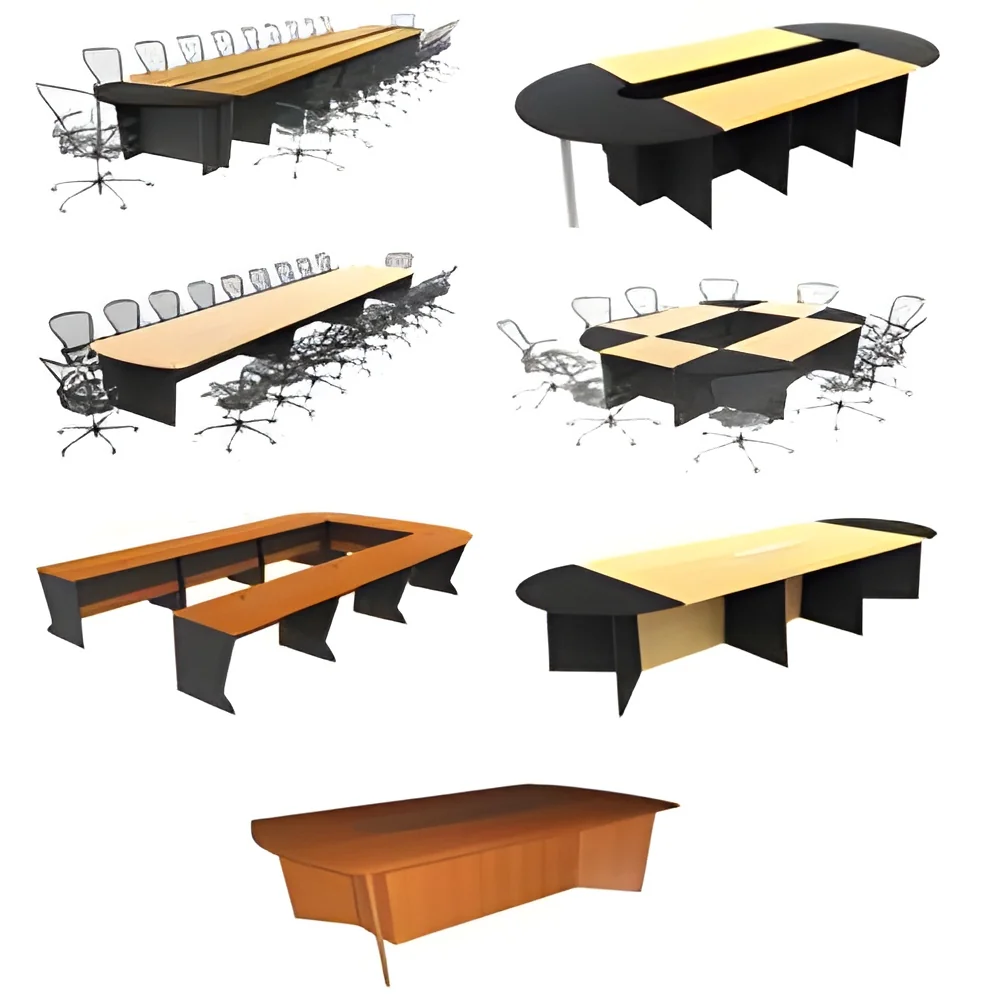
Conference tables are essential pieces of furniture designed for meetings and collaborative discussions in professional environments. Typically larger than standard tables, they provide ample space for multiple participants to gather, share ideas, and engage in productive dialogue. These tables can vary in size, shape, and style, catering to different business needs and aesthetic preferences.
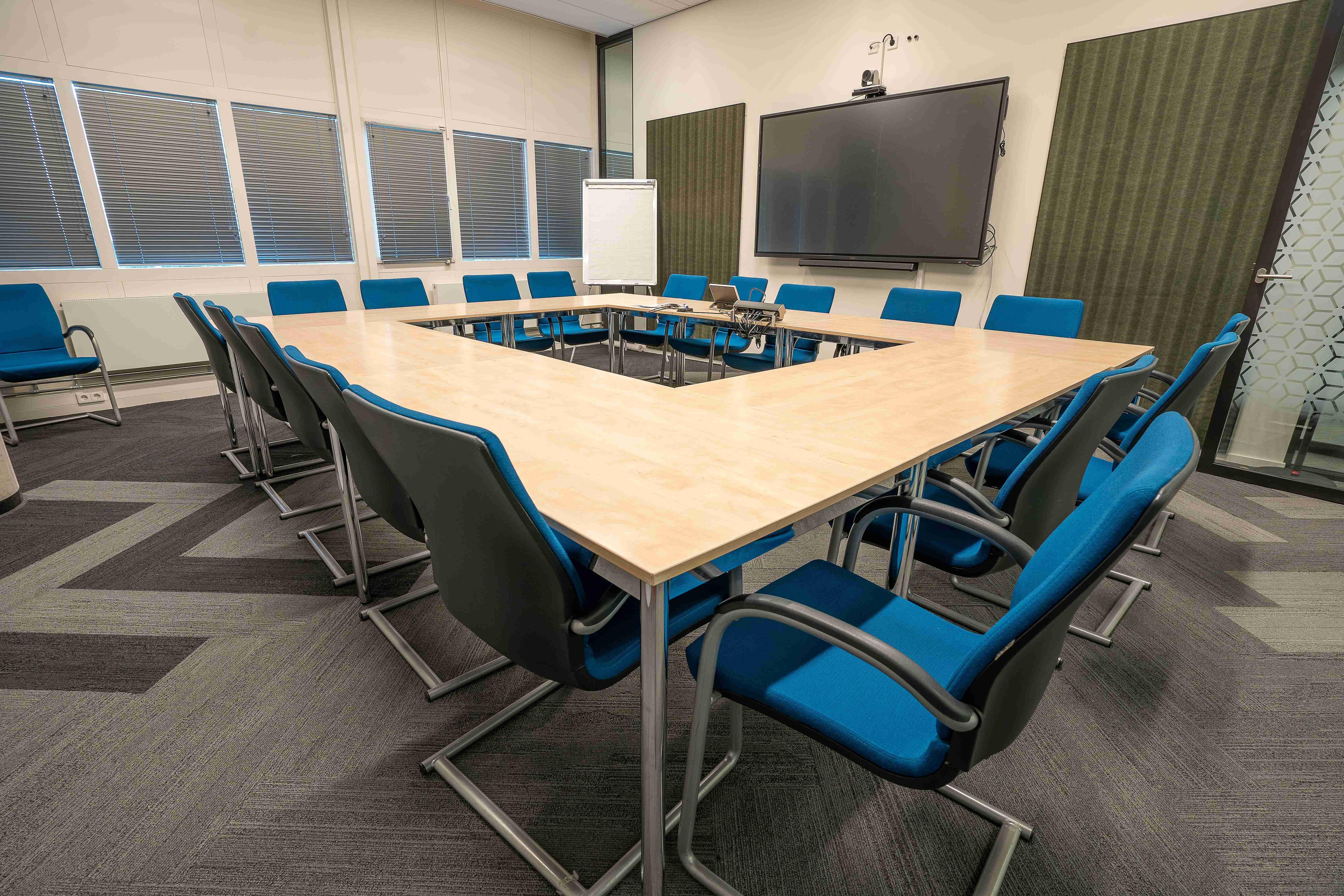
Primarily, conference tables serve as focal points in meeting rooms, boardrooms, and training areas. They facilitate communication and collaboration among team members, clients, and stakeholders. Conference tables are commonly used in various business settings, including corporate offices, educational institutions, and government facilities. Their design and functionality can significantly influence the effectiveness of meetings and overall workplace productivity.
In today's competitive market, conference tables are increasingly relevant as businesses prioritize collaborative workspaces. With the rise of remote work and hybrid meetings, the demand for adaptable and technology-friendly conference tables has grown. This has led to innovations in design and functionality, making conference tables not just a functional necessity but also a statement of corporate identity and culture.
Key Features and Specifications
Conference tables come equipped with a range of features and specifications that enhance their usability and appeal. Understanding these specifications is key for businesses looking to invest in quality furniture.
Key specifications include:
1. Size and Shape
- Available in various sizes to accommodate different numbers of participants.
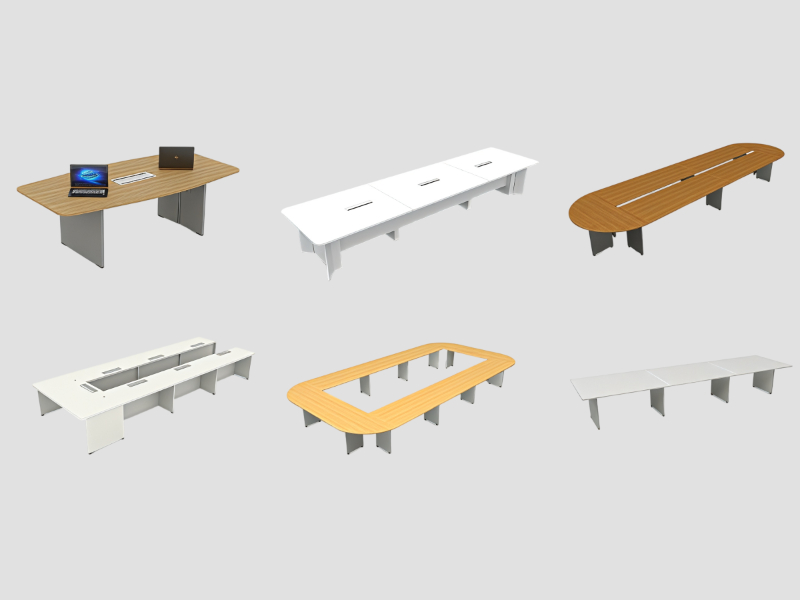
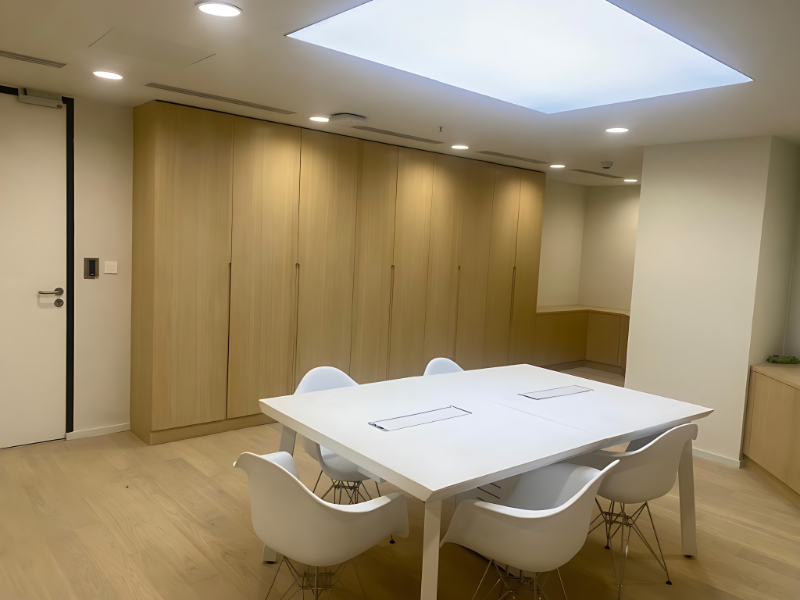
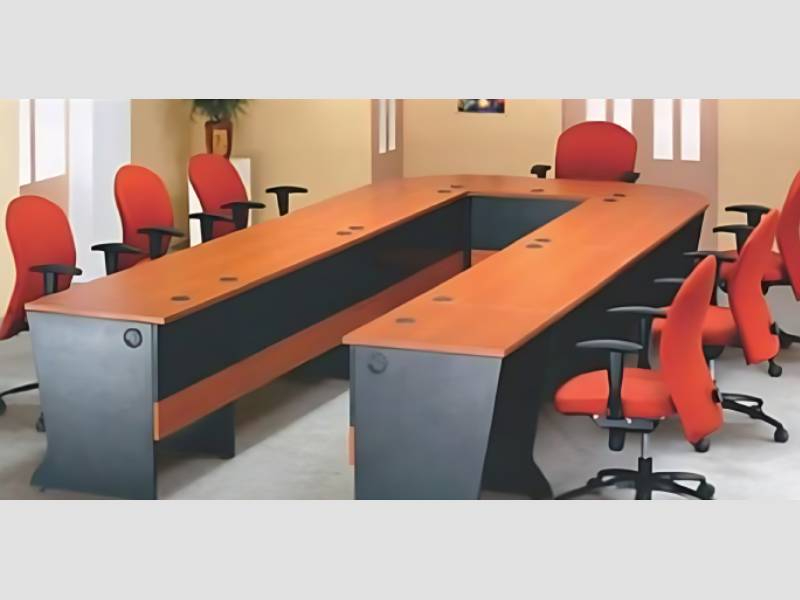
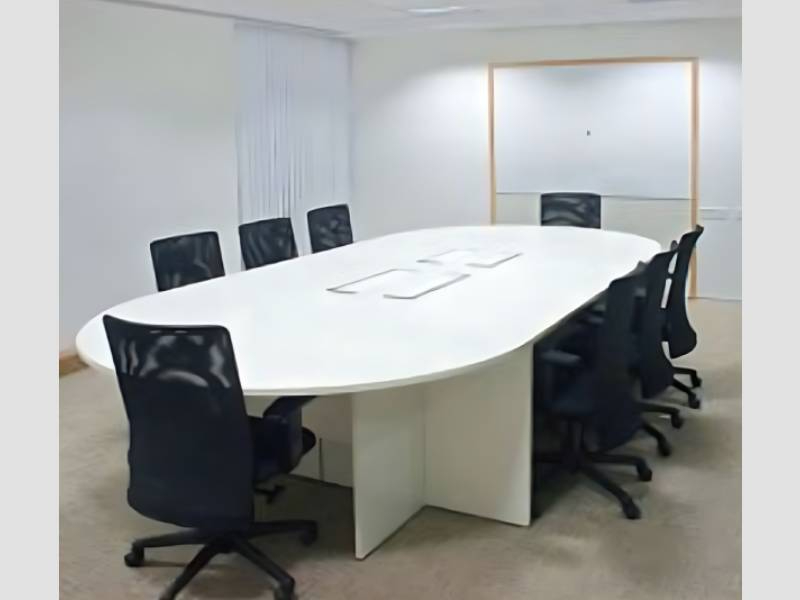
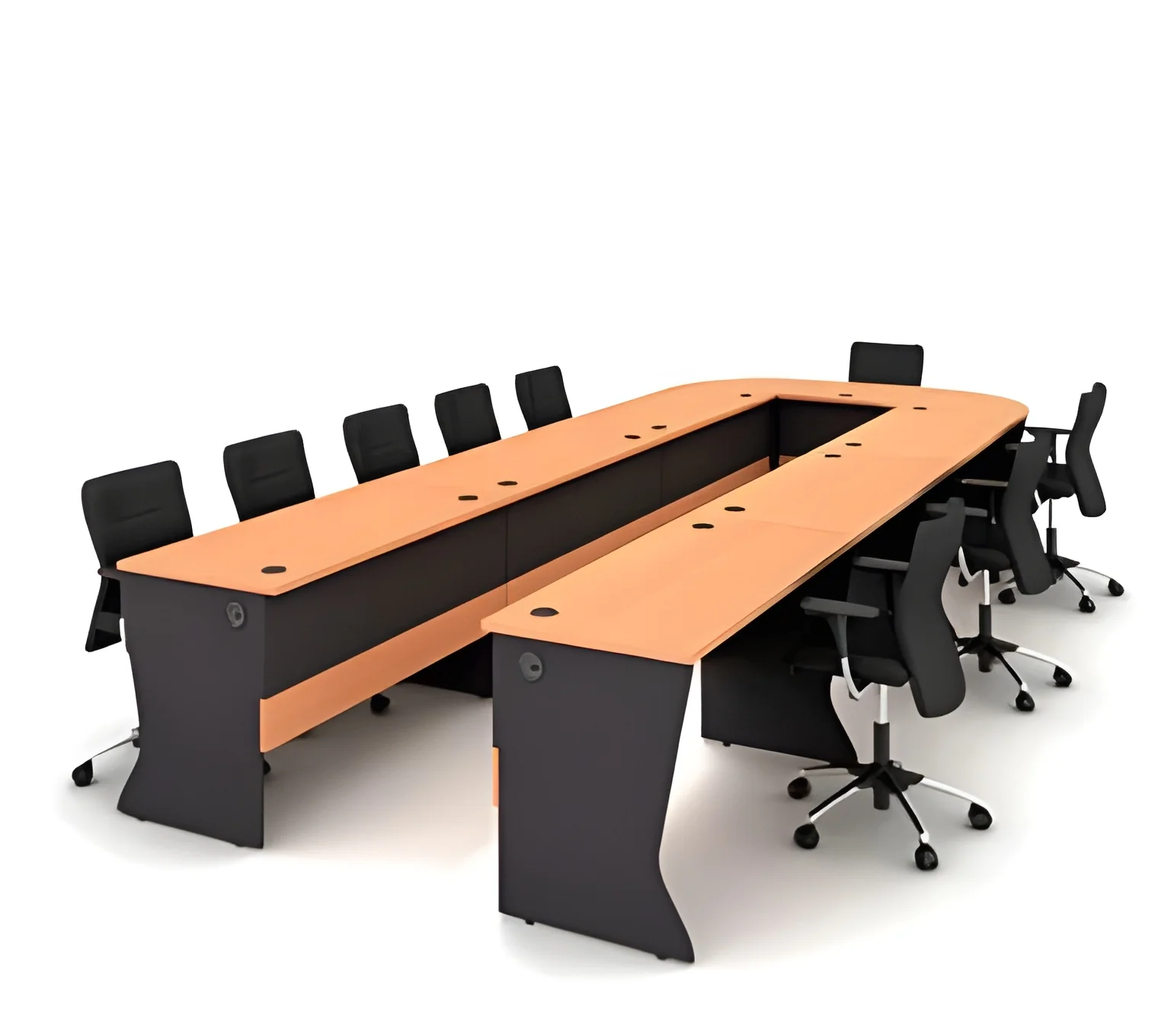
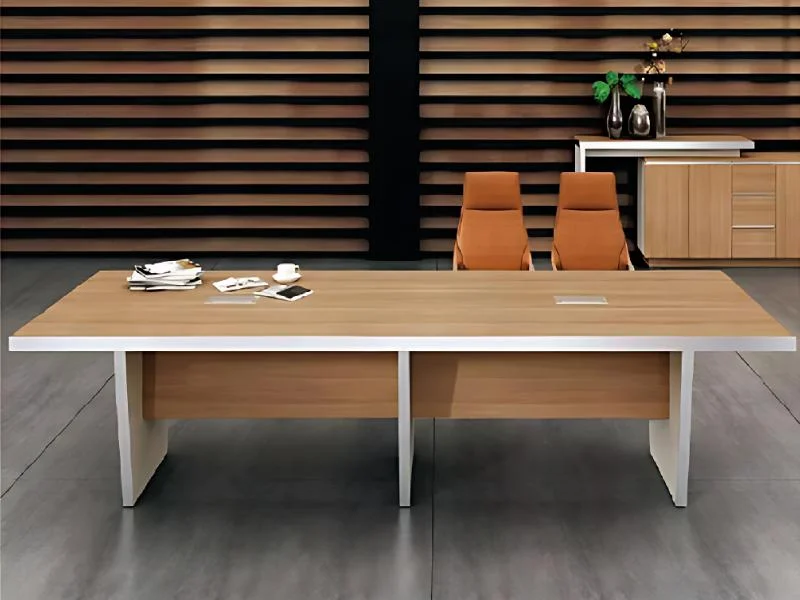
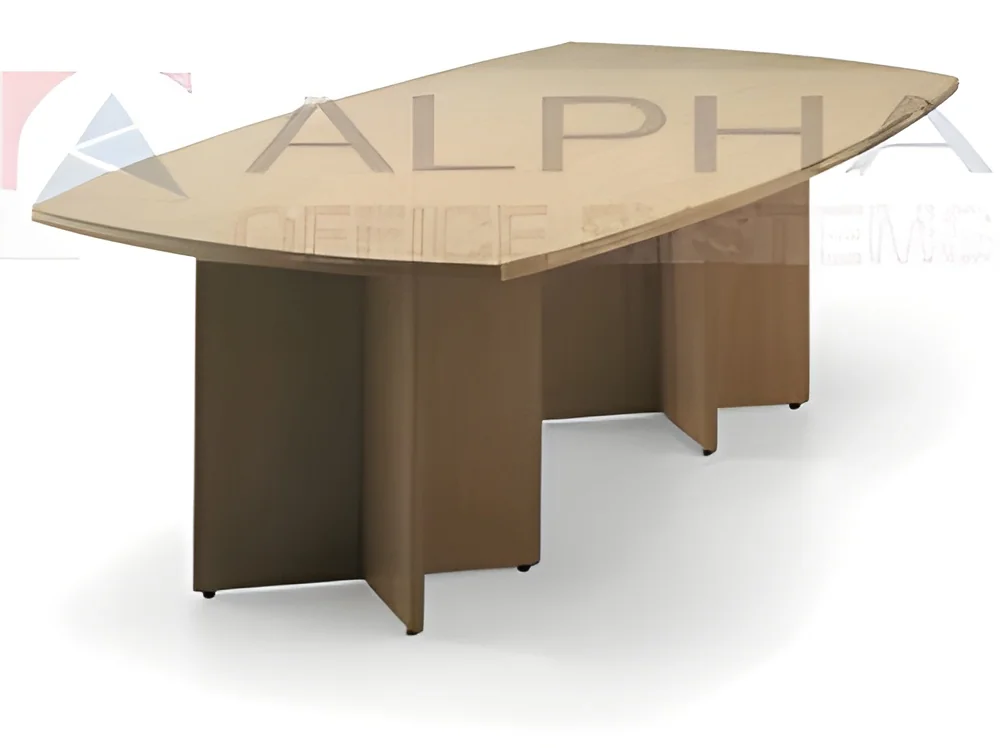
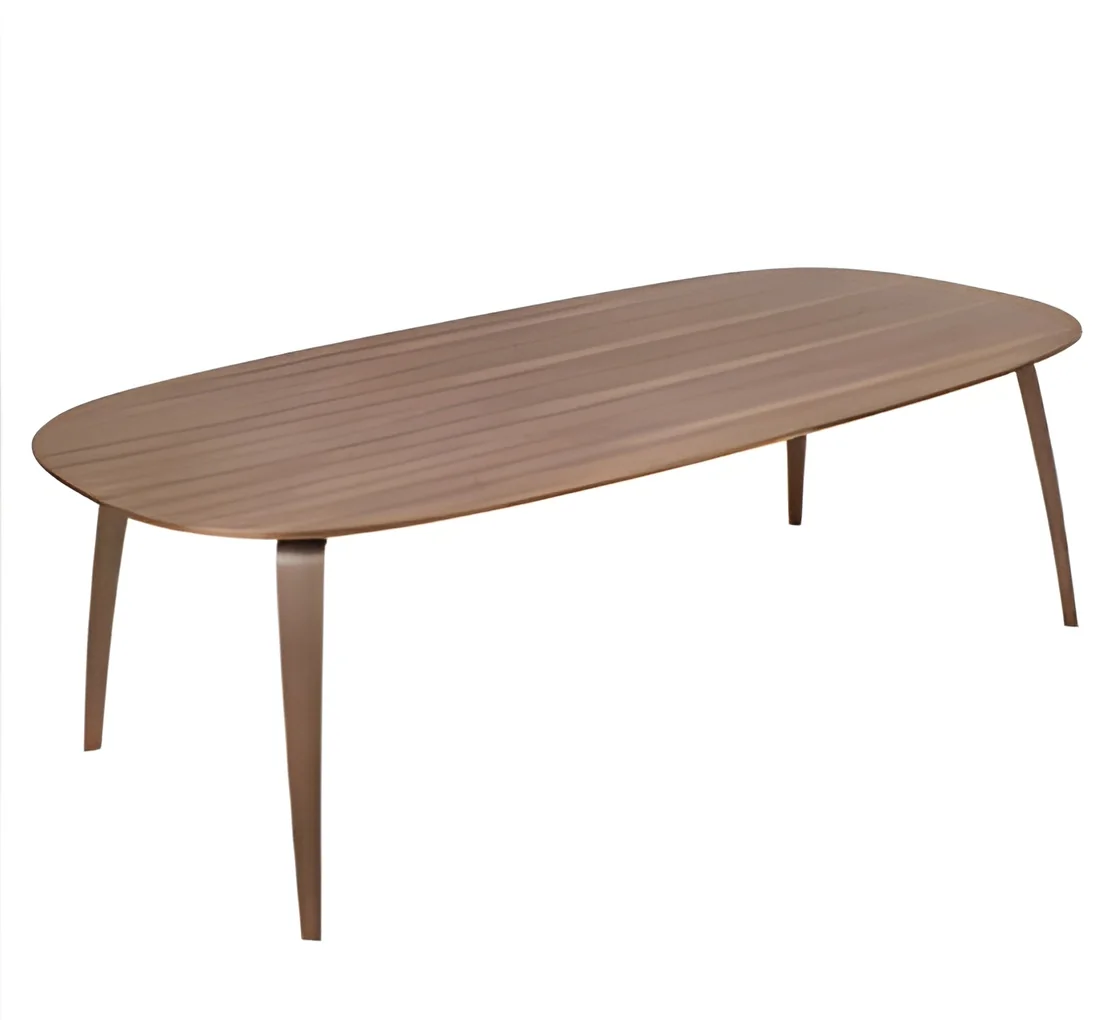
- Common shapes include rectangular, oval, and round.
2. Material
- Constructed from materials such as wood, laminate, glass, and metal.
- Choice of material affects durability and aesthetic appeal.
3. Finish Options
- Variety of finishes available, including natural wood grains, painted surfaces, and laminate textures.
- Finish selection can align with office decor.
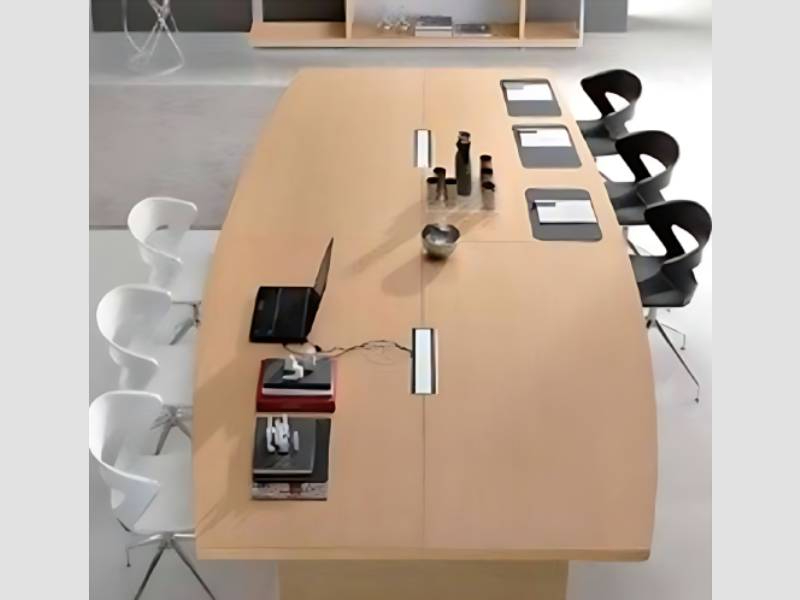
4. Cable Management
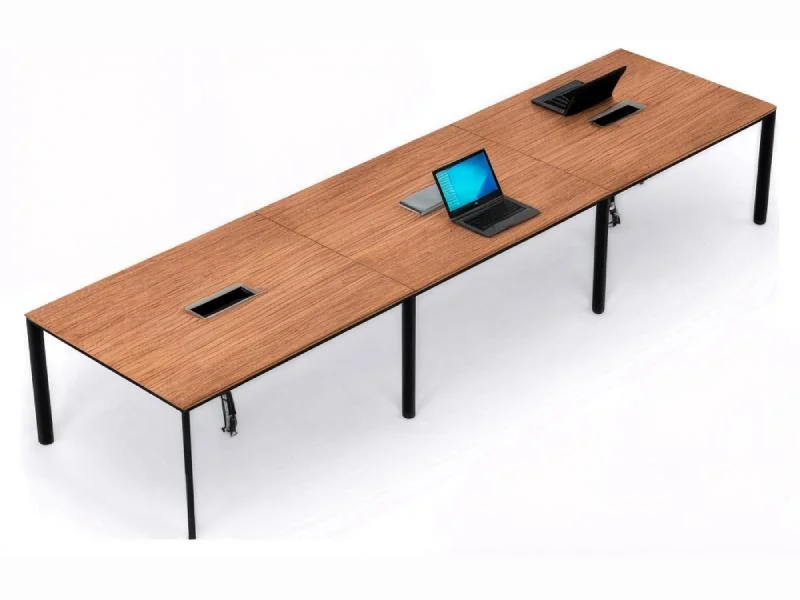
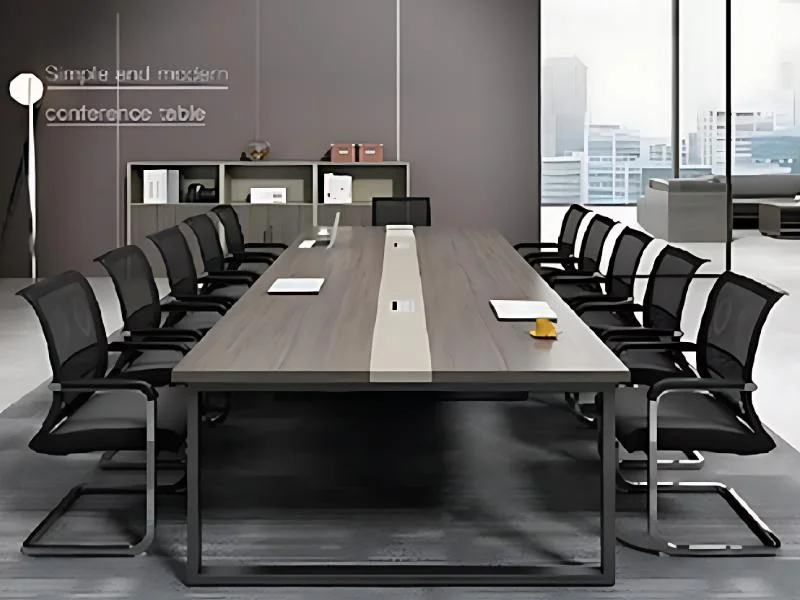
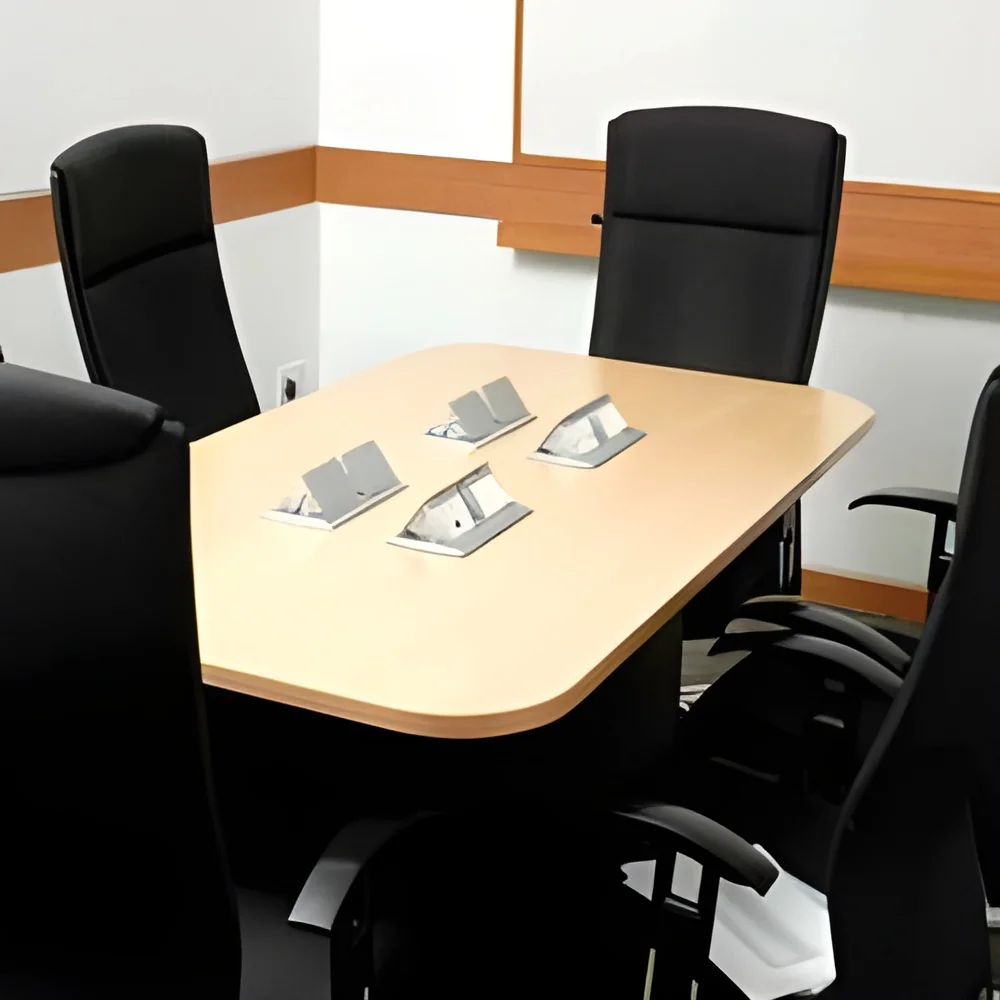
- Many models include built-in cable management systems for organizing electrical cords and data cables.
- Helps maintain a tidy workspace and supports technology integration.
5. Seating Capacity
- Designed to seat anywhere from four to twenty participants, depending on size.
- Selection based on office size and meeting requirements.
6. Mobility
- Some conference tables come with wheels for easy relocation.
- Ideal for multipurpose spaces or flexible work environments.
7. Customization Options
- Many manufacturers offer customization in size, shape, and finish.
- Allows businesses to tailor tables to their specific needs.
8. Price Range
- Prices can vary widely based on materials, design, and brand.
- Typically ranges from budget-friendly options to high-end designer tables.
In summary, selecting the right conference table involves considering key specifications that align with business needs and workspace design.
Common Applications and Use Cases
Conference tables are versatile pieces of furniture used across various industries. Their primary applications include:
1. Corporate Offices: Businesses utilize conference tables for meetings, brainstorming sessions, and presentations with clients and teams.
2. Educational Institutions: Colleges and universities employ conference tables for faculty meetings, student group discussions, and administrative planning.
3. Government Agencies: These tables are essential in government settings for committee meetings, public hearings, and decision-making sessions.
4. Non-Profit Organizations: Non-profits often use conference tables for strategic planning sessions and collaborative workshops.
5. Legal Firms: Law offices rely on conference tables for client consultations, team briefings, and case reviews.
6. Healthcare Facilities: Healthcare organizations use them for staff meetings, interdisciplinary team discussions, and training sessions.
7. Technology Companies: These businesses benefit from conference tables equipped for video conferencing and collaborative software.
Product Variants and Subcategories
Conference tables come in a variety of forms to meet specific needs and preferences.
Executive Conference Tables
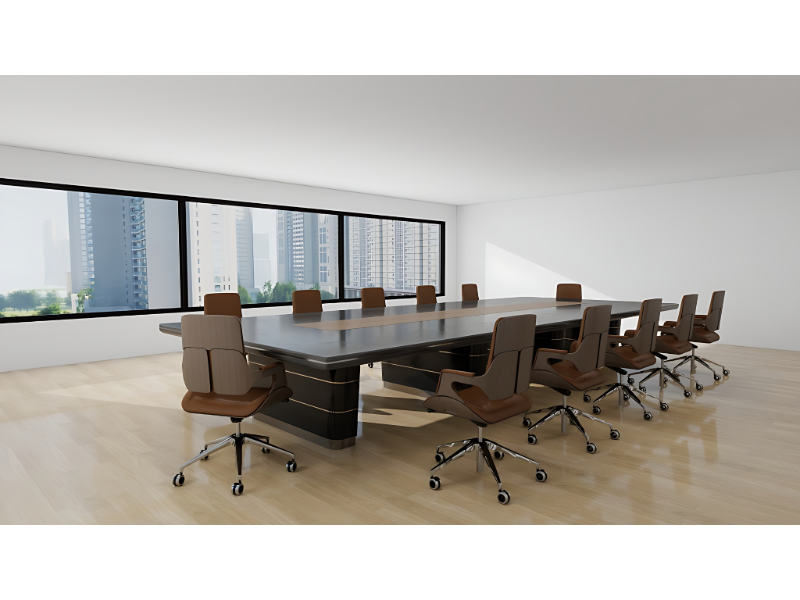
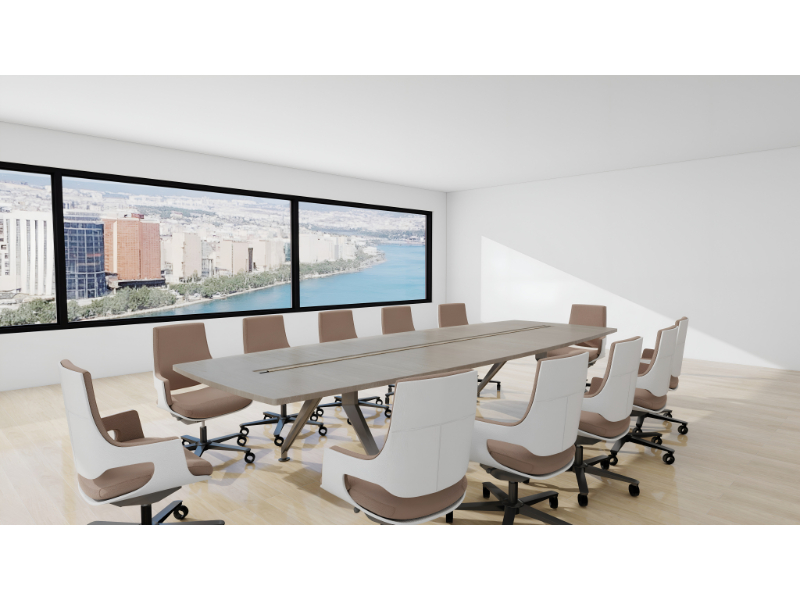
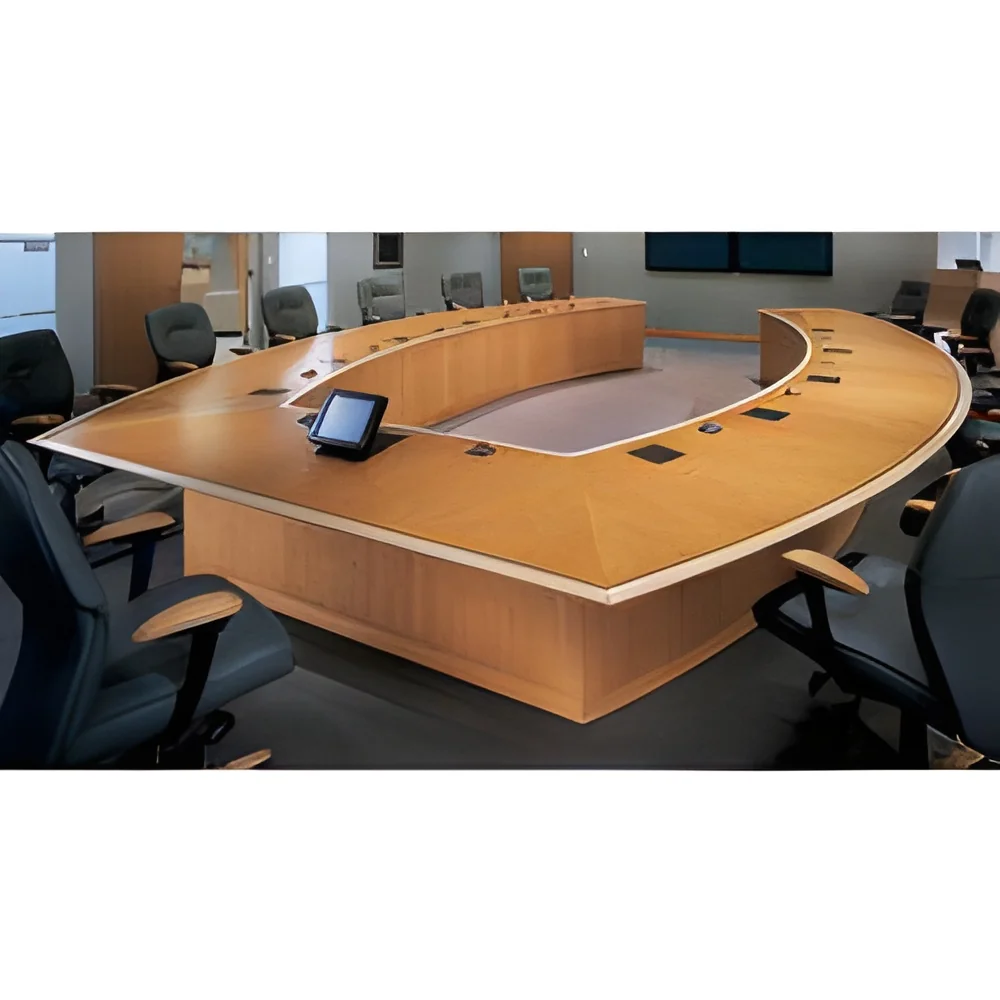
These tables are designed for high-level meetings and often feature premium materials and finishes. They provide a sophisticated look suitable for executive offices and boardrooms.
Collaborative Tables
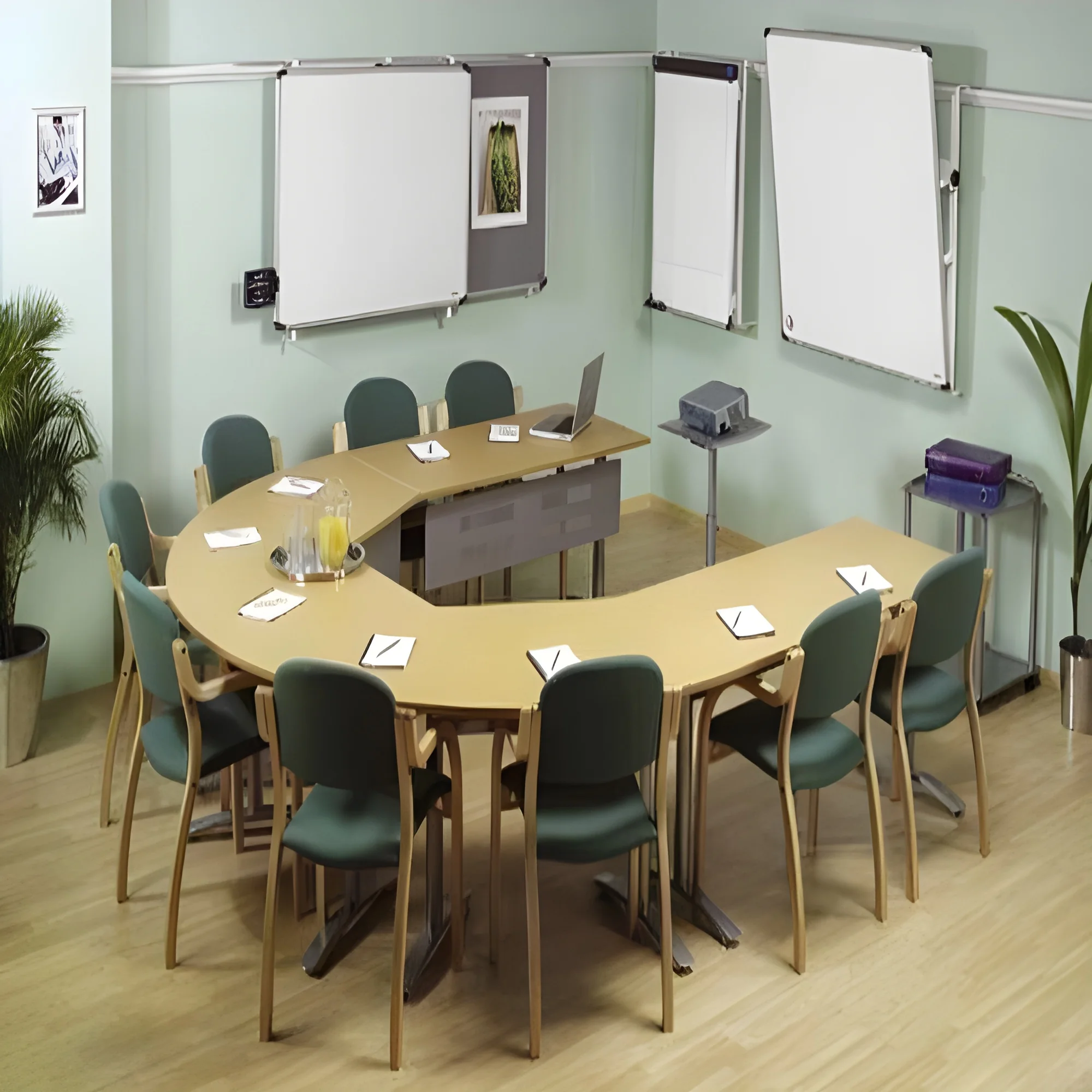
Focused on teamwork, these tables are designed for open discussions and brainstorming sessions. They may include features such as whiteboard surfaces or integrated technology for enhanced collaboration.
Training Tables
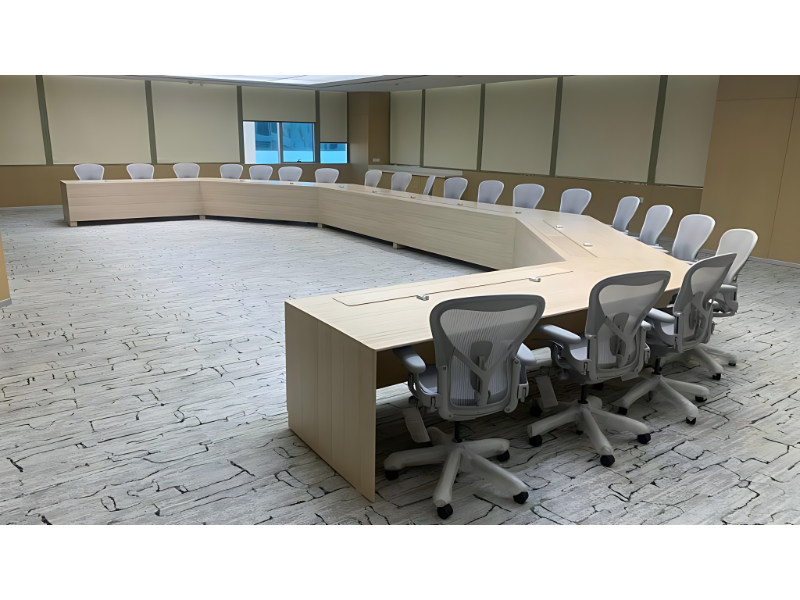
These are often modular and can be rearranged for various group sizes. They are suited for training sessions, workshops, and seminars, allowing for flexible layouts.
Benefits and Advantages
Investing in quality conference tables offers numerous advantages to businesses.
Key benefits include:
1. Enhanced Collaboration: Conference tables provide a dedicated space for teams to meet and share ideas, fostering better communication and teamwork.
2. Professional Image: A well-designed conference table contributes to a professional atmosphere, impressing clients and stakeholders during meetings.
3. Customization Flexibility: Many conference tables can be customized to match the specific needs and aesthetics of a business, ensuring a perfect fit.
4. Increased Productivity: Comfortable and functional meeting spaces encourage longer and more effective discussions, leading to improved decision-making.
5. Versatile Use: Conference tables can serve multiple purposes, from formal meetings to casual brainstorming sessions, making them a valuable investment.
6. Technology Integration: Many modern conference tables are designed to accommodate technology, facilitating seamless presentations and video conferences.
Buying Guide for B2B Buyers
When sourcing conference tables, it is crucial to consider several key factors to ensure the right choice.
1. Quality Assessment: Evaluate the materials and construction quality to ensure durability and longevity of the table. Look for tables that can withstand frequent use.
2. Supplier Verification: Vet suppliers to ensure they are reputable and provide quality products. Check for customer reviews and industry certifications.
3. Pricing and MOQ: Understand the pricing structure and minimum order quantities. This helps in budgeting and ensures you meet the supplier's requirements.
4. Delivery and Lead Times: Inquire about shipping options and lead times to ensure the tables arrive when needed. Consider logistics for timely delivery.
5. Compliance Requirements: Ensure that the conference tables meet any relevant safety and regulatory standards. This can include materials used and construction methods.
Compliance and Certifications
Conference tables must adhere to various quality standards and certifications to ensure safety and durability.
Common relevant standards include ISO 9001, which focuses on quality management systems, ensuring that products meet customer and regulatory requirements.
The CE mark is an important certification that indicates compliance with European health, safety, and environmental protection standards.
Safety and testing requirements can vary based on the materials used and manufacturing processes. It is essential to verify that the tables meet these standards to ensure they are safe for use.
Additionally, regional compliance considerations may apply, particularly for businesses operating in multiple countries. Understanding these requirements helps mitigate risks associated with non-compliance.
Why Source Conference Tables from Pepagora?
Pepagora offers a reliable platform for sourcing conference tables, providing several key advantages for B2B buyers.
Verified Supplier Network: Pepagora ensures that all suppliers are thoroughly vetted, providing buyers with confidence in the quality and reliability of the products.
Streamlined RFQ Process: The request for quotation system is designed to simplify the procurement process. Buyers can easily compare options and make informed decisions.
Trade Assurance and Support: Pepagora offers trade assurance to protect buyers' investments, ensuring that orders are fulfilled as agreed and providing support throughout the purchasing process.
Regional Coverage: With a strong presence in India, the GCC, and Southeast Asia, Pepagora connects buyers with suppliers across a broad geographical area, facilitating easy access to quality conference tables.

 IN
IN