IN
₹
Description
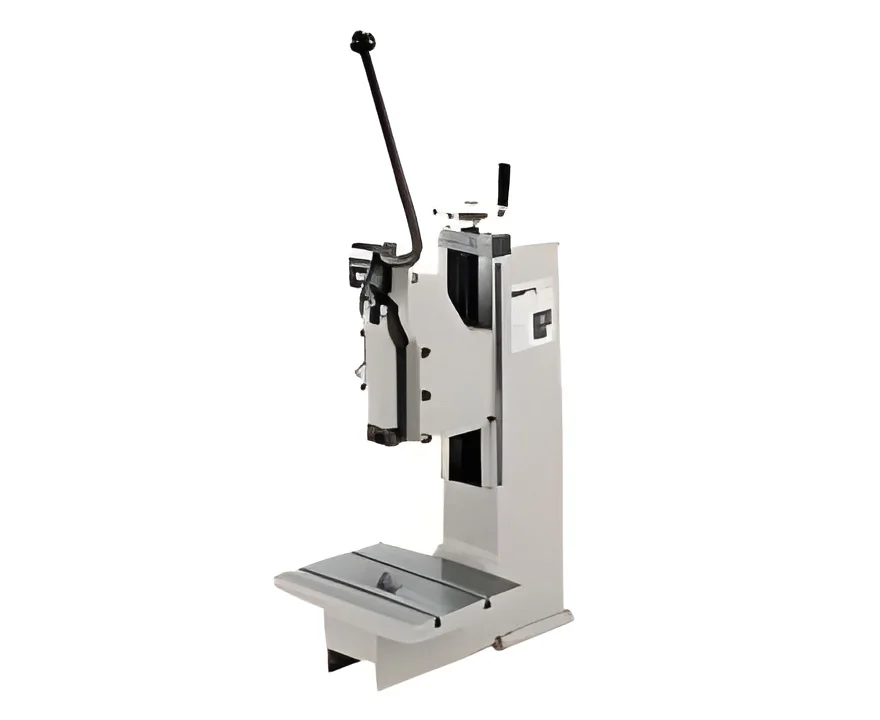
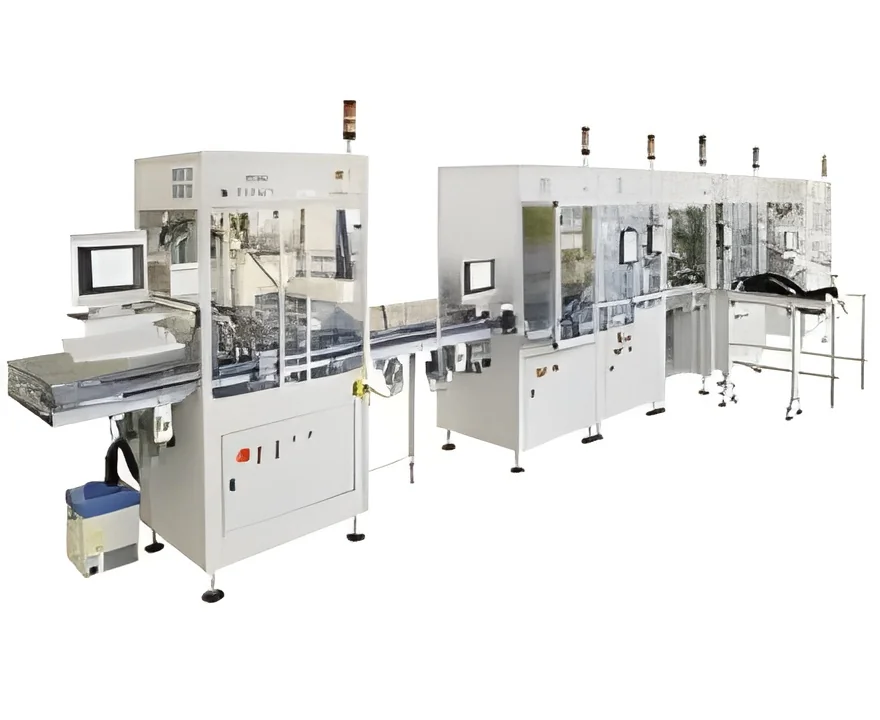
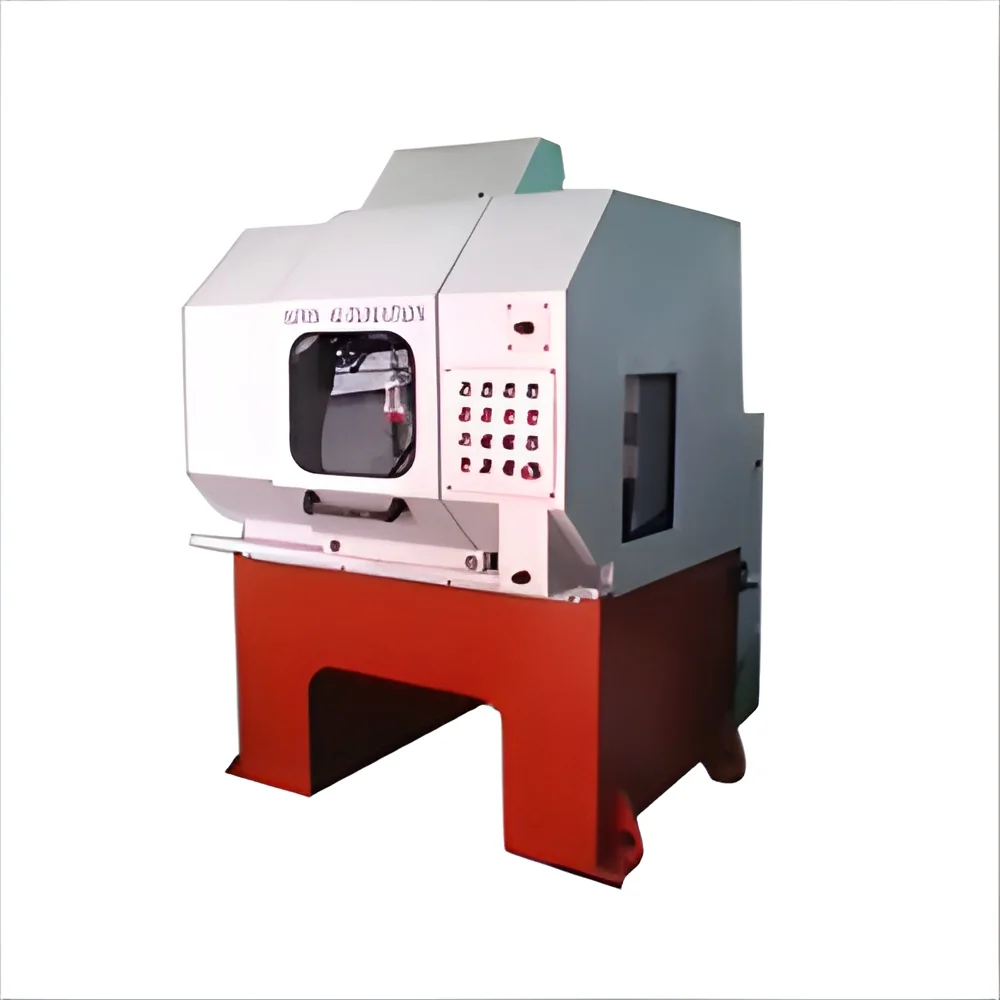
The ARMS SF 200 Twin Head Super Finishing Machine represents advanced precision engineering for superior surface enhancement of cylindrical components. This fully automatic industrial system delivers exceptional surface finish quality that significantly improves product durability, performance characteristics, and operational reliability. Designed with manufacturing efficiency in mind, it features separate roughing and finishing cycles that ensure consistent results while maintaining high production throughput. The machine's robust construction and precision engineering provide manufacturers with a reliable solution for demanding finishing requirements where surface quality directly impacts component performance.

This precision finishing equipment serves essential roles across multiple high-stakes industrial sectors. In automotive manufacturing, it processes transmission shafts, engine components, and steering system parts to reduce friction and extend service life. Aerospace applicat...
The ARMS SF 200 Twin Head Super Finishing Machine represents advanced precision engineering for superior surface enhancement of cylindrical components. This fully automatic industrial system delivers exceptional surface finish quality that significantly improves product durability, performance characteristics, and operational reliability. Designed with manufacturing efficiency in mind, it features separate roughing and finishing cycles that ensure consistent results while maintaining high production throughput. The machine's robust construction and precision engineering provide manufacturers with a reliable solution for demanding finishing requirements where surface quality directly impacts component performance.

This precision finishing equipment serves essential roles across multiple high-stakes industrial sectors. In automotive manufacturing, it processes transmission shafts, engine components, and steering system parts to reduce friction and extend service life. Aerospace applications benefit from its ability to finish landing gear components, hydraulic system rods, and flight control parts to exacting standards. Bearing manufacturers rely on it for race and roller finishing, while hydraulic equipment producers use it for cylinder rod polishing. The medical device industry utilizes this machine for implants and instrument components requiring ultra-smooth, biocompatible surfaces, demonstrating its versatility across precision-driven sectors where surface integrity is critical.

The ARMS SF 200 delivers substantial value through enhanced production efficiency and reduced operational costs. Its fully automatic operation minimizes manual intervention while maintaining consistent quality output, resulting in lower labor requirements and reduced processing variability. The machine's reliability ensures uninterrupted production cycles, while its precision engineering translates to fewer rejects and higher yield rates. The twin-head design doubles processing capacity without increasing floor space requirements, providing excellent return on investment. This combination of features makes the SF 200 a strategic asset for businesses focused on quality, efficiency, and competitive advantage in precision component manufacturing.

Key Features:
- Twin head design enables simultaneous processing of two components for increased throughput
- Fully automatic operation with programmable cycle controls for consistent results
- Separate roughing and finishing cycles for optimized surface preparation
- Robust industrial construction with precision components ensures long-term durability
- Advanced control system with monitoring capabilities for quality assurance

Benefits:
- Superior surface finish enhances component durability and performance characteristics
- Automated operation reduces labor costs and minimizes human error in processing
- Increased production capacity through twin-head simultaneous processing capability
- Consistent quality output reduces rejects and improves manufacturing yield rates
- Reliable performance ensures uninterrupted production cycles and maximum uptime
Specifications
| Additional Information | |
|---|---|
| Country of Origin | India |
Application
The ARMS SF 200 twin head super finishing machine is engineered for high-volume precision surface finishing of cylindrical components across demanding manufacturing sectors. Its automated twin-head design ensures consistent quality and reliability for production environments where surface integrity directly impacts product performance and longevity.
This industrial finishing equipment serves critical applications in automotive transmission shafts, aerospace hydraulic components, bearing manufacturing, medical device parts, and precision engineering components. It processes items like cylinder rods, bearing races, engine parts, and shafts with exceptional accuracy, improving wear resistance and operational efficiency in final applications.
- Precision surface finishing of automotive transmission shafts and engine valve components
- Super finishing aerospace landing gear cylinders and hydraulic system rods
- Enhancing surface quality of bearing races and rollers for industrial machinery
- Polishing hydraulic cylinder rods for construction and manufacturing equipment
- Finishing medical implants and surgical instrument components requiring ultra-smooth surfaces
Trade Details
| Available Stock | In Stock |
| Sample Availability | No |
Payment Terms
| Payment Terms |
|
Company Profile
ARMS AUTOMATION, Karnataka
 Karnataka, India
Industrial Equipment & Machinery•Manufacturer•Distributor / Wholesaler
Factory Details
Factory SizeBelow 1000 sqm
Annual Production Capacity0
Industrial ARMS SF 200 Twin Head Super Finishing Machine For Cylindrical Components
ARMS SF 200 Twin Head Super Finishing Machine delivers superior surface finish for cylindrical components with fully automatic operation, precision engineering, and enhanced durability for industrial manufacturing applications.
Min. Order Quantity: 1 unit
Shipping
Shipping fee and delivery date to be negotiated. Contact supplier now for more details.
ARMS AUTOMATION
 Karnataka, India
Industrial Equipment & MachineryManufacturer