IN
IN₹
Apparel & Fashion
Description
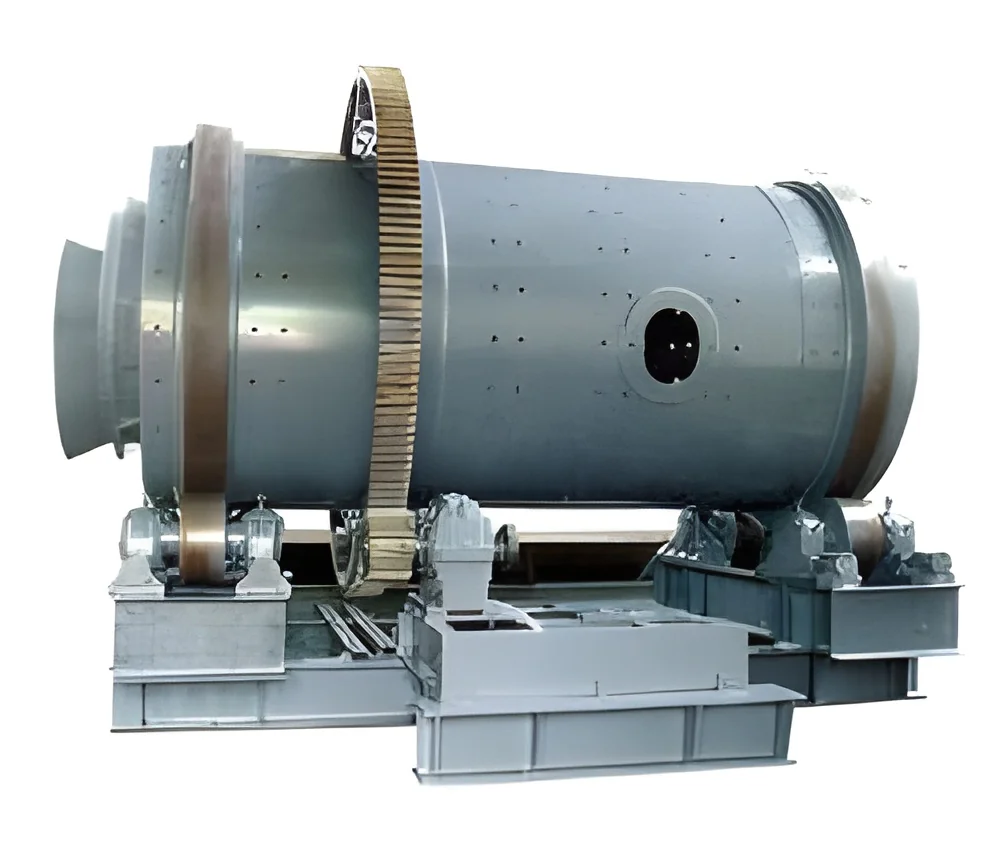
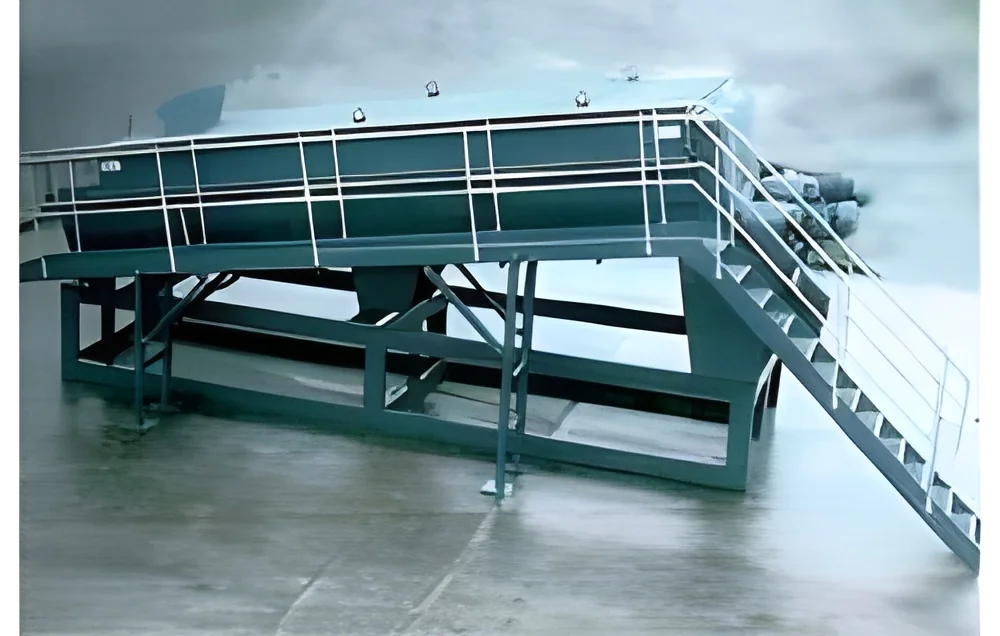
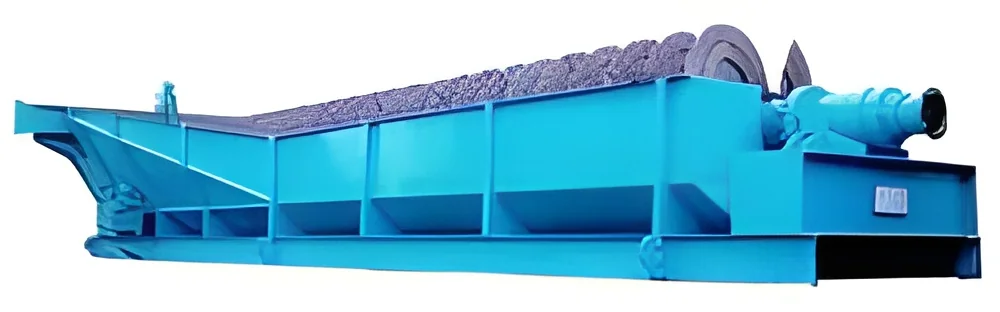
Our spiral classifier represents advanced separation technology designed for efficient solid-liquid classification in industrial processing. Unlike conventional screening methods, this equipment separates particles in fluid mixtures according to size and density through gravitational settling and mechanical extraction. The unit operates within a pulp pool where coarse solids settle at the bottom and are systematically removed by spiral mechanisms, while finer materials report to the overflow. This sophisticated separation process achieves significant product quality improvement, typically enhancing final product specifications by 2-3% across various industrial applications. Engineered with precision and built for durability, our classifiers deliver reliable performance and consistent operation even in the most demanding processing environments.

Spiral classifiers serve critical functions across multiple industrial sectors including mining operations, mineral processing facilities, con...
Our spiral classifier represents advanced separation technology designed for efficient solid-liquid classification in industrial processing. Unlike conventional screening methods, this equipment separates particles in fluid mixtures according to size and density through gravitational settling and mechanical extraction. The unit operates within a pulp pool where coarse solids settle at the bottom and are systematically removed by spiral mechanisms, while finer materials report to the overflow. This sophisticated separation process achieves significant product quality improvement, typically enhancing final product specifications by 2-3% across various industrial applications. Engineered with precision and built for durability, our classifiers deliver reliable performance and consistent operation even in the most demanding processing environments.

Spiral classifiers serve critical functions across multiple industrial sectors including mining operations, mineral processing facilities, construction materials production, and chemical manufacturing. In mining applications, they are indispensable for ore beneficiation processes, effectively separating valuable minerals from waste materials to improve recovery rates. The construction industry relies on these units for precise sand washing and aggregate classification to meet specific material grading requirements. Chemical processing plants utilize spiral classifiers for product washing and crystallization operations, while cement manufacturers integrate them into closed-circuit grinding systems. Their versatility extends to environmental applications where they contribute to wastewater treatment and sludge management processes, demonstrating broad utility across industrial segments.

For operational efficiency and business value, our spiral classifiers deliver substantial advantages through enhanced process performance, reduced operational expenditures, and superior product quality outcomes. The equipment's proven reliability ensures continuous operation with minimal production interruptions, while its robust construction withstands challenging operating conditions to extend service life. These classifiers enable businesses to achieve optimal resource utilization, higher material recovery rates, and compliance with industry standards and environmental regulations. The investment in our separation technology translates to improved operational economics and quality consistency, making it an intelligent choice for operations prioritizing efficiency, reliability, and output quality.

Key Features:
- Heavy-duty construction using corrosion-resistant materials for extended service life
- Customizable spiral configuration to accommodate specific processing requirements
- Efficient solid-liquid separation without traditional screening mechanisms
- Adjustable weir settings enabling precise overflow control and classification
- Low maintenance design with easily accessible components for simplified servicing

Benefits:
- Enhanced process efficiency through reliable solid-liquid separation
- Reduced operational costs with minimal maintenance requirements
- Improved product quality and consistent material classification
- Extended equipment lifespan due to robust construction and materials
- Adaptable performance across various industrial applications and conditions
Specifications
| Additional Information | |
|---|---|
| Country of Origin | India |
Application
Spiral classifiers are essential equipment in mineral processing operations where precise separation of solids from liquids is required. They efficiently handle slurry materials, allowing coarse particles to settle for mechanical removal while finer materials overflow. This process ensures optimal material grading and enhances downstream processing efficiency across various industrial applications.
These robust classifiers serve multiple industries including mining operations, construction materials processing, and industrial treatment facilities. Their durable construction makes them suitable for continuous operation in demanding environments. The equipment maintains consistent performance in closed-circuit grinding systems and various classification applications with minimal maintenance requirements.
- Mineral processing plants for ore beneficiation and material classification
- Construction industry for sand washing and aggregate grading
- Industrial facilities for wastewater treatment and sludge management
- Cement manufacturing plants for closed-circuit grinding operations
- Chemical processing plants for product washing and crystallization
Trade Details
| Available Stock | In Stock |
| Sample Availability | No |
Payment Terms
| Payment Terms |
|
Company Profile

Durga Metal Profiles, Karnataka
 Karnataka, India
Karnataka, IndiaIndustrial Equipment & Machinery•Manufacturer•Distributor / Wholesaler•Importer / Exporter
Factory Details
Factory SizeBelow 1000 sqm
Annual Production Capacity0
Main Markets
South Asia
Mining Mineral Processing Spiral Classifier Solid Liquid Separation
Mining Mineral Processing Spiral Classifier provides efficient solid-liquid separation by size and density without screening. This reliable equipment ensures improved product quality and consistent performance for mineral processing operations.
Min. Order Quantity: 1 unit
Shipping
Shipping fee and delivery date to be negotiated. Contact supplier now for more details.
Durga Metal Profiles
 Karnataka, India
Karnataka, IndiaIndustrial Equipment & MachineryManufacturer