IN
IN₹
Apparel & Fashion
Description
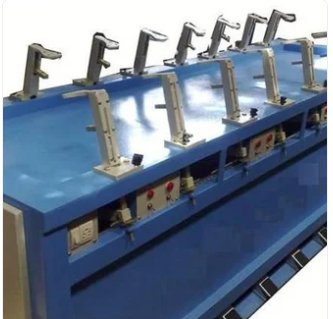
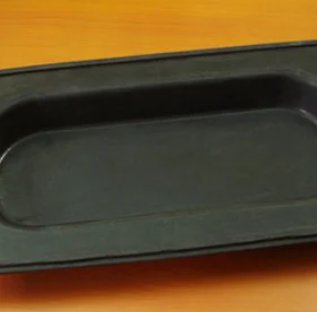
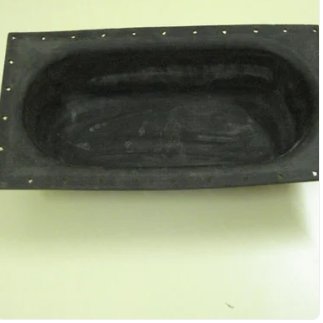
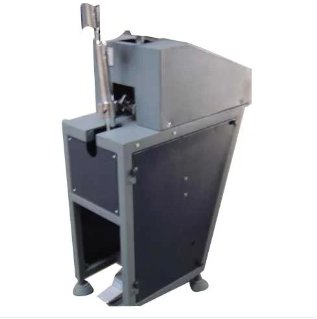
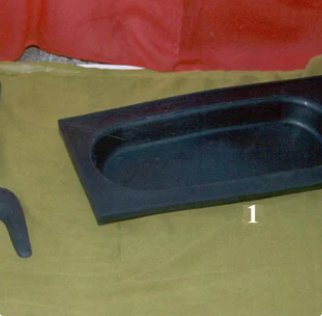
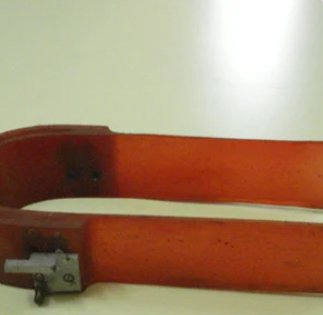
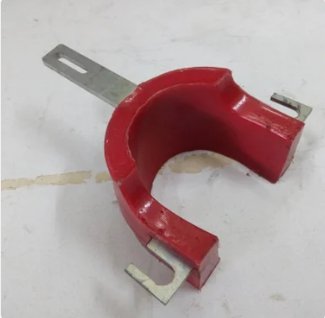
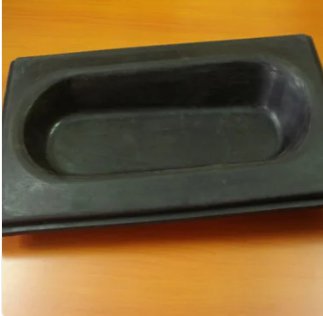
The sole attaching rubber bladder is a precision-engineered component designed specifically for shoe making machinery, serving as the essential pressure application element in sole bonding operations. During the manufacturing process, this bladder expands within the pressing machine to distribute uniform pressure across the entire sole surface, ensuring complete and consistent adhesion between the sole material and shoe upper. Constructed from high-grade rubber compounds selected for their durability and flexibility, this component maintains its performance characteristics through thousands of expansion cycles, providing reliable operation that footwear manufacturers depend on for consistent production quality. The bladder's design focuses on creating even pressure distribution without creating hot spots or uneven bonding areas, which is crucial for producing footwear that meets both quality standards and consumer expectations for durability and comfort.

Footwear manufacturers across ...
The sole attaching rubber bladder is a precision-engineered component designed specifically for shoe making machinery, serving as the essential pressure application element in sole bonding operations. During the manufacturing process, this bladder expands within the pressing machine to distribute uniform pressure across the entire sole surface, ensuring complete and consistent adhesion between the sole material and shoe upper. Constructed from high-grade rubber compounds selected for their durability and flexibility, this component maintains its performance characteristics through thousands of expansion cycles, providing reliable operation that footwear manufacturers depend on for consistent production quality. The bladder's design focuses on creating even pressure distribution without creating hot spots or uneven bonding areas, which is crucial for producing footwear that meets both quality standards and consumer expectations for durability and comfort.

Footwear manufacturers across multiple market segments utilize this rubber bladder in their production processes. Athletic shoe producers rely on it for creating secure bonds in running shoes, basketball footwear, and training shoes where sole integrity directly impacts performance and safety. Formal shoe manufacturers use it in producing leather dress shoes and business footwear where precise sole attachment is essential for both appearance and longevity. Safety footwear producers depend on this component for creating the strong bonds necessary in industrial and protective boots where sole separation could compromise worker safety. Additionally, casual footwear manufacturers employ it for sneakers, loafers, and everyday shoes, while specialized producers use it for medical footwear, dance shoes, and other niche products where consistent quality is paramount.

This rubber bladder delivers significant business value through its reliability and consistent performance in manufacturing environments. Its durable construction reduces downtime by withstanding continuous operation without degradation, allowing manufacturers to maintain production schedules and meet delivery commitments. The consistent pressure distribution ensures uniform product quality across production runs, reducing waste from improperly bonded soles and minimizing returns due to manufacturing defects. By providing reliable performance through thousands of cycles, this component helps manufacturers optimize their equipment utilization and maintain consistent output quality. The bladder's design compatibility with various sole pressing machines makes it a versatile solution that can be integrated into existing production lines without requiring significant equipment modifications or retraining.

Key Features:
- Engineered for uniform pressure distribution across entire sole surface
- Constructed from durable, high-grade rubber compounds for longevity
- Designed specifically for shoe sole pressing machine compatibility
- Maintains consistent performance through repeated expansion cycles
- Provides reliable operation in continuous manufacturing environments

Benefits:
- Ensures consistent sole bonding quality across production batches
- Reduces manufacturing waste from improperly attached soles
- Minimizes production downtime through durable construction
- Supports high-volume manufacturing with reliable performance
- Helps maintain consistent product quality and reduce returns
Specifications
| Additional Information | |
|---|---|
| Country of Origin | India |
Application
This rubber bladder is engineered specifically for shoe sole pressing machines used in footwear manufacturing facilities. It functions as a critical pressure component that expands during operation to apply consistent, even force across the entire sole surface, ensuring proper adhesion between the sole and shoe upper without creating pressure points or uneven bonding.
Manufacturers across the footwear industry rely on this bladder for its ability to maintain consistent performance through continuous production cycles. The durable rubber construction withstands repeated expansion and contraction cycles while maintaining its shape and pressure distribution characteristics, making it suitable for high-volume manufacturing environments where equipment reliability directly impacts production output and product quality.
Real-world applications:
- Used in athletic shoe production lines for consistent sole attachment in running, basketball, and training footwear
- Essential component in formal shoe manufacturing for leather dress shoes and business footwear
- Critical for safety footwear production where sole bonding integrity is paramount for worker protection
- Utilized in casual footwear manufacturing for sneakers, loafers, and everyday shoes
- Important in specialized footwear production including medical shoes, dance footwear, and industrial boots
Trade Details
| Available Stock | In Stock |
| Sample Availability | No |
Payment Terms
| Payment Terms |
|
| Payment Methods |
|
Company Profile
Good Luck Shoe Tech Inc, Tamil Nadu
 Tamil Nadu, India
Tamil Nadu, IndiaManufacturer
Factory Details
Factory SizeBelow 1000 sqm
Sole attaching rubber bladder for shoe making machine
Sole attaching rubber bladder for shoe making machines ensures uniform pressure distribution during sole bonding in footwear manufacturing, offering reliable performance and durability for consistent production quality.
Min. Order Quantity: 1 piece
Shipping
Shipping fee and delivery date to be negotiated. Contact supplier now for more details.
Good Luck Shoe Tech Inc
 Tamil Nadu, India
Tamil Nadu, IndiaManufacturer