IN
IN₹
Apparel & Fashion
Description
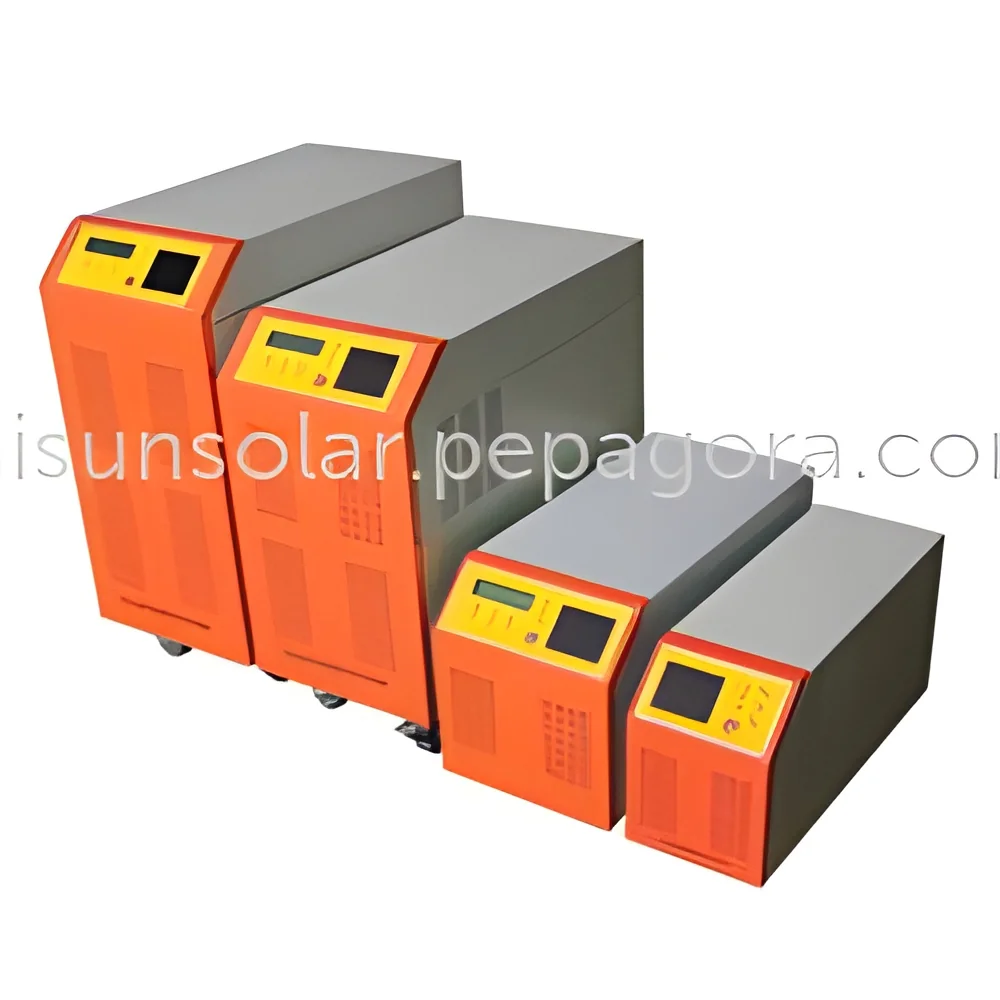
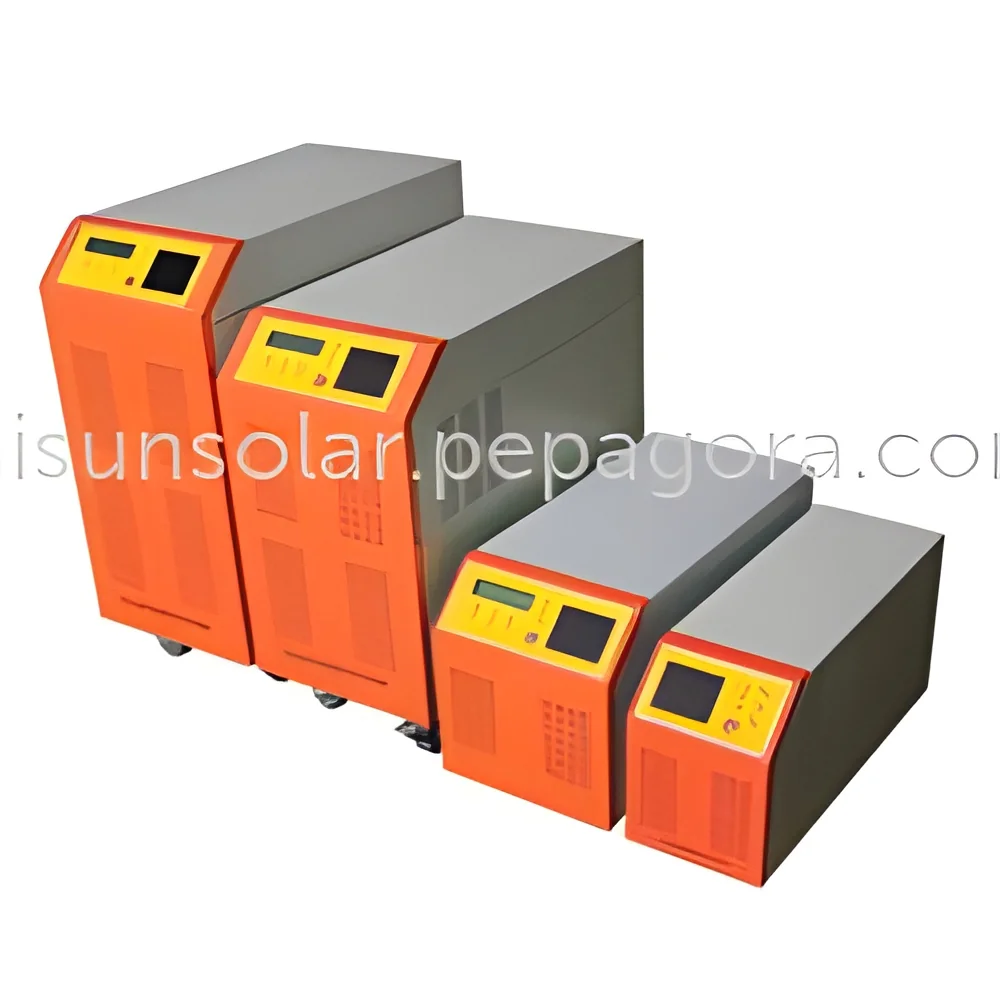
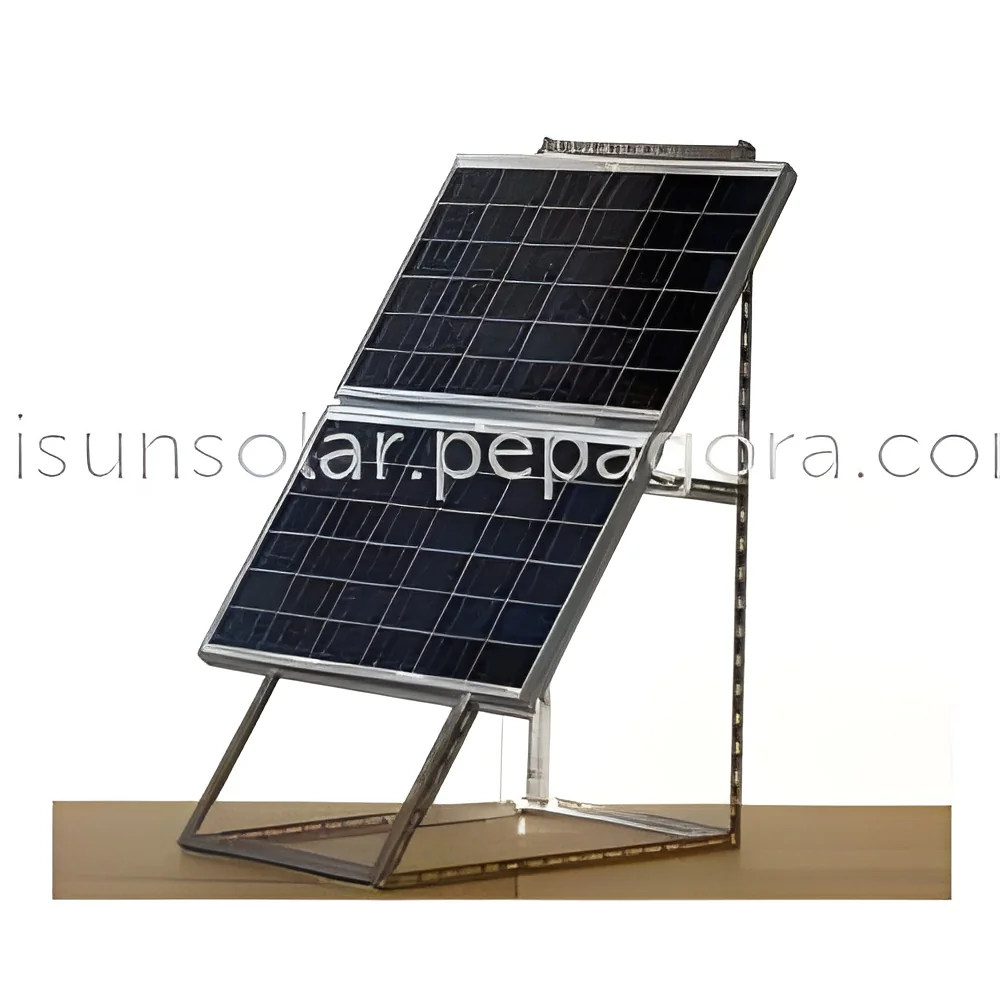
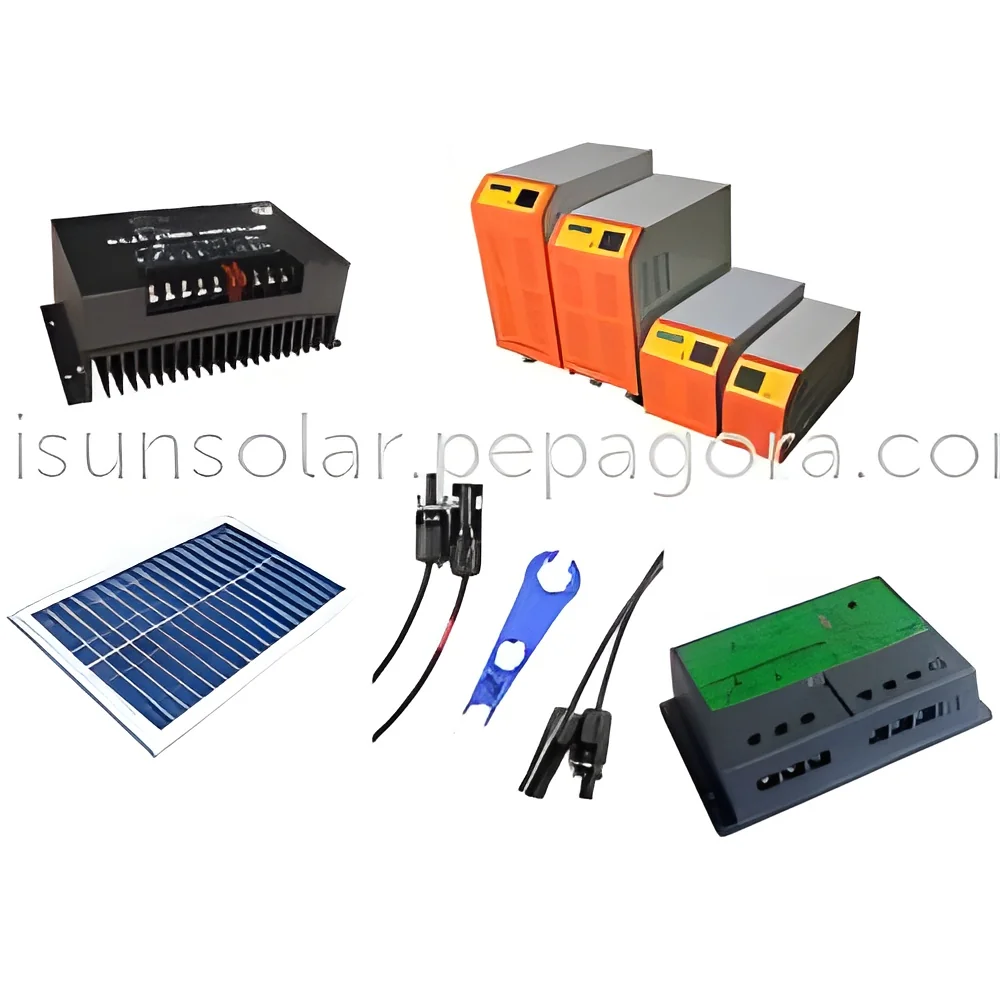
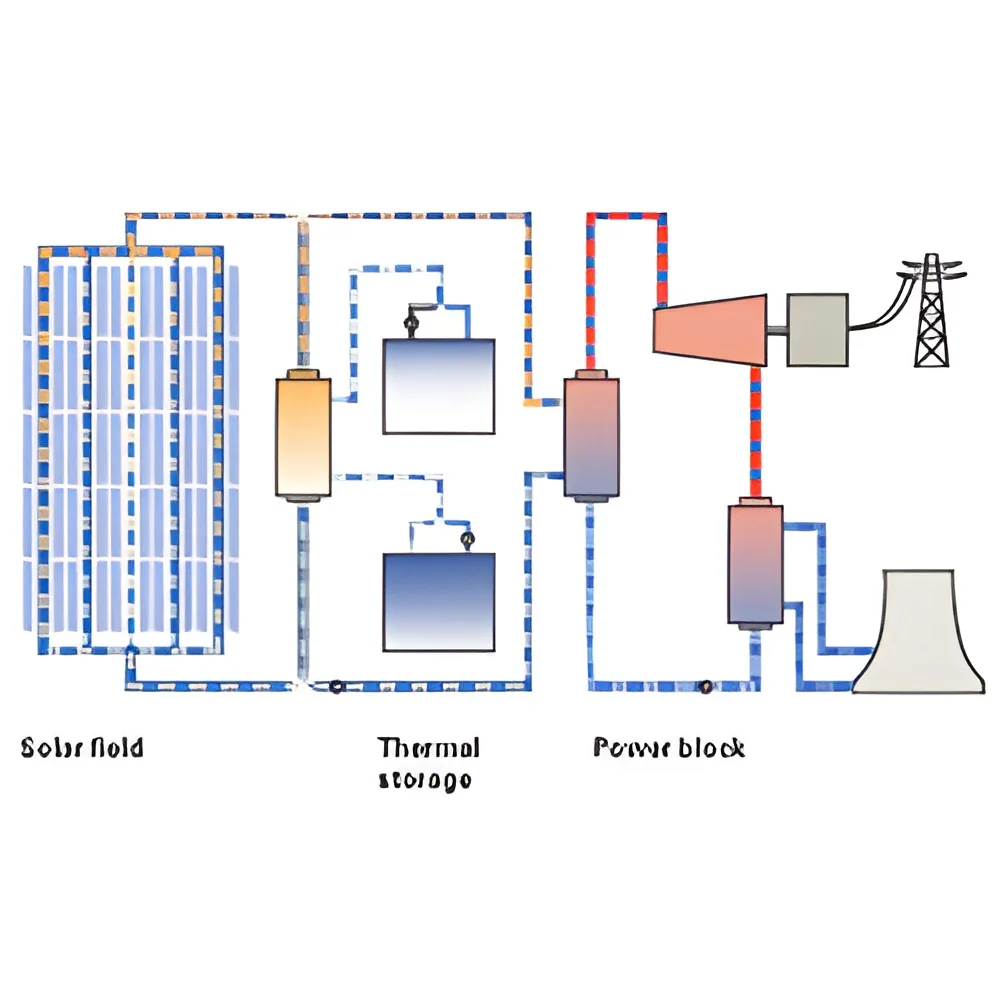
Our standard solar thermal power plant system represents a robust solution for reliable, large-scale renewable energy generation. Designed with industrial and utility applications in mind, this system converts sunlight into consistent electrical power through advanced thermal collection technology. The core engineering emphasizes excellent heat insulation properties that significantly minimize energy loss, maintaining optimal operating temperatures throughout daily cycles and varying weather conditions. Built with durability as a fundamental principle, the construction ensures long-term performance and resilience against environmental challenges. As a standardized system, it offers the advantage of proven design, facilitating quicker deployment and reducing implementation complexity compared to fully customized solutions. This approach makes adopting substantial renewable energy capacity more accessible and efficient for serious projects.

This solar thermal system serves a wide range ...
Our standard solar thermal power plant system represents a robust solution for reliable, large-scale renewable energy generation. Designed with industrial and utility applications in mind, this system converts sunlight into consistent electrical power through advanced thermal collection technology. The core engineering emphasizes excellent heat insulation properties that significantly minimize energy loss, maintaining optimal operating temperatures throughout daily cycles and varying weather conditions. Built with durability as a fundamental principle, the construction ensures long-term performance and resilience against environmental challenges. As a standardized system, it offers the advantage of proven design, facilitating quicker deployment and reducing implementation complexity compared to fully customized solutions. This approach makes adopting substantial renewable energy capacity more accessible and efficient for serious projects.

This solar thermal system serves a wide range of industries seeking dependable and sustainable energy solutions. Power generation companies and utilities deploy these plants for baseload or peak-shaving electricity production, integrating them into regional grids to enhance energy security and meet clean power mandates. Manufacturing and heavy industries utilize the thermal energy output directly for process heating, steam generation, and drying applications, reducing reliance on fossil fuels and stabilizing energy costs. The agricultural sector employs these systems to power extensive irrigation networks, grain dryers, and processing facilities, particularly in areas with high solar insolation. Furthermore, large commercial complexes, educational campuses, and government facilities implement them to achieve energy independence, lower operational expenses, and demonstrate environmental stewardship through reduced carbon footprints.

The business value of this solar thermal power plant extends beyond immediate energy cost savings to deliver long-term operational and strategic advantages. Companies achieve significant financial benefits through reduced exposure to volatile conventional fuel markets, locking in predictable energy costs for the system's lifespan. The inherent reliability and durable construction ensure high uptime with minimal maintenance, translating directly to uninterrupted operations and sustained productivity. Organizations can more easily meet increasingly stringent environmental regulations and sustainability targets, enhancing their compliance posture and corporate reputation. The standardized design streamlines project timelines, reduces initial engineering overhead, and lowers associated labor costs during installation. The excellent heat insulation guarantees efficient performance, maximizing energy yield and improving the return on investment. Together, these factors provide a future-proof energy infrastructure that supports business growth, operational resilience, and environmental goals.

Key Features:
- Standardized solar thermal power plant system designed for reliable, large-scale energy generation
- Excellent heat insulation technology that minimizes thermal loss and maintains high system efficiency
- Durable construction engineered to withstand diverse environmental conditions for long-term operation
- Consistent and reliable performance delivering steady power output for industrial energy demands
- System designed for straightforward integration into existing power infrastructures with minimal complexity

Benefits:
- Delivers reliable renewable energy generation, reducing dependence on conventional power sources
- Excellent insulation ensures optimal operating temperatures and maximizes energy conversion efficiency
- Durable construction provides long service life and resilience with lower maintenance requirements
- Consistent power output supports stable operations and helps meet substantial industrial energy needs
- Standardized design facilitates quicker deployment and reduces overall project implementation time
Specifications
| Key Attributes | |
|---|---|
| Condition | New |
| Size | Customized |
| Solar Power (W) | ,1 |
| Supply Type | OEM |
| Weight | Customized |
| Application | Power Plant |
| Type | Solar Thermal System |
| Heat Insulation | Excellent |
| Standard or Non Standard | Standard |
| Features | Reliable and Durable |
| Price | Negotiable |
| Additional Information | |
|---|---|
| Country of Origin | India |
Application
This standard solar thermal power plant system is engineered for large-scale, reliable renewable energy generation. It features excellent heat insulation that maintains optimal operating temperatures and durable construction built to withstand diverse environmental conditions, ensuring consistent performance for serious energy production needs across multiple sectors. The system is designed for straightforward integration into existing power infrastructures with minimal complexity. Its standardized configuration reduces installation timelines while delivering high efficiency that meets substantial industrial energy demands, making it suitable for both primary power generation and supplemental energy applications in various operational environments.
Real-world applications:
- Utility-scale electricity generation for regional power grids and distribution networks
- Industrial process heating for manufacturing facilities requiring consistent thermal energy
- Agricultural operations powering large-scale irrigation systems and processing equipment
- Commercial and institutional complexes implementing sustainable energy to reduce long-term operational costs
- Remote area electrification projects and off-grid power solutions where reliable energy is critical
Trade Details
| Available Stock | In Stock |
| Sample Availability | No |
Payment Terms
| Payment Terms |
|
Company Profile

Tamilnadu Energy Solutions, Tamil Nadu
 Tamil Nadu, India
Tamil Nadu, IndiaElectronics & Electrical•Manufacturer•Importer / Exporter
Factory Details
Factory SizeBelow 1000 sqm
Annual Production Capacity0
Main Markets
North America
Oceania
Northern Europe
South America
Mid East
Southern Europe
Eastern Europe
Eastern Asia
South Asia
Southeast Asia
Western Europe
Africa
Central America
Solar Thermal Power Plant System Standard Reliable Durable Excellent Insulation
Standard solar thermal power plant system delivers reliable renewable energy generation with excellent heat insulation and durable construction for industrial and utility scale clean power production.
Min. Order Quantity: 1 unit
Shipping
Shipping fee and delivery date to be negotiated. Contact supplier now for more details.
Tamilnadu Energy Solutions
 Tamil Nadu, India
Tamil Nadu, IndiaElectronics & ElectricalManufacturer