IN
IN₹
Apparel & Fashion
Description
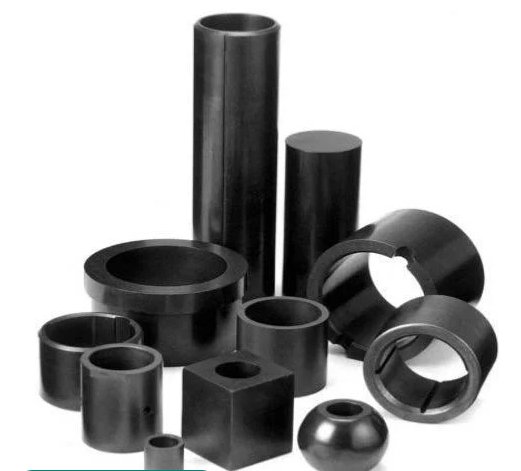
Rubber bushes for vibration damping represent precision-engineered components designed to address the fundamental challenge of mechanical vibrations in operational systems. These specialized components function as critical interfaces between moving parts, transforming potentially damaging kinetic energy into controlled, absorbed motion. Manufactured from durable rubber compounds selected for their specific elasticity and resilience properties, these bushes create a protective barrier that prevents direct metal-to-metal contact. This separation is crucial for maintaining equipment integrity, as it allows for necessary movement while containing and dissipating vibrational forces that would otherwise transfer through mechanical assemblies. The result is a significant reduction in operational noise and a noticeable decrease in wear-related maintenance requirements across various applications.

Across industrial sectors, these vibration damping components find essential application in machi...
Rubber bushes for vibration damping represent precision-engineered components designed to address the fundamental challenge of mechanical vibrations in operational systems. These specialized components function as critical interfaces between moving parts, transforming potentially damaging kinetic energy into controlled, absorbed motion. Manufactured from durable rubber compounds selected for their specific elasticity and resilience properties, these bushes create a protective barrier that prevents direct metal-to-metal contact. This separation is crucial for maintaining equipment integrity, as it allows for necessary movement while containing and dissipating vibrational forces that would otherwise transfer through mechanical assemblies. The result is a significant reduction in operational noise and a noticeable decrease in wear-related maintenance requirements across various applications.

Across industrial sectors, these vibration damping components find essential application in machinery where operational stability directly impacts productivity and safety. In manufacturing environments, production equipment incorporating these rubber bushes experiences reduced downtime due to fewer vibration-induced failures. Automotive applications benefit from enhanced ride comfort and extended suspension component life. Heavy machinery operators notice improved control and reduced operator fatigue when vibration transmission is minimized. Even in precision industries, where microscopic vibrations can compromise product quality, these components help maintain the exacting standards required for consistent output. The versatility of rubber bushes allows them to adapt to specific industry requirements, from high-temperature manufacturing processes to outdoor equipment exposed to environmental elements.

The business value of incorporating quality rubber vibration damping bushes extends beyond immediate operational improvements to long-term financial benefits. Equipment protected by these components demonstrates extended service life, reducing capital expenditure on replacement machinery. Maintenance costs decrease significantly as vibration-related wear on bearings, bolts, and structural connections is minimized. Operational efficiency improves when machinery runs smoother with fewer interruptions for adjustments or repairs. The reliability of these components translates to predictable performance, allowing for accurate production planning and scheduling. For businesses focused on quality output, the vibration control provided by these bushes contributes to consistent product standards by eliminating variables introduced by equipment instability.

Key Features:
- Manufactured from durable rubber compounds selected for optimal vibration absorption properties
- Designed to fit standard machinery and automotive connection points for easy installation
- Engineered to maintain performance across temperature variations and environmental conditions
- Available in various sizes and load capacities to match specific application requirements
- Constructed with reinforced bonding between rubber and metal components for lasting durability

Benefits:
- Significantly reduces equipment wear by preventing metal-to-metal contact between moving parts
- Lowers operational noise levels for improved workplace environments and compliance
- Extends machinery service life by absorbing damaging vibrations before they cause structural fatigue
- Improves operational stability for more consistent performance and output quality
- Reduces maintenance frequency and costs associated with vibration-induced component failures
Specifications
| Additional Information | |
|---|---|
| Country of Origin | India |
Application
These rubber vibration damping bushes are essential components in mechanical systems where movement and operational stability are critical. They serve as protective interfaces between moving parts, preventing direct metal-to-metal contact that causes wear and damage over time. The flexibility of rubber allows for controlled movement while maintaining structural integrity under various load conditions.
Industrial environments benefit significantly from these vibration isolation components. Machinery operating at high speeds or under heavy loads generates vibrations that can compromise performance and safety. By installing these rubber bushes, equipment maintains alignment, reduces stress on connections, and minimizes the transmission of disruptive forces throughout mechanical assemblies.
Real-world applications:
- Automotive suspension systems where they connect control arms to vehicle frames, absorbing road vibrations
- Industrial pumps and compressors that require vibration isolation to prevent structural fatigue
- Construction equipment mounts that need to absorb shocks from uneven terrain operation
- Manufacturing machinery where precision alignment must be maintained despite operational vibrations
- Electrical generator installations that require noise reduction and vibration control for stable power output
Trade Details
| Available Stock | In Stock |
| Sample Availability | No |
Payment Terms
| Payment Terms |
|
| Payment Methods |
|
Company Profile

G. G. Polymers, Andhra Pradesh
 Andhra Pradesh, India
Andhra Pradesh, IndiaManufacturer
Factory Details
Factory SizeBelow 1000 sqm
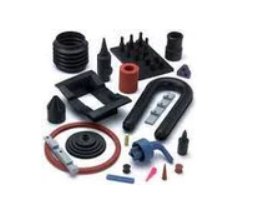
Rubber bushes vibration damping components for machinery
Rubber bushes vibration damping components absorb vibrations and reduce noise in machinery and automotive systems, ensuring smooth operation and extended equipment life with reliable quality.
Min. Order Quantity: 1 piece
Shipping
Shipping fee and delivery date to be negotiated. Contact supplier now for more details.
G. G. Polymers
 Andhra Pradesh, India
Andhra Pradesh, IndiaManufacturer