IN
₹
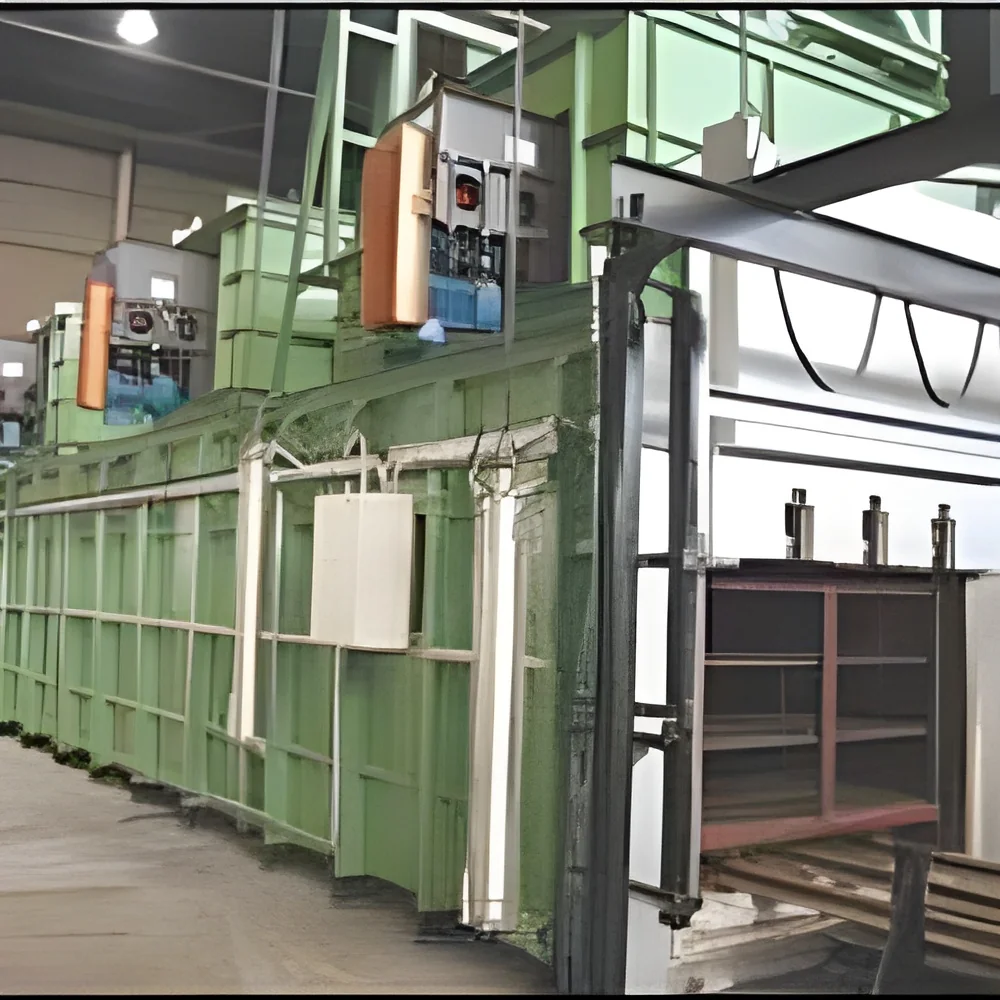
Description
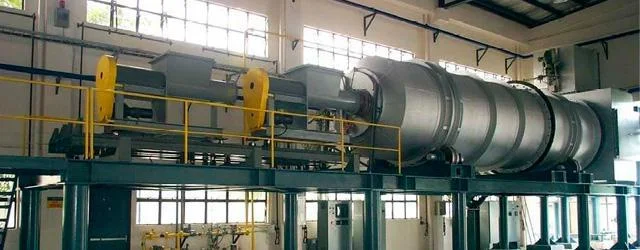
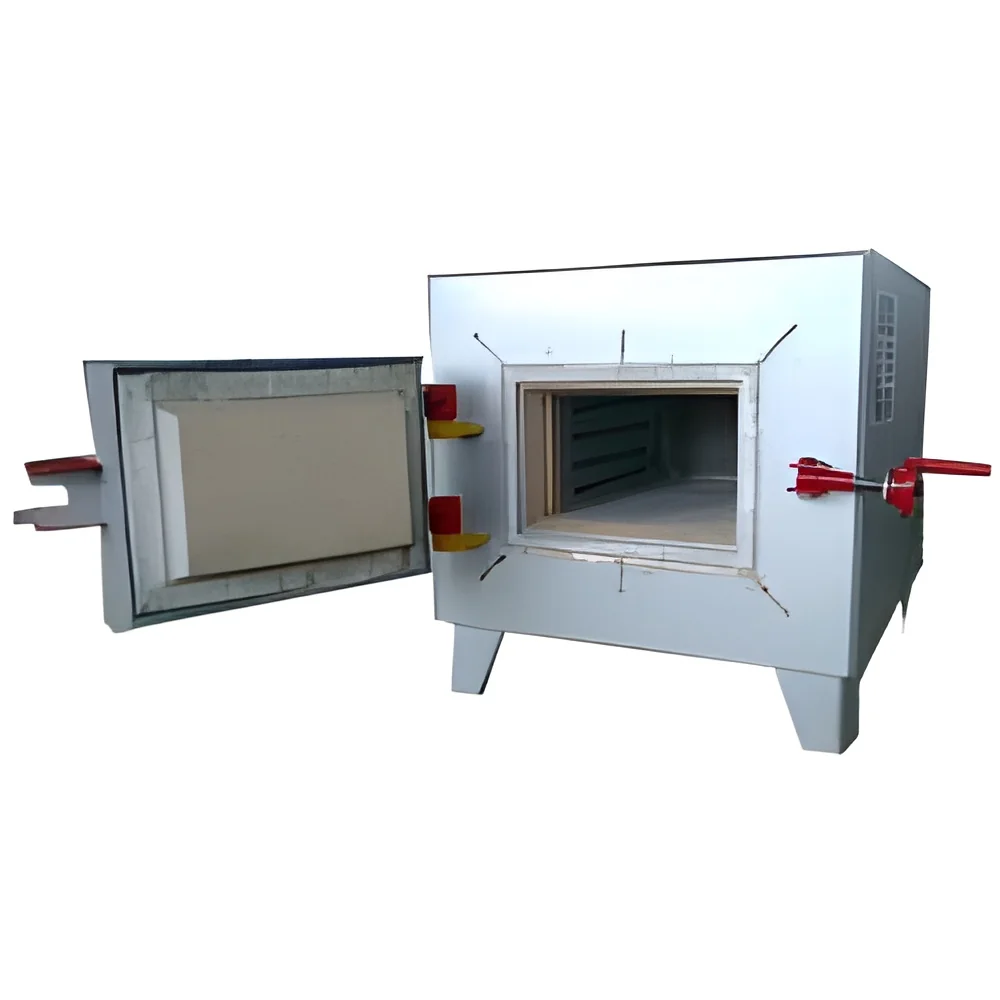
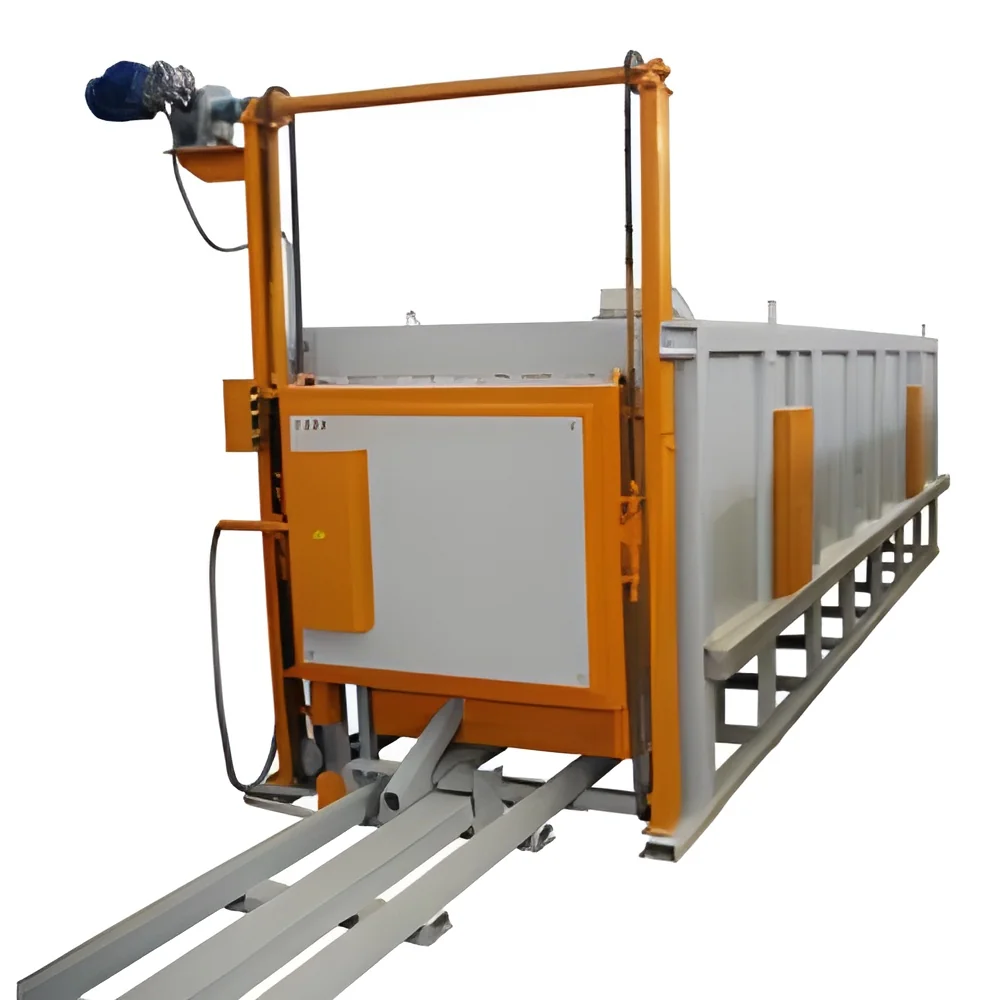
Our industrial reheating furnaces represent the pinnacle of energy-efficient metal processing technology, specifically engineered for heating slabs, billets, and blooms with exceptional precision and reliability. The innovative design incorporates optimized roof profiles, strategic zonal heat distribution, and precisely positioned burner and flue ports to maximize thermal efficiency. Advanced instrumentation with sophisticated chamber pressure control prevents atmosphere air ingress, significantly reducing scale loss and decarburization of charge materials. These engineering advancements combine to deliver consistent, high-quality reheating performance, making our furnaces the preferred choice for industrial operations where superior performance, durability, and energy conservation are paramount considerations for long-term operational success.

These reheating furnaces find extensive application across multiple industrial sectors including steel manufacturing, metal forging, automotiv...
Our industrial reheating furnaces represent the pinnacle of energy-efficient metal processing technology, specifically engineered for heating slabs, billets, and blooms with exceptional precision and reliability. The innovative design incorporates optimized roof profiles, strategic zonal heat distribution, and precisely positioned burner and flue ports to maximize thermal efficiency. Advanced instrumentation with sophisticated chamber pressure control prevents atmosphere air ingress, significantly reducing scale loss and decarburization of charge materials. These engineering advancements combine to deliver consistent, high-quality reheating performance, making our furnaces the preferred choice for industrial operations where superior performance, durability, and energy conservation are paramount considerations for long-term operational success.

These reheating furnaces find extensive application across multiple industrial sectors including steel manufacturing, metal forging, automotive parts production, heavy machinery manufacturing, and construction material processing. In steel mills, they efficiently prepare billets and slabs for rolling operations by achieving uniform temperature distribution throughout the material. Forging industries depend on these furnaces to heat metals to precise temperatures before shaping processes, ensuring structural integrity while minimizing material waste. The automotive and aerospace sectors utilize these furnaces for critical heat treatment processes where consistent thermal profiles are essential for part reliability, performance characteristics, and compliance with stringent industry standards and specifications.

The substantial business value of our reheating furnaces stems from their ability to significantly reduce operational costs through superior fuel efficiency and minimized production downtime. Their robust construction and advanced engineering features ensure long-term reliability, substantially reducing the need for frequent repairs and maintenance interventions. The furnaces improve output quality while reducing energy consumption, delivering a strong return on investment for businesses focused on sustainable operations and manufacturing excellence. This combination of operational efficiency, reliability, and cost-effectiveness makes these furnaces a strategic investment for companies seeking to enhance their competitive position while maintaining high standards of production quality and environmental responsibility.

Key Features:
- Optimized preheating zone capable of reaching temperatures up to 700°C
- Medium heat zone designed to achieve consistent heating up to 1000°C
- High heat zone with maximum operating temperature of 1250°C for intensive applications
- Mar tempering zone maintained at 500°C for precise heat treatment processes
- Advanced furnace chamber pressure control system to prevent air ingress and reduce scale loss

Benefits:
- Significant reduction in energy consumption through optimized zonal heating design
- Improved product quality with uniform temperature distribution and reduced material defects
- Enhanced operational reliability with robust construction and minimal maintenance requirements
- Reduced scale loss and decarburization through advanced pressure control systems
- Increased production efficiency with consistent performance in high-volume operations
Specifications
| Additional Information | |
|---|---|
| Country of Origin | India |
Application
Our industrial reheating furnaces precisely heat metal slabs, billets, and blooms to required temperatures before forging, rolling, or extrusion processes. They ensure uniform temperature distribution critical for maintaining material integrity and achieving high-quality metal forming results in demanding production environments where consistency and reliability are essential for operational success.
These robust furnaces serve critical roles in steel manufacturing, metal forging, automotive component production, heavy machinery fabrication, and construction material processing. Their advanced control systems and durable construction make them ideal for continuous, high-volume operations, delivering consistent performance with minimal downtime while meeting the rigorous demands of modern industrial applications.
- Reheating steel slabs in rolling mills for uniform thickness and quality in sheet metal production
- Heating billets prior to forging operations to achieve optimal malleability and reduce material defects
- Bloom reheating for extrusion processes in structural steel and alloy manufacturing
- Silicon steel reheating for electrical components requiring precise thermal treatment
- Metal tempering and heat treatment in automotive and aerospace component manufacturing
Trade Details
| Available Stock | In Stock |
| Sample Availability | No |
Payment Terms
| Payment Terms |
|
Company Profile

Team Flame Engg & Solutions, Karnataka
 Karnataka, India
Industrial Equipment & Machinery•Manufacturer•Importer / Exporter
Factory Details
Factory SizeBelow 1000 sqm
Annual Production Capacity0
Main Markets
Oceania
Northern Europe
Mid East
Southern Europe
Eastern Europe
Eastern Asia
South Asia
Southeast Asia
Western Europe
Africa
Central America
Domestic
Industrial Reheating Furnace For Metal Slabs Billets Blooms Energy Efficient
Industrial reheating furnace for metal slabs, billets, and blooms delivers energy-efficient performance with optimized zonal heating and advanced instrumentation to reduce operational costs while ensuring superior output quality.
Min. Order Quantity: 1 unit
Shipping
Shipping fee and delivery date to be negotiated. Contact supplier now for more details.
Team Flame Engg & Solutions
 Karnataka, India
Industrial Equipment & MachineryManufacturer