IN
IN₹
Description
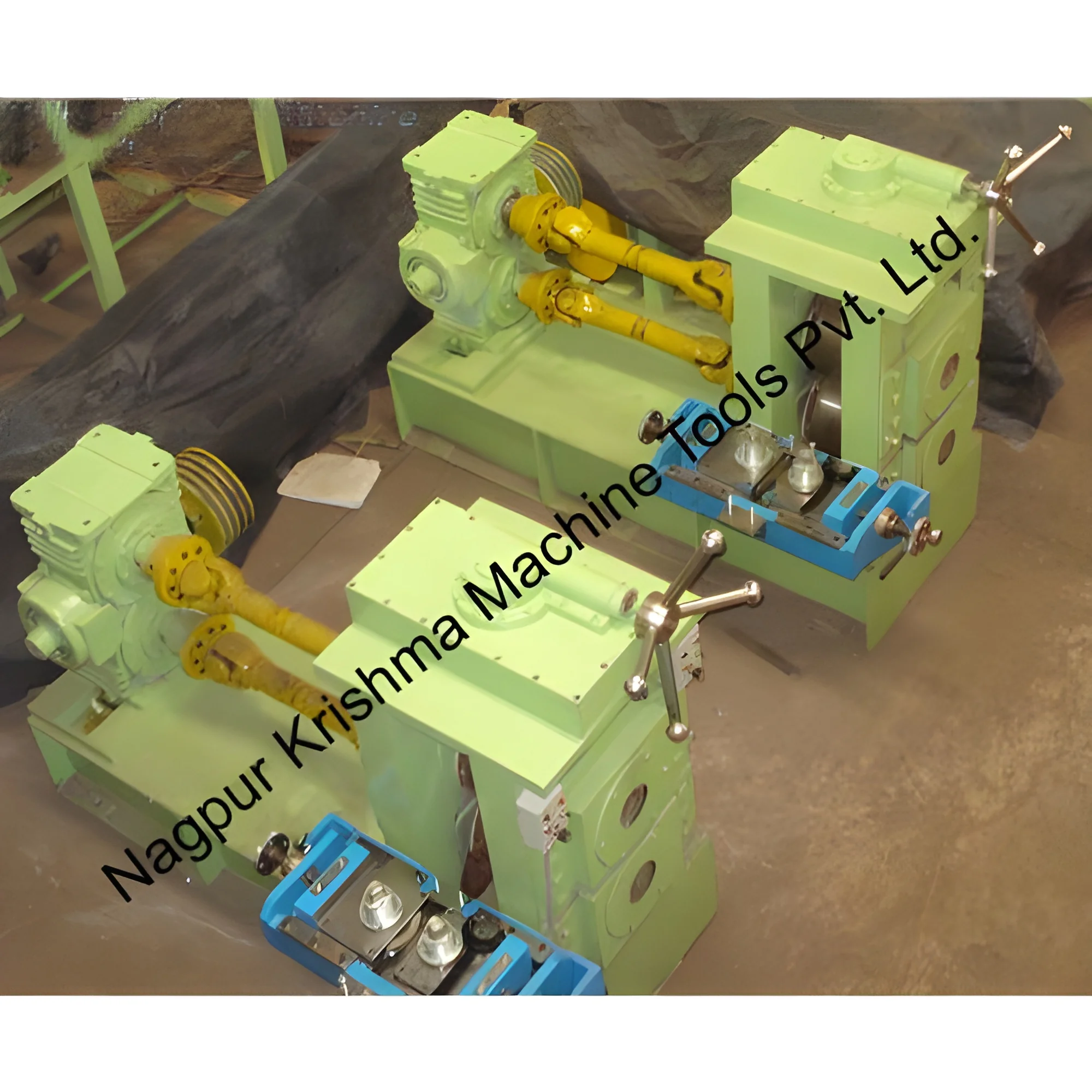
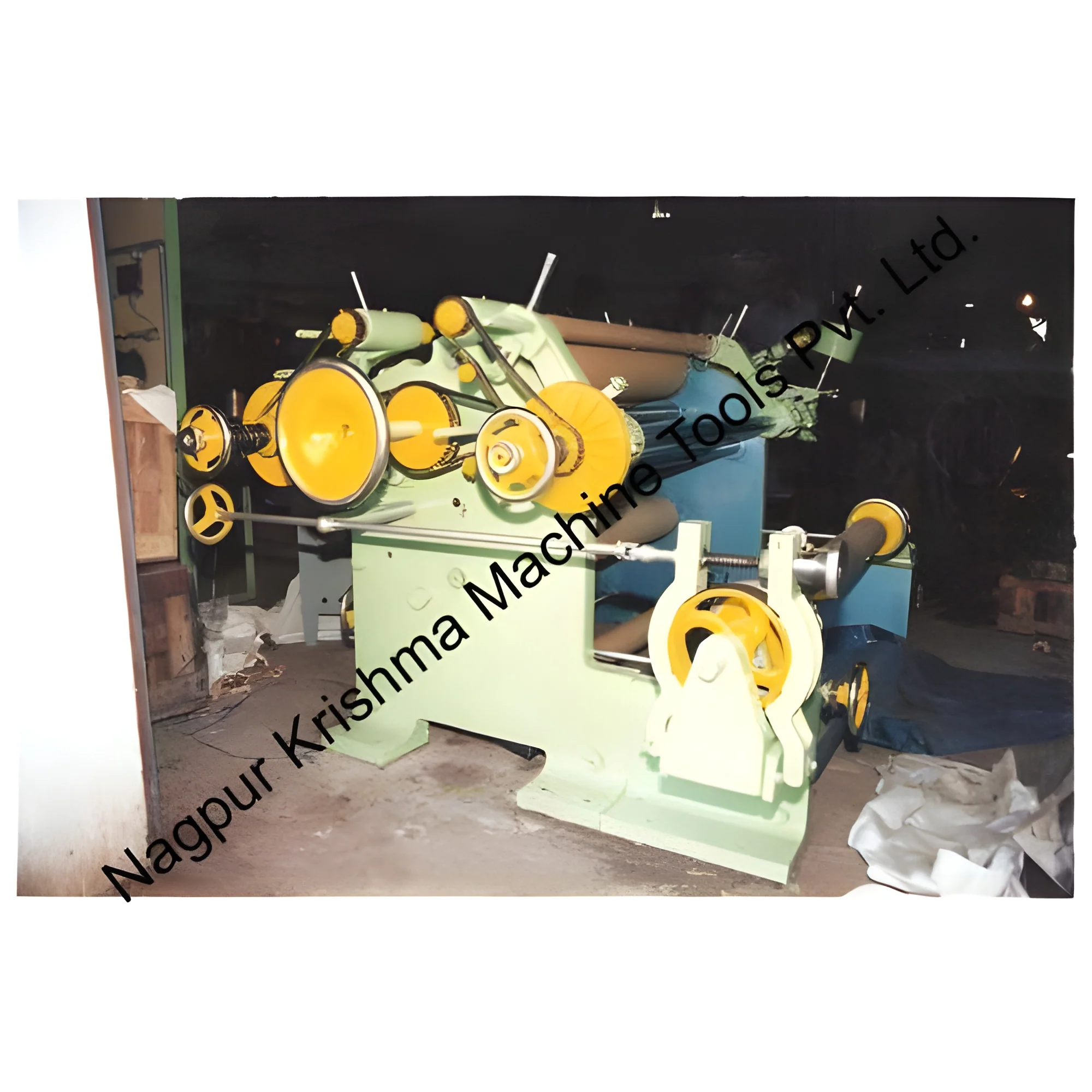
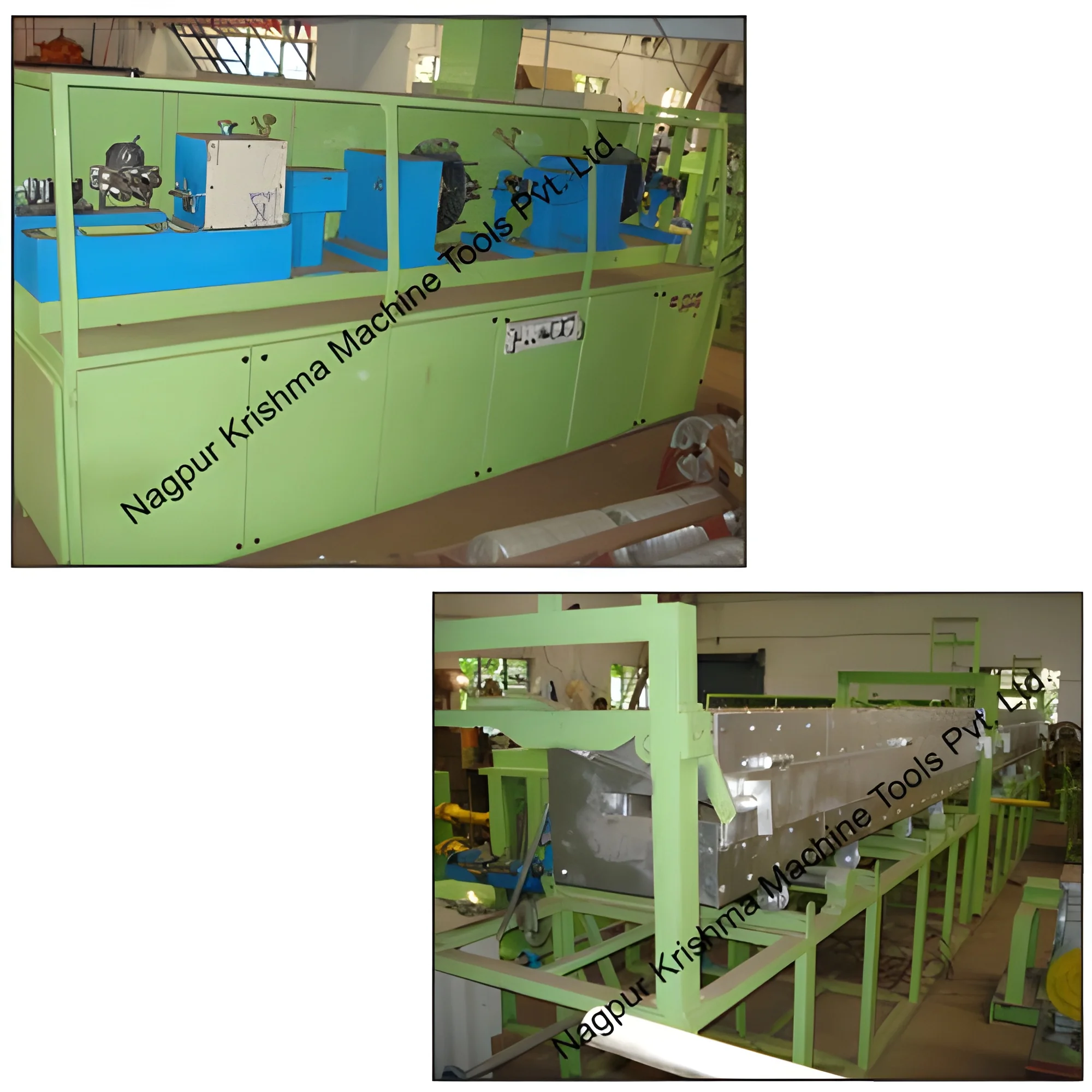
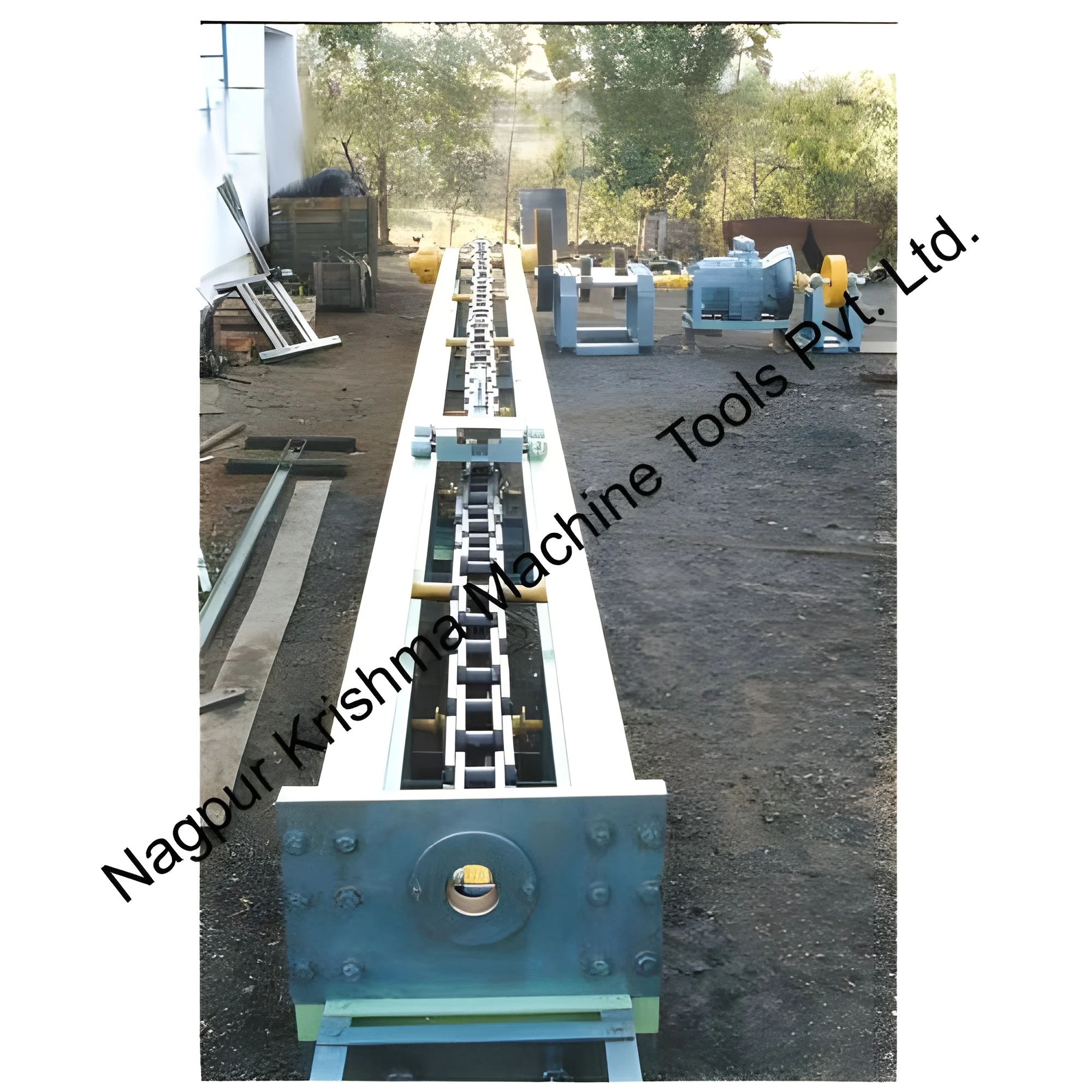
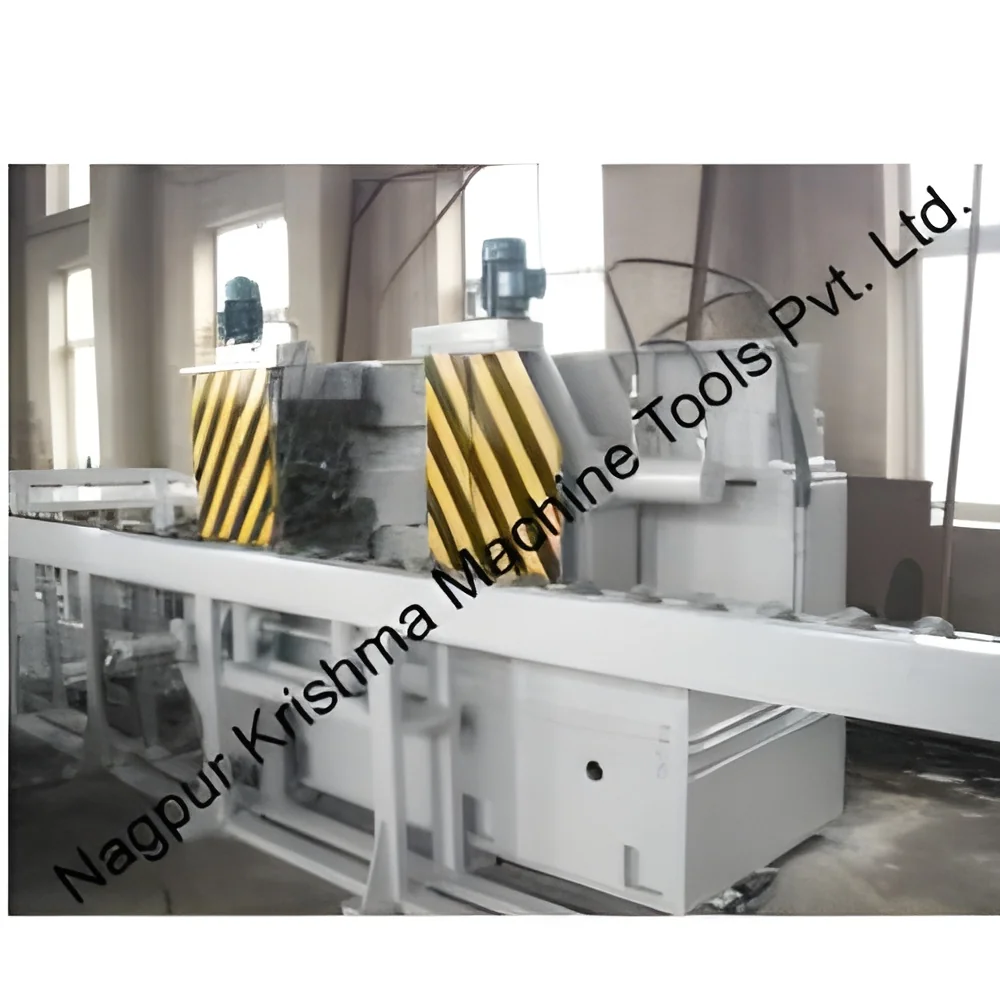
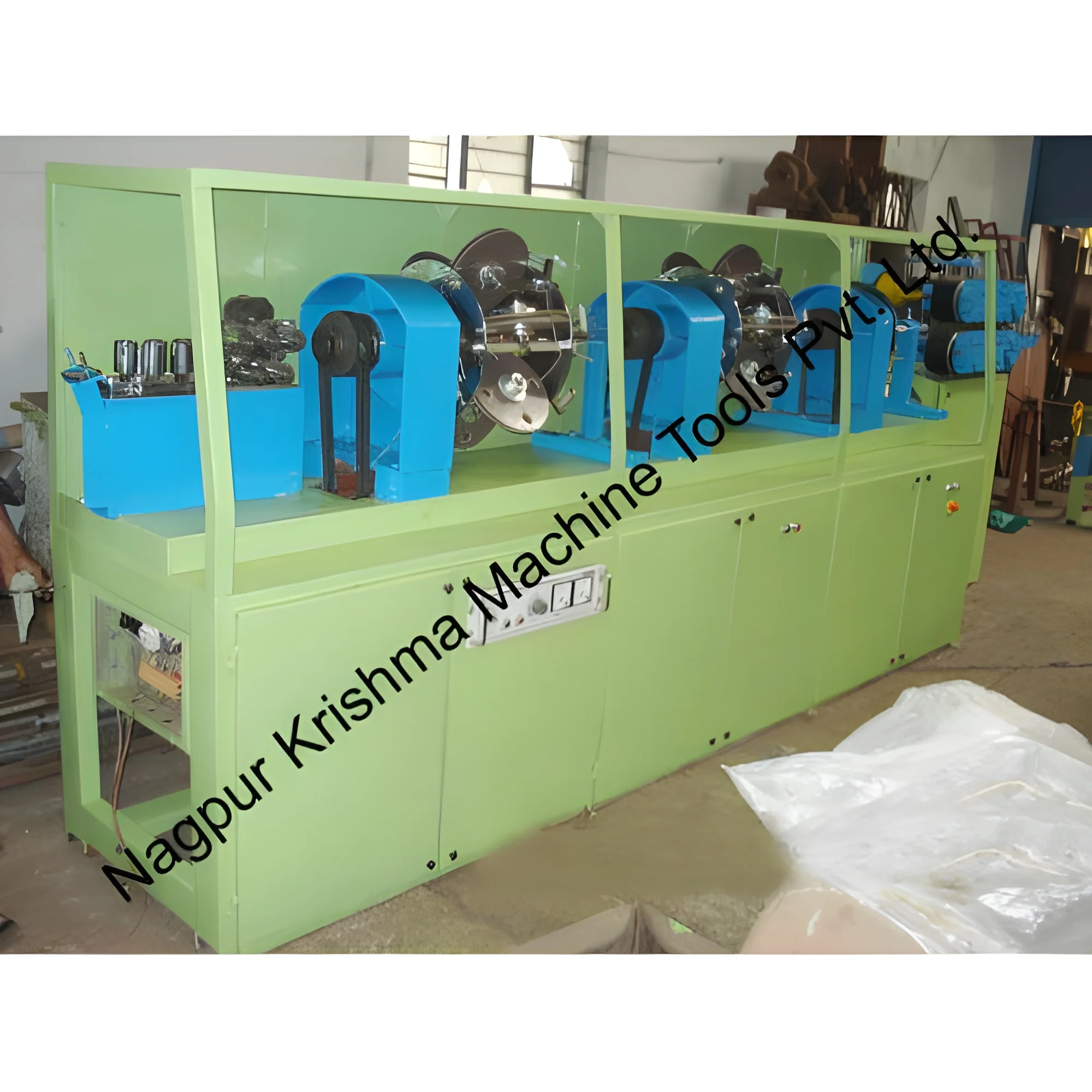
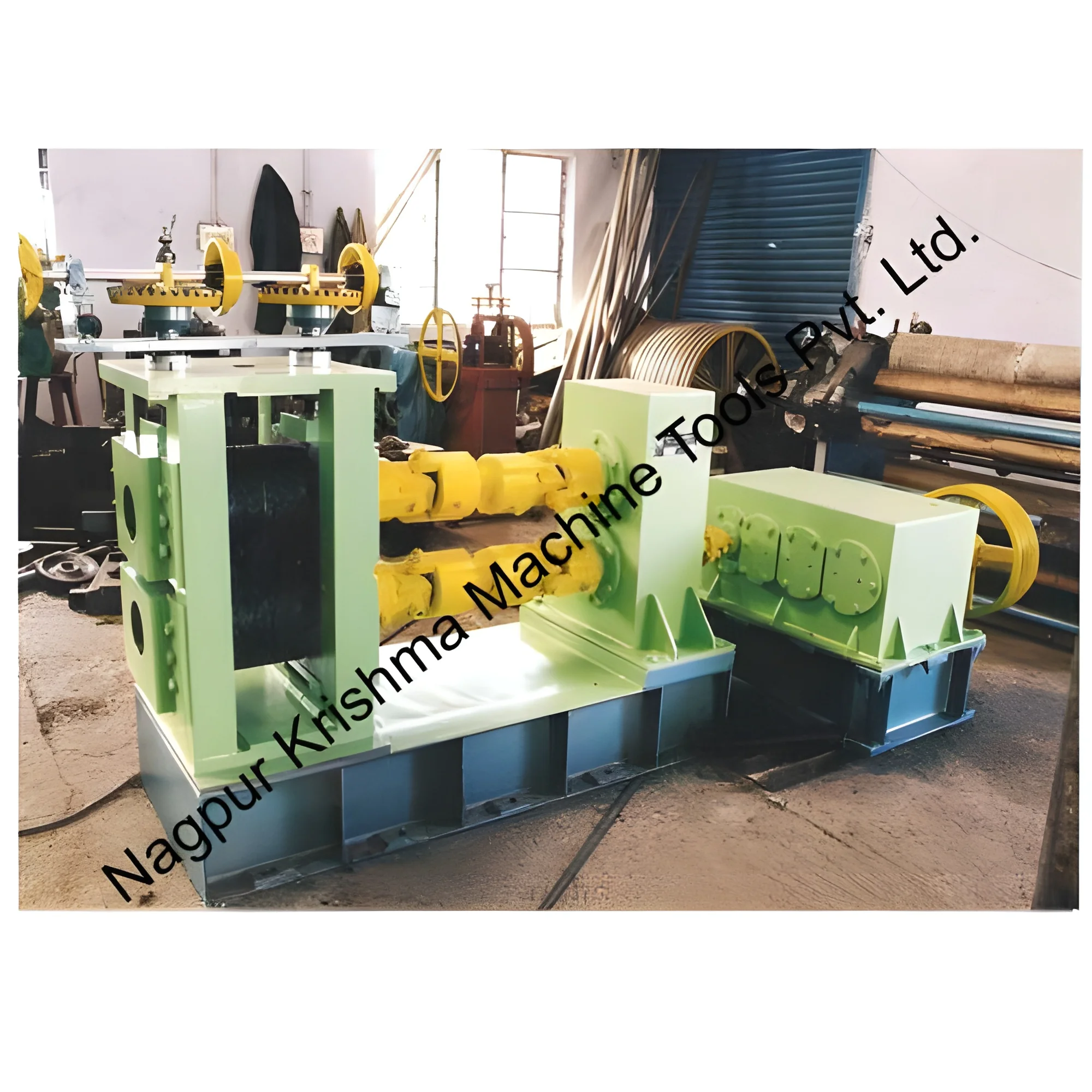
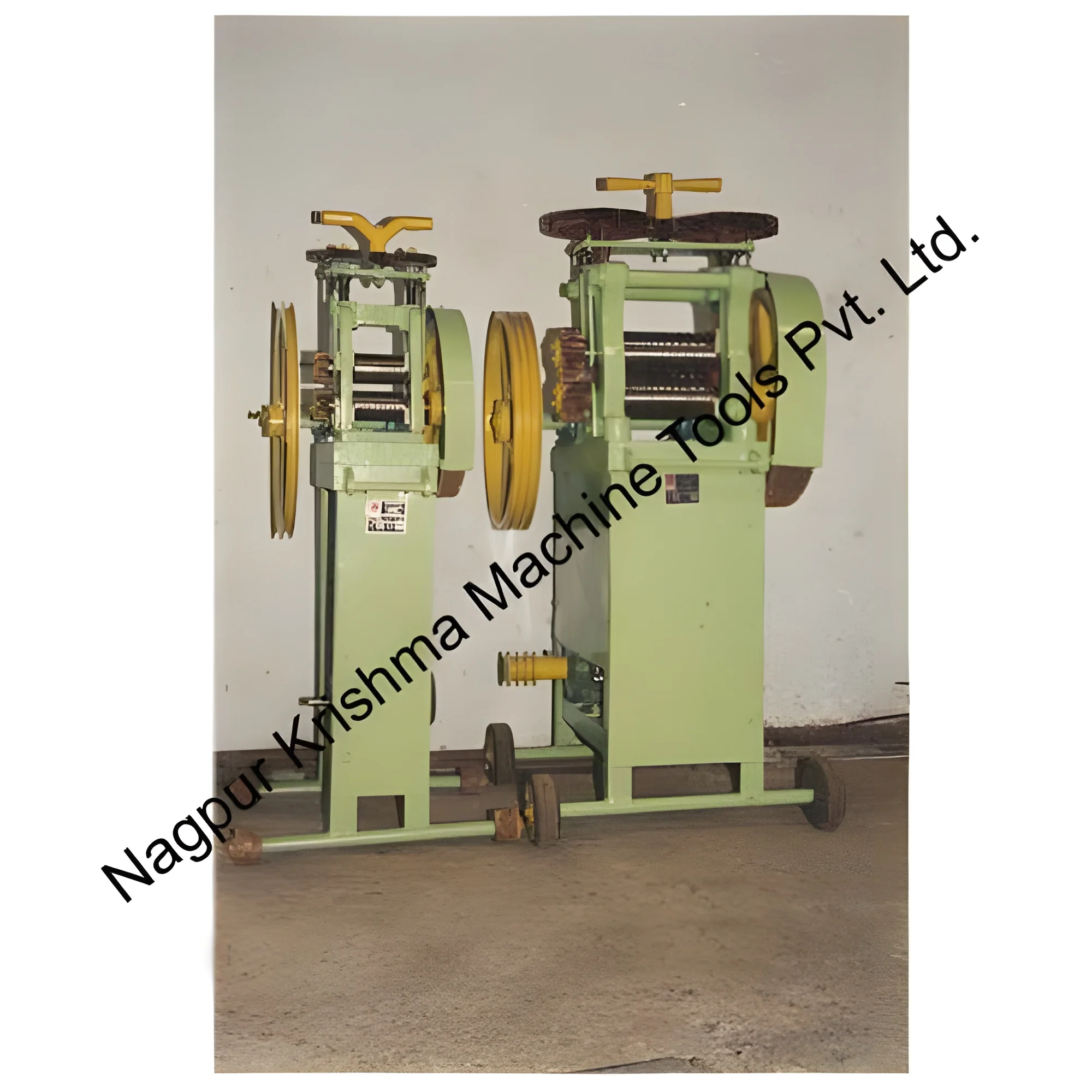
Industrial precision pointing machines are engineered to deliver exceptional accuracy and reliability in preparing metal rods and wires for drawing processes. These machines create perfectly tapered ends, ensuring seamless entry into drawing dies, which is a critical first step in wire production and metal forming. Built with robust components and a focus on operational stability, they are designed to withstand the rigors of continuous industrial use. Each machine undergoes rigorous quality testing to guarantee consistent performance, precise pointing angles, and long-term durability. This foundational reliability makes them a trusted asset for operations that cannot afford frequent breakdowns or inconsistent output, directly supporting efficient and waste-reduced manufacturing workflows.

These pointing machines are integral to a wide range of industries that rely on processed metal. In construction and infrastructure, they are used to point reinforcement bars for concrete structures....
Industrial precision pointing machines are engineered to deliver exceptional accuracy and reliability in preparing metal rods and wires for drawing processes. These machines create perfectly tapered ends, ensuring seamless entry into drawing dies, which is a critical first step in wire production and metal forming. Built with robust components and a focus on operational stability, they are designed to withstand the rigors of continuous industrial use. Each machine undergoes rigorous quality testing to guarantee consistent performance, precise pointing angles, and long-term durability. This foundational reliability makes them a trusted asset for operations that cannot afford frequent breakdowns or inconsistent output, directly supporting efficient and waste-reduced manufacturing workflows.

These pointing machines are integral to a wide range of industries that rely on processed metal. In construction and infrastructure, they are used to point reinforcement bars for concrete structures. Manufacturing plants utilize them extensively for producing fasteners, nails, and various metal components where a precise starting point is essential. The wire and cable industry depends on them to prepare copper and aluminum rods for drawing into conductors of various gauges. Additionally, they are found in automotive part suppliers, spring manufacturers, and metal fabrication shops, serving any operation that requires the reliable reduction and shaping of metal stock before further processing.

Investing in a precision pointing machine delivers significant business value through enhanced operational efficiency and cost control. The primary benefit is the reduction of material waste at the initial drawing stage, leading to direct savings on raw materials. Their reliable performance minimizes unplanned downtime, ensuring production schedules are met consistently. The machines contribute to a safer work environment by automating a precise and potentially hazardous manual task. Their durable construction translates to lower long-term maintenance costs and a greater return on investment. Ultimately, they provide manufacturers with a dependable tool that improves product quality, increases throughput, and strengthens competitive advantage in the market.

Key Features:
- High-precision engineering for consistent and accurate tapered points on metal rods and wires.
- Robust, industrial-grade construction built for heavy-duty, continuous operation with minimal vibration.
- User-friendly controls and design for straightforward operation and easier maintenance procedures.
- Compatibility with a wide range of metals including various grades of steel, copper, aluminum, and their alloys.
- Engineered for reliability with components selected and tested for long service life under demanding conditions.

Benefits:
- Increases production efficiency by ensuring smooth, jam-free feeding of material into drawing dies.
- Reduces material waste significantly by creating optimal tapers, maximizing usable raw material.
- Enhances workplace safety by automating the pointing process and reducing manual handling risks.
- Lowers operational costs through reliable performance, reduced downtime, and decreased maintenance needs.
- Improves final product quality by providing a consistent and precise starting point for the drawing process.
Specifications
| Additional Information | |
|---|---|
| Country of Origin | India |
Application
Precision pointing machines are essential for preparing metal rods and wires before drawing processes. They create consistently tapered ends that allow for smooth, uninterrupted feeding through dies, which is critical for maintaining production flow and minimizing downtime in high-volume manufacturing environments. This preparation step directly impacts the quality and efficiency of the entire downstream wire drawing operation.
These robust machines serve vital functions across heavy industries where metal processing is fundamental. Their ability to handle diverse materials like steel, copper, and aluminum with reliable accuracy makes them indispensable. They are engineered for continuous operation, delivering the durability and consistent performance required to meet stringent production schedules and output targets in demanding industrial settings.
- Preparing steel reinforcement bars (rebar) for construction and large-scale infrastructure projects.
- Tapering wire rods for the production of electrical cables, industrial wiring, and fencing materials.
- Creating precise points on metal stock for nail, screw, bolt, and fastener manufacturing.
- Processing rods for extrusion and forging operations in automotive and aerospace component production.
- Preparing specialty alloy wires for welding, spring manufacturing, and other precision metal goods.
Trade Details
| Available Stock | In Stock |
| Sample Availability | No |
Payment Terms
| Payment Terms |
|
Company Profile
Nagpur Krishma Machine Tools Pvt Ltd, Maharashtra
 Maharashtra, India
Maharashtra, IndiaIndustrial Equipment & Machinery•Manufacturer•Distributor / Wholesaler•Importer / Exporter
Factory Details
Factory SizeBelow 1000 sqm
Annual Production Capacity0
Industrial Precision Pointing Machines For Metalworking And Wire Drawing
Industrial precision pointing machines for metalworking and wire drawing create accurate tapered ends on rods and wires. These reliable machines ensure smooth feeding through drawing dies, reduce material waste, and enhance production efficiency for various metals.
Min. Order Quantity: 1 unit
Shipping
Shipping fee and delivery date to be negotiated. Contact supplier now for more details.
Nagpur Krishma Machine Tools Pvt Ltd
 Maharashtra, India
Maharashtra, IndiaIndustrial Equipment & MachineryManufacturer