IN
IN₹
Apparel & Fashion
Description
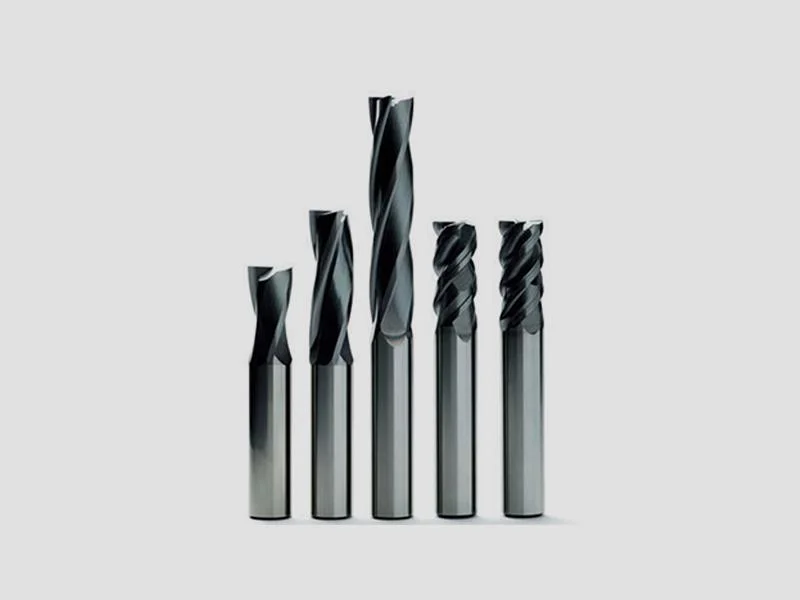
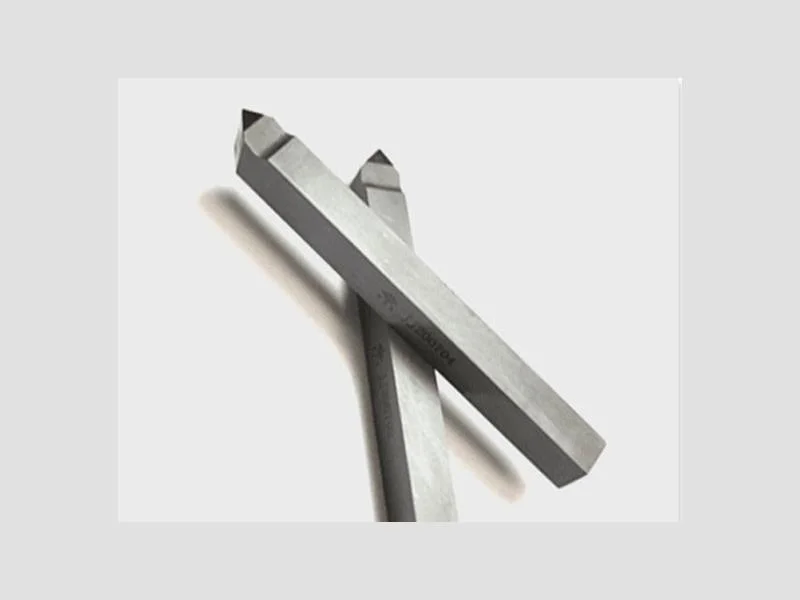
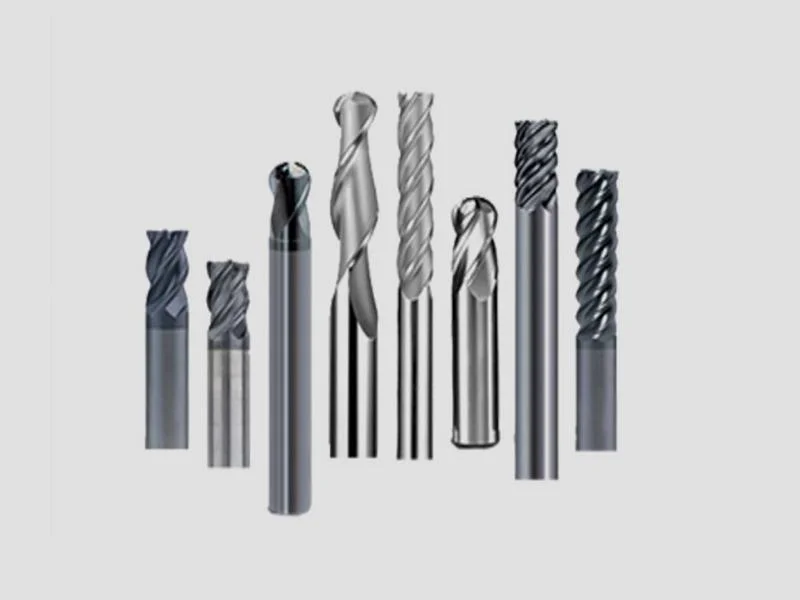
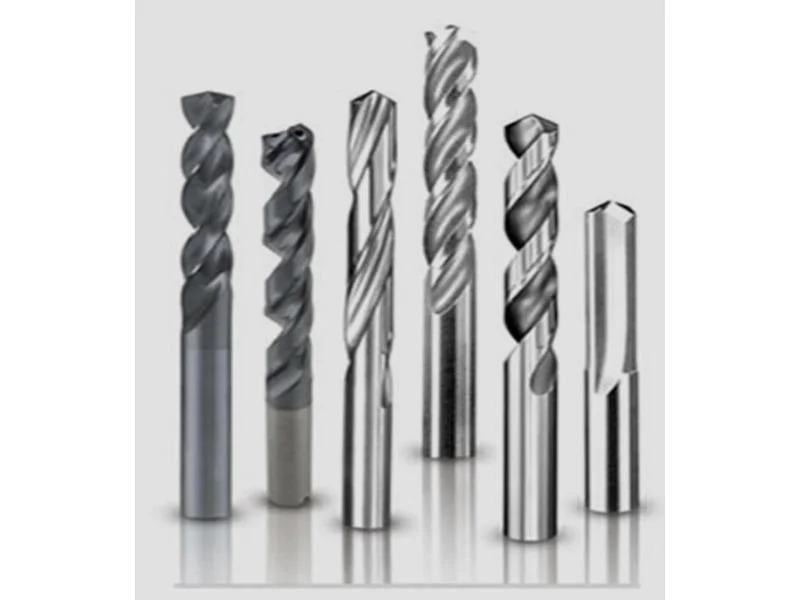
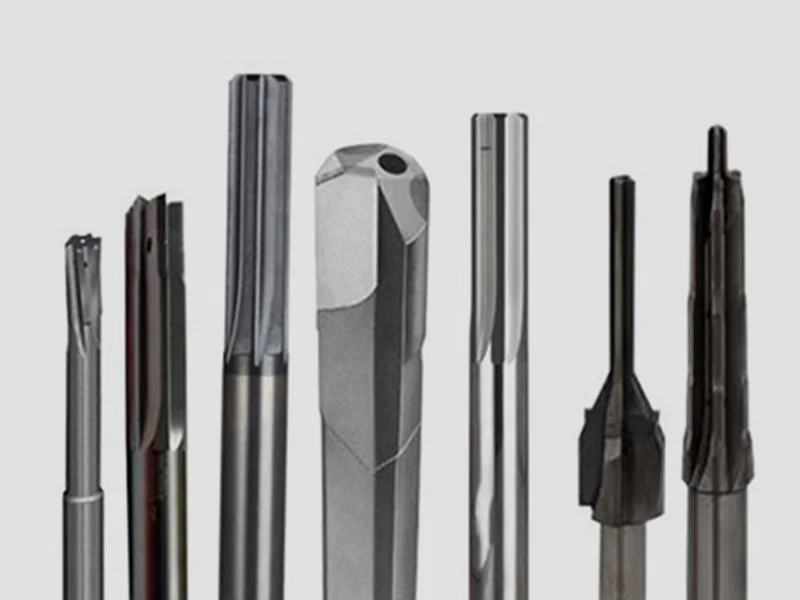
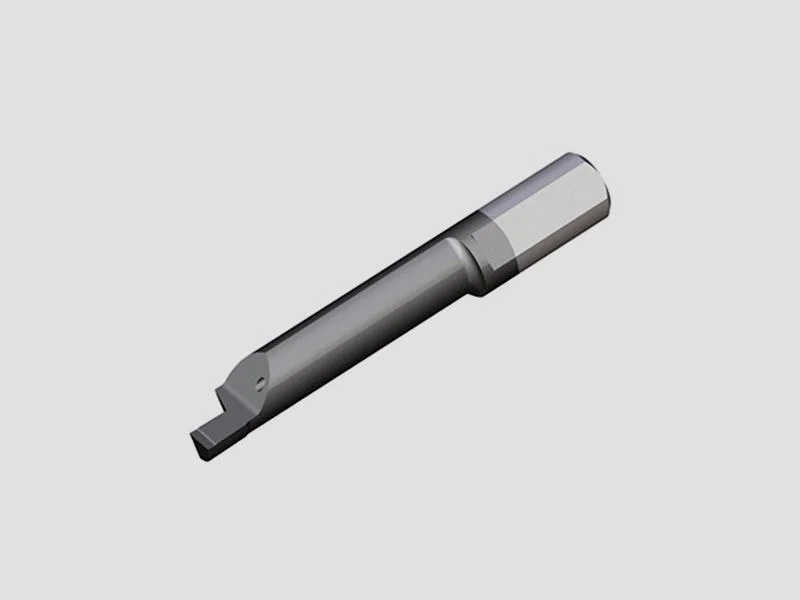
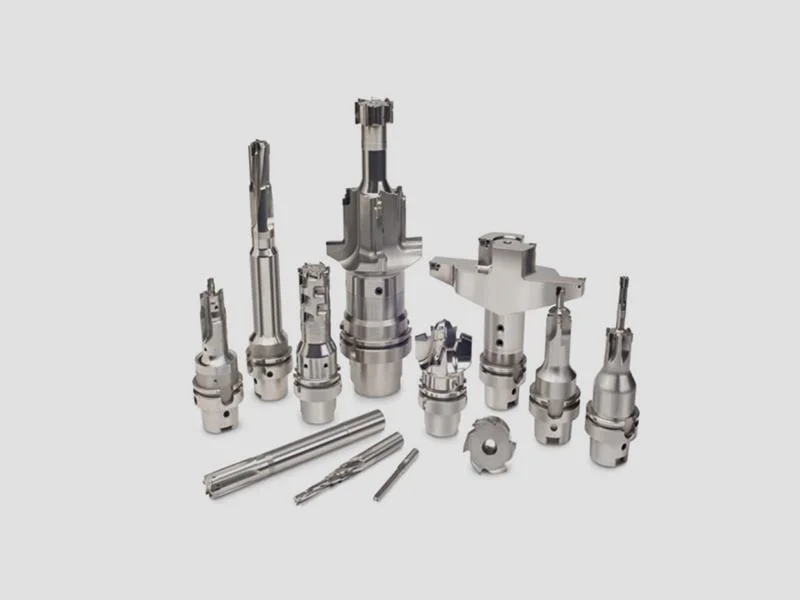
Engineered for the most demanding machining challenges, our PCD (Polycrystalline Diamond) and CBN (Cubic Boron Nitride) cutting tools represent the pinnacle of ultra-hard tooling technology. These tools combine exceptional hardness with thermal stability to outperform conventional carbide tools by significant margins. PCD tools feature synthetic diamond particles sintered together to create a cutting edge that maintains sharpness through extended production runs, while CBN tools utilize cubic boron nitride crystals to tackle hardened steels that would quickly degrade other tool materials. Both tool types deliver consistent performance, reduced downtime for tool changes, and superior surface finishes that often eliminate secondary operations.

These precision tools serve critical roles across multiple manufacturing sectors. In automotive production, they machine aluminum engine components, transmission parts, and brake systems with exceptional efficiency. Aerospace manufacturers rely on...
Engineered for the most demanding machining challenges, our PCD (Polycrystalline Diamond) and CBN (Cubic Boron Nitride) cutting tools represent the pinnacle of ultra-hard tooling technology. These tools combine exceptional hardness with thermal stability to outperform conventional carbide tools by significant margins. PCD tools feature synthetic diamond particles sintered together to create a cutting edge that maintains sharpness through extended production runs, while CBN tools utilize cubic boron nitride crystals to tackle hardened steels that would quickly degrade other tool materials. Both tool types deliver consistent performance, reduced downtime for tool changes, and superior surface finishes that often eliminate secondary operations.

These precision tools serve critical roles across multiple manufacturing sectors. In automotive production, they machine aluminum engine components, transmission parts, and brake systems with exceptional efficiency. Aerospace manufacturers rely on them for machining titanium alloys, composites, and other advanced materials where tool reliability is non-negotiable. The medical device industry utilizes these tools for producing implants and surgical instruments requiring biocompatible surfaces. Mold and die makers achieve longer production runs when machining graphite electrodes and hardened steel molds. General precision engineering workshops benefit from reduced tooling costs per part when working with abrasive non-ferrous materials or hardened steels.

The business value of these ultra-hard cutting tools extends beyond their technical specifications to tangible operational benefits. Their extreme durability translates directly to lower tooling costs per manufactured part, as fewer tool changes are needed and replacement intervals are significantly extended. The excellent surface finish quality often eliminates secondary polishing or grinding operations, reducing both labor costs and production time. Their reliability ensures consistent part quality throughout long production runs, minimizing scrap rates and rework. The high-performance cutting speeds achievable with these tools increase throughput without sacrificing precision. This combination of durability, quality, and efficiency provides manufacturers with a competitive edge in producing high-value components.

Key Features:
- Ultra-high hardness materials (PCD for non-ferrous, CBN for hardened steels)
- Excellent surface finish quality reducing need for secondary operations
- Extreme durability with significantly longer tool life than conventional options
- High-performance cutting speeds for increased productivity
- Precision engineered for consistent results in demanding applications

Benefits:
- Lower tooling costs per part through extended service life
- Reduced production time with fewer tool changes and secondary operations
- Consistent part quality with minimal scrap and rework
- Increased machining throughput with higher permissible cutting speeds
- Reliable performance in challenging materials that degrade other tools
Specifications
| Key Attributes | |
|---|---|
| Material | PCD/CBN |
| Hardness | Ultra high |
| Finish | Excellent |
| Durability | Extreme |
| Usage | Precision machining |
| Speed | High performance |
| Additional Information | |
|---|---|
| Country of Origin | India |
Application
These ultra-hard cutting tools excel in demanding machining environments where conventional tools fail quickly. The PCD tools are specifically engineered for non-ferrous materials like aluminum and copper alloys, providing exceptional edge retention and surface quality even at high cutting speeds. This makes them ideal for applications requiring fine finishes and tight tolerances without frequent tool changes.
CBN tools are the superior choice for machining hardened ferrous materials, including tool steels and cast irons. Their extreme hardness allows them to maintain sharp cutting edges when working with materials above 45 HRC, where traditional carbide tools would wear rapidly. This capability enables efficient machining of hardened components without the need for secondary finishing operations, saving both time and production costs.
- High-speed finishing of aluminum engine blocks and transmission housings in automotive manufacturing
- Precision machining of aerospace components from difficult-to-cut alloys and composites
- Producing medical implants and surgical instruments requiring mirror-like surface finishes
- Creating intricate molds and dies for plastic injection molding with extended tool life
- Machining brake discs, bearing races, and other hardened automotive parts without softening
Trade Details
| Available Stock | In Stock |
| Sample Availability | No |
Payment Terms
| Payment Terms |
|
Company Profile

Royal Tools, Tamil Nadu
 Tamil Nadu, India
Tamil Nadu, IndiaManufacturer
Factory Details
Factory SizeBelow 1000 sqm
PCD & CBN Ultra Hard Cutting Tools For Aluminum, Steel & Abrasive Materials
PCD and CBN ultra-hard cutting tools deliver extreme durability and excellent finish for high-performance precision machining of aluminum, alloys, hardened steel, and abrasive materials.
Min. Order Quantity: 1 piece
Shipping
Shipping fee and delivery date to be negotiated. Contact supplier now for more details.
Royal Tools
 Tamil Nadu, India
Tamil Nadu, IndiaManufacturer