IN
IN₹
Apparel & Fashion
Description
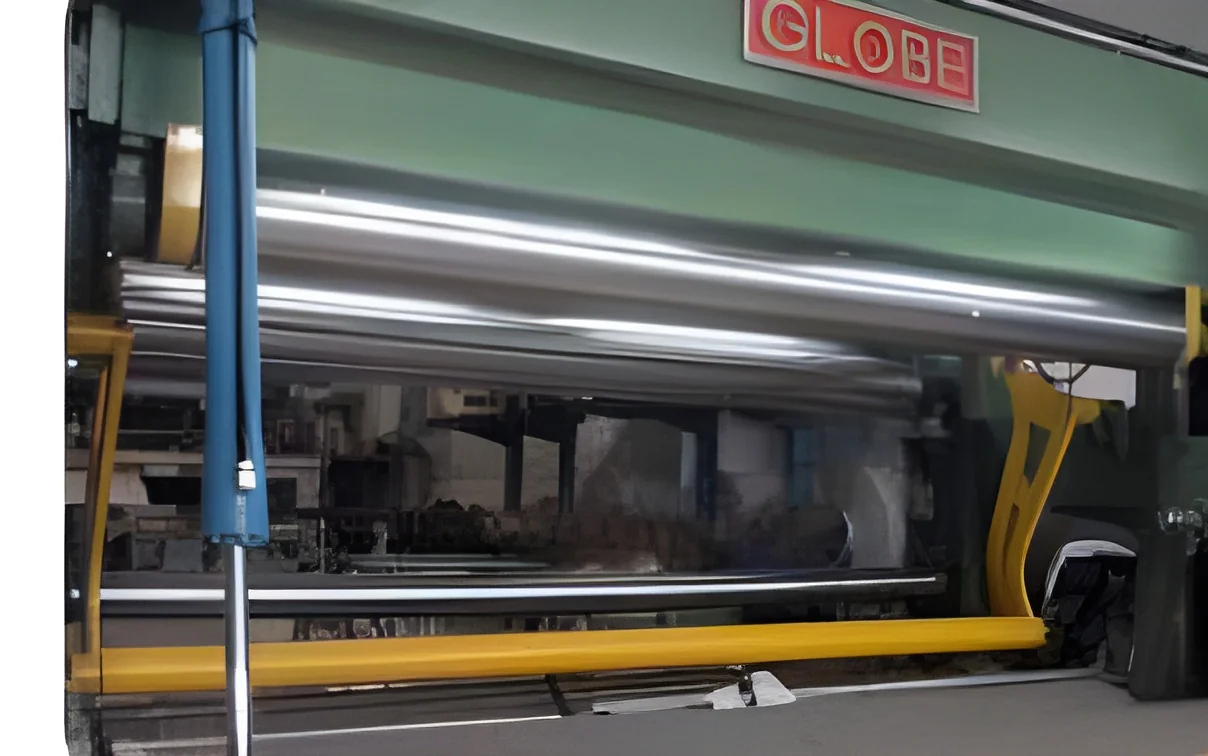
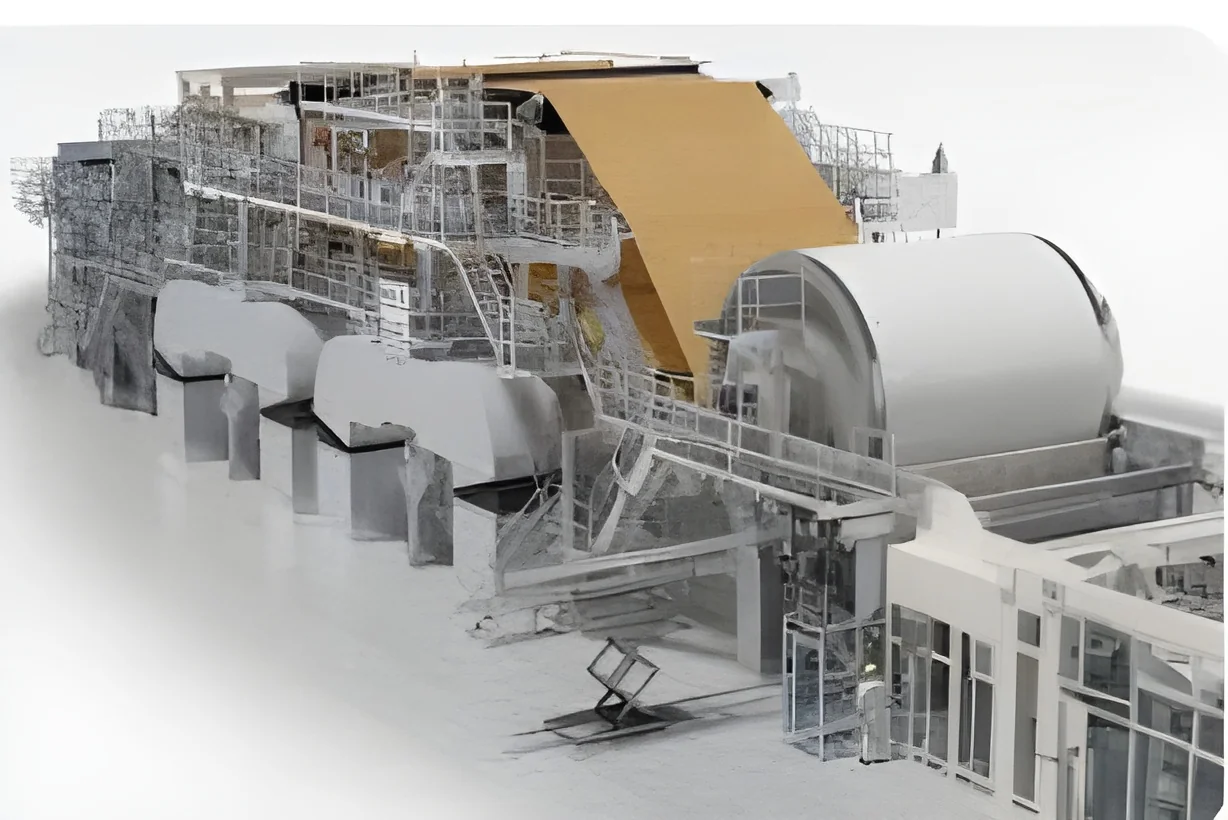
The Paper Making Machinery Automation Sectional Drive is a sophisticated control system designed to bring unparalleled precision and coordination to industrial paper manufacturing. It goes beyond simple motor control by managing the intricate relationship between different machine sections. Core to its function is advanced load sharing, which balances the power demand between drives, such as the forward roll and suction couch, preventing strain and promoting even wear. The system also provides precise dandy roll synchronization for optimal sheet formation and incorporates progressive draw control, allowing operators to fine-tune the paper web's speed differentials in group or individual modes. This holistic approach to drive management ensures that every part of the paper machine works in concert, from the wet end to the final reel, creating a stable production environment that is fundamental for quality output.

This drive system is indispensable across the pulp and paper industry, se...
The Paper Making Machinery Automation Sectional Drive is a sophisticated control system designed to bring unparalleled precision and coordination to industrial paper manufacturing. It goes beyond simple motor control by managing the intricate relationship between different machine sections. Core to its function is advanced load sharing, which balances the power demand between drives, such as the forward roll and suction couch, preventing strain and promoting even wear. The system also provides precise dandy roll synchronization for optimal sheet formation and incorporates progressive draw control, allowing operators to fine-tune the paper web's speed differentials in group or individual modes. This holistic approach to drive management ensures that every part of the paper machine works in concert, from the wet end to the final reel, creating a stable production environment that is fundamental for quality output.

This drive system is indispensable across the pulp and paper industry, serving mills that produce a wide range of paper grades. Manufacturers of newsprint, packaging board, tissue, and high-end specialty papers utilize this technology to achieve the tight tolerances required for their products. In packaging production, consistent caliper and tensile strength are vital for box performance, which this system helps guarantee. For printing and writing papers, uniform surface properties and precise moisture content are critical for printability, making the tension control and synchronization features essential. Its seamless integration capability allows it to become the nervous system of the mill, connecting with distributed control systems (DCS) and Quality Control Systems (QCS) to create a fully automated, data-driven production line that can respond dynamically to process variables.

Investing in this automation drive delivers significant business value through enhanced reliability and operational efficiency. Its robust design and precise control algorithms minimize unplanned downtime caused by drive failures or web breaks, ensuring continuous production. The system's inherent reliability translates to fewer quality rejects and less material waste, directly improving your bottom line. By maintaining perfect tension and draw control, it produces paper with superior consistency, which strengthens your reputation in the market and meets the exacting demands of your customers. Furthermore, the integration with QCS enables real-time, closed-loop adjustments, allowing the machine to self-correct and maintain target specifications autonomously, reducing reliance on operator skill and maximizing throughput. This combination of precision, integration, and durability makes it a foundational investment for any mill focused on competitiveness and long-term, sustainable production.

Key Features:
- Advanced load sharing functionality to balance torque between the forward roll and suction couch drives.
- Precise dandy roll synchronization for consistent sheet formation and fiber orientation.
- Configurable progressive draw control with group/individual mode operation for web speed management.
- Integrated calendar and pope reel tension control for uniform paper thickness and smooth winding.
- Seamless integration capability with pulp process control systems and mill-wide Quality Control Systems (QCS).

Benefits:
- Ensures consistent paper quality with uniform basis weight, moisture, and caliper by maintaining precise machine coordination.
- Increases production line efficiency and reduces waste by minimizing web breaks and operational inconsistencies.
- Enhances equipment longevity and reduces maintenance costs through balanced load distribution and reduced mechanical stress.
- Enables higher throughput and optimized production speeds via stable, automated tension and draw control.
- Provides a reliable, integrated automation foundation that supports real-time process optimization and data-driven decision making.
Specifications
| Additional Information | |
|---|---|
| Country of Origin | India |
Application
This automation sectional drive is essential for modern paper mills seeking to optimize their production lines. It precisely manages the complex interactions between different sections of the machine, from the wet end through to the reel. By ensuring synchronized operation and controlled tension, it directly contributes to producing paper with consistent weight, thickness, and surface quality, which are critical for meeting stringent industry standards.
Industries that rely on high-volume, continuous paper production benefit immensely from this system. It is particularly valuable in mills producing specialty papers, packaging materials, and printing grades where uniformity is non-negotiable. The drive's ability to integrate with existing pulp process control and Quality Control Systems (QCS) makes it a cornerstone for achieving full-line automation, reducing manual intervention, and enabling real-time process adjustments for maximum yield and minimal waste.
- Synchronizing dandy rolls and suction couch rolls during the sheet formation stage for uniform fiber distribution.
- Managing progressive draw between press sections and dryers to control paper shrinkage and moisture profile.
- Maintaining precise tension on the pope reel and calendar rolls to ensure smooth winding and consistent caliper.
- Enabling load sharing across multiple drive points to prevent motor overloads and ensure balanced mechanical stress.
- Integrating with mill-wide QCS for closed-loop control of basis weight, moisture, and caliper, automatically adjusting drive parameters.
Trade Details
| Available Stock | In Stock |
| Sample Availability | No |
Payment Terms
| Payment Terms |
|
Company Profile

VEGA CONTROLS, Maharashtra
 Maharashtra, India
Maharashtra, IndiaIndustrial Equipment & Machinery•Manufacturer•Retailer•Importer / Exporter
Factory Details
Factory SizeBelow 1000 sqm
Paper Mill Automation Sectional Drive with Load Sharing & Tension Control
Paper Making Machinery Automation Sectional Drive with load sharing, tension control, and QCS integration for precise, reliable paper production in industrial mills.
Min. Order Quantity: 1
Shipping
Shipping fee and delivery date to be negotiated. Contact supplier now for more details.
VEGA CONTROLS
 Maharashtra, India
Maharashtra, IndiaIndustrial Equipment & MachineryManufacturer