IN
IN₹
Description
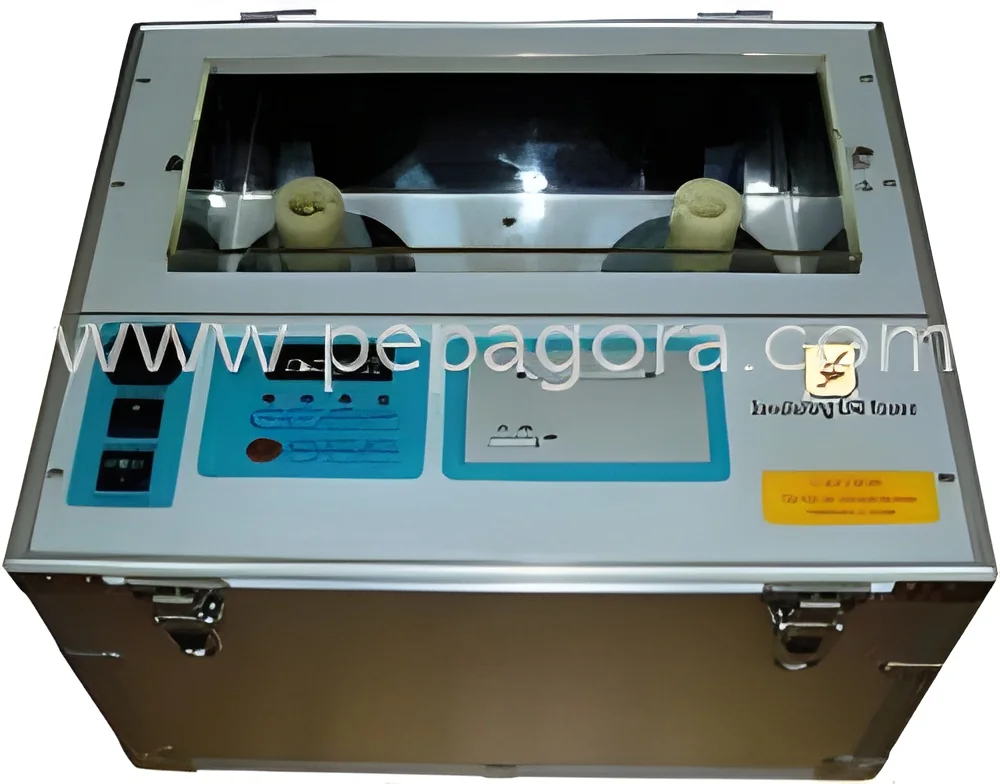
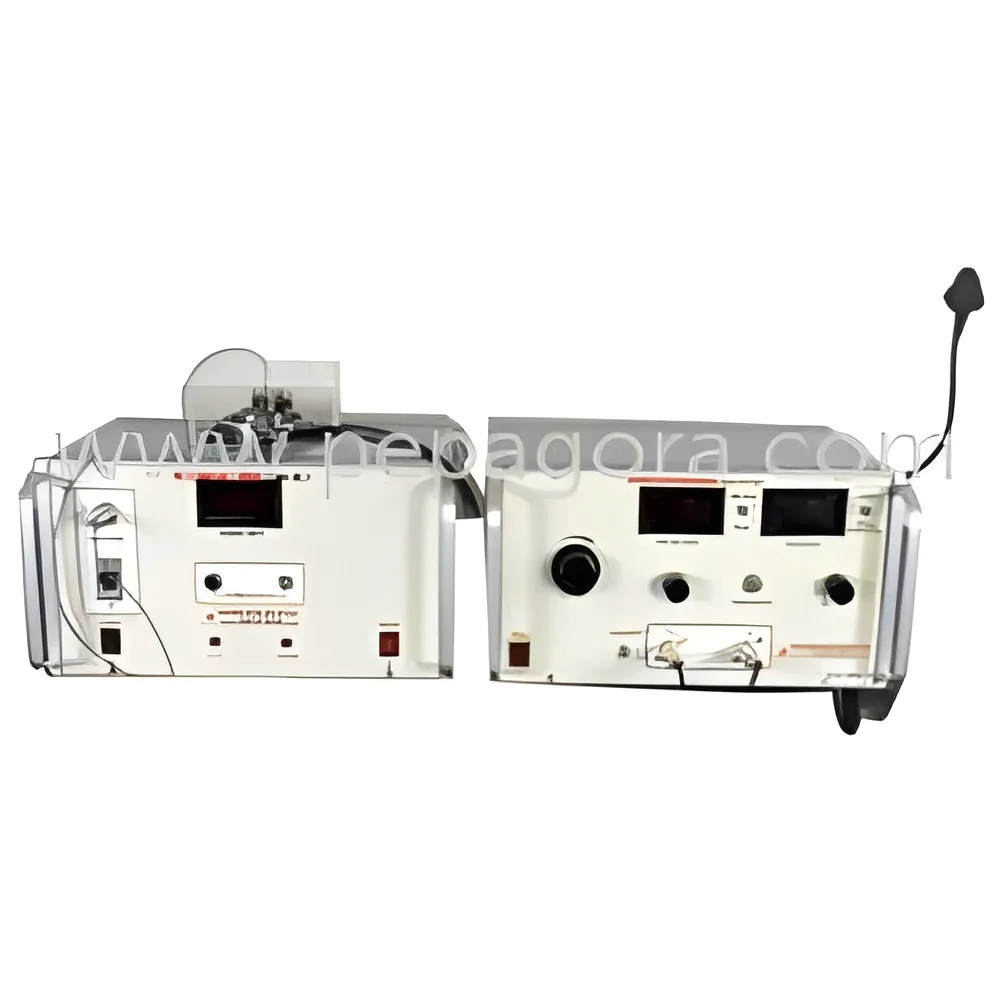
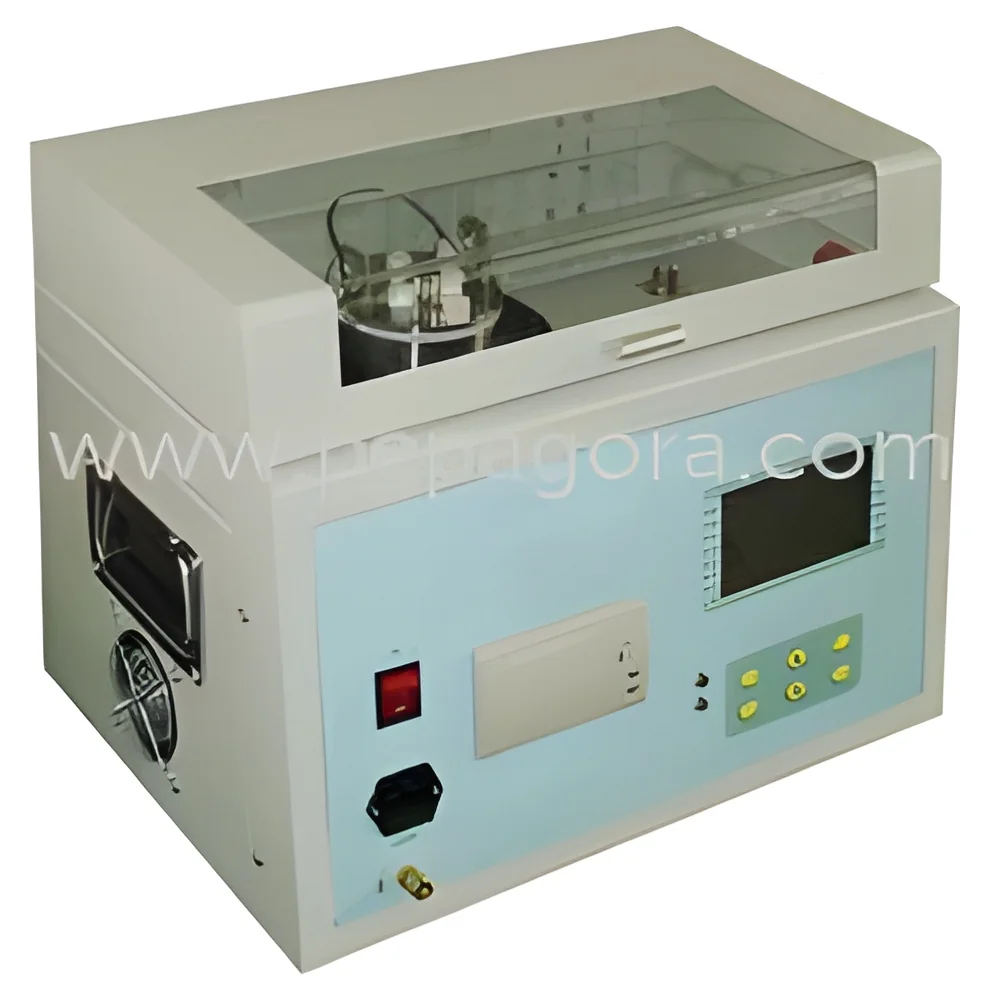
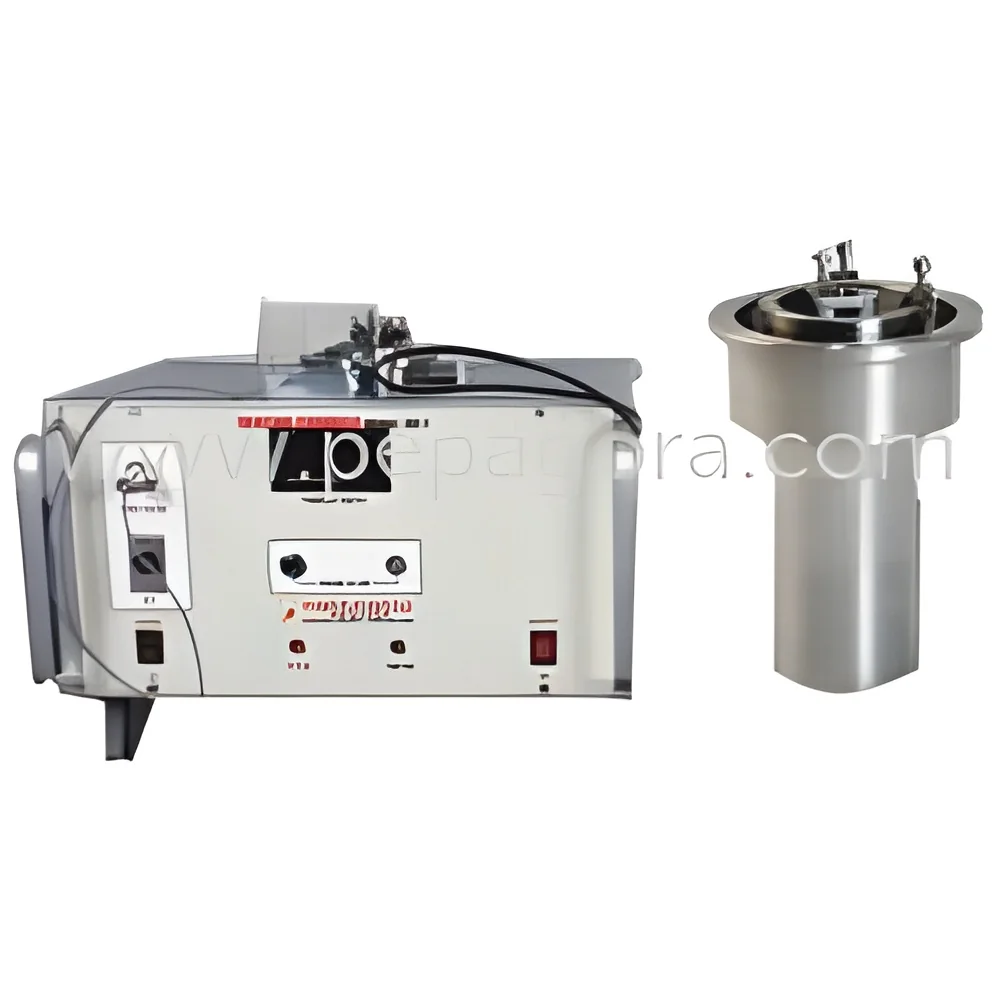
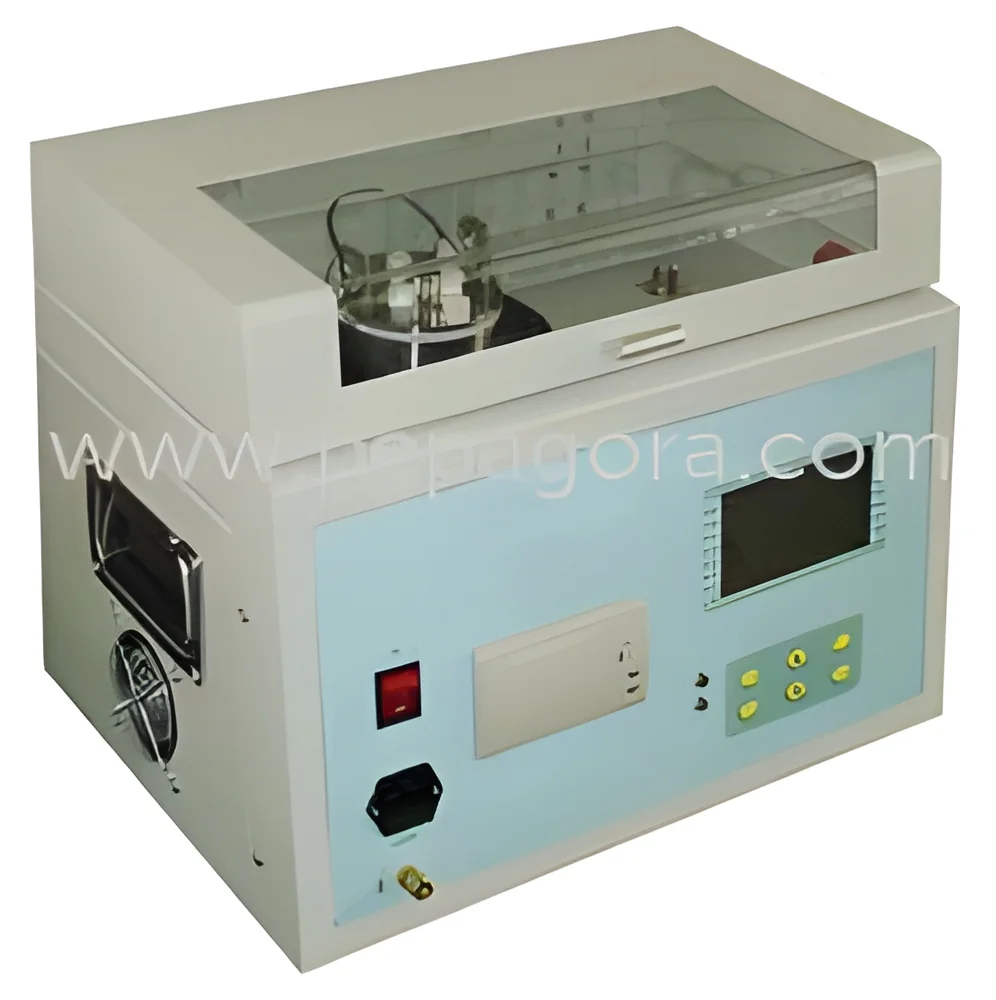
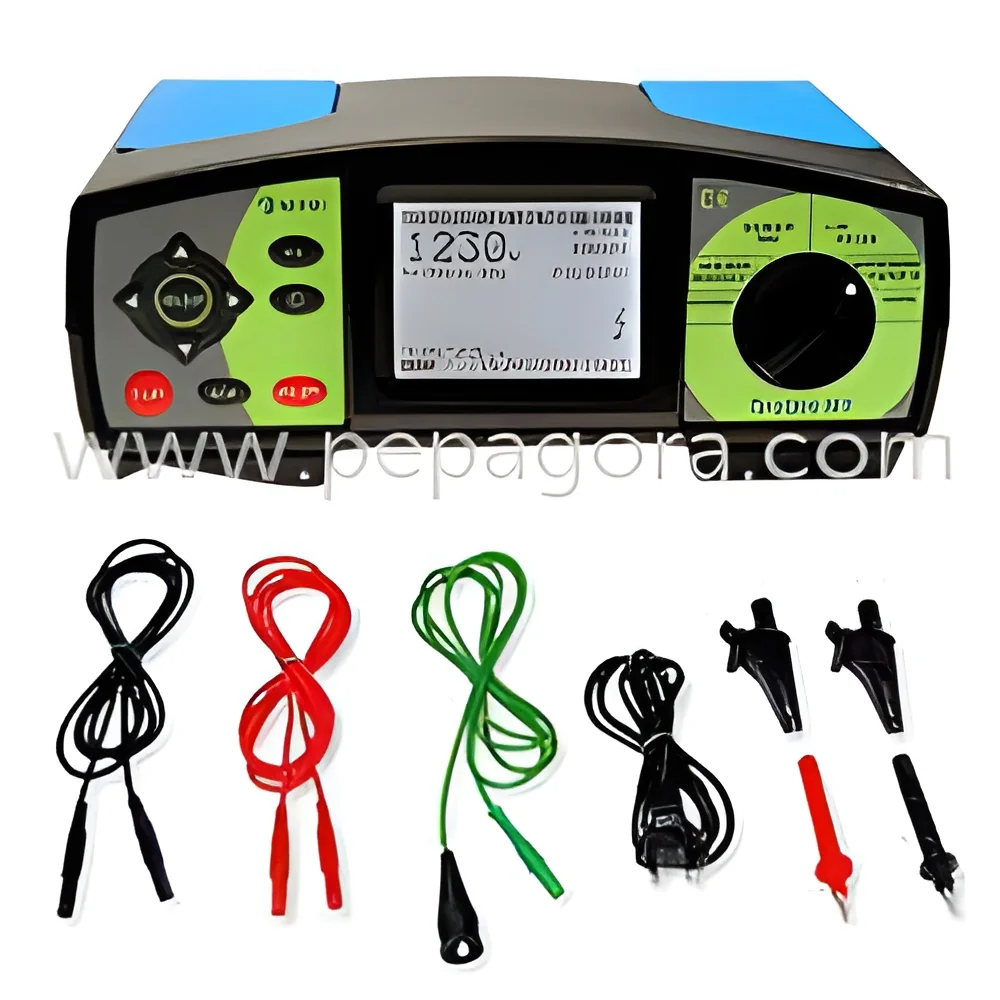
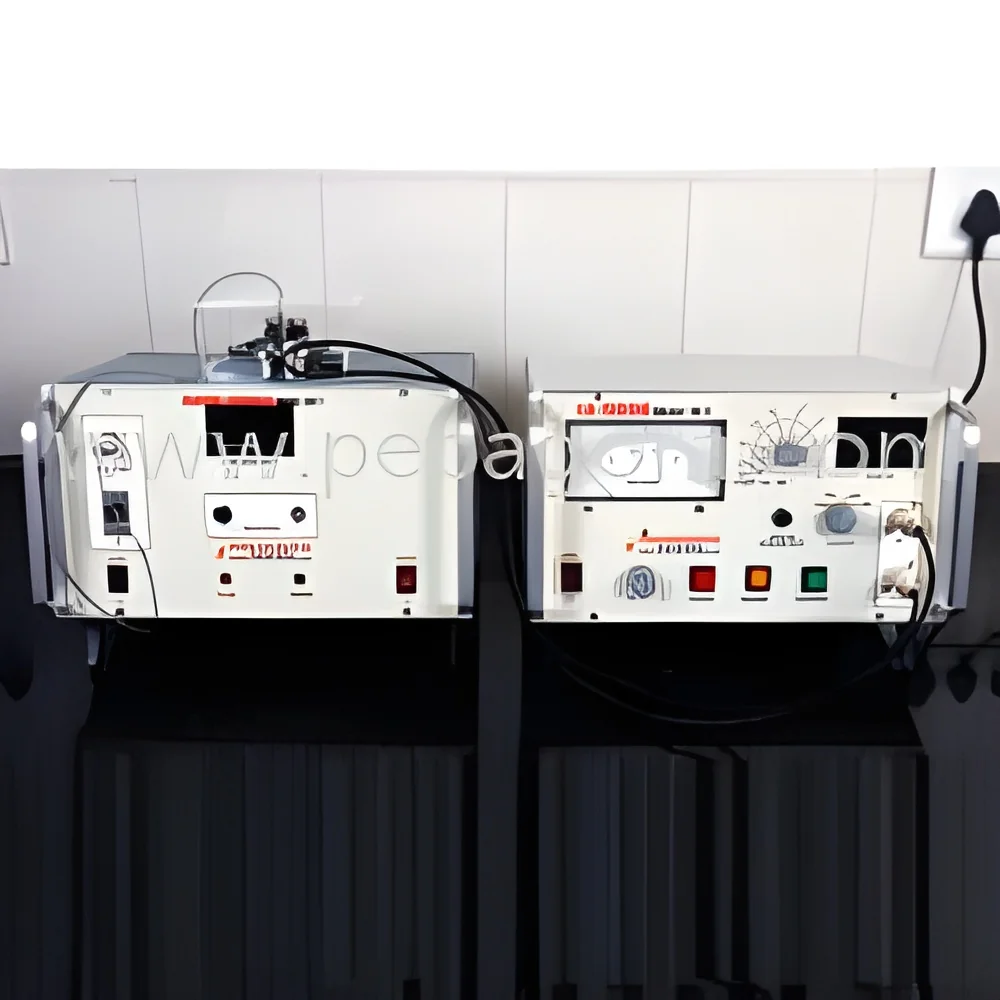
The EHV Insulation Health On Site Tan Delta Testing Diagnostic Tool represents a sophisticated offline diagnostic solution designed specifically for assessing solid insulation condition in extra high voltage equipment. This advanced testing methodology measures the dissipation factor (tan delta) and capacitance to deliver precise insights into insulation health without requiring equipment disassembly or causing operational disruptions. The non-destructive nature of the testing ensures that high voltage assets remain intact while providing accurate data on insulation degradation, aging patterns, and potential failure points. By establishing baseline measurements and comparing them with current readings, this diagnostic approach enables maintenance teams to detect early warning signs of insulation deterioration, allowing for timely interventions before critical failures occur. The portability and on-site capability of the testing equipment make it particularly valuable for organizations ...
The EHV Insulation Health On Site Tan Delta Testing Diagnostic Tool represents a sophisticated offline diagnostic solution designed specifically for assessing solid insulation condition in extra high voltage equipment. This advanced testing methodology measures the dissipation factor (tan delta) and capacitance to deliver precise insights into insulation health without requiring equipment disassembly or causing operational disruptions. The non-destructive nature of the testing ensures that high voltage assets remain intact while providing accurate data on insulation degradation, aging patterns, and potential failure points. By establishing baseline measurements and comparing them with current readings, this diagnostic approach enables maintenance teams to detect early warning signs of insulation deterioration, allowing for timely interventions before critical failures occur. The portability and on-site capability of the testing equipment make it particularly valuable for organizations seeking to maintain operational continuity while ensuring equipment reliability.

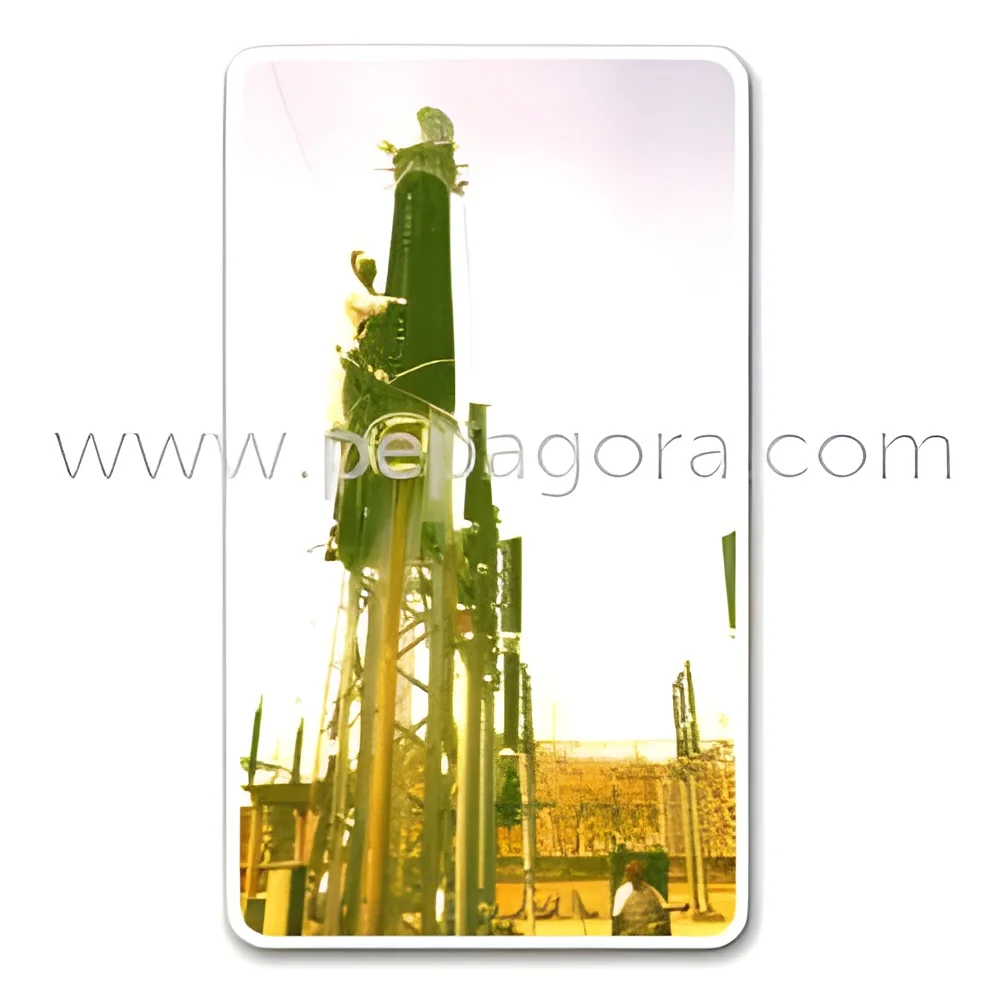
This diagnostic tool finds extensive application across multiple industries where high voltage equipment reliability is paramount. Power generation facilities utilize it for comprehensive assessment of transformers, generators, and associated insulation systems to prevent unexpected outages. Transmission and distribution companies employ the testing for bushings, circuit breakers, and cable insulation in substations to maintain grid stability and compliance with regulatory standards. Industrial manufacturing plants rely on it for critical motors, capacitors, and high voltage installations where production continuity is essential. The renewable energy sector, including wind and solar power installations, increasingly adopts this testing methodology to ensure the reliability of power conversion equipment operating under challenging environmental conditions. The versatility of the testing protocols allows adaptation to various equipment types and voltage levels, making it suitable for diverse operational environments.

The business value delivered by the EHV Insulation Health Diagnostic Tool extends beyond mere technical assessment to encompass significant operational and financial benefits. By enabling predictive maintenance strategies, organizations can transition from reactive repair approaches to planned maintenance schedules, resulting in substantial cost savings through optimized resource allocation and reduced emergency repairs. The tool's ability to identify insulation issues at early stages prevents catastrophic equipment failures that could lead to extended downtime and expensive replacement costs. This proactive approach enhances asset management efficiency, allowing better inventory planning and procurement cycle optimization. The reliability of test results builds confidence among operational teams, supporting informed decision-making and strengthening compliance with international safety standards. The diagnostic accuracy ensures that equipment returns to service with verified insulation integrity, minimizing the risk of subsequent failures and supporting long-term operational excellence.

Key Features:
- Non-destructive offline testing methodology for accurate insulation condition assessment
- Precise measurement of dissipation factor and capacitance parameters
- Comparative analysis capability between current data and historical baseline values
- Portable design enabling on-site testing without equipment transportation
- Comprehensive testing protocols suitable for various EHV equipment types

Benefits:
- Early detection of insulation degradation prevents unexpected equipment failures
- Minimizes operational downtime through on-site testing capability
- Enables predictive maintenance planning for optimized resource allocation
- Reduces long-term maintenance costs through proactive intervention
- Ensures compliance with international safety and performance standards
Specifications
| Additional Information | |
|---|---|
| Country of Origin | India |
| Customisable | No |
Application
On Site Tan-Delta Testing serves as a crucial diagnostic method for evaluating insulation health in high voltage systems across energy and industrial sectors. This technique measures dissipation factor and capacitance to detect early signs of insulation degradation, moisture ingress, or contamination without causing damage to equipment. The non-destructive approach allows for regular monitoring while keeping assets operational, enabling maintenance teams to make informed decisions about repair schedules and resource allocation.
This testing methodology is extensively applied to transformers, bushings, circuit breakers, and high voltage cables within substations and power generation facilities. By comparing current measurements against established baseline values, it identifies deterioration trends and helps prioritize maintenance activities. The portable nature of the testing equipment allows for on-site implementation, minimizing operational disruptions while ensuring compliance with international safety standards and optimizing long-term asset management strategies.
- Regular insulation condition assessment of power transformers and bushings in electrical substations
- Continuous monitoring of generator windings and stator insulation systems in power plants
- Evaluation of insulation integrity in high voltage cable networks and switchgear installations
- Preventive maintenance scheduling for circuit breakers and capacitor banks in industrial facilities
- Quality assurance verification following equipment repairs or during commissioning of new EHV installations
Trade Details
| Available Stock | In Stock |
| Sample Availability | No |
Payment Terms
| Payment Terms |
|
Company Profile
Power Electronical, Maharashtra
 Maharashtra, India
Maharashtra, IndiaIndustrial Equipment & Machinery•Manufacturer
Factory Details
Factory SizeBelow 1000 sqm
Annual Production Capacity0
EHV Insulation Health On Site Tan Delta Testing Diagnostic Tool
EHV Insulation Health On Site Tan Delta Testing Diagnostic Tool provides precise offline assessment of solid insulation condition in high voltage equipment, helping predict failures and prevent costly downtime through accurate dissipation factor measurement.
Min. Order Quantity: 1 unit
Shipping
Shipping fee and delivery date to be negotiated. Contact supplier now for more details.
Power Electronical
 Maharashtra, India
Maharashtra, IndiaIndustrial Equipment & MachineryManufacturer