IN
IN₹
Description
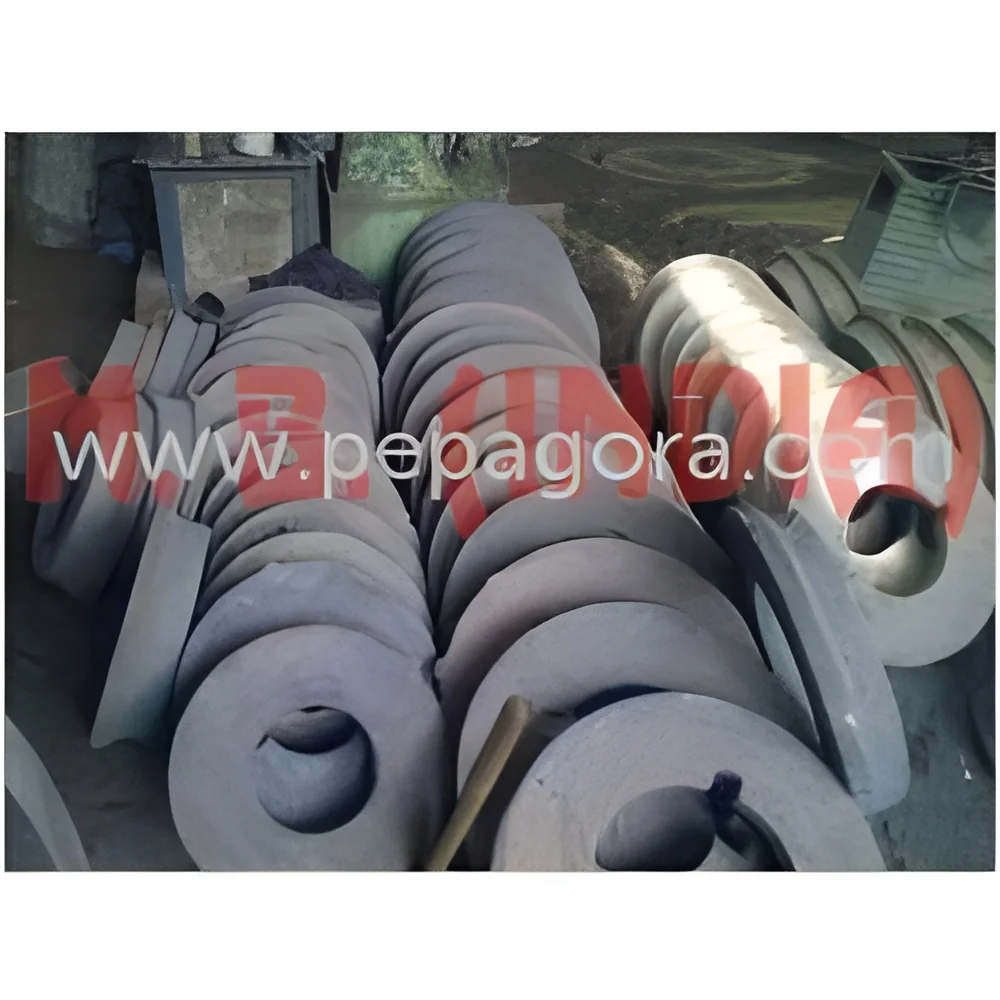
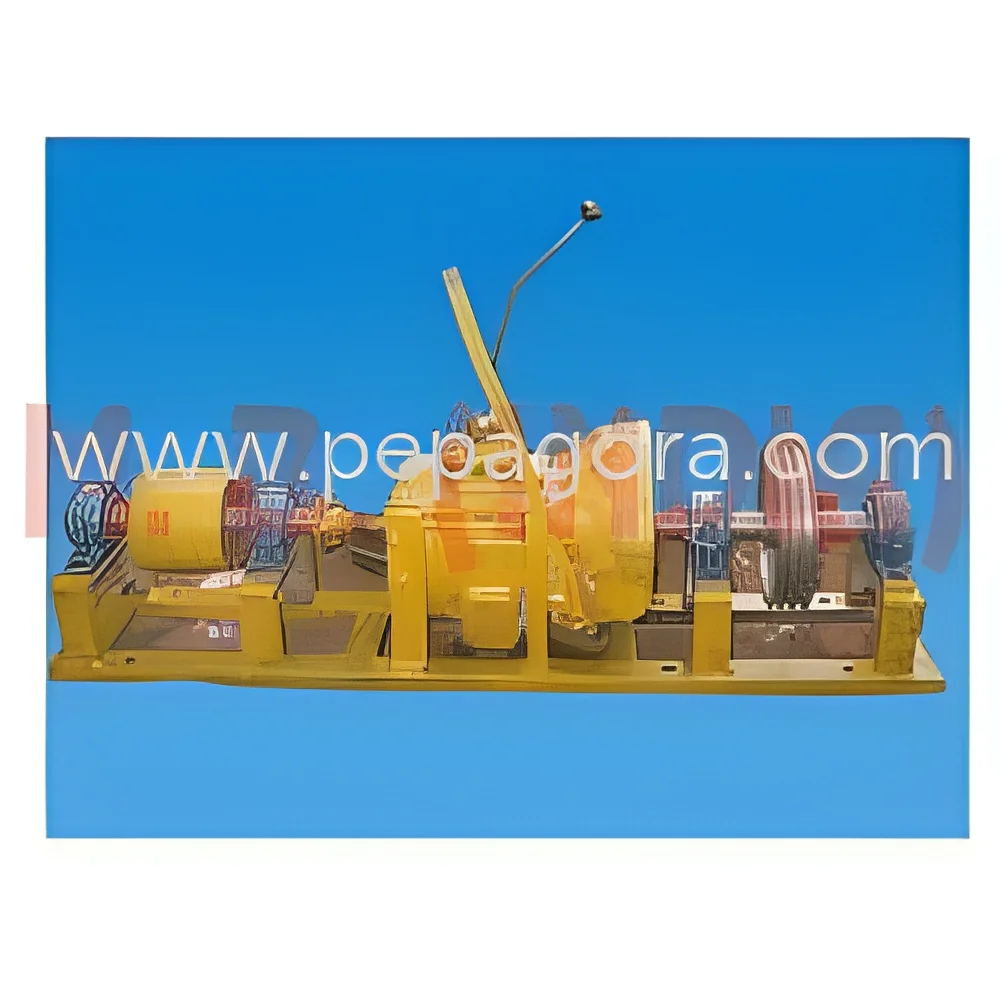
Industrial MS fabricated end rings are precision-engineered components designed for critical support functions in rotating machinery systems. Manufactured from high-quality mild steel through advanced fabrication techniques, these rings provide exceptional structural integrity and dimensional accuracy. Each component undergoes rigorous quality checks to ensure it meets exact specifications for industrial applications. The robust construction offers superior resistance to mechanical stress, thermal variations, and operational wear, making these end rings reliable solutions for maintaining machinery alignment and performance. Their design focuses on longevity and consistent operation in demanding industrial environments where component failure can lead to significant operational disruptions.

These end rings find extensive application across multiple industrial sectors that rely on rotating machinery. In automotive manufacturing, they are integral to transmission assemblies, engine compo...
Industrial MS fabricated end rings are precision-engineered components designed for critical support functions in rotating machinery systems. Manufactured from high-quality mild steel through advanced fabrication techniques, these rings provide exceptional structural integrity and dimensional accuracy. Each component undergoes rigorous quality checks to ensure it meets exact specifications for industrial applications. The robust construction offers superior resistance to mechanical stress, thermal variations, and operational wear, making these end rings reliable solutions for maintaining machinery alignment and performance. Their design focuses on longevity and consistent operation in demanding industrial environments where component failure can lead to significant operational disruptions.

These end rings find extensive application across multiple industrial sectors that rely on rotating machinery. In automotive manufacturing, they are integral to transmission assemblies, engine components, and drivetrain systems where precise alignment is crucial. The construction industry utilizes them in heavy equipment such as cranes, excavators, and concrete mixers for bearing support and structural reinforcement. Manufacturing facilities incorporate these rings in conveyor systems, industrial mixers, and processing equipment. Agricultural machinery manufacturers install them in tractors, harvesters, and irrigation systems for reliable power transmission. Power generation plants depend on these components for turbine assemblies and generator systems where they maintain rotor stability under high rotational speeds and temperature fluctuations.

The business value of these MS fabricated end rings lies in their ability to enhance operational reliability while reducing maintenance costs and downtime. Engineered to withstand extreme operating conditions, these components deliver extended service life and consistent performance, translating to lower total cost of ownership. Their precise fabrication ensures perfect fit and function within machinery assemblies, eliminating compatibility issues and installation challenges. The durability of mild steel construction minimizes replacement frequency and associated labor costs. Businesses benefit from reduced operational interruptions and improved machinery efficiency, making these end rings a strategic investment for maintaining production continuity and equipment reliability in industrial operations.

Key Features:
- Manufactured from high-grade mild steel for superior tensile strength
- Precision fabrication ensuring exact dimensional tolerances
- Excellent resistance to mechanical stress and operational wear
- Rigorous quality control throughout manufacturing process
- Consistent performance under varying temperature conditions

Benefits:
- Enhanced machinery alignment reducing vibration and premature wear
- Extended equipment lifespan through durable construction
- Reduced maintenance frequency and associated downtime
- Reliable performance in demanding industrial environments
- Cost-effective solution for long-term operational efficiency
Specifications
| Additional Information | |
|---|---|
| Country of Origin | India |
Application
MS fabricated end rings serve as essential structural components in rotating machinery, providing critical support to shafts and rotors. Their primary function is maintaining precise alignment under operational stress, preventing excessive vibration and premature wear. This ensures smooth machinery operation and extends equipment lifespan across various industrial environments where rotational forces are present.
These components are indispensable in sectors requiring high mechanical reliability and durability. From automotive powertrains to industrial pumps and construction equipment, end rings deliver consistent performance under demanding conditions. Their robust construction withstands thermal expansion, mechanical loads, and continuous operation, making them suitable for applications where component failure would result in significant downtime and repair costs.
- Automotive transmission systems for gear and shaft alignment
- Industrial pumps and compressors for rotor stabilization
- Construction equipment like excavators and cranes for bearing support
- Agricultural machinery including tractors for power transmission components
- Power generation turbines for maintaining rotor assembly integrity
Trade Details
| Available Stock | In Stock |
| Sample Availability | No |
Payment Terms
| Payment Terms |
|
Company Profile
Mb India, Haryana
 Haryana, India
Haryana, IndiaIndustrial Equipment & Machinery•Manufacturer•Distributor / Wholesaler•Importer / Exporter
Factory Details
Factory SizeBelow 1000 sqm
Annual Production Capacity0
Industrial MS Fabricated End Rings For Machinery And Automotive
Premium MS fabricated end rings provide durable structural support for industrial machinery and automotive systems. Engineered for reliability in demanding applications with precise dimensions and robust mild steel construction.
Min. Order Quantity: 1 unit
Shipping
Shipping fee and delivery date to be negotiated. Contact supplier now for more details.
Mb India
 Haryana, India
Haryana, IndiaIndustrial Equipment & MachineryManufacturer