IN
IN₹
Apparel & Fashion
Description
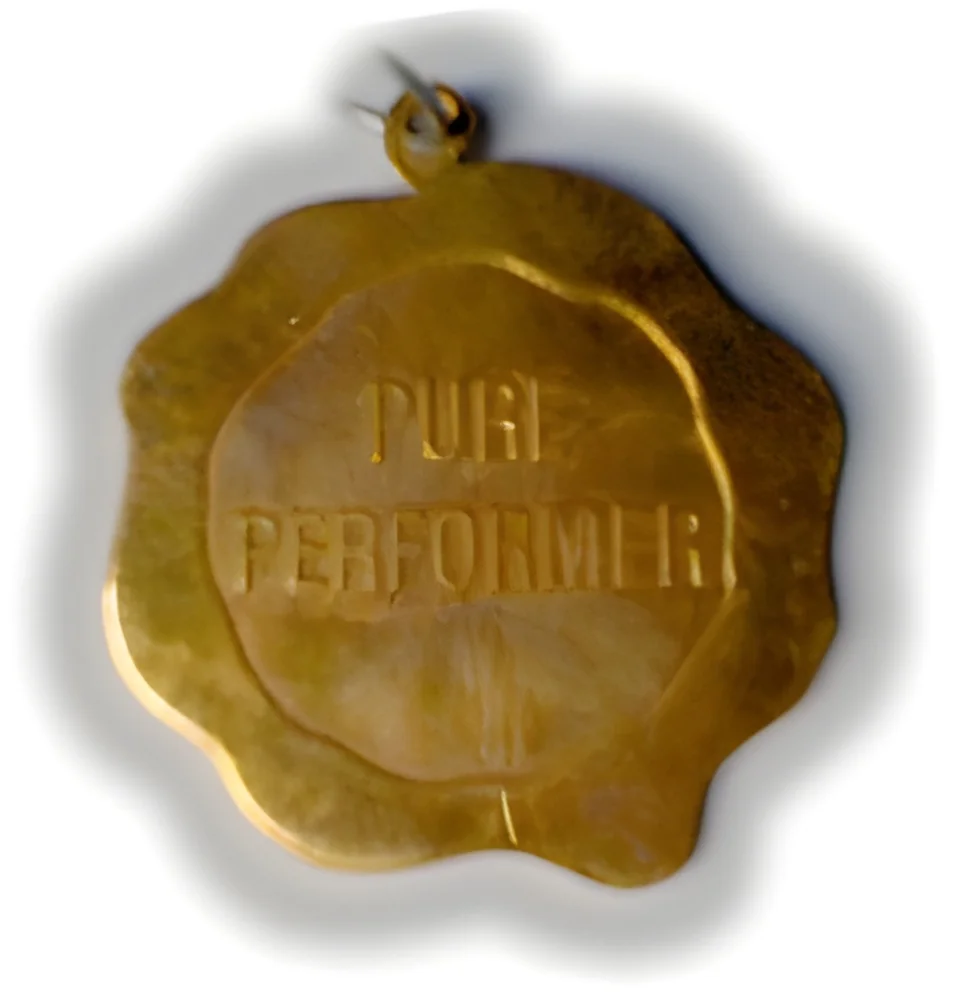
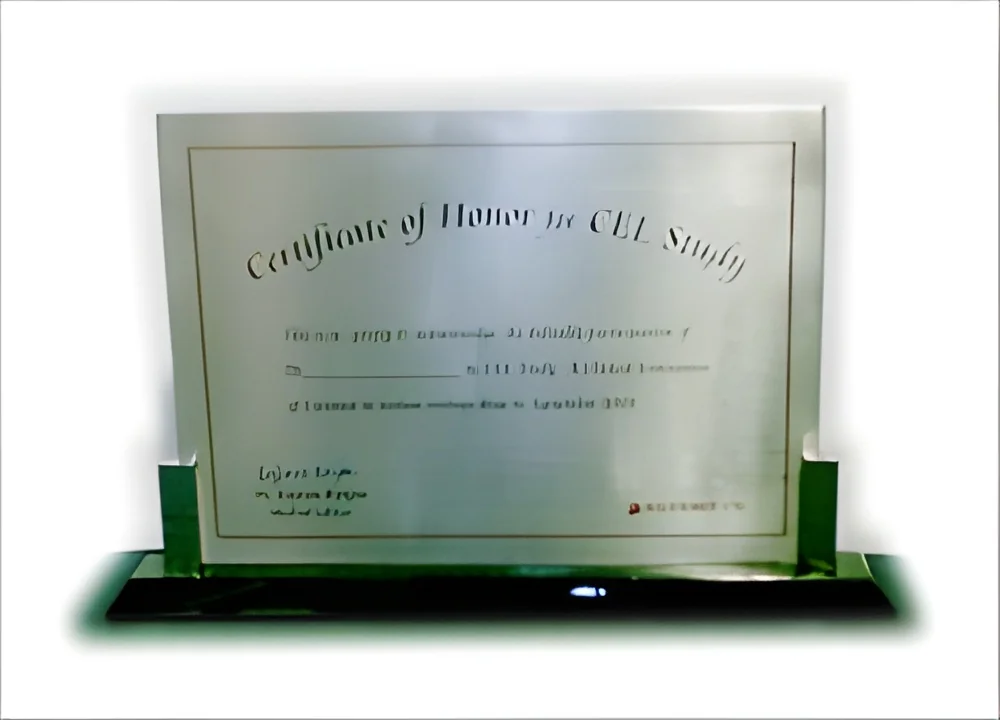
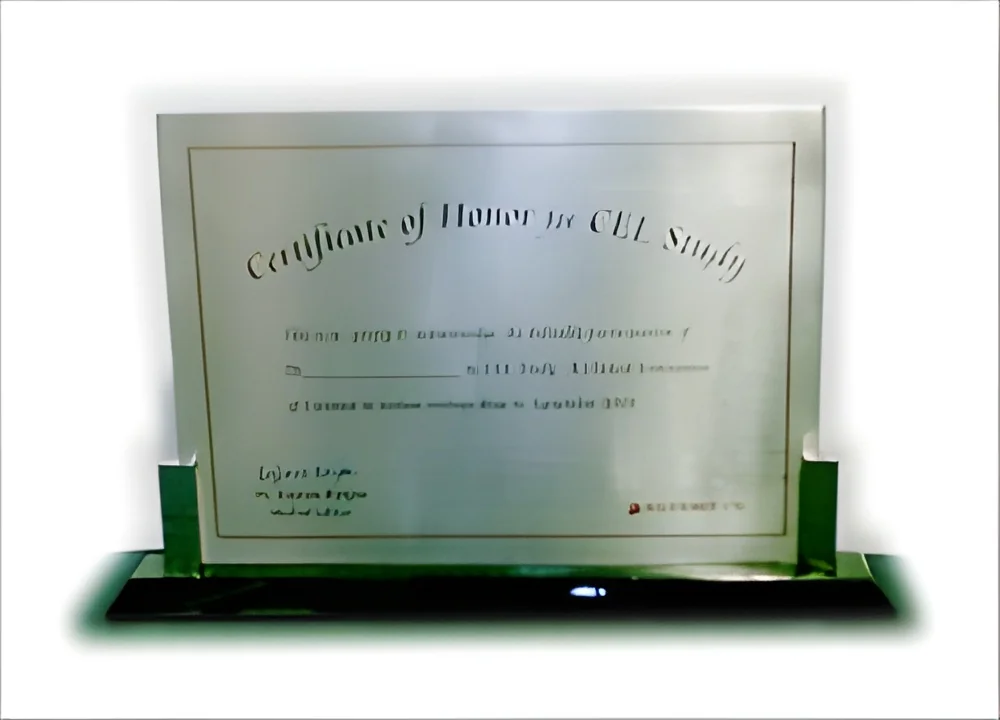
Metal certificates are official verification documents that provide comprehensive details about metal products' quality, composition, and compliance with international standards. These certificates serve as essential quality assurance tools for business transactions, offering detailed information about material properties, mechanical characteristics, and manufacturing processes. They are crucial for organizations prioritizing material traceability, quality control, and regulatory compliance in their supply chain operations. Each certificate includes specific data points that help buyers verify materials meet their exact requirements and industry specifications.

Multiple industries depend on metal certificates to ensure product reliability and safety. The construction industry uses them to verify structural steel and reinforcement materials, while automotive manufacturers rely on certificates for critical components requiring strict safety standards. Aerospace companies need certified ...
Metal certificates are official verification documents that provide comprehensive details about metal products' quality, composition, and compliance with international standards. These certificates serve as essential quality assurance tools for business transactions, offering detailed information about material properties, mechanical characteristics, and manufacturing processes. They are crucial for organizations prioritizing material traceability, quality control, and regulatory compliance in their supply chain operations. Each certificate includes specific data points that help buyers verify materials meet their exact requirements and industry specifications.

Multiple industries depend on metal certificates to ensure product reliability and safety. The construction industry uses them to verify structural steel and reinforcement materials, while automotive manufacturers rely on certificates for critical components requiring strict safety standards. Aerospace companies need certified materials for aircraft parts, and the energy sector uses them for pipelines and pressure vessels. Manufacturing industries across various sectors utilize these certificates to maintain consistent quality in their production processes and finished goods.

Properly certified metal products deliver significant business value through enhanced reliability and risk reduction. These certificates minimize the risk of receiving substandard materials, help prevent costly project delays, and ensure compliance with regulatory requirements. They serve as competitive differentiators in markets, demonstrating commitment to quality and building trust with business partners. The reliable documentation provides assurance that materials will perform as expected in their intended applications.

Key Features:
- Comprehensive material composition analysis and verification
- Mechanical properties testing and certification documentation
- Compliance with international quality standards and regulations
- Detailed traceability information including batch numbers
- Manufacturing process verification and quality control records

Benefits:
- Enhanced material quality assurance and verification
- Reduced risk of receiving non-compliant materials
- Improved supply chain transparency and trust
- Regulatory compliance documentation for audits
- Material performance validation for specific applications
Specifications
| Additional Information | |
|---|---|
| Country of Origin | India |
Application
Metal certificates provide verified documentation of material composition, properties, and quality standards. They serve as essential proof of material integrity and compliance, helping businesses ensure they receive precisely what they order. These documents maintain supply chain transparency and build confidence between manufacturers and buyers across multiple sectors.
Industries from construction to manufacturing rely on metal certificates for quality verification. These documents confirm materials meet specific mechanical properties, chemical compositions, and performance standards required for various applications. They are particularly valuable for businesses needing regulatory compliance and material traceability throughout their production processes and supply chains.
- Construction projects requiring certified structural steel beams and reinforcement materials
- Automotive manufacturers needing verified material specifications for safety components
- Aerospace companies sourcing certified alloys for aircraft parts and systems
- Oil and gas industry using certified pipes, valves, and pressure equipment
- Industrial equipment manufacturers requiring verified metal grades for machinery
Trade Details
| Available Stock | In Stock |
| Sample Availability | No |
Payment Terms
| Payment Terms |
|
Company Profile

Antrikash Metal Works, Maharashtra
 Maharashtra, India
Maharashtra, IndiaSports & Entertainment•Manufacturer•Trading Company•Distributor / Wholesaler
Factory Details
Factory SizeBelow 1000 sqm
Annual Production Capacity0
Main Markets
Domestic
Metal Certificates For Quality Assurance And Compliance
Metal certificates verify material composition, strength, and compliance for quality assurance. These reliable documents ensure trust and transparency for importers and distributors in metal transactions.
Min. Order Quantity: 1 unit
Shipping
Shipping fee and delivery date to be negotiated. Contact supplier now for more details.
Antrikash Metal Works
 Maharashtra, India
Maharashtra, IndiaSports & EntertainmentManufacturer