IN
IN₹
Apparel & Fashion
Description
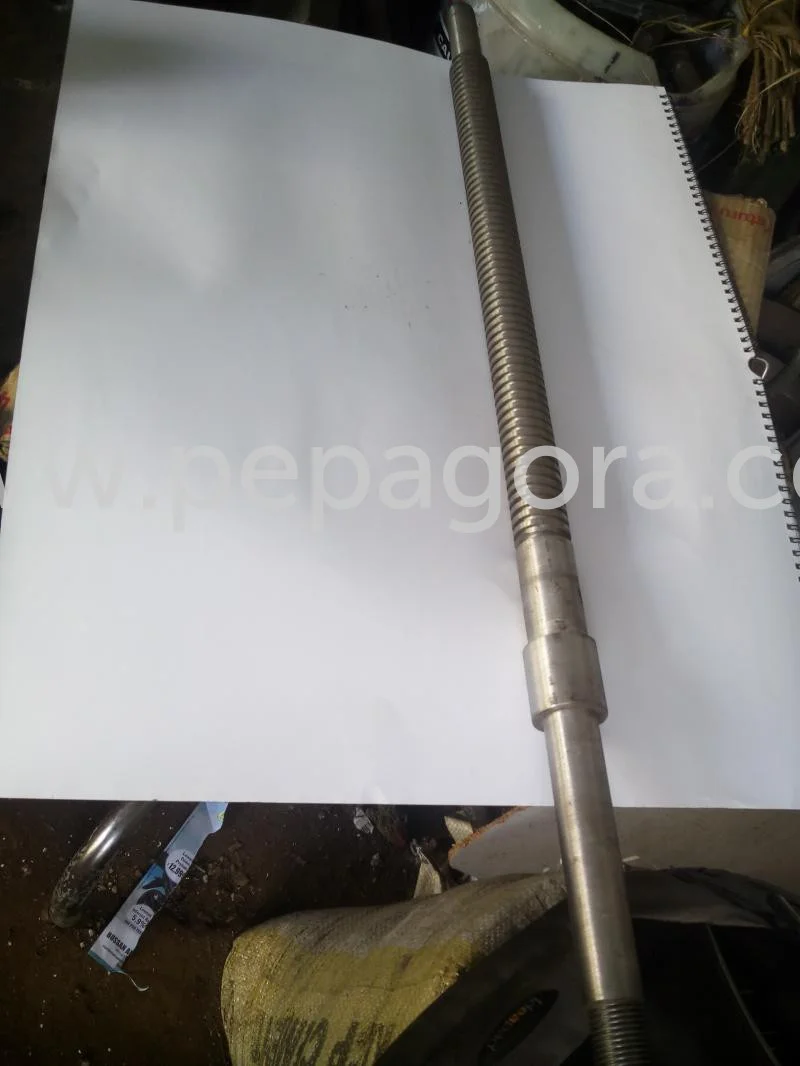
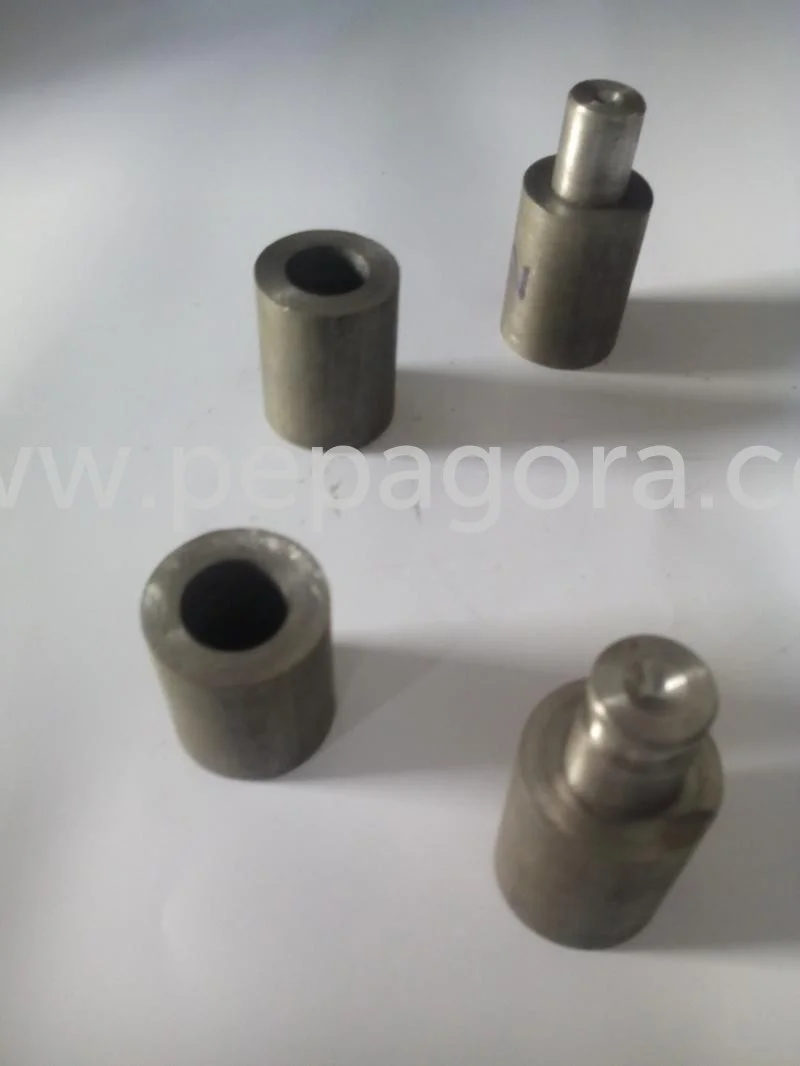
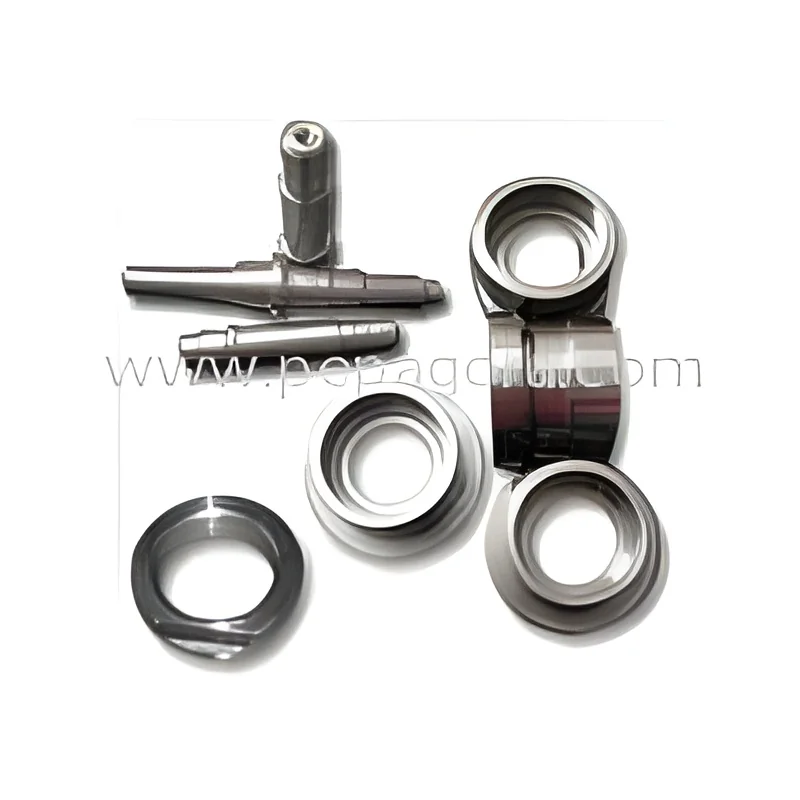
Industrial knotters represent precision-engineered solutions designed for continuous operation in demanding production environments. These advanced mechanical systems create consistent, reliable knots in various materials including textiles, packaging films, and industrial fabrics. Constructed from high-grade stainless steel with galvanized surface treatment, these components offer exceptional resistance to wear, corrosion, and environmental factors that typically compromise equipment longevity. The standardized design ensures compatibility with multiple production systems while maintaining flexibility to accommodate specific operational requirements. Engineered for minimal maintenance and maximum operational efficiency, these knotters represent ideal investments for businesses seeking to enhance their packaging or textile processing capabilities with reliable performance.

Multiple industries depend on industrial knotters for critical production processes that require secure fastening...
Industrial knotters represent precision-engineered solutions designed for continuous operation in demanding production environments. These advanced mechanical systems create consistent, reliable knots in various materials including textiles, packaging films, and industrial fabrics. Constructed from high-grade stainless steel with galvanized surface treatment, these components offer exceptional resistance to wear, corrosion, and environmental factors that typically compromise equipment longevity. The standardized design ensures compatibility with multiple production systems while maintaining flexibility to accommodate specific operational requirements. Engineered for minimal maintenance and maximum operational efficiency, these knotters represent ideal investments for businesses seeking to enhance their packaging or textile processing capabilities with reliable performance.

Multiple industries depend on industrial knotters for critical production processes that require secure fastening solutions. The packaging sector utilizes these machines for sealing bags containing food products, agricultural materials, chemicals, and consumer goods where product protection is paramount. Textile manufacturers employ knotters for joining yarns and threads during fabric production, ensuring continuous processing without compromising material strength or quality. Logistics and shipping companies implement knotting systems for securing cargo and parcels during transit, while agricultural operations use them for packaging seeds, grains, and animal feed. The manufacturing sector also applies these systems for bundling products and materials during various production stages, benefiting from consistent knot quality that maintains integrity throughout supply chain movements.

The operational value of industrial knotters extends beyond basic functionality to encompass significant reliability and return on investment benefits. These machines substantially reduce labor costs by automating knotting processes that would otherwise require manual intervention, while simultaneously increasing production throughput and consistency. The durable stainless steel construction minimizes downtime and maintenance expenses, ensuring continuous operation even in challenging environmental conditions where moisture or chemical exposure might affect lesser equipment. The availability of standard specifications allows businesses to integrate these systems into existing production lines without requiring extensive modifications or additional investments. The OEM supply model ensures that replacement parts and technical support remain readily accessible, enhancing the long-term value proposition for businesses seeking dependable production solutions with proven performance records.

Key Features:
- Premium stainless steel construction for maximum durability
- Galvanized surface treatment providing corrosion resistance
- Standard design ensuring compatibility with existing systems
- Precision engineering for consistent knot quality
- OEM supply availability for reliable technical support

Benefits:
- Reduced operational costs through automated processes
- Enhanced production efficiency with consistent performance
- Minimal maintenance requirements for continuous operation
- Long service life with corrosion-resistant materials
- Reliable performance in demanding industrial environments
Specifications
| Key Attributes | |
|---|---|
| Supply Type | OEM |
| Condition | New |
| Type | Knotters |
| Material | Stainless Steel |
| Price | Negotiable |
| Surface Treatment | Galvanized |
| Standard or Non Standard | Standard |
| Features | Reliable and Durable |
| Specification | As per Clients Request |
| Size | As per Clients Request |
| Dimension | As per Clients Request |
| Thickenss | As per Clients Request |
| Packing Material | Wooden Box or Carton Box |
| Additional Information | |
|---|---|
| Country of Origin | India |
Application
Industrial knotters deliver consistent performance in automated packaging systems where secure knotting maintains product integrity during transportation and storage. These machines handle high-volume production environments with precision knot formation across various materials and thicknesses, ensuring packages remain sealed and protected throughout the supply chain process with minimal maintenance requirements.
These precision components serve critical functions in textile manufacturing for yarn and thread processing, creating uniform knots that maintain material strength without compromising production flow. The galvanized stainless steel construction withstands continuous operation while providing extra protection against environmental factors that could affect performance in demanding industrial settings.
- Automated bag closing systems in food packaging facilities
- Textile manufacturing for yarn joining and thread processing
- Agricultural product packaging for seed and grain bags
- Industrial material handling for securing bulk shipments
- Postal and logistics services for parcel and mail bag closure
Trade Details
| Available Stock | In Stock |
| Sample Availability | No |
Payment Terms
| Payment Terms |
|
Company Profile
Dee Dee Engineering Works, Tamil Nadu
 Tamil Nadu, India
Tamil Nadu, IndiaConstruction•Manufacturer•Distributor / Wholesaler
Factory Details
Factory SizeBelow 1000 sqm
Annual Production Capacity0
Main Markets
Mid East
Eastern Asia
South Asia
Southeast Asia
Industrial Knotters Stainless Steel Galvanized OEM New
Industrial knotters stainless steel galvanized OEM new for packaging textile applications. Durable corrosion-resistant construction ensures reliable performance with customizable specifications for various industrial requirements.
Min. Order Quantity: 1 piece
Shipping
Shipping fee and delivery date to be negotiated. Contact supplier now for more details.
Dee Dee Engineering Works
 Tamil Nadu, India
Tamil Nadu, IndiaConstructionManufacturer