IN
IN₹
Apparel & Fashion
Description
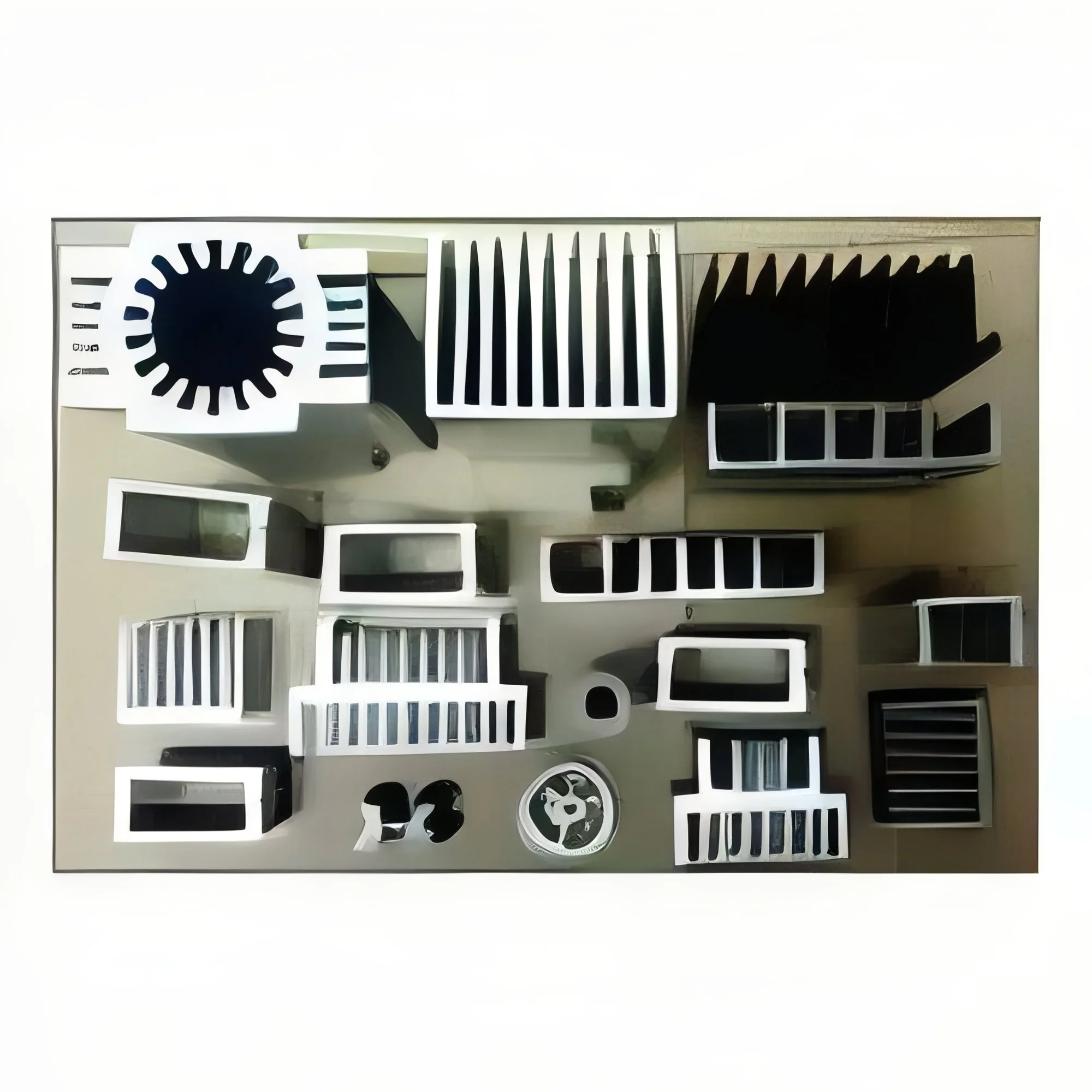
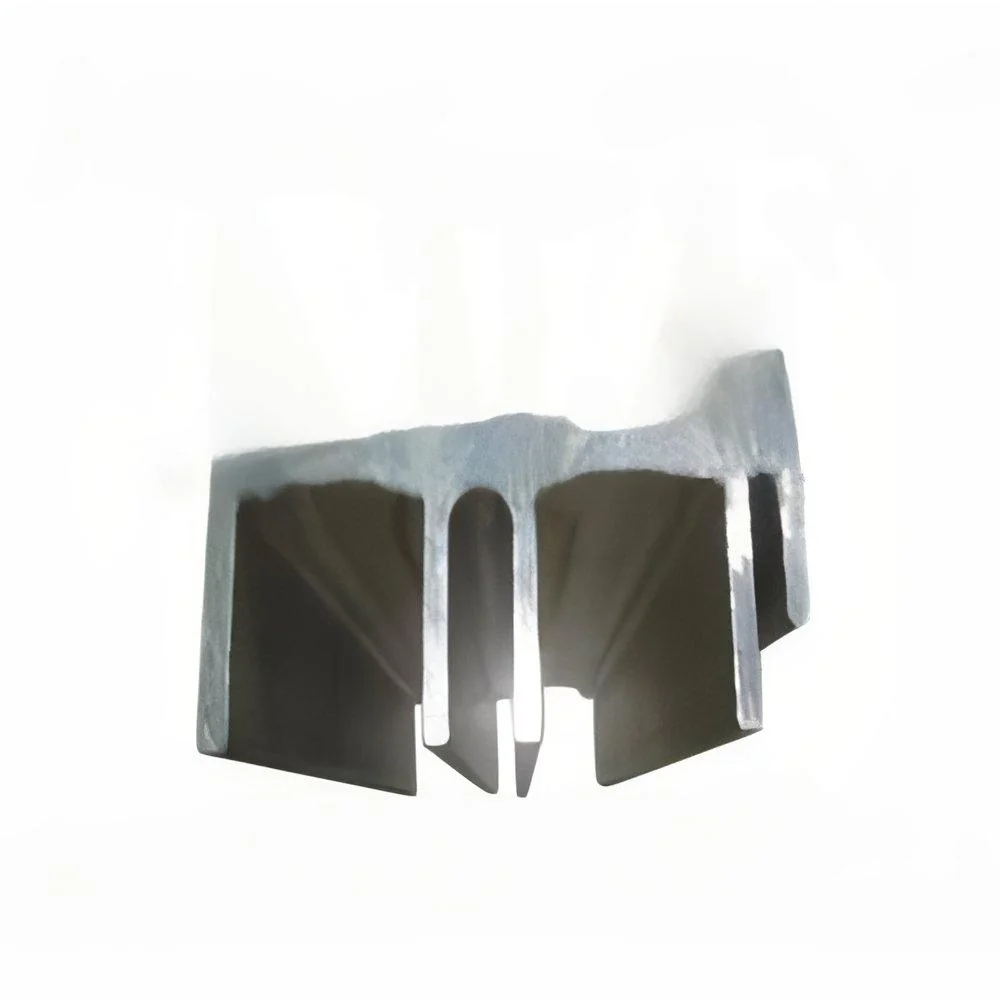
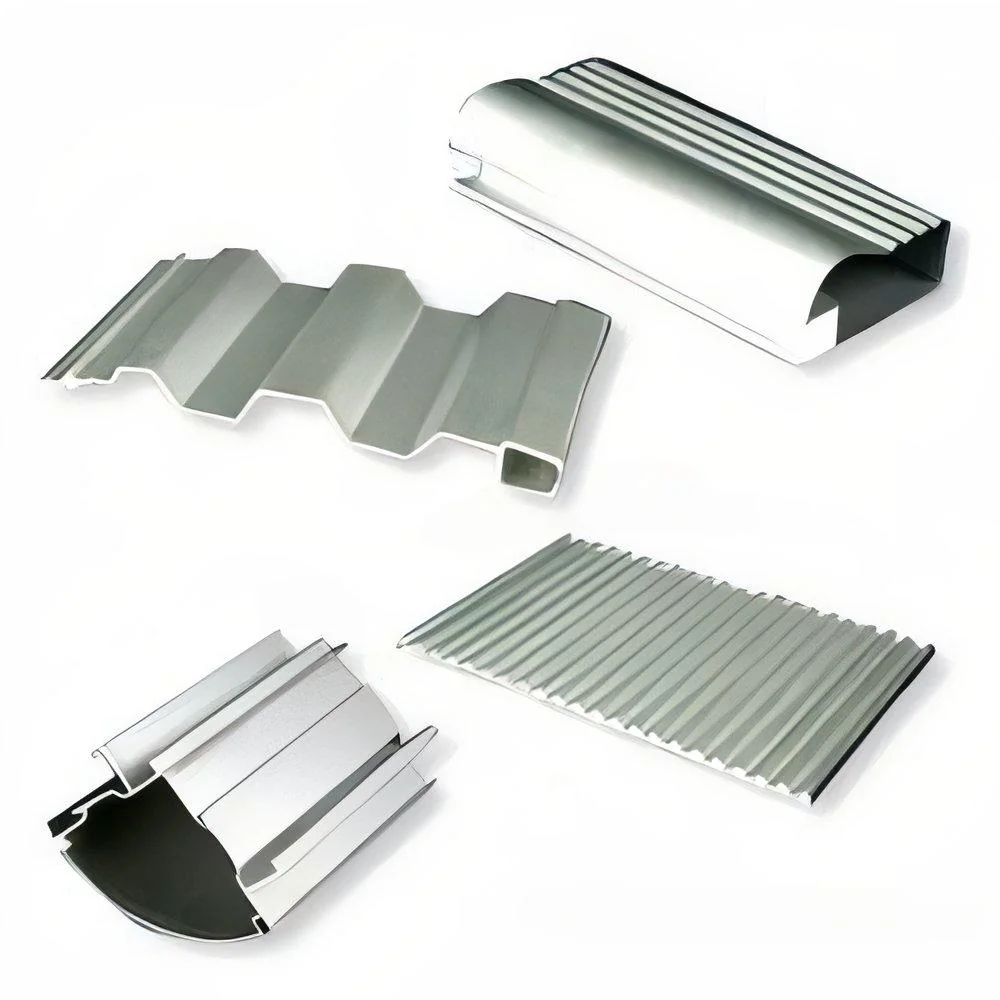
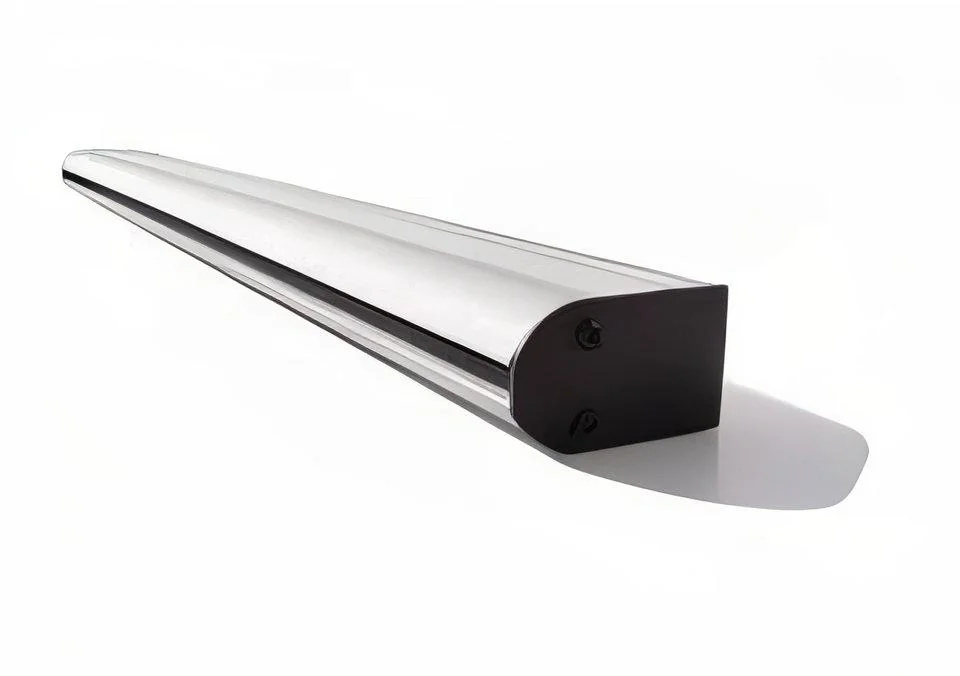
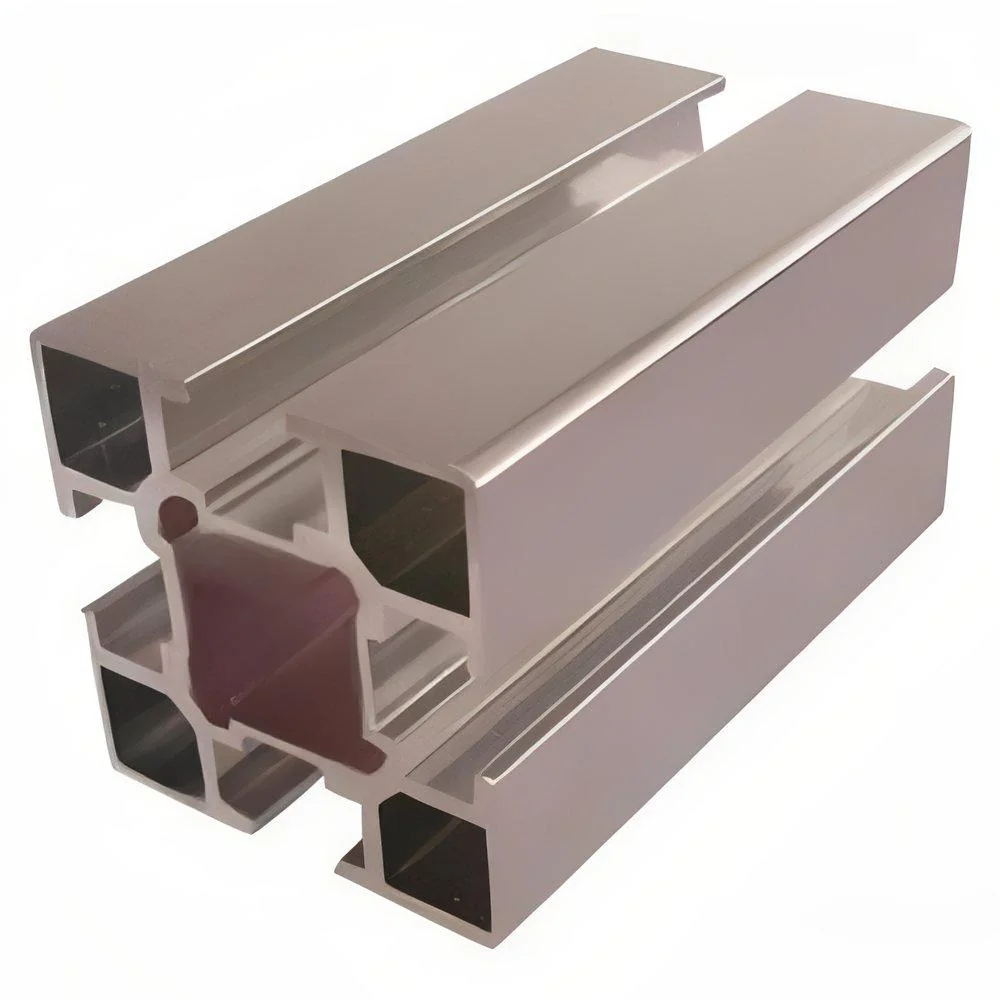
Industrial heat exchanger extrusions represent advanced thermal management solutions engineered for demanding operational environments. These precision components deliver exceptional heat transfer efficiency through optimized surface designs and high-conductivity materials. Manufactured to exacting standards, they ensure reliable performance in systems where temperature control is critical. The extrusions maintain consistent thermal characteristics while withstanding mechanical stress and environmental challenges. Their robust construction provides long-term reliability, making them essential for applications requiring sustained thermal performance without compromise.

These thermal management components serve vital roles across multiple sectors where precise temperature regulation impacts operational success. In commercial and industrial HVAC systems, they form the core of air handling units and climate control installations. Refrigeration applications utilize them in cold storage fac...
Industrial heat exchanger extrusions represent advanced thermal management solutions engineered for demanding operational environments. These precision components deliver exceptional heat transfer efficiency through optimized surface designs and high-conductivity materials. Manufactured to exacting standards, they ensure reliable performance in systems where temperature control is critical. The extrusions maintain consistent thermal characteristics while withstanding mechanical stress and environmental challenges. Their robust construction provides long-term reliability, making them essential for applications requiring sustained thermal performance without compromise.

These thermal management components serve vital roles across multiple sectors where precise temperature regulation impacts operational success. In commercial and industrial HVAC systems, they form the core of air handling units and climate control installations. Refrigeration applications utilize them in cold storage facilities and food processing operations where consistent cooling is essential. Manufacturing plants integrate these extrusions into process cooling systems that maintain production quality standards. Energy sector applications include power plant heat exchangers and thermal transfer systems in renewable energy installations. The construction industry specifies these components for building management systems requiring dependable thermal performance.

The operational value of these heat exchanger extrusions extends beyond technical specifications to deliver measurable business advantages. Superior thermal efficiency translates directly into reduced energy consumption and lower operating costs throughout the system lifecycle. Corrosion-resistant materials and durable construction minimize maintenance requirements and extend service intervals, reducing operational downtime. The precision engineering ensures compatibility with existing systems, eliminating installation challenges and performance issues. Consistent dimensional accuracy and reliable performance provide assurance for project planners and procurement specialists. These factors combine to deliver long-term value through reduced total cost of ownership and dependable thermal management performance.

Key Features:
- Precision-engineered profiles optimized for maximum heat transfer efficiency
- High thermal conductivity materials including specialized aluminum alloys
- Corrosion-resistant surface treatments for extended service life
- Consistent dimensional accuracy ensuring proper system integration
- Robust construction capable of withstanding thermal cycling and pressure variations

Benefits:
- Reduced energy consumption through superior heat transfer efficiency
- Extended service life with minimal maintenance requirements
- Reliable performance in demanding industrial environments
- Easy integration with existing thermal management systems
- Lower total cost of ownership through durable construction and efficiency
Specifications
| Additional Information | |
|---|---|
| Country of Origin | India |
Application
Industrial heat exchanger extrusions deliver optimal thermal performance in critical temperature control systems. Their efficient design ensures reliable heat transfer while maintaining structural integrity under continuous operation. These components withstand demanding environmental conditions while providing consistent thermal management across various applications.
Engineered for durability and efficiency, these extrusions maintain precise temperature control in complex systems. The robust construction handles pressure variations and thermal cycling without performance degradation. This reliability makes them suitable for integration into both standard and specialized thermal management configurations across multiple sectors.
- Commercial HVAC systems for office buildings and shopping centers
- Industrial refrigeration units in food processing facilities
- Energy recovery systems in manufacturing plants
- Thermal management in power generation facilities
- Process cooling systems in chemical and pharmaceutical industries
Trade Details
| Available Stock | In Stock |
| Sample Availability | No |
Payment Terms
| Payment Terms |
|
Company Profile
Jhalani Extrusion, New Delhi
 New Delhi, India
New Delhi, IndiaConstruction•Manufacturer•Distributor / Wholesaler
Factory Details
Factory SizeBelow 1000 sqm
Annual Production Capacity0
Industrial Heat Exchanger Extrusions For HVAC Refrigeration Energy Systems
Industrial heat exchanger extrusions provide superior thermal efficiency for HVAC, refrigeration, and energy systems. These durable components ensure reliable performance in demanding thermal management applications across various industries.
Min. Order Quantity: 1 unit
Shipping
Shipping fee and delivery date to be negotiated. Contact supplier now for more details.
Jhalani Extrusion
 New Delhi, India
New Delhi, IndiaConstructionManufacturer