IN
INundefined
Apparel & Fashion
Loading subcategories...
View More
Description
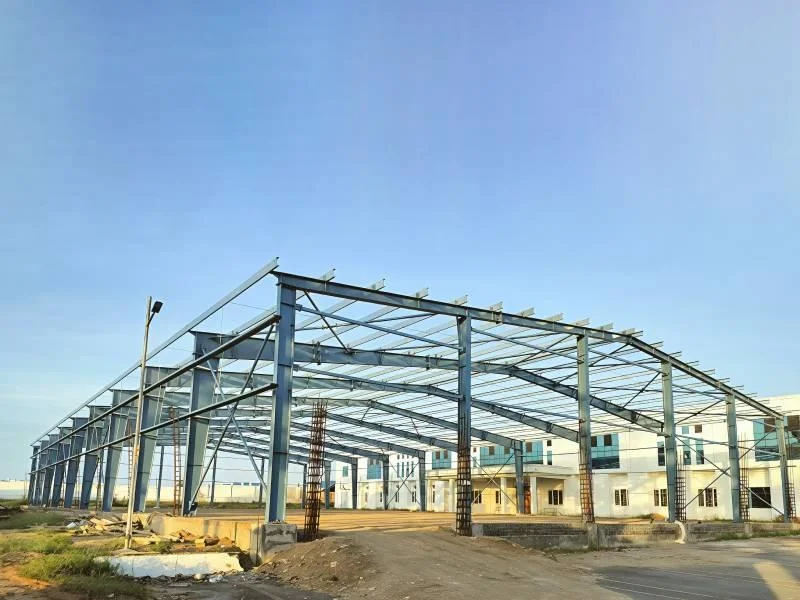
Industrial building structure fabrication is the cornerstone of creating durable, functional, and efficient spaces for heavy-duty operations. This process involves the precise engi...
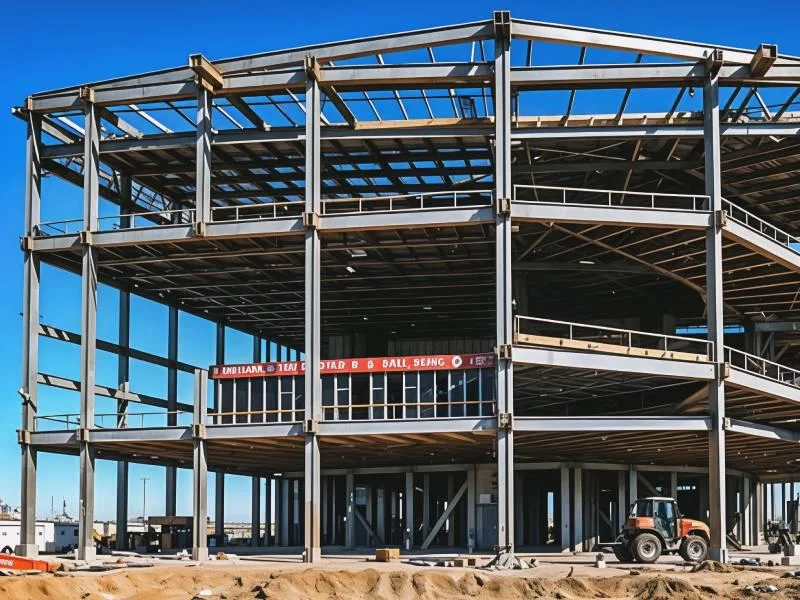
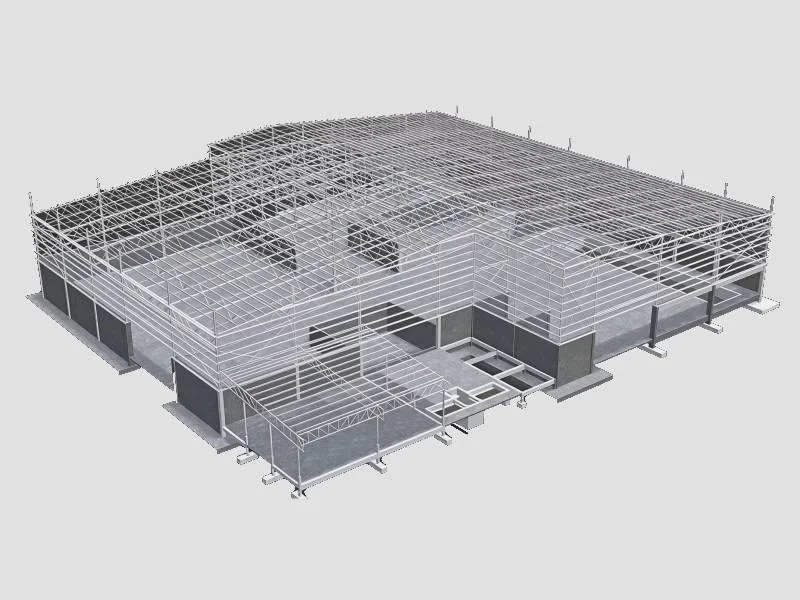
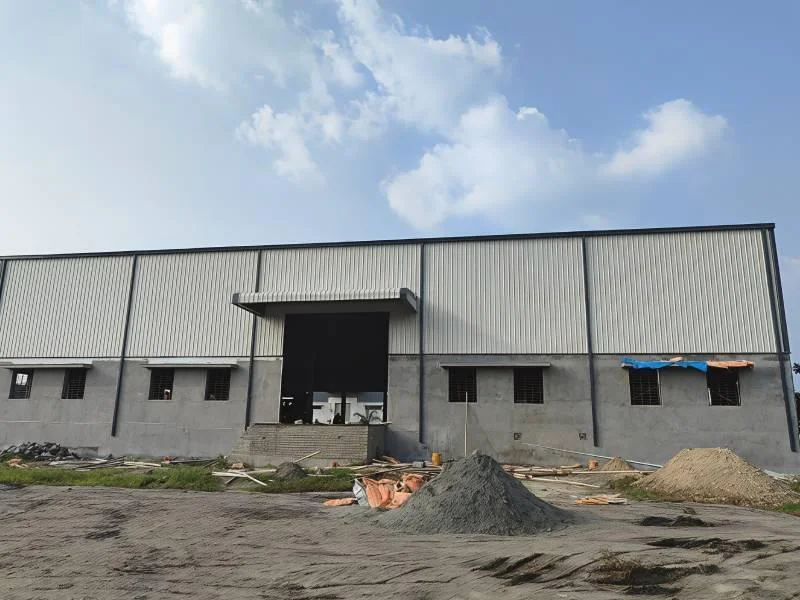
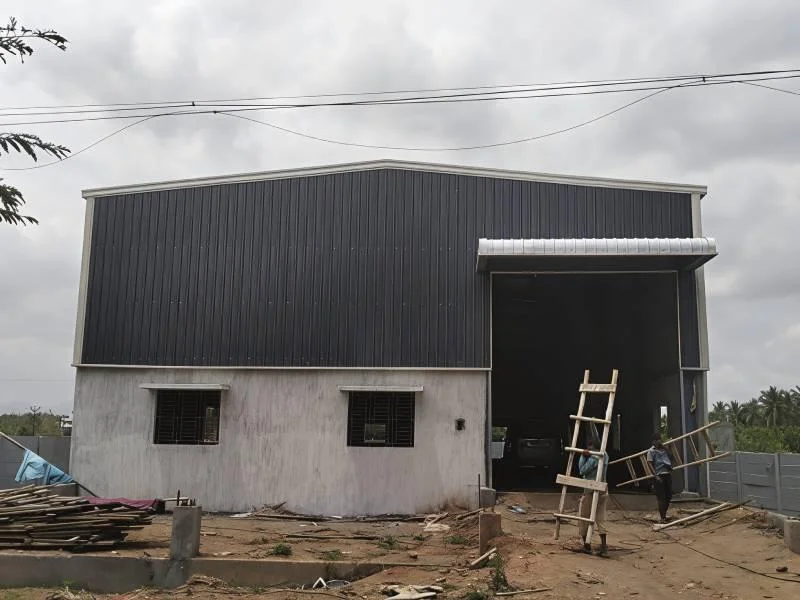
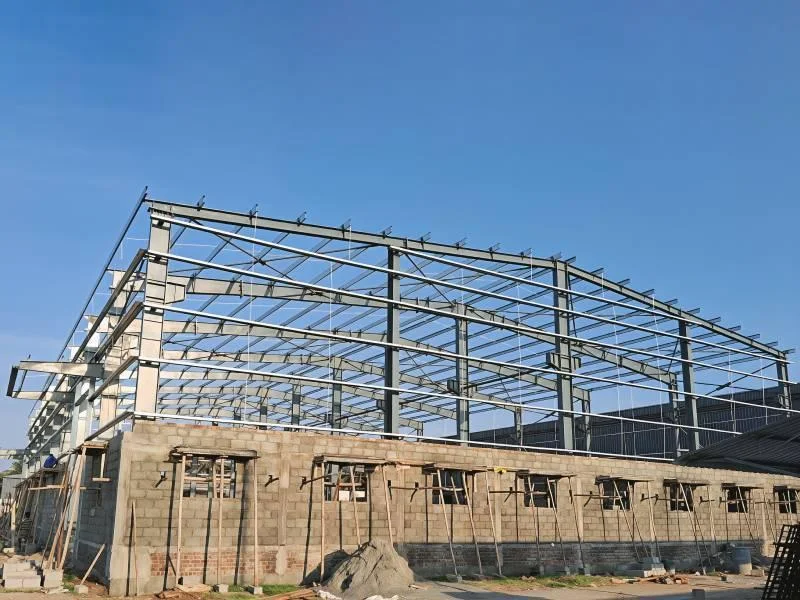
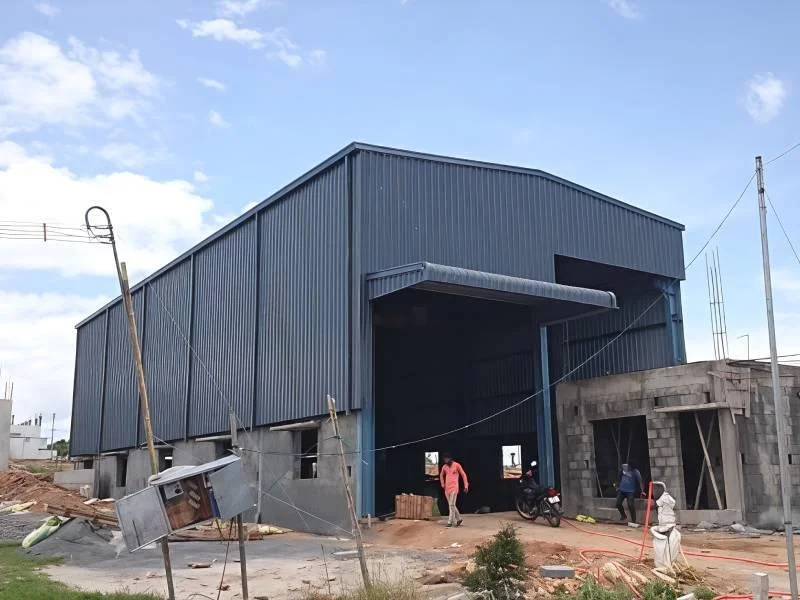
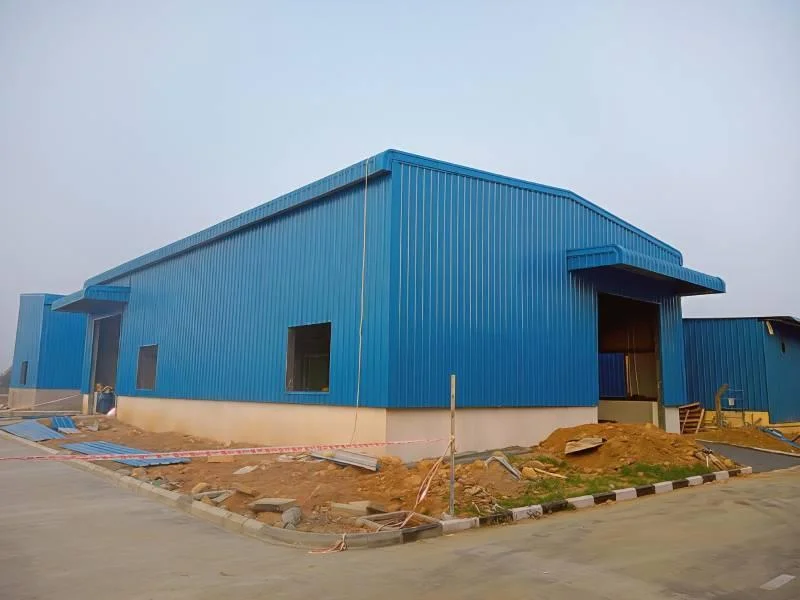
Industrial building structure fabrication is the cornerstone of creating durable, functional, and efficient spaces for heavy-duty operations. This process involves the precise engineering and assembly of primary frameworks using steel trusses, reinforced concrete, or prefabricated steel beams, forming the skeleton of the facility. High-performance materials such as galvanized steel, concrete, and composite panels are selected for their exceptional strength and resistance to environmental stressors. The construction integrates critical systems from the ground up, starting with deep RCC footing or pile foundations for unwavering stability. The superstructure is complemented by specialized wall panels, advanced cladding for protection, and sophisticated ventilation solutions, resulting in a fully integrated building designed for longevity and minimal maintenance under demanding industrial conditions.

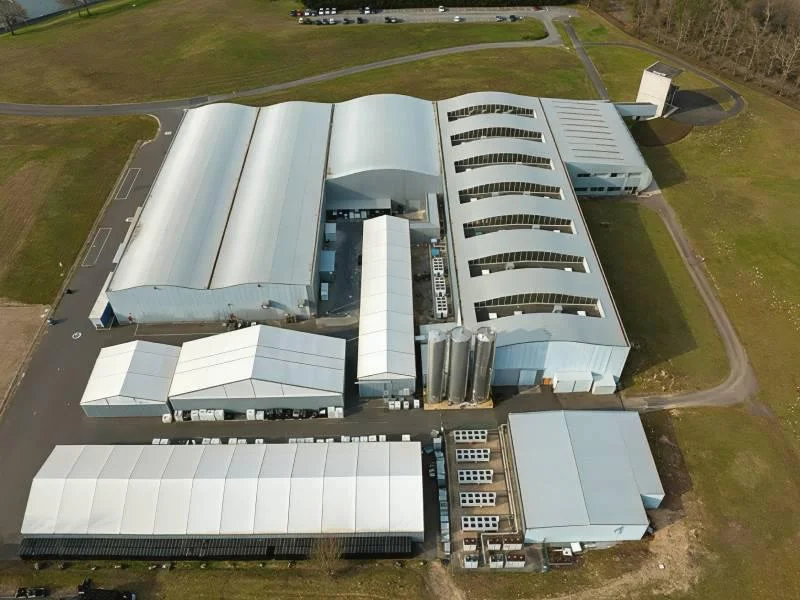
These structures are indispensable across a wide spectrum of industries that rely on robust infrastructure. They are the preferred choice for constructing expansive warehouses, large-scale manufacturing plants, and specialized workshops where machinery weight and operational intensity are high. The clear-span design and modular bay layouts are particularly valuable for logistics hubs, distribution centers, and aircraft hangars, providing unobstructed floor space. Sectors like heavy equipment storage, agricultural processing, and industrial depots utilize these buildings for their ability to house sensitive operations while withstanding daily wear, vibration, and exposure, ensuring a secure and productive environment for years of service.

Investing in professionally fabricated industrial structures delivers significant business value through enhanced operational reliability and cost efficiency. The inherent durability of materials like galvanized steel and precast concrete translates to lower long-term maintenance and repair costs, protecting your capital investment. The optimized layout efficiency directly boosts productivity by improving workflow and space utilization. Furthermore, the inherent strength and safety features, from anti-slip flooring to secure structural joints, minimize operational risks and potential downtime. This reliability ensures your facility can consistently support core business activities, providing a stable and scalable foundation for growth and operational excellence.

Key Features:
- Robust framework options including steel truss, reinforced concrete, and prefabricated steel beams for superior load-bearing capacity.
- High-grade construction materials such as galvanized steel, concrete slabs, and insulated composite panels for enhanced durability.
- Engineered foundation systems with RCC footing, pile foundations, and concrete slabs to ensure long-term structural stability.
- Integrated flooring systems featuring high-strength concrete and anti-slip epoxy coatings designed for heavy equipment and traffic.
- Advanced ventilation solutions incorporating ridge vents, louvers, and mechanical exhaust systems for optimal air quality and temperature control.

Benefits:
- Provides exceptional structural integrity and longevity, capable of supporting heavy machinery and withstanding harsh industrial environments.
- Maximizes usable interior space with clear-span designs and modular layouts, improving operational workflow and storage efficiency.
- Reduces long-term operational costs through durable materials and construction that minimize maintenance and repair needs.
- Enhances workplace safety with features like anti-slip flooring, secure bolted/welded joints, and effective ventilation systems.
- Offers a reliable and scalable infrastructure solution that supports business continuity and facilitates future expansion or adaptation.
Specifications
| Attribute | Value |
|---|---|
| FrameworkMaterialGalvanized steel / Concrete / Composite panelsWall PanelsFoundationFlooring SystemStructural JointsCladdingVentilationLayout Efficiency |
| Additional Information | |
|---|---|
| Country of Origin | 106 |
| Customisable | No |
Application
Our industrial building structures are engineered for demanding environments where strength, durability, and operational efficiency are non-negotiable. These structures utilize high-grade materials like galvanized steel, reinforced concrete, and composite panels to create frameworks that withstand heavy loads, harsh weather, and continuous industrial use. The design prioritizes clear-span interiors and modular bays, maximizing usable space for machinery, storage, and workflow.

From the robust RCC footing foundations to the high-strength concrete flooring and anti-slip epoxy coatings, every component is selected for long-term performance. The integrated ventilation systems, including ridge vents and mechanical exhausts, ensure a safe and regulated environment. These buildings are tailored for sectors requiring reliable, large-scale infrastructure that supports daily operations without compromise, offering a turnkey solution for industrial expansion and new facility development.
- Warehouses and distribution centers requiring large, clear-span spaces for storage racks, forklift traffic, and inventory management systems.
- Manufacturing plants and factories that need robust floors to support heavy machinery, assembly lines, and constant vibration from industrial processes.
- Aircraft hangars and vehicle maintenance depots utilizing wide, column-free interiors to accommodate large equipment and facilitate easy movement.
- Agricultural storage and processing facilities benefiting from insulated wall panels and weatherproof cladding to protect sensitive materials and equipment.
- Logistics terminals and industrial workshops where optimized workflow layouts, durable epoxy flooring, and efficient ventilation systems are critical for productivity and safety.
Trade Details
| Available Stock | In stock |
| Sample Availability | No |
Payment Terms
| Payment Terms |
|
Company Profile

MRK Roofing , Tamil Nadu Tamil Nadu, India
Tamil Nadu, IndiaConstruction•Manufacturer
Factory Details
Factory SizeBelow 1000 sqm
Industrial Building Structures: Steel Truss & Concrete Frameworks For Warehouses & Factories
Industrial building structure fabrication provides durable steel truss, reinforced concrete, and prefabricated steel beam frameworks for warehouses, factories, and plants, featuring galvanized steel, composite panels, and optimized layout efficiency for heavy machinery support.
Min. Order Quantity: 1
Shipping
Shipping fee and delivery date to be negotiated. Contact supplier now for more details.
MRK Roofing 
 Tamil Nadu, India
Tamil Nadu, IndiaConstructionManufacturer