IN
IN₹
Apparel & Fashion
Description
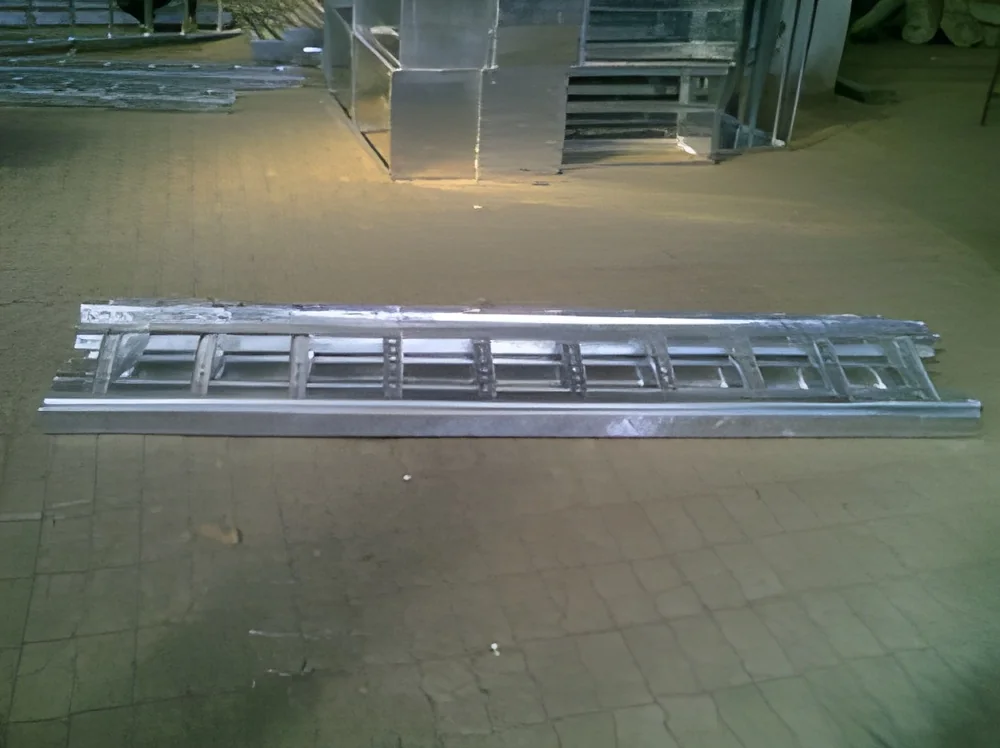
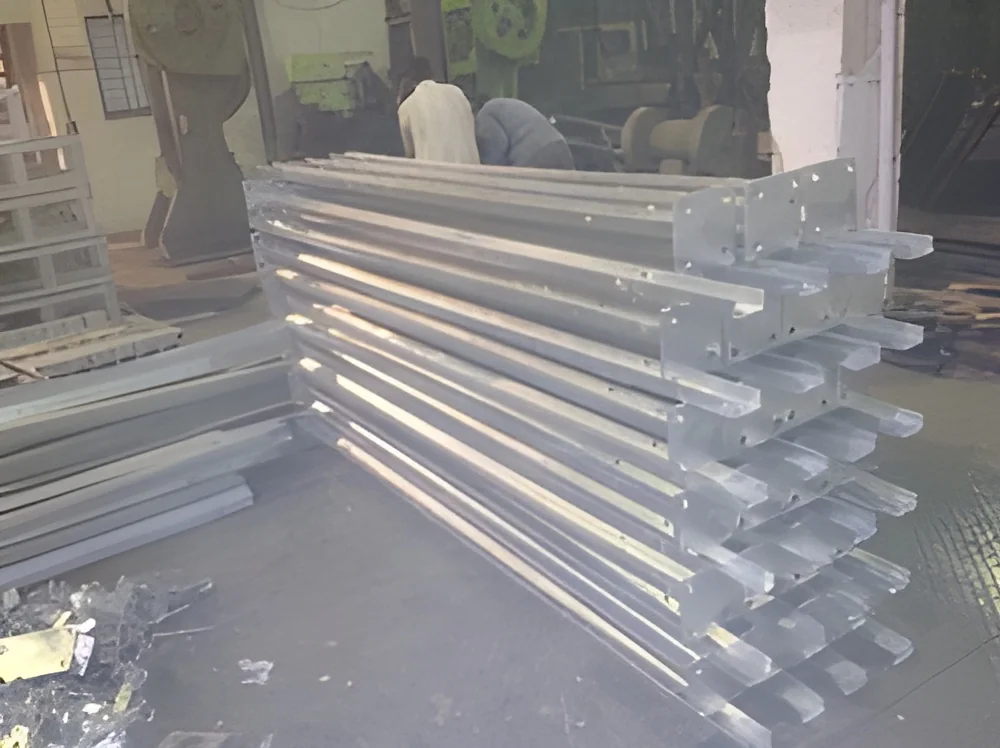
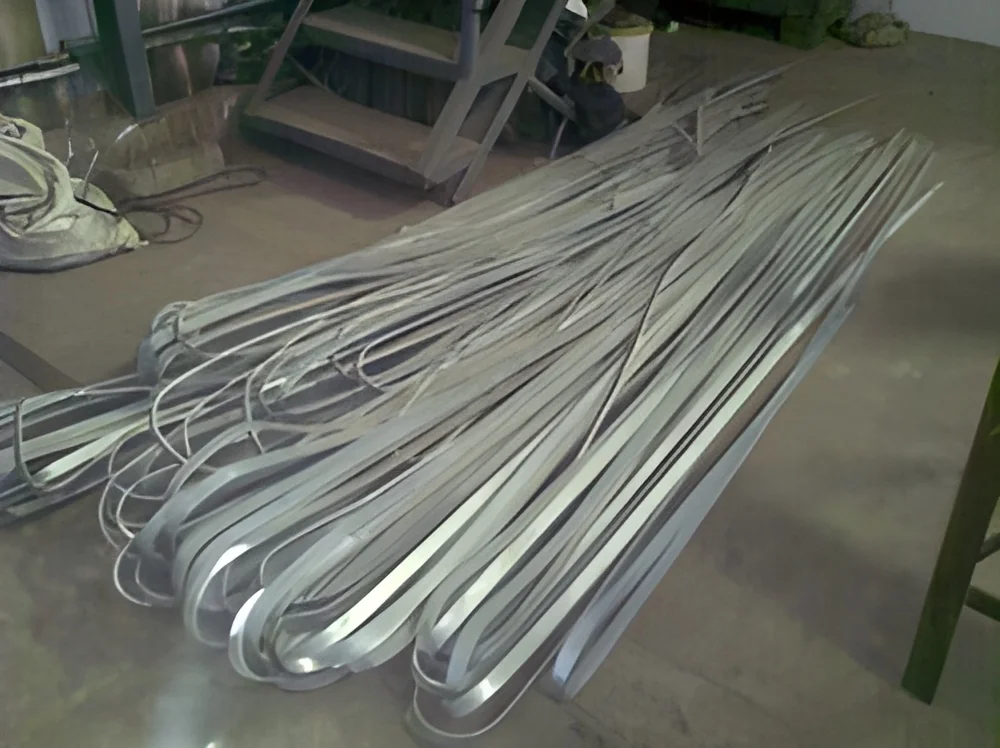
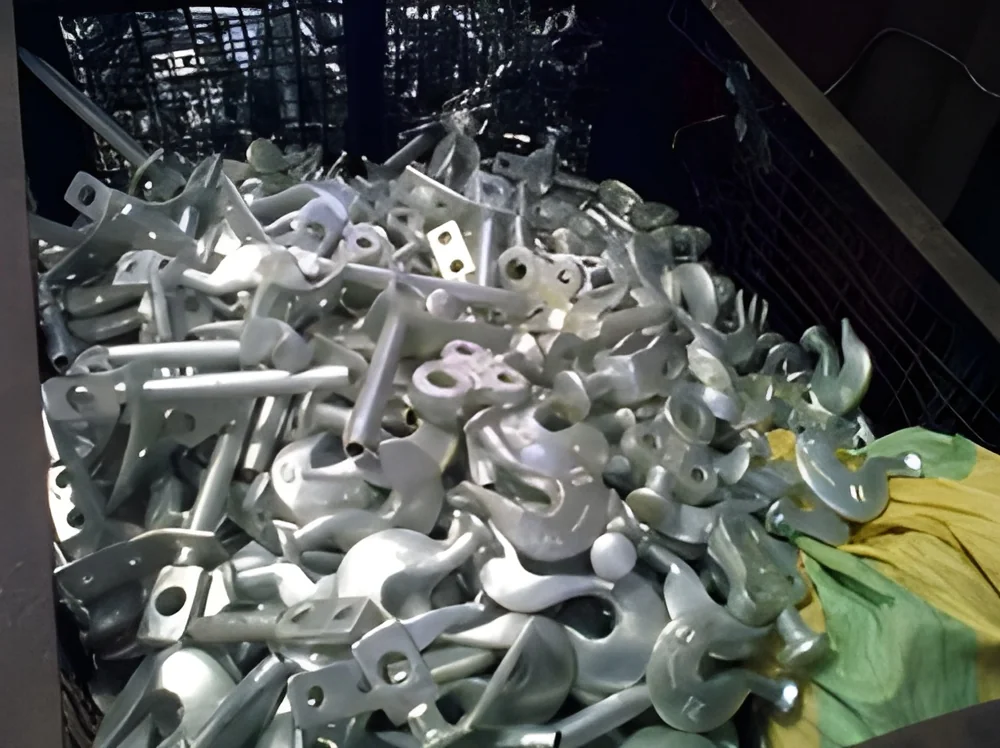
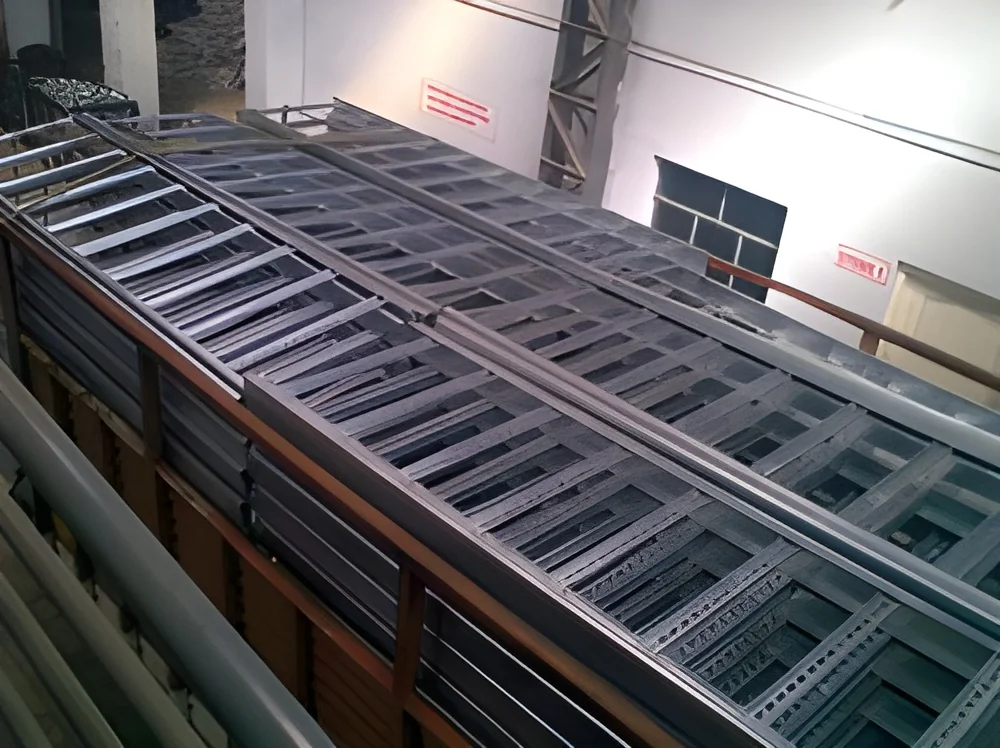
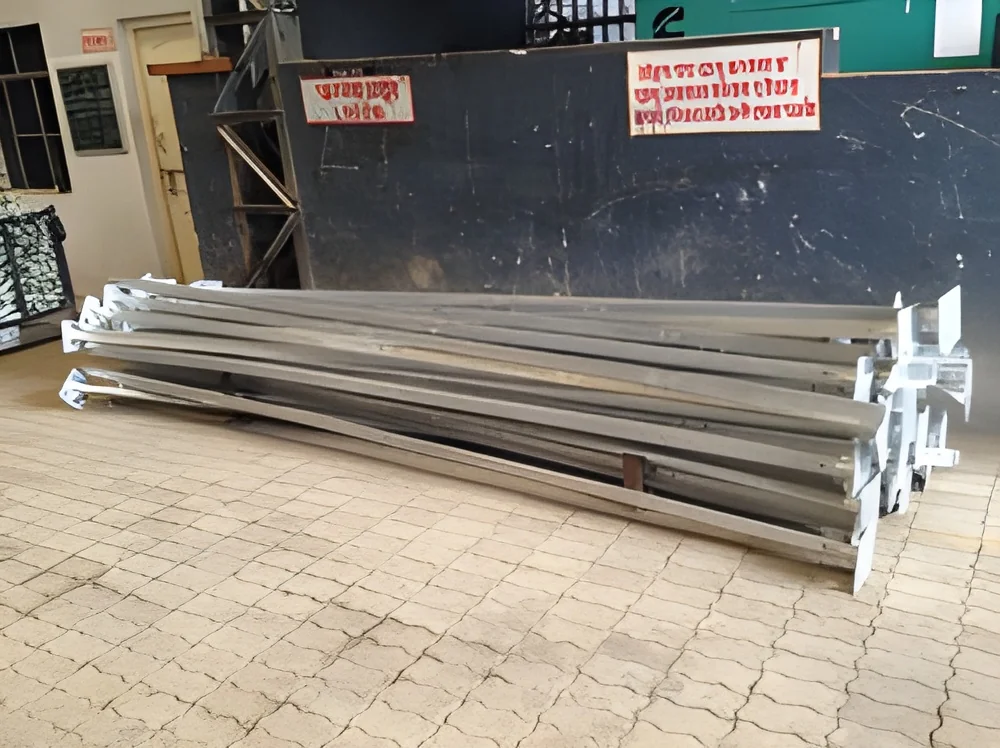
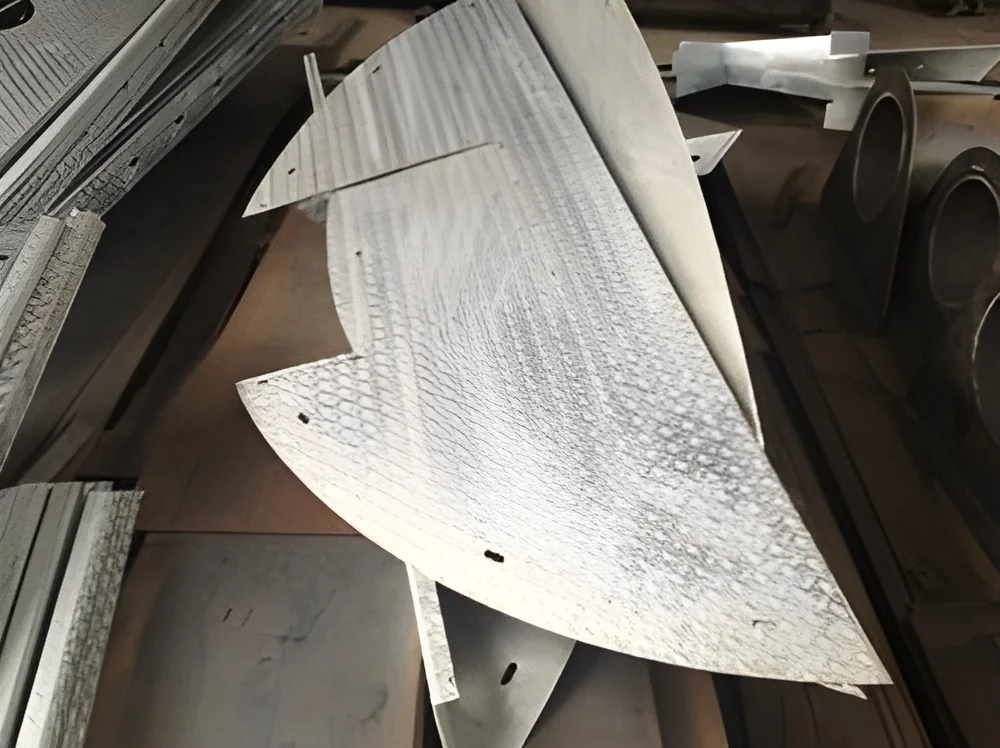
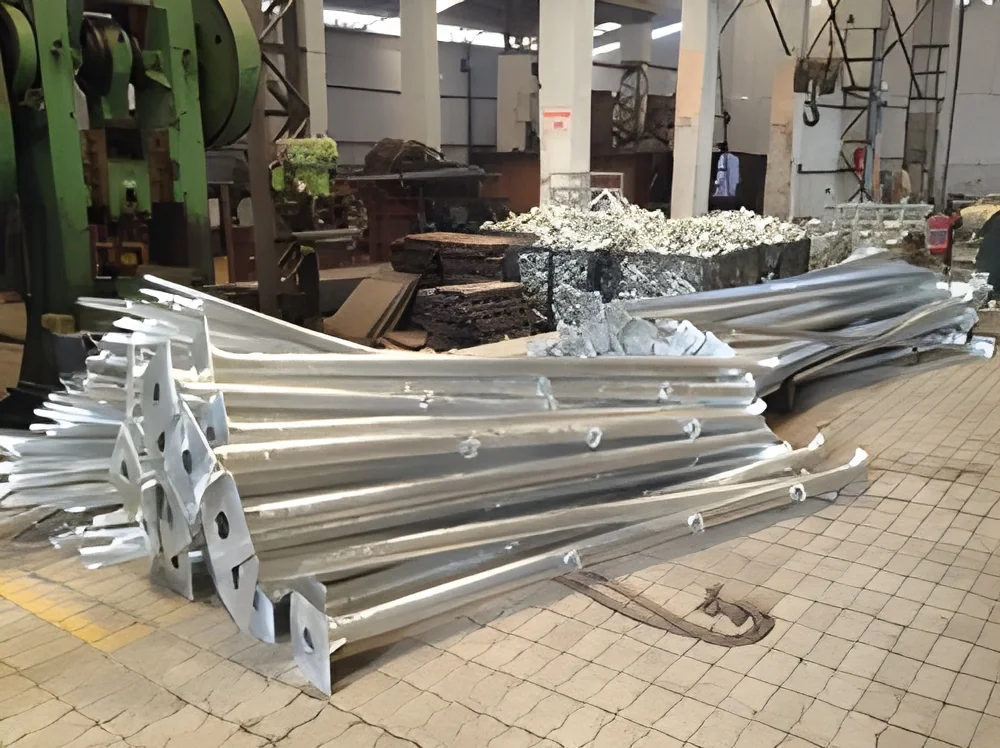
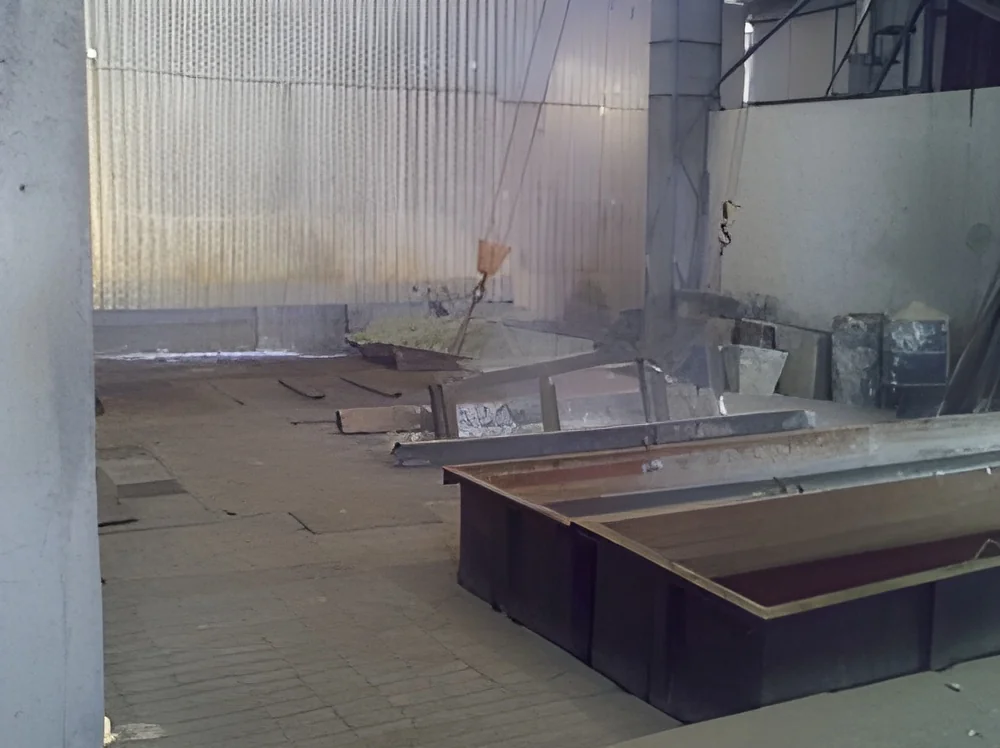
Industrial Hot Dip Galvanizing involves immersing prepared steel components into molten zinc maintained at 455-460°C, creating a permanent metallurgical bond between zinc and steel substrate. This process forms multiple protective layers including abrasion-resistant zinc-iron alloy layers and impact-resistant pure zinc top coating. The result is complete, uniform protection that covers all surfaces, edges, and corners, providing superior corrosion resistance for decades. This proven method ensures comprehensive coverage that outperforms other coating techniques, delivering reliable protection for steel assets in various industrial applications.

This galvanizing process serves critical needs across construction, infrastructure development, automotive manufacturing, and industrial equipment sectors. Construction professionals utilize it for structural steel elements, bridges, and building frameworks requiring long-term corrosion resistance. Infrastructure projects depend on galvanized c...
Industrial Hot Dip Galvanizing involves immersing prepared steel components into molten zinc maintained at 455-460°C, creating a permanent metallurgical bond between zinc and steel substrate. This process forms multiple protective layers including abrasion-resistant zinc-iron alloy layers and impact-resistant pure zinc top coating. The result is complete, uniform protection that covers all surfaces, edges, and corners, providing superior corrosion resistance for decades. This proven method ensures comprehensive coverage that outperforms other coating techniques, delivering reliable protection for steel assets in various industrial applications.

This galvanizing process serves critical needs across construction, infrastructure development, automotive manufacturing, and industrial equipment sectors. Construction professionals utilize it for structural steel elements, bridges, and building frameworks requiring long-term corrosion resistance. Infrastructure projects depend on galvanized components for highway systems, electrical transmission infrastructure, and water treatment facilities. Automotive manufacturers specify galvanized parts for vehicle frames and underbody components, while agricultural equipment producers use it for machinery exposed to harsh environmental conditions and chemical exposure.

The business value of hot dip galvanizing lies in its exceptional return on investment through significantly extended product lifecycles and substantially reduced maintenance costs. This process delivers reliability through consistent coating quality and proven performance across diverse environmental conditions. The metallurgical bond ensures the coating cannot peel or flake, providing permanent protection that withstands physical impact and abrasion damage. This makes it particularly valuable for applications where safety and long-term performance are critical considerations, offering confidence to engineers, project managers, and procurement specialists responsible for durable asset protection.

Key Features:
- Complete immersion process at 455-460°C ensuring uniform coating coverage
- Metallurgical bonding creates permanent zinc-iron alloy layers
- Abrasion-resistant intermediate layers with impact-resistant pure zinc top coat
- Comprehensive protection including edges, corners, and complex geometries
- Consistent coating thickness and excellent adhesion properties

Benefits:
- Extended product lifespan with decades of corrosion protection
- Significant reduction in long-term maintenance and replacement costs
- Superior resistance to physical impact, abrasion, and environmental exposure
- Complete coverage of all surfaces including hard-to-reach areas
- Proven reliability in diverse industrial and environmental conditions
Specifications
| Additional Information | |
|---|---|
| Country of Origin | India |
Application
Hot dip galvanizing delivers robust corrosion protection for steel components across multiple sectors. The process creates durable zinc-iron alloy layers that withstand harsh environmental conditions, ensuring long-term asset protection with reliable performance and cost-effective maintenance solutions for industrial applications requiring durable steel protection.
This galvanizing method serves construction, infrastructure, automotive, and industrial equipment industries with uniform coating thickness and excellent adhesion. The complete immersion process guarantees consistent coverage even on complex geometries, making it suitable for both large-scale projects and specialized fabrication needs while delivering unmatched durability in demanding operating environments.
- Structural steel beams and columns in building construction for corrosion resistance
- Highway guardrails and sign supports requiring long-term weather durability
- Electrical transmission towers and telecommunication structures exposed to elements
- Automotive chassis and underbody components for enhanced longevity
- Agricultural equipment and storage tanks resisting chemical and moisture exposure
Trade Details
| Available Stock | In Stock |
| Sample Availability | No |
Payment Terms
| Payment Terms |
|
Company Profile
Bharati- AHS Powertech Private Limited, Maharashtra
 Maharashtra, India
Maharashtra, IndiaRaw Materials & Chemicals•Manufacturer•Distributor / Wholesaler
Factory Details
Factory SizeBelow 1000 sqm
Annual Production Capacity0
Main Markets
Domestic
Industrial Hot Dip Galvanizing For Durable Steel Corrosion Protection
Industrial Hot Dip Galvanizing provides durable steel corrosion protection through molten zinc immersion at 455-460°C, creating metallurgical bonds for superior abrasion and impact resistance across construction and infrastructure applications.
Min. Order Quantity: 1 unit
Shipping
Shipping fee and delivery date to be negotiated. Contact supplier now for more details.
Bharati- AHS Powertech Private Limited
 Maharashtra, India
Maharashtra, IndiaRaw Materials & ChemicalsManufacturer