IN
IN₹
Apparel & Fashion
Description
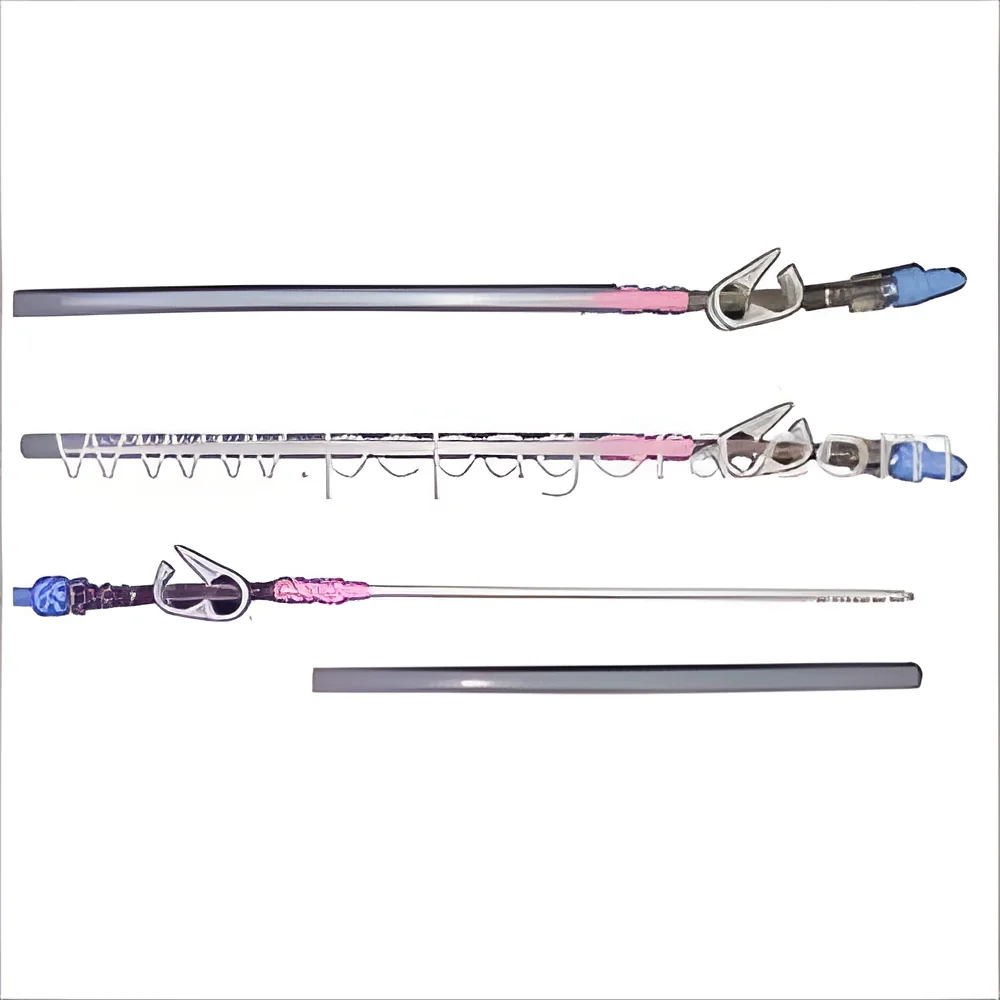
Premium femoral catheters represent a specialized class of central venous access devices specifically engineered for insertion into the femoral vein located in the thigh region. These advanced medical devices consist of flexible, biocompatible tubing carefully inserted using precision needle guidance systems, then securely fixed in place using either sterile sutures or medical-grade adhesive tapes based on intended duration and clinical requirements. The primary function centers on providing healthcare professionals with reliable, repeated venous system access without multiple needle insertions, thereby enhancing patient comfort while maintaining optimal sterile conditions. Particularly crucial in emergency and critical care environments, femoral catheters are frequently deployed when traditional access sites like jugular or subclavian veins become inaccessible due to medical contraindications, anatomical challenges, or previous surgical interventions requiring alternative vascular pat...
Premium femoral catheters represent a specialized class of central venous access devices specifically engineered for insertion into the femoral vein located in the thigh region. These advanced medical devices consist of flexible, biocompatible tubing carefully inserted using precision needle guidance systems, then securely fixed in place using either sterile sutures or medical-grade adhesive tapes based on intended duration and clinical requirements. The primary function centers on providing healthcare professionals with reliable, repeated venous system access without multiple needle insertions, thereby enhancing patient comfort while maintaining optimal sterile conditions. Particularly crucial in emergency and critical care environments, femoral catheters are frequently deployed when traditional access sites like jugular or subclavian veins become inaccessible due to medical contraindications, anatomical challenges, or previous surgical interventions requiring alternative vascular pathways.

These specialized catheters find extensive utilization across multiple healthcare sectors including emergency medicine, intensive care units, surgical departments, and nephrology services. Emergency departments rely on femoral catheters for rapid vascular access during trauma resuscitation, enabling immediate administration of life-saving medications, fluids, and blood products. Intensive care units utilize these devices for continuous medication infusion, parenteral nutrition delivery, and advanced hemodynamic monitoring in critically unstable patients. Surgical teams employ femoral catheters during complex procedures where maintaining stable venous access proves crucial for patient safety, while nephrology departments depend on them for temporary dialysis access when other sites become compromised. The devices also serve vital roles in oncology for chemotherapy administration and infectious disease units for prolonged antibiotic therapies requiring dependable vascular access.

The business value of premium femoral catheters lies in their demonstrated reliability, clinical effectiveness, and significant contribution to improved patient outcomes across medical specialties. These advanced devices substantially reduce procedure times, minimize complication risks through superior design, and enhance overall healthcare efficiency in demanding clinical environments. Manufacturers differentiate their products through exceptional material quality, precise engineering tolerances, and comprehensive customization options meeting specific clinical requirements. Catheter reliability is validated through rigorous quality control processes, extensive biocompatibility testing, and full compliance with international medical device standards. For healthcare procurement professionals, investing in high-quality femoral catheters translates to reduced supply chain disruptions, consistent product performance across batches, and ultimately superior patient care delivery through dependable vascular access solutions.

Key Features:
- Single-lumen configuration optimized for straightforward vascular access procedures
- Premium biocompatible materials ensuring maximum patient safety and comfort during use
- Precision-engineered needle guidance system facilitating accurate placement and insertion
- Multiple secure fixation options including integrated suture wings and adhesive compatibility
- Radiopaque markers providing clear visibility confirmation under various imaging techniques

Benefits:
- Reduced procedure times through efficient single-lumen design and easy insertion process
- Enhanced patient comfort with minimized tissue trauma and biocompatible materials
- Improved clinical outcomes via precise placement and secure stabilization features
- Versatile application across multiple medical specialties and patient demographics
- Reliable performance backed by rigorous quality testing and international standards compliance
Specifications
| Additional Information | |
|---|---|
| Country of Origin | India |
Application
Premium femoral catheters deliver essential central venous access when traditional sites are unavailable or contraindicated. These single-lumen devices enable immediate and repeated venous access without multiple needle insertions, significantly reducing patient discomfort while improving procedural efficiency in time-sensitive medical scenarios. Their reliable performance makes them particularly valuable in emergency departments, intensive care units, and surgical settings where rapid vascular access directly impacts patient outcomes and clinical workflow efficiency.
These medical devices serve multiple critical applications from emergency resuscitation to long-term medication administration across diverse healthcare environments. The design prioritizes both patient safety and clinical utility, making them suitable for adult and pediatric care when femoral vein access becomes the preferred or necessary option. Medical professionals consistently rely on these catheters for their dependable performance and ease of use even in the most challenging clinical situations requiring stable vascular access solutions.
- Emergency medicine for rapid vascular access during trauma resuscitation and critical care interventions
- Intensive care units for continuous medication infusion and hemodynamic monitoring of critically ill patients
- Surgical procedures requiring stable venous access throughout complex operations and recovery
- Dialysis and apheresis treatments when other vascular access sites are compromised or unavailable
- Long-term antibiotic therapy or chemotherapy administration in hospitalized patients requiring sustained venous access
Trade Details
| Available Stock | In Stock |
| Sample Availability | No |
Payment Terms
| Payment Terms |
|
Company Profile
Global Enterprises, New Delhi
 New Delhi, India
New Delhi, IndiaTools & Hardware•Manufacturer•Distributor / Wholesaler•Importer / Exporter
Factory Details
Factory SizeBelow 1000 sqm
Annual Production Capacity0
Premium Femoral Catheters Single Lumen Central Venous Access
Premium Femoral Catheters provide reliable single lumen central venous access via the femoral vein for critical care procedures, ensuring safe and efficient vascular access in clinical environments with precision placement and patient safety features.
Min. Order Quantity: 1 unit
Shipping
Shipping fee and delivery date to be negotiated. Contact supplier now for more details.
Global Enterprises
 New Delhi, India
New Delhi, IndiaTools & HardwareManufacturer