IN
INundefined
Similar Products








Description
This comprehensive analysis delivers an in-depth examination of the constitutional provisions systematically exploited for corruption within India's governance framework. It meticu...
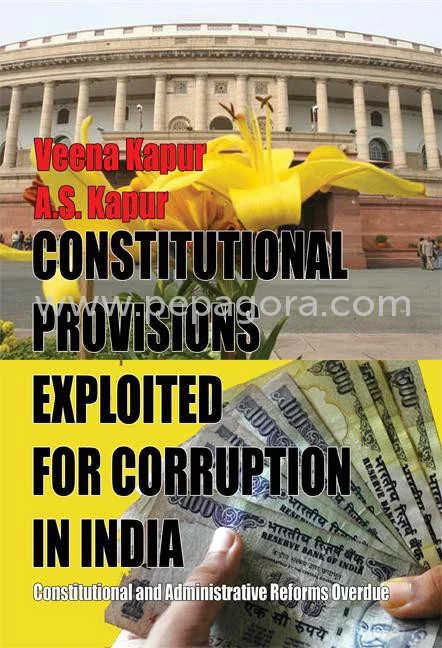
This comprehensive analysis delivers an in-depth examination of the constitutional provisions systematically exploited for corruption within India's governance framework. It meticulously documents how specific articles and clauses have been manipulated across different administrations, creating a detailed map of systemic legal vulnerabilities. The research covers historical patterns, current manifestations, and potential remediation strategies, making it an essential resource for anyone serious about understanding and addressing institutional corruption at its foundational, constitutional roots. The methodology ensures factual accuracy through verified case studies and legal precedents, providing a structured and reliable reference.

The material finds critical application across legal practices, governmental oversight bodies, and policy research institutions. Law firms specializing in constitutional and administrative law utilize this analysis to build stronger arguments regarding governance failures and compliance. Government agencies and commissions responsible for anti-corruption initiatives employ these insights to develop more effective legislative and policy reforms. Academic departments in political science, law, and public administration integrate this research into advanced curricula, while international organizations focused on governance transparency use it to understand complex systemic challenges in developing democracies.

Institutions and professional entities operating within or analyzing the Indian context will find exceptional value in this analysis's reliability, depth, and practical utility. The structured presentation allows for direct application in risk assessment, compliance planning, and strategic advisory services. This document stands apart through its unique, focused examination of constitutional mechanisms rather than superficial symptoms, providing genuine understanding and actionable insights for reform and oversight. It serves as a trusted tool for informed decision-making and strategic planning in legal and governance environments.

Key Features:
- Comprehensive analysis of constitutional articles and clauses exploited for systemic corruption.
- Detailed documentation with verified case studies and established legal precedents.
- Examination of historical patterns alongside current manifestations of exploitation.
- Structured presentation organized for easy reference, cross-referencing, and practical application.
- Focus on root systemic vulnerabilities and legal loopholes rather than isolated individual cases.

Benefits:
- Provides a foundational understanding of corruption mechanisms at the constitutional level for informed strategy.
- Supports evidence-based legal arguments and policy development with verified case studies.
- Enhances risk assessment and compliance planning for institutions operating under relevant legal frameworks.
- Serves as an authoritative educational and research resource for advanced academic and professional study.
- Delivers actionable insights for designing effective governance reforms and oversight mechanisms.
Specifications
| Additional Information | |
|---|---|
| Country of Origin | India |
| Customisable | No |
Application
This detailed analysis is a vital resource for legal professionals and policy makers investigating systemic governance issues. It delivers thorough insights into how constitutional interpretations have been manipulated for corrupt practices, supplying essential context for developing legal reforms and strengthening institutional oversight mechanisms. The research is indispensable for academic researchers and educational institutions focused on political science, law, and public administration. Its comprehensive examination of constitutional loopholes and exploitation patterns supports advanced scholarly research and enriches curriculum development in governance and anti-corruption studies.

Real-world applications:
- Legal firms and practitioners specializing in constitutional law and governance compliance cases.
- Government agencies and legislative bodies developing anti-corruption policies and legal reforms.
- Universities and academic departments for political science, law, and public administration curriculum.
- Research organizations and think tanks studying governance patterns and systemic corruption dynamics.
- International organizations and NGOs working on global transparency and accountability initiatives.
Trade Details
| Available Stock | In stock |
| Sample Availability | No |
Payment Terms
| Payment Terms |
|
Company Profile

Power Publishers, West Bengal
 West Bengal, India
West Bengal, IndiaOffice Supplies & Equipment•Manufacturer
Factory Details
Factory SizeBelow 1000 sqm
Annual Production Capacity0
Systemic Corruption Analysis Constitutional Provisions India Legal Policy Research
Systemic Corruption Analysis Constitutional Provisions India Legal Policy Research provides a comprehensive study of exploited constitutional articles for legal offices, policy researchers, and governance institutions seeking reform strategies and in-depth understanding.
Min. Order Quantity: 1 units
Shipping
Shipping fee and delivery date to be negotiated. Contact supplier now for more details.
Power Publishers West Bengal, India
West Bengal, IndiaOffice Supplies & EquipmentManufacturer