IN
₹
Description
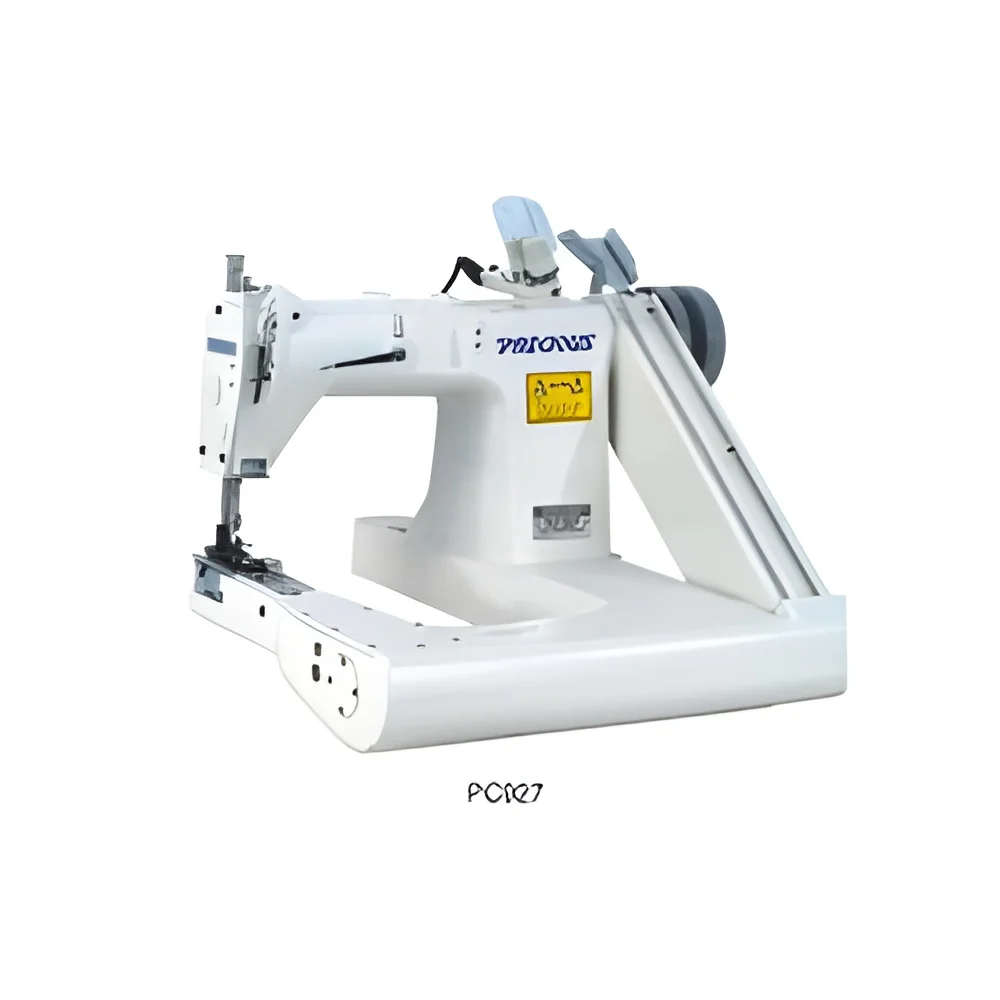
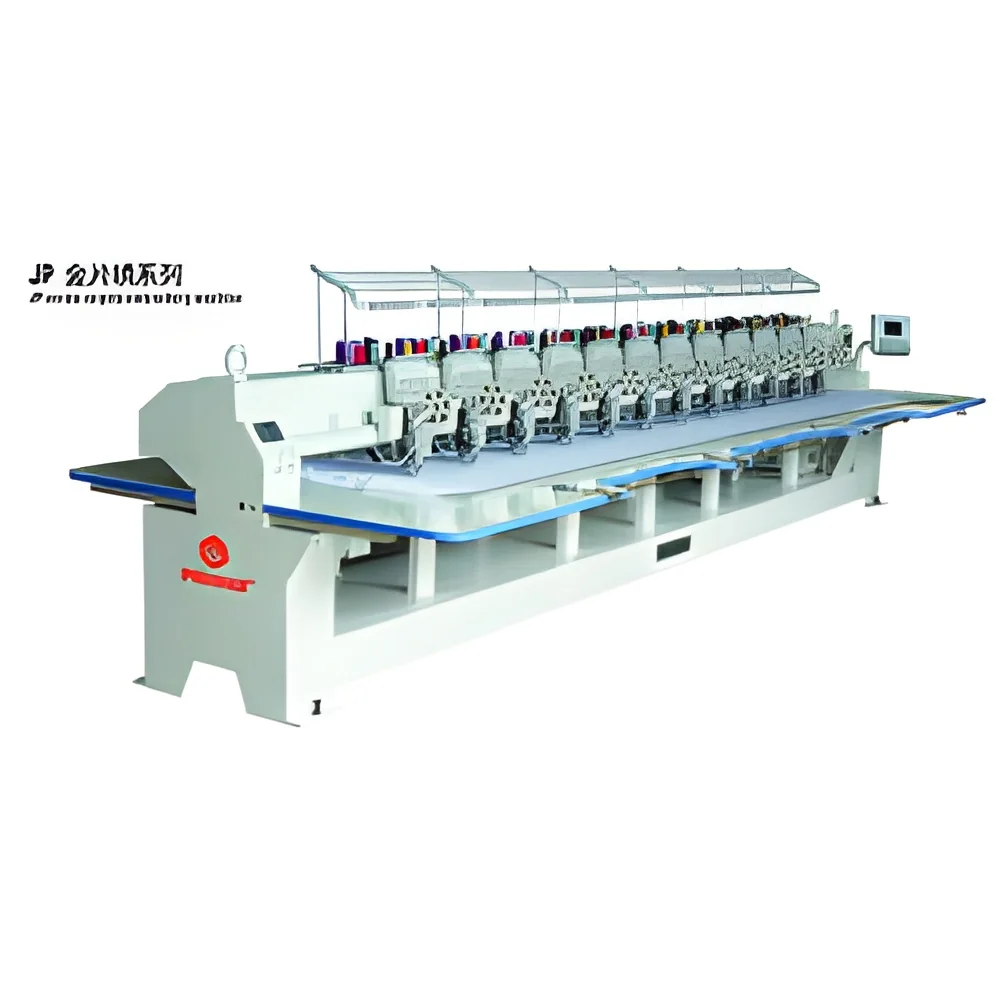
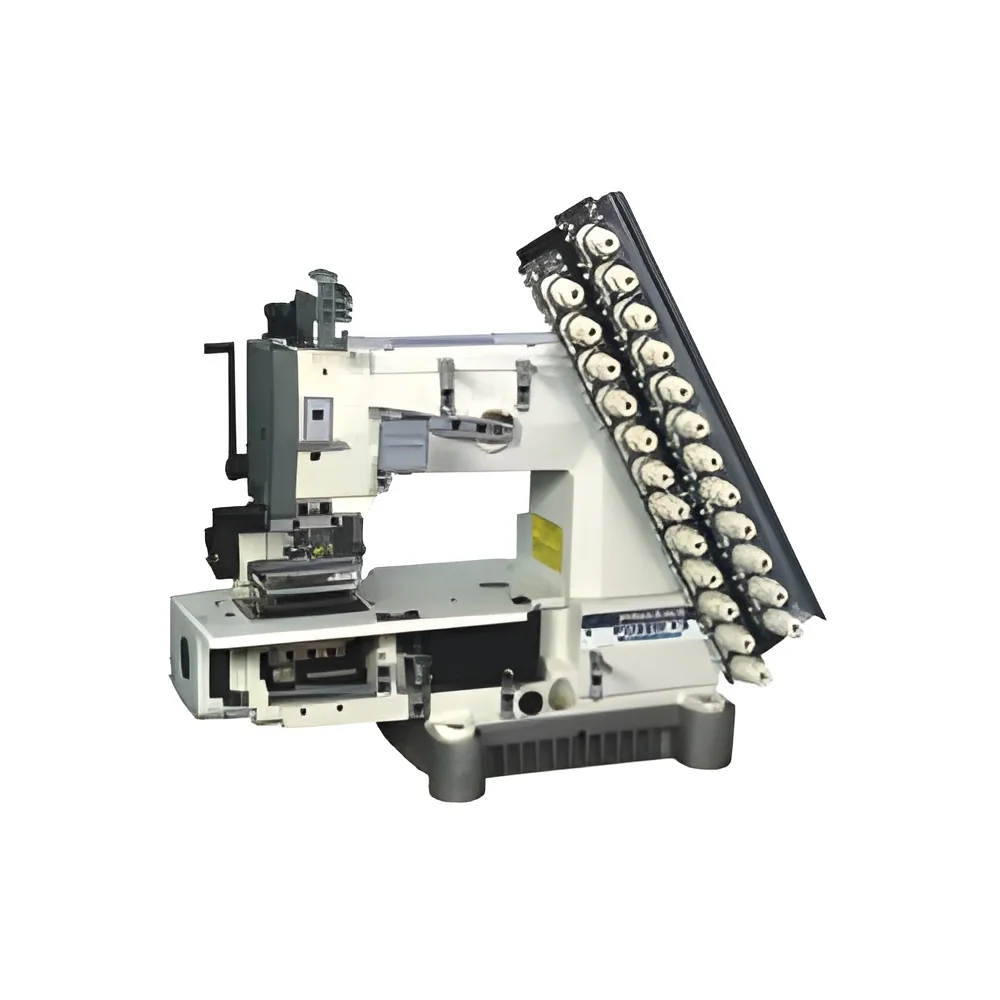
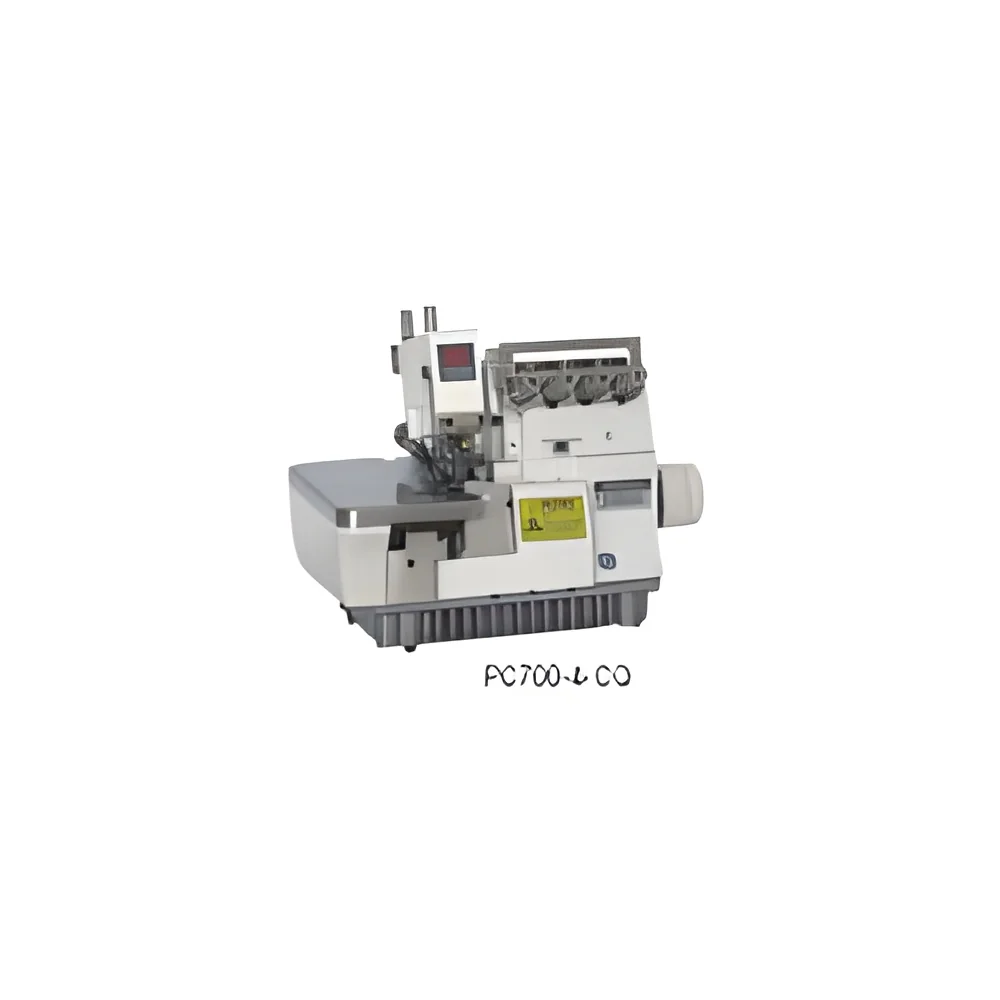
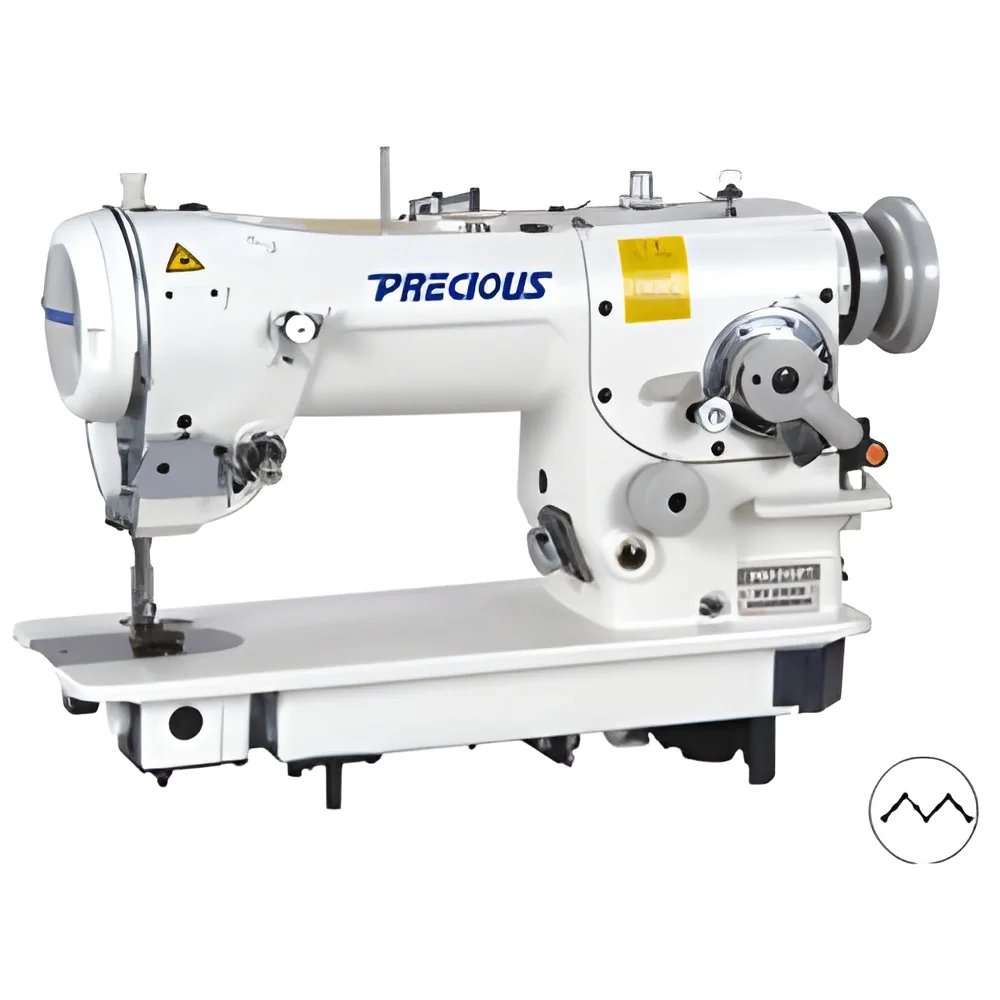
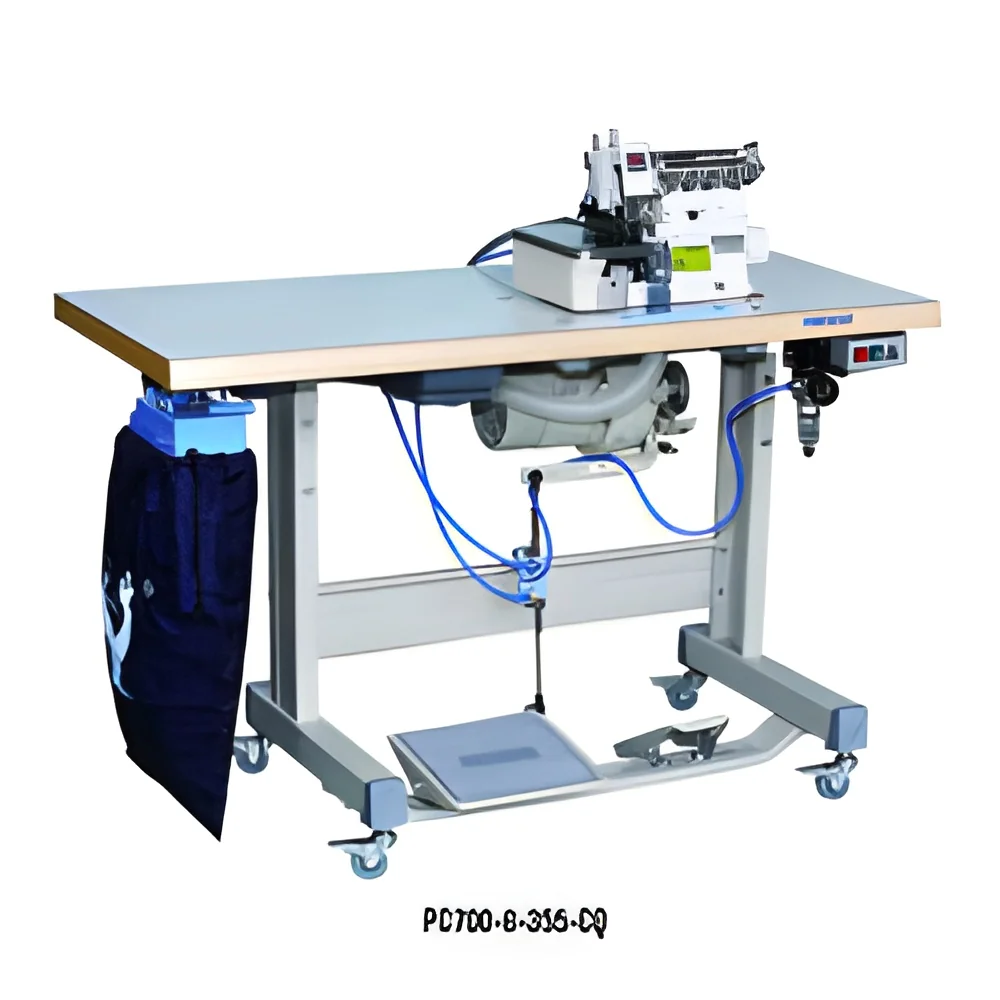
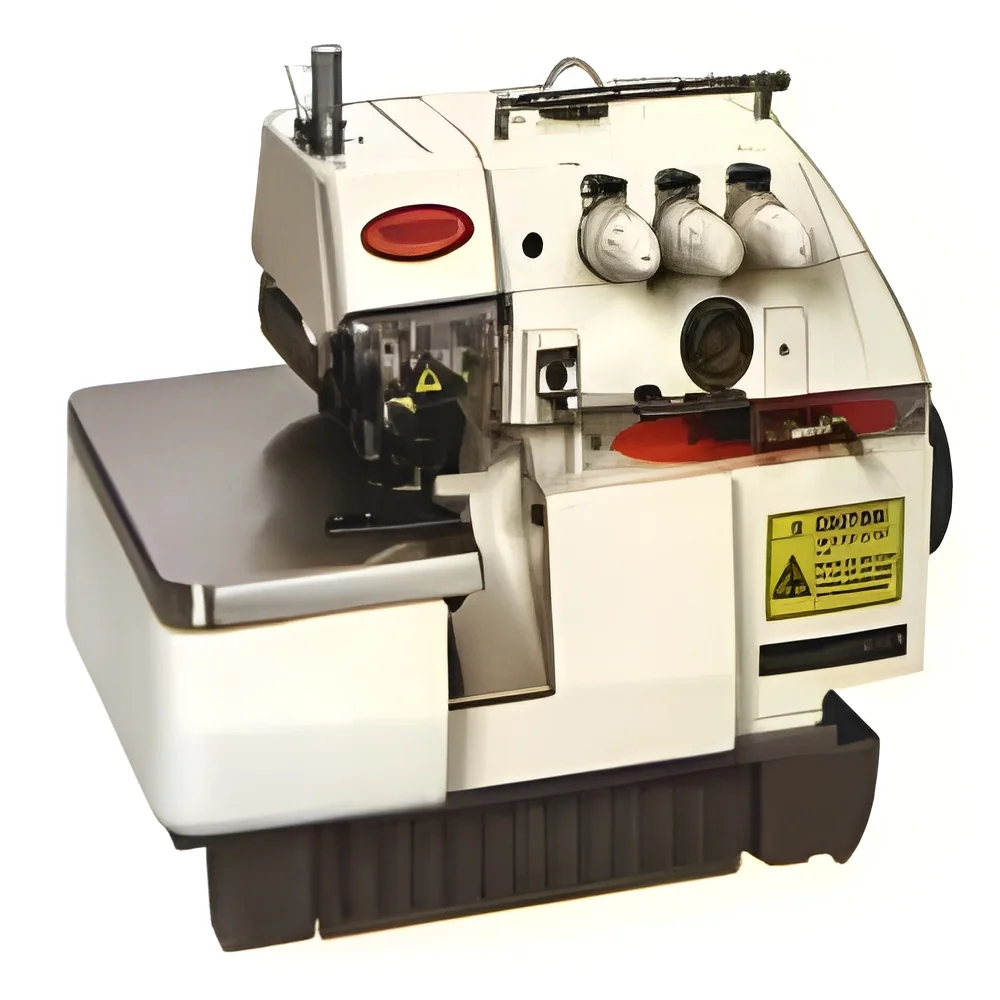
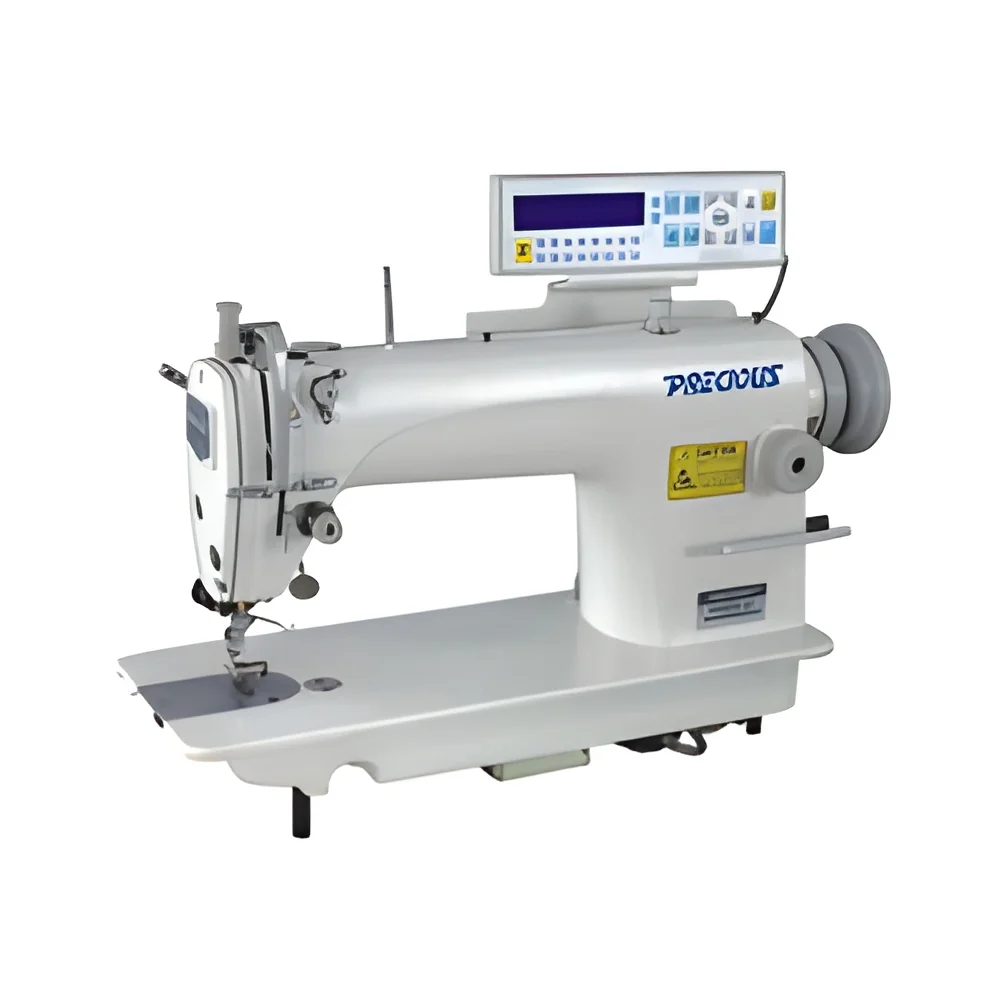
The industrial high-speed lock stitch sewing machine represents advanced sewing technology, combining precision engineering with sophisticated digital controls. This machine features a comprehensive computer system that manages stitch patterns, tension settings, and operational parameters with exceptional accuracy. Designed for continuous operation in high-volume production environments, it offers unmatched consistency in stitch quality while maintaining optimal sewing speeds. The durable construction ensures long-term performance under demanding conditions, while the intuitive interface allows operators to quickly master machine functions. This equipment provides significant advantages over traditional mechanical models, offering manufacturers the technological capabilities needed in competitive markets. Automated features reduce operator fatigue and minimize errors, resulting in superior output quality and reduced material waste.

This industrial sewing machine finds extensive applic...
The industrial high-speed lock stitch sewing machine represents advanced sewing technology, combining precision engineering with sophisticated digital controls. This machine features a comprehensive computer system that manages stitch patterns, tension settings, and operational parameters with exceptional accuracy. Designed for continuous operation in high-volume production environments, it offers unmatched consistency in stitch quality while maintaining optimal sewing speeds. The durable construction ensures long-term performance under demanding conditions, while the intuitive interface allows operators to quickly master machine functions. This equipment provides significant advantages over traditional mechanical models, offering manufacturers the technological capabilities needed in competitive markets. Automated features reduce operator fatigue and minimize errors, resulting in superior output quality and reduced material waste.

This industrial sewing machine finds extensive application across multiple manufacturing sectors including apparel production, automotive interiors, upholstery manufacturing, and technical textiles. In the clothing industry, it is utilized for constructing everything from delicate evening wear to heavy denim garments. Automotive manufacturers employ these machines for producing seat covers, door panels, and interior trim components that require precise and durable stitching. Furniture manufacturers depend on them for upholstery work, while companies producing technical textiles use them for manufacturing protective clothing, medical textiles, and other specialized products. The machine's adaptability makes it suitable for both large-scale mass production and smaller batch custom orders, accommodating various material thicknesses and types with equal efficiency.

The operational value of these computer-controlled sewing machines lies in their ability to enhance productivity while maintaining consistent quality standards. They offer exceptional reliability with minimal downtime, ensuring continuous production flow and meeting demanding delivery schedules. These machines significantly reduce operational costs by minimizing thread consumption, reducing energy usage, and requiring less maintenance compared to conventional models. Their precision stitching capabilities decrease material waste and rework, directly impacting profitability. Investment in such advanced equipment demonstrates commitment to quality and efficiency, strengthening your position as a reliable manufacturing partner in competitive markets.

Key Features:
- Computerized control system for precise stitch regulation and pattern selection
- High-speed operation capability for increased production throughput
- Automatic thread trimming and bobbin winding features
- Robust construction with heavy-duty frame for durability
- Advanced tension control system for consistent stitch quality

Benefits:
- Enhanced production efficiency through automated operations
- Consistent high-quality stitching across various materials
- Reduced operator fatigue and training requirements
- Lower maintenance costs and increased machine longevity
- Improved material utilization with minimal waste generation
Specifications
| Additional Information | |
|---|---|
| Country of Origin | India |
Application
Our industrial high-speed lock stitch sewing machines are engineered for demanding production environments where precision and speed are critical. These units deliver consistent stitch quality across various fabric types, from delicate silks to heavy denims, making them essential in modern manufacturing facilities. They integrate seamlessly with automated production lines, reducing manual intervention while increasing overall throughput and operational efficiency.
These versatile sewing machines serve multiple industries including fashion apparel, automotive interiors, upholstery, and technical textiles. The computerized controls enable quick pattern changes and precise stitch adjustments, catering to both mass production and specialized orders with equal proficiency. Their robust construction ensures reliable performance across different material types and thicknesses, providing manufacturers with flexible production capabilities.
- Mass production of shirts, trousers, and denim garments in clothing factories
- Manufacturing automotive seat covers and interior trim components
- Upholstery production for furniture and home furnishings
- Technical textile manufacturing for medical and protective clothing
- Leather goods production including bags, wallets, and accessories
Trade Details
| Available Stock | In Stock |
| Sample Availability | No |
Payment Terms
| Payment Terms |
|
Company Profile
Bhakti, Maharashtra
 Maharashtra, India
Trading Company•Distributor / Wholesaler•Importer / Exporter
Factory Details
Factory SizeBelow 1000 sqm
Annual Production Capacity0
Industrial High Speed Lock Stitch Sewing Machine For Garment Production
Industrial high-speed lock stitch sewing machine for garment production delivers precision stitching, reliability, and automated operation to enhance manufacturing productivity with consistent quality output for apparel makers.
Min. Order Quantity: 1 unit
Shipping
Shipping fee and delivery date to be negotiated. Contact supplier now for more details.
Bhakti
 Maharashtra, India
Trading Company